Africa eSIM 2026: Crushing Data Costs Across Multiple Countries
Got an epic African adventure planned for 2026? Whether you're dreaming of a safari in Tanzania, diving into the vibrant markets of Morocco, or hiking Table Mountain in South Africa, staying connected is a must. But let's be real, traditional roaming costs can be a nightmare, and trying to buy a local SIM in every country is just a huge pain. That's where the multi-country Africa eSIM comes in - your secret weapon for crushing data costs and enjoying truly hassle-free connectivity across the continent.
As a seasoned traveler and tech geek, I've watched travel connectivity change drastically. Those days of getting hit with insane roaming bills are thankfully fading, replaced by smart solutions like eSIMs. For a continent as massive and diverse as Africa, with its many countries and unique mobile networks, one single eSIM solution isn't just convenient; it's a total game-changer.
Why an Africa eSIM is Your 2026 Travel Essential
Seriously, forget the old ways of staying connected while traveling. Here's why an Africa eSIM, especially one that works across multiple countries, is the smartest move for your 2026 trips:
Eliminate Roaming Shock
The number one reason travelers avoid using their home SIM card abroad is the sheer terror of "roaming shock" - those stomach-dropping bills that show up after your trip. An Africa eSIM gives you clear, pre-paid data plans. You know exactly what you're spending upfront. No surprises, no hidden fees, just reliable internet.
Multi-Country Connectivity? Easy.
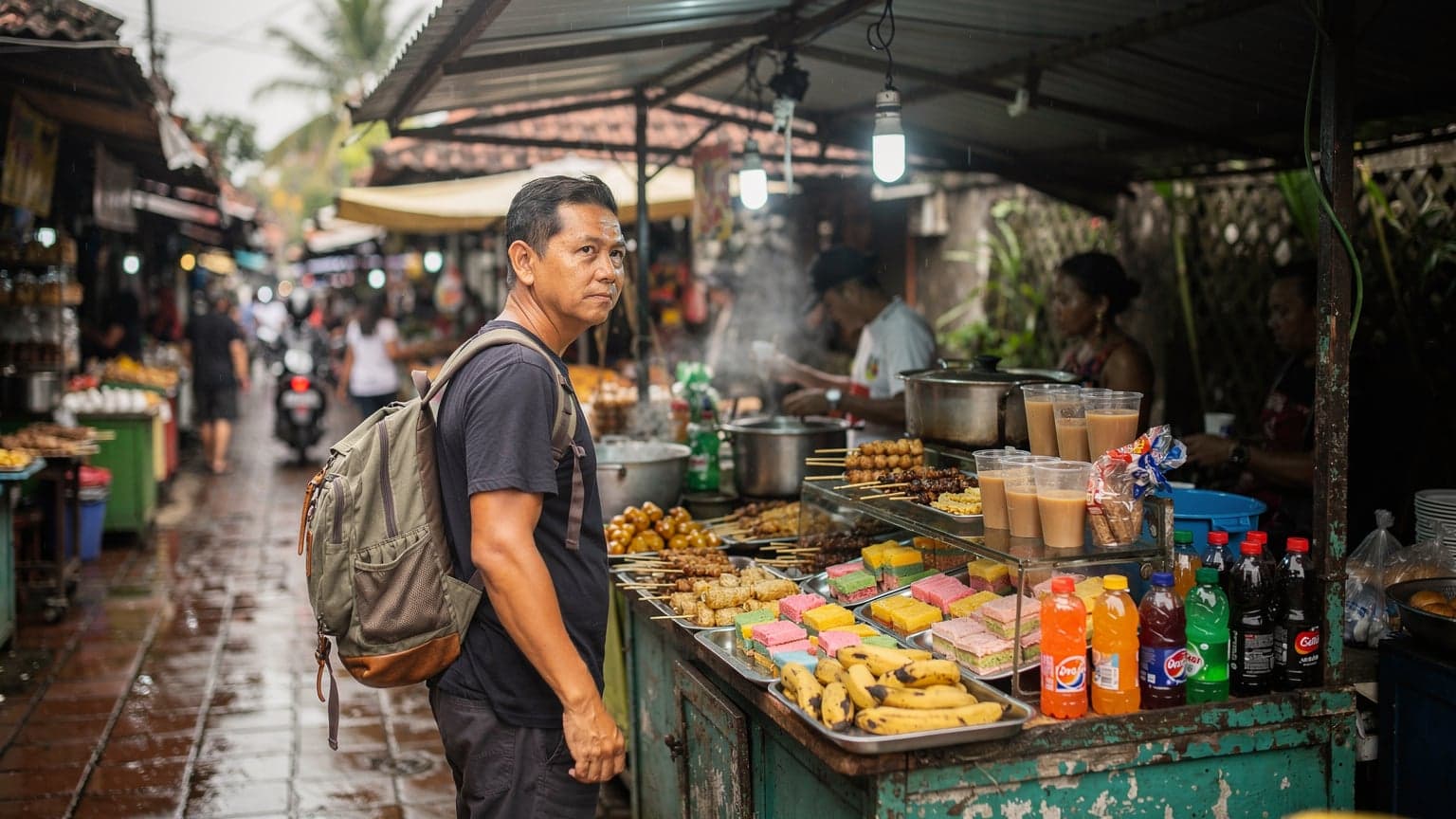
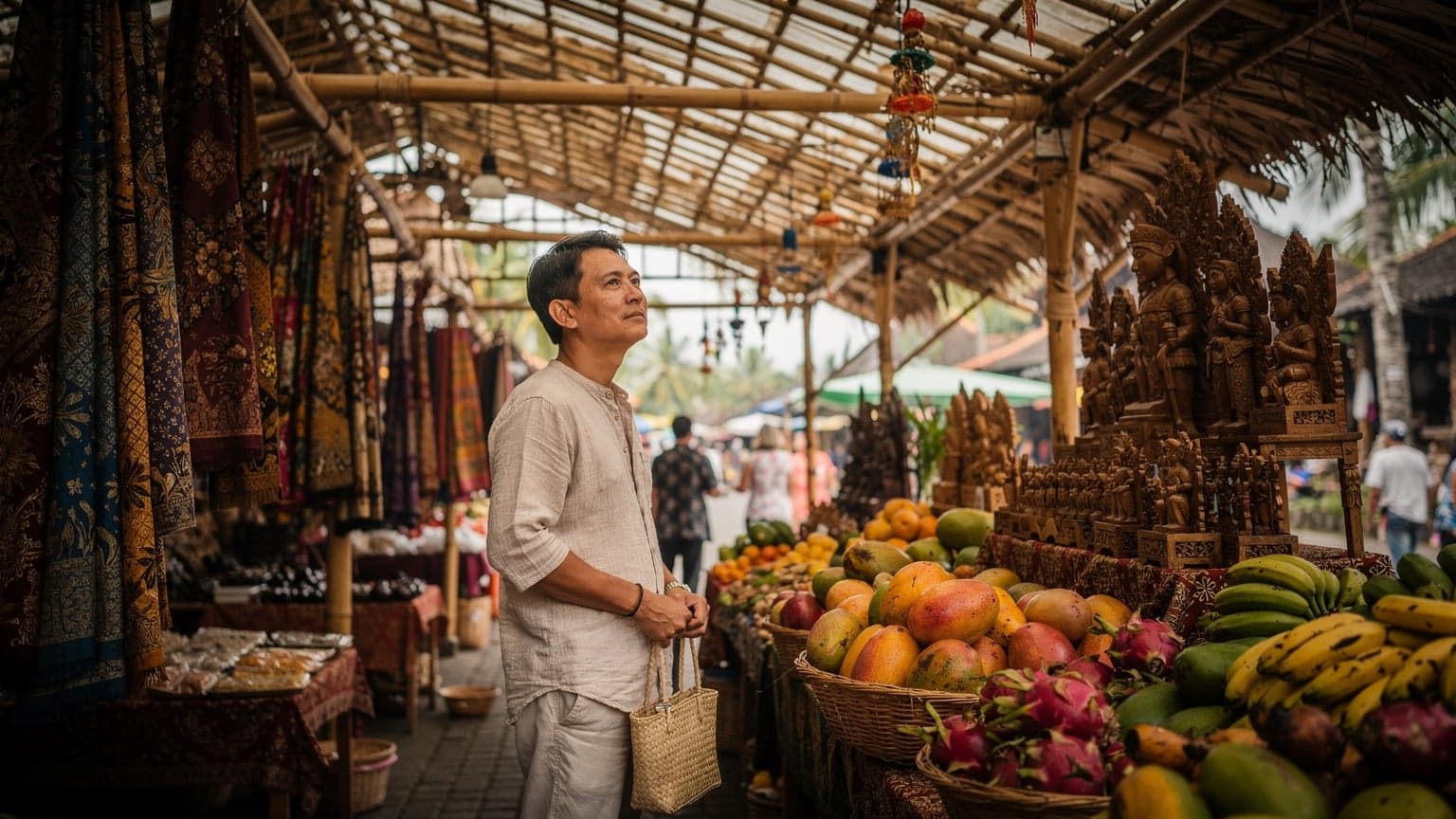
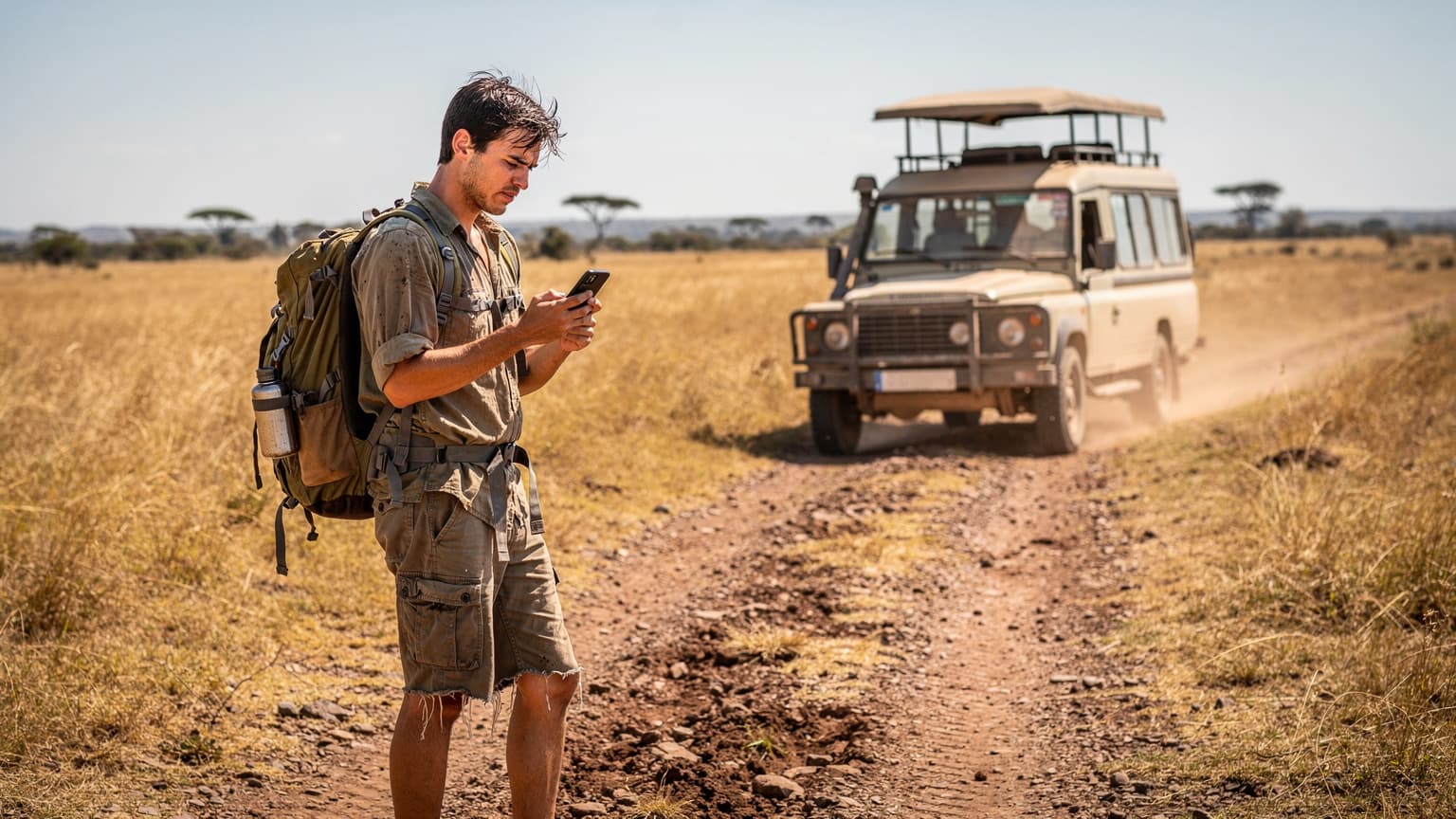
Africa is incredibly diverse, so most travelers end up visiting several countries in one go. Picture this: you're exploring the bustling souks of Marrakech, then flying to see the ancient pyramids of Egypt, and finishing your trip with a wildlife safari in Kenya. With a multi-country Africa eSIM, you won't need to swap physical SIM cards or scramble to find new local providers every time you cross a border. Your data plan simply works across all the included countries. This is where solutions like Cellesim's multi-country eSIMs really shine, offering wide coverage that simplifies your travel experience immensely.
Instant Activation and Digital Convenience
An eSIM is a digital SIM card already built into your phone. This means there's no physical card to insert or misplace. Activation usually involves scanning a QR code or entering a few details, and you can buy and install it before you even leave home or while you're already on your trip. This instant, digital convenience is a huge win, especially after a long flight when the last thing you want to do is try to buy a local SIM in a foreign language.
Keep Your Primary Number Active
One often-overlooked perk of an eSIM is that you can keep your main SIM card active for calls and texts while using the eSIM for data. That means you can still get important calls from home or use two-factor authentication without constantly swapping SIMs. You really do get the best of both worlds.
Choosing the Right Africa eSIM for Your 2026 Trip
With several eSIM providers out there, how do you pick the best one for your African journey? Here are the most important things to think about:
Coverage: Which Countries Are Included?
This is crucial. If your itinerary includes South Africa, Botswana, and Zimbabwe, make absolutely sure your chosen eSIM covers all three. Some providers offer regional Africa plans that span a huge number of countries, which is perfect for bigger trips. Always check the exact country list before you buy. Cellesim, for example, offers various regional Africa plans designed to cover a wide range of popular travel destinations, making it easier to find a plan that fits your route.
Data Volume and Validity Period
How much data do you actually need, and for how long? Are you a light user who just needs maps and messaging, or a heavy user who streams videos and makes lots of video calls? Data plans range from a few gigabytes to unlimited options, with validity periods from a few days to several months. It's always better to slightly overestimate than to run out of data halfway through your trip.
Cost Per GB
Compare the cost per gigabyte across different providers. While some might seem to offer cheaper overall packages, break it down to the per-GB cost to get a real comparison. Also, consider the convenience and reliability that reputable providers offer.
Network Speed and Reliability
This can be tough to know beforehand, but look for providers that partner with major local networks in the countries you're visiting. This usually means better speed and reliability. Reviews from other travelers can also give you good insights here.
Customer Support
What happens if you hit a snag? Good customer support, ideally available 24/7 through multiple channels (like chat or email), is incredibly valuable. When you're in a foreign country, quick help can make all the difference.
Practical Tips for Using Your Africa eSIM in 2026
To make sure your Africa eSIM experience is smooth sailing, keep these practical tips in mind:
Check Device Compatibility
First and foremost, confirm your smartphone can use an eSIM. Most newer models (iPhone XS and newer, Google Pixel 3 and newer, Samsung Galaxy S20 and newer, etc.) support eSIM, but it's really important to double-check your specific device model before you buy anything.
Purchase and Install Before Departure
The absolute best time to buy and install your eSIM is before you even leave home. This way, you can sort out any installation problems in a familiar setting with your home Wi-Fi. Then, you can simply activate the plan once you land in Africa.
Understand Data Roaming Settings
Once your eSIM is installed, make sure "Data Roaming" is turned on for your eSIM profile in your phone's settings. And this is crucial: turn off data roaming for your primary physical SIM card to avoid accidental charges.
Monitor Your Data Usage
Most eSIM providers offer an easy way to track your data usage, either through their app or a web portal. Keep an eye on how much you're using to avoid running out unexpectedly, especially if you have a fixed data plan.
Have a Backup Plan (Optional but Recommended)
While eSIMs are incredibly reliable, it's always smart to have a backup, especially on longer trips to remote areas. This could be a small amount of data on your home roaming plan or knowing where to buy a local physical SIM if absolutely necessary. However, with a robust multi-country eSIM like those offered by Cellesim, the need for a backup is significantly reduced.
The Future of African Connectivity: eSIMs and Beyond
Looking ahead to 2026 and beyond, the trend for travel connectivity in Africa is clear: we want convenience, affordability, and seamless integration. eSIM technology is leading this charge, making international travel less stressful and much more enjoyable.
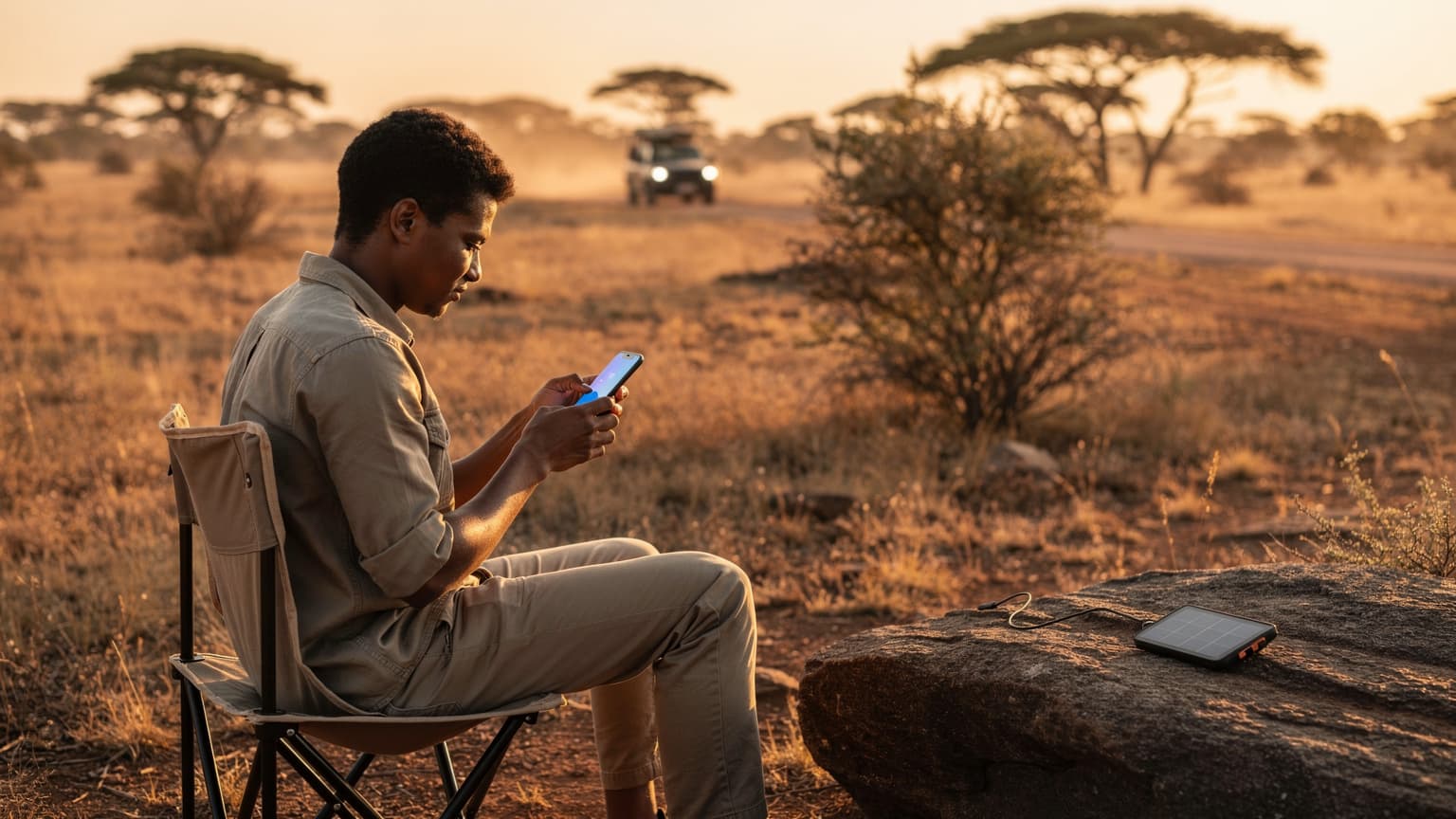
As 5G networks expand across African nations, the eSIM experience will only get better, offering blazing-fast speeds for everything from video calls with family to uploading those stunning safari photos. The ability to switch between networks or top up data plans with just a few taps will continue to give travelers unprecedented control over their connectivity.
For anyone planning an African adventure in 2026, getting an Africa eSIM is a no-brainer. It's a simple, smart, and cost-effective way to stay connected, share your experiences, and navigate this incredible continent without constantly worrying about data costs. So, pack your bags, get your eSIM ready, and prepare for an unforgettable journey.