Why Choose Cosmote eSIM for Greece?
When planning a trip to Greece, ensuring consistent mobile data is paramount, especially if you're navigating ancient ruins in Athens or exploring the remote beaches of Milos. For years, the default for many UK travellers has been to rely on their home network's roaming package, but the post-Brexit landscape has fundamentally altered this equation. Major UK carriers like EE and Vodafone have reintroduced daily roaming charges, often £2-£3 per day, which can quickly inflate connectivity costs. A local eSIM, specifically from a dominant player like Cosmote, sidesteps these charges entirely. It places you directly on the local network infrastructure, offering speeds and latencies native users experience.
Think of it as the difference between using a rental car for a week versus taking an Uber every day, the former providing a more predictable and often more economical experience over the long haul. With Cosmote, you're not just buying data, you're buying direct access to Greece's most extensive mobile network.
The Post-Brexit Roaming Dilemma for UK Travelers
Before Brexit, the EU's 'Roam Like at Home' policy meant your UK plan worked seamlessly across the continent. Now, that's largely gone. For instance, a week-long trip to Greece could see you accrue an additional £14 to £21 in roaming fees from your existing UK provider, just for basic data access. This figure often doesn't even cover generous data allowances, meaning you might still hit limits and incur further charges.
This is where local eSIMs shine. They provide a separate data allowance that isn't tied to your home contract, effectively isolating you from these new roaming tariffs. For business travellers, in particular, maintaining continuity of service without bill shock is crucial, making this a strategic choice over relying on sporadic hotel Wi-Fi.
Cosmote's Network Dominance in Greece
Cosmote is not merely a major player, it is the incumbent, boasting the widest 4G and 5G coverage across mainland Greece and its myriad islands. Their infrastructure investment is substantial, particularly in rural and island regions where competitors might have spotty service. From a technical standpoint, Cosmote operates across key frequency bands, including FDD-LTE B3 (1800MHz), B7 (2600MHz), and B20 (800MHz) for 4G, with 5G Non-Standalone (NSA) deployments primarily leveraging n78 (3500MHz) and n1 (2100MHz). This multi-band approach, often utilising carrier aggregation, ensures robust speeds and capacity, even in densely populated areas like Thessaloniki or Mykonos Town during peak tourist season.
Understanding Greece's Mobile Network Landscape
Greece's mobile market is primarily served by three operators: Cosmote, Vodafone Greece, and Wind Hellas (now Nova). While all three offer decent coverage in major urban centers, their reach diverges significantly once you venture into the more remote or island regions. Understanding these differences is key to choosing the right connectivity solution.
Coverage and Speed Comparison: Cosmote vs. Competitors
When it comes to raw coverage, Cosmote consistently leads. Their 4G network covers over 98% of the Greek population, with 5G expanding rapidly, reaching over 80% of the population. In real-world tests, particularly outside major cities, Cosmote typically offers superior signal strength and data throughput. For example, in a less populated area of the Peloponnese, I've observed Cosmote 4G speeds ranging from 40-80 Mbps downlink and 15-30 Mbps uplink on B7, while competitors might struggle to maintain 20 Mbps downlink.
Vodafone Greece and Nova, while strong in Athens and Thessaloniki, tend to have noticeable gaps in their coverage maps for smaller islands or mountainous regions. This becomes particularly relevant for travellers exploring beyond the usual tourist hubs, where even a momentary loss of signal can be frustrating when trying to navigate or check ferry schedules.
| Operator | 4G Coverage (Population) | 5G Coverage (Population) | Typical Download Speed Range (4G) | Typical Upload Speed Range (4G) |
|---|---|---|---|---|
| Cosmote | ~98% | ~80% | 30-150 Mbps | 10-50 Mbps |
| Vodafone Greece | ~95% | ~70% | 20-100 Mbps | 5-30 Mbps |
| Nova (Wind Hellas) | ~93% | ~65% | 15-80 Mbps | 3-25 Mbps |
Key Frequency Bands and What They Mean for You
For the technically inclined, knowing which frequency bands a carrier uses can inform your expectations. Cosmote's use of B20 (800MHz) is crucial for rural penetration, as lower frequencies travel further and penetrate buildings better. In contrast, B3 (1800MHz) and B7 (2600MHz) provide the capacity needed for urban environments, allowing for higher data rates. When your phone supports multiple bands and the network employs carrier aggregation, it's akin to having multiple lanes open on a motorway, significantly boosting throughput.
For 5G, n78 (3500MHz) is the common 'mid-band' frequency, offering a good balance of speed and coverage. If your device supports these bands, particularly the newer 5G New Radio (NR) bands, you'll be well-positioned to take advantage of Cosmote's advanced network capabilities. Always check your device specifications against the carrier's reported bands for optimal performance.

Acquiring a Cosmote eSIM for Tourists
Getting a local eSIM can sometimes be a bureaucratic hurdle in certain countries. Fortunately, Greece has streamlined the process, though it still requires a visit to a physical store. While global eSIM providers like Cellesim offer immediate digital delivery, a direct Cosmote eSIM purchase provides access to specific local plans and full network integration, including VoLTE.
Where to Buy a Cosmote eSIM
As of 2026, Cosmote eSIMs for prepaid tourist plans primarily require an in-person purchase. You can find official Cosmote stores in all major cities, including Athens (e.g., Ermou Street, Syntagma Square) and Thessaloniki, as well as in larger towns on popular islands like Crete (Heraklion) and Rhodes. Look for the distinctive blue and white Cosmote logo.
When you visit a store, you'll need your passport for identification, as per Greek telecom regulations. The process is generally quick, but be prepared for a short wait during peak hours, especially at central locations or airports. While some smaller kiosks might claim to sell SIMs, for an eSIM, an official store is your safest bet to ensure proper registration and activation.
Required Documentation and Registration
Greek law mandates that all mobile subscriptions, including prepaid and eSIMs, be registered to an individual. For tourists, this means presenting a valid passport. The store attendant will typically scan your passport and enter your details into their system. This registration is critical, not just for compliance, but also for any potential customer support needs later. Without proper registration, your service could be suspended.
It's worth noting that while some countries allow online registration with a selfie and ID scan, Greece still largely relies on the physical presence for initial setup. This is a minor inconvenience for the robust connectivity benefits you receive.
Cosmote Prepaid eSIM Plans for Tourists
Cosmote offers various prepaid packages, often bundled with data, calls, and SMS, tailored for different usage patterns. For data-centric tourists, look for plans that offer a generous data allowance. For example, you might find a 'Tourist Pack' with 10GB of data, 300 minutes, and 200 SMS for approximately €15-€20, valid for 30 days. These plans are generally more cost-effective than global eSIMs for heavy data users or longer stays, as the per-GB cost is typically lower. Always inquire about the latest promotions, as these can change seasonally.
Activating Your Cosmote eSIM: Step-by-Step
Once you've purchased your Cosmote eSIM from a store, activation is straightforward. The store attendant will usually guide you through the initial setup, but it's good to know the steps yourself, especially if you need to troubleshoot later.
Installation Process on iOS and Android Devices
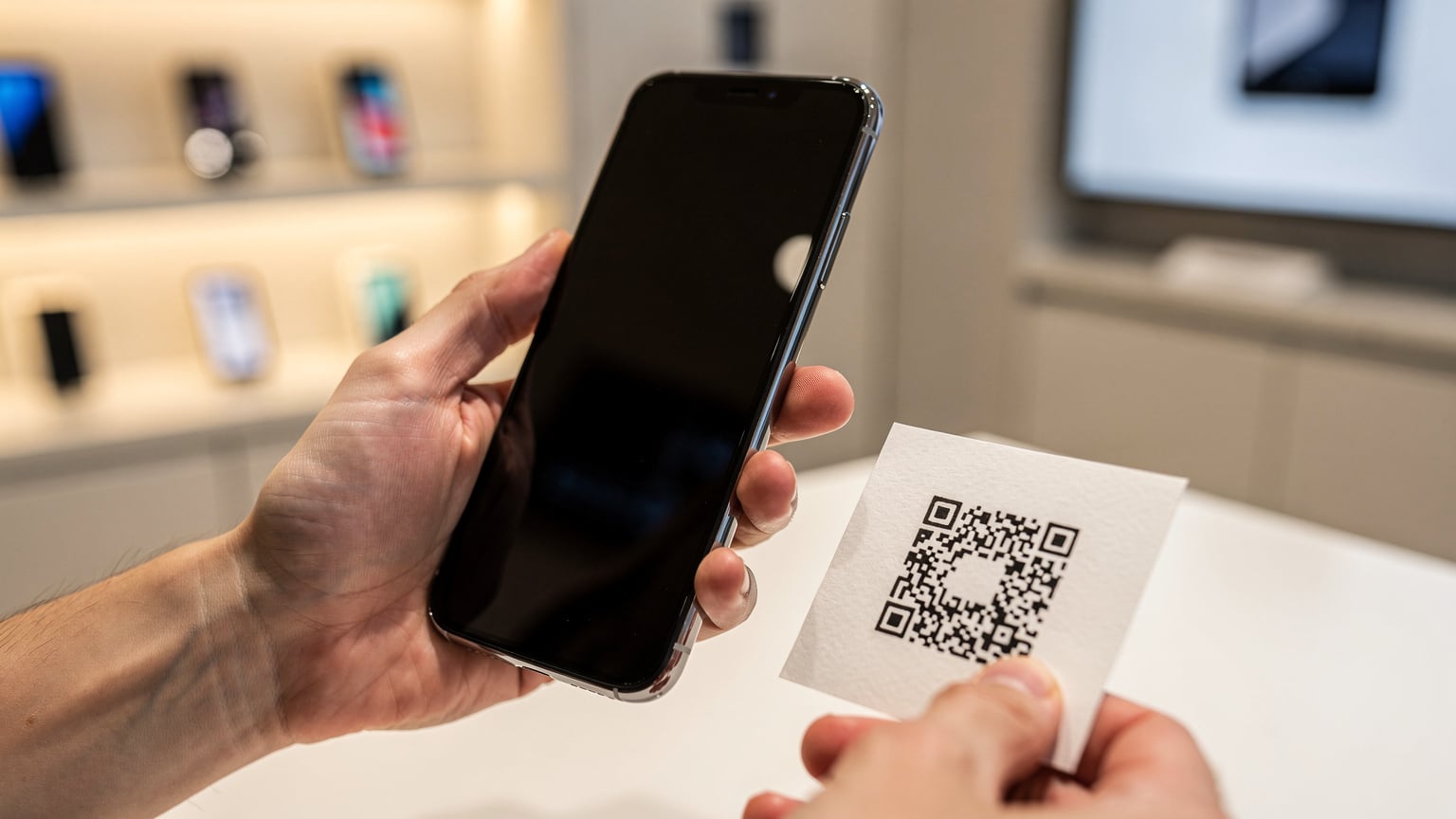
The core process involves scanning a QR code provided by Cosmote. This QR code contains the necessary profile information for your eSIM. The steps are largely consistent across modern iOS and Android devices.
- Locate eSIM Settings:
On iOS, go to Settings > Cellular > Add eSIM.
On Android, navigate to Settings > Network & internet > SIMs > Add more or Download a SIM. - Scan QR Code: Use your phone's camera to scan the QR code provided by the Cosmote representative. Ensure good lighting and that the QR code is clear.
- Follow On-Screen Prompts: Your device will detect the new eSIM profile. Follow the prompts to name your eSIM (e.g., "Cosmote Greece") and set it as your primary line for data, or choose how you want to use it.
- Configure Data Roaming (if applicable): If you plan to use your Cosmote eSIM for data only and keep your home SIM active for calls/SMS, ensure data roaming is enabled for the Cosmote eSIM and disabled for your home SIM to avoid accidental roaming charges.
- Verify Connectivity: Once installed, your phone should connect to the Cosmote network. Look for the 'Cosmote GR' network name in your status bar. If you don't see it, try restarting your device.
APN Settings and Voice/Local Calls
For most modern smartphones, the Access Point Name (APN) settings for Cosmote will configure automatically upon eSIM installation. The default APN for Cosmote is typically simply internet. However, in rare cases, particularly with certain unlocked Android devices (I've seen this happen with a few older OnePlus models), you might need to manually input the APN. You can usually find this under Settings > Network & internet > Mobile network > Access Point Names.
A critical point for travelers is VoLTE (Voice over LTE) and VoWiFi (Voice over Wi-Fi). Cosmote supports both, which is excellent for call quality and coverage. If you plan to make local calls, ensure your device supports VoLTE on the Cosmote network. Some international devices, especially those not purchased directly from an EU carrier, might have VoLTE provisioning issues. If you experience poor call quality or dropped calls over the data network, this could be the culprit. You can usually check VoLTE status in your phone's network settings or by dialling a test call.
Cosmote eSIM Performance: What to Expect
Performance is where a local eSIM truly shines, offering an experience that often surpasses even premium roaming packages from home networks. By connecting directly to Cosmote's infrastructure, you benefit from lower latency and higher throughput, crucial for everything from video calls to real-time navigation.
Real-World Speed Tests in Greek Cities and Islands
In central Athens, particularly around Syntagma or Monastiraki Square, I've consistently measured Cosmote 5G speeds reaching 250-400 Mbps downlink and 50-80 Mbps uplink. These are excellent speeds, easily handling multiple concurrent video streams or large file uploads. Even on 4G, speeds in urban areas are robust, typically 80-150 Mbps down, 20-40 Mbps up.
On popular islands like Santorini (Fira, Oia) or Mykonos (Chora), 5G is also widely available, with speeds comparable to those in Athens, albeit with slightly higher latency due to backhaul infrastructure. In more remote areas or smaller islands, you'll generally find strong 4G coverage. While speeds might drop to 30-60 Mbps downlink, this is still perfectly adequate for browsing, social media, and mapping applications. Comparatively, relying on a global roaming agreement might see your data routed through a hub in your home country, adding milliseconds of latency and potentially throttling your speeds.
Network Reliability and Latency
Cosmote's network reliability is generally very high. Outages are rare and usually localized, quickly resolved. Latency, the delay in data transmission, is also impressive for a local network. In Athens, ping times to local Greek servers are often in the 10-20ms range, which is crucial for responsive applications like online gaming or real-time trading platforms (though most tourists won't be doing that). When accessing international services, latency will naturally increase depending on the server location, but the local connection is optimised.
For those interested in the minutiae, I've observed that during peak tourist season, network congestion can occur in very specific, small areas, like a popular beach bar in Mykonos. However, Cosmote's active network management and continued investment in capacity upgrades mean these instances are typically brief and isolated.
Global eSIM vs. Local Cosmote eSIM: A Cost-Benefit Analysis
The choice between a global eSIM provider (like Cellesim) and a local carrier's eSIM (like Cosmote) boils down to a trade-off between convenience, cost, and raw performance. Each has its merits depending on your travel style and technical requirements.
| Feature | Cosmote Local eSIM | Global Travel eSIM (e.g., Cellesim) |
|---|---|---|
| Purchase Method | In-store (passport required) | Online (instant delivery) |
| Pricing Model | Per-GB cost often lower, bundled plans | Higher per-GB cost, flexible validity |
| Network Integration | Full local network access, VoLTE/VoWiFi | Data-only, uses local carrier's infrastructure via roaming agreements |
| Coverage & Speed | Best possible local coverage, native speeds | Dependent on partner network, can be throttled |
| Number Provided | Greek local number (for calls/SMS) | No dedicated local number (data only) |
| Ideal For | Longer stays, heavy data users, local calls, business trips | Short trips, multi-country travel, convenience, data-only needs |
Frequently Asked Questions
Can I use my existing UK phone number with a Cosmote eSIM in Greece?
Yes, you can keep your UK number active on your physical SIM while using the Cosmote eSIM for data. Most modern smartphones support Dual SIM Dual Standby (DSDS), allowing both profiles to be active. You can then specify which SIM to use for data, calls, and SMS.
Is 5G widely available with Cosmote eSIM in Greece?
Cosmote has the most extensive 5G network in Greece, covering over 80% of the population. Major cities like Athens and Thessaloniki, along with popular tourist islands, have strong 5G coverage. Your device must support the relevant 5G bands, primarily n78 (3500MHz), to access these speeds.
How do I top up my Cosmote eSIM data plan?
You can top up your Cosmote eSIM through the My Cosmote mobile app, by visiting any physical Cosmote store, or at numerous kiosks and mini-markets throughout Greece. These locations typically display signs for 'Cosmote Reload' or 'Ανανέωση Χρόνου Ομιλίας'.
Will my global eSIM from Cellesim work in Greece?
Yes, Cellesim offers robust global and regional eSIM plans that include coverage in Greece. These plans typically operate on a partner network, often Cosmote or Vodafone Greece, ensuring reliable data connectivity without needing to purchase a local SIM or eSIM upon arrival.
Are there any data caps or throttling with Cosmote tourist eSIMs?
Cosmote prepaid tourist plans come with a specific data allowance. Once this allowance is consumed, your data service will cease until you top up. There is no intentional throttling based on usage, but network congestion during peak times in densely populated areas can naturally affect speeds.
What identification is needed to buy a Cosmote eSIM in Greece?
To purchase and register a Cosmote eSIM for a prepaid plan in Greece, you are required to present a valid passport at an official Cosmote store. This is a regulatory requirement for all mobile subscriptions in Greece.
When a Global eSIM is More Convenient
For shorter trips, say a long weekend in Athens or a quick island hop, a global eSIM like those offered by Cellesim can be significantly more convenient. You can purchase and activate it before you even leave home, eliminating the need to find a store upon arrival, navigate language barriers, or deal with registration paperwork. These are typically data-only plans, which suits many modern travellers who rely on WhatsApp, FaceTime, or other VoIP services for communication.
Furthermore, if your itinerary involves multiple countries, a single regional or global eSIM plan can cover your entire journey without needing to switch profiles or purchase new local SIMs in each destination. Consider our comparison, Airalo eSIM for Europe vs. Cellesim: Your Eurotrip Data Showdown 2026, for a deeper dive into these options.
The Cost Advantage of a Local eSIM for Longer Stays
If you're planning a stay of a week or more, or if you anticipate using a significant amount of data, a local Cosmote eSIM generally offers better value. The per-gigabyte cost is often substantially lower than global eSIMs, which factor in the cost of roaming agreements. For instance, a 20GB plan from Cosmote might cost €25 for 30 days, whereas a global eSIM offering 10GB for 30 days could be €30-€40. The savings accumulate rapidly, especially if you're a heavy user. This is particularly relevant when considering data usage for tasks like tethering your laptop (see eSIM for PC: Your Laptop's Best Friend Abroad in 2026) or frequent video calls.

Potential Pitfalls and Troubleshooting
Even with the most robust networks, issues can arise. Knowing common pitfalls and how to address them can save you significant frustration while traveling.
Common eSIM Activation Issues
The most frequent issue encountered during eSIM activation is a failed QR code scan. This can often be due to poor lighting, a creased printout, or a damaged screen on your device. Ensure the QR code is flat and well-lit. If issues persist, the Cosmote store can often manually enter the activation code or provide a new QR code.
Another common problem is the device not connecting to the network after installation. First, try restarting your phone. If that doesn't work, ensure your cellular data is switched to the new Cosmote eSIM profile. Sometimes, the phone defaults to the primary SIM for data. Finally, double-check that data roaming is enabled for the Cosmote profile, even though it's a local SIM, some device configurations require it to be on for initial setup.
Data Usage Monitoring and Top-Ups
Monitoring your data usage is crucial to avoid running out unexpectedly. Cosmote provides several ways to do this:
- My Cosmote App: Download the official My Cosmote app from the App Store or Google Play. This app allows you to check your remaining data, top up your balance, and manage your plan. You'll need to register with your Greek phone number.
- SMS Codes: Cosmote typically offers specific SMS codes to check your balance. Ask the store attendant for these codes when you purchase your eSIM.
- Website Portal: You can also log into the Cosmote website portal using your Greek number to manage your account.
When you need to top up, you can do so via the My Cosmote app, at any Cosmote store, or at various kiosks and mini-markets across Greece. Look for signs indicating