
eSIM Entegrasyonlu Telefonlar ve GPS İzleyiciler: Temel Farklar
Let's cut to it. Your phone has GPS, and with an eSIM, it has data. So why bother with a separate device? The core distinction lies in purpose-built design versus multi-function compromise. My iPhone 15, equipped with an eSIM for Bolivia, is fantastic for navigating La Paz's chaotic traffic on a microbus or finding that specific street food stall near Mercado Lanza. But it's also my communication hub, my camera, my banking portal, and my entertainment system. Every one of those functions saps battery, draws power, and complicates its primary role if it were also meant to be a constant, reliable tracker.
Dedicated eSIM GPS trackers, on the other hand, are engineered for one thing: reporting location with minimal power consumption and maximum resilience. They often have larger, longer-lasting batteries, are more robust against physical shock or water, and are designed to transmit data infrequently but consistently. This isn't just about 'better' GPS, it's about a different operational philosophy.
| Feature | eSIM-Enabled Smartphone | Dedicated eSIM GPS Tracker |
|---|---|---|
| Primary Function | Communication, Navigation, Entertainment, Productivity | Location Tracking, Geofencing, Emergency Alerts |
| Battery Life | Typically 1-2 days (heavy use drains faster) | Often weeks to months (low-power modes) |
| Durability | Varies by model, generally sensitive to drops/water | Ruggedized, often waterproof and shock-resistant |
| eSIM Integration | Full data, voice, SMS capabilities | Data-only, low-bandwidth for location pings |
| Cost | High initial investment (phone itself) | Lower initial device cost (e.g., $50-$200) plus subscription |
When I was living in Medellín, Colombia, for three months last year, paying roughly COP 1,800,000 for a decent studio apartment in Laureles and spending maybe COP 1,200,000 on food and coworking at Selina, I needed my phone for everything. If it died, I couldn't call a taxi, translate a menu, or access my Brazilian bank app (which, annoyingly, demands a local SIM for certain transactions). A dedicated tracker in my checked bag, however, just kept doing its job, quietly pinging its location. That's the difference.
Pil Ömrü ve Dayanıklılık: Saha Testleri
This is where dedicated trackers truly shine, and where phones consistently fall short. I've seen it time and again: a phone's battery, even with an efficient eSIM like those from Telkomsel for Indonesia, just isn't designed for continuous, background GPS tracking for days on end. You're constantly juggling power-saving modes, dimming the screen, and closing apps just to make it through a travel day.
Consider a half-term trip with kids. You're already using your phone for photos, games, and keeping them connected with Telkomsel eSIM for families. Adding constant GPS tracking for a backpack or a child's device is just asking for a dead battery by lunchtime. Trackers, on the other hand, are built with power efficiency as their top priority. Many use low-power wide-area network (LPWAN) technologies like NB-IoT or LTE-M, which are specifically designed for small data packets and extended battery life.
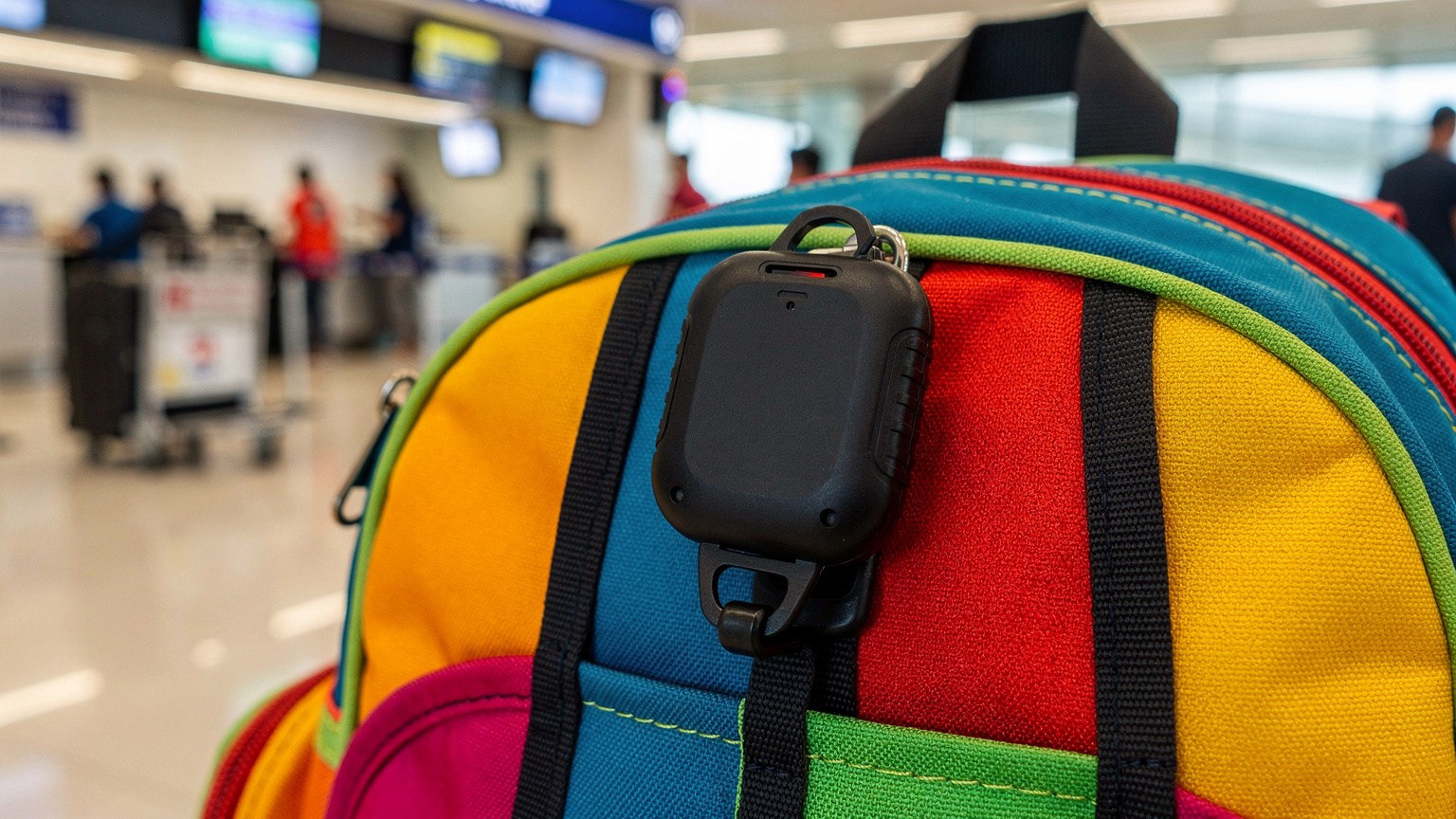
I once had a scare in Hanoi, Vietnam, where my daypack, containing my passport, was accidentally left at a Banh Mi stall. My phone's battery was at 15%, struggling to hold a signal. If I'd been relying on its internal GPS for tracking that bag, I'd have been out of luck. My dedicated tracker, tucked inside a hidden pocket, was still transmitting happily. That’s the real-world impact of battery difference. Most dedicated trackers boast battery lives ranging from a few days to several months, depending on the reporting frequency.
Veri Maliyeti ve Bağlantı Güvenilirliği
Another major factor for digital nomads and frequent travelers: data costs. An eSIM on your phone for general use needs substantial data. Streaming, video calls, social media, and heavy navigation all consume gigabytes. A typical eSIM for a destination like France to Indonesia might offer 10GB for a month, which is ample for general use. But if you're burning through that data with constant GPS pings, you'll be topping up far more often.
Dedicated GPS trackers use minimal data. Their transmissions are tiny packets of location coordinates, not web pages or videos. This means their associated eSIM data plans are significantly cheaper, often a few dollars per month for global coverage, and they're typically managed by the tracker's own service provider. You're not buying a full-blown France to Indonesia eSIM for tracking; you're buying a tiny data allowance for a single, focused purpose.
| Criterion | eSIM-Enabled Smartphone GPS | Dedicated eSIM GPS Tracker |
|---|---|---|
| Data Usage | High (for general phone use + GPS) | Very Low (small data packets for location) |
| Data Plan Type | Standard consumer data plan (e.g., Cellesim Global) | Specialized low-bandwidth M2M/IoT plan |
| Coverage | Depends on specific eSIM provider's roaming agreements | Often multi-carrier, optimized for wide geographic reach |
| Subscription Model | Purchase data as needed (e.g., Holafly discount code 2026, Cellesim packages) | Monthly/yearly subscription typically tied to the device service |
| Reliability in Remote Areas | Can drop out where consumer networks are weak | Often prioritizes signal strength, may use multiple networks for redundancy |
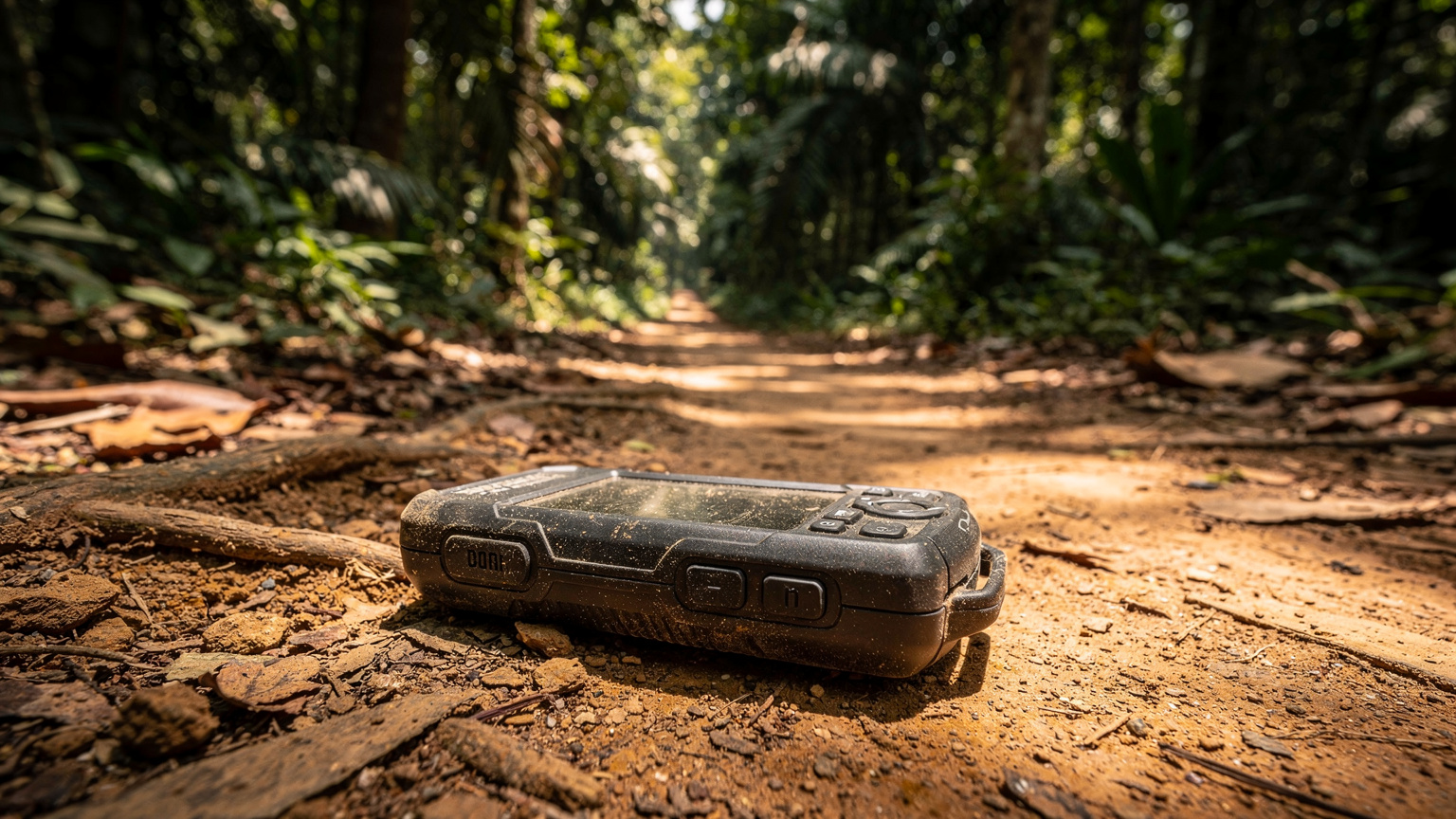
Connectivity is another concern. In rural parts of Thailand, for example, where I spent a month last winter, my phone's signal could be patchy. But the dedicated trackers, often designed to hop between available networks, maintained a more consistent, albeit infrequent, connection. This is critical if you're tracking something valuable that might pass through areas with less robust cellular infrastructure.
Gerçek Dünya Senaryoları: Ne Zaman Hangisini Kullanmalı?
Let's talk practical application. When does one trump the other?
Use your phone's eSIM GPS for:
- Daily Navigation: Finding your way to 'The Hive' coworking space in Kuala Lumpur or that specific noodle stall in Chinatown.
- Short-Term Tracking: Keeping tabs on a friend's location for a meetup, or a quick check on a delivery in a city.
- Interactive Maps: When you need real-time traffic, public transport routes, or detailed points of interest.
Use a dedicated eSIM GPS tracker for:
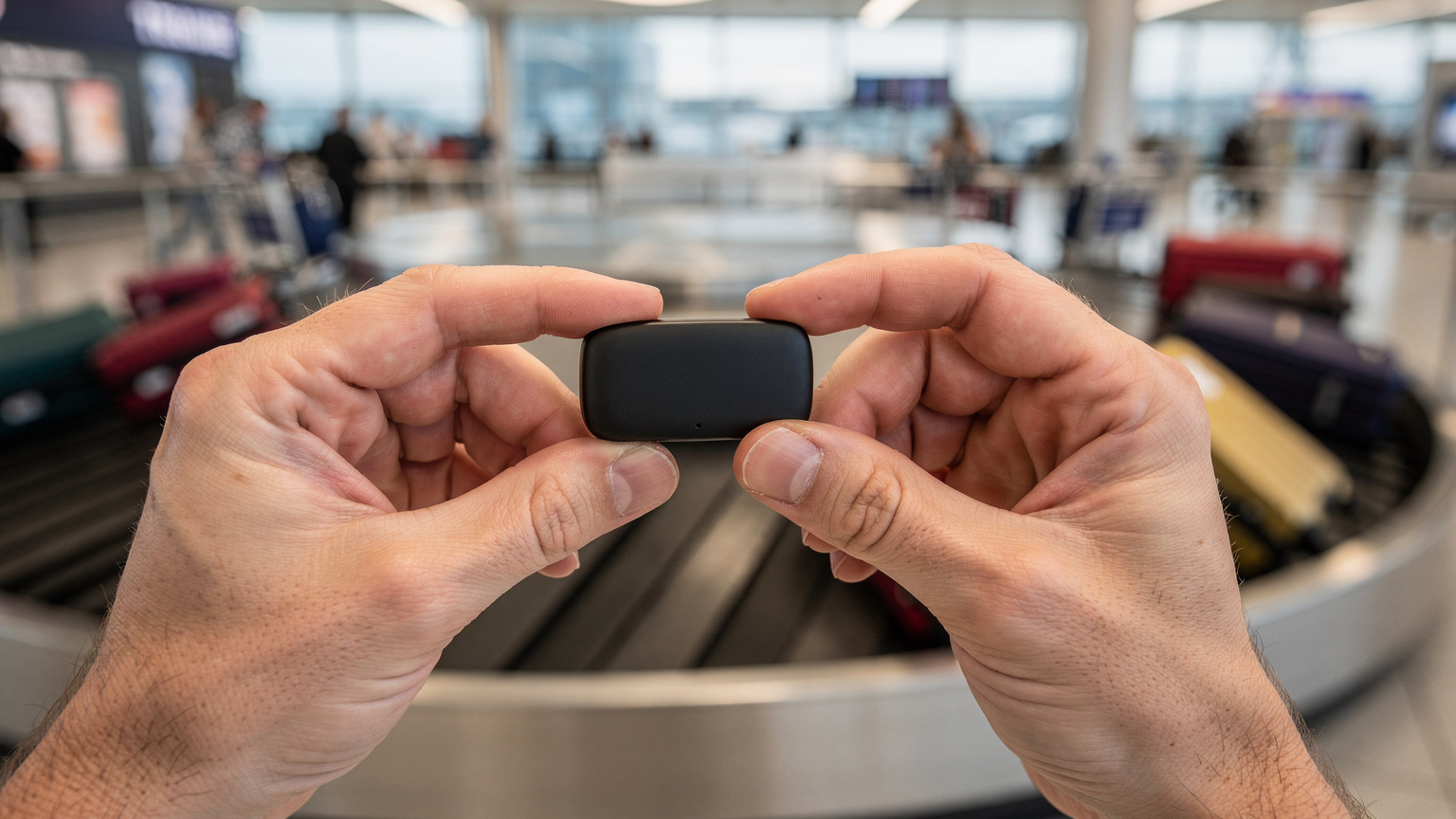
- Asset Tracking: Luggage, camera gear, rental cars, or even shipping containers. I always recommend putting one in your checked bag when flying home from, say, Bali after a long trip. Airports lose things.
- Personal Safety: For solo hikers, adventure travelers, or children's safety. Many trackers have SOS buttons that transmit location and alert pre-set contacts.
- Long-Term Monitoring: Anything that needs to be tracked for days or weeks without human intervention or frequent recharging.
- Pet Tracking: When your pet is traveling with you, a dedicated tracker on their collar offers far more peace of mind than relying on a phone that could run out of battery or get lost.
I remember a friend losing her drone in a remote part of Patagonia. Her phone's GPS was useless after a few hours because of the cold and lack of signal. A dedicated tracker, however, would have kept pinging its last known location for days, making recovery far more likely. (She ended up spending two days searching on foot, unsuccessfully.) This isn't theoretical; these are the moments that truly matter on the road.
2026 İçin Önerilerim: Kim Hangisini Almalı?
So, for 2026, which way should you lean?
If you're a casual traveler, mostly sticking to cities and well-covered areas, and your primary need is navigation for things like finding the best café in Palermo, Buenos Aires (where rent for a decent Airbnb studio might run ARS 350,000 per month, and a daily coffee at Full City Coffee House is ARS 1,500), then your phone's eSIM and GPS will likely suffice. Just be mindful of battery life and data consumption. An eSIM FAQ can help you understand data allowances better.
However, if your travel involves valuable assets, remote locations, or a genuine need for consistent, long-term tracking without worrying about your phone's battery or data plan, then a dedicated eSIM GPS tracker is a non-negotiable investment. This applies strongly to business travelers carrying expensive equipment, families wanting to track children during half-term excursions, or anyone venturing off the beaten path where cellular coverage can be unpredictable.
For UK business travelers specifically, remember that post-Brexit roaming charges from carriers like EE, Vodafone, and O2 make dedicated eSIM trackers even more compelling. Why pay exorbitant daily fees just for a location ping when a tracker's specialized low-cost data plan can do the job more efficiently?
I've personally started carrying a small tracker in my main backpack, even when I'm just hopping between co-working spaces like Hubud in Ubud, Bali (where I paid IDR 4,000,000 for a month's unlimited access). It's a small expense for a huge psychological return. The downside? It's another gadget to keep track of, another subscription, but for the peace of mind it offers, especially when dealing with airlines or unpredictable ground transport, it's worth it.
Frequently Asked Questions
Do I really need a dedicated GPS tracker if my phone has an eSIM and GPS?
For basic navigation and short-term tracking in well-covered areas, your phone is usually fine. However, for long-term asset tracking, personal safety in remote areas, or critical items, a dedicated eSIM GPS tracker offers superior battery life, ruggedness, and more consistent, low-cost data transmission.
How much data does a dedicated eSIM GPS tracker use in 2026?
Dedicated eSIM GPS trackers use very little data, typically only a few megabytes per month. They transmit small packets of location coordinates, not large files or streaming data, making their associated data plans extremely affordable, often just a few dollars monthly for global coverage.
What kind of battery life can I expect from an eSIM GPS tracker?
Unlike smartphones that last 1-2 days, dedicated eSIM GPS trackers are designed for extreme power efficiency. Many can last from several days to several months on a single charge, depending on the reporting frequency and the specific model.
Are eSIM GPS trackers expensive to buy?
The initial cost of a dedicated eSIM GPS tracker is generally much lower than a smartphone, often ranging from $50 to $200. This is in addition to a low monthly or annual subscription fee for the tracking service and data plan.
Can I track my luggage across multiple countries with an eSIM GPS tracker?
Yes, many dedicated eSIM GPS trackers offer global coverage. They are designed to connect to the strongest available network in multiple countries, ensuring your luggage can be tracked even as it moves across borders and through different carrier zones.
Do dedicated GPS trackers have SOS features?
Many advanced eSIM GPS trackers include an SOS button. When activated, it immediately transmits the device's location to pre-set contacts or emergency services, making them valuable tools for personal safety in remote or high-risk travel scenarios.