
eSIM ve Yerel SIM Arasındaki Gerçek Fark
The core difference between relying on your home carrier's roaming plan, a local physical SIM, or an eSIM, particularly for GPS functionality, boils down to consistency and cost. An eSIM essentially replaces the physical SIM card, allowing you to switch local providers digitally. It doesn't inherently change how GPS works on your device, which is primarily driven by satellites (for raw positioning) and augmented by cellular data for faster fixes and location-based services (like traffic updates on Google Maps).
When AT&T charges you for a day pass, you're paying a premium for that data, which then feeds into your GPS apps. A local physical SIM or a data-only eSIM, like those offered by Cellesim, cuts that cost significantly. For instance, when I was in Medellín, Colombia, setting up a Tigo eSIM meant I was paying pennies on the dollar compared to what my UK carrier would have charged. That data was crucial for getting around the El Poblado area on foot, or calling a local Didi taxi.
The issue isn't usually the GPS chip itself, which functions independently of cellular data, but the data connection that makes it useful. Without data, your map might show your blue dot moving, but it won't load new street names, points of interest, or real-time traffic. This is particularly annoying when you're trying to find a specific obscure café or a local bus stop.
| Feature | Home Carrier Roaming (e.g., AT&T) | Local Physical SIM | Data-Only eSIM |
|---|---|---|---|
| GPS Functionality | Full, data-dependent | Full, data-dependent | Full, data-dependent |
| Data Cost for GPS | High (day pass or per MB) | Low (local rates) | Low (prepaid bundles) |
| Setup Difficulty | None (automatic) | Moderate (store visit, ID) | Easy (QR code, app) |
| Local Number Access | Yes (your home number) | Yes (new local number) | No (data only) |
Veri Bağlantısı ve GPS Doğruluğu
GPS accuracy itself isn't directly tied to your data connection in the way most people think. Your phone's GPS receiver picks up signals from satellites. However, what a data connection does is provide A-GPS (Assisted GPS), which uses cell tower locations and Wi-Fi networks to get a much faster initial fix on your position, especially in urban canyons or indoors. Without this assistance, your phone can take longer to pinpoint you, or might be less accurate in complex environments.
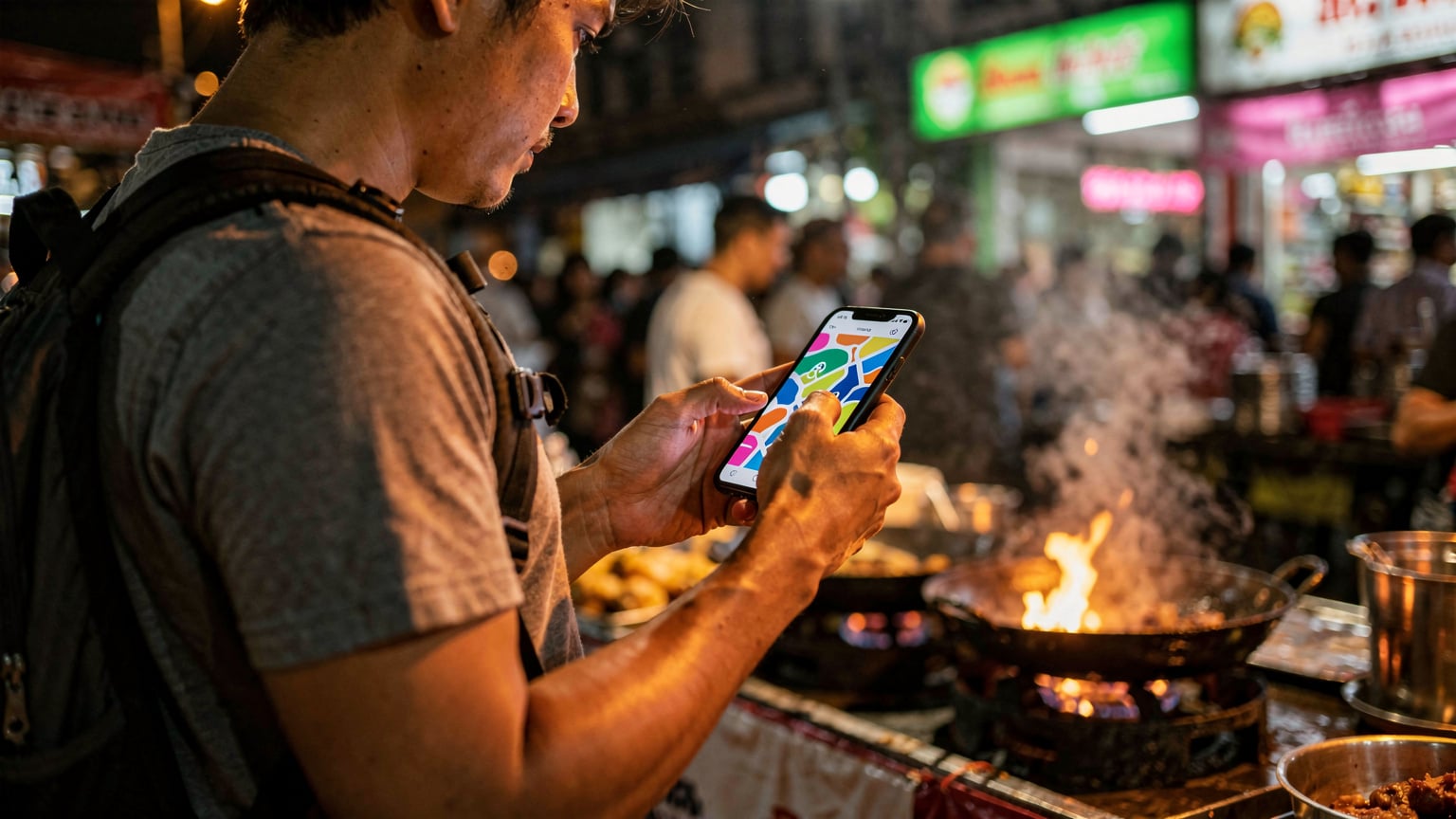
I remember being in Bangkok, trying to find a specific noodle stall in Yaowarat, and my phone struggled to get a fix until I stepped out of a dense alleyway. That's a prime example of where a strong data connection makes a world of difference. It's not just about seeing where you are, it's about seeing it immediately and accurately enough to make a turn at the next street. If you're on a tight schedule, say, trying to catch a connecting flight during half-term, every second counts.
The good news is that Cellesim's Bolivia eSIM: Thanksgiving Seyahatinizde Cüzdanınızı Korumak 2026, or any good data eSIM, provides the cellular data backbone needed for optimal A-GPS performance. This isn't some niche 'eSIM GPS technology' product, it's simply your regular phone GPS working as intended, but with affordable data. The key is ensuring consistent access to that data wherever you go, rather than hoping for spotty Wi-Fi.
Özel GPS İzleme eSIM'leri Nelerdir?
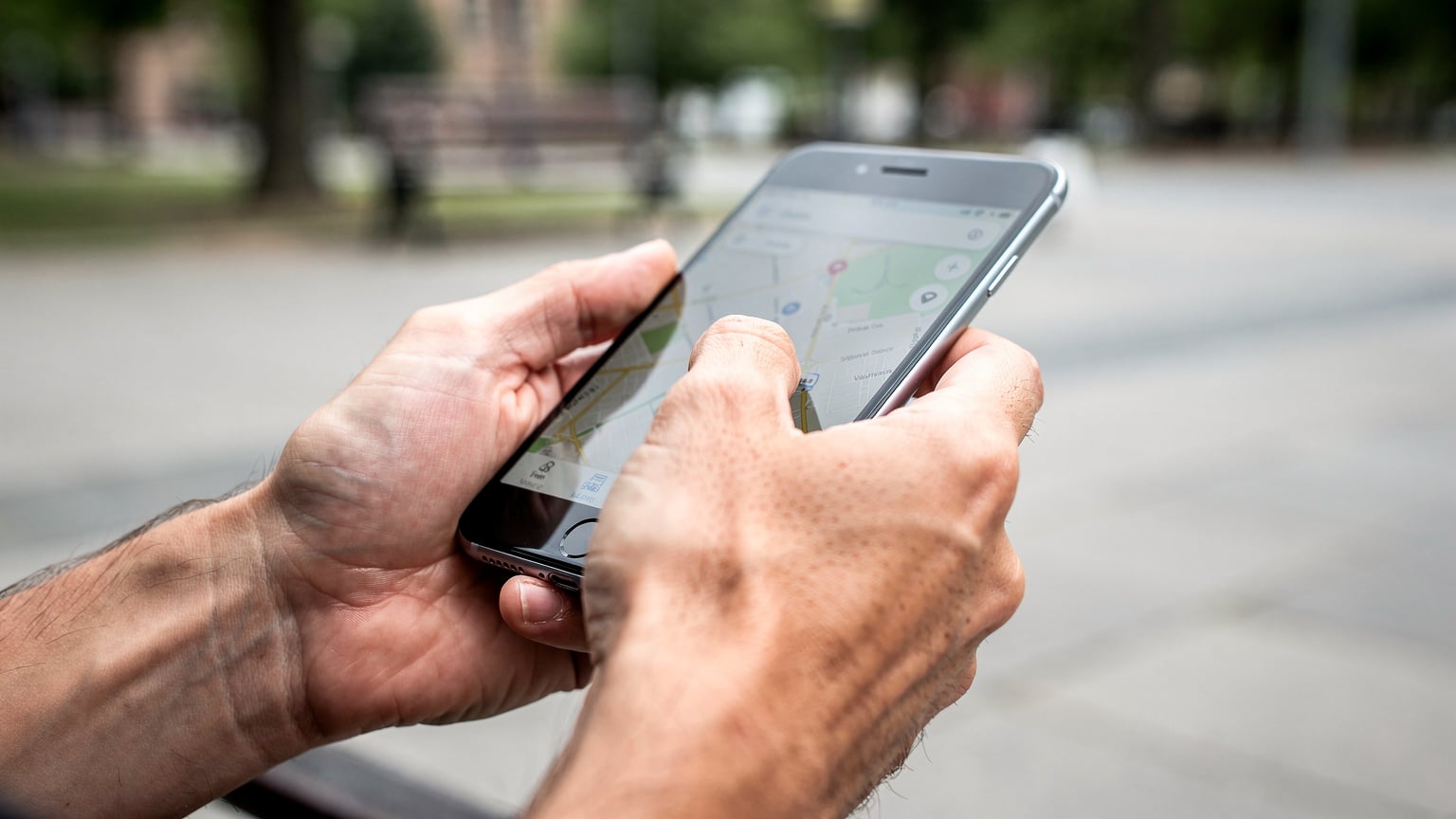
Beyond your smartphone, there's a different category of 'eSIM GPS technology' that market reports often conflate with general travel eSIMs. These are dedicated IoT (Internet of Things) eSIMs designed for asset tracking, vehicle telematics, or even pet trackers. They typically offer very low data usage, optimized for transmitting small packets of location data at regular intervals.
Think about a fleet management system using eSIMs in trucks to monitor their routes. Or that AirTag you might have in your luggage, though that uses Apple's Find My network, not a cellular eSIM. These IoT eSIMs are usually not what a regular traveler needs for their phone. They don't provide the high-bandwidth data required for streaming, video calls, or even loading rich map data like satellite views. Their purpose is singular: efficient location reporting.
For the average traveler, the focus should remain on a reliable travel eSIM for their phone, which enables their existing GPS apps to work flawlessly. You're not trying to track a shipping container; you're trying to find that specific coffee shop near your Airbnb in Canggu, Bali (check out Milu by Nook, good Wi-Fi and even better smoothie bowls). The distinction is important, as confusing these two categories can lead to buying the wrong product.
| Category | Primary Use Case | Data Usage Profile | Target User |
|---|---|---|---|
| Consumer Travel eSIM | Smartphone data, calls, texts | Moderate to High (browsing, streaming, maps) | Tourists, business travelers, digital nomads |
| IoT Tracking eSIM | Location data transmission for devices | Very Low (small data packets) | Businesses (fleet, asset tracking), specialized personal use (pet trackers) |
Uygulamaların Yerel SIM Gereksinimleri
This is where things get tricky, and it's a pain point many digital nomads face. While your GPS will function with any active data connection, certain local apps, particularly banking or government services, will absolutely demand a local SIM card with a local phone number. I learned this the hard way in Brazil, trying to set up a new bank account. Their banking apps, like Itaú or Bradesco, often require a local Brazilian phone number for two-factor authentication.
India's Aadhaar system is another prime example. Without an Indian SIM linked to your Aadhaar, certain essential services are simply out of reach. This isn't about GPS, it's about local identity and security protocols. If your travel plans involve extended stays, needing a local bank account, or interacting with national digital services, a data-only eSIM might not be enough. You might need to consider a physical local SIM, or an eSIM that explicitly provides a local phone number alongside data.
Many standard travel eSIMs, like Telkomsel Tourist eSIM 2026: Endonezya Aile Tatili İçin Bağlantı Kılavuzu, are data-only. They are excellent for maps, WhatsApp, social media, and general internet use. But for those specific cases, you'll hit a wall. Always check visa limitations and local regulations before you go, as some countries (like Turkey or Egypt) have strict rules about how long a foreign phone can operate on a local network without registration.

Seyahat Edenler İçin Hangisi Daha İyi Seçim?
For the vast majority of travelers, including those on a half-term holiday or a short business trip, a dedicated data-only eSIM is the superior choice for leveraging GPS technology. It provides the necessary data backbone for your existing map applications to work efficiently and affordably, without the hassle of swapping physical SIMs or the exorbitant costs of AT&T's international roaming. It's about getting from your hotel to that obscure art gallery without a meltdown, not about tracking your drone.
When comparing eSIM options, consider coverage in your destination and data allowances. For instance, if you're heading to Indonesia, a Telkomsel eSIM for Tourists 2026: Bali and Beyond, What Actually Works will give you excellent coverage in popular areas like Seminyak and Ubud. If you're staying for a month, you'll likely spend around 300,000 IDR (roughly $20 USD) for a decent data package, far less than what a roaming day pass would cost from a US carrier.
The downside? If you need a local phone number for specific regional apps or services, a data-only eSIM won't cut it. In those niche situations, you'll still need to grab a local physical SIM upon arrival. However, for everyday navigation, communication via WhatsApp, and general internet use, the convenience and cost-effectiveness of a data eSIM are hard to beat in 2026.
My recommendation is clear: for reliable GPS functionality enabled by consistent data, opt for a travel eSIM. It's the pragmatic choice for keeping your maps, ride-sharing apps, and communication tools humming along, exactly when you need them. Save your money for that extra plate of pad thai, not for overpriced roaming. (And yes, you'll need that data to find the best pad thai stall.)
Frequently Asked Questions
Does an eSIM affect my phone's GPS accuracy?
No, an eSIM itself does not directly affect your phone's GPS accuracy. Your phone's GPS receiver uses satellite signals for positioning. However, an eSIM provides the necessary data connection (A-GPS) that helps your phone get a faster and more accurate location fix, especially in urban areas where satellite signals might be obstructed.
Can I use my phone's GPS without a data connection?
Yes, your phone's GPS can function without an active data connection, as it relies on satellite signals. However, without data, your map applications will not be able to download new map tiles, provide real-time traffic updates, or search for points of interest, making navigation less convenient and effective.
Are there special eSIMs for GPS tracking devices?
Yes, there are specialized IoT (Internet of Things) eSIMs designed for dedicated GPS tracking devices, such as asset trackers or vehicle telematics. These differ from consumer travel eSIMs as they are optimized for very low data usage to transmit small packets of location data, not for general smartphone use like browsing or streaming.
Will a data-only eSIM work for all local apps that require a phone number?
No, a data-only eSIM provides internet connectivity but typically does not come with a local phone number. If a local app, such as a banking app or government service, requires two-factor authentication via a local SMS or a local phone number for registration, a data-only eSIM will not fulfill that requirement. You would need a local physical SIM or an eSIM that explicitly includes a local number.
How can I avoid high roaming charges for GPS use from my home carrier like AT&T?
To avoid high roaming charges, consider purchasing a travel eSIM from a provider like Cellesim. This allows you to get affordable local data rates for your GPS and other apps without activating an expensive international roaming day pass from your home carrier like AT&T. It's a cost-effective alternative for consistent connectivity.