The Spice Isle and Its Aromatic Dominance
Grenada really stands out as the 'Spice Isle,' and you'll understand why the moment you arrive. While every Caribbean island has its own charm, Grenada’s air literally smells of nutmeg, mace, cinnamon, cloves, and turmeric. This isn't just a fun fact; it's a huge part of the island's economy and culture. Take a walk through Grand Etang National Park, and you'll see nutmeg trees, their fruits splitting open to show the bright red mace around the dark nutmeg seed. The aroma is everywhere, a constant reminder of its importance.
The island's reliance on spices has shaped everything from its food to what it exports. Grenada is one of the world's top nutmeg producers, which has brought both good times and tough challenges over the years. To truly get a feel for Grenada, you need to understand this central part of its identity.
Nutmeg: The Heart of Grenada
Grenada is famous for being the world's second-largest producer of nutmeg, right after Indonesia. Here, this little, fragrant seed is more than just something you sprinkle on your food; it's a symbol of national pride and resilience. The nutmeg tree, Myristica fragrans, loves Grenada's volcanic soil and humid weather. Its fruit gives us both nutmeg (the seed itself) and mace (the bright red layer around the seed). Harvesting, drying, and sorting these spices is hard work, a tradition passed down through generations.
Beyond Nutmeg: A Bouquet of Flavors
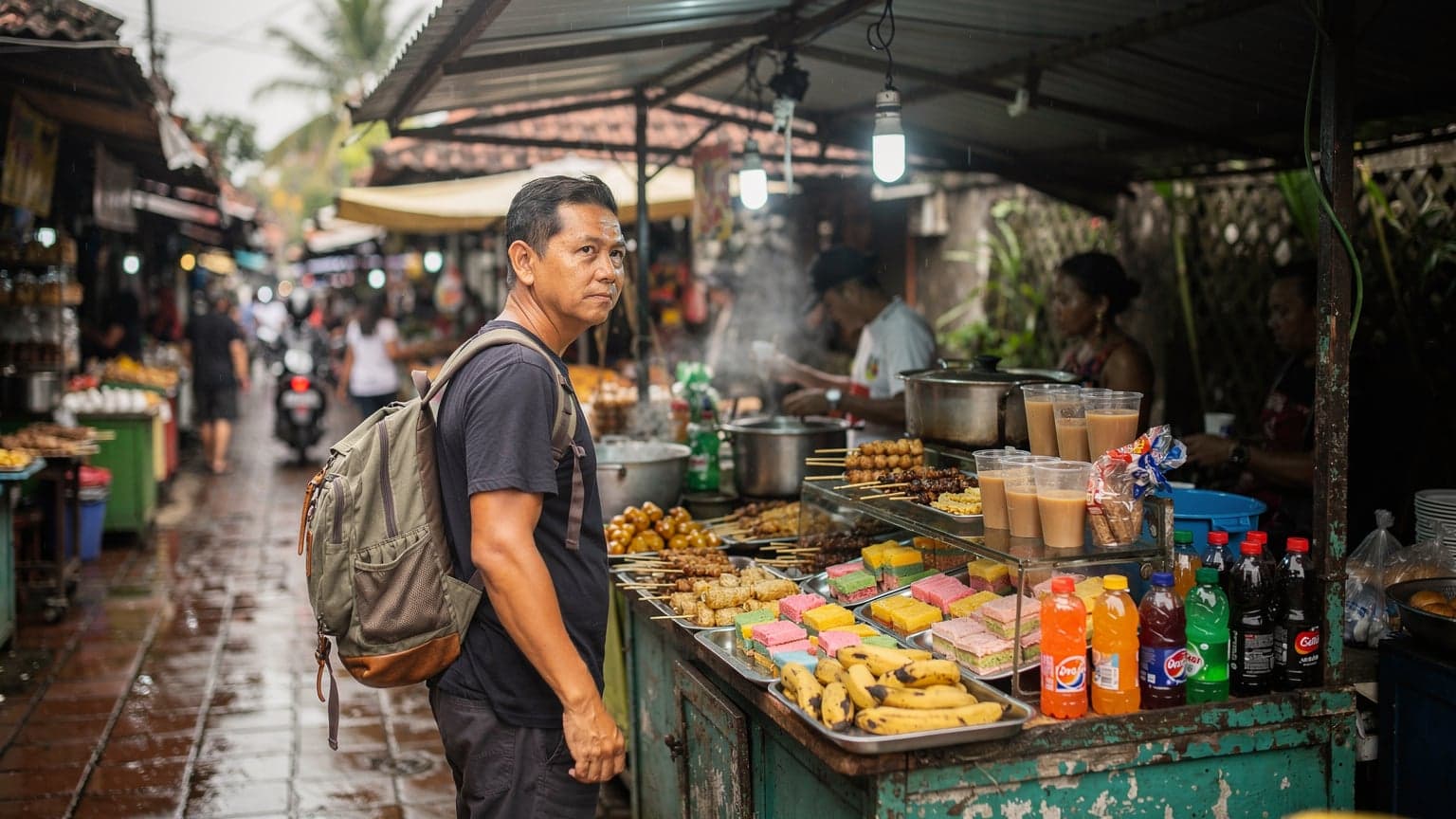
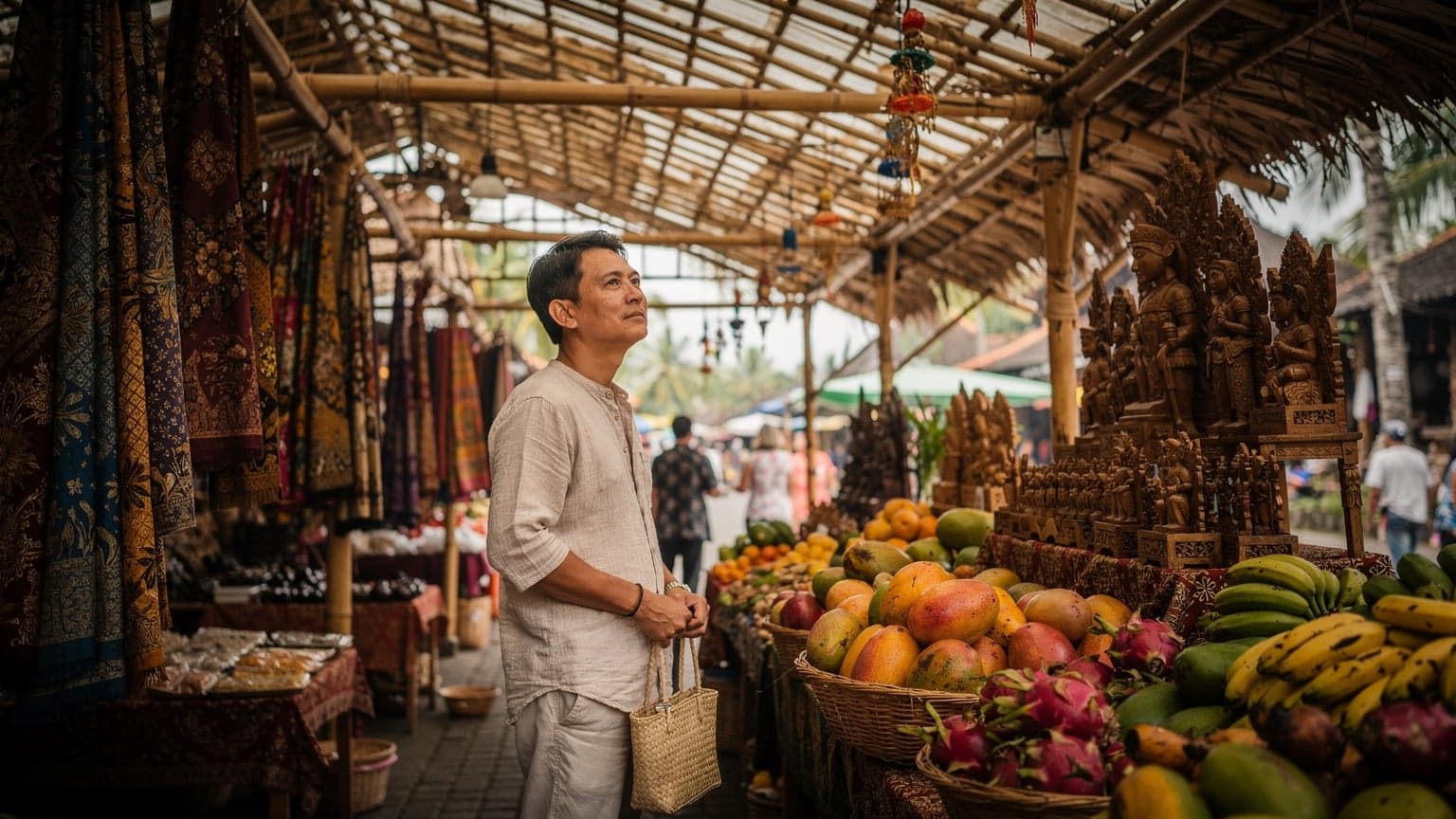
Nutmeg might be the star, but Grenada's spice collection is huge. The island also grows a lot of cinnamon, cloves, ginger, vanilla, and turmeric. These aren't just for export; they're essential to local Grenadian cooking, giving dishes those distinctive Caribbean flavors. When you visit markets like St. George's Market, you'll see stalls piled high with fresh, fragrant spices. It's an amazing sensory experience that perfectly explains the island's nickname.
Grenada's Underwater Sculpture Park: A Living Art Installation
Just off the coast of Molinere Bay, you'll find something truly special and unexpected: the Molinere Underwater Sculpture Park. Created by British sculptor Jason deCaires Taylor, this isn't just art; it's an artificial reef built to encourage coral growth and create a home for marine life. It's a fantastic blend of art, environmental protection, and tourism, offering an unforgettable snorkeling and diving experience.
The sculptures are cast from real Grenadians, showing everyday scenes, like a circle of children holding hands or a lone cyclist. Over time, these statues get covered in corals, sponges, and algae, turning them into living, evolving pieces of art. This process, where art helps restore the ecosystem, makes the Molinere park a groundbreaking example of environmental art.The Nutmeg Industry's Resilience
Grenada's nutmeg industry has seen its share of tough times, especially with natural disasters. Hurricane Ivan in 2004 hit the island hard, destroying an estimated 90% of its nutmeg trees. This was a huge blow to the nation's economy and its main export. But the Grenadian people showed incredible strength. The industry slowly rebuilt, proving how well they can recover and adapt.
Rebuilding meant replanting trees, which take years to grow and bear fruit, and also figuring out better farming methods to withstand hurricanes. Today, even though it's still recovering, the nutmeg industry is a vital part of Grenada's economy. It's a real testament to the islanders' unwavering spirit and their deep connection to their land.
A French and British Colonial Legacy
Grenada's history is a rich mix of French and British colonial influences. The French first settled the island in the 17th century, naming it 'La Grenade.' You can still see their mark in some place names, food traditions, and even the local patois. (More on languages later.)
The island then bounced between French and British control many times during the 18th century, a period of intense rivalry in the Caribbean. Eventually, Grenada became a British colony in 1783 after the Treaty of Versailles, and it stayed that way until gaining independence in 1974. This dual colonial heritage is visible all over the island, creating a unique blend of European and African influences that shaped Grenadian society.
Forts and Architecture
You can really see the colonial past in Grenada's old forts.
Fort George, sitting high above St. George's harbor, was built by the French in 1705 and later expanded by the British. Its strategic spot gives you amazing views of the Carenage and the capital.
Fort Frederick, another impressive British-built fort, also offers stunning vistas. The architecture in St. George's, with its narrow streets and Georgian-style buildings, further shows off this historical layering, almost making you feel like you're in a Mediterranean port town.
Waterfalls and Rainforests: A Natural Haven
Beyond its beautiful beaches, Grenada is an island of lush, green interiors, filled with rainforests and dotted with numerous stunning waterfalls. The island's volcanic origins created a rugged, mountainous landscape, perfect for these natural wonders. Exploring these areas offers a completely different side of Grenada, far from the bustling coastal resorts.
The Grand Etang National Park and Forest Reserve, right in the island's middle, is a great example. This park features a crater lake, Grand Etang Lake, and is a hot spot for biodiversity. Here, you can hike through thick rainforest, spot Mona monkeys, and discover several waterfalls, making it a paradise for nature lovers and hikers.
Must-Visit Waterfalls
Some of the most popular waterfalls include:
- Annandale Falls: Super easy to get to, with a paved path and a natural pool perfect for swimming.
- Seven Sisters Falls: This one involves a more adventurous hike through the rainforest to reach these magnificent cascades, which offer multiple pools.
- Concord Falls: A series of three waterfalls, with the first being the most accessible and the others requiring a more challenging trek.
Carnival, Spicemas: A Celebration of Freedom
Grenada's Carnival, known as Spicemas, is a vibrant and truly important cultural event. Unlike many other Caribbean carnivals that happen before Lent, Spicemas is celebrated in August. This timing was a clever move to avoid competing with other regional festivals, allowing Grenada's unique traditions to shine without being overshadowed.
Spicemas is a powerful expression of Grenadian identity, freedom, and creativity. It includes traditional elements like J'ouvert (a pre-dawn street party where revelers are covered in paint, oil, or mud), Jab Jab (devils covered in black oil), colorful parades, calypso and soca music competitions, and masquerade bands. The energy is incredible, a true reflection of the island's spirit. My experience at Lollapalooza in Brazil, while a different vibe, always reminds me of the unifying power of music and shared celebration that I imagine is even more intense during Spicemas.
Chocolate Production: From Bean to Bar
While spices are definitely Grenada's main claim to fame, the island is also building a reputation for fine chocolate. Its rich volcanic soil and tropical climate are perfect for growing high-quality cacao beans. This has led to several artisan chocolate companies popping up, all committed to sustainable farming and ethical production.
Visitors can take part in