Holafly's 'Unlimited' Data: How It Really Works on the Ground
I've been in enough remote corners of the world, from the chaotic streets of El Alto in Bolivia to the serene rice terraces near Ubud, where a stable connection is more precious than gold. When a provider advertises 'unlimited' data, my antennae immediately go up. It's a phrase that, in the travel data world, often comes with asterisks, fine print, and a dose of reality that only hits you when you're trying to hail a taxi via Bolt in Bucharest's Old Town and your map won't load.
Holafly, bless their marketing team, uses 'unlimited' to mean that you won't hit a hard data cap and suddenly be cut off. However, what they don't shout from the rooftops, and what many travelers only discover mid-trip, is the concept of a Fair Usage Policy (FUP). After you've consumed a certain amount of high-speed data, typically around 2-3 GB per day depending on the region and package, your speeds will be throttled. We're not talking a slight slowdown, often it's to speeds that make even basic browsing a test of patience, let alone uploading those festival highlights from Glastonbury.
Imagine you're trying to navigate the Tokyo Metro system, perhaps trying to figure out which platform on the Yamanote Line takes you to Shinjuku Gyoen National Garden, and your Google Maps is crawling. That's the throttling experience. For many, especially those traveling during half-term with kids who love streaming, this can be a significant pain point. It's a similar story to those tempting 'all-you-can-eat' buffets that don't mention the one-hour time limit or the sudden drop in quality after the first plate. It's 'unlimited' in theory, but practically, it's often limited by speed, which is just as frustrating.
Holafly Discount Codes 2026: Where to Find Them and What They Save You
So, you've heard about Holafly and you're now on the hunt for a discount code. It's a natural move, especially when you're comparing against your home carrier, EE, and their often eye-watering daily roaming charges. In 2026, Holafly discount codes are pretty ubiquitous. You'll find them scattered across travel blogs, influencer social media channels, and even directly on Holafly's own website during promotional periods. Typically, these codes offer a 5% to 10% reduction on the total price of your eSIM.
Let's say you're planning a two-week trip to Italy, perhaps exploring the back alleys of Trastevere in Rome or the canals of Cannaregio in Venice. A Holafly eSIM for 15 days might cost you around €47. A 10% discount code would shave off €4.70, bringing the price down to €42.30. That's a decent saving, no argument there. But here's the kicker: this saving is on a package that *might* give you fast data for only a few hours a day. It's a bit like getting a discount on a train ticket from London Victoria to Brighton, only to find out the train runs at half speed after the first 30 miles.
While finding a code is easy, understanding what you're actually paying for is crucial. I've often seen travelers on forums sharing codes, only to later complain about slow speeds in crowded areas, like during the Notting Hill Carnival or Oktoberfest. The initial saving feels good, but the subsequent frustration can easily outweigh it. You're trying to get to a specific market stall in Berlin's Kreuzberg district, and your app is just spinning. That's when the real cost of a 'discounted' slow connection hits.
The Real Cost Calculation: Holafly vs. Cellesim (Even With a Discount)
This is where the rubber meets the road. We need to move beyond the sticker price and consider the actual utility you're getting for your euro. Holafly's pricing structure is based on duration, with 'unlimited' data for a set number of days. Cellesim, on the other hand, offers pay-per-GB plans, giving you a fixed amount of high-speed data that you control and can top-up as needed. It's a fundamental difference in philosophy.
Let's use a common travel scenario: a 15-day family holiday in Italy. You're flying out of JFK for half-term, and you need data for maps, messaging, social media uploads, and maybe a bit of streaming for the kids on those longer train rides between Florence and Naples. Your home carrier's day pass is out of the question, as we all know how those add up. Bypassing carrier day passes with eSIM GPS technology is a smart move.
Holafly's 15-day 'Unlimited' Plan (Italy): Let's assume a price of €47, with a 10% discount bringing it to €42.30. This gives you 'unlimited' data, but with potential throttling after 2-3 GB per day. If you're heavy users, you'll feel this slowdown quickly.
Cellesim's Pay-per-GB Plan (Italy): For 15 days, you might realistically need around 15-20 GB of high-speed data for a family. Let's say a 20 GB package costs €35 (hypothetical, but representative of Cellesim's pricing). You get all 20 GB at full speed, and if you run out, you can top up instantly.
The initial Holafly price, even with a discount, is still higher for a product that might deliver less usable high-speed data. This isn't just about price, it's about performance. Trying to locate your friends at Tomorrowland in Boom, Belgium, requires a fast, reliable connection, not one that decides to take a siesta after a few hours of use.
Holafly's Hidden Downsides: Throttling and No Top-Ups
I've lost count of the times I've landed in a new city, say at Istanbul Airport, and realised my pre-purchased SIM card was either not working or running out of data, leaving me scrambling. This is where Holafly's model can genuinely bite you. The primary issue, as discussed, is the speed throttling. You might start your day with blazing 5G speeds in Paris, effortlessly streaming a podcast as you ride the RER to Versailles, but by afternoon, after sharing a few dozen high-res photos from the Louvre, your connection might drop to 2G or 3G speeds. Trying to book a last-minute ticket on the SNCF app or upload a video to Instagram becomes an exercise in frustration. It's a common complaint I hear from travellers who've used these 'unlimited' plans.
The second, and perhaps even more critical, downside is the absolute lack of top-up options. Once your Holafly eSIM plan is active for its duration, if you run out of high-speed data due to throttling or if the plan expires, you cannot simply add more data to that existing eSIM. Your only recourse is to buy an entirely new eSIM, which means going through the purchase process again, installing a new profile, and potentially dealing with a new set of data allowances and expiry dates. This is a massive inconvenience, especially if you're in the middle of a trip, perhaps trying to coordinate a meet-up in the sprawling Shibuya district of Tokyo, or getting around the labyrinthine streets of Marrakech's Medina.
I remember being in a similar bind in Bali, trying to coordinate with family members. My own local SIM had run out, and I couldn't top it up easily. The stress of navigating Indonesia with your family in 2026 without reliable data is something I wouldn't wish on anyone. This lack of flexibility in Holafly's model can quickly turn a budget-friendly option into a source of travel anxiety.
Why a Pay-Per-GB eSIM Might Be Your Better Bet
For a seasoned traveler, flexibility and transparency are paramount. This is precisely where pay-per-GB eSIMs, like those offered by Cellesim, shine. Instead of committing to a fixed duration with 'unlimited' data that might slow to a crawl, you purchase a specific amount of high-speed data. This means you know exactly what you're getting, and you're guaranteed those speeds until your data allowance is consumed.
Consider a half-term trip where your data usage might fluctuate. One day you're exploring the ancient ruins of Ephesus near Selçuk, primarily using maps and taking photos, so your data consumption is low. The next, you're stuck on a delayed TGV from Paris to Nice, and the kids are burning through data watching Netflix. With a pay-per-GB plan, you use what you need, and critically, if you find yourself running low, you can top up instantly, often through the provider's app or website. No need to buy a whole new eSIM, no complicated installation steps mid-journey. It’s seamless.
This kind of flexibility is a game-changer for digital nomads, festival-goers like myself, or anyone who values control over their connectivity. I've often needed quick top-ups when trying to navigate local apps like 'BVG Fahrinfo' in Berlin for U-Bahn schedules, or finding tickets for a spontaneous concert. Having the option to easily add more data means less stress and more time enjoying your trip. It also allows you to compare against local options; for example, if you're in Turkey, you might compare a Cellesim plan with the Turkcell Tourist SIM 2026, ensuring you bypass any hidden charges.
Price Comparison with Cellesim: A Real-World Example
Let's crunch some numbers for a typical 10-day trip to Spain, perhaps exploring the Gothic Quarter in Barcelona and the winding streets of Seville. You're flying from JFK, and you're conscious of not blowing your budget on data, especially with EE's roaming costs.
| Feature | Holafly (10-day Spain 'Unlimited') | Cellesim (10 GB for Spain) |
|---|---|---|
| Base Price | ~€37 | ~€25 |
| Price with 10% Discount | ~€33.30 | N/A (Cellesim already competitive) |
| Data Allowance | 'Unlimited' (throttled after ~2-3GB/day) | 10 GB high-speed (full speed guaranteed) |
| Top-up Option | No, must buy new eSIM | Yes, instant top-up available |
| Realistically Usable High-Speed Data | Likely 20-30 GB over 10 days before significant throttling | All 10 GB at full speed |
| Best For | Light users who value perceived 'unlimited' peace of mind and don't mind slower speeds | Moderate to heavy users, budget-conscious, need guaranteed speeds, prefer flexibility |
As you can see, even with a Holafly discount code, the pay-per-GB model often offers better value, especially for travelers who need consistent, fast data. When you're trying to share a live video of a flamenco show in Seville or coordinating with friends to meet at Plaça de Catalunya, guaranteed high-speed data makes all the difference.
eSIM Setup: Step-by-Step From JFK Departure
Installing an eSIM has become incredibly straightforward, which is a huge relief when you're juggling a passport, boarding pass, and maybe a lukewarm coffee. I remember the days of fumbling with tiny SIM ejector tools in dimly lit airport kiosks. Thankfully, those are mostly behind us. Here's how to get your Cellesim eSIM up and running, even before you've left the familiar territory of JFK.
- Purchase Your eSIM: Head over to the Cellesim destination page for your chosen region. Pick the data package that best suits your estimated usage. For a two-week trip, I usually budget about 1.5-2 GB per person per day if I'm doing a lot of mapping, social media, and a bit of streaming.
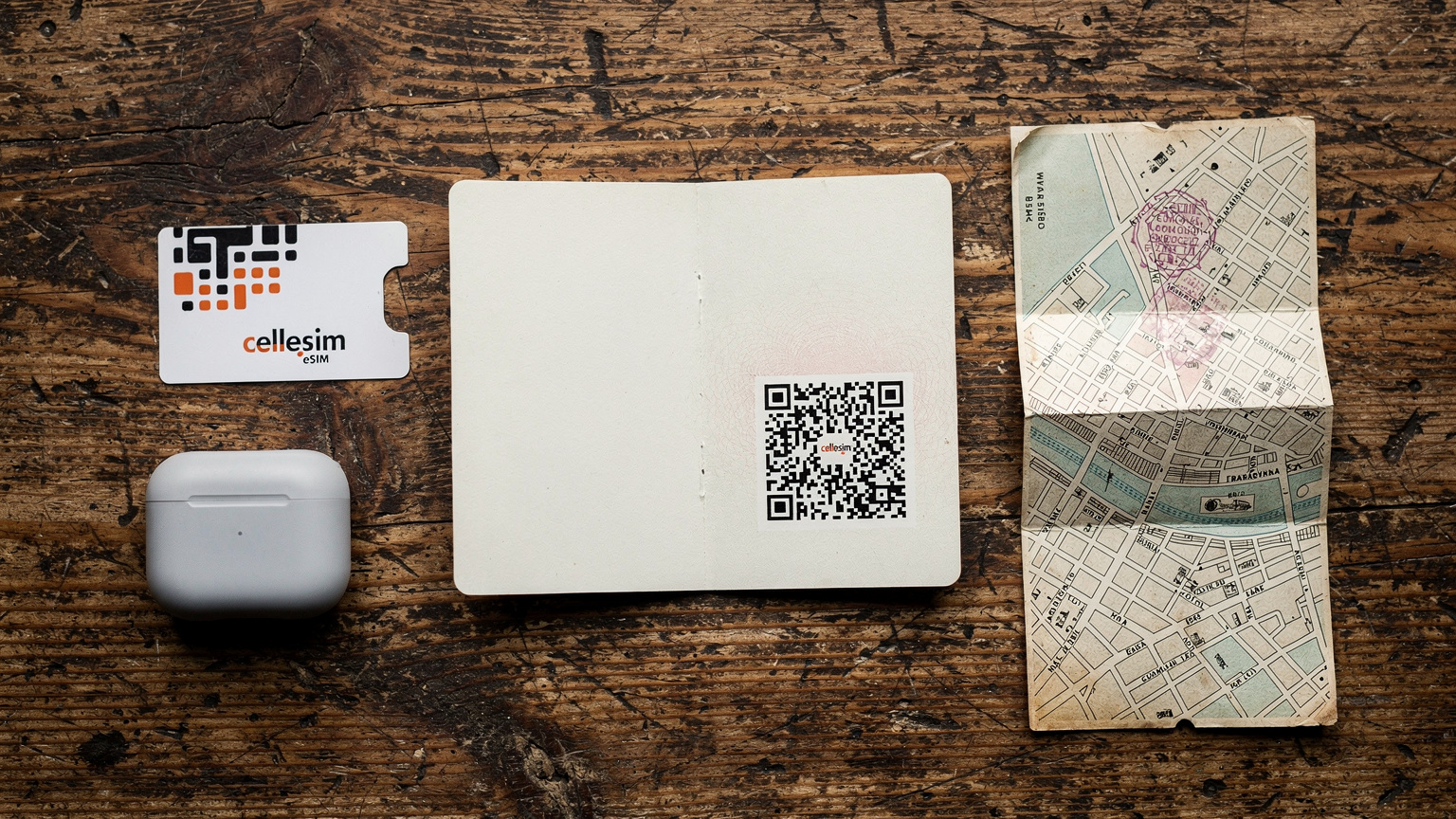
- Receive Your QR Code: Once purchased, Cellesim will email you a QR code. This is your digital SIM. I always recommend printing this out or saving it to another device (like a tablet or a laptop) just in case your primary phone's screen decides to play up.
- Install the eSIM (Pre-Departure): While still connected to Wi-Fi at JFK, go to your phone's settings. For iPhones, it's typically 'Settings' > 'Cellular' > 'Add eSIM'. For Android, it varies slightly by manufacturer but usually involves 'Network & Internet' > 'SIMs' > 'Add eSIM'. You'll then scan the QR code. Follow the on-screen prompts. Name your new eSIM something memorable, like 'Spain Trip 2026'.
- Enable and Set as Primary (Upon Arrival): Once you land, say at Madrid-Barajas Airport, you'll want to switch to your new eSIM. Go back to 'Cellular' or 'SIMs' in your settings. Turn off your primary EE line's data roaming (to avoid accidental charges) and enable your Cellesim eSIM for cellular data. Set it as your primary line for data.
- Check Connectivity: Within a minute or two, your phone should connect to the local network. You'll see the network name, perhaps 'Movistar' or 'Vodafone ES', in your status bar. If you're having trouble, a quick restart of your phone often does the trick. You should be able to browse the web, check messages, and use your navigation apps, like Citymapper for Barcelona's TMB system, without a hitch.
This process takes mere minutes, and doing it before you even leave home (or at least while you have reliable Wi-Fi) makes for a much smoother arrival. No more queuing for a local SIM card at 10 PM after a long-haul flight.

Holafly's Hidden Downsides: Throttling and No Top-Ups
I've lost count of the times I've landed in a new city, say at Istanbul Airport, and realised my pre-purchased SIM card was either not working or running out of data, leaving me scrambling. This is where Holafly's model can genuinely bite you. The primary issue, as discussed, is the speed throttling. You might start your day with blazing 5G speeds in Paris, effortlessly streaming a podcast as you ride the RER to Versailles, but by afternoon, after sharing a few dozen high-res photos from the Louvre, your connection might drop to 2G or 3G speeds. Trying to book a last-minute ticket on the SNCF app or upload a video to Instagram becomes an exercise in frustration. It's a common complaint I hear from travellers who've used these 'unlimited' plans.
The second, and perhaps even more critical, downside, is the absolute lack of top-up options. Once your Holafly eSIM plan is active for its duration, if you run out of high-speed data due to throttling, or if the plan expires, you cannot simply add more data to that existing eSIM. Your only recourse is to buy an entirely new eSIM, which means going through the purchase process again, installing a new profile, and potentially dealing with a new set of data allowances and expiry dates. This is a massive inconvenience, especially if you're in the middle of a trip, perhaps trying to coordinate a meet-up in the sprawling Shibuya district of Tokyo, or getting around the labyrinthine streets of Marrakech's Medina.
I remember being in a similar bind in Bali, trying to coordinate with family members. My own local SIM had run out, and I couldn't top it up easily. The stress of navigating Indonesia with your family in 2026 without reliable data is something I wouldn't wish on anyone. This lack of flexibility in Holafly's model can quickly turn a budget-friendly option into a source of travel anxiety.
The Final Verdict: Holafly or Cellesim?
If you're a very light data user, someone who primarily relies on hotel Wi-Fi and only needs data for occasional WhatsApp messages or quick map checks, Holafly's 'unlimited' plans, even with the throttling, might seem appealing, especially with a discount code. The perceived 'peace of mind' of not having to monitor usage can be a draw.
However, for the vast majority of travelers in 2026, especially those heading out for half-term, trying to keep up with social media, stream content, make video calls, or simply rely on consistent data for navigation and local apps, a pay-per-GB eSIM from a provider like Cellesim offers significantly better value and a far more reliable experience. You get guaranteed high-speed data, the flexibility to top up as needed, and ultimately, more control over your connectivity.
My advice, after years on the road, is to look beyond the initial discount and consider the full picture of your data needs. A slightly higher upfront cost for guaranteed speed and easy top-ups will almost always lead to a smoother, less stressful, and ultimately more enjoyable trip. Think of it as choosing between a budget airline with hidden fees and delays, versus a slightly more expensive but reliable carrier that gets you to your destination on time and in comfort. For genuine peace of mind and reliable connectivity across destinations like Bolivia or Indonesia, Cellesim's approach simply makes more sense.
Frequently Asked Questions
Do Holafly discount codes really offer significant savings in 2026?
Holafly discount codes in 2026 typically offer 5% to 10% off. While this provides a small saving on the sticker price, it doesn't address the core issue of their 'unlimited' plans often being subject to speed throttling after a daily fair usage limit is reached. The real value depends on your actual data consumption and speed needs.
What is the main downside of Holafly's 'unlimited' data plans?
The primary downside of Holafly's 'unlimited' data plans is the speed throttling. After consuming a certain amount of high-speed data (usually 2-3 GB per day), your internet speeds are significantly reduced. This can make activities like streaming, video calls, or even loading maps incredibly slow, despite still having 'unlimited' access.
Can I top up my Holafly eSIM if I run out of high-speed data?
No, Holafly eSIMs do not offer a top-up option for additional data. If your plan's high-speed allowance is throttled or the plan expires, you will need to purchase and install an entirely new eSIM to regain full-speed connectivity. This can be inconvenient, especially mid-trip.
Why might a pay-per-GB eSIM be a better alternative to Holafly?
A pay-per-GB eSIM, like those from Cellesim, often provides better value because you get a specific amount of guaranteed high-speed data that you can fully control. You only pay for what you use, can top up instantly if needed, and avoid the frustration of unexpected speed throttling. It offers more flexibility and transparency for varied data usage.
How does Cellesim compare to Holafly for a typical 10-day trip?
For a 10-day trip, a Holafly 'unlimited' plan might cost around €33 with a discount, but comes with speed throttling. A Cellesim 10 GB plan, offering guaranteed high speeds, could cost around €25. Cellesim generally provides better performance and flexibility for a lower or comparable price, especially for users who need consistent fast data.
Is it easy to install a Cellesim eSIM before I travel?
Yes, installing a Cellesim eSIM is straightforward. You purchase the plan online, receive a QR code via email, and then scan it using your phone's settings while connected to Wi-Fi. You can complete the installation before you depart, ensuring you have data ready as soon as you land, avoiding airport queues and connection issues.