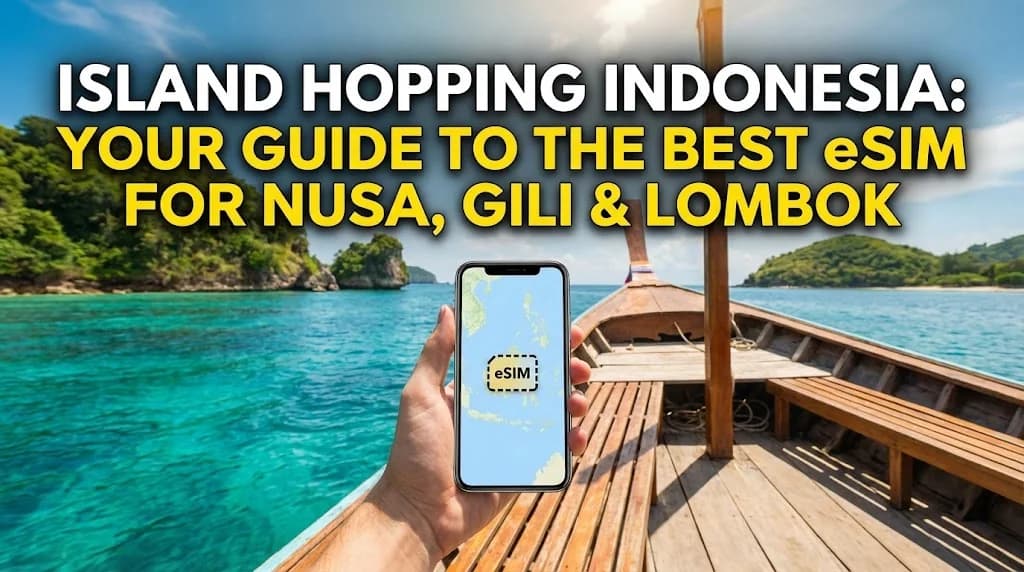
Island Hopping Indonesia: Your Guide to the Best eSIM for Nusa, Gili & Lombok
Indonesia. Just the name conjures images of pristine beaches, lush rice paddies, ancient temples, and a vibrant culture that dances to its own unique rhythm. If you're dreaming of an adventure that takes you beyond Bali's bustling shores to the tranquil beauty of Nusa Penida, the laid-back charm of the Gili Islands, and the rugged landscapes of Lombok, you're in for an absolute treat. But amidst all the planning – flights, accommodation, dive excursions – there's one crucial element often overlooked until the last minute: staying connected. And for island hopping in Indonesia, a reliable eSIM is your absolute best friend.
Forget the days of hunting for local SIM cards, fumbling with tiny trays, and trying to explain your data needs in broken Bahasa. eSIM technology has revolutionized travel connectivity, offering unparalleled convenience and flexibility. For your Indonesian island adventure, an eSIM isn't just a nice-to-have; it's an essential tool for navigation, communication, safety, and sharing those envy-inducing travel photos in real-time.
Why an eSIM is Your Go-To for Indonesian Island Hopping
Let's break down why an eSIM is superior to traditional physical SIM cards, especially when you're traversing multiple islands with varying network coverages.
Seamless Activation and Instant Connectivity
Imagine landing at Ngurah Rai International Airport (DPS) in Bali, activating your data plan before you even leave the plane, and stepping out into the Indonesian sunshine already connected. That's the power of an eSIM. There's no need to find a local vendor, register your passport, or deal with language barriers. You purchase your eSIM online, scan a QR code, and you're good to go. This is particularly valuable when you're moving between islands, where finding a reliable SIM card vendor might be more challenging.
Keep Your Primary Number Active
One of the biggest advantages of an eSIM is that it allows you to keep your home SIM card active for calls and texts while using the eSIM for data. This means you won't miss important calls from family or work, and you can still receive verification codes for banking or other services. No more swapping cards or missing vital communications!
Flexibility and Multiple Plans
With an eSIM, you can easily switch between different data plans or even different providers if needed. If you find yourself needing more data, it's a simple top-up process. Some providers like Cellesim offer a range of plans tailored to different travel durations and data needs, ensuring you only pay for what you use. This flexibility is perfect for island hopping, as your data usage might vary significantly between a day of exploring Nusa Penida and a relaxing week on Gili Trawangan.
Enhanced Security
Physical SIM cards can be lost or stolen, which is a hassle you don't need on your vacation. An eSIM is embedded in your device, making it much more secure. Plus, you avoid handing over your passport details to various local vendors, which can be a privacy concern for some travelers.
Key Considerations When Choosing an eSIM for Indonesia
Not all eSIMs are created equal. To ensure a smooth and frustration-free experience, keep these factors in mind when making your choice:
Coverage Area
This is paramount for island hopping. You need an eSIM that offers strong coverage across Bali, Nusa Penida, the Gili Islands (Trawangan, Meno, Air), and Lombok. While major towns and tourist areas generally have good 4G/LTE, more remote spots might be patchy. Look for providers that partner with major Indonesian networks like Telkomsel or XL Axiata, known for their extensive reach.
Cellesim, for instance, leverages the best available local networks to ensure robust coverage across these popular island destinations, minimizing those frustrating "no service" moments.
Data Allowances and Validity Periods
How much data do you need? This depends on your usage habits. Are you just checking maps and messages, or are you streaming videos and uploading daily vlogs? Consider plans ranging from 1GB for a short trip to 20GB+ for longer, more data-intensive journeys. Equally important is the validity period. Ensure the plan covers your entire trip duration. Don't get caught short with an expired plan midway through your adventure.
Pricing and Value
Compare prices across different providers. While a super cheap plan might seem appealing, ensure it doesn't compromise on coverage or data speed. Look for value – a good balance of data, validity, and reliable network access. Providers like Cellesim offer competitive pricing with transparent terms, so you know exactly what you're getting without hidden fees.
Top-Up Options
What happens if you run out of data? Can you easily top up your plan online? A good eSIM provider will offer straightforward top-up options, allowing you to add more data quickly from your phone, wherever you are.
Customer Support
Should you encounter any issues, accessible and responsive customer support is invaluable. Check reviews for feedback on customer service before committing to a provider.
Recommended eSIM Providers for Nusa, Gili & Lombok
Cellesim Travel eSIM: Your Island Hopping Companion
For travelers exploring the diverse landscapes of Nusa, Gili, and Lombok, Cellesim offers an excellent solution. Designed with international travelers in mind, Cellesim provides reliable and affordable data plans for Indonesia. Their eSIMs are easy to activate and leverage strong local networks, ensuring you stay connected whether you're diving off Gili Meno, exploring Kelingking Beach on Nusa Penida, or trekking Mount Rinjani in Lombok.
- Coverage: Cellesim partners with leading Indonesian carriers to provide extensive 4G/LTE coverage across Bali, Nusa Islands, Gili Islands, and Lombok.
- Plans: They offer a variety of data packages, from smaller bundles for light users to larger plans for those who need constant connectivity. Validity periods are flexible to match typical travel durations.
- Ease of Use: Activation is a breeze with a simple QR code scan. Managing your plan and topping up is straightforward through their user-friendly platform.
- Support: Cellesim is known for its responsive customer service, ready to assist if you have any questions or run into technical difficulties.
Other Reputable eSIM Providers
While Cellesim is a top recommendation, other providers like Airalo and Holafly also offer eSIMs for Indonesia. It’s always good to compare their offerings against your specific needs, focusing on the points mentioned above (coverage, data, validity, price, and support).
Setting Up Your eSIM for Your Indonesian Adventure
The process of setting up an eSIM is incredibly simple, usually involving just a few steps:
- Purchase Your eSIM: Visit the website of your chosen provider (e.g., Cellesim) and select an Indonesia-specific data plan that suits your needs.
- Receive QR Code: After purchase, you'll typically receive an email with a QR code and detailed instructions.
- Install the eSIM: On your smartphone, go to Settings > Cellular/Mobile Data > Add Data Plan (or similar, depending on your device). Scan the QR code. Follow the prompts to label your new plan (e.g., "Indonesia eSIM").
- Configure Settings: Once installed, ensure your new eSIM is selected for cellular data. You might also need to enable data roaming for the eSIM, though with most travel eSIMs, this is handled automatically. Keep your primary SIM active for calls/texts.
- Activate (if necessary): Some eSIMs activate automatically upon connecting to a local network; others might require a manual activation within the provider's app or website.
It's highly recommended to install your eSIM before you depart. That way, you're connected the moment you land, avoiding any airport Wi-Fi woes or urgent data needs.
Practical Tips for Staying Connected on the Islands
- Download Offline Maps: Even with great connectivity, downloading Google Maps or Maps.me for offline use is a smart move, especially for remote areas on Nusa Penida or Lombok.
- Power Bank is Your Friend: Constant phone usage, especially for navigation and photos, drains battery life quickly. A good power bank is essential.
- WhatsApp is King: WhatsApp is the primary communication app in Indonesia. Ensure you have it installed to communicate with tour operators, drivers, and new friends.
- Be Mindful of Data Usage: While eSIMs offer generous data, streaming high-definition video can quickly deplete your allowance. Utilize Wi-Fi when available at your accommodation.
- Check Network Status: In some very remote spots, even the best networks can be spotty. Don't panic if you lose signal briefly; it's often temporary.
Conclusion: Uninterrupted Exploration Awaits
Embarking on an island hopping adventure through Nusa Penida, the Gili Islands, and Lombok is an experience you'll cherish forever. By choosing the right eSIM, such as a reliable Cellesim travel eSIM, you ensure that your journey is not only filled with breathtaking sights but also with seamless connectivity. From navigating hidden beaches to sharing your incredible experiences with loved ones back home, your eSIM will be your constant, silent travel companion.
So, go ahead, plan that incredible Indonesian escape. With your eSIM sorted, you can focus on what truly matters: soaking in the beauty, culture, and adventure that awaits you in this magical archipelago. Happy travels!