Switzerland offers a surprising blend of tradition, innovation, and breathtaking landscapes, far beyond the clichés of chocolate and precision watches. From navigating its four official languages to understanding its unique political system and saving money on data, this guide provides 15 essential facts to help budget travelers experience Switzerland without breaking the bank. A Cellesim Switzerland eSIM is a savvy choice for staying connected, with over 29 plans, including options for SMS for OTP/verification.
Swiss Francs, Cash, and Cards: Your Money Matters
Alright, let's cut to the chase: Switzerland is not cheap. You know this. I know this. But the good news is, you absolutely do not need to spend a fortune. First things first, the currency is the Swiss Franc (CHF), not the Euro, even though it's surrounded by Eurozone countries. Some tourist traps might take Euros, but you'll get a terrible exchange rate. Always pay in CHF.
For an 8-day trip I did through Interlaken, Lauterbrunnen, and Lucerne, I tracked every single penny. My total data spend was just €28, thanks to smart eSIM choices. More on that later. My total budget, including hostels like the Backpackers Villa Sonnenhof in Interlaken and a few too many Coop-brand croissants, came in at about €280 for those 8 days, excluding flights. That's a tight €35 a day, and it's doable if you're smart.
While cards are widely accepted, especially Visa and Mastercard, I found a few small, family-run guesthouses in the Emmental region that preferred cash, or only accepted PostFinance cards, which are essentially local debit cards. Always carry some CHF, say 50-100 CHF, especially if you plan to hit up farmers' markets or smaller, more traditional villages. ATMs are plentiful and easy to find, often at train stations and major grocery stores like Coop and Migros.
Saving on Exchange Rates and ATM Fees
Here's a quick tactical breakdown to avoid getting ripped off:
- Use a travel-friendly debit card: Cards like Revolut or Wise (formerly TransferWise) offer excellent exchange rates and often fee-free ATM withdrawals up to a certain limit. This is my go-to for nearly all my trips.
- Decline DCC: If an ATM asks if you want to be charged in CHF or your home currency (Dynamic Currency Conversion, or DCC), always choose CHF. Let your bank do the conversion, not the local ATM, you'll get a better rate.
- Notify your bank: A quick heads-up to your bank that you're traveling prevents your card from being frozen due to suspicious activity. Trust me, it's a pain to deal with from a mountain hostel with spotty Wi-Fi.
Connectivity on a Dime: eSIM vs. Local SIMs
Staying connected without blowing your budget is non-negotiable for a backpacker. Maps, hostel bookings, emergency contacts, checking bus schedules for the PostAuto, it all needs data. For Switzerland, a Cellesim Switzerland eSIM offers 29+ plans. Crucially, many of these plans support SMS for OTP/verification, which is a lifesaver when you're logging into banking apps or confirming hostel reservations.
Why an eSIM over a physical SIM? For one, you activate it instantly from your phone, no hunting for a specific carrier store at Zürich Airport, which, by the way, is not cheap to get to from the city center if you're lugging a heavy bag. You don't have to worry about finding a SIM ejector tool or losing your home SIM card. Plus, you can often get a plan that starts immediately upon arrival, so you're never without data.
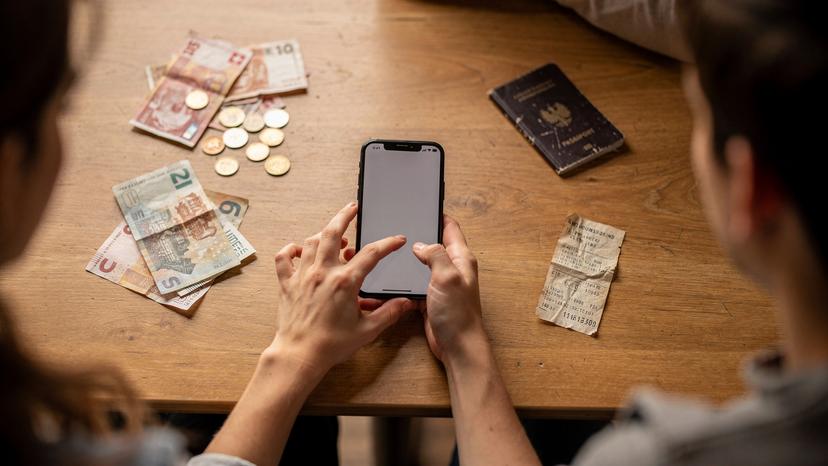
Now, for fairness, let's talk about the local physical SIM alternatives. The cheapest local SIM I've found in Switzerland is typically from Salt Mobile or Sunrise, especially their prepaid offerings. You can usually grab a Salt prepaid SIM for around 10-20 CHF at a Kiosk or a Salt store, which might include a small amount of data. However, topping it up, managing plans, and getting it activated can be a bit of a headache if you don't speak German, French, or Italian. My experience at a Salt store in Geneva involved a lot of gesturing and a long wait. If you're staying for more than a month and plan to be in rural areas, a local physical SIM might eventually offer better rates for huge data bundles, but for short trips, the convenience and immediate activation of an eSIM usually win out.
| Feature | Cellesim eSIM (Switzerland) | Typical Local Physical SIM (e.g., Salt Prepaid) |
|---|---|---|
| Activation | Instant via QR code, before arrival | Requires purchase in-store, passport registration, manual activation |
| Price (Starting) | $1.05 (29+ plans) | ~10-20 CHF (often with minimal data) |
| SMS Support | Available on many plans | Usually included, but top-ups can be complex |
| Convenience | High, no physical swap, multi-country options | Medium, store visit needed, language barrier possible |
| Data Flexibility | Choose specific data amount for trip duration | Fixed bundles, often require higher top-ups |
Calculating Your Data Needs: The Cold, Hard Math
Don't guess your data usage. That's how you end up paying for more than you need, or worse, running out and getting hit with exorbitant roaming charges. Here's how I break it down:
- Estimate daily GB usage: I generally budget 1.5 GB per day. That's enough for maps, WhatsApp, a bit of social media, checking email, and maybe a few minutes of video calls home. If you're streaming Netflix on the train, you'll need more.
- Multiply by trip duration: For my 8-day Switzerland trip, that's 1.5 GB/day * 8 days = 12 GB total.
- Factor in Wi-Fi: Most hostels (like my beloved Backpackers Villa Sonnenhof), hotels, and even some public transport in Switzerland (SBB trains often have Wi-Fi, though sometimes it's spotty) offer free Wi-Fi. This means you can reduce your mobile data needs. I usually knock off about 20-30% of my calculated data if I know I'll have reliable Wi-Fi. So, 12 GB * 0.7 = 8.4 GB.
Based on that, I'd look for a Cellesim plan around 8-10 GB for an 8-day trip. This method has saved me bundles of cash over the years. You can check out whether a free eSIM trial is worth the gamble for your next trip, but for Switzerland, I prefer a guaranteed plan.
Speaking Swiss: The Four Official Languages
Switzerland has four official languages: German, French, Italian, and Romansh. This isn't just a fun fact, it's a practical reality that impacts everything from train announcements to restaurant menus. Depending on where you are, one language will dominate.
- German-speaking Switzerland: This is the largest part, covering cities like Zürich, Bern, Lucerne, and Basel. They speak Swiss German dialects, which can be tricky even for native German speakers, but High German is understood.
- French-speaking Switzerland: Known as Romandie, this region includes Geneva, Lausanne, and Montreux.
- Italian-speaking Switzerland: Primarily the canton of Ticino, with Lugano and Locarno as key cities.
- Romansh: Spoken by a small minority in the canton of Graubünden, it's a fascinating linguistic holdover.
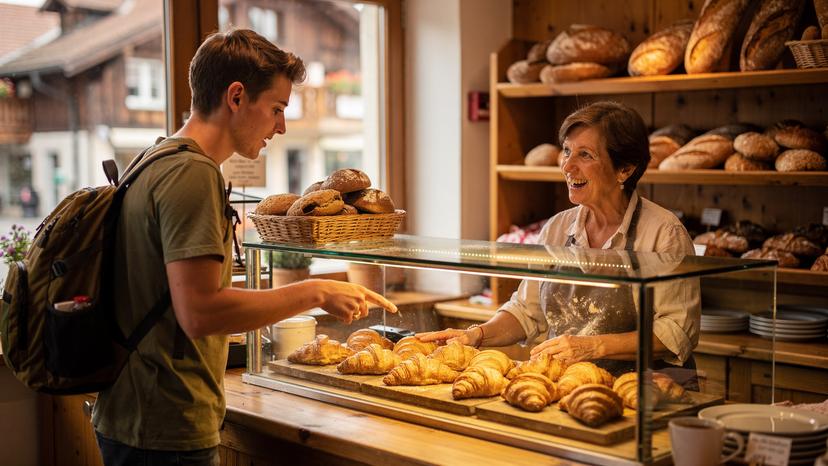
Don't fret too much if you only speak English. In tourist areas and major cities, English is widely spoken, especially by younger generations. However, learning a few basic phrases in the local language of the region you're visiting (e.g., "Grüezi" for hello in Swiss German, "Bonjour" in French) goes a long way. It shows respect and can sometimes unlock a warmer interaction, or even a small discount at a local bakery.
Public Transport: The Swiss Secret Weapon
Forget car rentals. Switzerland's public transport system is legendary, efficient, and surprisingly budget-friendly if you plan it right. The Swiss Federal Railways (SBB) connects practically every town and village, and their PostBus (PostAuto) network reaches even the remotest mountain passes. The yellow PostBuses are iconic, and a ride through an alpine valley on one is an experience in itself.
For an 8-day trip, a Swiss Travel Pass can seem expensive, but if you're doing a lot of inter-city travel and hitting mountain excursions (which are often heavily discounted or free with the pass), it can save you a bundle. Do the math. For example, a return trip up the Jungfraujoch is eye-wateringly expensive on its own, but with a pass, it becomes much more palatable. I once used a 4-day pass on a trip, and the savings on the GoldenPass Line alone almost paid for it.
Navigating the System Like a Local
Here's how to master Swiss public transport:
- Download the SBB Mobile app: This app is your best friend. It has real-time schedules, platform numbers, and can be used to buy tickets. It's incredibly reliable.
- Check for half-fare cards: If you're staying for a longer period and not buying a full pass, a Half-Fare Card pays for itself quickly if you're taking more than a couple of longer train journeys. It gives you 50% off most public transport.
- Look into regional passes: Sometimes, for specific regions like the Bernese Oberland, a regional pass might be cheaper if your travel is localized.
- Border-crossing edge case: If you're crossing a border into Switzerland, say from France into Geneva or Germany into Basel, buy your international ticket only to the border station (e.g., Basel Badischer Bahnhof from Germany), then switch to a Swiss domestic ticket or activate your Swiss Travel Pass from there. It can sometimes be cheaper than buying a single international ticket through to your final Swiss destination. I've saved a few euros this way coming from Freiburg im Breisgau into Basel.
Grocery Store Gourmet: Eating Cheap in Switzerland
Restaurant meals in Switzerland are where your budget can quickly evaporate. A simple pasta dish can set you back 25-30 CHF. This is why Coop and Migros, the two major supermarket chains, will become your best friends. They're everywhere, even in smaller towns, and offer an incredible array of fresh, high-quality food.
My go-to budget meals:
- The "Coop Ready Meal" strategy: Coop has fantastic ready-to-eat salads, sandwiches, and hot counters with things like grilled chicken, quiches, and sometimes even small portions of Rösti. I'd often grab a rotisserie chicken for 8-12 CHF and eat it over two meals.
- Picnic power: Buy bread, cheese (Gruyère is a must), local dried sausage (Salsiz is great), fruit, and some Swiss chocolate, and head to a scenic spot. A picnic by Lake Geneva or in a meadow overlooking the Eiger will be far more memorable (and cheaper) than any sit-down meal.
- Breakfast at the hostel: Most hostels include breakfast, or offer it for a reasonable price (around 5-10 CHF). Always take advantage of this. Load up on bread, cheese, and muesli to keep you going.
The Myth of Neutrality: Switzerland's Military
Switzerland is famous for its neutrality, but this doesn't mean it's unarmed. Far from it. It maintains a strong, well-trained militia army, and military service is compulsory for most male citizens. This is a country that takes its defense seriously, and you'll see evidence of it, from discreet bunkers in the mountainsides to active military training exercises.
The concept of a "citizen soldier" is deeply ingrained in Swiss culture. Many men keep their service rifles at home, a fact that often surprises visitors. This readiness is a cornerstone of their defense strategy. It's not about aggression, but about ensuring that their neutrality is respected and defensible. You might see military vehicles on the road or soldiers in uniform on public transport, especially around training areas. It's just a normal part of Swiss life, not a sign of unrest.
Direct Democracy and the Federal System
Switzerland isn't just a country, it's a confederation of 26 cantons, each with a high degree of autonomy, almost like mini-states. This federal system means laws and regulations can vary slightly from one canton to another. For example, opening hours for shops or specific local taxes might differ.
What's truly unique is their direct democracy. Swiss citizens have the right to vote on many issues through referendums and popular initiatives several times a year. You'll see public notices and posters everywhere discussing upcoming votes, from national policies to local zoning laws. It's a truly engaged political culture, even if it can sometimes lead to some quirky local rules.
Understanding the Cantons for Travelers
Why does this matter for a budget backpacker?
- Local regulations: Be aware that rules can differ slightly. For example, some cantons might have stricter rules about noise on Sundays (more on that later).
- Local holidays: Public holidays can vary by canton, so a bank holiday in Geneva might not be one in Zürich. Always double-check if you're planning to visit attractions or banks on specific dates.
- Cultural nuances: Each canton, especially those with different languages, has its own distinct cultural flavor. Embracing these regional differences, whether it's the food in Ticino or the traditions in Appenzell, is part of the Swiss experience.
Border Hopping and the Schengen Area: What You Need to Know
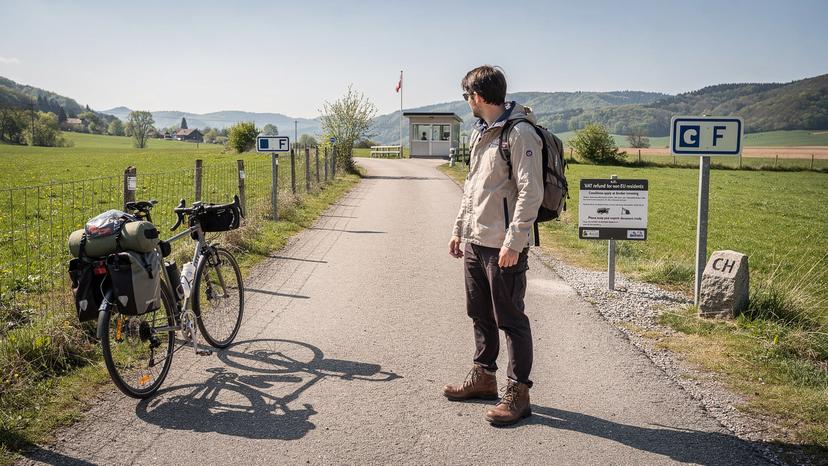
Switzerland is part of the Schengen Area, which means there are generally no routine passport controls when crossing land borders with neighboring Schengen countries like France, Germany, Austria, and Italy. This makes crossing incredibly smooth, whether by train, bus, or even a hike.
However, Switzerland is NOT part of the European Union. This has a few key implications for travelers, particularly budget-conscious ones:
- Currency: As mentioned, it uses the Swiss Franc, not the Euro.
- VAT Refunds: If you're a non-resident of Switzerland (and not an EU resident), you can claim a VAT refund on purchases over a certain amount (currently 300 CHF, including VAT, from a single store). Keep your receipts and fill out the tax-free forms. You'll need to get them stamped at the last customs office before leaving Switzerland. This is a neat trick to save a few francs on a big purchase, like a new pair of hiking boots you desperately needed.
- Mobile Roaming: Because it's outside the EU, your EU roaming plan likely won't apply here. This is a critical point where an eSIM for Switzerland really shines, as it lets you avoid expensive roaming charges from your home carrier. I've seen friends get hit with bills for hundreds of euros because they assumed their EU roaming included Switzerland. Always check!
The Tactic for Cheap Border Town Food
Here's a specific border-crossing trick that savvy backpackers use: if you're near a border town, especially in French-speaking Switzerland (e.g., Geneva), consider crossing into France for cheaper groceries or even a meal. Towns like Annemasse or Ferney-Voltaire just across the French border offer significantly lower prices for everyday goods. I once took a local bus from Geneva to Annemasse, grabbed a massive supermarket haul, and came back feeling like I'd won the lottery. Just factor in the bus fare and time. For those looking for broader connectivity, consider options like a USA eSIM for tourists if your next leg is across the pond.
Water Everywhere, and It Is Drinkable
Forget buying bottled water. Switzerland is a land of abundant, crystal-clear water. Public drinking fountains are everywhere, especially in cities and hiking trails, and the water is almost always safe and delicious to drink. Look for signs that say "Trinkwasser" (German) or "Eau potable" (French).
This is a huge money-saver. Carry a reusable water bottle and fill it up constantly. Not only is it good for your wallet, it's also better for the environment. Even the water straight from the tap in your hostel or hotel will be perfectly fine. This is one of those small, consistent savings that really add up over an 8-day trip.
Recycling Culture and Waste Disposal Rules
The Swiss are meticulous about recycling and waste disposal, and it's not just a suggestion, it's a strict system. You'll find separate bins for glass (sorted by color!), PET plastic bottles, aluminum, paper, and compost. In some municipalities, you even have to buy specific, often expensive, garbage bags for general waste.
As a traveler, this means you need to be mindful of your trash. Don't just throw everything into one bin. Hostels will usually have clear instructions on where to sort your waste. Being respectful of these local customs is part of being a good visitor. Failing to sort your trash correctly can even lead to fines in some places, though this is rarely enforced on tourists, it's best to comply.
Sunday is For Rest, and Rules
Sundays in Switzerland are generally quiet days. Many shops are closed, especially outside of major train stations and airports. This is a cultural norm deeply rooted in tradition. Don't expect to do much shopping or even some types of noisy activities.
- Grocery store exceptions: Major train stations, like Zürich Hauptbahnhof or Bern Hauptbahnhof, often have grocery stores (usually a Coop or Migros Pronto) that are open on Sundays, but with reduced hours and higher prices. Plan your grocery shopping accordingly.
- Noise restrictions: Be mindful of noise levels. Sundays are for quiet enjoyment. Mowing the lawn, drilling, or even loud parties are generally frowned upon and can sometimes lead to complaints from neighbors. This extends to hostels, so keep your voice down.
- Embrace the quiet: Use Sunday as a day for peaceful hikes, visiting museums (many are open), or enjoying a scenic train ride. It's a great opportunity to slow down and appreciate the natural beauty.
Alps Aplenty, But Not the Whole Story
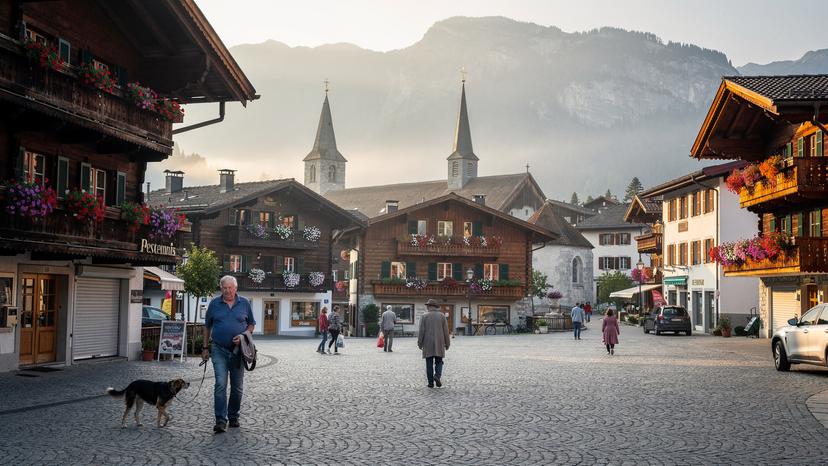
When you picture Switzerland, you probably imagine the Alps, towering peaks like the Matterhorn and Jungfrau. And yes, the Alps are magnificent and cover a significant portion of the country. But Switzerland is more diverse than just mountains.
- The Jura Mountains: In the northwest, bordering France, the Jura mountains are lower, gentler, and offer beautiful rolling hills, forests, and charming towns. It's a great area for cycling and less strenuous hiking.
- The Swiss Plateau: This central region, between the Alps and the Jura, is home to most of the population and major cities like Zürich, Bern, and Geneva. It's characterized by rolling hills, large lakes, and intensive agriculture.
- Large lakes: Switzerland boasts numerous stunning lakes, including Lake Geneva (Lac Léman), Lake Lucerne (Vierwaldstättersee), and Lake Zürich. These are popular for swimming, boating, and lakeside strolls.
Don't limit your trip to just the famous alpine resorts. Exploring the varied landscapes can offer different perspectives and often, more budget-friendly experiences. For instance, a bike trip through the Aare River valley is a fantastic way to see the Swiss Plateau and experience local life, and it costs next to nothing beyond bike rental. If you're interested in connecting your laptop or PC for travel, you might find eSIMs for PCs and laptops useful for remote work on the go.
| Region | Key Features | Budget Activities |
|---|---|---|
| The Alps | High peaks, glaciers, iconic resorts (Zermatt, Interlaken) | Free hiking trails, packing picnics, taking PostBuses instead of private transfers |
| Jura Mountains | Rolling hills, forests, clock-making towns (La Chaux-de-Fonds) | Cycling, less strenuous hiking, visiting smaller museums, local markets |
| Swiss Plateau | Major cities (Zürich, Bern, Geneva), large lakes, agriculture | Free city walking tours, lake swimming, visiting public parks, grocery shopping |
Frequently Asked Questions
Is Switzerland expensive for budget travelers?
Yes, Switzerland can be expensive, but it's manageable with smart budgeting. Focus on self-catering from supermarkets like Coop and Migros, utilize the excellent public transport with passes, and stay in hostels or smaller guesthouses. My 8-day trip cost me around €35 a day for accommodation and food, excluding flights.
Can I use Euros in Switzerland?
While some tourist-oriented places might accept Euros, the official currency is the Swiss Franc (CHF). Always pay in CHF to avoid poor exchange rates. It's best to carry some CHF cash for smaller vendors and use a travel-friendly debit card for larger purchases.
Which languages should I know for Switzerland?
Switzerland has four official languages: German, French, Italian, and Romansh. English is widely spoken in tourist areas and major cities. Learning a few basic phrases in the dominant language of the region you're visiting, such as 'Grüezi' (Swiss German) or 'Bonjour' (French), is always appreciated.
How can I save money on mobile data in Switzerland?
To save on mobile data, consider a Cellesim Switzerland eSIM, which offers over 29 plans. It's convenient for instant activation and avoids expensive roaming. Alternatively, look for prepaid physical SIMs from local carriers like Salt or Sunrise, but be prepared for potential language barriers and in-store activation requirements.
Are shops closed on Sundays in Switzerland?
Yes, most shops, especially grocery stores, are closed on Sundays in Switzerland due to cultural tradition. Exceptions include stores in major train stations and airports, which operate with reduced hours. Plan your shopping for Saturday to avoid inconvenience.
Is tap water safe to drink in Switzerland?
Absolutely, tap water in Switzerland is generally excellent and safe to drink. Public drinking fountains are abundant in cities and hiking areas. Carrying a reusable water bottle and refilling it often is a great way to save money and reduce plastic waste.