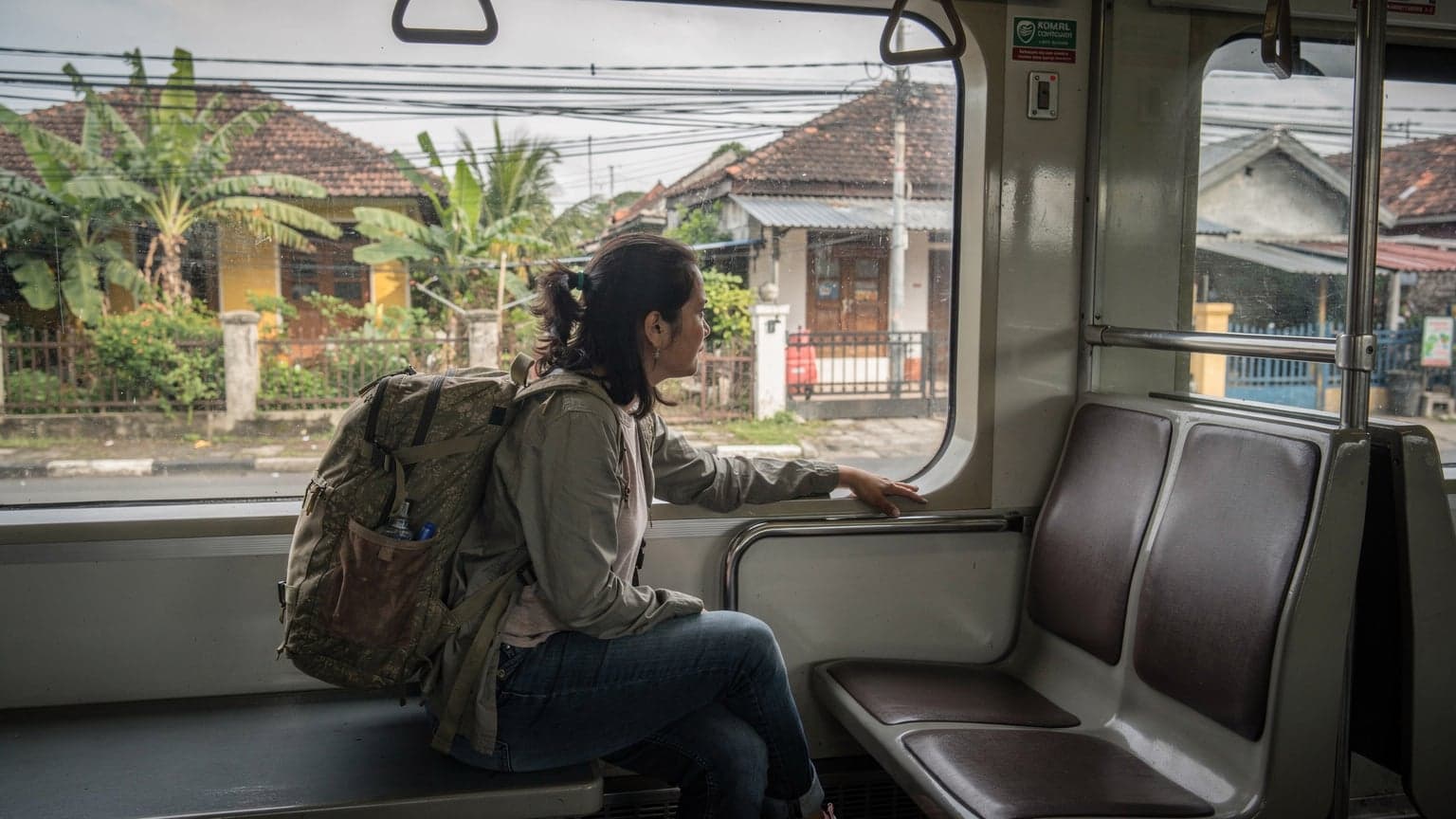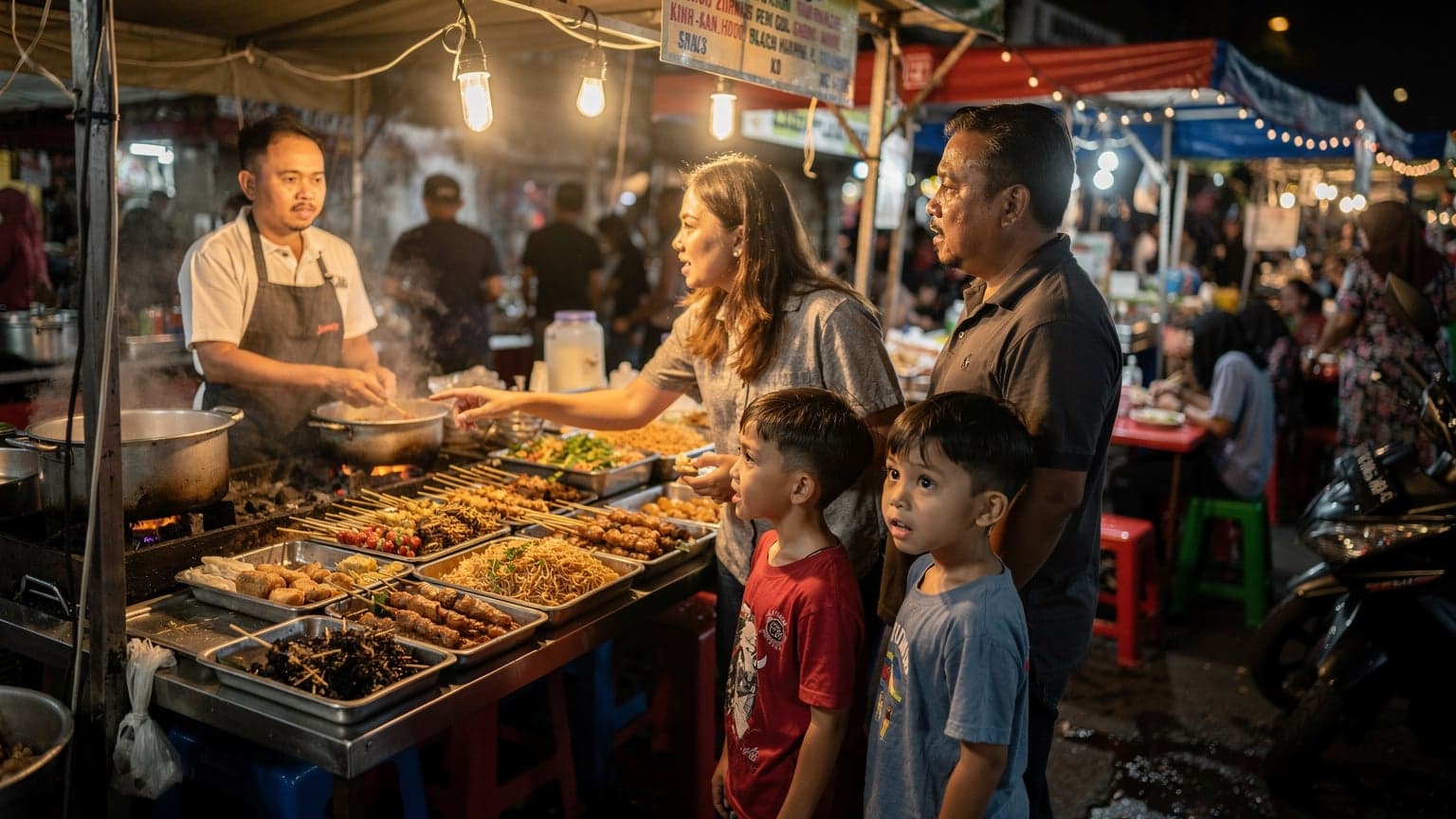
Heading to Indonesia for half-term with the family? As a veteran of thirty countries with kids aged 4-12, I know the biggest challenge isn't the packing or the jet lag, it's keeping everyone connected without breaking the bank. Specifically, that means enough data for those crucial moments when a quick dose of Disney+ or Roblox on the iPad averts a meltdown. For your 2026 trip, the choice really boils down to two main contenders for reliable data: a local Telkomsel tourist eSIM or a dedicated travel eSIM from a provider like Cellesim. This isn't just about price; it's about convenience, control, and ensuring the kids' devices actually work when you need them to.
Getting Connected: The Two Main Paths
When you're travelling with kids, the last thing you want to do after a long flight into LAX is stand in a queue for a SIM card. Trust me, I've been there, trying to entertain a cranky toddler while navigating a foreign language sales pitch. That's why eSIMs have been a godsend for family planners. You essentially have two primary options for data in Indonesia: picking up a Telkomsel tourist eSIM once you're on the ground, or activating a global travel eSIM, like those offered by Cellesim, before you even leave home.
Your home carrier, AT&T, likely offers some kind of international day-pass, but we all know how those add up. At $10-15 a day per line, for a family of four, that's more than $400 for a ten-day trip, and that's before anyone accidentally streams a whole movie. Comparing these carrier day-passes to eSIM GPS Tech in 2026: Bypass Carrier Day Passes reveals just how much you can save.
The critical difference between Telkomsel and Cellesim often boils down to pre-trip convenience versus in-country flexibility. One gets you connected the moment you land, the other might require a short stop, but offers specific local benefits. Let's dig into the details.
Telkomsel Tourist eSIM: The Local Champion
Telkomsel is Indonesia's largest mobile network operator, and for good reason. Their coverage, particularly in popular tourist areas like Bali, Jakarta, and the Gili Islands, is generally excellent. When you opt for a Telkomsel tourist eSIM, you're tapping directly into the local infrastructure, often meaning competitive local rates and robust speeds.
However, getting one isn't always as simple as a few taps on your phone. While Telkomsel does offer eSIMs for tourists, you typically need to purchase and activate them in person at a Telkomsel outlet or authorised reseller. This often means navigating airport kiosks or finding a store in a new city, which, with kids in tow, can feel like an Olympic event. Remember Telkomsel eSIM for Tourists 2026: Bypass Airport SIM Queues for a deeper dive into avoiding that particular travel friction.
One benefit, however, is that local SIMs (or eSIMs, once activated) sometimes come with unique local promotions or bundles that might include access to specific local apps or services. For instance, in some parts of Indonesia, Telkomsel might have partnerships with local ride-sharing or food delivery apps, although these are rarely crucial for short-term tourists.
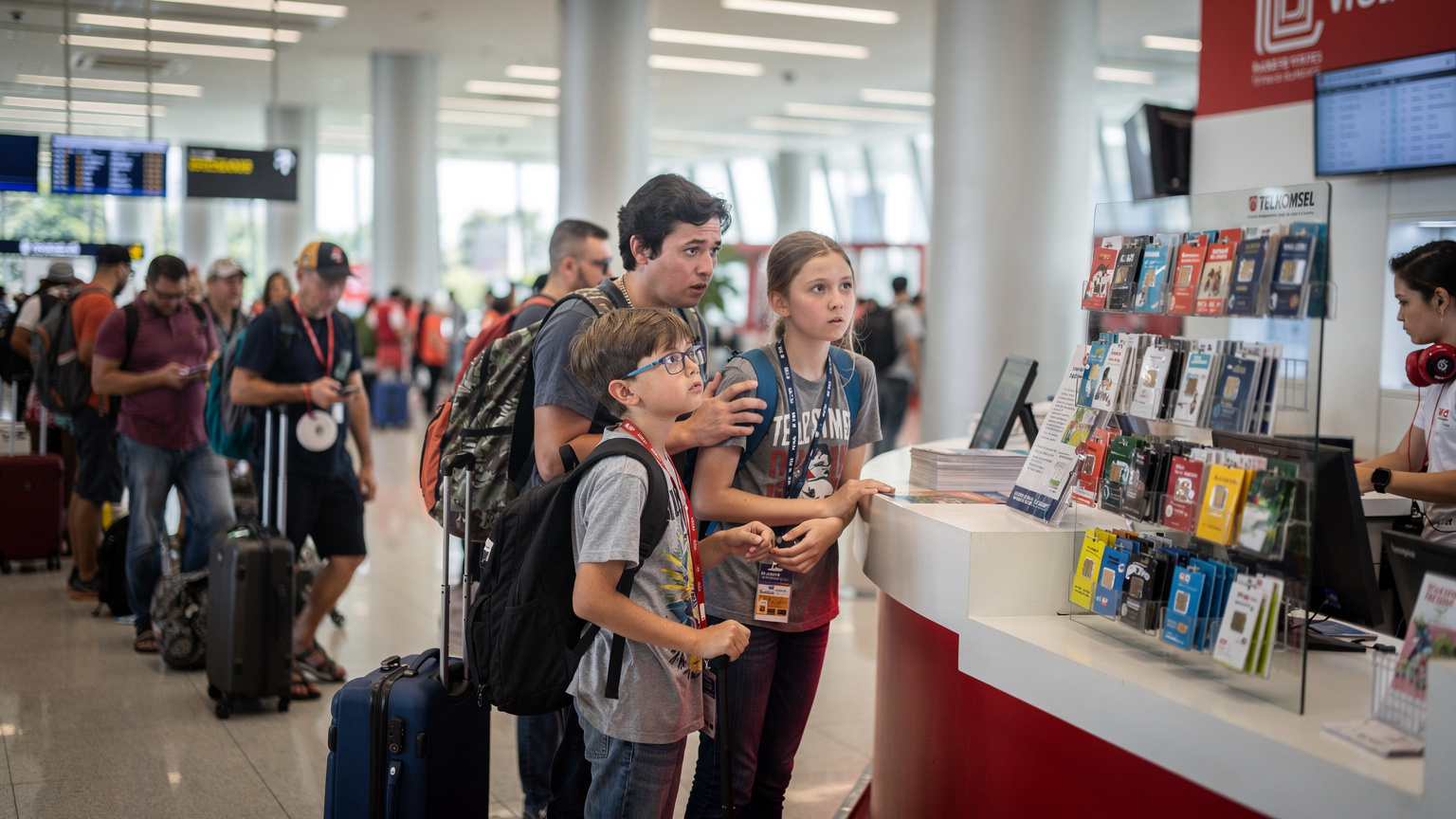
From a parental control perspective, a local Telkomsel eSIM operates like any other data line. You'd still use your device's built-in parental controls (like Apple's Screen Time or Google's Family Link) to manage what the kids access. It won't inherently give you more control over their data usage beyond what your device already provides, which means you still need to be mindful of those data-hungry apps like YouTube Kids or Disney+.
| Feature | Telkomsel Tourist eSIM | Cellesim Travel eSIM |
|---|---|---|
| Purchase & Activation | Typically in-person at airport/store. Requires registration with passport. | Online before departure. Instant activation via QR code. |
| Coverage | Extensive across Indonesia, particularly strong in urban/tourist areas. | Leverages local networks (Telkomsel, Indosat Ooredoo), generally excellent. |
| Pricing Transparency | Local pricing, often requiring conversion. Potential for add-ons/up-sells. | Clear, upfront pricing in your home currency. No hidden fees. |
| Flexibility | Fixed local plans, potential for top-ups in country. | Variety of plans (data-only, regional), easy digital top-ups. |
| Parental Controls | Relies on device-level controls (Screen Time, Family Link). | Relies on device-level controls, but easier data management via app. |
Cellesim Travel eSIM: The Family-Friendly Alternative
This is where my family usually lands for international trips. A dedicated travel eSIM, like those from Cellesim, offers a completely different experience. The biggest draw for any parent is the ability to sort out your data plan from home, long before you even think about packing sunscreen.
Imagine this: you're at home in Los Angeles, kids are at school, and you're sipping a coffee, comparing Indonesia eSIM plans. A few clicks, a QR code scan, and your data is ready to activate the moment you land in Denpasar or Jakarta. No queues, no language barriers, no fumbling with tiny SIM cards. This pre-trip planning aspect is invaluable, especially when you're trying to pre-load apps like Disney+ or Netflix Kids onto the kids' iPads for the flight, knowing you'll have data on arrival for any last-minute updates.
Cellesim typically partners with local networks, often including Telkomsel itself, meaning you still get robust coverage and speeds. The key difference is the management. You're buying a data package designed for travellers, not a local resident. This often translates into simpler, more predictable pricing structures, without the pressure of navigating local registration requirements (which, for Telkomsel, includes passport verification).
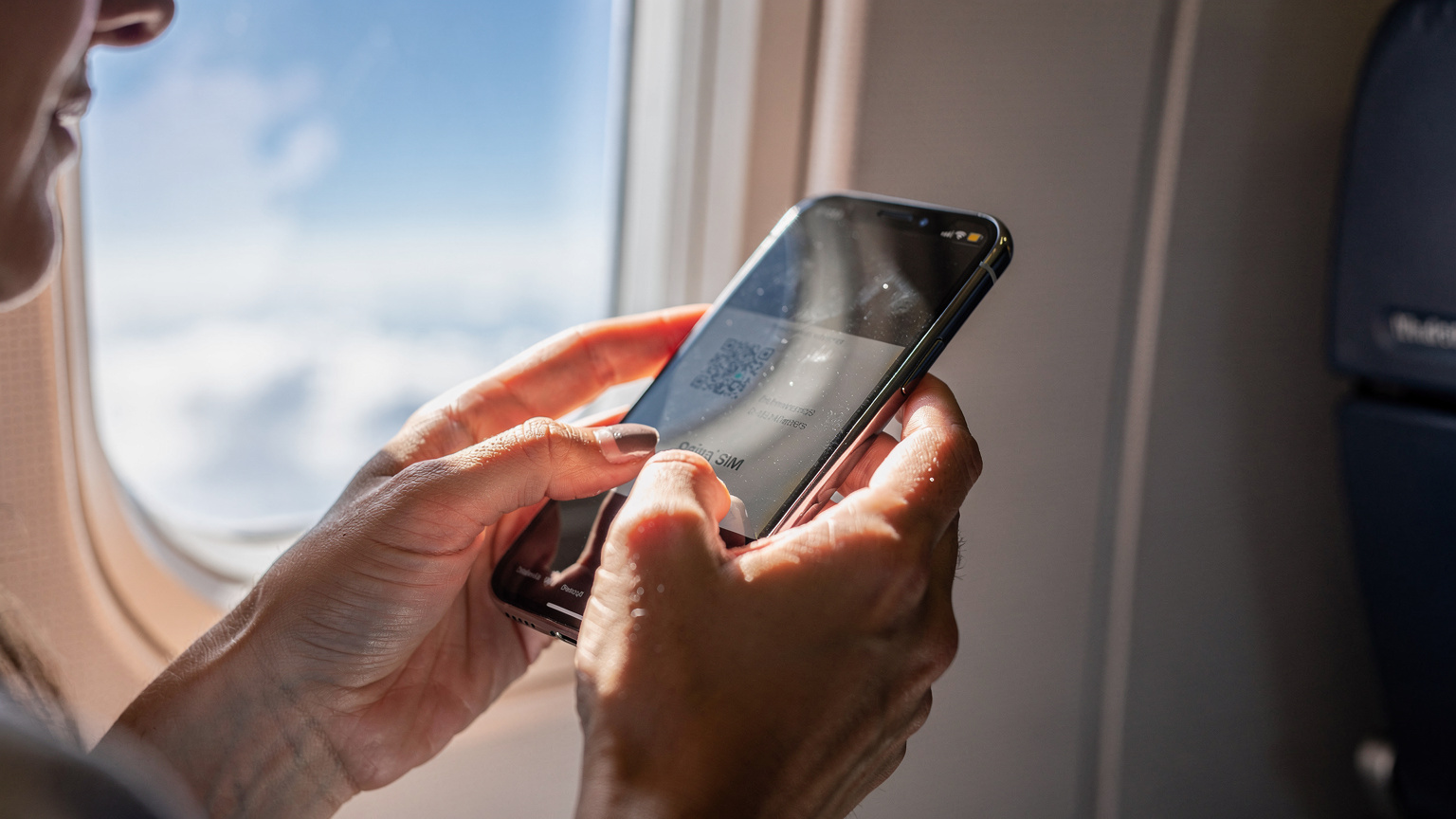
Another significant advantage for families is the multi-device management. With Cellesim, you can often manage multiple eSIMs from a single account. This means you can easily monitor data usage across your devices, and importantly, the kids' devices. If your 10-year-old is tearing through data on TikTok (despite your best efforts with Screen Time), you'll see it and can act. Some plans even offer shared data pools, making it easier to ensure everyone stays connected without individual top-ups.
While Cellesim might not have the hyper-local promotions of Telkomsel, it excels in global utility. If your half-term travels take you through multiple countries, a regional or global Cellesim plan could offer continuous connectivity, saving you the hassle of repeat SIM purchases. For more on regional approaches, consider reading Indonesia eSIM from France: Your Pre-Trip Data Checklist 2026.
Parental Control Features and eSIMs
Regardless of whether you choose Telkomsel or Cellesim, the actual parental control features will primarily reside on the devices themselves. Apple's Screen Time, for instance, allows you to set downtime, app limits, and content restrictions, all of which work independently of the actual cellular plan. Google's Family Link offers similar robust controls for Android devices.
However, an eSIM from Cellesim can indirectly aid in parental control through easier data management. By having a clear, pre-paid data allowance, you can monitor consumption more effectively. If a child's device is burning through data too quickly, it's easier to identify and address the issue (e.g., limiting streaming apps to Wi-Fi only, or reducing their daily data allowance if your plan permits).
"For business travel, predictability is king. For family travel, it's a close second, right after the kids being quietly occupied. An eSIM takes away the data guesswork, letting you focus on the actual holiday."
Family Data Needs: Streaming, Gaming, and Offline Maps
Let's be realistic: kids' devices are data sponges. My two can easily chew through 5-10GB each per day if left unchecked, especially with Disney+ streaming their favorite movies or a Nintendo Switch going online for multiplayer games. Planning for this is crucial.
When comparing Telkomsel tourist eSIM packages with Cellesim's offerings, look closely at the data allocation. Often, local Telkomsel plans might seem cheaper per GB, but they might be restricted to certain apps or have validity periods that don't quite match your trip duration. Cellesim plans usually offer straightforward data bundles: 10GB, 20GB, 50GB, valid for 15, 30, or 60 days. This clarity helps immensely when budgeting for two kids streaming episodes of 'Bluey' on repeat (or, heaven forbid, a full-length Marvel movie).
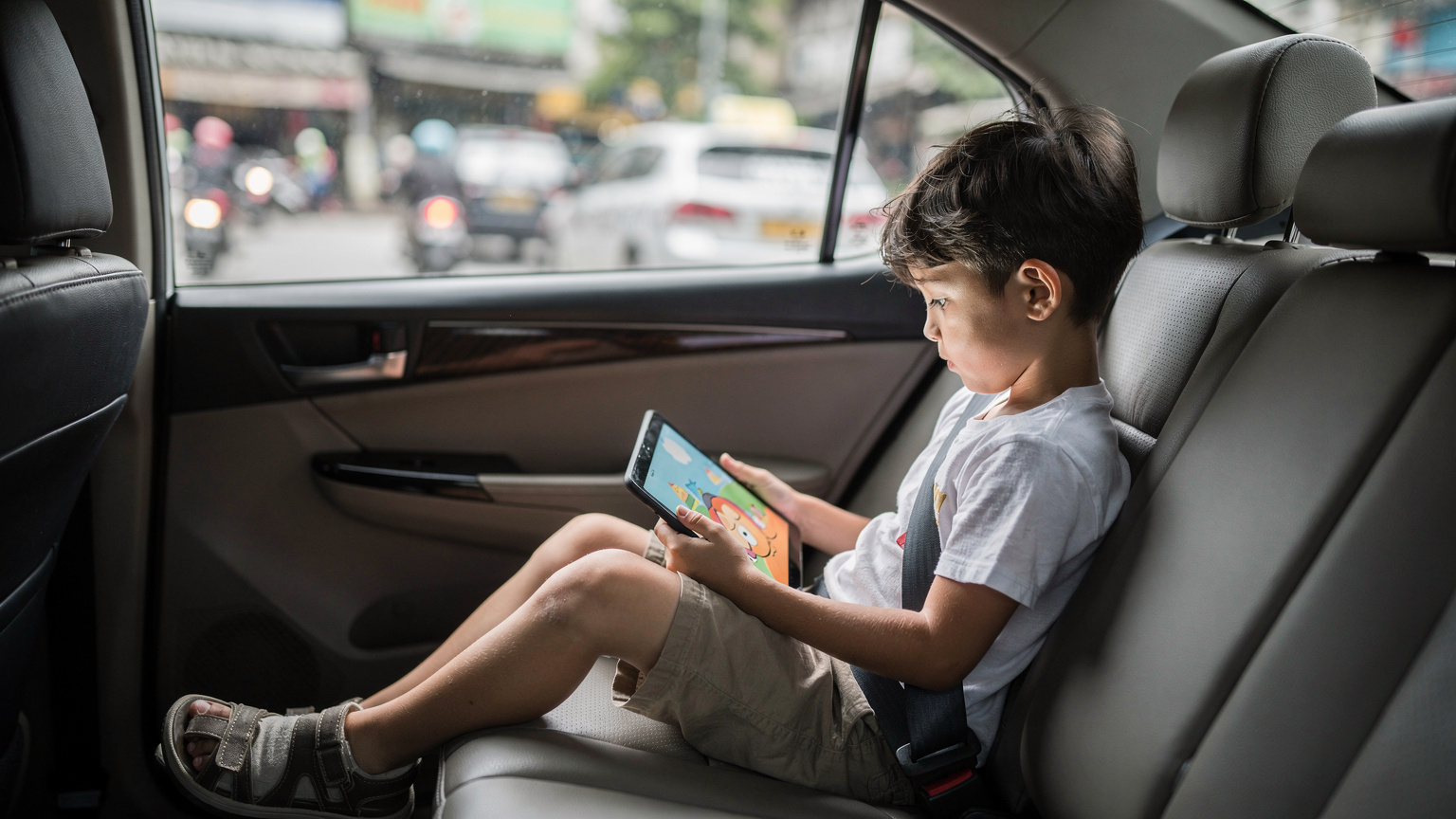
Offline content is your friend. Before you even set foot on the plane, make sure you've pre-loaded as much as possible onto their devices. Downloads from Netflix, Disney+, and even some games can save you a ton of data. But for those moments when offline content just won't cut it (like checking real-time theme park wait times or looking up directions to a local gelato shop), reliable connectivity is non-negotiable.
Connectivity inside theme parks, say, at Trans Studio Bali, or on a cruise ship sailing between islands, can be spotty regardless of your provider. However, having a robust base plan from either Telkomsel or Cellesim ensures you're leveraging the best available local towers. For cruise travel, especially, a travel eSIM is usually preferable to relying on expensive satellite Wi-Fi or trying to find a local SIM at every port. For specific Bali advice, don't forget Telkomsel eSIM for Tourists 2026: Bali's Best Data for Families.
The Verdict: Which eSIM is Right for Your Family?
After many trips and countless comparisons, my recommendation leans heavily towards the convenience and predictability of a travel eSIM like Cellesim, especially when travelling with children. The ability to organise data before you leave home, manage multiple lines from a single account, and avoid airport queues is a huge win for any family travel planner.
Telkomsel tourist eSIMs are excellent for solo travellers or those on a very tight budget who don't mind spending an hour or two at the airport or a local store. You might save a few dollars, but at what cost to your precious holiday time and sanity? Plus, if you face an issue, navigating local customer service in a foreign language can be challenging, whereas Cellesim offers support in English.
For the typical family departing from LAX, used to AT&T's straightforward (if expensive) plans, a Cellesim Indonesia eSIM offers a familiar level of convenience with significantly better value than roaming. It’s a bit like comparing a custom-packed lunch for your fussy eater versus hoping the hotel kids' menu won't charge you $40 for chicken nuggets. You plan ahead, you pay a bit more for the peace of mind, but everyone is happier.
| Decision Factor | Choose Telkomsel Tourist eSIM if... | Choose Cellesim Travel eSIM if... |
|---|---|---|
| Pre-trip Preparation | You enjoy sorting out local arrangements upon arrival. | You want data activated before you even leave home. |
| Budget Priority | You need the absolute lowest per-GB cost and don't mind minor inconveniences. | You value predictable costs and time-saving convenience above all. |
| Family Data Management | Each family member will manage their own data plan. | You prefer to manage multiple family lines from a central account. |
| Customer Support | You're comfortable with local language support if issues arise. | You prefer 24/7 English-speaking support. |
| Roaming Carrier Day Pass Comparison | You want to dive deep into local carrier options beyond your AT&T day pass. | You want to easily beat your AT&T day pass costs without local setup hassle. |
One potential downside of Cellesim? While digital top-ups are easy, they sometimes lack the super-local, small denomination packages you might find with Telkomsel if you only need a tiny bit of extra data for a specific day. This is a minor point, however, considering most family plans are designed for generous data use.
Ultimately, for a stress-free half-term trip with the kids to Indonesia in 2026, where keeping everyone connected and entertained is paramount, a travel eSIM from Cellesim provides the best balance of value, convenience, and peace of mind. For more FAQs on eSIMs, visit our Cellesim FAQ page.
Frequently Asked Questions
Can my kids use their iPads and Nintendo Switches with a Telkomsel tourist eSIM?
Yes, as long as the devices support eSIM technology (most modern iPads do) or you use a portable Wi-Fi hotspot device powered by the eSIM. Remember to pre-load games and shows to minimise data usage, but an active eSIM will allow online gaming and streaming.
How much data do I need for a family of four, including two kids streaming and gaming?
For two children actively streaming Disney+ or gaming, alongside general adult use, you're likely looking at 5-10GB per person per week. For a two-week trip, a plan with 50GB or more for the family shared across devices would be a sensible starting point to avoid constant top-ups.
Will parental controls on my kids' devices still work with an eSIM?
Absolutely. Parental controls like Apple's Screen Time or Google's Family Link operate at the device level, not on the cellular plan itself. The eSIM merely provides the internet connection; your existing controls will continue to manage app access, screen time limits, and content restrictions.
Is Telkomsel connectivity reliable inside Indonesian theme parks or on cruise ships?
Telkomsel generally offers good coverage in popular areas, including near theme parks on land. However, inside large, concrete structures or far out at sea on a cruise, connectivity can become spotty regardless of the provider. Always download content offline for these scenarios and manage expectations for perfect connectivity in every corner.
Can I activate a Telkomsel tourist eSIM before I arrive in Indonesia?
Generally, no. Telkomsel tourist eSIMs typically require in-person purchase and activation at official outlets in Indonesia, involving passport registration. Travel eSIMs like Cellesim allow full pre-trip setup and activation remotely.
What happens if my kids run out of data on their eSIM plan?
If using a Cellesim travel eSIM, you can easily purchase a top-up directly through the Cellesim app or website, usually within minutes. For a Telkomsel tourist eSIM, you'd need to find a local Telkomsel store or authorised vendor to top up the data plan.