eSIM क्यों बदलें: क्या फायदे हैं और आप कैसे पैसे बचाते हैं?
अगर आप मेरी तरह बजट पर यात्रा करने वाले बैकपैकर हैं, तो हर रुपया मायने रखता है. जब मैं थाईलैंड और मलेशिया की 8 दिन की यात्रा पर गया था, तो मैंने डेटा पर मुश्किल से €280 खर्च किए थे. इसमें Cellesim का 10GB एशिया पैक भी शामिल था और मेरा एयरटेल eSIM सिर्फ OTPs के लिए ही एक्टिव था. इस तरह मैं हर दिन €35 के अंदर रह पाया, जिसमें मेरा खाना, रहना और लोकल बसें भी शामिल थीं.
अपनी फिजिकल SIM को eSIM में बदलने का सबसे बड़ा फायदा यह है कि आपके फोन में एक और स्लॉट खाली हो जाता है. इसका मतलब है कि आप अपनी भारतीय एयरटेल SIM को eSIM के तौर पर रख सकते हैं, जो आपके बैंक OTPs, WhatsApp और UPI लेनदेन के लिए बहुत ज़रूरी है. साथ ही, आप Cellesim eSIM से विदेश में लोकल डेटा का इस्तेमाल कर सकते हैं. इससे महंगे इंटरनेशनल रोमिंग पैक का खर्च बच जाता है, जो अक्सर प्रति GB ₹500 या उससे भी ज़्यादा पड़ते हैं.
चलिए गणित को समझते हैं. अगर आप दुबई में 7 दिन की यात्रा कर रहे हैं और आपको हर दिन औसतन 1.5GB डेटा चाहिए (मैप्स, सोशल मीडिया, कुछ वीडियो कॉल), तो कुल 10.5GB डेटा लगेगा. अगर आप एयरटेल का इंटरनेशनल रोमिंग पैक लेते हैं, जिसमें 5GB के लिए लगभग ₹3000-₹4000 लगते हैं, तो आपको दो पैक खरीदने पड़ सकते हैं, यानी ₹6000-₹8000. वहीं, Cellesim UAE eSIM आपको 10GB डेटा लगभग ₹1500-₹2000 में दे सकता है. सीधे तौर पर ₹4000-₹6000 की बचत! यह बचत आपके हॉस्टल में एक हफ़्ते के रहने या दुबई मेट्रो के लिए पर्याप्त होगी.
दो SIM रखने के आर्थिक फायदे
डुअल-सिम सेटअप, जिसमें एक फिजिकल और एक eSIM होता है, आपको विदेश में आर्थिक रूप से स्मार्ट विकल्प चुनने की आज़ादी देता है. आप अपने भारतीय नंबर को सिर्फ इनकमिंग कॉल्स और SMS के लिए एक्टिव रख सकते हैं, जिस पर आमतौर पर कोई चार्ज नहीं लगता या बहुत कम लगता है (एयरटेल के कुछ प्लान्स में इंटरनेशनल रोमिंग पर इनकमिंग फ्री होती है). डेटा के लिए, आप एक लोकल eSIM खरीद सकते हैं, जो हमेशा रोमिंग से सस्ता होता है. यह उन लोगों के लिए बहुत अच्छा है जो अपने भारतीय नंबर पर आने वाले ज़रूरी कॉल्स या OTPs को मिस नहीं करना चाहते, लेकिन लोकल डेटा के लिए ज़्यादा पैसे भी खर्च नहीं करना चाहते.
सुरक्षा और सुविधा: एक और महत्वपूर्ण पहलू
eSIM सिर्फ पैसे बचाने का ज़रिया नहीं है, यह सुविधा और सुरक्षा भी बढ़ाता है. फिजिकल SIM कार्ड खोने या डैमेज होने का डर नहीं रहता. जब आप बार-बार SIM बदलते हैं, तो छोटे SIM कार्ड्स को संभालना मुश्किल हो सकता है (खासकर जब आप अपनी ट्रेन छूटने के डर से जल्दबाज़ी में हों). eSIM के साथ, सब कुछ डिजिटल होता है, जिससे चोरी का जोखिम भी कम हो जाता है.
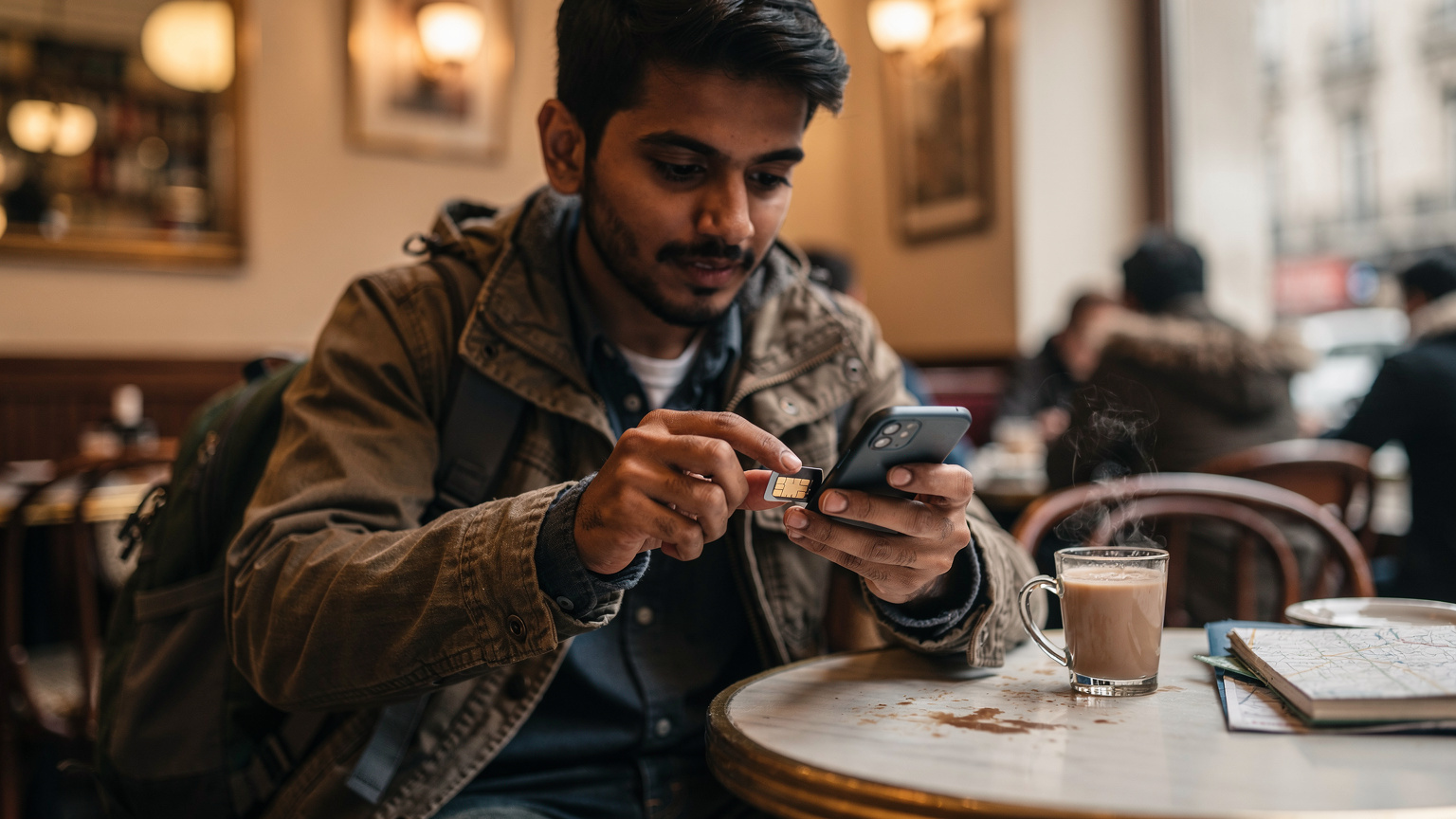
Airtel Physical SIM को eSIM में बदलने की पूरी प्रक्रिया (स्टेप-बाय-स्टेप)
एयरटेल में अपनी फिजिकल SIM को eSIM में बदलना कोई रॉकेट साइंस नहीं है, लेकिन इसमें कुछ स्टेप्स हैं जिन्हें आपको ध्यान से फॉलो करना होगा. मैंने खुद इसे कई बार किया है, और हर बार यह आसानी से हो जाता है अगर आप सही तरीके से करें. यह Jio की प्रक्रिया से थोड़ी अलग है, लेकिन उतनी ही सीधी है.
स्टेप 1: eSIM एक्टिवेशन के लिए SMS भेजें
सबसे पहले, आपको अपने एयरटेल नंबर से एक SMS भेजना होगा. यह SMS आपके eSIM एक्टिवेशन रिक्वेस्ट की शुरुआत करेगा. आपको eSIM <आपका ईमेल आईडी> लिखकर 121 पर भेजना है. उदाहरण के लिए, अगर आपका ईमेल आईडी [email protected] है, तो आप eSIM [email protected] लिखकर 121 पर भेजेंगे. (यह ईमेल आईडी वही होनी चाहिए जो आपके एयरटेल अकाउंट से लिंक्ड है, वरना आपको अपडेट करने के लिए कहा जाएगा).
स्टेप 2: ईमेल आईडी की पुष्टि और सहमति
SMS भेजने के बाद, आपको 121 से एक SMS प्राप्त होगा जो आपकी ईमेल आईडी की पुष्टि करने के लिए कहेगा. यदि ईमेल सही है, तो आपको 1 लिखकर जवाब देना होगा. यदि ईमेल गलत है, तो आपको एयरटेल की वेबसाइट या ऐप के माध्यम से इसे अपडेट करना होगा और फिर से प्रक्रिया शुरू करनी होगी.
स्टेप 3: eSIM रिक्वेस्ट की पुष्टि
एक बार जब आप ईमेल आईडी की पुष्टि कर देंगे, तो आपको 121 से एक और SMS मिलेगा जिसमें पूछा जाएगा कि क्या आप eSIM में बदलना चाहते हैं. आपको 1 लिखकर इसकी पुष्टि करनी होगी. यह सहमति महत्वपूर्ण है क्योंकि इसके बाद आपकी फिजिकल SIM डिएक्टिवेट हो जाएगी.
स्टेप 4: QR कोड प्राप्त करें
पुष्टि के बाद, एयरटेल आपके लिंक्ड ईमेल आईडी पर एक QR कोड भेजेगा. यह QR कोड ही आपका नया eSIM प्रोफ़ाइल है. इस ईमेल को सुरक्षित रखें और सुनिश्चित करें कि आप इसे एक ऐसे डिवाइस पर खोलें जो आपके फोन से अलग हो, ताकि आप QR कोड को स्कैन कर सकें.
स्टेप 5: अपने फ़ोन पर eSIM एक्टिवेट करें
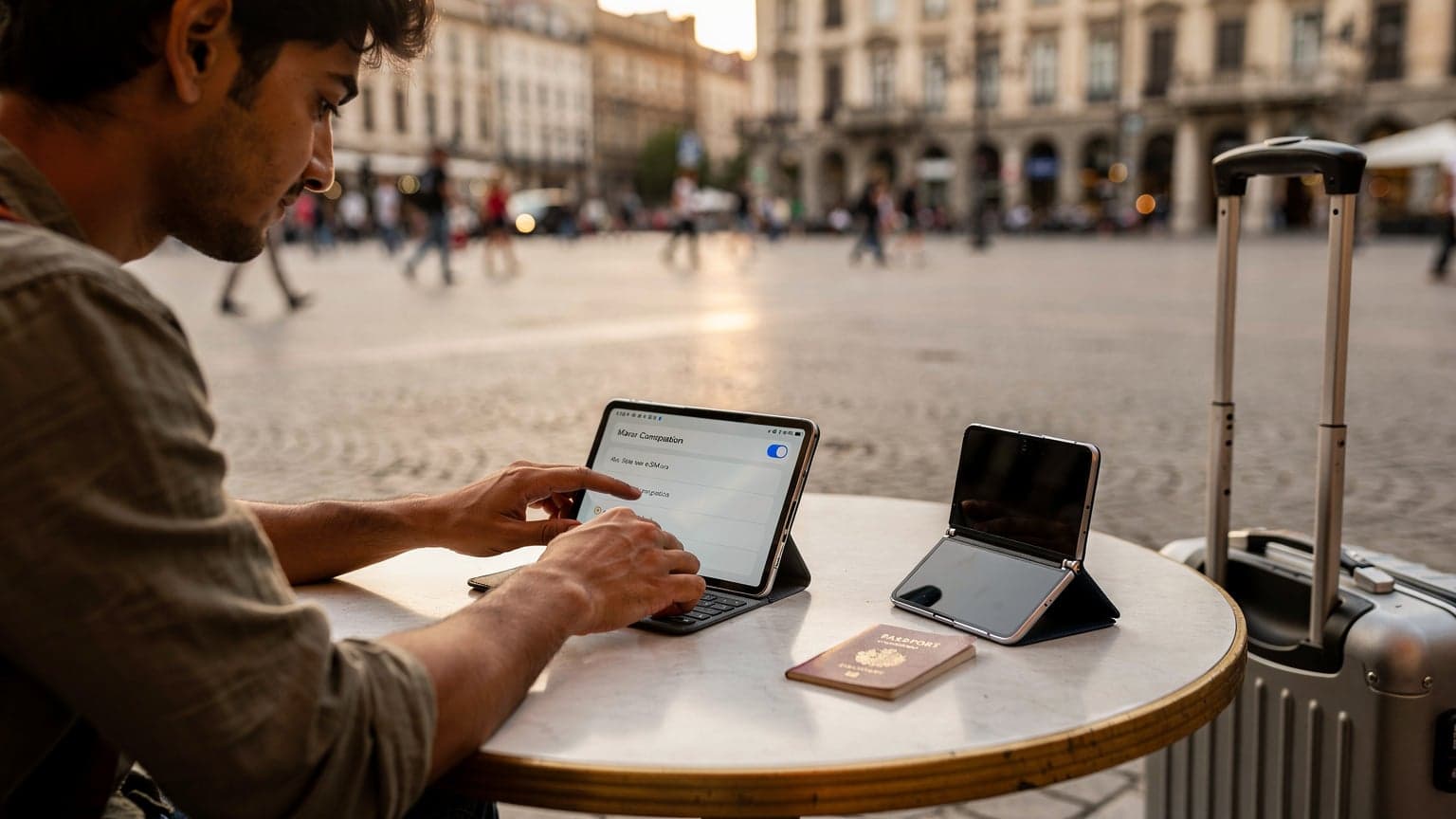
अब आती है सबसे महत्वपूर्ण प्रक्रिया: QR कोड को स्कैन करके eSIM एक्टिवेट करना. यह iPhone में eSIM एक्टिवेट करने या Samsung Galaxy Z Fold 7 और Flip 7 में eSIM सेटअप करने के लिए ज़रूरी है.
- सेटिंग्स खोलें: अपने स्मार्टफोन की 'सेटिंग्स' में जाएं.
- मोबाइल डेटा/कनेक्शन पर जाएं: 'मोबाइल डेटा', 'नेटवर्क और इंटरनेट', या 'कनेक्शन' जैसे विकल्प पर टैप करें (यह आपके फोन मॉडल के आधार पर अलग हो सकता है).
- eSIM जोड़ें: 'SIM मैनेजर', 'eSIM जोड़ें' या 'मोबाइल प्लान जोड़ें' का विकल्प ढूंढें और उस पर टैप करें.
- QR कोड स्कैन करें: जब आपसे QR कोड स्कैन करने के लिए कहा जाए, तो उस ईमेल से QR कोड स्कैन करें जो आपको एयरटेल से मिला था.
- प्लान जोड़ें: स्कैन करने के बाद, आपका फोन प्लान को जोड़ने की पुष्टि करेगा. 'जोड़ें' या 'एक्टिवेट करें' पर टैप करें.
- प्राथमिकताएं सेट करें: एक बार eSIM एक्टिवेट हो जाने के बाद, आप अपने eSIM को डेटा, कॉलिंग और SMS के लिए प्राथमिक SIM के रूप में सेट कर सकते हैं. याद रखें, विदेश यात्रा के लिए, आप अपने एयरटेल eSIM को सिर्फ इनकमिंग SMS और कॉल्स के लिए सेट करना चाहेंगे.
पूरी प्रक्रिया में लगभग 15-20 मिनट लग सकते हैं. सुनिश्चित करें कि आपके पास एक स्थिर इंटरनेट कनेक्शन हो जब आप QR कोड स्कैन कर रहे हों.
Airtel eSIM सपोर्ट करने वाले डिवाइस
एयरटेल eSIM सभी फोन्स पर काम नहीं करता. सुनिश्चित करें कि आपका डिवाइस eSIM को सपोर्ट करता हो. इसमें आमतौर पर iPhone XS, XR, 11, 12, 13, 14, 15 सीरीज़, Samsung Galaxy S20, S21, S22, S23, S24 सीरीज़, Fold और Flip मॉडल्स (जैसे Samsung Galaxy Z Fold 7 और Flip 7), Google Pixel 3 और उसके बाद के मॉडल्स शामिल हैं. आप एयरटेल की वेबसाइट पर भी एक अपडेटेड लिस्ट देख सकते हैं.
eSIM एक्टिवेशन में लगने वाला समय और सावधानियाँ
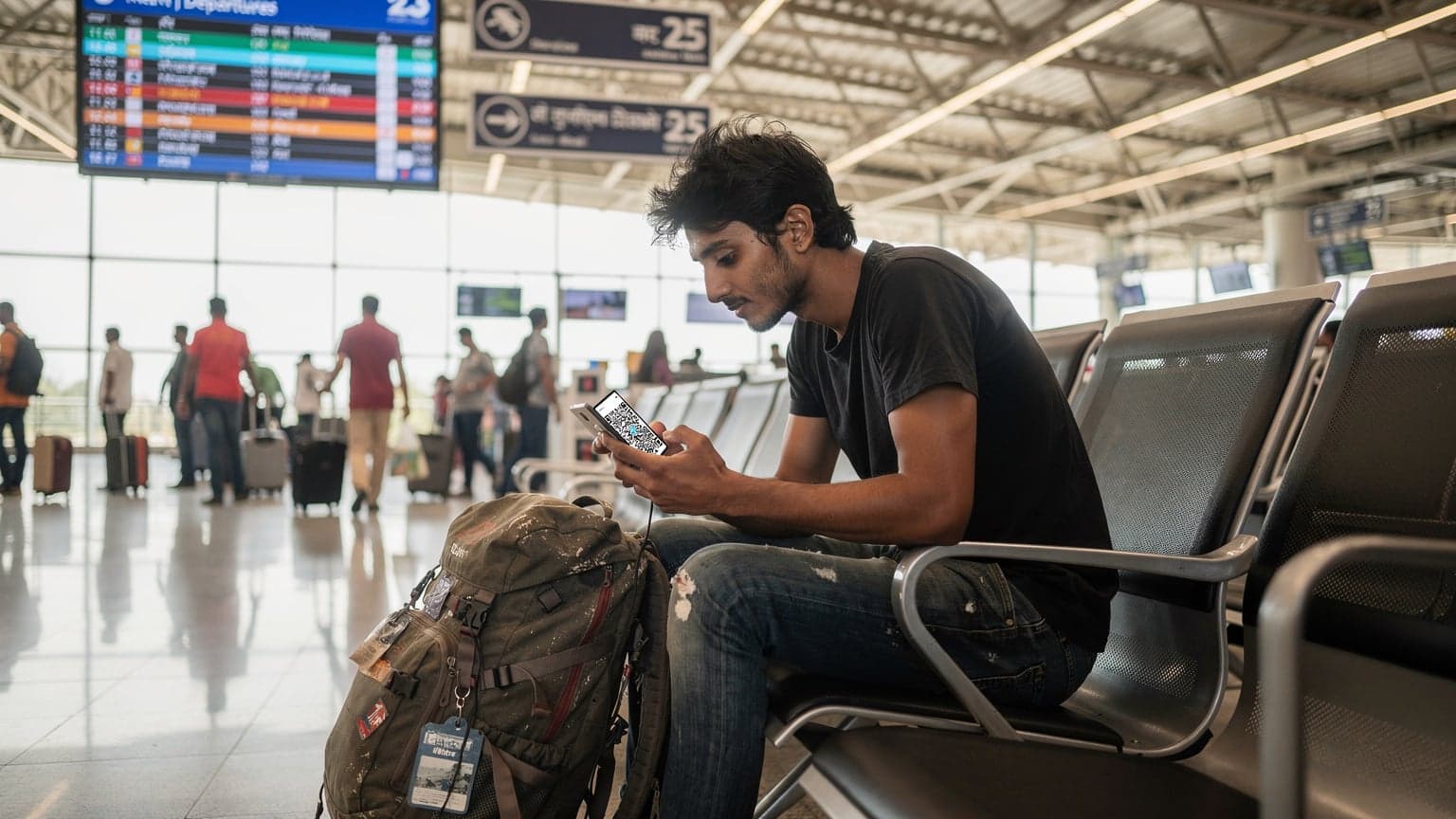
जब आप विदेश यात्रा की योजना बना रहे हों, तो समय महत्वपूर्ण होता है. हवाई अड्डे पर भागदौड़ के बीच eSIM एक्टिवेट करने की कोशिश करना एक बुरा विचार है (खासकर जब आपका फोन लो-बैटरी पर हो). मैंने एक बार मुंबई एयरपोर्ट पर एक दोस्त को देखा था जो अपनी फ्लाइट से ठीक पहले eSIM एक्टिवेट करने की कोशिश कर रहा था, और उसका इंटरनेट कनेक्शन चला गया. नतीजा, लगभग 30 मिनट तक परेशान रहा.
एक्टिवेशन में कितना समय लगता है?
आमतौर पर, एयरटेल eSIM एक्टिवेशन प्रक्रिया 15 मिनट से लेकर 2-3 घंटे तक का समय ले सकती है. SMS भेजने से लेकर QR कोड प्राप्त करने और उसे एक्टिवेट करने तक, यह सब एयरटेल के सिस्टम और आपके नेटवर्क कनेक्शन पर निर्भर करता है. मेरी सलाह है कि आप अपनी यात्रा से कम से कम 24-48 घंटे पहले यह प्रक्रिया पूरी कर लें. इससे आपको किसी भी तकनीकी समस्या को हल करने का पर्याप्त समय मिल जाएगा.
ज़रूरी सावधानियाँ
- स्थिर इंटरनेट कनेक्शन: QR कोड स्कैन करते समय और eSIM प्रोफ़ाइल डाउनलोड करते समय, एक स्थिर Wi-Fi कनेक्शन पर रहें. मोबाइल डेटा पर निर्भर रहना जोखिम भरा हो सकता है.
- बैटरी चार्ज: सुनिश्चित करें कि आपके फोन की बैटरी पूरी तरह चार्ज हो. एक्टिवेशन प्रक्रिया के दौरान फोन बंद होने से समस्या हो सकती है.
- सही ईमेल आईडी: एयरटेल के साथ आपकी जो ईमेल आईडी रजिस्टर्ड है, वह सही होनी चाहिए. अगर नहीं, तो पहले उसे अपडेट करें.
- QR कोड सुरक्षित रखें: ईमेल में मिला QR कोड बहुत महत्वपूर्ण है. इसे किसी के साथ शेयर न करें और इसे तब तक डिलीट न करें जब तक आप पूरी तरह से सुनिश्चित न हो जाएं कि आपका eSIM काम कर रहा है. (कई बार लोग गलती से इसे डिलीट कर देते हैं और फिर उन्हें दोबारा रिक्वेस्ट करनी पड़ती है).
- पुराना SIM कार्ड: जब आपका eSIM एक्टिवेट हो जाए, तो आपकी पुरानी फिजिकल SIM डिएक्टिवेट हो जाएगी. आप इसे निकाल सकते हैं, लेकिन इसे तुरंत फेंकें नहीं. कुछ दिनों के लिए इसे सुरक्षित रखें, बस किसी आपात स्थिति के लिए.
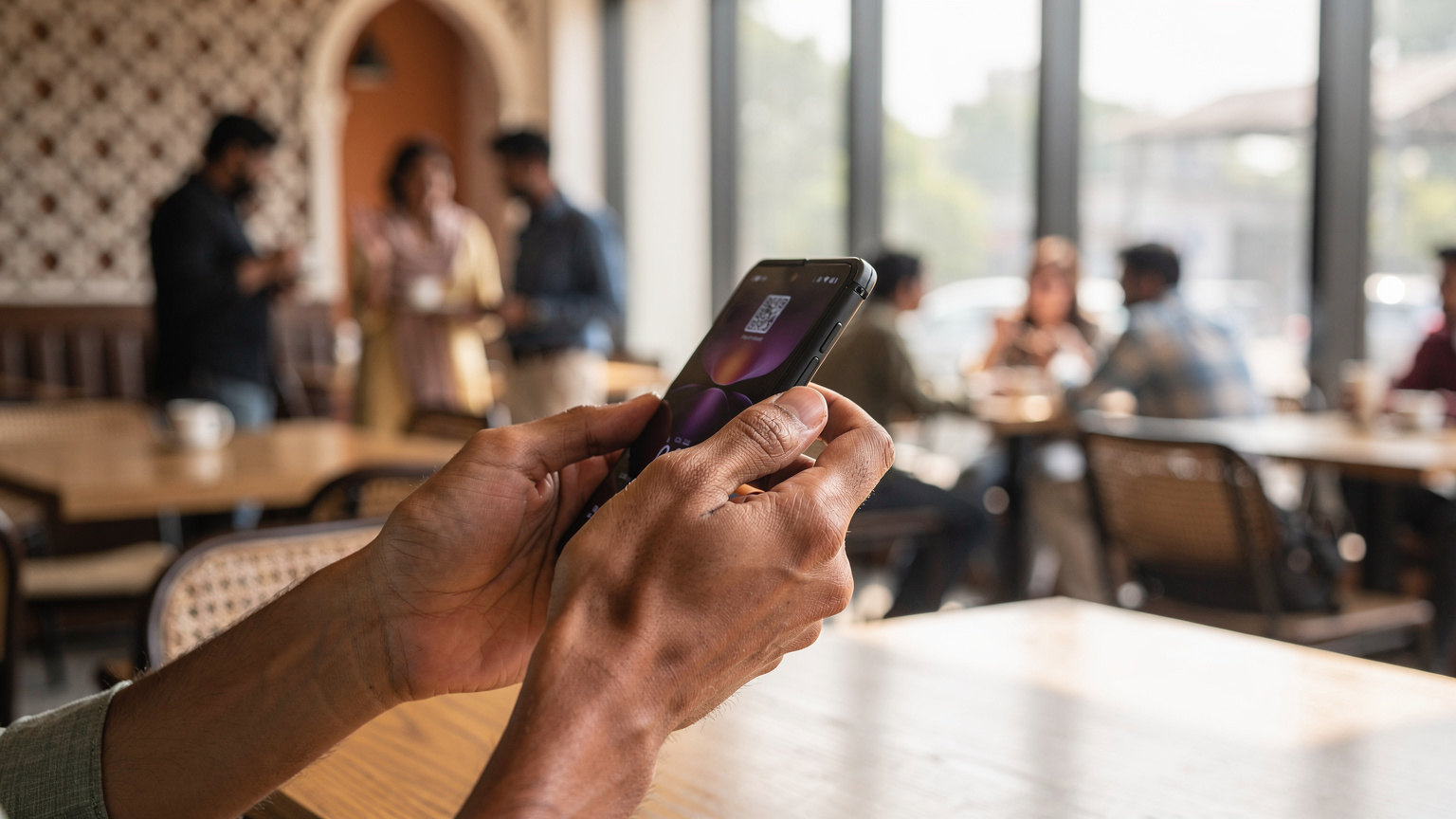
विदेश यात्रा के दौरान eSIM का उपयोग कैसे करें: डेटा और कॉलिंग का जुगाड़
विदेश यात्रा के दौरान eSIM का उपयोग करना एक गेम-चेंजर हो सकता है, खासकर अगर आप मेरी तरह हर खर्च का हिसाब रखते हैं. एक बार मैंने यूरोप के लिए एक मल्टी-कंट्री eSIM खरीदा था, जिसमें 10GB डेटा था, और मुझे पता था कि मेरा एयरटेल eSIM सिर्फ OTPs के लिए ही एक्टिव रहेगा. इससे मुझे लगभग €400 की बचत हुई होती अगर मैंने रोमिंग पैक लिया होता.
भारतीय eSIM (Airtel) और Cellesim का संयोजन
आपकी एयरटेल eSIM का मुख्य उद्देश्य यह सुनिश्चित करना है कि आप विदेश में रहते हुए भी अपने भारतीय नंबर पर OTPs, बैंक अलर्ट और ज़रूरी कॉल प्राप्त कर सकें. इसके लिए, आपको अपनी एयरटेल eSIM को इनकमिंग कॉल्स और SMS के लिए सेट करना होगा, और डेटा रोमिंग को बंद रखना होगा ताकि अनावश्यक शुल्क न लगे.
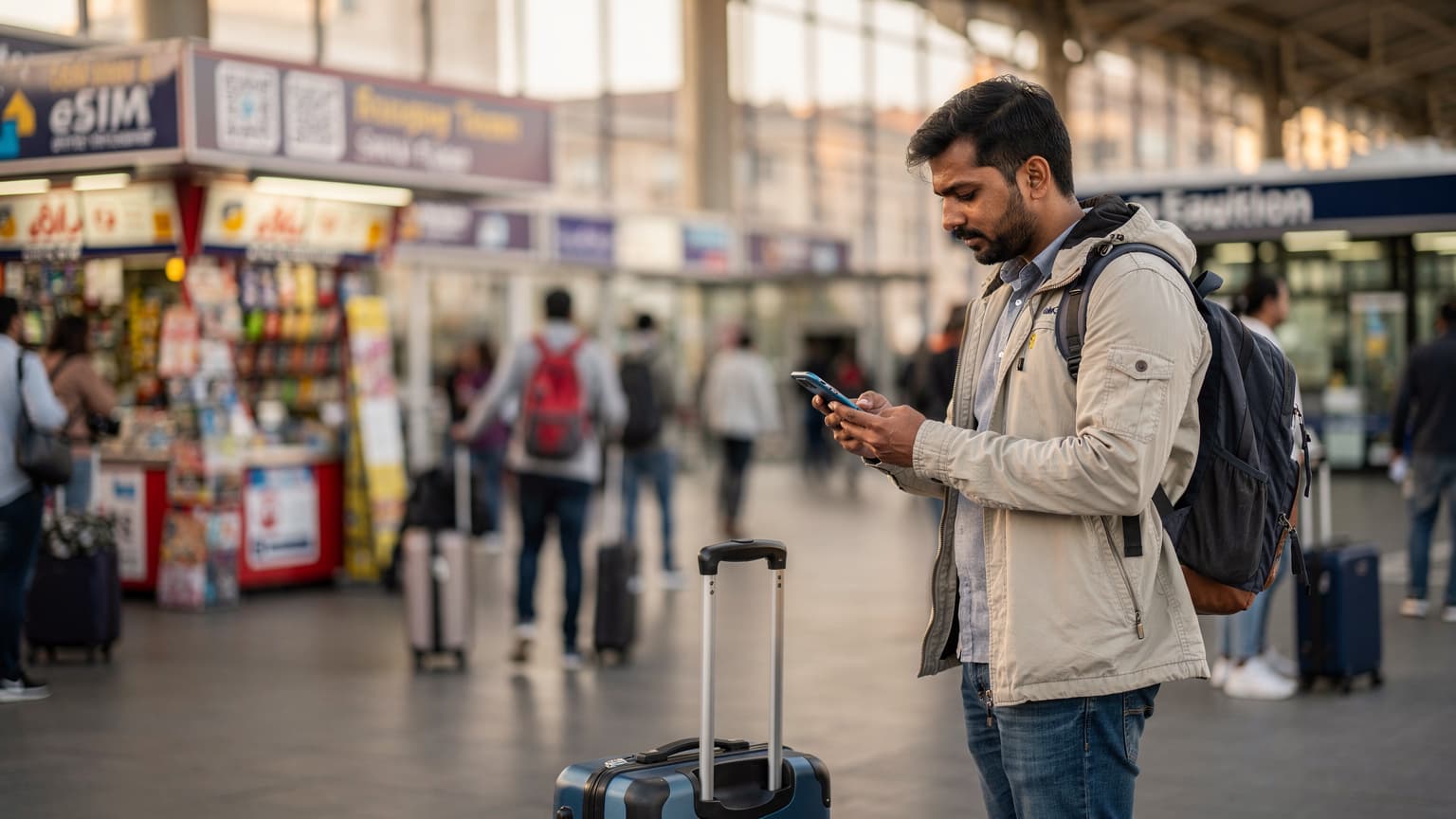
डेटा के लिए, आप Cellesim जैसे प्रोवाइडर से एक लोकल या क्षेत्रीय eSIM खरीदेंगे. Cellesim दुनिया के 200 से ज़्यादा देशों में डेटा प्लान्स प्रदान करता है. उदाहरण के लिए, अगर आप दुबई जा रहे हैं, तो आप Cellesim से UAE के लिए एक डेटा eSIM खरीद सकते हैं. स्वतंत्रता दिवस 2026 पर विदेश यात्रा के लिए सस्ते eSIM इंटरनेट का बेस्ट प्लान ढूंढना अब और भी आसान हो गया है.
डेटा और कॉलिंग सेटिंग्स
- Airtel eSIM सेटिंग्स:
- डेटा रोमिंग: बंद रखें.
- सेल्युलर डेटा: इसे 'बंद' या 'द्वितीयक' SIM के रूप में चुनें, जिसका उपयोग सिर्फ इनकमिंग के लिए होगा.
- आवाज़ और SMS: इसे 'चालू' रखें ताकि आप कॉल और SMS प्राप्त कर सकें.
- Cellesim eSIM सेटिंग्स:
- डेटा रोमिंग: चालू करें (यह लोकल eSIM के लिए ज़रूरी है).
- सेल्युलर डेटा: इसे 'प्राथमिक' SIM के रूप में चुनें.
- आवाज़ और SMS: Cellesim eSIM आमतौर पर सिर्फ डेटा प्रदान करते हैं, लेकिन कुछ पैकेजेस में VoIP कॉलिंग (जैसे WhatsApp या Skype) के लिए पर्याप्त डेटा शामिल होता है.
विदेश यात्रा के दौरान अक्सर लोग WhatsApp कॉल का इस्तेमाल करते हैं. 1GB डेटा में लगभग 20 घंटे की WhatsApp कॉल आसानी से हो जाती है, जो कि ज़्यादातर यात्रियों के लिए पर्याप्त है.
कॉलिंग के विकल्प
- VoIP ऐप्स: WhatsApp, Google Meet, Zoom, Skype जैसे ऐप्स का उपयोग करके इंटरनेट के माध्यम से कॉल करें. यह Cellesim डेटा प्लान के साथ सबसे किफ़ायती विकल्प है.
- लोकल SIM: यदि आप बहुत ज़्यादा लोकल कॉल करने की योजना बना रहे हैं, तो आप एक सस्ती लोकल फिजिकल SIM खरीद सकते हैं, लेकिन यह आपके डुअल-सिम सेटअप को थोड़ा जटिल कर देगा. जैसे, थाईलैंड में TrueMove H का 8-दिन का अनलिमिटेड डेटा और कॉल पैक लगभग 299 THB (₹700) में मिल जाता है, जो कुछ मामलों में eSIM से भी सस्ता पड़ सकता है, लेकिन फिर आपको अपना एयरटेल SIM निकालना पड़ेगा.
क्या सभी फ़ोन eSIM सपोर्ट करते हैं? अपना डिवाइस चेक करें
यह एक आम सवाल है जो अक्सर पूछा जाता है, खासकर जब लोग Samsung Galaxy S27 और iPhone 18 जैसे नए फोन्स में eSIM एक्टिवेशन गाइड ढूंढते हैं. दुख की बात है कि सभी फ़ोन eSIM को सपोर्ट नहीं करते. ज़्यादातर पुराने मॉडल और कुछ बजट स्मार्टफोन में eSIM की सुविधा नहीं होती. अपना फोन बदलने से पहले या यात्रा की योजना बनाने से पहले यह सुनिश्चित करना महत्वपूर्ण है कि आपका डिवाइस संगत है या नहीं.
प्रमुख स्मार्टफोन ब्रांड्स और eSIM सपोर्ट
यहाँ कुछ प्रमुख ब्रांड्स और उनके eSIM संगतता की एक सामान्य सूची दी गई है:
| ब्रांड | eSIM संगत मॉडल (सामान्य) | टिप्पणी |
|---|---|---|
| Apple | iPhone XS, XR, SE (2020), 11, 12, 13, 14, 15 सीरीज़ और नए मॉडल | पुराने iPhones eSIM सपोर्ट नहीं करते. |
| Samsung | Galaxy S20, S21, S22, S23, S24 सीरीज़, Note 20, Fold सीरीज़, Flip सीरीज़ (जैसे Z Fold 7 और Flip 7) | कुछ क्षेत्रीय वेरिएंट में eSIM सपोर्ट नहीं हो सकता है. |
| Pixel 3, 4, 5, 6, 7, 8 सीरीज़ | सभी Pixel मॉडल्स eSIM सपोर्ट करते हैं. | |
| OnePlus | OnePlus 11, 12 और नए मॉडल | पहले के कुछ मॉडल्स में eSIM सपोर्ट नहीं है. |
| Oppo | Find X3, X5 सीरीज़, Reno 6, 8, 10 सीरीज़ और नए मॉडल | मॉडल और क्षेत्र के अनुसार भिन्न हो सकता है. |
| Xiaomi | Xiaomi 12T Pro, 13 Pro, 14 और नए मॉडल | अभी भी कुछ फ्लैगशिप मॉडल्स में ही eSIM है. |
अपने डिवाइस की eSIM संगतता कैसे जांचें
यह जांचने के लिए कि आपका फोन eSIM को सपोर्ट करता है या नहीं, आप कुछ सरल कदम उठा सकते हैं:
- Android फ़ोन पर:
- सेटिंग्स खोलें.
- 'नेटवर्क और इंटरनेट' या 'कनेक्शन' पर जाएं.
- 'SIM मैनेजर' या 'मोबाइल नेटवर्क' ढूंढें. यदि आपको 'eSIM जोड़ें' या 'डाउनलोड SIM' जैसा कोई विकल्प दिखता है, तो आपका फोन संगत है.
- iPhone पर:
- सेटिंग्स खोलें.
- 'सेल्युलर' या 'मोबाइल डेटा' पर जाएं.
- यदि आपको 'eSIM जोड़ें' या 'सेल्युलर प्लान जोड़ें' का विकल्प दिखता है, तो आपका iPhone eSIM को सपोर्ट करता है.
- ब्रांड की वेबसाइट: सबसे सटीक जानकारी के लिए, अपने फोन ब्रांड की आधिकारिक वेबसाइट पर जाएं और अपने मॉडल के स्पेसिफिकेशन्स देखें.
अगर आपका फोन eSIM को सपोर्ट नहीं करता है, तो घबराएं नहीं. आप अभी भी अपनी भारतीय फिजिकल SIM को घर पर छोड़ सकते हैं और विदेश में लोकल फिजिकल SIM खरीद सकते हैं. हालांकि, आपको अपने भारतीय नंबर पर OTP प्राप्त करने में समस्या हो सकती है, जिसके लिए आपको इंटरनेशनल रोमिंग एक्टिवेट करना पड़ सकता है, जो अक्सर महंगा होता है.
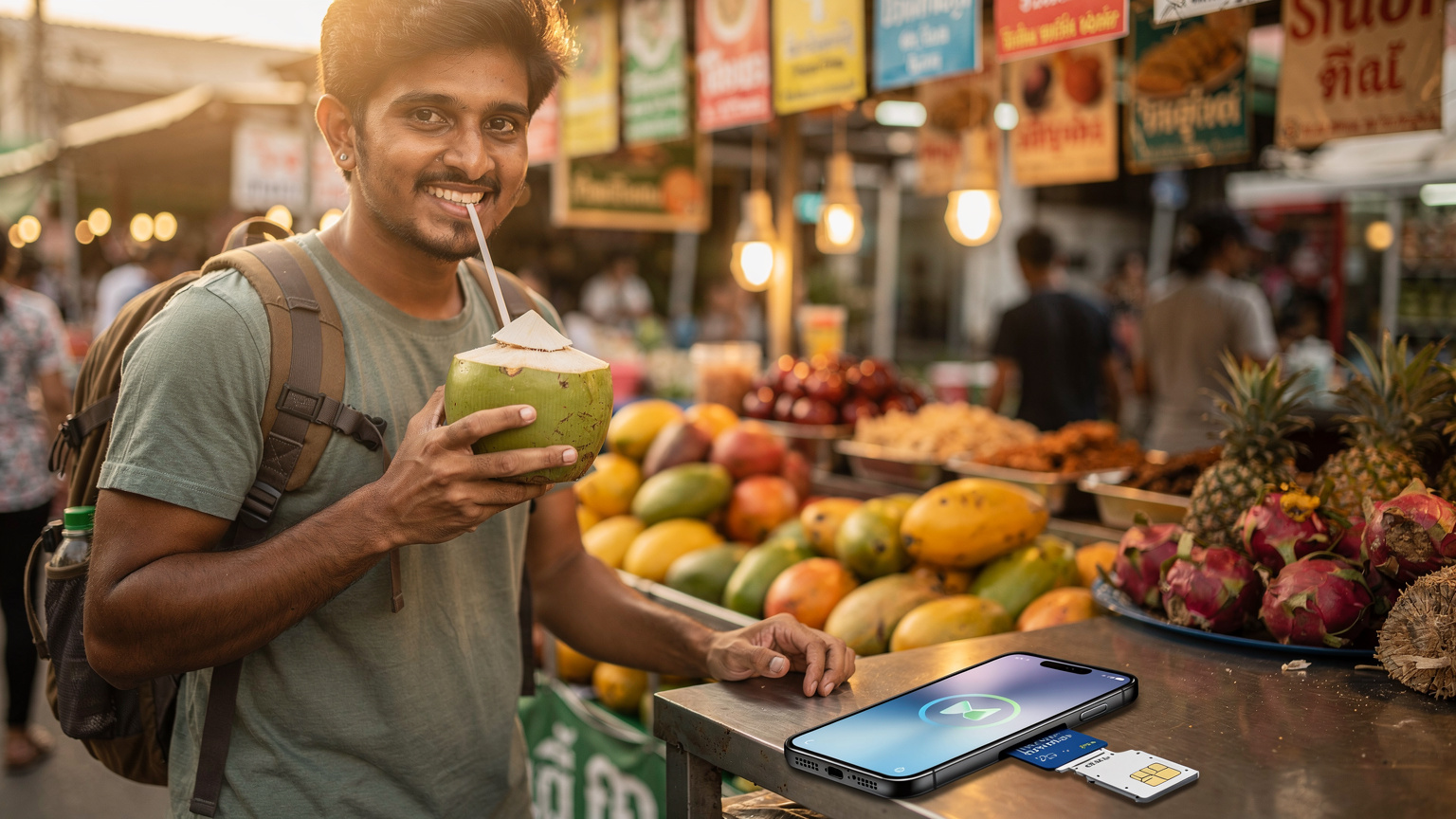
सस्ते लोकल SIM कार्ड का विकल्प और eSIM की तुलना
एक बजट बैकपैकर के रूप में, मैं हमेशा सबसे सस्ते विकल्प की तलाश में रहता हूँ. ईमानदारी से कहूं तो, कुछ देशों में लोकल फिजिकल SIM कार्ड अभी भी Cellesim जैसे eSIM से सस्ते पड़ सकते हैं, खासकर अगर आप लंबी अवधि के लिए यात्रा कर रहे हैं. लेकिन इसमें कुछ चुनौतियां भी हैं.
लोकल फिजिकल SIM कार्ड: फायदे और नुकसान
फायदे:
- लागत: कुछ देशों में, लोकल फिजिकल SIM कार्ड्स अविश्वसनीय रूप से सस्ते होते हैं. उदाहरण के लिए, कंबोडिया में आप $5 (लगभग ₹400) में 15GB डेटा के साथ SIM कार्ड खरीद सकते हैं. थाईलैंड में AIS, TrueMove H, या Dtac के ट्रैवलर SIM आपको 8-15 दिनों के लिए अनलिमिटेड डेटा लगभग 400-600 THB (₹900-₹1300) में देते हैं.
- लोकल नंबर: आपको एक लोकल नंबर मिलता है, जो लोकल टैक्सी, रेस्टोरेंट बुकिंग या किसी स्थानीय सेवा के लिए उपयोगी हो सकता है.
नुकसान:
- उपलब्धता: आपको हवाई अड्डे या किसी लोकल स्टोर पर जाकर SIM कार्ड खरीदना होगा. कभी-कभी, भाषा की बाधा या स्टोर ढूंढने में समय लग सकता है.
- पहचान: कई देशों में SIM कार्ड खरीदने के लिए पासपोर्ट और कभी-कभी स्थानीय पते की आवश्यकता होती है.
- भारतीय SIM का प्रबंधन: आपको अपनी भारतीय SIM (एयरटेल) को निकालना होगा और उसे सुरक्षित रखना होगा, जिससे OTPs प्राप्त करने में समस्या हो सकती है.
eSIM (Cellesim): फायदे और नुकसान
फायदे:
- सुविधा: आप घर बैठे अपनी यात्रा से पहले ही eSIM खरीद सकते हैं और QR कोड के ज़रिए एक्टिवेट कर सकते हैं. कोई फिजिकल SIM कार्ड बदलने की झंझट नहीं.
- डुअल-सिम: आप अपने भारतीय एयरटेल eSIM को एक्टिव रख सकते हैं और Cellesim eSIM से डेटा का उपयोग कर सकते हैं. OTPs और ज़रूरी कॉल्स हमेशा उपलब्ध रहेंगे.
- सुरक्षा: फिजिकल SIM कार्ड खोने या चोरी होने का जोखिम नहीं.
- तत्काल एक्टिवेशन: जैसे ही आप किसी देश में पहुंचते हैं, आपका डेटा तुरंत काम करना शुरू कर देता है. बॉर्डर क्रॉसिंग पर यह बहुत काम आता है.
नुकसान:
- लागत: कुछ मामलों में, लोकल फिजिकल SIM की तुलना में थोड़ा महंगा हो सकता है, लेकिन सुविधा और सुरक्षा के लिए यह अक्सर एक अच्छा व्यापार-बंद (trade-off) होता है.
- केवल डेटा: ज़्यादातर Cellesim eSIM डेटा-ओनली होते हैं, जिसका मतलब है कि आपको VoIP ऐप्स का उपयोग करके कॉल करना होगा.
| फीचर | लोकल फिजिकल SIM | Cellesim eSIM |
|---|---|---|
| लागत (औसत) | कम (विशेषकर लंबी यात्राओं पर) | मध्यम से उच्च (सुविधा के लिए भुगतान) |
| सुविधा | खरीदने के लिए स्टोर जाना पड़ता है, फिजिकल बदलाव | घर बैठे ऑनलाइन खरीद, तुरंत एक्टिवेशन |
| भारतीय SIM का उपयोग | निकालना पड़ सकता है, OTP में समस्या | दोनों SIM एक साथ काम करते हैं (डुअल-सिम) |
| लोकल नंबर | हाँ | नहीं (आमतौर पर) |
| पहचान दस्तावेज़ | अक्सर आवश्यक | आवश्यक नहीं |
| खो जाने का जोखिम | हाँ | नहीं |
बॉर्डर क्रॉसिंग के समय eSIM के फायदे और नुकसान
बॉर्डर क्रॉसिंग, चाहे वो बस से हो, ट्रेन से हो या फ्लाइट से, हमेशा एक अजीब अनुभव होता है. एक बार जब मैं वियतनाम से कंबोडिया बस से जा रहा था, तो सीमा पर लगभग 2 घंटे लगे थे. ऐसे में अगर आपके पास डेटा न हो, तो यह बेहद मुश्किल हो जाता है. eSIM यहां एक बड़ा फायदा साबित होता है.
eSIM के फायदे
- तत्काल कनेक्टिविटी: जैसे ही आप किसी नए देश में प्रवेश करते हैं, आपका Cellesim eSIM तुरंत लोकल नेटवर्क से जुड़ जाता है. आपको सीमा पार करने के बाद वाई-फाई ढूंढने या लोकल SIM खरीदने की ज़रूरत नहीं पड़ती. यह विशेष रूप से तब उपयोगी होता है जब आप एक व्यस्त हवाई अड्डे पर उतरते हैं या किसी अपरिचित शहर में देर रात पहुंचते हैं.
- नेविगेशन: बॉर्डर पार करते ही आप तुरंत Google Maps का उपयोग कर सकते हैं, टैक्सी बुक कर सकते हैं या अपने हॉस्टल तक पहुंचने का रास्ता ढूंढ सकते हैं. (मैंने एक बार बैंकॉक में रात के 2 बजे Suvarnabhumi एयरपोर्ट से मो चिट बस टर्मिनल तक जाने के लिए Grab ऐप का इस्तेमाल किया था, जो eSIM डेटा के बिना संभव नहीं था).
- आपात स्थिति में संपर्क: किसी भी आपात स्थिति में, आप हमेशा ऑनलाइन रह सकते हैं और अपने परिवार या दोस्तों से संपर्क कर सकते हैं.
- भारतीय नंबर सक्रिय: आपकी एयरटेल eSIM सक्रिय रहती है, जिससे आप अपने बैंक OTPs या किसी ज़रूरी SMS को बिना किसी रुकावट के प्राप्त कर सकते हैं, भले ही आप किसी भी देश में हों.
eSIM के संभावित नुकसान
- नेटवर्क कवरेज: कुछ दूरस्थ सीमावर्ती क्षेत्रों में, eSIM का कवरेज भी सीमित हो सकता है, ठीक फिजिकल SIM की तरह. हालांकि, ज़्यादातर प्रमुख सीमा चौकियों पर कवरेज अच्छा होता है.
- सपोर्ट: यदि eSIM एक्टिवेशन में कोई समस्या आती है और आप विदेश में हैं, तो आपको ऑनलाइन सपोर्ट पर निर्भर रहना पड़ सकता है. इसलिए, यात्रा से पहले ही eSIM को एक्टिवेट करने की सलाह दी जाती है.
उदाहरण के लिए, अगर आप बैंकॉक से लाओस के लिए नाइट बस ले रहे हैं, तो Nong Khai बॉर्डर पर अक्सर डेटा कनेक्टिविटी खराब होती है. ऐसे में अगर आपका Cellesim eSIM पहले से एक्टिव है, तो सीमा पार करते ही आपको तुरंत डेटा मिल जाएगा, जबकि लोकल SIM कार्ड खरीदने के लिए आपको लाओस में किसी शहर तक पहुंचना होगा.
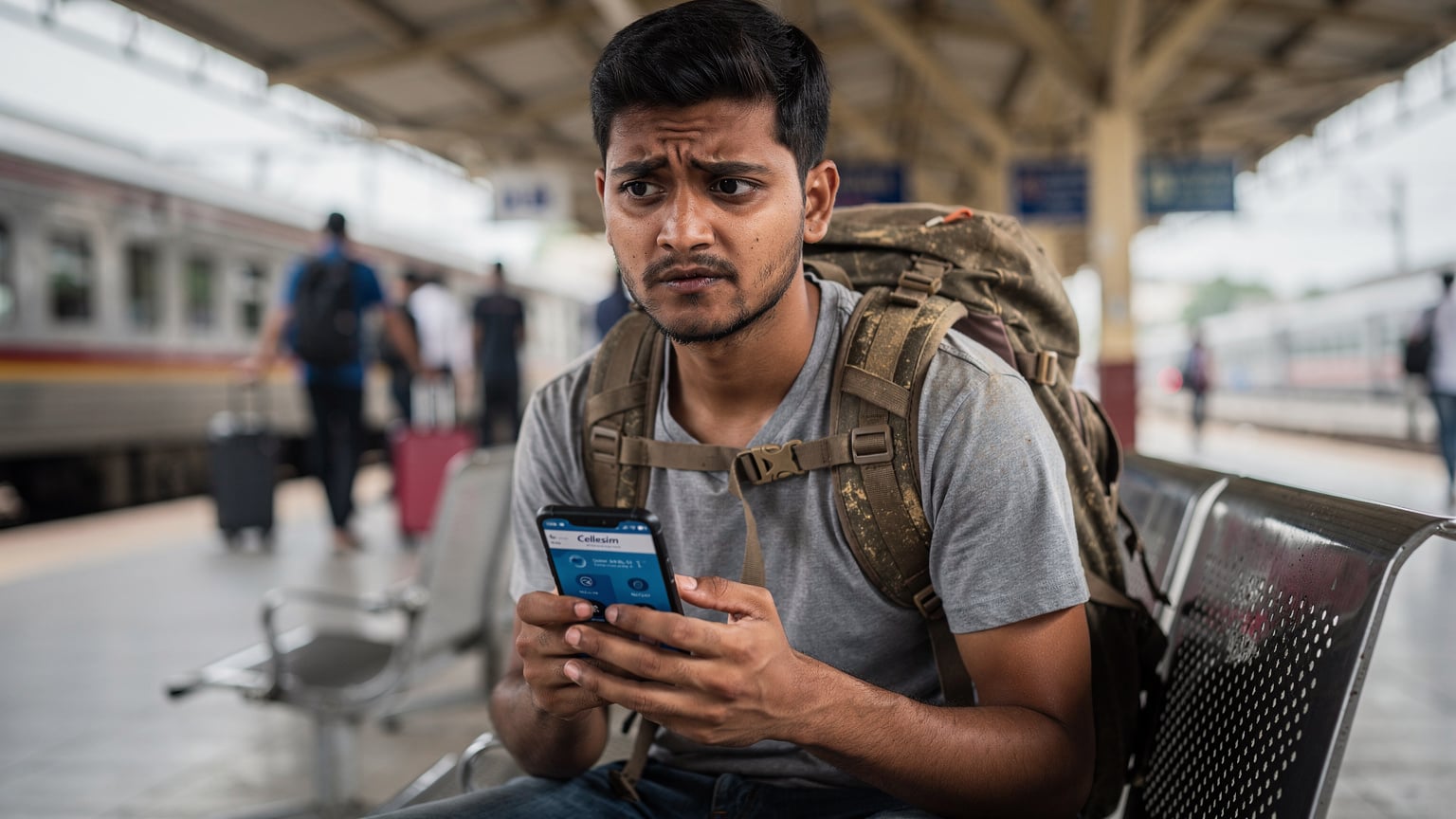
Airtel eSIM के लिए ट्रबलशूटिंग और सपोर्ट
कभी-कभी चीजें प्लान के मुताबिक नहीं चलतीं. मैंने खुद देखा है कि कैसे एक छोटा सा तकनीकी ग्लिच आपकी यात्रा को बर्बाद कर सकता है. एक बार मेरी फ्लाइट के दौरान मेरे दोस्त का eSIM एक्टिवेट नहीं हुआ था, और उसे पता नहीं था कि क्या करें. अगर आपका एयरटेल eSIM एक्टिवेशन में समस्या आती है, तो ये कुछ तरीके हैं जिनसे आप इसे ठीक कर सकते हैं.
सामान्य समस्याएँ और उनका समाधान
- QR कोड स्कैन नहीं हो रहा:
- समाधान: सुनिश्चित करें कि QR कोड स्पष्ट है और ईमेल में ठीक से दिख रहा है. अपने फोन के कैमरे को साफ करें. कोड को अच्छी रोशनी में स्कैन करें. कभी-कभी, QR कोड को किसी अन्य डिवाइस (लैपटॉप या टैबलेट) पर खोलना और फिर अपने फोन से स्कैन करना बेहतर काम करता है.
- eSIM प्रोफ़ाइल डाउनलोड नहीं हो रही:
- समाधान: सुनिश्चित करें कि आपके पास एक स्थिर और मजबूत इंटरनेट कनेक्शन है (Wi-Fi प्राथमिकता). कभी-कभी, फोन को रीस्टार्ट करने से भी समस्या हल हो जाती है.
- eSIM सक्रिय होने के बाद भी नेटवर्क नहीं:
- समाधान: अपने फोन की सेटिंग्स में जाएं और सुनिश्चित करें कि eSIM 'चालू' है और 'सेल्युलर डेटा' के लिए चुना गया है (यदि आप इसे डेटा के लिए उपयोग कर रहे हैं). नेटवर्क सेटिंग्स को रीसेट करने का प्रयास करें (बिना डेटा खोए). यदि आप विदेश में हैं, तो सुनिश्चित करें कि डेटा रोमिंग 'चालू' है (Cellesim जैसे डेटा eSIM के लिए).
- Airtel से QR कोड ईमेल नहीं मिला:
- समाधान: अपने ईमेल के स्पैम या जंक फ़ोल्डर को चेक करें. सुनिश्चित करें कि आपने SMS भेजते समय सही ईमेल आईडी दी थी. अगर फिर भी नहीं मिलता है, तो एयरटेल कस्टमर केयर से संपर्क करें.
Airtel कस्टमर सपोर्ट से संपर्क करें
यदि आप उपरोक्त समाधानों से अपनी समस्या हल नहीं कर पाते हैं, तो एयरटेल कस्टमर सपोर्ट से संपर्क करें. आप उनसे कई तरीकों से संपर्क कर सकते हैं:
- कॉल: भारत में 121 पर कॉल करें. यदि आप विदेश में हैं, तो आप एयरटेल के इंटरनेशनल रोमिंग सपोर्ट नंबर पर कॉल कर सकते हैं (यह नंबर एयरटेल की वेबसाइट पर उपलब्ध होगा, आमतौर पर +91-9810012345).
- ईमेल: एयरटेल की वेबसाइट पर दिए गए ईमेल पते पर अपनी समस्या बताएं.
- Airtel Thanks ऐप: ऐप के सपोर्ट सेक्शन में जाएं और अपनी समस्या बताएं.
- सोशल मीडिया: एयरटेल के आधिकारिक ट्विटर या फेसबुक पेज पर अपनी समस्या पोस्ट करें. वे अक्सर त्वरित प्रतिक्रिया देते हैं.
याद रखें, अपनी समस्या को स्पष्ट रूप से बताएं और सभी प्रासंगिक जानकारी (जैसे आपका मोबाइल नंबर, ईमेल आईडी, और समस्या कब से आ रही है) प्रदान करें.
Cellesim सपोर्ट के साथ भी संपर्क करें
यदि आप Cellesim eSIM का उपयोग कर रहे हैं और उसमें कोई समस्या आती है, तो Cellesim के FAQ सेक्शन में जाएं या उनकी कस्टमर सपोर्ट टीम से संपर्क करें. वे 24/7 सहायता प्रदान करते हैं और अक्सर eSIM से संबंधित मुद्दों को दूर करने में बहुत कुशल होते हैं.
eSIM पर सवालों के जवाब
क्या मैं अपनी Airtel eSIM को दूसरे फोन में ट्रांसफर कर सकता हूँ?
हाँ, आप अपनी एयरटेल eSIM को एक eSIM-संगत फोन से दूसरे में ट्रांसफर कर सकते हैं, लेकिन इसकी एक प्रक्रिया है. आपको अपने पुराने फोन से eSIM प्रोफ़ाइल को हटाना होगा और फिर एयरटेल से एक नया QR कोड मांगना होगा. एयरटेल आमतौर पर एक ही eSIM प्रोफ़ाइल को कई बार एक्टिवेट करने की अनुमति नहीं देता है, इसलिए आपको एक नया QR कोड प्राप्त करने के लिए कस्टमर केयर से संपर्क करना पड़ सकता है.
क्या eSIM एक्टिवेशन के लिए कोई शुल्क है?
नहीं, एयरटेल फिजिकल SIM को eSIM में बदलने के लिए कोई शुल्क नहीं लेता है. यह सेवा मुफ्त है. हालांकि, आपके एयरटेल प्लान के अनुसार आपके द्वारा उपयोग किए जाने वाले डेटा या सेवाओं के लिए शुल्क लागू हो सकते हैं.
क्या मैं अपनी eSIM को वापस फिजिकल SIM में बदल सकता हूँ?
हाँ, यह संभव है, लेकिन इसमें कुछ समय और प्रयास लग सकता है. आपको एयरटेल कस्टमर केयर से संपर्क करना होगा और फिजिकल SIM के लिए अनुरोध करना होगा. वे आपको एक नई फिजिकल SIM भेजेंगे या आपको निकटतम स्टोर पर जाकर इसे प्राप्त करने का निर्देश देंगे. इस प्रक्रिया में आमतौर पर 24-48 घंटे लगते हैं.
विदेश में मेरे Airtel eSIM पर क्या रोमिंग शुल्क लागू होंगे?
यदि आप अपनी एयरटेल eSIM पर डेटा रोमिंग को बंद रखते हैं, तो आपको डेटा के लिए कोई शुल्क नहीं लगेगा. हालांकि, इनकमिंग कॉल्स और SMS पर आपके इंटरनेशनल रोमिंग प्लान के आधार पर शुल्क लग सकते हैं. हमेशा अपनी यात्रा से पहले एयरटेल की वेबसाइट पर अपने मौजूदा प्लान के रोमिंग शुल्क की जांच कर लें. कई प्लान्स में इनकमिंग SMS मुफ्त होते हैं, जो OTPs के लिए बहुत ज़रूरी है.
अगर मेरा फोन खो जाए या चोरी हो जाए तो eSIM का क्या होगा?
यदि आपका फोन खो जाता है या चोरी हो जाता है, तो आपको तुरंत एयरटेल कस्टमर केयर से संपर्क करके अपनी eSIM को डिएक्टिवेट करवाना चाहिए. चूंकि eSIM डिजिटल होता है, इसलिए कोई भी आपकी फिजिकल SIM को निकालकर उसका दुरुपयोग नहीं कर सकता. आप बाद में एक नए eSIM-संगत फोन पर अपनी eSIM को फिर से एक्टिवेट करवा सकते हैं.
अक्सर पूछे जाने वाले प्रश्न
Airtel SIM को eSIM में बदलने में कितना समय लगता है?
एयरटेल फिजिकल SIM को eSIM में बदलने की प्रक्रिया में आमतौर पर 15 मिनट से लेकर 2-3 घंटे तक का समय लग सकता है. इसमें SMS भेजना, ईमेल आईडी की पुष्टि करना, और फिर QR कोड स्कैन करके eSIM प्रोफ़ाइल को एक्टिवेट करना शामिल है. यात्रा से कम से कम 24-48 घंटे पहले इसे करने की सलाह दी जाती है.
क्या Airtel eSIM एक्टिवेशन के लिए कोई शुल्क है?
नहीं, एयरटेल अपनी फिजिकल SIM को eSIM में बदलने के लिए कोई शुल्क नहीं लेता है. यह सेवा ग्राहकों के लिए मुफ्त है. हालांकि, आपके मौजूदा प्लान के अनुसार आपके द्वारा उपयोग की जाने वाली सेवाओं (जैसे डेटा या कॉलिंग) के लिए सामान्य शुल्क लागू होंगे.
क्या मैं विदेश में अपने Airtel eSIM पर OTP प्राप्त कर सकता हूँ?
हाँ, आप विदेश में अपने एयरटेल eSIM पर OTP (वन-टाइम पासवर्ड) आसानी से प्राप्त कर सकते हैं. बस यह सुनिश्चित करें कि आपका एयरटेल eSIM इनकमिंग SMS के लिए सक्रिय है और आपने डेटा रोमिंग को बंद रखा है ताकि अनावश्यक शुल्क न लगे. यह डुअल-सिम सेटअप का एक बड़ा फायदा है.
अगर मेरा फोन eSIM सपोर्ट नहीं करता तो मुझे क्या करना चाहिए?
यदि आपका फोन eSIM को सपोर्ट नहीं करता है, तो आप विदेश यात्रा के लिए एक लोकल फिजिकल SIM कार्ड खरीद सकते हैं. हालांकि, आपको अपनी भारतीय SIM (एयरटेल) को निकालना होगा, जिससे आपको अपने भारतीय नंबर पर OTP प्राप्त करने में समस्या हो सकती है. ऐसे में, आपको अपनी भारतीय SIM पर इंटरनेशनल रोमिंग एक्टिवेट करना पड़ सकता है, जो महंगा हो सकता है.
मैं अपनी Airtel eSIM को किसी नए फोन में कैसे ट्रांसफर करूँ?
अपनी एयरटेल eSIM को एक फोन से दूसरे में ट्रांसफर करने के लिए, आपको पहले पुराने फोन से eSIM प्रोफ़ाइल को हटाना होगा. फिर, एयरटेल कस्टमर केयर से संपर्क करके एक नए QR कोड का अनुरोध करना होगा, क्योंकि एक eSIM प्रोफ़ाइल आमतौर पर केवल एक बार ही एक्टिवेट की जा सकती है. वे आपको नया QR कोड ईमेल करेंगे, जिसे आप अपने नए फोन पर स्कैन करके एक्टिवेट कर सकते हैं.
क्या मैं अपनी eSIM को वापस फिजिकल SIM में बदल सकता हूँ?
हाँ, आप अपनी eSIM को वापस फिजिकल SIM में बदल सकते हैं. इसके लिए आपको एयरटेल कस्टमर केयर से संपर्क करना होगा और फिजिकल SIM के लिए अनुरोध करना होगा. वे आपको एक नई फिजिकल SIM प्रदान करने की प्रक्रिया के बारे में मार्गदर्शन करेंगे, जिसमें आमतौर पर 24-48 घंटे का समय लगता है.