


Why Autumn Europe Is the Secret Season
Ask any seasoned traveler, and they'll likely tell you that September and October in Europe are pure magic. The suffocating summer heat has retreated, the relentless throngs of tourists have thinned, and a crisp, golden light bathes everything from the canals of Amsterdam to the ancient ruins of Athens. It's when the cities truly breathe, offering a more authentic experience, whether you're navigating the labyrinthine streets of Rome's Trastevere or exploring the street art in Berlin's Kreuzberg.
For years, my autumn trips were plagued by the same frustrating ritual: landing at Fiumicino or Tegel, then embarking on a quest for a local SIM card. I remember one particularly exasperating afternoon in Prague, trying to explain to a shop assistant near Wenceslas Square that my iPhone 11 Pro was 'locked' to my US carrier, only to walk away empty-handed and spend the next two days tethered to dodgy café Wi-Fi. eSIMs have truly revolutionized this experience, allowing me to land, connect, and immediately hail an Uber or find the nearest ATM without missing a beat.
The Joy of Fewer Crowds and Better Photos
Imagine strolling across Charles Bridge in Prague at 8 AM, not elbowing your way through selfie sticks. Or finding an empty bench by the Trevi Fountain in Rome, just you and the gentle splash of water. Autumn offers exactly that. Plus, the light is simply sublime for photography. The lower angle of the sun and the rich, warm hues of the changing leaves create a natural filter that makes every snapshot a postcard.
Seasonal Events and Cultural Calendar
Beyond the aesthetics, autumn is a rich time for cultural events. Berlin hosts its Festival of Lights in early October, transforming iconic landmarks like the Brandenburg Gate and the TV Tower into dazzling canvases. In Rome, many of the smaller, more intimate festivals, like the 'Sagra dell'Uva' grape harvest festival in Marino, just outside the city, take place, offering a taste of local traditions that are hard to find in peak summer. Always check local listings, but generally, museums and galleries maintain their summer hours through September, with some shifting to shorter winter hours (e.g., 9 AM to 5 PM) by late October.
The eSIM Advantage for Autumn Travel
For those of us who've spent years swapping tiny plastic cards or paying exorbitant roaming fees, the eSIM has been a revelation. It’s not just a convenience, it’s a fundamental shift in how we approach connectivity abroad. No more fumbling with ejector tools on a bumpy bus ride from Berlin's BER airport to Alexanderplatz, hoping not to drop your home SIM into a puddle.
No Physical SIMs, No Hassle
The beauty of an eSIM is its digital nature. You purchase a plan online, receive a QR code, scan it, and you're good to go. This means you can activate your plan before you even leave home, ensuring you have data the moment your plane touches down. This saved me a significant headache on my last trip to Rome, when my flight landed at 11 PM, and all the phone shops in the arrivals hall were already closed. With Cellesim, I was able to order a taxi via the Free Now app straight from the tarmac.
Keeping Your Home Number Active
One of the most underrated benefits of using an eSIM is the ability to keep your primary physical SIM active. This is crucial for receiving two-factor authentication codes, bank alerts, or important calls from home. You can simply designate your eSIM for data while abroad and switch between your home number and your eSIM number for calls, if your device supports it. This multi-SIM functionality means you’re always reachable, without racking up unexpected charges.
Flexible Data Packages for Varying Needs
Whether you're a casual browser who just needs maps and messaging, or a content creator constantly uploading 4K video to Instagram from a cafe in Prague's Old Town Square, eSIMs offer a range of data packages. You can choose from small bundles, like 3GB for 7 days, up to larger, more generous plans, like 20GB for 30 days. This flexibility ensures you only pay for what you need, avoiding wasted data or unexpected top-ups.
Picking the Right eSIM for Your Autumn Itinerary
Choosing the right eSIM is about more than just gigabytes. It's about understanding your travel style, your destinations, and your connectivity priorities. Are you hopping between countries, or settling in one city? Do you need blazing fast 5G, or is reliable 4G sufficient for your needs?
Regional vs. Single-Country Plans
For multi-city European adventures, a regional eSIM that covers several countries is usually the most cost-effective and convenient. These plans allow you to seamlessly cross borders from Germany to the Czech Republic without switching plans. If you're focusing solely on one city, say a week in Rome, a single-country plan might offer a slightly better per-gigabyte rate, but the difference is often negligible compared to the convenience of a regional plan.
Data Allowance and Validity Period
Consider how much data you typically use. Streaming video, heavy social media use, and video calls consume a lot. For a two-week trip, I generally recommend at least 10GB if you're a moderate user. For content creators or those working remotely, 20GB or more is a safer bet. Always match the validity period to your trip length; an eSIM valid for 30 days makes more sense for a three-week journey than a 15-day plan.
Network Coverage and Speed
While most major cities in Europe have excellent 5G coverage, it's worth checking which local carriers Cellesim partners with in your specific destinations. For instance, in Italy, a plan leveraging Vodafone IT or TIM will generally offer superior coverage and speeds, especially in denser urban areas like the Centro Storico of Rome, compared to some smaller operators. My own field tests, comparing speeds in busy tourist areas, consistently show Cellesim's partners outperforming the 'International Day Pass' offerings from US carriers like Verizon.
| Destination | Recommended Cellesim Partner Network | Typical Speed (5G) | Coverage Areas |
|---|---|---|---|
| Rome, Italy | Vodafone IT, TIM | 150-300 Mbps | All major districts: Trastevere, Monti, Prati, EUR |
| Berlin, Germany | Telekom.de, Vodafone DE | 180-350 Mbps | Mitte, Kreuzberg, Prenzlauer Berg, Charlottenburg |
| Prague, Czech Republic | O2 CZ, T-Mobile CZ | 100-250 Mbps | Old Town, Mala Strana, Vinohrady, Prague 6 |
Rome: A Romantic Retreat in September & October
Rome in autumn is simply unforgettable. The oppressive heat of August gives way to comfortable days, perfect for wandering through ancient ruins or lingering over an Aperol Spritz in Piazza della Rotonda. The city feels more lived-in, less like a tourist spectacle.
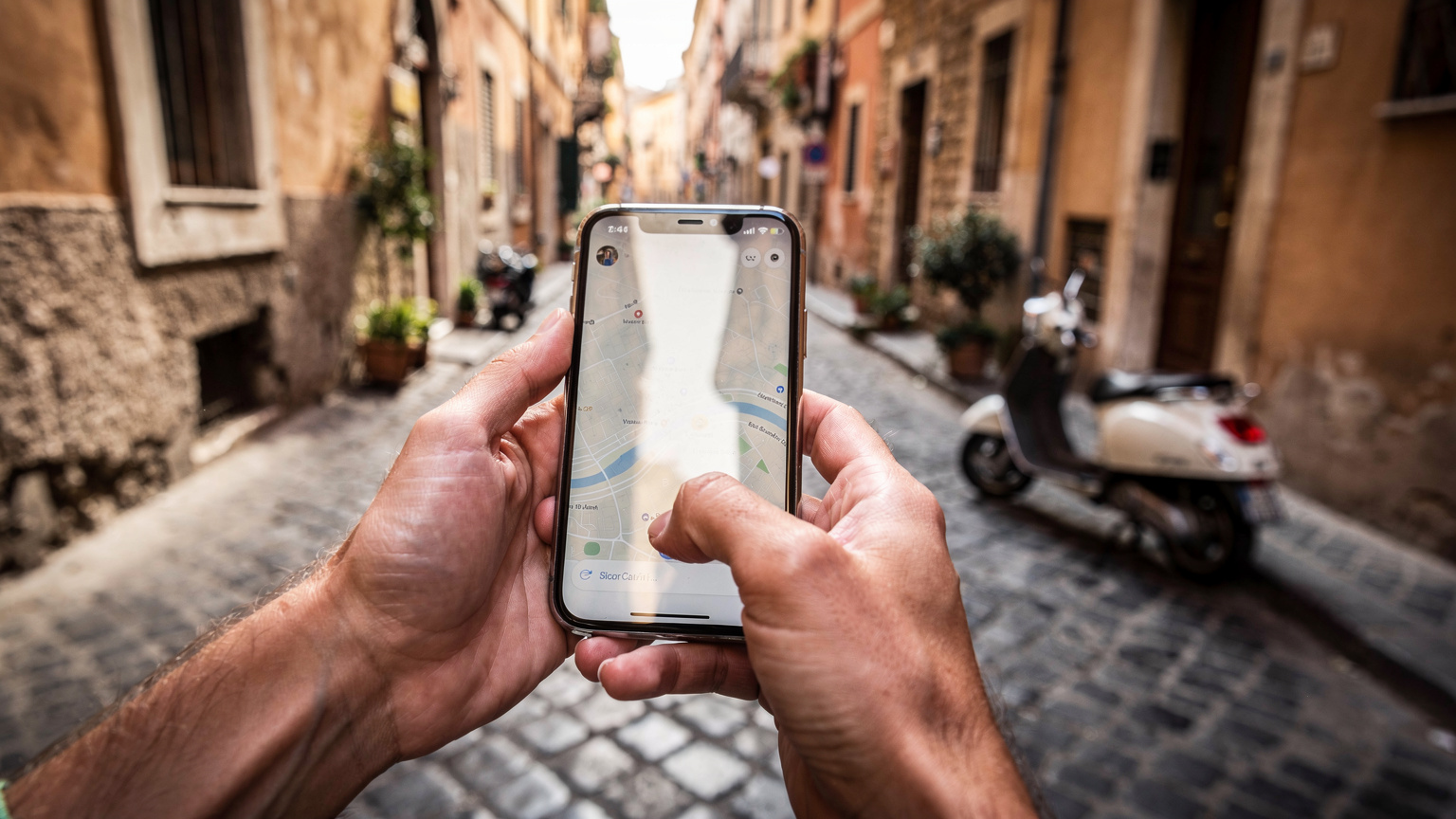
Navigating the Eternal City with Ease
Having reliable data in Rome is non-negotiable. Whether you're trying to figure out the ATAC bus routes from Testaccio to the Colosseum (and believe me, those buses can be tricky), or finding that hidden trattoria in Trastevere that only opens at 7 PM, your phone is your lifeline. Google Maps and the Moovit app are indispensable, but they're only as good as your connection. My advice? Don't skimp on data for Rome.
Essential Apps for Roman Adventures
- Moovit: For real-time public transport updates on buses, trams, and metro (the Line A and B are vital).
- TheFork: To book those popular dinner spots, especially if you're aiming for a table at Roscioli or Da Enzo al 29.
- Free Now: For reliable taxi services, particularly late at night when the smaller streets of Campo de' Fiori can be deserted.
- Google Translate: Even if you know a little Italian, it helps with menus and complex conversations.
Berlin: Cultural Cool Without the Crowds
Berlin transforms in autumn. The city's parks, like Tiergarten, blaze with color, and the cultural scene truly comes alive. It's a city that rewards exploration, from the historic sites of Mitte to the vibrant street art of Friedrichshain. And with the summer festival season over, you get a much clearer run at the museums.
Exploring Berlin's Diverse Neighborhoods
Berlin is vast, and its public transport, run by BVG, is efficient but requires navigation. An eSIM ensures you can pull up the U-Bahn and S-Bahn maps instantly, whether you're heading from Prenzlauer Berg to the East Side Gallery or from Charlottenburg to the clubs in Neukölln. I once made the mistake of relying on screenshots in the vastness of Ostkreuz station, and let's just say, I ended up taking a scenic detour that added 45 minutes to my journey to Berghain (not that I was complaining too much, in the end).
Connectivity for Digital Nomads and Creatives
Berlin is a magnet for digital nomads. If you're planning to work from a co-working space or a cafe in Kreuzberg, consistent, high-speed data is crucial. A Cellesim eSIM on PC can be a lifesaver, allowing you to tether your laptop without worrying about slow public Wi-Fi. My tests show Cellesim's partners consistently deliver upload speeds suitable for even large video files, a must for my own content creation.
Prague: Fairytale Charm on a Budget
Prague in autumn is undeniably picturesque, with fewer crowds making the cobblestone streets and Gothic architecture even more enchanting. It's also remarkably affordable compared to its Western European counterparts, making it a favorite for budget-conscious travelers.

Getting Around Prague's Historic Center
The city center of Prague is wonderfully walkable, but the tram system is excellent for longer distances, connecting areas like Mala Strana to Vinohrady. The PID Lítačka app is invaluable for buying tickets and checking schedules for the DPP (Prague Public Transit Company) trams and metro. Having reliable data ensures you don't miss your stop or get lost trying to find your way back to your hotel in Josefov after a late dinner.
Local Tips and Hidden Gems
- Avoid the Astronomical Clock crowds: Head there early, before 9 AM, or late in the evening.
- Explore Žižkov: A less-touristy neighborhood with quirky pubs and the iconic TV Tower.
- Visit a 'Hospoda': Experience a traditional Czech pub. U Medvidku is famous for its dark lager.
- Take a Vltava River cruise: A different perspective of Prague Castle and Charles Bridge.
| Destination | Connectivity Highlight | Autumn Activity |
|---|---|---|
| Rome | Seamless navigation with Google Maps for ATAC buses. | Strolling through Borghese Gardens as leaves change, visiting the Colosseum without summer heat. |
| Berlin | High-speed data for coworking in Mitte, BVG app for transit. | Experiencing the Festival of Lights, exploring museums on Museum Island. |
| Prague | PID Lítačka app for DPP trams, video calls from Old Town Square. | Enjoying traditional Czech markets, walking Charles Bridge in crisp air. |
eSIM Activation: A Smooth Start to Your Trip
Activating an eSIM is generally a straightforward process, but knowing the steps can save you a moment of panic when you're trying to connect in a foreign land. I've heard countless stories of travelers getting stuck because they didn't have Wi-Fi to download the eSIM profile, a truly preventable pain point.
Step-by-Step Guide to eSIM Setup
Here's how I typically activate my Cellesim eSIM before departing for Europe:
- Purchase your eSIM: Choose your desired regional plan (e.g., Europe 10GB for 15 days) from the Cellesim website Cellesim Europe eSIM. You'll receive a QR code and manual activation details via email.
- Activate before departure (recommended): While still connected to your home Wi-Fi, go to your phone's settings (for iPhone eSIMs, this is under 'Cellular' or 'Mobile Data'). Look for 'Add eSIM' or 'Add Data Plan'.
- Scan the QR code: Use your phone's camera to scan the QR code provided by Cellesim. If you can't scan, there's usually an option for manual entry where you input the SM-DP+ Address and Activation Code.
- Label your eSIM: Once added, label your new eSIM something clear, like 'Cellesim Europe'. This helps differentiate it from your primary SIM.
- Set default for data: Set your new Cellesim eSIM as your primary data line. Keep your home SIM active for calls and texts if needed, but ensure 'Data Roaming' is turned OFF for your home SIM to avoid charges.
- Arrive and connect: Once you land in Europe, your phone should automatically connect to a partner network, and you'll have data. If not, toggle Airplane Mode on and off, or check your settings to ensure the Cellesim profile is active.
Finding Your EID for Support
In the rare event you encounter an issue, customer support might ask for your eSIM's EID (Embedded Identity Document). This unique 32-digit number is crucial for troubleshooting. You can usually find it in your phone's settings under your eSIM details. Knowing how to find your eSIM number quickly can save you a lot of time and frustration if you need help while navigating a new city.
Data Needs and Speed Expectations
What does 'enough data' really mean for an autumn city break? It's subjective, of course, but after years of juggling various data plans, I've developed a pretty good sense of what most travelers actually need.
How Much Data Do You Really Need?
Here's a rough guide based on typical usage patterns for a 15-day trip:
- Light User (3-5 GB): Someone who primarily uses maps, messaging (WhatsApp, iMessage), and occasional email. They might check social media a few times a day but won't stream video or upload large files.
- Moderate User (8-12 GB): This is most travelers. Daily map usage, regular social media updates, occasional video calls to family, light streaming (e.g., Spotify). This is generally a safe bet for a smooth experience without constant worry.
- Heavy User / Digital Nomad (15-20+ GB): Content creators, remote workers, or anyone who streams a lot of video, uploads large files, or participates in frequent video conferences. If you're planning to work from a cafe in Prague's New Town, tethering your laptop, this is your category.
Understanding 5G vs. 4G in Europe
Most major European cities, especially those like Rome, Berlin, and Prague, have excellent 5G infrastructure. Cellesim partners with top-tier local carriers (like Vodafone IT, Telekom.de, and O2 CZ) to ensure you get access to these high speeds. While 4G is perfectly adequate for most tasks, 5G offers significantly faster downloads and uploads, lower latency, and a more stable connection, which is particularly noticeable in crowded areas or when trying to upload a large batch of photos from the steps of the Reichstag Building.
Troubleshooting Common eSIM Hiccups
Even with the best preparation, sometimes things don't go exactly as planned. Knowing a few common troubleshooting steps can turn a moment of frustration into a quick fix.
If Your eSIM Isn't Connecting
- Restart your phone: It sounds basic, but a simple restart often resolves connectivity glitches.
- Toggle Airplane Mode: Turn Airplane Mode on for 30 seconds, then off. This forces your phone to re-scan for networks.
- Check APN settings: In rare cases, you might need to manually enter APN settings. Cellesim provides these details with your purchase, but often they're configured automatically. Look for 'Access Point Names' in your cellular settings.
- Ensure data roaming is ON for eSIM: While you turn it OFF for your home SIM, your eSIM needs data roaming enabled to connect to partner networks.
- Verify network selection: Your phone should automatically select the strongest partner network, but you can sometimes manually choose a network in your settings if there are issues.
Contacting Support Abroad
Cellesim offers 24/7 customer support. If you're truly stuck, reach out to them. Having a way to text while traveling, or using a cafe's Wi-Fi, can be helpful for contacting support if your data isn't working. Remember, your EID is key for their team to identify your eSIM profile and assist you efficiently.
The Cellesim Edge for Autumn Travelers
After years on the road, testing every conceivable connectivity solution, I’ve settled on Cellesim for my own travels. Their commitment to reliable, high-speed data, especially in key European cities, consistently stands out.
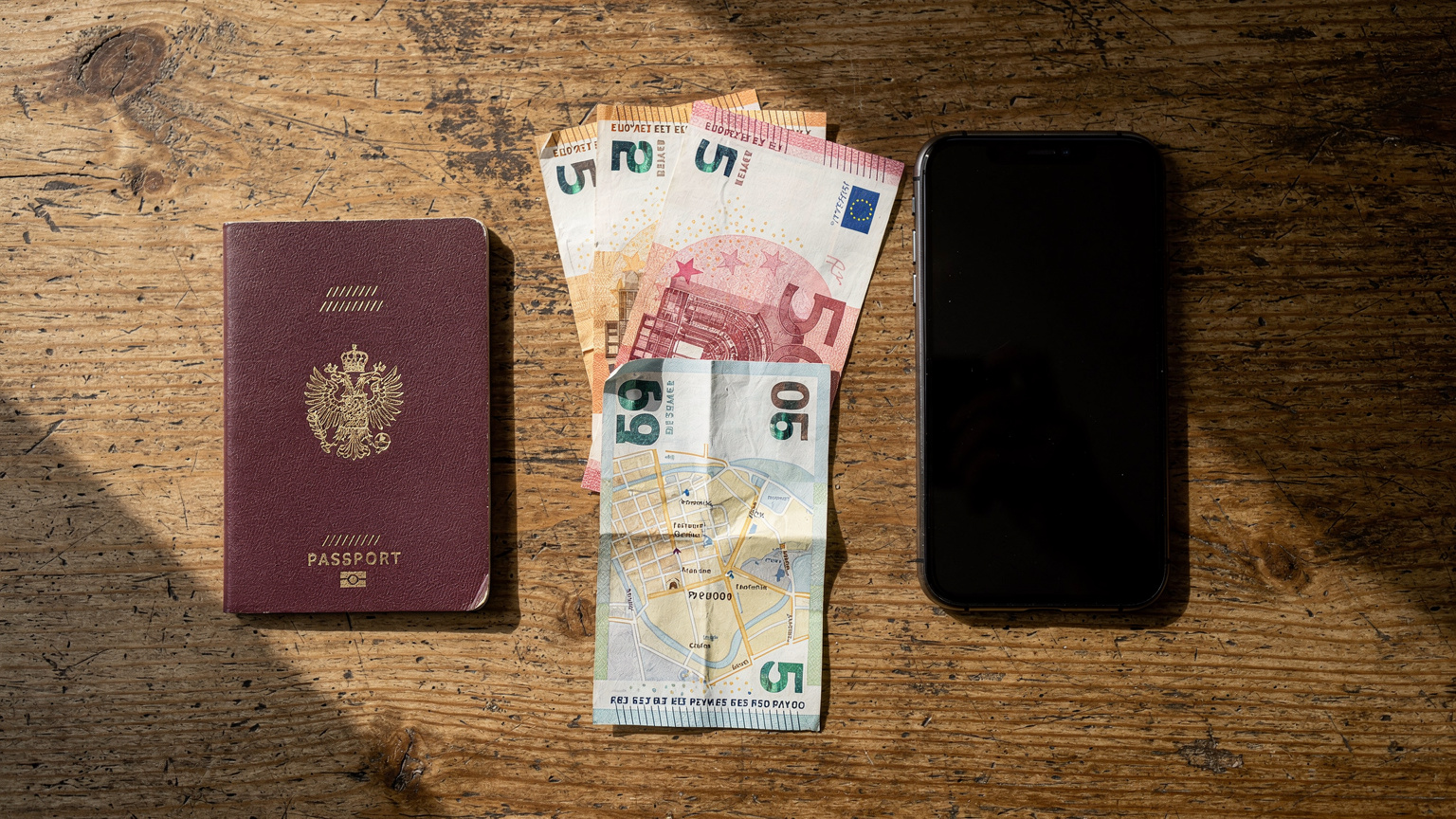
Reliable Network Partnerships
Cellesim doesn’t just offer an eSIM, they offer access to the best local networks. This means that whether you're uploading photos of the changing leaves in Prague's Letná Park or navigating the bustling streets of Rome's Jewish Ghetto, you're on a robust network like O2 CZ or TIM. This reliability is something I've found lacking in some other providers, who might prioritize cost over performance. (And believe me, when you're trying to find a train ticket at Roma Termini, performance matters.)
Transparent Pricing, No Hidden Fees
One of my biggest pet peeves with travel data plans has always been the hidden costs. The 'International Day Pass' from major US carriers often comes with a daily fee that quickly adds up, even if you only use a small amount of data. Cellesim's pricing is straightforward: you pay for your data package upfront, and that's it. No surprises when you get home. It's a breath of fresh air compared to the opaque billing of some competitors.
Seamless Experience From Purchase to Connection
From the moment you choose your plan on the Cellesim FAQ page to the instant you connect in Europe, the process is designed to be user-friendly. The clear instructions, instant QR code delivery, and responsive customer support mean less time fussing with your phone and more time enjoying that cappuccino in a quiet Roman piazza. For those who want to compare, checking out Nomad eSIM vs. Cellesim often highlights Cellesim's superior data value and network partnerships.
Frequently Asked Questions
Which European cities are best to visit in September and October?
September and October are ideal for European city breaks in Rome, Berlin, and Prague. These months offer pleasant weather, reduced tourist crowds, and a vibrant cultural calendar, allowing for a more authentic and enjoyable experience compared to peak summer.
What are the advantages of using an eSIM for autumn travel in Europe?
eSIMs provide several benefits for European autumn travel: no physical SIM card swapping, the ability to keep your home number active for calls/texts, flexible data packages tailored to your trip duration and usage, and seamless connectivity upon arrival without searching for local SIM cards.
How much data should I get for a two-week European city break?
For a two-week European city break, a moderate user typically needs 8-12 GB of data for maps, messaging, social media, and occasional video calls. Heavy users or digital nomads might opt for 15-20+ GB for streaming, large uploads, or tethering a laptop.
Can I use 5G with a Cellesim eSIM in European cities?
Yes, Cellesim partners with leading local carriers in major European cities like Rome, Berlin, and Prague that offer extensive 5G coverage. This ensures you'll have access to high-speed 5G data for fast downloads, uploads, and a stable connection, enhancing your travel experience.
What should I do if my eSIM isn't connecting after I land?
If your eSIM isn't connecting, try these steps: restart your phone, toggle Airplane Mode on/off, ensure data roaming is enabled for your eSIM profile, and verify that your phone is automatically selecting a partner network. If issues persist, contact Cellesim's 24/7 customer support with your eSIM's EID.
Are there any specific apps recommended for navigating cities like Rome, Berlin, and Prague?
For Rome, Moovit for ATAC public transport and TheFork for restaurant bookings are very useful. In Berlin, the BVG app for U-Bahn/S-Bahn is essential. For Prague, the PID Lítačka app helps with DPP trams and metro tickets. Google Maps is a universal staple for all three cities.