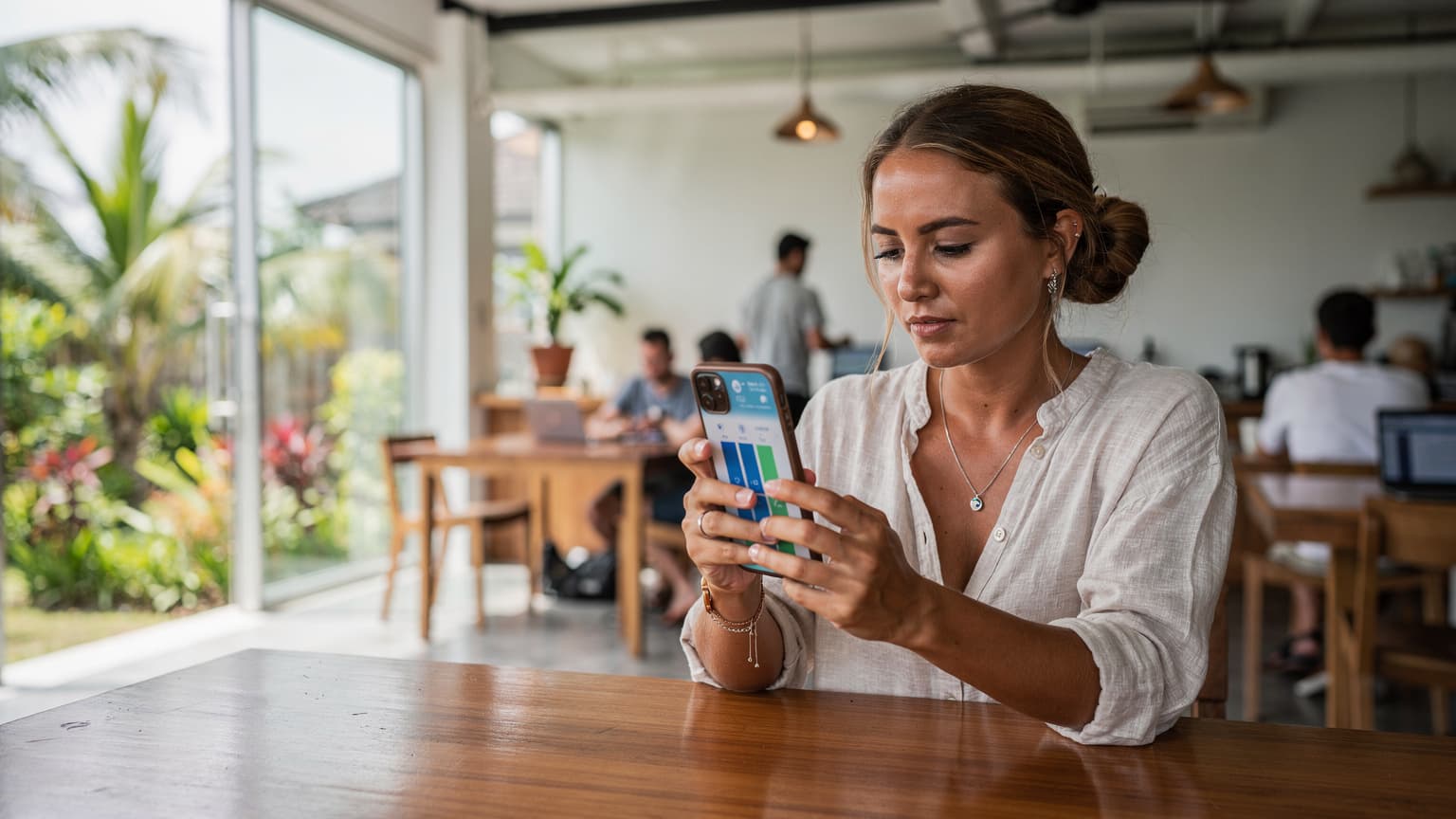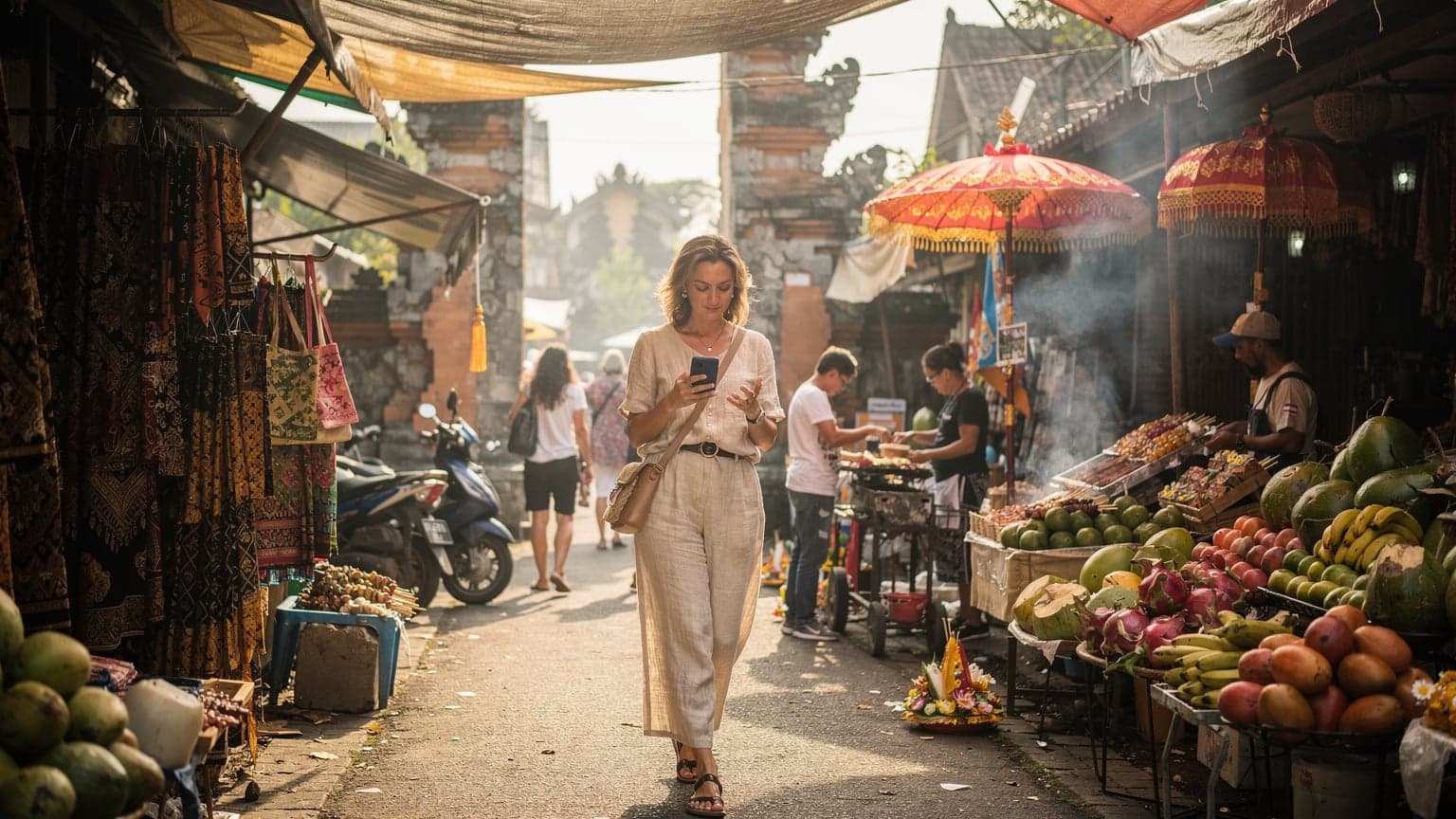
Why Pre-Purchase Your Indonesia eSIM From France?
As a parent, I live by the mantra, "A minute saved is a minute not spent mediating a sibling dispute." That applies especially to travel logistics. Arranging your Indonesia eSIM while still in France means you land with immediate connectivity. Imagine stepping off that long flight at Ngurah Rai International Airport, kids already restless, and instead of hunting for a SIM card vendor, you simply turn on your phone and get directions to your villa. Priceless, truly.
Beyond convenience, pre-purchasing from a reputable provider like Cellesim offers transparency. You know the exact data allowance, the validity period, and the cost in euros before you even leave home. This prevents any surprises with local currency conversions or unexpected fees. For families, this peace of mind is invaluable, particularly when balancing a budget for multiple devices and varying data appetites.
The Post-Brexit Roaming Dilemma and Family Plans
My colleague James Sterling, our UK Business Travel & Roaming Analyst, often reminds us about the impact of post-Brexit roaming charges. While that specifically affects UK travellers, the underlying principle is universal: relying on your home carrier's roaming plan abroad can be exorbitantly expensive. French carriers like Orange, SFR, or Bouygues will charge a premium for international roaming, especially in a region like Southeast Asia. These costs add up quickly when you have multiple phones and perhaps a couple of iPads all vying for data. A dedicated travel eSIM cuts this cord completely, offering significantly better value.
For families, I always recommend a provider that allows for easy top-ups or multiple eSIMs under one account, so you are not juggling separate bills. Some providers even offer regional plans that cover not just Indonesia but potentially a stopover in Singapore or Thailand, if your itinerary includes more than one country. This flexibility is a huge plus for complex family trips.
Global eSIM Providers Versus Local Indonesian SIMs
Here's where the decision gets interesting. Do you go with a global eSIM provider that you activate from home, or do you brave the local kiosks in Indonesia? I've done both, and with kids in tow, the global eSIM wins hands down for predictability and ease. Local SIM cards can be cheaper per gigabyte, but they come with their own set of potential headaches.
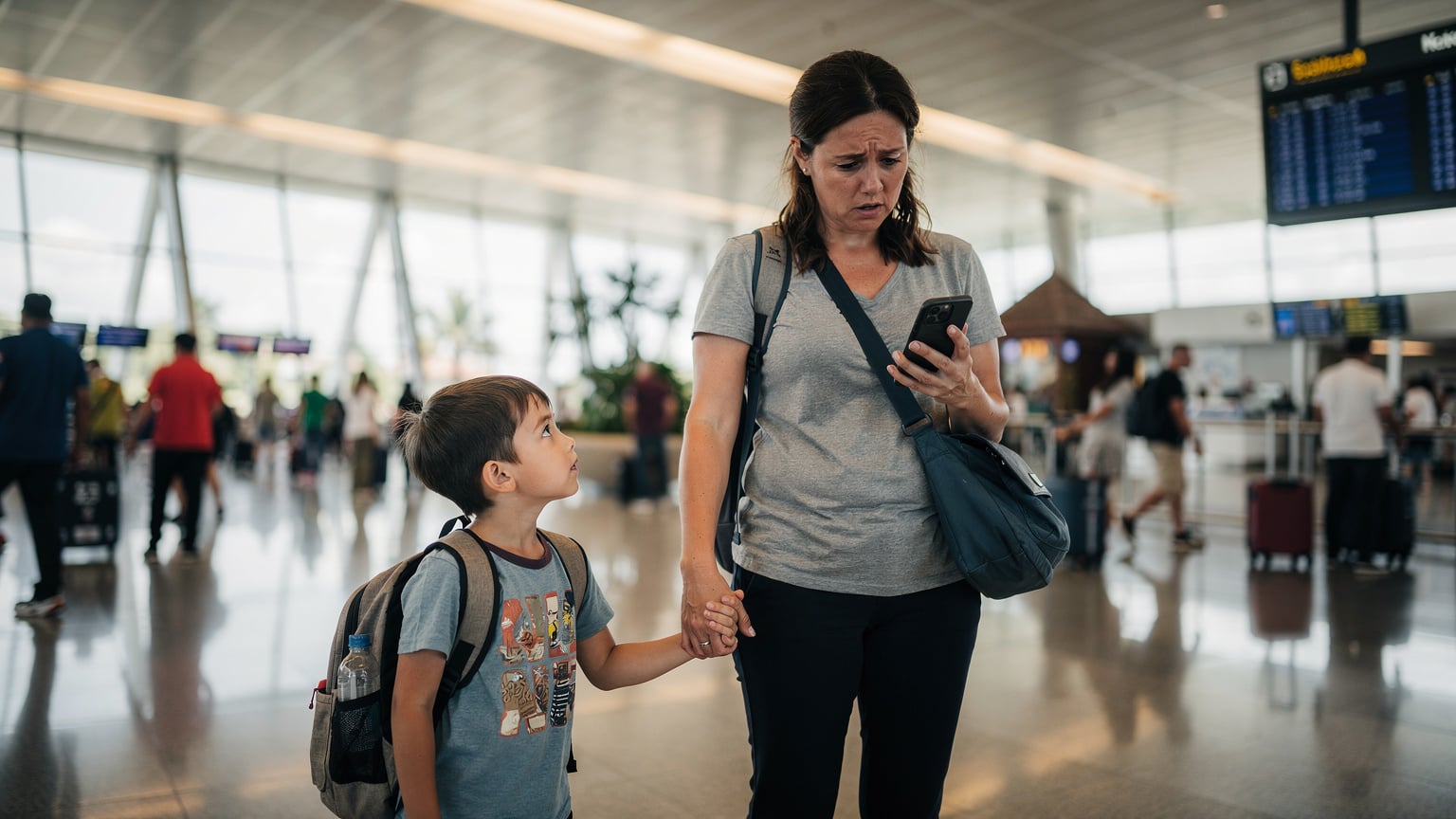
When you purchase a local SIM card in Indonesia, you often need to register it with your passport, a process that can be time-consuming and sometimes confusing due to language barriers. You also need to find a reputable vendor, which isn't always obvious right after a long flight. Then there's the physical act of swapping out the SIM card, which means keeping track of that tiny home SIM that's so easy to lose in a carry-on bag.
Global eSIM providers, on the other hand, allow you to purchase and activate your plan entirely digitally. You scan a QR code, and you're good to go. No tiny parts to lose, no queues, no language issues. It's truly a game-changer for parents who already have enough on their minds. It's also worth checking Indonesia eSIM from France: Your Pre-Trip Data Checklist for 2026 for more on this.
| Feature | Global eSIM (e.g., Cellesim) | Local Indonesian SIM Card |
|---|---|---|
| Purchase Location | Online, from France | Indonesia (airport, shops) |
| Activation | QR code scan, instant | Physical SIM swap, registration often required |
| Connectivity on Arrival | Immediate | Delayed until purchased/activated |
| Cost Transparency | High, fixed in EUR | Variable, local currency, potential hidden fees |
| Multi-Device Management | Often simpler with shared plans or easy individual management | Requires separate purchases for each device |
Data Needs for the Family: Streaming and Screens
Let's be real: kids and devices go hand in hand these days. My 8-year-old and 10-year-old consider their iPads essential travel companions. This means reliable data is not just for our navigation or checking hotel bookings, but for their sanity and, by extension, ours. Think about those moments: a long car ride from the airport to Seminyak, a quiet afternoon by the pool, or even just waiting for food at a restaurant. Having enough data for those moments is a non-negotiable.
A typical family will need quite a bit of data. Two kids streaming Disney+, Netflix, or YouTube Kids will chew through gigabytes faster than you can say "Are we there yet?" A standard definition stream uses about 1 GB per hour, while HD can easily hit 3 GB per hour. If both kids are streaming simultaneously for just a couple of hours a day, that's already 4-12 GB gone. Add in their online games like Roblox or Minecraft, video calls back home to grandparents, and our own usage for maps, social media, and trip planning, and you're easily looking at 20-30 GB minimum for a week-long trip, per device.
My strategy involves pre-loading as much content as possible onto their devices before we even leave France. This includes movies, TV shows, and even offline maps on Google Maps or Maps.me. But even with the best intentions, live streaming will happen. This is where a robust data plan, ideally one that allows for sharing or has generous individual allowances, becomes crucial. I always opt for a plan that gives us a buffer, because running out of data mid-trip with kids is a special kind of hell.
| Activity | Estimated Data Usage Per Hour | Family Impact |
|---|---|---|
| Streaming (SD) | ~1 GB | Kids' entertainment, essential for long transfers |
| Streaming (HD) | ~3 GB | Higher quality, faster data consumption |
| Online Gaming (Roblox, Minecraft) | ~50-150 MB | Keeps older kids engaged, requires stable connection |
| Video Calls | ~300-500 MB | Connecting with family back home |
| GPS Navigation (active) | ~5-10 MB | Crucial for getting around, especially with Grab/Gojek |
| Social Media/Browsing | Variable | Adult usage, planning, photo sharing |
Parental Controls and Device Management On the Go
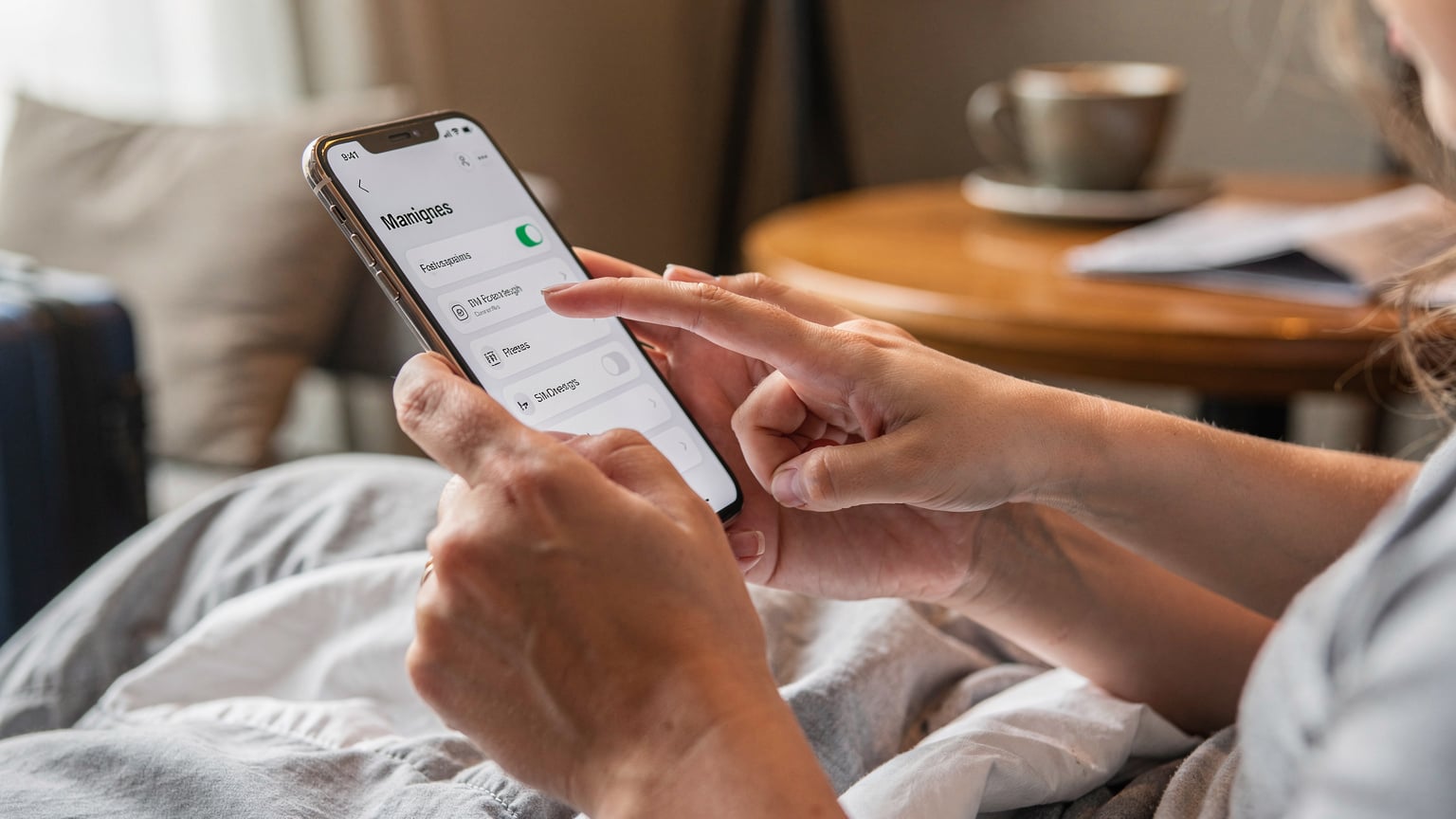
This is a big one for me. While an eSIM provides the data, managing how and when the kids use it is a separate, but equally important, consideration. My primary phone with the eSIM acts as our family's digital hub. I rely heavily on Apple's Screen Time features and Google's Family Link to set limits. These tools work irrespective of the data source, as long as there is an internet connection. The beauty of an eSIM is that it gives me that connection wherever we are.
On our last trip to Phuket, I noticed that connectivity inside theme parks, like the Carnival Magic, could be a bit spotty with some local providers. This is where a strong primary network for your eSIM really shines. If your main phone has a robust connection, you can often hotspot to the kids' devices, ensuring they stay connected for those pre-approved games or educational apps without them needing their own dedicated SIM. This also means their devices aren't consuming data independently, giving you more control over the total usage and simplifying monitoring.
For example, with a Cellesim plan, I can easily monitor my primary data usage and top up if needed. Then, using my iPhone's Personal Hotspot, I can share that data with the kids' iPads. On their iPads, I've already set up strict Screen Time limits, including app restrictions and downtime schedules. This way, the eSIM is merely the pipe, and my parental control tools do the heavy lifting of content and time management. It's a much more elegant solution than trying to manage individual SIMs in their devices.
This also extends to scenarios like cruise ships. While many cruises offer their own Wi-Fi packages, they can be incredibly expensive and often unreliable. Having a robust eSIM solution for port days means you're not reliant on the ship's patchy internet for navigating ashore or communicating with family members who might be exploring independently. I always make sure we have enough data to handle essential communications and navigation when we're off the ship, regardless of what the cruise line offers.
Connectivity in Indonesia: What to Expect
Indonesia's mobile network infrastructure is surprisingly good in major tourist areas like Bali, Jakarta, and parts of Lombok. You'll primarily find coverage from operators like Telkomsel, XL Axiata, and Indosat Ooredoo. Telkomsel is generally considered the most extensive, especially if you plan to venture into more rural areas or between islands. Most modern eSIMs, including those from Cellesim, partner with these major local carriers to provide the best possible coverage.
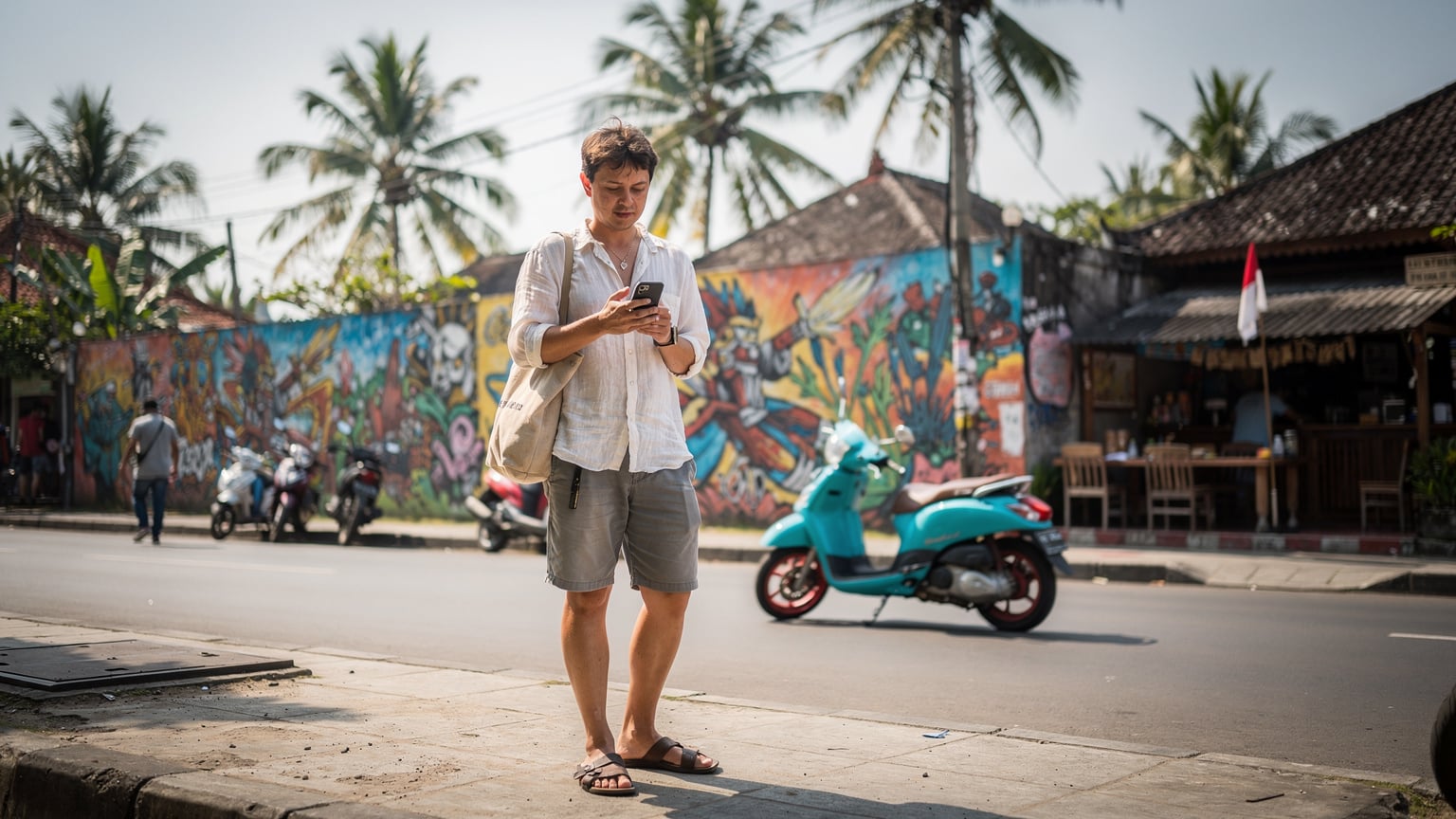
However, once you leave the bustling hubs for places like the Gili Islands or some of the more remote parts of Flores, connectivity can become more challenging. Expect slower speeds, and occasional dead zones. This is where pre-downloading offline maps and entertainment becomes absolutely critical. Even with the best eSIM, there will be moments where you're off the grid, and those pre-loaded episodes of Bluey on the iPad will save the day.
I’ve found that even in relatively remote spots in Bali, like certain beaches in Uluwatu or tucked-away yoga retreats in Munduk, 4G coverage is generally available, albeit sometimes with fluctuating speeds. If you're concerned about specific destinations, a quick search on a coverage map for Telkomsel will give you a good indication. For reliable connectivity, especially for tasks like booking Grab (their version of Uber) or Gojek, which are indispensable for getting around, a strong data connection is paramount. For general queries about travel connectivity, our FAQ page has a lot of useful answers.
Making the Final Choice: A Family-Focused Verdict
For French families travelling to Indonesia, the clear winner is a pre-purchased eSIM from a global provider like Cellesim. The convenience, cost predictability, and immediate connectivity on arrival simply outweigh any potential slight price advantage a local SIM might offer, especially when you're managing multiple devices and children.
When selecting your Cellesim Indonesia eSIM, prioritise plans with a generous data allowance. For a family with two streaming-inclined children and active parents, I'd suggest starting with a plan that offers at least 40-50 GB for a 7-10 day trip. Remember, you can always top up if needed, but it's better to start with more than you think you'll use. Look for plans that offer good coverage with Telkomsel, as they are the dominant network in Indonesia and will give you the best chance of staying connected across various regions.
One minor downside to consider with global eSIMs is that they typically provide data-only services. This means you won't get a local Indonesian phone number. For most tourists, this isn't an issue, as WhatsApp is the primary communication method in Indonesia, and your existing French number will still work for calls and texts if you're willing to pay roaming charges (or you can rely on Wi-Fi calling). For me, it's a small trade-off for the overwhelming benefits of a hassle-free data experience.
Ultimately, a well-chosen eSIM isn't just a technical detail, it's a fundamental part of your family's travel strategy. It empowers you to navigate confidently, keep the kids entertained, and stay connected with loved ones, all without the stress of unexpected bills or frantic airport hunts. It's one less thing to worry about, letting you focus on the magic of Indonesia.
Frequently Asked Questions
What is the typical data usage for a family of four in Indonesia?
For a family of four, including two children who stream videos, you should budget at least 20-30 GB of data per week, per device. This accounts for streaming, online gaming, navigation, and general browsing. Pre-loading content helps reduce this, but a generous plan is always recommended.
Can I use parental control features with an eSIM in Indonesia?
Yes, parental control features like Apple's Screen Time or Google's Family Link work independently of your data source. As long as your device with the eSIM has an internet connection, these controls will function normally. You can also hotspot from your main phone to control data usage on kids' devices.
Is Wi-Fi widely available in Indonesian hotels and cafes?
Most hotels, guesthouses, and cafes in popular tourist areas of Indonesia, especially Bali, offer free Wi-Fi. However, the speed and reliability can vary significantly. An eSIM provides a more consistent and personal connection, vital for navigation or keeping kids entertained during transit.
What are the best local Indonesian networks for eSIM compatibility?
Global eSIM providers like Cellesim typically partner with major Indonesian carriers such as Telkomsel, XL Axiata, and Indosat Ooredoo. Telkomsel generally offers the most extensive coverage, particularly outside the main cities, making it a reliable choice for family travel across the archipelago.
How does an eSIM impact my French phone number while in Indonesia?
An eSIM for Indonesia provides a separate data connection. Your original French phone number remains active on your primary SIM (if your phone supports dual SIMs, which most modern smartphones do). You can continue to receive calls and texts on your French number, though roaming charges from your French carrier may apply. For cost-effective communication, use data-based apps like WhatsApp.
Can I use my eSIM on a cruise ship around Indonesia?
While on a cruise ship at sea, your eSIM will likely not provide connectivity unless you are very close to shore. Cruise ships usually offer their own satellite Wi-Fi packages, which are often expensive. However, an eSIM is highly valuable for connectivity when your ship is docked at a port in Indonesia, allowing you to use data for navigation and communication ashore.