Local Telkomsel Tourist eSIM: The Traditional Route
For decades, the go-to connectivity solution for visitors to Indonesia, especially those venturing beyond the immediate vicinity of Jakarta or Bali, has been a local SIM card from Telkomsel. They've traditionally boasted the broadest network, reaching even some of the more remote islands. If you've spent any time at all in Indonesia, you'll have seen their distinctive red and white branding everywhere, from roadside kiosks in Yogyakarta to official stores in Surabaya's Tunjungan Plaza.
The process of getting a Telkomsel Tourist SIM has evolved. It used to be a simple affair: walk into any mini-market, hand over some Rupiah, and you were good to go. Then came the mandatory IMEI registration for foreign phones, a well-intentioned but often frustrating hurdle designed to curb the grey market for imported devices. I remember spending two hours at a Telkomsel Grapari store in Jakarta's Thamrin district once, just trying to get my newly unlocked iPhone 12 Pro registered, complete with passport scans and customs forms. It felt like I was applying for a visa all over again, not just buying data.
Today, Telkomsel offers a dedicated tourist eSIM. You can pre-order it online or purchase it upon arrival. The official line is that it simplifies the registration process, but you still need to present your passport and complete some form of validation. While it avoids the physical SIM swap, it doesn't entirely bypass the bureaucratic steps that can eat into your precious travel time, especially if you land during peak hours at Ngurah Rai or Soekarno-Hatta (CGK). Expect queues if you're trying to set this up between 9 AM and 5 PM, which is when most flights arrive and the counters are fully staffed.
Travel eSIM for Indonesia: The Modern Alternative
This is where travel eSIMs like those from Cellesim really shine. The core promise is simplicity: buy, scan, connect. There's no physical SIM card to worry about, no airport kiosks, and crucially, no passport registration. You can often purchase and activate a plan before you even leave home, landing in Denpasar or Jakarta with your phone already connected. This means you can immediately call a Grab or Gojek ride from the airport, navigate to your hotel in Canggu, or message friends without scrambling for airport Wi-Fi.
I've used travel eSIMs extensively across Southeast Asia, from buying Cosmote eSIM Greece plans for family trips to relying on local options for quick hops around Vietnam. The convenience factor is immense. Imagine stepping off a 16-hour flight from New York, clearing customs, and instantly having data to order a taxi in Bahasa Indonesia or check your Airbnb details, all before even leaving the terminal. That alone, for me, justifies a premium sometimes. The freedom from the physical SIM card also means you don't risk losing your home SIM, a mistake I made once in Medellín that took days to rectify.
Many travel eSIM providers, including Cellesim, partner with local networks like Telkomsel or XL Axiata to offer robust coverage. This means you're generally getting access to the same infrastructure as local users, but without the hassle. The plans are typically data-only, which is fine for most travelers who rely on messaging apps like WhatsApp or Line for calls and texts.
Cost Per Gigabyte: A Deep Dive into Value
For budget travel, every Rupiah counts. The cost per gigabyte (GB) is often the deciding factor for many. Telkomsel's local tourist eSIMs can appear cheaper on the surface, especially if you're buying large data packages directly in-country. However, there are nuances to consider.
Local Telkomsel plans for tourists often come bundled with social media data or specific app allowances that might not align with your actual usage. For instance, you might get a massive 50GB package for 150,000 IDR (around 10 USD), but only 10GB is for general internet use, with the rest locked to Facebook or TikTok. If you're planning on heavy Google Maps usage or streaming, that 10GB can vanish quickly.
Travel eSIMs, on the other hand, typically offer straightforward data bundles: 5GB is 5GB, no hidden restrictions. While the sticker price might be slightly higher for a comparable amount of data, the clarity and lack of surprise charges often mean better actual value. It's similar to how some 256 kbps eSIM Speed plans can be surprisingly effective for budget travelers, even if they seem slow on paper.
| Feature | Telkomsel Tourist eSIM | Cellesim Travel eSIM (Indonesia) |
|---|---|---|
| Purchase Location | Airport kiosks, Grapari stores, online pre-order | Online, pre-departure |
| Price per GB (Estimated) | Starts around 15,000 IDR/GB (approx. $1 USD), often with specific app bundles | Starts around $1.50 - $2.50 USD/GB (straight data) |
| Initial Setup Time | 15-60 minutes (includes queues, registration) | 5-10 minutes (QR code scan) |
| Required Documents | Passport, potentially IMEI registration | None beyond online purchase details |
| Local Number | Yes | No (data-only) |
Activation and Convenience: Getting Connected Without the Hassle
This is where the rubber meets the road. For me, after a long-haul flight, the last thing I want to do is navigate a foreign bureaucracy. The Telkomsel Tourist eSIM, while a step up from physical SIMs, still requires some interaction upon arrival. You'll typically find Telkomsel counters at major airports like Ngurah Rai, open from roughly 7 AM to 10 PM. Outside these hours, or at smaller regional airports, your options might be limited until you find a Grapari store in a city like Bandung or Makassar.
My experience getting a local SIM in Vietnam for a short trip through Hoi An and Da Nang was particularly frustrating. The kiosk at Da Nang International Airport was understaffed, and the agent struggled with my American passport, leading to a 45-minute delay right when all I wanted was to get to my hotel. With a travel eSIM, I could have activated it on the plane during descent, ready to go the moment the wheels touched down.
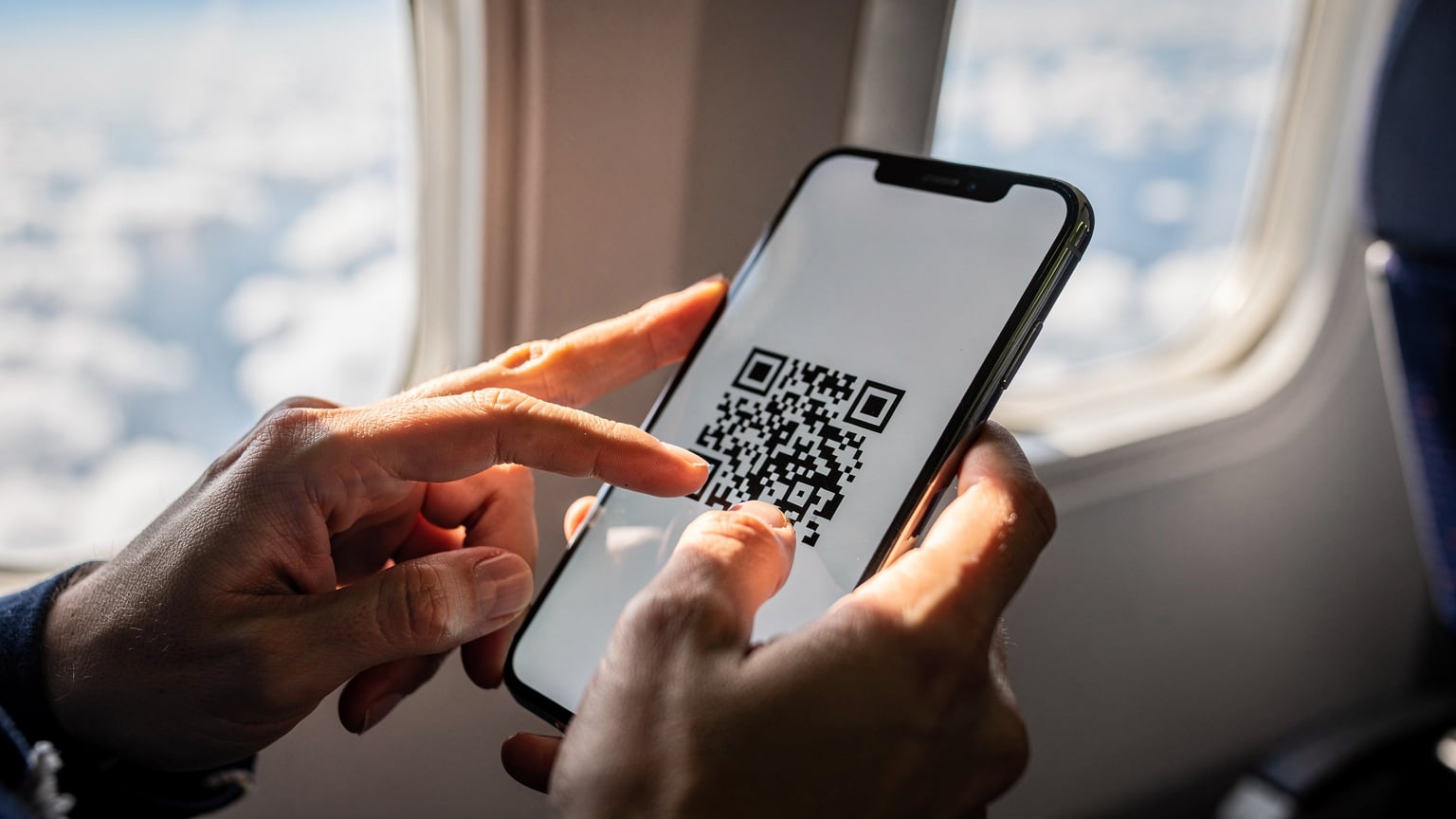
The Cellesim process is genuinely simple. You receive a QR code, scan it with your eSIM-compatible phone (most modern iPhones and Android flagships support this, check Which Mobile Companies Support eSIM in 2024? for a comprehensive list), and follow a few on-screen prompts. That's it. No queues, no language barriers, no handing over your passport to a stranger. This pre-arrival setup is a huge mental load off, especially for those who value seamless transitions from air to ground.
Coverage and Speed: Where Do They Stack Up?
Telkomsel is Indonesia's largest mobile operator, and their network coverage is generally considered the best, especially outside major urban centers and popular tourist hubs. If your itinerary takes you deep into Kalimantan, or exploring the lesser-known islands of Nusa Tenggara, a direct Telkomsel connection might be your safest bet. They've invested heavily in their infrastructure, and you'll find 4G (and increasingly 5G) coverage in places where other carriers might struggle.
However, for the vast majority of tourists sticking to places like Bali (Ubud, Seminyak, Canggu), Lombok, the Gili Islands, or major cities like Jakarta, Surabaya, and Medan, the difference in practical coverage is often negligible. Travel eSIMs typically roam on one of Indonesia's major networks, often Telkomsel itself or XL Axiata. Both offer very good coverage and speed in these popular areas.
I've personally used Cellesim's Indonesia eSIM plans and found the speeds perfectly adequate for everything from video calls back home to streaming Netflix on a rainy evening in a Canggu villa. Unless you're an extreme off-the-beaten-path explorer, you're unlikely to notice a significant degradation in service with a travel eSIM.

My Verdict: Who Should Pick Which?
After years of wrestling with local SIMs and embracing the eSIM revolution, my recommendation is clear, but with a slight nuance. For the vast majority of travelers heading to Indonesia, a travel eSIM like Cellesim is the smarter, more convenient choice. The minimal difference in cost is more than offset by the immense savings in time, hassle, and potential frustration.
Choose a Cellesim Travel eSIM if:
- You prioritize convenience and want to be connected the moment you land.
- You're staying in popular tourist areas like Bali, Lombok, or major cities.
- You prefer a clear, data-only plan without confusing bundles.
- You want to avoid airport queues and passport registration hassles.
- Your trip is relatively short, say 2 weeks or less.
Consider a Telkomsel Tourist eSIM (local SIM) if:
- You plan to travel to very remote parts of Indonesia where only Telkomsel has reliable signal.
- You absolutely need a local Indonesian phone number for calls and texts (though many local businesses communicate via WhatsApp).
- You're staying for an extended period, perhaps several months, and need to top up frequently at local rates.
- You are comfortable with a little local bureaucracy and potential queues.
Ultimately, the small premium you might pay for a travel eSIM is an investment in your peace of mind. For me, that's a cost I'm always willing to absorb when I'm traveling, especially when getting around the intricate transit systems of a new country. After all, having immediate access to Google Maps to find the nearest ATM or translate a menu in a bustling Jakarta warung is priceless.
Frequently Asked Questions
Do I need a local SIM card in Indonesia?
While not strictly necessary with a travel eSIM, a local SIM from Telkomsel or XL Axiata provides a local Indonesian phone number, which can be useful for certain local services or calling domestic numbers. However, for most tourist needs, a data-only eSIM that supports messaging apps for communication is sufficient.
Can I get a Telkomsel eSIM as a tourist?
Yes, Telkomsel offers a tourist eSIM. You can typically pre-order it online or purchase it at official counters upon arrival at major international airports like Ngurah Rai (Denpasar) or Soekarno-Hatta (Jakarta). Be prepared for passport registration and potential queues.
How long does a Telkomsel tourist eSIM last?
Telkomsel tourist eSIM plans usually come with validity periods ranging from 15 to 30 days, depending on the package you choose. Some may offer extensions, but these often require visiting a Grapari store.
Is IMEI registration required for a tourist eSIM in Indonesia?
For local Indonesian SIM cards and Telkomsel's tourist eSIM, IMEI registration is typically required to ensure your phone functions fully on the local network for an extended period. Travel eSIMs from international providers bypass this requirement as they are considered roaming services.
What is the coverage like for Telkomsel versus other providers in Indonesia?
Telkomsel generally boasts the widest and most reliable coverage across the Indonesian archipelago, including more remote areas. Other providers like XL Axiata offer excellent coverage in major cities and popular tourist destinations like Bali, but may have gaps in very rural regions. Travel eSIMs typically use one of these major networks.
Can I use my Cellesim travel eSIM for calls in Indonesia?
Cellesim travel eSIMs for Indonesia are generally data-only. This means you won't have a local Indonesian phone number for traditional calls and texts. However, you can easily make calls and send messages using data-based apps like WhatsApp, FaceTime, or Telegram, which is how most travelers communicate these days.