Portuguese is the Only Official Language
Don't bother with Spanish here; it won't get you very far. Sure, many Brazilians pick up a little Spanish because of neighboring countries, but they speak Portuguese. And they really appreciate it when you make an effort to speak their language. I've seen travelers get totally flustered trying to force Spanish, only to find smiles and patience once they tried a few broken Portuguese phrases.
Why Learning a Few Phrases Helps
Even simple greetings like "Olá" (hello), "Obrigado/a" (thank you, remember it's gendered), and "Por favor" (please) make a huge difference. Seriously, download an offline translator app. Google Translate with offline packs is my go-to. It's not just polite; it's genuinely useful, especially when you're trying to figure out a menu in a small beach town or haggle at a market. Also, remember that Brazilian Portuguese has its own sound, so don't expect a European accent.
It is a Continent-Sized Country
Brazil is enormous. It's the fifth largest country in the world by area. This isn't a place where you can just zip between major cities in a couple of hours. Distances are huge, and travel times reflect that. When you're planning your trip, think of it like crossing a continent, not just a single country.
Travel Logistics and Internal Flights
Internal flights are often the only practical way to cover long distances, say, from São Paulo all the way to Manaus. Buses are great and usually comfortable for shorter regional trips (like Rio to São Paulo), but a cross-country bus ride could easily take a full day or two. Factor this into your budget and time. I once tried to bus from Salvador to Foz do Iguaçu, and let's just say my back and my sanity were both seriously tested. Trust me, stick to flights for anything over 1000 km.
The Electricity Voltage is a Mess
This one catches everyone by surprise, and it's a real headache for digital nomads. Unlike most countries with a single standard, Brazil uses both 127V and 220V. And it's not even consistent by region; sometimes it changes block by block in the same city. I've definitely fried a hairdryer or two.
How to Avoid Frying Your Electronics
Always, always check the outlet voltage before plugging in anything important. Most modern electronics, like laptops and phone chargers, are dual-voltage (100-240V), so they're usually fine, but smaller appliances might not be. Look for the label on your device. The standard plug is Type N, a three-pronged plug, though you'll still find some older Type C (Europlug) sockets. Carry a universal adapter, but pay extra close attention to the voltage. I've learned to travel with a small, inexpensive surge protector that has USB ports. It offers a little extra peace of mind at co-working spaces or older Airbnbs.
PIX is King for Payments
Cash is on its way out, cards are accepted, but PIX, Brazil's instant payment system, is absolutely everywhere. It's fast, free, and everyone uses it. From street vendors to major supermarkets, PIX is the way to pay. The catch? You usually need a local bank account or a Brazilian CPF (tax ID) to set it up.
Navigating Payments Without a Local Account
This is where it gets a bit tricky for short-term visitors. If you're staying longer and manage to get a local bank account, PIX will simplify your life immensely. For shorter trips, rely on credit cards (Visa and Mastercard are widely accepted; American Express less so) and keep a small amount of cash for smaller purchases or places off the beaten path. Always tell your bank you're traveling to Brazil to avoid fraud alerts. Some local apps, especially for ride-sharing or food delivery, might push PIX, so having a card ready as a backup is crucial. I used to pull cash from ATMs all the time, but with PIX, even those are becoming less common in some areas. Be aware that some Brazilian apps, especially for banking or government services, will absolutely demand a local SIM card for OTP (One-Time Password) verification. So, an eSIM is a must if you plan to really dig into local services.
Connectivity is Crucial, and eSIMs Are a Game-Changer
You absolutely need mobile data here, especially in bigger cities. GPS, ride-sharing, food delivery, WhatsApp, all of it needs a stable connection. While Wi-Fi is available in many cafes and hotels, it's often unreliable or slow. Don't underestimate how important a solid data plan is for getting around and managing your day.
Getting Connected: eSIMs vs. Local SIMs
For years, getting a local SIM card in Brazil was a bureaucratic nightmare. It usually required a CPF and a lot of waiting. Thankfully, eSIMs have completely changed the game. You can buy a Cellesim Brazil eSIM online before you even land, with plans starting at just $1.05 and over 24 options available. You can activate it instantly. This means you have data the moment your plane touches down, which is incredibly useful for ordering an Uber from the airport or letting your hostel know you've arrived. The best part? Cellesim supports SMS. This is crucial for those OTP verifications some local services require (even if you can't get a full local bank account, having SMS access is a lifesaver for many apps). No more hunting for a Claro or Vivo store, battling queues, or dealing with paperwork. It's the only way I do it now, especially after a particularly frustrating experience trying to activate a physical SIM in a small town outside of Florianópolis.
| Connectivity Option | Pros | Cons |
|---|---|---|
| Cellesim eSIM | Instant activation, wide range of plans, SMS for OTP, no local registration needed, data upon landing. | Requires eSIM-compatible phone, initial setup can be unfamiliar for first-timers. |
| Local Physical SIM (Claro, Vivo, TIM) | Potentially cheaper for very long stays, full local number integration. | Bureaucratic (CPF often required), activation delays, stores can be hard to find, language barrier. |
| International Roaming | Convenient, uses your home number. | Extremely expensive, throttled speeds, not practical for anything beyond emergencies. |
| Public Wi-Fi | Free. | Unreliable, slow, security risks, not always available when needed. |
The Food is More Than Just Churrasco
While the all-you-can-eat steakhouses (churrascarias) are famous, Brazilian cuisine is incredibly diverse. It really shows off its indigenous, African, and European influences. From the fresh seafood of the Northeast to the German-influenced South, there's a whole world of flavors waiting for you.
Must-Try Local Delicacies
Don't leave without trying feijoada, a rich black bean and pork stew, traditionally served on Wednesdays and Saturdays. Pão de queijo (cheese bread) is a ubiquitous snack that's perfect with coffee. For something lighter, grab an açaí bowl, especially if you're near the beach. In Salvador, seek out acarajé, a deep-fried bean cake filled with shrimp and spicy vinaigrette, sold by baianas in their traditional dresses. I still dream about the feijoada I had at Bar do Mineiro in Santa Teresa, Rio. It's the kind of place where locals just hang out for hours.
Football (Futebol) is a Religion
It's not just a sport here; it's a way of life, a national obsession. The passion is absolutely palpable, whether you're watching a live match or catching it in a bar. Even if you're not a fan, try to experience a game. It's truly something else.
Experiencing a Match
Attending a live match at Maracanã Stadium in Rio or Allianz Parque in São Paulo is an unforgettable experience. The energy, the chants, the sheer joy (or despair) of the crowd is incredible. If you can't get tickets, find a local bar, order a Brahma, and join the crowd. Just be mindful of local rivalries, especially during big derby games.
Carnival is Serious Business
Carnival is legendary, and for good reason. But it's more than just a party; it's a complex, huge event that needs serious planning if you want to really experience it. And no, it's not just in Rio.
Planning Your Carnival Experience
If you're coming for Carnival, book your flights and accommodation months in advance. Prices will skyrocket, and availability becomes extremely scarce. In Rio, you have the grand parades at the Sambadrome and the lively street parties (blocos). Salvador's Carnival is famous for its massive street parades with 'trios elétricos' (sound trucks). Each city offers a completely different vibe. Be prepared for huge crowds, intense heat, and a lot of walking. Stay hydrated! And for the love of all that is good, secure your phone and wallet. I've seen countless phones disappear into the revelry, so consider bringing a temporary phone for the worst of the crowds, or at least a very secure fanny pack.
Visa Requirements Vary Wildly
Depending on your nationality, you might need a visa to enter Brazil, or you might be able to enter visa-free for a specific period. This is definitely not something to put off until the last minute.
Checking Your Specific Visa Needs
Always check the latest visa requirements with the Brazilian embassy or consulate in your home country long before your trip. Visa policies can change, and you absolutely don't want to be denied entry at the airport. For long-term stays (over 90 days), getting a digital nomad visa or other long-stay permit is a complex process with lots of paperwork, often involving multiple visits to federal police. Don't expect to just extend a tourist visa indefinitely; Brazil is strict about this. My friend from the US almost got stuck because he thought he could just stay an extra month, only to realize his visa-free entry was capped at 90 days with no easy extension without leaving the country.
The Brazilian Real is the Currency
The local currency is the Brazilian Real (BRL), shown as R$. While cards are widely accepted, especially in urban areas, it's always smart to have some cash on hand for smaller purchases, street vendors, or tipping.
Exchanging Money and Using ATMs
Avoid exchanging large amounts of money at airport exchange booths; their rates are usually terrible. ATMs (caixas eletrônicos) are common, but stick to those inside banks or shopping malls for security. Be aware of daily withdrawal limits and potential fees from both your bank and the local ATM. When you use your cards, always choose to be charged in BRL to get a better exchange rate from your own bank. For a rough idea of living costs, expect rent for a decent one-bedroom apartment in a good neighborhood in Rio (like Botafogo or Flamengo) to be around R$3,000-5,000 per month. In a city like Curitiba, you might find something for R$1,500-2,500. Food and daily expenses for a solo traveler in Rio could easily hit R$2,000-3,000 per month, not counting big entertainment.
Safety Requires Street Smarts
Just like any big country, Brazil has its safety concerns, especially in large cities. Most visits are trouble-free, but it's crucial to use common sense and be aware of your surroundings.
Practical Safety Tips
Don't flash expensive jewelry or electronics, particularly in crowded areas. Use ride-sharing apps (Uber, 99) instead of hailing taxis directly off the street, especially at night. Be careful with your phone; it's a common target for snatching. Avoid walking alone in unfamiliar areas after dark. If you're out for Carnival or a bloco, leave your main phone at home and carry an old burner phone. It sounds extreme, but it's a tip I got from a local, and it saved me a lot of grief. In São Paulo, I've always found the area around Av. Paulista to be very safe, even late at night, especially near co-working spots like Impact Hub or WeWork Berrini, but that doesn't mean you should be careless.
The Coffee Culture is Deep
Brazil is the world's largest coffee producer, and coffee is more than just a drink here; it's a ritual. From a strong, small espresso (cafezinho) to various filtered brews, coffee is a huge part of daily life.
Enjoying Brazilian Coffee
Expect strong, dark coffee, often served with sugar already added. While specialty coffee shops are popping up more in places like São Paulo and Belo Horizonte, the traditional cafezinho is still king. I often start my day at a local padaria (bakery) with a pão de queijo and a cafezinho. It's a simple pleasure that really gets me settled before a day of work. For reliable Wi-Fi and good coffee, I often hit up Sofá Café in Pinheiros, São Paulo, or Curto Café in Centro, Rio. Both have solid connections for video calls and a steady stream of good coffee.
Taxis and Ride Shares Are Ubiquitous
Getting around major cities is usually easy thanks to a good network of taxis and the widespread use of ride-sharing apps.
Navigating Urban Transport
Uber and 99 (a popular local app) are very commonly used and generally reliable in major cities. Always confirm your destination and the price before getting into any taxi. Public transport, like the metro in Rio and São Paulo, is efficient and a great way to skip traffic. For longer journeys, consider intercity buses; they're surprisingly comfortable. Just remember, traffic in cities like São Paulo can be brutal, so add extra travel time, especially during peak hours. I've spent more hours than I care to admit stuck on Avenida Brasil in Rio.
Nature is Everywhere
Beyond the beaches and cities, Brazil boasts incredible biodiversity. We're talking everything from the Amazon rainforest to the Pantanal wetlands and the Chapada Diamantina mountains. It's a true paradise for nature lovers.
Exploring Brazil's Natural Wonders
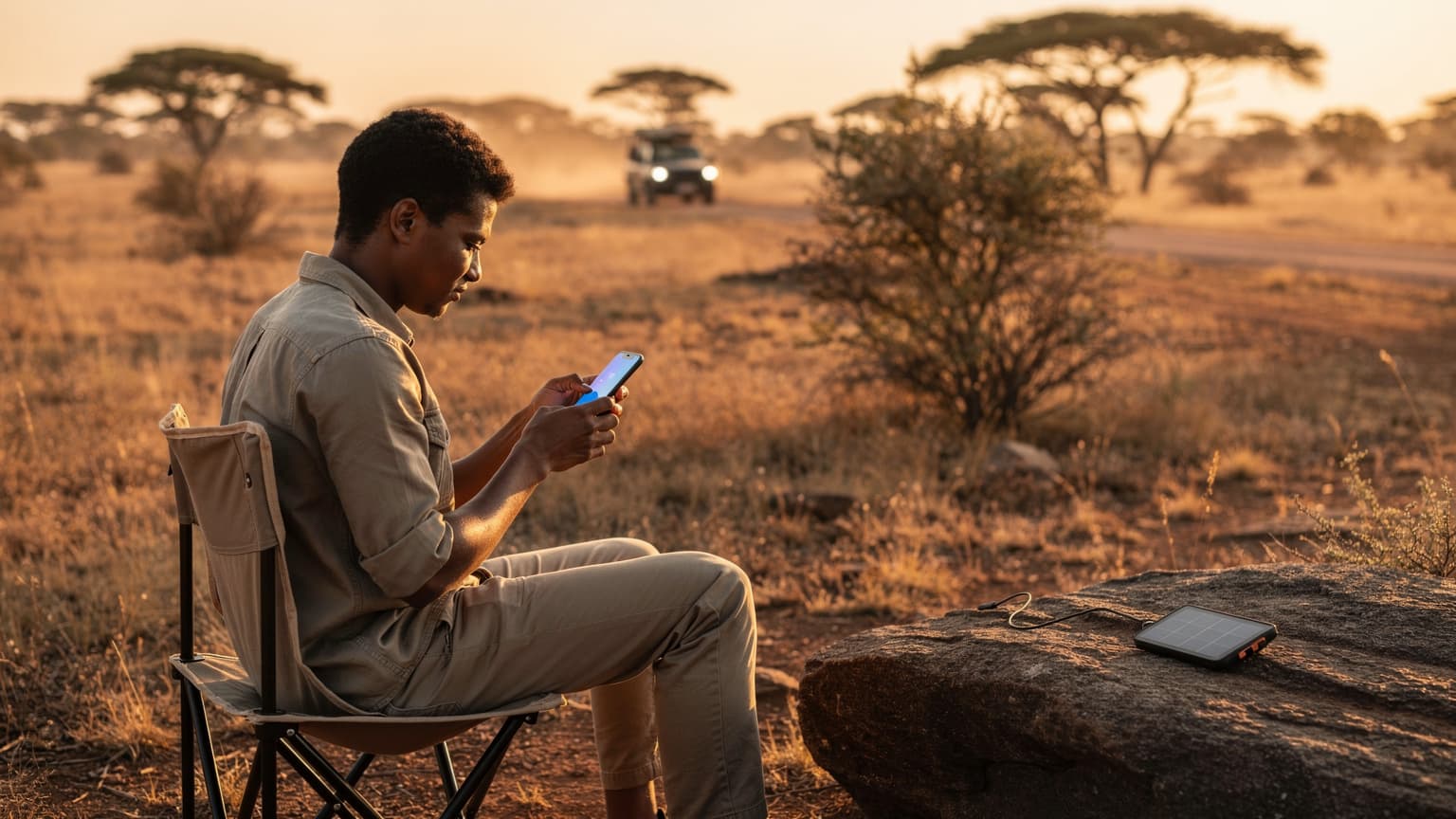
If you have the time, venture beyond the urban centers. The Amazon offers unparalleled wildlife viewing, while the Pantanal is famous for jaguars and diverse birdlife. The Iguaçu Falls, right on the border with Argentina, are simply breathtaking. Just remember to pack the right gear, including plenty of insect repellent, and consider hiring a local guide for any serious wilderness excursions. Being prepared with reliable connectivity is key even in remote areas, as many guides rely on WhatsApp for coordination.
Expect Warmth, Not Just the Weather
Brazilians are generally known for being warm, hospitable, and having a relaxed attitude. Don't be surprised if strangers strike up conversations, or if a simple interaction turns into a friendly chat.
Embracing the Local Culture
Be open to connecting with locals. A smile and even a small attempt at Portuguese will go a long way. Brazilians are often very expressive, using gestures and physical contact more than some other cultures. Embrace the slower pace of life, especially outside of the busy business centers. While punctuality is appreciated, things often run on "Brazilian time," which means a bit more flexibility. It's part of the charm, and something you learn to adapt to when you're there for months at a time, just like I did waiting for my laundry to finish at the lavanderia near my flat in Lapa.
Frequently Asked Questions
Do I need to speak Portuguese to visit Brazil?
While knowing Portuguese is highly recommended and appreciated, especially basic phrases, you can get by in major tourist areas with English. However, venturing off the beaten path will require more effort, and translation apps are a lifesaver. Don't expect widespread English proficiency.
Is Brazil safe for tourists?
Brazil, like any large country, has areas with higher crime rates. Major tourist destinations are generally safe if you practice common sense. Avoid displaying valuables, be aware of your surroundings, and use reputable transportation. Research specific city neighborhoods beforehand.
What's the best way to stay connected in Brazil?
For hassle-free connectivity, an eSIM like Cellesim is highly recommended. It offers instant activation and data upon arrival, bypassing the need for local SIM registration which often requires a CPF. Cellesim Brazil eSIMs start at $1.05 with 24+ plans, and support SMS for OTP/verification, which is crucial for many local apps.
What payment methods are common in Brazil?
Credit and debit cards are widely accepted in urban areas. However, PIX, Brazil's instant payment system, is dominant for local transactions but typically requires a local bank account or CPF. Always carry some Brazilian Reais (BRL) for small purchases and vendors.
What should I know about Brazilian electricity?
Brazil uses both 127V and 220V, varying by region and sometimes even within a city. Always check the voltage before plugging in devices. Most modern electronics are dual-voltage, but small appliances may not be. The standard plug is Type N, so a universal adapter is essential.