Brazil Safety Snapshot 2026: What You Need to Know
Brazil is a huge country, and safety can really change from one city or state to the next. Generally, big cities like Rio de Janeiro, São Paulo, and Salvador see more street crime, things like pickpocketing and muggings, especially in popular tourist spots and after dark. Smaller towns and rural areas often feel safer, but they come with their own issues, like less reliable infrastructure or fewer emergency services. My approach, after staying in hundreds of hostels, is to always assume there's a basic level of risk, especially once the sun goes down.
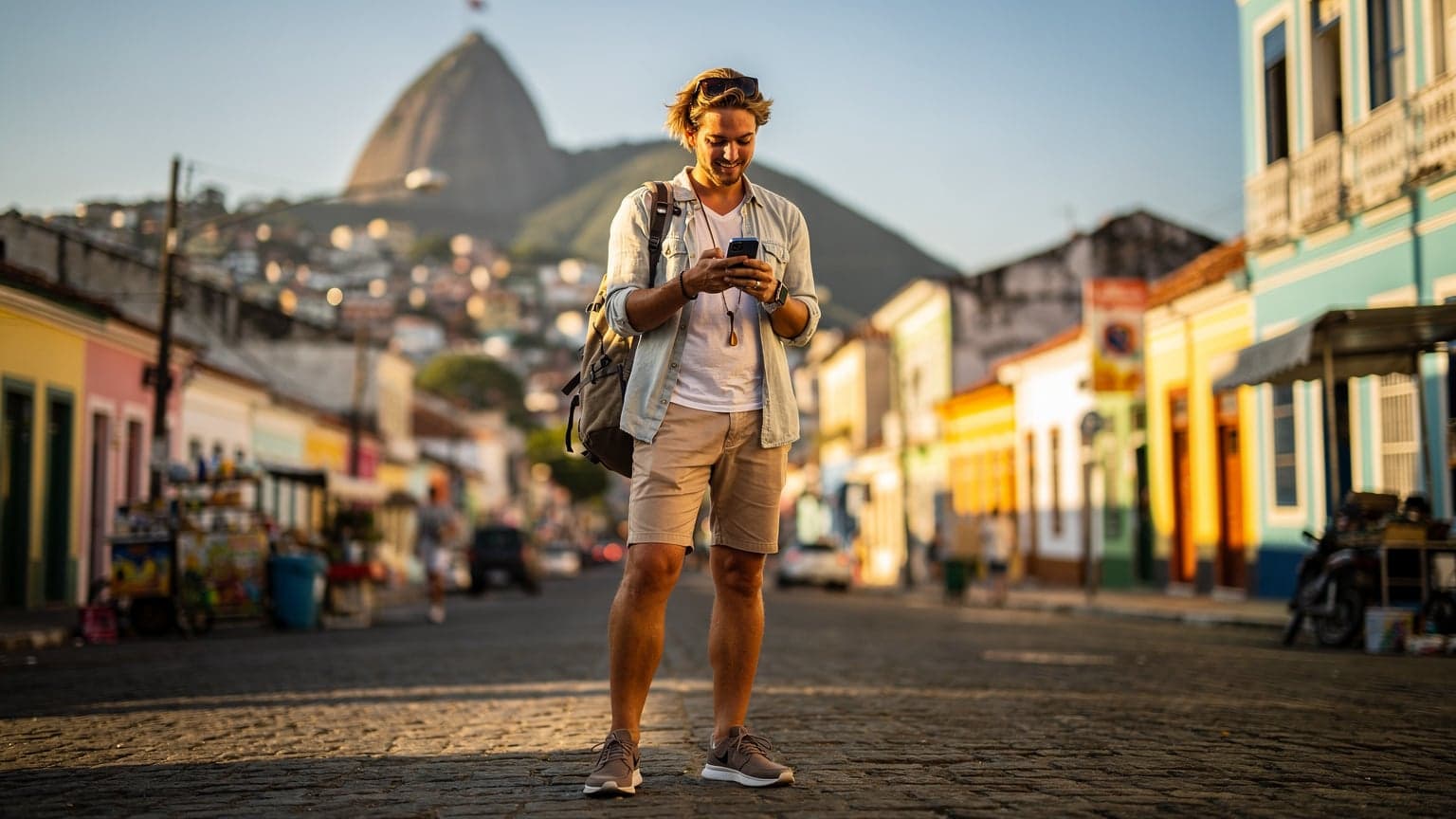
Take Rio, for example. Copacabana and Ipanema are beautiful, but they're also known for opportunistic theft. You definitely don't want to be showing off a new iPhone 15 Pro Max there, trust me. Keep your phone out of sight and use it quickly and discreetly. Other parts of Zona Sul, a bit further from the main tourist beaches, can feel more relaxed, but still require common sense. It's all about enjoying your trip while staying alert, a lesson I unfortunately learned in Buenos Aires, but that's a story for another time.
| City/Region | Typical Concerns | Traveler Advisory |
|---|---|---|
| Rio de Janeiro | Street theft, express kidnappings, beach scams, favela tourism risks. | High vigilance, avoid displaying valuables, use registered taxis/rideshares. |
| São Paulo | Pickpocketing, cell phone theft, ATM scams, traffic-related crime. | Be wary in crowded areas, especially downtown and around bus terminals. |
| Salvador | Pickpocketing, street crime in Pelourinho at night, tourist-targeted scams. | Stick to well-lit, populated areas, especially after dark. |
| Northeast Coast (e.g., Fortaleza, Recife) | Beach theft, opportunistic crime, especially in isolated areas. | Secure belongings on beaches, travel in groups, research specific areas. |
| Amazon Region (e.g., Manaus) | Riverboat theft, isolated incidents, health risks (mosquito-borne diseases). | Book reputable tours, ensure vaccinations are up-to-date, carry insect repellent. |
Understanding Crime Trends in Brazil
While Brazil is working to improve public safety, crime rates, especially for property theft, can go up and down. It's not about being paranoid, it's about being prepared. Travelers should focus on preventing trouble, not just reacting to it. This means protecting not only your physical stuff but also your digital life. Losing your phone isn't just losing the device; it means losing access to maps, banking apps, and contact info, which can quickly ruin a trip.
When I was last in Brazil for a month, I spent about €280 on data for things like navigation, booking hostels, and keeping up with my Substack. That was roughly 40GB in total, or about 1.3GB per day. Knowing that kind of number helps you budget for your eSIM or local SIM. Don't cheap out on staying connected; it's a vital safety tool.
Entry Requirements for Brazil: Visas, Vaccines, and More
Getting into Brazil is usually pretty easy for many nationalities, but you absolutely need to check the specific requirements for your passport far in advance. Visa rules can change, and you really don't want to get stuck at the border or, even worse, be denied boarding your flight. I've seen travelers turned away at São Paulo-Guarulhos airport because they didn't have the right visa, and that's a very expensive mistake.
Visa Requirements for US and Other Travelers
For US citizens, an e-visa system is typically available, which makes the whole process much simpler than applying at an embassy. But always double-check this on the official Brazilian government website or through your own country's embassy. Other nationalities, especially from neighboring South American countries, often don't need a visa at all. Just make sure to confirm your specific situation.
- Check official sources: Look at the Brazilian Ministry of Foreign Affairs website or your national embassy's Brazil travel page.
- Gather documents: You'll usually need a valid passport (with at least six months left before it expires), a return ticket, and proof you have enough money for your trip.
- Apply for e-visa (if needed): Fill out the online application, upload the documents they ask for, and pay the fee. Print out your approved e-visa confirmation.
- Print everything: Keep paper copies of your e-visa, flight details, and hostel bookings. Digital copies are good, but a dead phone means no access.
Health Declarations and Vaccinations
Brazil often requires a Yellow Fever vaccination if you're coming from or passing through certain countries, especially those with a risk of transmission. The Amazon region is a high-risk area. It's smart to have your International Certificate of Vaccination (the Yellow Card) handy. Talk to a travel doctor at least 6-8 weeks before your trip. Besides Yellow Fever, make sure your routine vaccinations are up-to-date, and think about Hepatitis A and B, and Typhoid shots.
Common Scams and How to Avoid Them in Brazil
Scams exist everywhere, not just in Brazil, but knowing the local tricks helps. Most common scams target distracted tourists, often near attractions or public transport. My personal rule: if something seems too good to be true, it absolutely is. And never let anyone "help" you at an ATM unless they're a bank employee inside an actual bank.
The Fake Police or Tourist Trap
This scam involves people pretending to be police officers. They might approach you to check your documents or search your bag for drugs, and then demand a "fine" on the spot. Real Brazilian police usually won't stop you on the street to demand money. If this happens, politely ask for their ID and offer to go to the nearest police station. Do not hand over your passport or wallet. Keep a photocopy of your passport separate from the original.
ATM Skimming and Card Cloning
Be extremely careful at ATMs, especially standalone ones in less secure spots. Check for anything odd on the card slot or keypad. Always cover your hand when you type in your PIN. Even better, use ATMs inside bank branches during business hours, or simply withdraw cash at a reputable bank counter. I personally use Wise or Revolut cards and only put enough money on them for a few days to reduce risk. I also check my transaction history every single day.
Distraction and Pickpocketing
This is a classic. Someone might "accidentally" spill something on you, or a group might try to chat you up while another person picks your pockets. Keep your valuables in a money belt hidden under your clothes, or use anti-theft bags. Don't put your phone or wallet in your back pockets. In crowded places like the Mercado Municipal in São Paulo, or during Carnival in Rio, keep your hands on your bags at all times.
Staying Connected Without Breaking the Bank: eSIM vs. Local SIM
Staying connected in Brazil isn't just convenient, it's a safety essential. You'll need maps, translation apps, emergency contacts, and the ability to call a rideshare. The choice usually comes down to a local physical SIM or an eSIM. For my money, the eSIM typically wins for how easy and flexible it is, especially since I often cross borders.
The eSIM Advantage for Brazil
An eSIM is a digital SIM profile, which means you can buy and activate it before you even land in Brazil. No searching for a local SIM card vendor, no language barriers, and no handing your passport over to a stranger. A Cellesim Brazil eSIM starts at $1.05 and offers over 24 plans, so you can easily find something that fits your data needs without paying too much. Crucially, it supports SMS, which is super important for two-factor authentication on banking apps or confirming online bookings.
| Feature | Cellesim eSIM | Local Physical SIM (Brazil) |
|---|---|---|
| Activation | Instant, before arrival (QR code). | Requires finding a vendor, registration, often in Portuguese. |
| Cost (Entry Level) | Starts at $1.05 (for basic plans). | Typically R$20-R$50 for SIM + initial credit. |
| SMS Support | Yes, for OTP/verification. | Yes, standard. |
| Convenience | High, no physical swap, multi-country travel friendly. | Lower, requires local purchase, passport registration. |
| Security | Lower risk of personal data compromise during purchase. | Requires sharing passport info with vendors. |
Local SIM Card Alternatives
If you prefer a local physical SIM, the cheapest options will come from carriers like Claro, Vivo, or TIM. You'll buy the SIM card (called a "chip") at a phone store, or sometimes even a newsstand or supermarket. Activating it means registering your CPF (Brazilian tax ID) or your passport. This can be a real pain if you don't speak Portuguese, and some vendors are hesitant to register SIMs for foreigners. I've spent hours in small kiosks trying to get a SIM to work, only to find out it needed to be linked to a Brazilian ID. It's a hassle and, honestly, a waste of valuable travel time.
You could, for example, spend R$30 for a Claro SIM and then R$40 for 5GB of data for a week. That's about $14 USD total. Compare that to eSIM affiliate programs where you can actually earn money on your own data usage. I've found Cellesim's plans to be very competitive, especially when you consider the time you save and the peace of mind you get.
Personal Safety in Brazilian Cities and Rural Areas
No matter where you are in Brazil, being extra aware is your best defense. This isn't about being scared, it's about traveling smart. Avoid walking alone at night, especially in places you don't know. If you're out late, use trusted rideshare apps like Uber or 99, or call a licensed taxi.
What to Do If Confronted
The advice here is pretty much the same for many high-risk areas globally: do not fight back. Your life is worth more than any item. Hand over what they ask for, calmly and without any sudden moves. It's smart to carry a "dummy" wallet with a small amount of cash and an expired card to give up if you're mugged, keeping your real wallet hidden. This trick has helped me out a few times.
Safe Practices for Socializing
Meeting new people is a great part of traveling, but be cautious. Never leave your drinks alone, and be wary of strangers who are overly friendly, especially in bars or clubs, as they might try to spike your drink. If you're going out, let someone know your plans. For solo travelers, consider staying in hostels with good reputations, like Selina or Che Lagarto, where it's often easy to find travel buddies for evening outings.
Health Advisories and Medical Preparedness for Brazil
Beyond crime, health is a super important part of travel safety. Brazil has a modern medical system in its big cities, but it can get very expensive for foreigners without insurance. Always travel with comprehensive travel insurance that covers medical emergencies and evacuation.
Mosquito-Borne Diseases
Dengue fever, Zika virus, and Chikungunya are common in many parts of Brazil, especially during the rainy season. Protect yourself with insect repellent that contains DEET or picaridin, wear long sleeves and pants at dawn and dusk, and sleep under mosquito nets if they're available, particularly in the Amazon region. I always carry a small bottle of repellent with me.
Food and Water Safety
Stick to bottled or filtered water. Avoid tap water unless you're absolutely sure it's safe to drink. Be careful with street food, though some of the best food experiences can be found there. Look for stalls that are busy and have clear hygiene practices. Freshly peeled fruits are generally safe, but avoid salads washed in questionable water. My rule is: if it's cooked hot, it's probably fine.
Navigating Transportation Safely: Buses, Taxis, and Rideshares
Getting around Brazil can be an adventure in itself. Public transport, rideshares, and long-distance buses are all common, but each has its own things to consider.
Public Transport in Major Cities
Subways and buses in cities like Rio and São Paulo are usually efficient but can get incredibly crowded, especially during rush hour. These are prime spots for pickpockets. Keep your bag close, ideally in front of you. Avoid using your phone on crowded trains, as snatch-and-grab thefts are common when doors open at stations. I always keep my phone in a zippered inner pocket.
Taxis and Rideshare Apps
Always use registered taxis or rideshare apps like Uber or 99. Don't hail taxis off the street in sketchy areas, especially late at night. With rideshare apps, always double-check the license plate and driver's name before you get in the car. Share your trip details with a friend or family member if you can. I've had drivers in São Paulo try to take a "scenic route" to make the fare higher, so having GPS on your phone is essential to keep an eye on the route.
Long-Distance Buses and Night Travel
Brazil's long-distance bus network is huge and generally reliable. Companies like Cometa, Itapemirim, and Guanabara run comfortable buses. However, always secure your luggage, especially on overnight buses. Keep valuables in your carry-on, not in the storage compartment below. I even use a small cable lock on my backpack zippers when it's in the overhead rack. On one overnight bus from Foz do Iguaçu to Curitiba, a fellow traveler had their bag rummaged through while they slept, a strong reminder to never get too comfortable.
Local Laws and Cultural Nuances to Respect
Understanding and respecting local laws and customs isn't just about being polite; it's also a safety measure. "I didn't know" is rarely an excuse when it comes to the law.
Drug Laws and Penalties
Brazil has strict drug laws, and the punishments for possession, use, or trafficking are severe. Even small amounts can land you in jail for a long time. Do not mess with drugs, even if they're offered casually. This includes marijuana. Also, avoid carrying or transporting packages for strangers; you could accidentally become a drug mule.
Photography and Drone Use
Be thoughtful when taking photos, especially of people. Always ask for permission before photographing individuals, particularly children. In some sensitive areas, like favelas, photography might be frowned upon or even forbidden. Drones need permits for commercial use, and there are restrictions around airports and military zones. Always check local rules before flying a drone.
Cultural Sensitivities
Brazilians are generally warm and friendly, but it's good to know a few customs. For example, public displays of affection are common, but being obviously drunk is not well-regarded. Dress respectfully when you visit religious sites. Learning a few Portuguese phrases, even just "hello" and "thank you," goes a long way in showing respect and can sometimes help smooth over awkward situations.
Emergency Contacts and What to Do in a Crisis
Knowing who to call and what to do in an emergency is crucial. Keep these numbers saved in your phone and written down somewhere you can easily access them.
- Police (Polícia): Dial 190.
- Ambulance (Ambulância): Dial 192.
- Fire Department (Bombeiros): Dial 193.
- Tourist Police: In big cities like Rio and São Paulo, there are special tourist police units. Look up their specific numbers online or ask your hostel reception.
- Your Embassy/Consulate: Have their contact information and emergency numbers easily available.
If you lose your passport, report it immediately to the local police and then contact your embassy or consulate. They can help you get emergency travel documents. Having a digital copy of your passport on your phone, plus a physical copy in a separate bag, can speed up the whole process.
Border Crossings and Regional Travel Tips
Brazil shares borders with many countries, and crossing overland can be an efficient way to travel, but it demands extra care. I've done the triple frontier crossing at Foz do Iguaçu (Brazil-Argentina-Paraguay) multiple times, and it's a perfect example of how being vigilant pays off.
Overland Border Crossing Procedures
Always make sure you get your passport stamped correctly when you enter and leave a country. Missing an exit stamp can cause huge headaches later on. At the Foz do Iguaçu border, for instance, you'll need to physically go to the Brazilian federal police office to get your exit stamp before crossing into Argentina or Paraguay. Many bus drivers won't wait, so you might have to take a taxi back and forth. This is where having data on your phone really helps you find the right office and talk to drivers, even if your Portuguese isn't great.
For example, when crossing from Brazil into Uruguay near Chuy, the border post is small and can be easily missed if you're on a local bus. Ask your driver to stop at "Polícia Federal" to get your stamp. Otherwise, you might find yourself in another country without a legal entry stamp, which can lead to fines or deportation.
Regional Travel Advisories
Certain remote areas, especially along border regions or in parts of the Amazon, can have higher risks because of illegal mining, logging, or drug trafficking. Research your specific itinerary very carefully. Always tell someone your travel plans, particularly if you're going off the main tourist paths. Think about hiring a reputable local guide for any trips into less-traveled areas. This isn't about being scared, it's about being smart. I always share my itinerary with my family back home, even if it's just a quick message about which hostel I'm at.