Understanding the Current Safety Landscape for Families
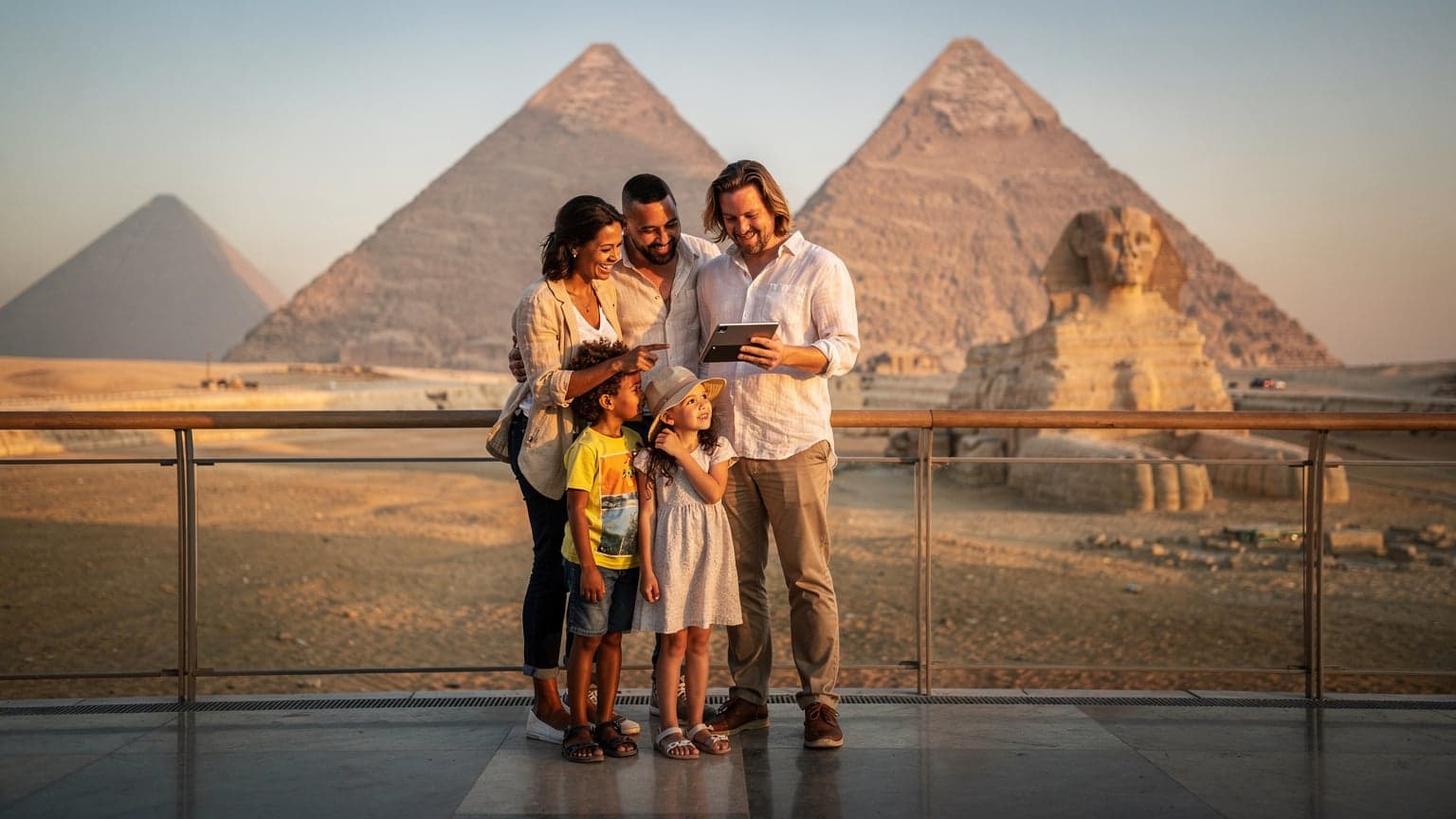
As a seasoned family travel planner (I’ve wrangled my two through everything from pyramid climbing to cruise ship kids’ clubs), I always start with the safety brief. Egypt in 2026 continues to prioritize tourist security, especially in major tourist hubs like Luxor, Aswan, and the Red Sea resorts. You'll notice a visible security presence around popular sites and hotels, which, for a parent, is genuinely reassuring. While general crime rates are low, petty theft, like pickpocketing, can occur in crowded areas such as the Khan el-Khalili bazaar in Cairo or busy markets. It's not a reason to cancel the trip, but certainly a reason to keep an eye on belongings and little hands.
Political demonstrations are rare in tourist zones, but it’s always wise to stay informed through reputable news sources and your embassy’s travel advisories. The key is to stick to well-trodden tourist paths and pre-booked excursions from reputable operators, especially when traveling with children. This isn’t the trip for spontaneous, off-the-beaten-path adventures with a 10-year-old in tow.
Current Threats and Precautions
The primary concern for families isn't violent crime but rather opportunistic petty crime and, occasionally, overly persistent vendors. However, there are areas to avoid, generally away from tourist routes and designated safe zones. Your tour operator will be your best guide here. Always confirm that any excursions or private drivers are licensed and have good reviews, particularly from other families. Think of it as vetting a babysitter, but for your entire family's day out.
Entry Requirements and Visas: What Parents Need to Know
Getting into Egypt is straightforward, but it requires a bit of pre-planning, especially for the visa. Most nationalities will need a visa to enter Egypt. The good news is that for many, this can be obtained "on arrival" at major airports like Cairo International (CAI) or through an e-Visa system before you even leave home. I always recommend the e-Visa for families, as it significantly streamlines the airport experience. No one wants to stand in a long line with overtired kids after a long flight, especially when the promise of a resort pool is so close.
E-Visa Process for Families
- Gather Passports: Ensure all passports, including your children’s, are valid for at least six months beyond your intended departure date from Egypt.
- Visit the Official Portal: Navigate to the official Egyptian e-Visa portal. Be wary of unofficial sites that charge exorbitant fees.
- Complete Applications: Fill out individual applications for each family member. Double-check all details, especially names and passport numbers. A typo here can cause significant delays.
- Pay the Fee: The visa fee must be paid online. Keep a record of your payment and application numbers.
- Print Confirmation: Once approved, print out your e-Visa confirmation. I always print several copies and also save a digital version on my phone (and my husband's phone, and maybe even a kid's iPad, just in case).
- Present on Arrival: Present your printed e-Visa along with your passport to immigration officials upon arrival.
Passport Validity and Child Travel Documents
Beyond the six-month validity rule, check if your child's passport needs to be signed. Some countries require minor's passports to be signed by a parent or guardian. Also, if one parent is traveling alone with the children, it's wise to carry a notarized letter of consent from the absent parent, along with copies of their passport and the children's birth certificates. While not always requested, having it can prevent unnecessary headaches at immigration or when checking into hotels. Trust me, it’s better to have it and not need it.
Health and Well-being: Keeping Everyone Happy and Healthy
Family health is paramount, especially when traveling to a new climate and environment. Egypt’s desert climate can be intense, and common travel ailments like "pharaoh's revenge" (traveler's diarrhea) are a genuine concern. Preparation is key to minimizing risks and ensuring everyone enjoys the pyramids, not the bathroom.
Vaccinations and Medical Preparedness
Consult your family doctor well in advance of your trip (ideally 4-6 weeks before departure) to discuss recommended vaccinations. Routine vaccinations should be up-to-date, and your doctor may suggest others like Hepatitis A and Typhoid. Malaria is generally not a risk in major tourist areas of Egypt. Carry a comprehensive first-aid kit, tailored for children, including:
- Digestive aids: Loperamide for adults, oral rehydration salts for everyone, and child-safe anti-diarrheal medication.
- Pain relievers: Acetaminophen or ibuprofen for both adults and children.
- Bandages and antiseptic wipes: For minor scrapes and cuts.
- Sun protection: High SPF sunscreen, after-sun lotion, and wide-brimmed hats.
- Insect repellent: Especially if you're venturing near the Nile or staying in more rural areas.
Hydration and Food Safety
Staying hydrated in Egypt’s heat is non-negotiable, particularly for children. Always drink bottled water and avoid tap water, even for brushing teeth. Ensure children have their own reusable water bottles that can be refilled. When it comes to food, "cook it, peel it, or leave it" is the golden rule. Stick to well-cooked food from reputable restaurants and avoid street food unless you see it being freshly prepared and piping hot. Fresh fruit is fine if you can peel it yourself. I always carry a stash of familiar snacks for the kids, especially on travel days, to avoid hunger-induced meltdowns and ensure they have safe options.
Navigating Connectivity for the Whole Crew
Connectivity isn't a luxury anymore; it's a must, especially when you're managing a family across time zones. From keeping track of flight changes to letting Grandma know we landed safely, and yes, making sure the kids can stream Disney+ for that precious quiet time, a reliable data plan is essential. Roaming charges from your home provider can quickly become a small fortune, which is why eSIMs are a parent's best friend. Cellesim offers an Egypt eSIM with over 32 plans to choose from, and importantly, it supports SMS for OTP/verification, which is crucial for banking or app logins.
eSIM for Family Devices
When planning for a family, think about how much data each device truly needs. My kids, ages 9 and 12, can easily burn through gigabytes watching "Bluey" or playing Roblox on their iPads. My husband needs reliable data for work emails, and I need it for maps, translations, and coordinating our itinerary. Instead of juggling multiple physical SIM cards or paying for expensive hotel Wi-Fi, an eSIM simplifies everything. For us, a multi-device strategy means ensuring both my phone and my husband’s have adequate data, and then we tether the kids’ iPads or Nintendo Switches as needed (with parental controls firmly in place, of course). This works remarkably well, even when we’ve been deep inside a theme park or on a cruise ship where connectivity can be patchy.
| User Profile | Typical Data Needs (per day) | Recommended Cellesim Plan (Example) |
|---|---|---|
| Parent, Light Use (maps, messaging) | 0.5 - 1 GB | 3 GB, 7 days |
| Parent, Moderate Use (work email, social media, light streaming) | 1 - 2 GB | 5 GB, 15 days |
| Child, Streaming/Gaming (iPad, Switch) | 2 - 3 GB+ (if streaming Disney+) | 10 GB, 30 days |
| Family Hub (shared hotspot for multiple devices) | 5 GB+ | 20 GB, 30 days |
Pre-loading Apps and Offline Resources
Before you even step on the plane, download all necessary apps and content. This includes:
- Offline Maps: Google Maps allows you to download entire regions for offline use. This is a lifesaver in areas with spotty signal, or when you need to conserve data.
- Entertainment: Download movies and shows on Netflix, Disney+, or Prime Video to your kids’ devices. This ensures entertainment during long car rides, waits at attractions, or when the Wi-Fi is nonexistent.
- Translation Apps: Google Translate allows you to download language packs for offline use, invaluable for communicating in markets or local restaurants.
- Travel Guides: Many guidebooks offer offline versions of their content.
- Cellesim App: Download the Cellesim app to easily manage your eSIM plans, monitor data usage, and top up if needed. This is your central command for connectivity.
Remember that even with an eSIM for seamless family data, pre-loading helps mitigate any connectivity "dead zones" and keeps data costs down. It also means you won't have to scramble for a signal when the kids are asking for "just five more minutes" of their show.
Common Scams and How to Avoid Them With Kids in Tow
Unfortunately, like many popular tourist destinations, Egypt has its share of opportunistic scams. While usually harmless, they can be annoying and costly if you’re not prepared. With kids, you're often more distracted, making you a potential target. A little awareness goes a long way.
Taxi Touts and Overcharging
This is probably the most common. Upon arrival at airports or train stations, you'll be approached by numerous unofficial taxi drivers. They might quote inflated prices or claim meters are broken. Always pre-book airport transfers or use ride-sharing apps like Uber or Careem (which operate in major cities like Cairo and Alexandria) where prices are fixed. If you must flag a taxi, negotiate the fare before getting in, or insist on the meter (and ensure it's running correctly). It's worth noting that Uber and Careem often offer car seat options, a significant plus for families.
Friendly "Guides" and Unwanted Assistance
At major sites, you might encounter "friendly" locals offering to guide you for free, only to demand payment or lead you to shops where they get a commission. Politely but firmly decline. Explain that you have a pre-arranged guide or simply want to explore independently. A firm "No, thank you" in Arabic, "La, shukran," can be effective. If someone offers to "help" you take a photo with a camel, assume they expect payment. Always agree on a price for any service before accepting it.
| Scam Type | Description | Family Mitigation Strategy |
|---|---|---|
| Fake Tour Guides | Individuals offering "free" tours at historical sites, then demanding payment or leading you to souvenir shops. | Only use licensed guides booked through reputable agencies. Politely decline unsolicited help. |
| Inflated Taxi Fares | Drivers refusing to use meters or quoting excessively high prices, especially from airports/stations. | Use ride-sharing apps (Uber/Careem) or pre-booked transfers. Agree on a fare before starting the journey. |
| "Gift" Scams | Vendors or street hawkers giving you a "gift" (e.g., a small souvenir) then demanding money for it. | Do not accept anything offered for free. Simply walk away or politely refuse. |
| Photo Op Demands | People (especially at popular sites) offering to pose with you or let you hold their animal (e.g., camel) then demanding payment. | Clarify costs upfront if you want a photo. Otherwise, politely decline or just take photos of the scenery. |
Local Laws and Customs: Cultural Sensitivities for Families
Egypt is a conservative country with strong Islamic traditions, and respecting local customs is crucial for a smooth trip. It also sets a good example for the kids on cultural awareness. Dress codes, public displays of affection, and even photography rules are important to understand.
Dress Code for Families
Modesty is key. For women, this means shoulders and knees covered, especially when visiting religious sites. Loose-fitting clothing made from breathable fabrics like cotton or linen is ideal for the climate. Men should also opt for trousers or longer shorts. For children, similar guidelines apply; avoid overly revealing clothing. While tourist areas are more lenient, dressing respectfully shows cultural appreciation and can help you avoid unwanted attention. Always carry a light scarf for women to cover their heads when entering mosques.
Public Behavior and Photography
Public displays of affection are generally frowned upon. Keep embraces and overt romantic gestures private. When taking photos, always ask for permission before photographing individuals, especially women and children. Some people may request payment. Be particularly mindful around religious sites and government buildings, where photography might be restricted. Avoid photographing military personnel or facilities at all costs. It’s best to ask, “Mumkin sura?” (May I take a picture?) before snapping away.
Transportation Tips: Getting Around Safely with Children
Getting around Egypt, especially in crowded cities like Cairo, can be an adventure in itself. With kids, safety and comfort are paramount. Planning your transport in advance will save you a lot of stress.
Ridesharing and Pre-booked Transfers
As mentioned, Uber and Careem are excellent options in Cairo and Alexandria. They provide transparent pricing and you can track your journey, which is reassuring. For longer distances or transfers between cities (e.g., Cairo to Luxor), consider pre-booked private transfers or using the train. The "sleeper train" from Cairo to Aswan or Luxor is an experience in itself and can be a fun adventure for older kids, offering a more comfortable alternative to long bus rides. When booking any private car, always request a car seat for younger children if needed, though availability can be inconsistent.
Nile Cruises and Felucca Rides
A Nile cruise between Luxor and Aswan is a popular and generally very safe way to see many of Egypt's ancient wonders. These cruises are family-friendly, offering onboard amenities and guided excursions. For a shorter, more traditional experience, a felucca ride on the Nile in Luxor or Aswan can be magical, especially at sunset. Always ensure the boat is licensed and that life jackets are available and worn, particularly by children. (My kids love the felucca, but only if they can wear their life jackets and pretend to be pirates, of course.)
What to Do in an Emergency: A Parent's Guide
No one wants to think about emergencies on vacation, but being prepared can make all the difference. Knowing who to call and what steps to take will ensure you can act quickly and effectively if something goes wrong.
Emergency Contacts and Consular Assistance
- Local Emergency Numbers: Program these into your phone immediately upon arrival. The general emergency number in Egypt is 122 for police, 123 for ambulance, and 180 for fire.
- Embassy/Consulate: Locate the contact information for your country's embassy or consulate in Cairo. They can provide assistance with lost passports, legal issues, or medical emergencies.
- Travel Insurance: Ensure you have comprehensive travel insurance that covers medical emergencies, evacuation, and trip interruptions. Carry your policy details and emergency contact numbers with you.
- Cellesim Support: If connectivity is an issue, remember that Cellesim's customer support is available 24/7. Having a reliable data connection, even a small one, can be critical in an emergency. You can always top up your eSIM via the Cellesim app if you run out.
Lost Passports and Medical Situations
If a passport is lost or stolen, report it to the local police immediately and then contact your embassy or consulate. They will guide you through the process of obtaining an emergency travel document. For medical emergencies, head to the nearest reputable hospital. Major cities have private hospitals that meet international standards. Always inform your travel insurance provider as soon as possible. Carry a list of any allergies or medical conditions for each family member, translated into Arabic if possible, for quick reference by medical staff.
Packing Smart for Egyptian Adventures
Packing for Egypt, especially with kids, is about balancing practicality with cultural appropriateness. You’ll need lightweight, breathable clothing, but also items to protect against the sun and respect local customs.
- Lightweight, Modest Clothing: Cotton and linen are your friends. Pack long sleeves and trousers/skirts for visiting religious sites and for sun protection.
- Comfortable Walking Shoes: You'll be doing a lot of walking on uneven terrain at archaeological sites.
- Hats and Sunglasses: Essential for sun protection for everyone.
- Reusable Water Bottles: Crucial for staying hydrated.
- Small Backpacks: For kids to carry their own water, snacks, and small toys.
- Kid-Friendly Sunscreen and Insect Repellent: Apply liberally.
- Basic First-Aid Kit: As detailed above, tailored for children.
- Portable Charger: For phones and tablets. Keeping devices charged is key for navigation and kids' entertainment.
- Travel Adapters: Egypt uses Type C and Type F sockets.
- Wet Wipes and Hand Sanitizer: Invaluable for quick clean-ups on the go.
Keeping the Peace: Managing Screen Time and Offline Fun
Let's be real, screen time happens. My kids, like many, have their iPads and Switch Lites. But family travel is also about creating shared memories, so finding that balance is crucial. Before the trip, we have "the talk" about screen time rules. "No devices at mealtimes," "one hour of screen time after we've seen the major site," or "only during long transfers." Setting expectations upfront prevents arguments later.
Parental Controls and Offline Entertainment
Leverage your device's parental control features. On iPhones and iPads, Screen Time allows you to set app limits, schedule downtime, and block inappropriate content. You can even set "Always Allowed" apps for things like Maps or your Cellesim app, ensuring essential tools are accessible. For Android devices, Google Family Link offers similar robust controls. Crucially, these controls work regardless of your connectivity source, whether it's the hotel Wi-Fi, your Cellesim eSIM, or offline.
Offline fun is just as important. Pack small, travel-friendly games, colouring books, or card games. Encourage journaling or drawing what they see. A simple "I Spy" game can make a long car ride much more bearable. When you're visiting the Valley of the Kings, for instance, encourage them to imagine what it was like for the pharaohs, rather than letting them disappear into a game. These are the moments they'll truly remember, long after their Disney+ shows fade from memory. (Though, let's be honest, that Disney+ stream will still save your sanity on a few occasions.)
Frequently Asked Questions
Is Egypt safe for families with young children in 2026?
Yes, Egypt is generally safe for families in 2026, particularly in established tourist areas. Security is visibly present at major sites and resorts. As with any travel, exercising common sense, being aware of your surroundings, and using reputable tour operators are key precautions.
What visa do I need for Egypt, and can I get it on arrival?
Most nationalities require a visa for Egypt. Many visitors can obtain a visa on arrival at major international airports, but applying for an e-Visa online before departure is highly recommended for a smoother and faster entry process, especially when traveling with children.
How much data will I need for my family in Egypt, including kids' devices?
Data needs vary, but a family with two children streaming occasionally might need 5-10 GB per person for a 7-day trip, especially if using devices for navigation, communication, and entertainment. Cellesim offers over 32 plans for Egypt, allowing you to choose a plan that fits your family's data usage.
What should I do if my child gets sick in Egypt?
If your child gets sick, especially with digestive issues or fever, seek medical attention promptly. Major cities have reputable private hospitals that can provide care. Ensure you have comprehensive travel insurance and keep your policy details readily accessible. Stay hydrated and use oral rehydration salts.
Are ride-sharing apps like Uber or Careem available in Egypt?
Yes, Uber and Careem are widely available in major Egyptian cities like Cairo and Alexandria. They are a reliable and transparent option for transportation, offering fixed prices and the ability to track your journey, which is beneficial for family travel.
What are the local customs for dressing in Egypt?
Egypt is a conservative country. It's best for both men and women, and children, to dress modestly, especially when visiting religious sites. This generally means covering shoulders and knees. Lightweight, loose-fitting clothing made of natural fabrics is comfortable and culturally appropriate.