

Why an eSIM is Your Best Bet for Indonesia
Look, I've been doing this digital nomad thing for four years now, and the first thing you learn is that reliable internet isn't a luxury, it's the foundation of everything. Especially when you're landing in a place like Indonesia. Forget trying to get a local SIM card at Denpasar Airport after a 16-hour flight. You're tired, you're probably jet-lagged, and those airport kiosks are rarely giving you the best deals or the quickest setup.
An eSIM changes all that. You purchase it online while you're still sipping coffee in a Parisian cafe, install it with a QR code, and it activates when you hit Indonesian airspace. No physical card swapping, no dealing with language barriers, and no handing over your passport details to strangers at a pop-up stall. Your EE carrier day-pass will cost you a fortune compared to a dedicated Indonesia eSIM. We're talking pennies per MB versus pounds.
Plus, keeping your home SIM active for SMS is critical. Some banking apps, particularly in countries like Brazil or India (think Aadhaar verification), absolutely require a local SIM number or at least the ability to receive SMS OTPs on your home number. With an eSIM, your physical SIM slot remains free, letting you keep your French number for those essential bank alerts while using the eSIM for all your data needs. It's a simple, effective strategy I've used countless times.
Choosing the Right eSIM for Your Indonesia Trip
Selecting an eSIM for Indonesia boils down to a few key factors: data allowance, validity period, and network coverage. Indonesia is a large country with varied topography, so network reliability can differ. Telkomsel is generally considered the strongest and most widespread network, especially outside of major cities. If you plan to travel beyond Bali's main tourist hubs, Telkomsel coverage is what you want.
When I was based in Canggu, Bali, for a few months, working out of Outpost Canggu, my Telkomsel connection was rock solid. I could rely on it for video calls and uploads, even when the cafe Wi-Fi was being temperamental. This is where a provider like Cellesim comes in handy, as they often partner with the strongest local carriers, giving you that peace of mind.
| Provider Type | Pros | Cons | Best For |
|---|---|---|---|
| Cellesim (Global eSIM) | Instant activation, keep home SIM active, wide choice of data plans, reliable networks, no registration hassles. | Slightly higher per-GB cost than local SIMs, no local Indonesian phone number. | Short trips, travelers needing immediate connectivity, those who value convenience and keeping their home number. |
| Local Indonesian eSIM (Telkomsel) | Cheaper per-GB rates, local phone number (useful for some apps), extensive coverage. | Requires in-person registration (often at airport, with passport), can be complex for tourists, limited purchase points. | Longer stays (1+ month), those needing a local number for local services, budget-conscious travelers willing to do paperwork. |
| Roaming (EE Day Pass) | Automatic, uses your existing plan. | Extremely expensive, high latency, often throttled speeds. | Emergencies only, or those who truly don't care about cost. |
Frequently Asked Questions
Can I use my existing French phone number with an Indonesia eSIM?
Yes, absolutely. An eSIM uses a separate slot in your phone, allowing you to keep your primary French SIM active for calls and texts (like banking OTPs) while using the eSIM for all your data needs in Indonesia.
What if my phone doesn't support eSIM?
Most newer smartphones, especially iPhones from the XS onwards and many recent Android flagships, support eSIM. Check your phone's specifications before purchasing. If it doesn't, a physical local SIM is your only option upon arrival.
Is Wi-Fi widely available in Indonesia?
Wi-Fi is common in hotels, cafes, and co-working spaces in major tourist areas like Bali and Jakarta. However, speeds can be inconsistent, and relying solely on public Wi-Fi is often impractical and less secure for a digital nomad's workflow.
Do I need a local Indonesian phone number?
For most tourists or short-term stays, a local number isn't critical. WhatsApp is the primary communication tool. Some very specific local services or ride-hailing apps might prefer a local number, but it's rarely a deal-breaker for short visits. Cellesim provides data, not a local number.
How much data do I need for a two-week trip to Indonesia?
For typical usage (maps, social media, messaging, light browsing), 10-20GB should be sufficient for two weeks. If you plan on heavy video streaming, large file uploads, or frequent video calls, consider a 30GB+ plan. Always err on the side of slightly more data than you think you need.
Can I top up my Cellesim Indonesia eSIM if I run out of data?
Yes, Cellesim generally offers top-up options directly through their website or app. This is a crucial feature, as it means you don't have to go through the entire purchase and activation process again if you need more data mid-trip.
For most travelers departing from France for a vacation or a medium-term stay (up to a month or two), a global eSIM provider like Cellesim is the clear winner. The small premium for convenience and instant connectivity is almost always worth it. If you're planning a longer stay, say, three months in Ubud, where rent for a decent villa can be around 7,000,000 IDR (approx. €450) a month, then getting a local Telkomsel eSIM might make more financial sense in the long run, despite the initial hassle.
Buying and Activating Your Indonesia eSIM from France
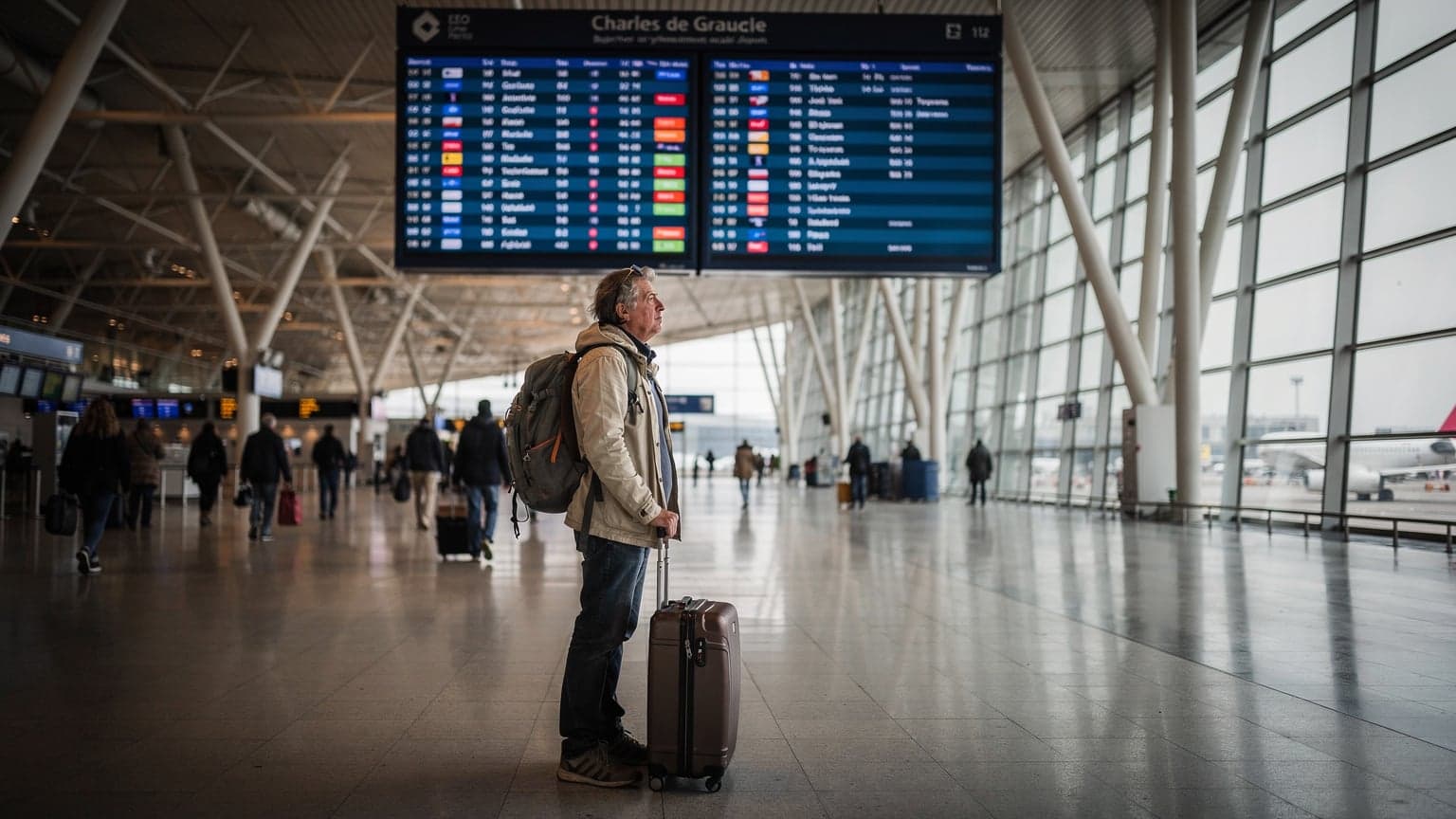
This is the straightforward part. You can do this from your flat in Paris or while waiting for your connection at Charles de Gaulle. Here's how:
Step 1: Choose Your eSIM Plan
Head over to the Cellesim Indonesia page. You'll see various data packages. Consider how much data you'll realistically need. For general browsing, WhatsApp, maps, and light social media, 10-20GB for a two-week trip is usually plenty. If you're planning on heavy streaming or video calls (maybe you're keeping up with your family back home during Thanksgiving), consider a larger plan. Always check the validity period to ensure it covers your entire trip.
Don't fall for Bali'ye mi gidiyorsunuz ve Telkomsel Tourist eSIM'in vaat ettiklerini merak mı ediyorsunuz? 2026 yılında bu eSIM'in gerçekten işe yarayıp yaramadığını, bağlantı hızlarını ve günlük yaşamda ne gibi farklar yarattığını inceledik. Özellikle JFK'den AT&T ile gelenler için pratik bilgilerle dolu bu rehber, Endonezya'daki veri ihtiyaçlarınızı karşılamanın en iyi yolunu bulmanıza yardımcı olacak. Bali'ye ayak basmadan önce çoğu gezginin aklındaki soru aynıdır: Telkomsel Tourist eSIM mi almalı, yoksa Ngurah Rai Havalimanı'ndaki kalabalık kontuarlardan bir yerel SIM mi kapmalı? JFK'den yola çıkarken aklınızda AT&T'nin günlük roaming ücretleri dönüyorsa, doğru yerdesiniz. Bu sadece bir bağlantı seçimi değil, aynı zamanda cüzdanınızı koruma meselesi. Fransa'dan Endonezya'ya giderken, özellikle Bali gibi popüler adalarda kesintisiz bağlantı sağlamak kritik. EE tarifeleriniz burada çalışmayacak. Hangi eSIM'lerin gerçekten işe yaradığını ve sizi yarı yolda bırakmayacağını bilmek, uzun süreli kalışlar için hayati önem taşır. Bu rehberde, 2026'da sorunsuz bir seyahat için en pratik eSIM çözümlerini inceliyorum.Related reading
 Travel Tips
Telkomsel Tourist eSIM: Bali'de Gerçekten İşe Yarar mı? 2026
 Isabella Cruz
 Travel Tips
Telkomsel Tourist eSIM vs. Lokal SIM Kart: Bali'de Hangisi Daha İyi 2026?
 Mike Donovan
 Travel Tips
France'dan Endonezya'ya eSIM: Bali Bağlantısı için En İyi Seçenekler 2026
 Rachel Kim