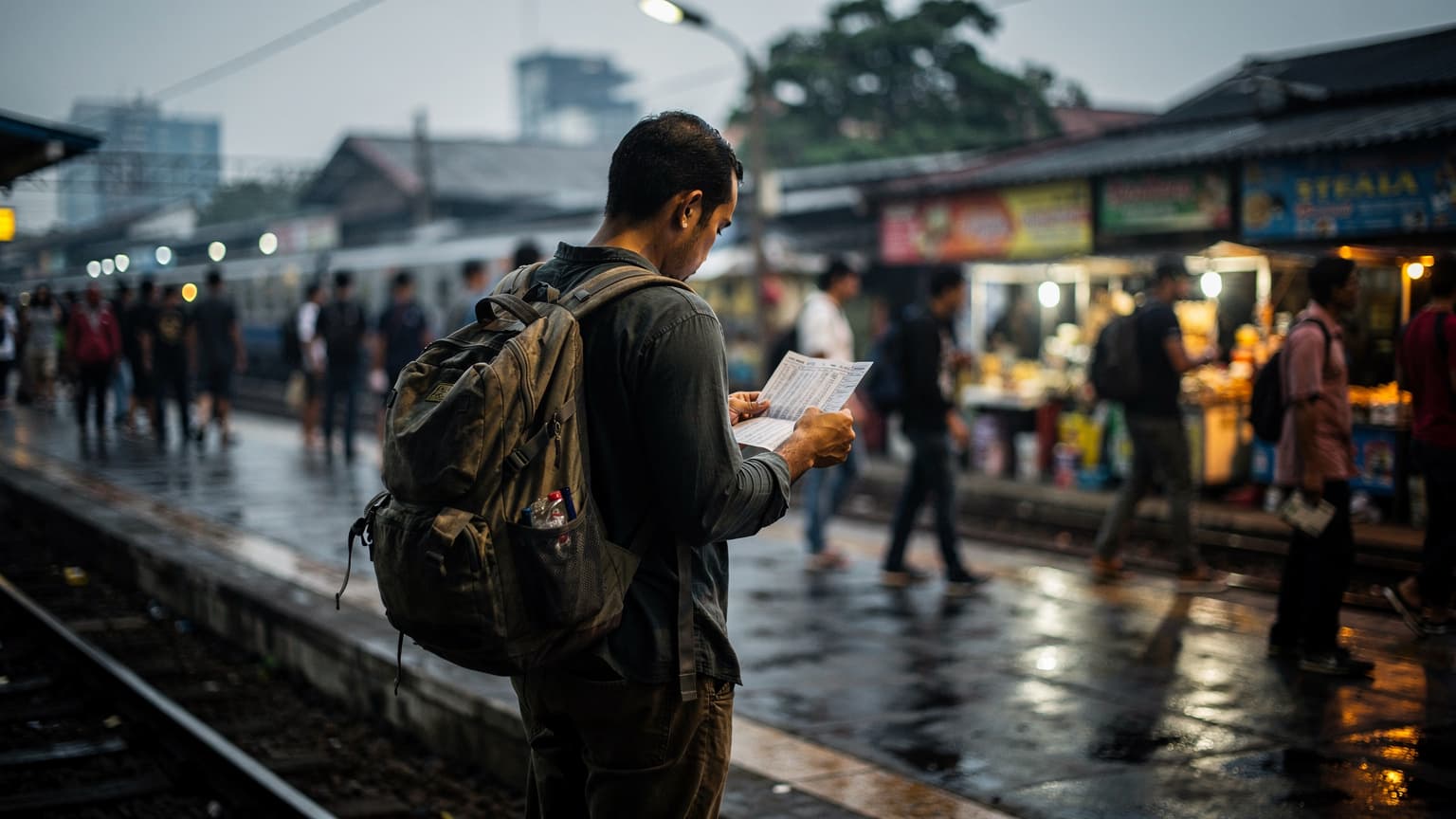
For travelers heading to Indonesia from France, the best eSIM is one that offers reliable coverage across the archipelago, ample data for navigation and communication, and a straightforward activation process that you can complete before you even board your flight at Charles de Gaulle. Cellesim offers competitive packages that fit these criteria, allowing you to sidestep the usual hassle of finding a local SIM upon arrival in Denpasar or Jakarta.
Should I buy an eSIM for Indonesia before leaving France?
Absolutely, buying an eSIM for Indonesia before you leave France is a smart move, primarily because it removes a significant travel headache right at the start of your journey. Imagine landing at Ngurah Rai International Airport (DPS) in Denpasar after a long haul, perhaps with a quick layover at Heathrow, only to face a lengthy queue for a local SIM card. I've been there too many times myself, fumbling with currency and trying to understand package options when all I wanted was to get to my guesthouse in Canggu.
Pre-purchasing an eSIM for Indonesia means your phone is ready to connect the moment you touch down. No searching for an open counter, no dealing with language barriers, and crucially, no unexpected roaming charges from your home carrier like EE. You can simply switch on your data profile and call a Gojek for a ride into Seminyak, or pull up Google Maps to navigate the narrow streets of Ubud. This pre-emptive approach, especially during peak travel times like Thanksgiving holidays, saves precious time and energy.
What are the benefits of an eSIM over a physical SIM card?
The advantages of an eSIM over a traditional physical SIM card are considerable, especially for international travel. First and foremost, convenience: you can purchase, activate, and manage your data plan entirely digitally, often through a simple QR code scan. This means no more fiddling with tiny SIM trays, losing your home SIM card (a common travel mishap, trust me), or searching for a paperclip to open the slot.
For those of us juggling multiple destinations or even just wanting to keep our primary number active for calls, an eSIM allows you to maintain your home line (like your EE number) for incoming calls and texts, while using the eSIM for all your data needs. This dual-SIM functionality is a lifesaver, ensuring you don't miss important messages from back home. Plus, with services like Cellesim, you can easily top up your data or switch to a different plan without needing to visit a physical store, whether you're relaxing on a beach in Lombok or working from a cafe in Jakarta's Kota Tua district.

What are my options for eSIMs for Indonesia?
For getting an eSIM for Indonesia, you essentially have two main routes: international eSIM providers or local Indonesian carriers. Both have their merits, but the choice often comes down to what you prioritize: ease of setup and global flexibility, or hyper-local pricing and direct support in Bahasa Indonesia.
International eSIM providers, like Cellesim, offer a range of packages specifically tailored for travelers. Their plans are usually straightforward, with clear data allowances and validity periods, and crucially, you can purchase and activate them from anywhere, including your sofa in France. This means you're connected the second your plane lands. These providers often aggregate coverage from multiple local networks, aiming for the best overall experience.
On the other hand, local Indonesian carriers, primarily Telkomsel, XL Axiata, and Indosat Ooredoo, also offer eSIMs. These can sometimes provide slightly more data for your money or specific local perks, but they typically require activation upon arrival in Indonesia. For instance, Telkomsel's tourist eSIM often necessitates registration at an official kiosk at the airport or a Telkomsel GraPARI store in, say, Surabaya or Makassar. This can be time-consuming and often means you're without data until you complete the process. For more on navigating local options, you might find Telkomsel Tourist eSIM: Local vs. Cellesim for Family Travel in 2026 a useful read.
| Provider Type | Pros | Cons | Best For |
|---|---|---|---|
| International eSIM (e.g., Cellesim) | Pre-purchase from France, immediate activation on arrival, multi-network coverage, English support. | Potentially slightly higher per-GB cost than local options. | Convenience, immediate connectivity, avoiding airport queues, seamless experience. |
| Local Indonesian Carrier (e.g., Telkomsel) | Potentially lower per-GB cost, local support, specific local perks. | Requires on-site activation in Indonesia, language barriers, limited pre-trip setup. | Budget-conscious travelers willing to sacrifice convenience, long-term stays. |
How does Cellesim compare to local Indonesian eSIMs like Telkomsel?
Comparing Cellesim to a local giant like Telkomsel really boils down to your travel style and priorities. Telkomsel is the dominant carrier in Indonesia, offering extensive 4G and growing 5G coverage, even in more remote areas like the Gili Islands or parts of Flores. Their local eSIM plans, such as the 'Telkomsel Tourist Pass', often come with generous data allowances at attractive local prices. However, the catch for many international travelers from France is the activation process.
To activate a Telkomsel eSIM, you typically need to visit a Telkomsel GraPARI store (their customer service centers) or an official kiosk at the airport, usually during business hours (often 08:00 to 18:00). You'll need your passport, and sometimes even proof of your IMEI number, which can be a faff. I remember once trying to get a SIM in the bustling area of Tanah Abang in Jakarta, and it took a good hour just to get through the paperwork.
Cellesim, on the other hand, focuses on a frictionless experience. You purchase your data package online, receive a QR code via email, and activate it on your phone before you even leave France. This means when you land at Ngurah Rai and get that first whiff of tropical air, your phone is already connected. While the per-gigabyte cost might be slightly higher than Telkomsel's absolute cheapest local plan, the value of instant connectivity and saved time (especially after a 16-hour journey from Heathrow) is immense. For families, especially, the ease of pre-activation can be a game-changer, as explored in Telkomsel eSIM for Tourists: Navigating Indonesia with Your Family in 2026.
Can I use an eSIM for tethering and hotspot in Indonesia?
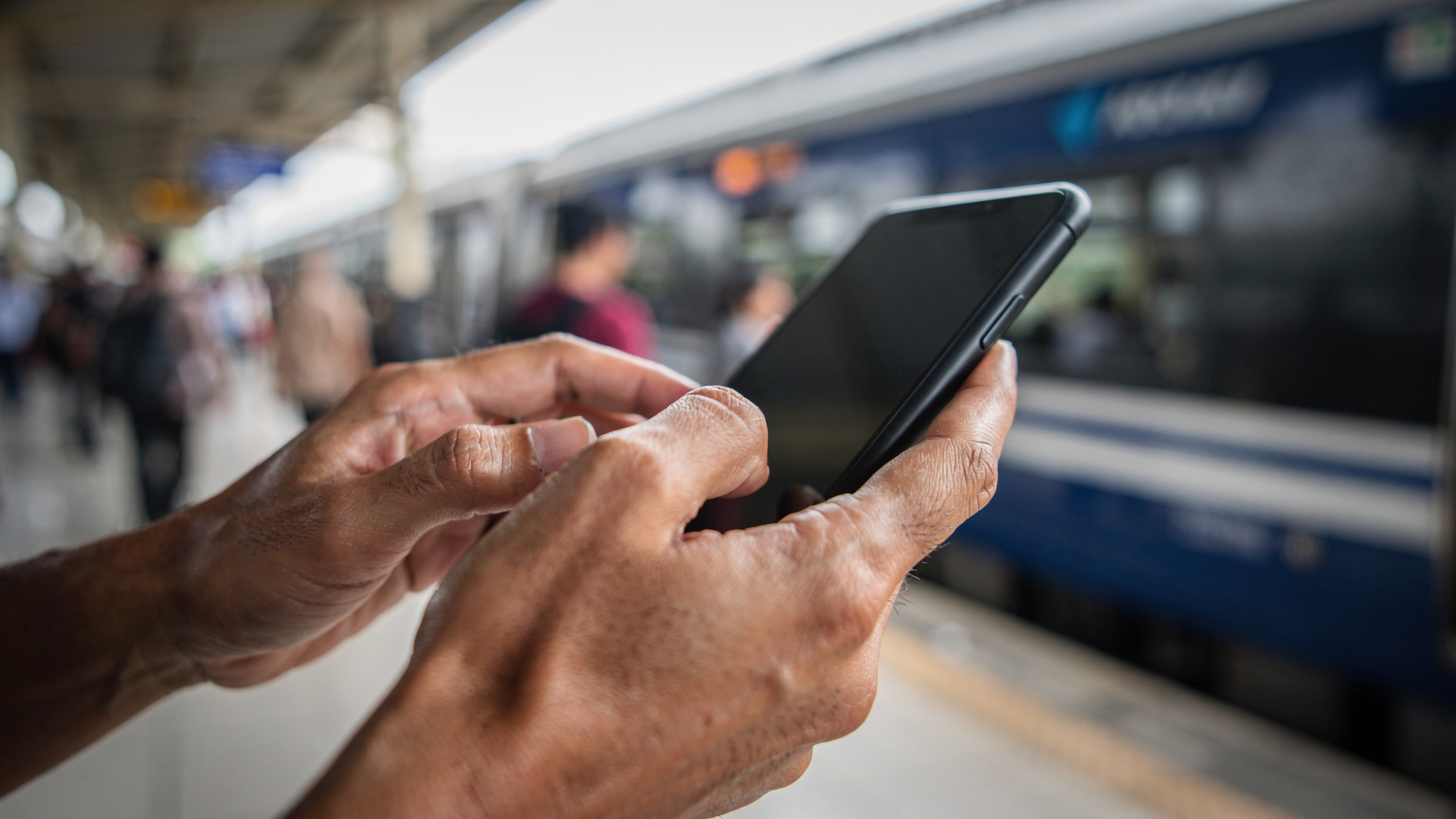
Yes, in most cases, you can absolutely use an eSIM for tethering and hotspot functionality in Indonesia, which is a fantastic feature for digital nomads or anyone traveling with multiple devices. I often rely on my phone's hotspot to power my laptop for Zoom calls when I'm working from a beachfront cafe in Sanur or a quiet guesthouse in Yogyakarta. It means I only need one data plan for all my connectivity needs.
Cellesim's eSIM plans generally support personal hotspots, allowing you to share your data connection with other devices like laptops, tablets, or even other phones. This is incredibly useful if you're traveling with family or friends who might not have an eSIM-compatible device or want to save on their own data. Just be mindful of your data allowance, as streaming videos or heavy browsing on multiple devices can deplete your gigabytes faster than you might expect. Always double-check the specific terms of your chosen Cellesim plan, but generally, this feature is standard.
How do I activate my Indonesia eSIM from France?
Activating your Indonesia eSIM from France is remarkably straightforward, and it's one of the biggest reasons I recommend this approach. Once you've purchased your Cellesim plan online, you'll typically receive an email containing a QR code. The process then involves a few simple steps:
- Scan the QR code: On your eSIM-compatible phone (like most modern iPhones or Androids), go to your cellular settings. Look for an option like 'Add Cellular Plan' or 'Add eSIM'. You'll then be prompted to scan the QR code you received. Make sure you're connected to Wi-Fi when you do this, as it needs an internet connection to download the eSIM profile.
- Configure your settings: Your phone will guide you through naming your new eSIM plan (I usually call mine 'Indonesia Data' or 'Cellesim Indo') and setting it as your primary line for data. You can keep your EE number active for calls and texts, directing all data traffic through the eSIM.
- Activate on arrival: You can complete the scanning and initial setup in France. However, it's often best to only enable the data roaming for your eSIM once you've landed in Indonesia. This ensures you're not accidentally using data before you're in the right country, potentially incurring charges.
The whole process usually takes less than five minutes, and it means you're ready to connect the moment you step off the plane, whether that's at Jakarta's Soekarno-Hatta Airport or a smaller regional hub. It's truly a game-changer for hassle-free international travel.
What about my current EE plan while I am abroad?
This is where the beauty of an eSIM truly shines, especially for those departing from Heathrow with an EE contract. While EE offers various roaming options, their 'Roam Further Pass' or daily roaming charges can quickly add up, turning a modest data usage into a hefty bill. I've had friends come back from a short trip with hundreds of pounds in unexpected charges simply because they forgot to disable data roaming on their home SIM.
With an eSIM, you can effectively bypass these carrier day passes. Your EE SIM remains active in your phone, allowing you to receive calls and texts from your UK number without incurring roaming data charges, as long as you've set your eSIM as the primary data line. This means your bank alerts, two-factor authentication codes, or urgent calls from family back home still come through. Meanwhile, all your internet usage for mapping, social media, and communication apps like WhatsApp will run on your Cellesim data plan, charged at a much more predictable and often lower rate. It's a clever way to maintain connectivity without breaking the bank, a strategy I've perfected over years of remote work in places like Kyoto and Tulum. You can read more about this strategy in eSIM GPS Tech in 2026: Bypass Carrier Day Passes.
Frequently Asked Questions
Can I keep my French phone number while using an eSIM in Indonesia?
Yes, absolutely. One of the main benefits of using an eSIM is that you can keep your primary French number (from carriers like EE, Orange, or Bouygues) active for calls and texts, while using the eSIM solely for data. This allows you to receive important communications without incurring international roaming data charges.
How much data do I need for a trip to Indonesia?
The amount of data you need depends on your usage habits. For a typical week-long trip, 5-10 GB is usually sufficient for navigation, social media, messaging, and light browsing. If you plan to stream a lot of video, do extensive video calls, or tether other devices, consider a 15-20 GB plan. Cellesim offers various packages to suit different needs.
Will my eSIM work in all parts of Indonesia, including Bali and the Gili Islands?
Most international eSIMs, including Cellesim's, leverage major local networks like Telkomsel, which offer extensive coverage across Indonesia, including popular tourist destinations like Bali, Lombok, and the Gili Islands. However, coverage can vary in very remote areas, so it's always good to check a coverage map if you're venturing far off the beaten path.
Can I top up my Cellesim eSIM plan if I run out of data?
Yes, Cellesim generally allows you to top up your existing eSIM plan directly through their website or app. This means if you find yourself needing more data during your trip, you can easily purchase an additional package without needing to acquire a new eSIM or visit a physical store, offering great flexibility.
Is an eSIM secure for banking and personal data while traveling?
Using an eSIM for data while traveling is generally as secure as using a physical SIM card. It provides a private, encrypted connection, similar to your home carrier. Just remember to use secure Wi-Fi networks for sensitive transactions and consider a VPN for an added layer of security, especially if you're on public Wi-Fi in places like Ngurah Rai Airport.