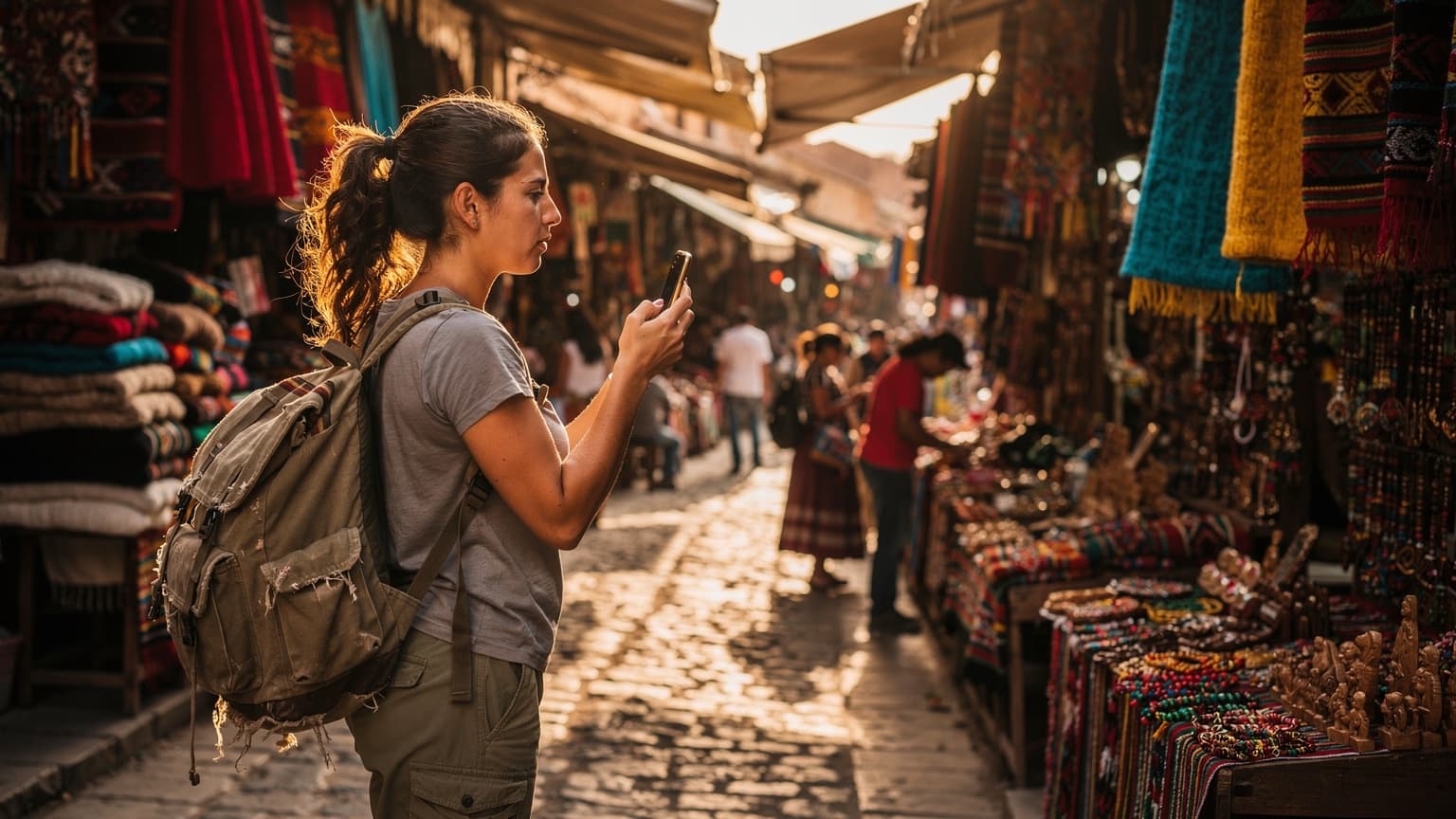
Bolivia eSIM 2026: Why It's Your Best Bet
Getting connected in Bolivia used to be a trek on its own. You'd land in Viru Viru International Airport (VVI) in Santa Cruz, stand in a long queue for a local SIM card, probably get upsold on a plan you didn't need, and then spend an hour figuring out how to get it working in a language you barely understood. Those days are largely behind us, thankfully.
For 2026, an eSIM is the smartest way to handle your data needs in Bolivia. Why? Convenience, cost, and control. You can buy and activate your plan before you even leave home, stepping off the plane with instant connectivity. This means no scrambling for Wi-Fi in the airport, no fumbling with tiny SIM trays, and no worries about losing your home SIM (which, let's be honest, we've all done at some point).
The alternative, a local physical SIM from operators like Tigo, Entel, or Viva, will set you back around 25-35 Bolivian Bolivianos (approx. €3-€4.50) for the SIM card itself, plus whatever data package you choose. While initially cheaper, the time and effort involved, especially if your Spanish isn't fluent, quickly erode those savings. Plus, many budget travelers carry two phones, or an older model, which might not be eSIM compatible. Always check your device before you go.
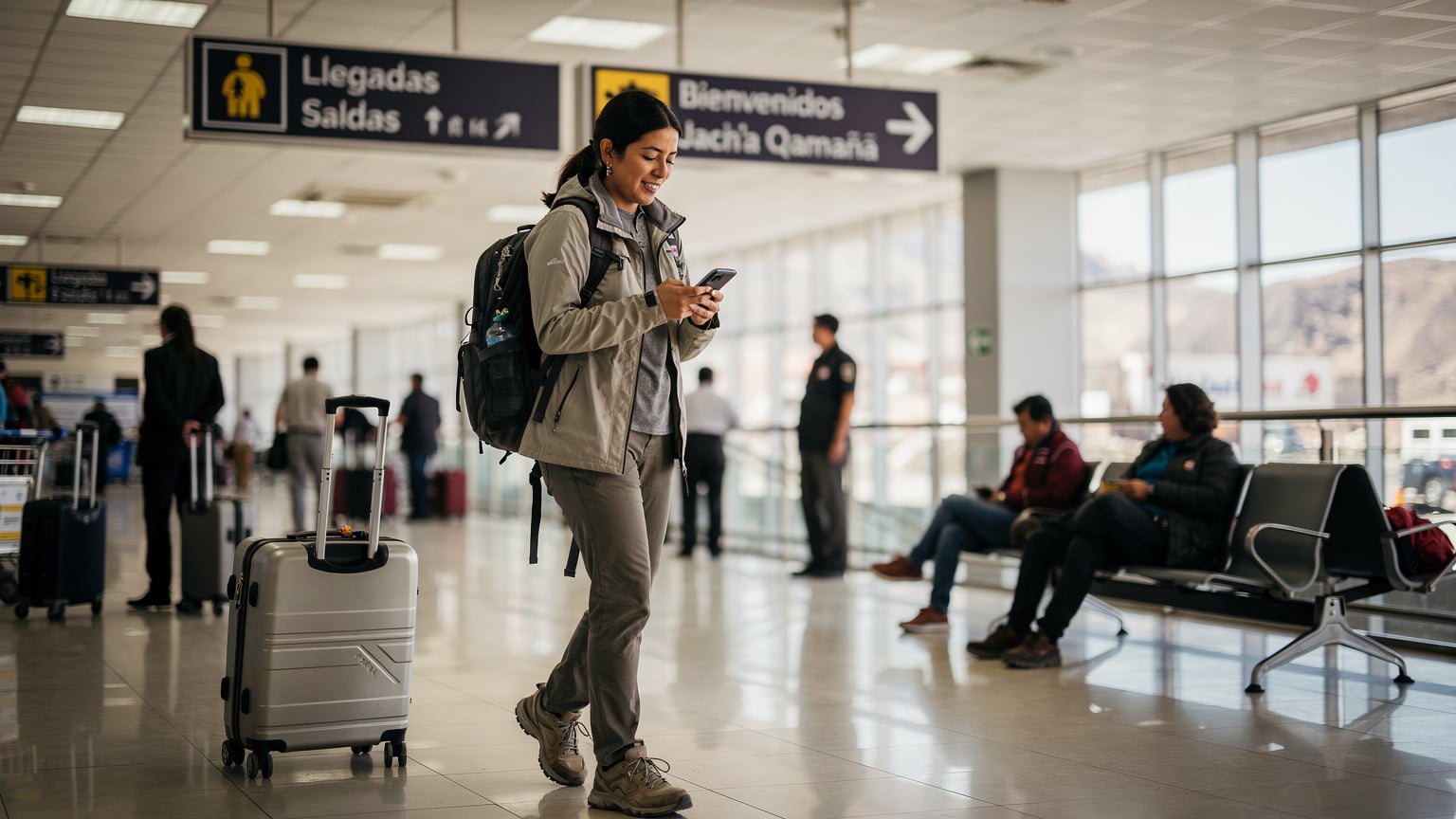
Understanding Bolivian Mobile Networks
Bolivia's mobile network landscape is dominated by three main players: Entel, Tigo, and Viva. Each has its strengths and weaknesses, especially when you venture outside major cities like La Paz, Santa Cruz, and Cochabamba. For the budget backpacker, understanding these differences is key to not ending up in a data desert.
Entel: The Widest Reach
Entel is the state-owned provider and generally boasts the widest coverage, particularly in rural and remote areas. If your itinerary includes trips to the Amazon basin, the vast Salar de Uyuni, or trekking in the Cordillera Real, Entel is your best bet for at least some signal. However, their speeds can be inconsistent, especially during peak hours in urban centers.
Tigo: Urban Powerhouse
Tigo offers stronger speeds and more reliable connectivity in major cities and along main transportation corridors. If you're sticking to the Gringo Trail through La Paz, Sucre, and Potosí, Tigo will likely give you a smoother experience. Their data packages are often competitive, but venturing off the beaten path with Tigo can leave you high and dry.
Viva: The Niche Player
Viva is generally the smallest of the three, with decent coverage in urban areas but significantly weaker reach in rural parts. They sometimes offer attractive promotions, but I'd advise caution if you're planning any serious exploration beyond city limits. Stick to Entel or Tigo for broader reliability.
| Network Provider | Primary Coverage Area | Typical Speed (Mbps) | Best For |
|---|---|---|---|
| Entel | National, including rural and remote regions | 10-30 Mbps | Extensive travel, rural exploration, Salar de Uyuni |
| Tigo | Major cities and main roads | 20-50 Mbps | Urban travel, faster city browsing |
| Viva | Limited to major cities | 15-40 Mbps | Very short city stays, cheapest plans |
Cost Breakdown: eSIM vs. Local SIM
Let's talk numbers, because that's what truly matters when you're trying to stretch your euros. For a 10-day trip to Bolivia, comparing an eSIM to a local physical SIM is crucial.
Local SIM Card Costs
A physical SIM from Entel or Tigo will cost you roughly Bs. 25-35 (€3.20-€4.50) just for the card. Then you'll need to buy a data package. A common package is 5GB for Bs. 50-70 (€6.40-€9.00), valid for 7-10 days. So, total cost: around €9.60-€13.50 for 5GB. This might seem like a steal, but factor in the hidden costs:
- Time: At least an hour at the airport or a mobile store. Time is money, and you could be exploring or napping at your hostel.
- Hassle: Language barriers, registration forms, ensuring your passport is accepted.
- Currency Exchange: You'll need local currency immediately.
- Potential Upsell: Salespeople might try to push more expensive plans.
eSIM Costs for Bolivia
This is where eSIMs shine for the savvy traveler. For Bolivia, you can find a 5GB plan for 10-15 days for around €28. Yes, it's more expensive upfront than the local SIM's raw data cost, but consider the benefits:
- Instant Activation: Buy online, activate with a QR code, done. No queues, no forms. You can do this at your hostel in La Paz or before you even board your flight.
- No Language Barrier: Everything is handled in English (or your preferred language) through an app or website.
- Security: Your home SIM stays in your phone, reducing the risk of loss or damage.
- Flexibility: Easily top up or switch plans if your needs change.
For me, the peace of mind and saved time are worth the extra €15-€20. I'd rather pay a bit more and know I'm connected from the moment I land than deal with the headache of a local SIM after a long-haul flight.
| Feature | eSIM (Example: Cellesim 5GB/10 days) | Local SIM (Example: Tigo 5GB/10 days) |
|---|---|---|
| Upfront Cost (Card + Data) | €28 | €9.60 - €13.50 |
| Activation Time | 5-10 minutes (online) | 1 hour+ (in-person) |
| Language Barrier | None | Possible |
| Data Coverage | Depends on provider (often Entel/Tigo) | Specific to chosen local provider |
| Flexibility/Top-ups | Easy online | Requires store visit or local payment method |
| Convenience Factor | High | Low |
Choosing the Right eSIM Plan for Bolivia
Not all eSIMs are created equal, especially when you're traversing a country as diverse as Bolivia. The key is to match your plan to your travel style and expected data usage.
Regional vs. Country-Specific Plans
If Bolivia is just one stop on a larger South American adventure, consider a regional South America eSIM. These often cover multiple countries like Peru, Chile, and Argentina, which is fantastic for seamless border crossings. The downside? They can sometimes be slightly more expensive per GB than a dedicated Bolivia eSIM, and the primary network provider might not be the absolute best in every single country.
For a Bolivia-only trip, a country-specific eSIM is usually more cost-effective. These plans typically partner with one of the major local carriers (most commonly Entel or Tigo) to provide the best possible local coverage. Always check which local network the eSIM provider uses, as this directly impacts your signal strength. I prefer eSIMs that use Entel for its wider rural reach, especially if I'm headed for the Death Road or Lake Titicaca.
Data Needs: How Much is Enough?
This is where showing the math helps. A typical budget backpacker, relying on hostel Wi-Fi when available, might use:
- Mapping (Google Maps, Maps.me): 200MB/day
- Messaging (WhatsApp, Telegram): 100MB/day
- Social Media (Instagram, Facebook): 300MB/day (if you're careful)
- Email/Browsing: 150MB/day
Total: Roughly 750MB/day. So, for a 10-day trip, you'd need about 7.5GB. A 5GB plan might just cut it if you're diligent about Wi-Fi, but a 10GB plan for around €35-€40 gives you a comfortable buffer without obsessing over every byte. Always round up if you can afford it. Running out of data when you're trying to find your night bus at the La Paz terminal is a special kind of hell.
Speed vs. Cost
Some cheaper eSIM plans might offer throttled speeds (e.g., 256 kbps after a certain threshold). For basic messaging and maps, this might be enough, but for uploading photos to Instagram or making video calls to family, it's excruciating. Check out Speedtest eSIM: What Real-World Performance to Expect in 2024 to understand if those lower speeds will cut it for you.
Border Crossing Connectivity Hacks
Border crossings are notorious for killing your data signal. Whether you're coming from Peru at Desaguadero, from Chile at Hito Cajón, or from Argentina at La Quiaca/Villazón, you need a plan.
The trick with eSIMs is that they don't rely on a physical card. Your phone connects to the strongest available partner network. This means if you're crossing from Peru into Bolivia, your South America regional eSIM (if you have one) should automatically switch from a Peruvian network (like Claro or Movistar Peru) to a Bolivian one (like Entel or Tigo Bolivia) with minimal interruption. You might experience a brief dip in signal as your phone registers on the new network, but it's usually just a minute or two.
I've been in situations where the data just dies, usually when I'm crossing between Puno, Peru, and Copacabana, Bolivia, on a bus. The best hack is to activate your eSIM a few hours before you actually cross. This gives your phone time to properly register and connect. Also, make sure your phone's data roaming is enabled for your eSIM profile. If you're on a multi-country eSIM, this is usually automatic, but a quick check saves a lot of frustration.
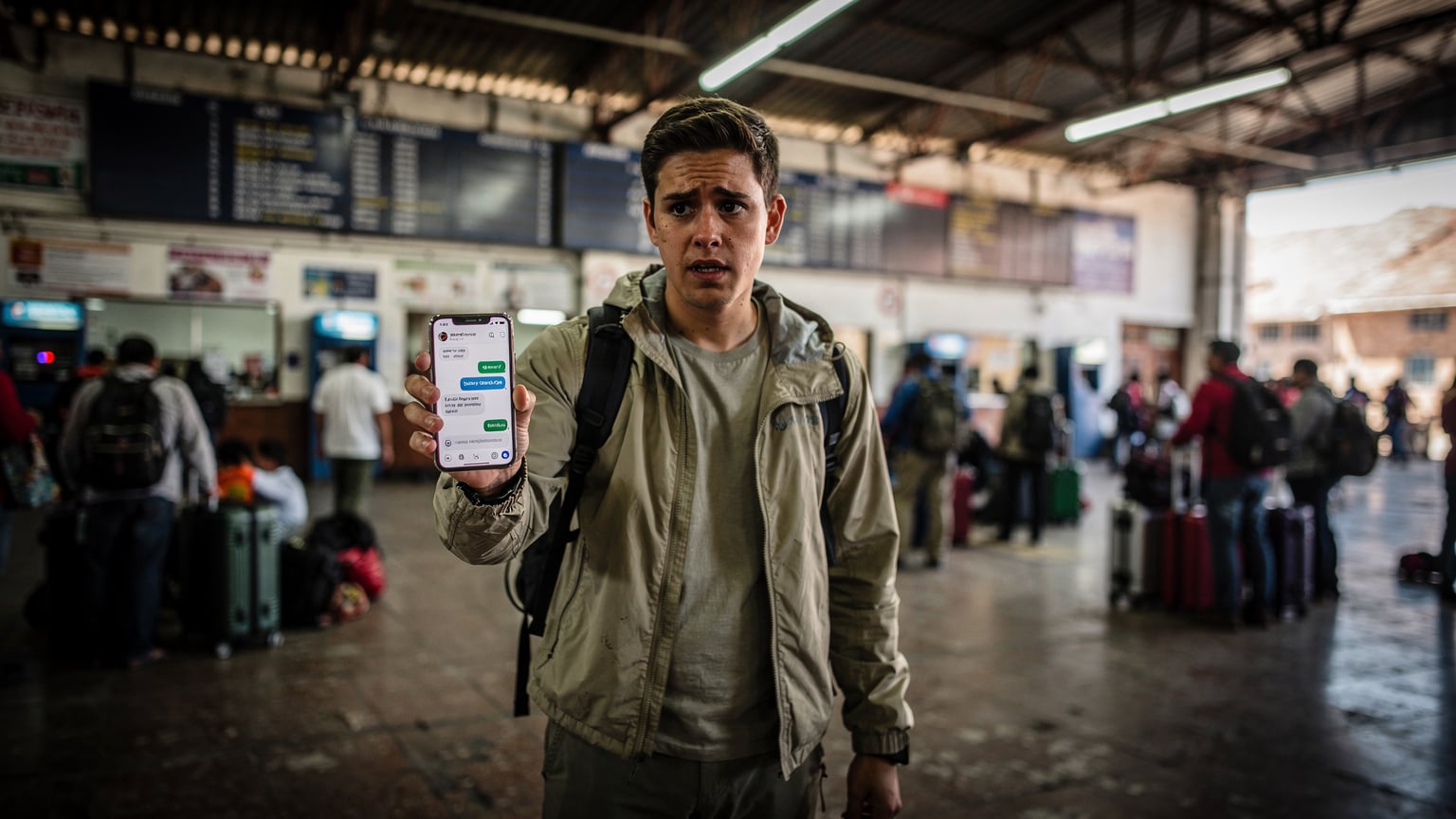
"I remember being stuck at the Uyuni border with Chile, trying to figure out which bus was mine, with zero data. Never again. Always ensure your eSIM is active before you hit the border post. It's a small step that saves major headaches."
Another tactical tip: download offline maps for the region you're entering using Maps.me or Google Maps. Even with an eSIM, there will be dead zones, especially in remote border areas or during long bus rides through the mountains. Having offline maps is a lifesaver for navigation and finding your hostel after a long journey.
How to Activate Your Bolivia eSIM
Activating an eSIM is straightforward, but a little preparation goes a long way. This is a step-by-step procedure that works for most providers.
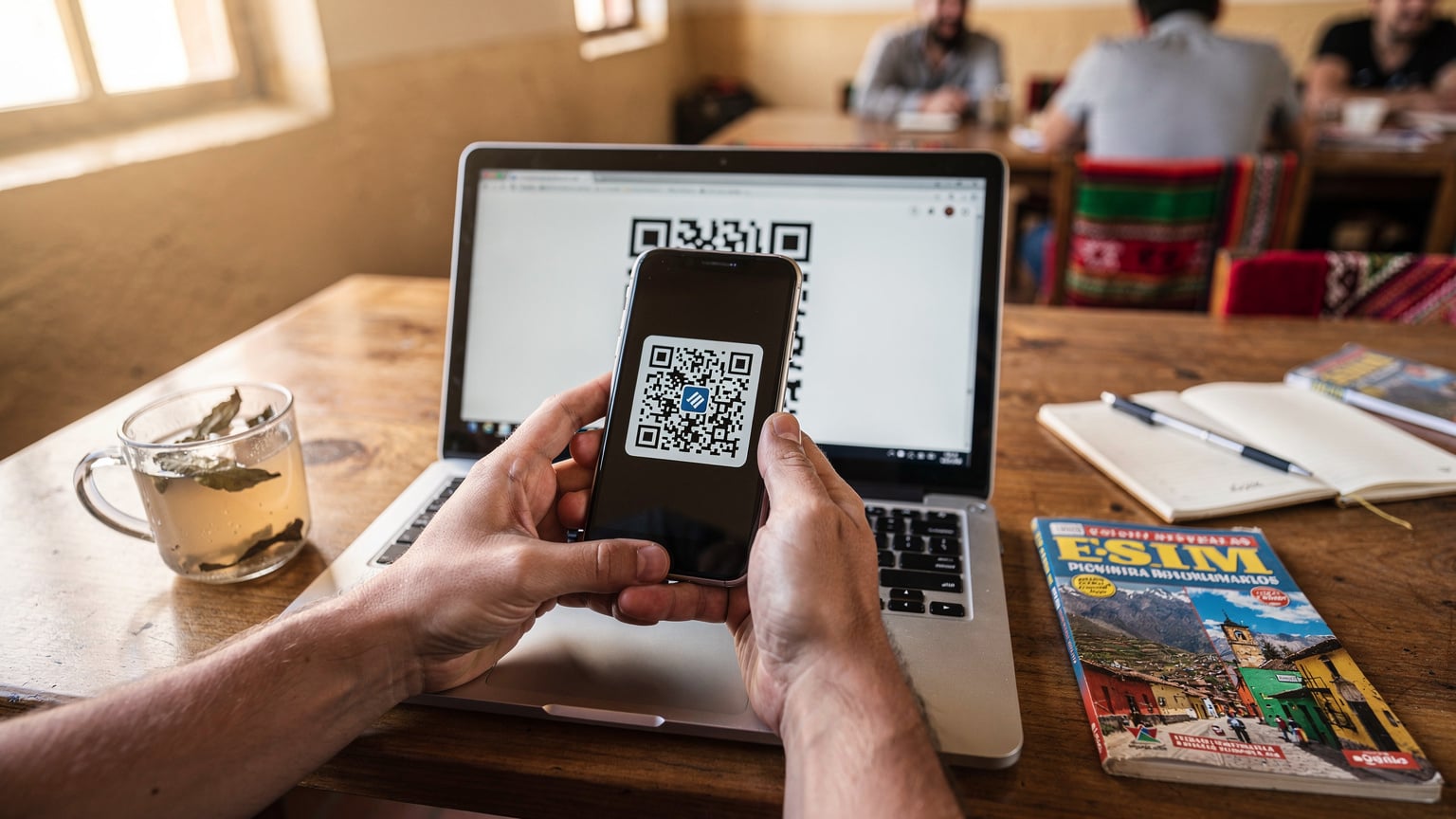
- Purchase Your eSIM Plan: Go online to a reputable eSIM provider like Cellesim (or another provider for eSIM Türkiye, if that's where you're headed next). Choose a plan that matches your data needs and trip duration for Bolivia. You'll receive a QR code or manual activation details via email.
- Ensure Wi-Fi Access: You need a stable Wi-Fi connection to download the eSIM profile to your phone. Do this before you leave your home country or while you have reliable Wi-Fi at your hostel.
- Scan the QR Code: On your iPhone, go to Settings > Cellular/Mobile Data > Add eSIM. On Android, it's typically Settings > Network & Internet > SIMs > Add more. Scan the QR code provided by your eSIM vendor. If you're having trouble, you might need to manually enter the SM-DP+ Address and Activation Code.
- Label Your eSIM: Once installed, label your eSIM (e.g., "Bolivia Data" or "Cellesim Bolivia"). This makes it easy to switch between your home SIM and your travel eSIM.
- Set as Primary for Data: Go to your phone's Cellular/Mobile Data settings and select your new Bolivia eSIM as the primary line for cellular data. Make sure data roaming is enabled for this eSIM profile.
- Disable Home SIM for Data (Optional but Recommended): To avoid accidental roaming charges, disable your home SIM for data while you're traveling. You can still keep it active for calls and texts if you need to receive them.
- Test Your Connection: Once activated, turn off Wi-Fi and test your connection. Open a browser or a messaging app. If it works, you're good to go. If not, restart your phone and double-check your settings.
Real-World Data Usage and Speed Expectations
Forget the advertised speeds you see in glossy brochures. What really matters is what you experience on the ground. In Bolivia, data speeds are generally slower than in Europe or North America, and coverage can be spotty outside major urban areas.
Urban vs. Rural Speeds
In La Paz, Santa Cruz, or Cochabamba, you can expect decent 4G LTE speeds, typically in the 20-50 Mbps range, especially with Tigo. This is more than enough for streaming music, video calls, and quick uploads. However, once you venture into rural areas, like the small towns around Lake Titicaca or the vast stretches of the Salar de Uyuni, speeds will drop significantly, often to 3G or even 2G in some spots. Entel generally performs better in these remote regions, even if the speed is just enough for WhatsApp messages and basic map loading. For more on this, consider reading Telkomsel Tourist eSIM: Local SIM vs. Travel eSIM for Indonesia 2024, which also covers similar challenges in developing network infrastructure.
What About Public Wi-Fi?
Most hostels in Bolivia offer Wi-Fi, but the quality varies wildly. Some are decent enough for video calls, others barely load a webpage. Don't rely solely on hostel Wi-Fi for critical tasks or large downloads. Cafes and restaurants in bigger cities often have Wi-Fi too, but always ask for the password and be wary of public networks for sensitive activities.
Managing Your Data
To make your data last:
- Download Offline Maps: Essential for navigation without data.
- Download Entertainment: Movies, podcasts, and music before you leave Wi-Fi.
- Limit Video Streaming: A few minutes of YouTube can chew through a lot of data.
- Turn off Background App Refresh: This prevents apps from using data without you knowing.
- Use Data Saver Modes: Most phones and browsers have them.
By being mindful of your usage, a 5GB plan can easily last you 10 days if you're smart about leveraging Wi-Fi when it's available. If you're a heavy social media user or rely on video calls, bump that up to 10GB or more.
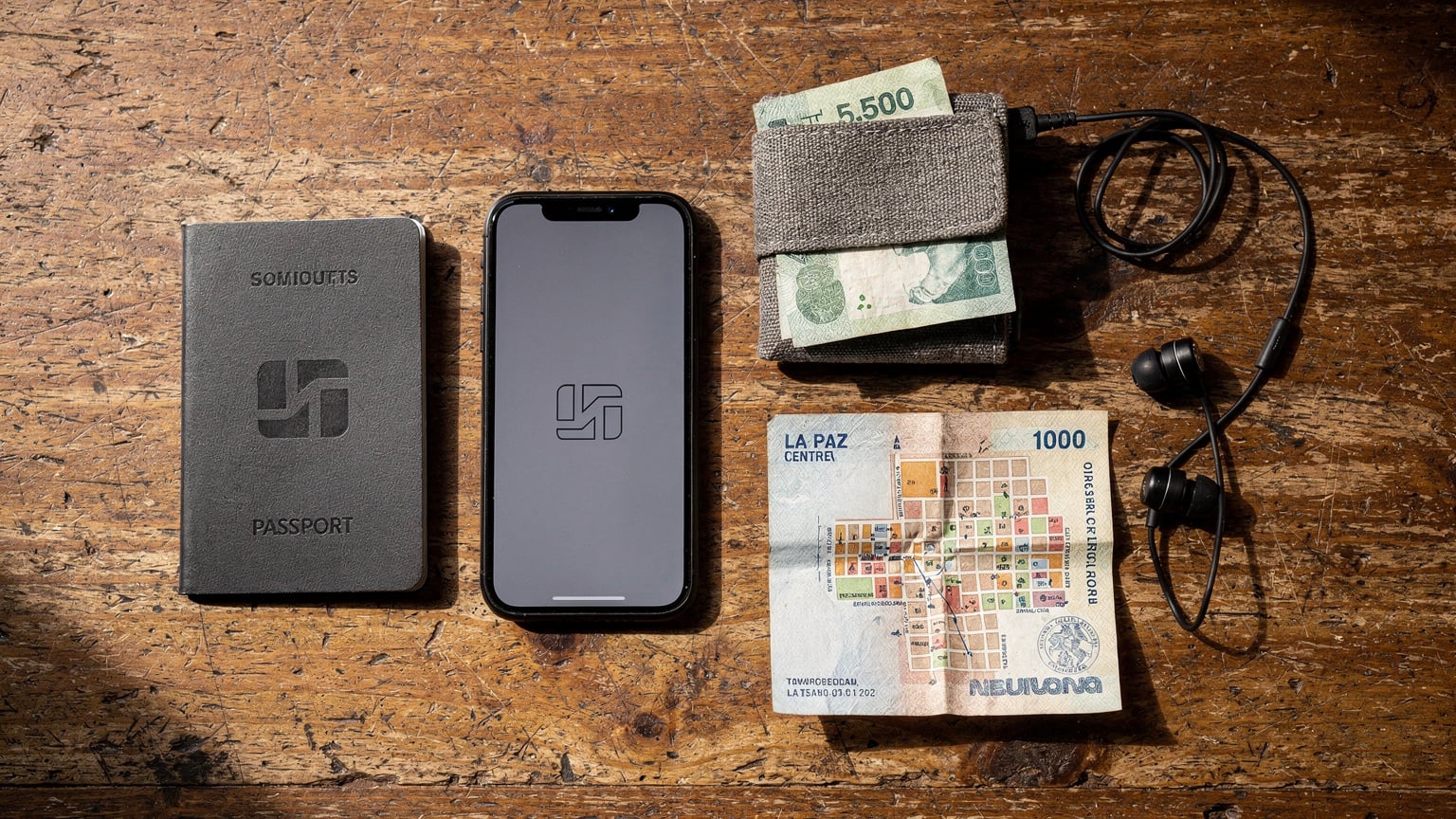
The Bottom Line on Bolivia Connectivity
For 2026, an eSIM is the clear winner for budget-conscious travelers heading to Bolivia. While a local physical SIM might have a lower sticker price, the convenience, time saved, and reduced stress of an eSIM make it a far better investment. You're looking at around €28 for 5GB over 10 days, which is a small price to pay for reliable connectivity in a country where getting online can sometimes feel like a mini-adventure in itself.
Prioritize eSIMs that partner with Entel for wider coverage, especially if you're exploring beyond the main cities. Always download offline maps, manage your data usage, and activate your eSIM before hitting any borders. Doing so will ensure you stay connected, find your way, and share those incredible Bolivian moments without worrying about losing signal or blowing your budget. Happy travels, and may your data always be strong!
Frequently Asked Questions
Which is the best eSIM for Bolivia in 2026?
For 2026, the best eSIM for Bolivia is one that partners with Entel, as they offer the widest coverage across the country, including rural areas. Look for plans with at least 5GB for a 10-day trip.
How much data do I need for a 10-day trip to Bolivia?
For a 10-day trip, a budget traveler typically uses about 750MB of data per day for maps, messaging, and light social media. A 5GB plan is the minimum, but 10GB offers a more comfortable buffer.
Is a local SIM card cheaper than an eSIM in Bolivia?
A local physical SIM card in Bolivia costs less upfront (around €9.60-€13.50 for 5GB), but an eSIM saves you time and hassle. The convenience of instant activation and no language barriers makes an eSIM worth the slightly higher price (around €28 for 5GB).
Will my eSIM work when crossing borders into Bolivia?
Yes, an eSIM should automatically switch to a partner network in Bolivia when you cross the border. It's best to activate your eSIM a few hours before crossing and ensure data roaming is enabled on your eSIM profile to minimize signal interruption.
What are the common data speeds in Bolivia?
In major Bolivian cities like La Paz, you can expect 4G LTE speeds of 20-50 Mbps. In rural areas, speeds can drop significantly to 3G or even 2G, but Entel generally provides the best coverage in these remote regions.
Can I make calls with a Bolivia eSIM?
Most data-only eSIMs for Bolivia do not include a local phone number for traditional calls or SMS. However, you can use VoIP apps like WhatsApp or Telegram for calls and messages over data, which is usually sufficient for travelers.