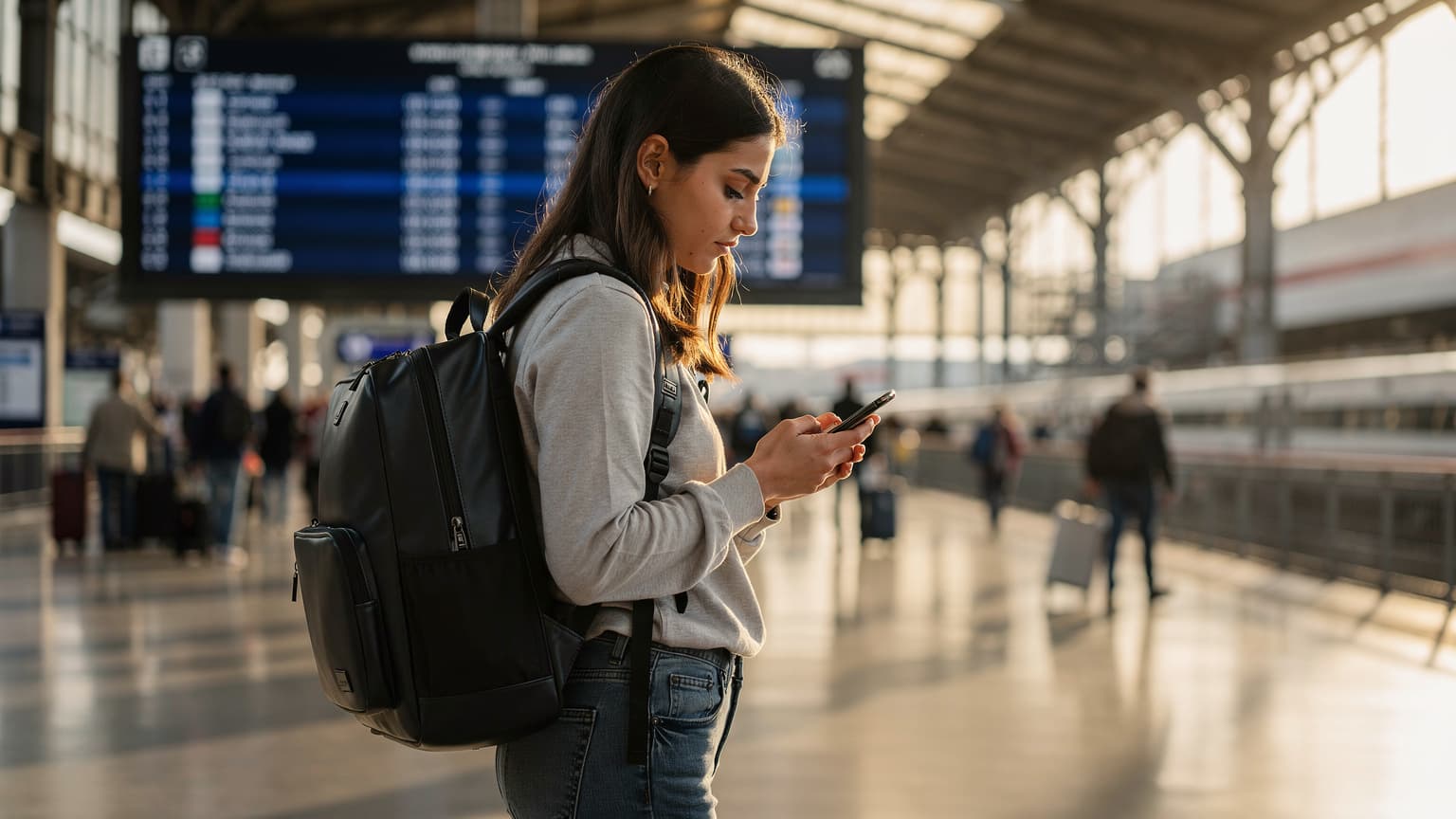
eSIM Cards Explained: Why Every Traveler Needs One in 2026
Hey there, fellow travelers! If you're reading this, you're probably either planning an incredible trip, dreaming about one, or just curious about how to make your future adventures easier and less stressful. Good news: you're in the right place. Today, we're talking about a real game-changer that's completely changing how we stay connected when we travel: the eSIM. Trust me, by 2026, this isn't just a nice gadget; it's going to be essential.
What Exactly is an eSIM?
Let's get the basics down. You know that tiny plastic card you usually stick into your phone to get service? That's a physical SIM card. An eSIM, which stands for "embedded SIM," is basically the digital version. Instead of a physical chip you pop in, the eSIM is built right into your device - think smartphones, tablets, smartwatches, you name it - when it's made. It's a small, reprogrammable chip that can hold multiple network profiles. That means you can switch between different mobile carriers without ever messing with a physical card.
The Evolution of Connectivity
For years, travelers dealt with the same old headaches: expensive international roaming, hunting for local SIM cards in airports where you don't speak the language, or relying on iffy, insecure public Wi-Fi. Each option brought its own set of frustrations, from shocking phone bills to language barriers and security risks. The eSIM changes all that. It's a smooth, digital solution that puts control right in your hands.
Why 2026 is the Year of the eSIM
eSIM technology has been around for a few years, but it's really hitting its stride now in mainstream travel. Here's why 2026, specifically, will make the eSIM an absolutely necessary travel companion.
Ubiquitous Device Support
By 2026, most new smartphones, tablets, and even many smartwatches will include eSIM capabilities. Big manufacturers like Apple, Samsung, and Google have been steadily removing physical SIM trays from some models. This shows a clear move towards an eSIM-first future. For travelers, this means fewer compatibility problems and a much smoother experience.
Increased Global Coverage and Competition
As more people want eSIMs, more providers pop up. More and more mobile network operators worldwide are supporting eSIMs, and a growing number of dedicated eSIM providers, like Cellesim, are joining the market. This means more choices, better prices, and wider coverage for almost anywhere you go. You'll find competitive data plans for single countries, entire regions, or even global coverage, making it simpler than ever to pick a plan that fits your trip perfectly.
Enhanced User Experience and Simplicity
Activating and using an eSIM has become incredibly user-friendly. No more fiddling with tiny tools, losing your home SIM card, or trying to figure out complicated activation steps. With just a few taps on your phone, you can buy, download, and activate a data plan before you even leave home, or right when you land. This ease of use is a big reason for its growing popularity.
The Unbeatable Benefits of Using an eSIM for Travel
Let's talk about the practical advantages. Why should you ditch the old SIM card and switch to an eSIM for your next adventure?
Instant Connectivity, Anywhere
Imagine landing in a new country and having instant mobile data the moment your plane touches down. With an eSIM, you can buy a plan online before you leave, activate it when you arrive, and completely skip the frantic search for a local SIM vendor. This saves valuable travel time and gets rid of that initial rush of anxiety you often feel when you're disconnected in a foreign place.
Cost Savings and Transparency
International roaming charges from your home provider can be outrageous. Local physical SIMs might offer better rates but often come with hidden fees or tricky top-up systems. eSIMs, especially from providers like Cellesim, offer clear, competitive pricing for data packages. You know exactly what you're paying for upfront, and you can easily check your usage and add more data if you need it, avoiding any bill surprises.
Flexibility and Convenience
One of the best things about an eSIM is how flexible it is. You can store several eSIM profiles on your device. This means you could keep your home network on one profile and a travel eSIM for your destination on another. Just switch between them whenever you need to. For example, if you're traveling through several countries, you can buy regional eSIMs or even individual country plans and activate them on the fly without ever touching a physical card. No more juggling tiny pieces of plastic!
Enhanced Security
Losing a physical SIM card is a pain and can be a security risk if it gets into the wrong hands. An eSIM, because it's built in, can't be physically removed or stolen. This gives you an extra layer of security for your mobile connection while you're traveling.
Dual SIM Functionality
Most eSIM-compatible phones support Dual SIM functionality. This means you can use both your physical SIM (if your phone still has a tray) and an eSIM at the same time. This is super handy for travelers who want to keep their main phone number active for calls and texts while using an eSIM for affordable data in their destination country. You can take calls on your home number while browsing the web and using maps with your Cellesim data plan.
Environmentally Friendly
It's a small detail, but switching to eSIMs reduces the production and waste of plastic SIM cards and their packaging. It's a tiny step towards more sustainable travel.
How to Get Started with an eSIM (Featuring Cellesim)
Ready to jump into the future of travel connectivity? Here's a simple guide to getting set up with an eSIM.
1. Check Device Compatibility
First and foremost, make sure your device is eSIM compatible and unlocked. Most newer smartphones (iPhone XS/XR and newer, Samsung Galaxy S20 and newer, Google Pixel 3 and newer, etc.) support eSIMs. A quick online search for your specific model will confirm this. Your phone also needs to be unlocked by your home carrier to use an eSIM from another provider.
2. Choose Your eSIM Provider and Plan
This is where providers like Cellesim really shine. Visit their website or app and check out their wide range of data plans. You can search by country, region (like Europe or Asia), or even global plans. Think about how much data you usually use, how long your trip is, and your budget. Cellesim offers good rates and an easy-to-use interface to help you find the perfect plan.
3. Purchase and Install Your eSIM
Once you've picked your plan, buy it online. You'll usually get an email with a QR code or manual activation details. The installation process is generally pretty simple:
- For QR Code: Go to your phone’s settings (usually under "Cellular" or "Mobile Data"), choose "Add eSIM" or "Add Data Plan," and scan the QR code.
- For Manual Activation: Type in the provided SM-DP+ Address and Activation Code manually.
Cellesim provides clear, step-by-step instructions to guide you, making sure your setup goes smoothly.
4. Activate and Connect
Once installed, turn on your new eSIM profile in your phone's settings. You can often give it a name to easily recognize it (e.g., "France Travel" or "Cellesim"). Make sure data roaming is turned on for the eSIM profile if your phone asks you to. You can usually activate it before you travel, and it will automatically connect to a local network when you arrive in your destination country. It's that easy!
A Glimpse into the Future: eSIM Beyond 2026
The path for eSIM technology is only going up. Beyond 2026, we can expect even deeper integration into IoT (Internet of Things) devices, from smart luggage to connected cars, making our entire travel experience smarter and more connected. Look for more flexible pricing models, AI-driven plan recommendations, and possibly even stronger security features. The days of hunting for Wi-Fi or fumbling with tiny cards will soon be a distant memory for most travelers.
Final Thoughts for the Modern Traveler
In our increasingly connected world, staying online while traveling has become a necessity, not a luxury. Whether it's for finding your way around new streets, translating menus, keeping in touch with family, or simply sharing those amazing travel moments on social media, reliable data is crucial. The eSIM offers an unbeatable solution that's convenient, affordable, and secure.
So, as you plan your adventures for 2026 and beyond, make sure an eSIM is at the top of your packing list. Providers like Cellesim are making it easier than ever to stay connected, letting you focus on what really matters: experiencing the world. Happy travels, and stay connected!