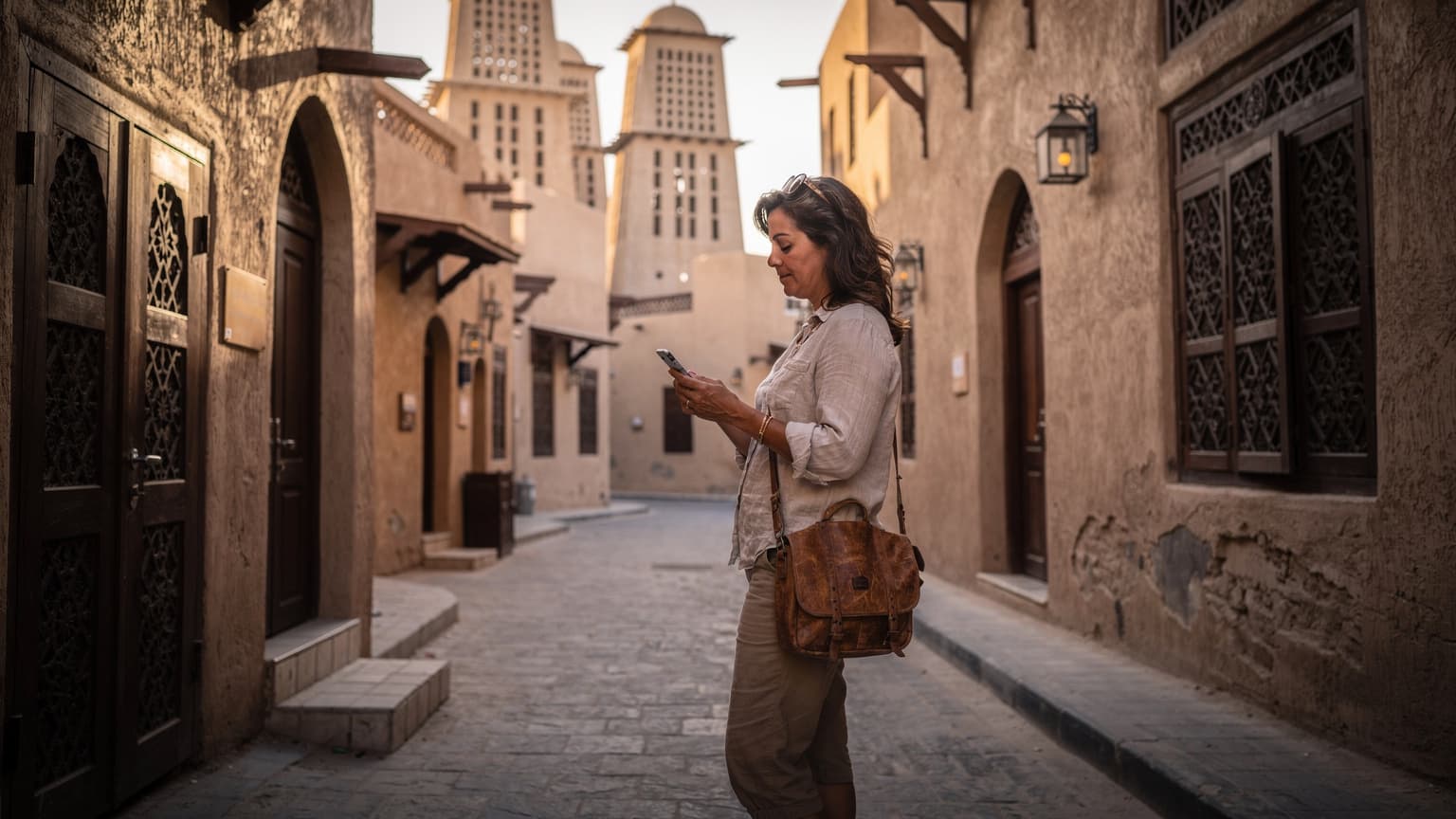
Why a Regional eSIM Is Your Middle East Travel Hack
I still remember the first time I tried to buy a local SIM card in Cairo, back in '08. Landed at Cairo International, exhausted, and spent an hour trying to explain to a Vodafone Egypt vendor at Terminal 1, in broken Arabic, that I needed data, not just calls. It was a proper headache, especially after a red-eye. Fast forward to 2026, and a regional eSIM for the Middle East has become my default. Why? It's about efficiency and avoiding those pre-coffee travel frustrations.
When you're planning a trip that might take you from the souks of Mutrah in Muscat to the bustling streets of Downtown Amman, switching physical SIMs at every border isn't just inconvenient, it's a colossal waste of precious travel time. Imagine crossing from Jordan into Israel, or from the UAE into Oman. Each time, you'd be hunting for a local vendor, often dealing with language barriers, and figuring out local registration requirements. A single eSIM takes care of all that, letting you focus on finding the best falafel stand or navigating the local transit, like the Dubai Metro's Red Line, without a hitch.
The Multi-Country Advantage: One Plan, Many Borders
The beauty of a regional eSIM isn't just about avoiding a queue at the airport. It's about maintaining a consistent connection as you traverse diverse landscapes. Picture this: you've just landed at Queen Alia International Airport in Amman, Jordan. Before your taxi even leaves the airport's perimeter, your eSIM is already connected to Zain Jordan, allowing you to pull up your hotel booking in Jabal Lweibdeh. A week later, you cross into Saudi Arabia, heading for Riyadh's Olaya District, and seamlessly, your phone picks up STC KSA without you lifting a finger. That's the power of a regional plan, it makes border crossings feel like just another turn on the road.
This seamless transition is particularly valuable for travelers on tight schedules or those combining business with leisure. No downtime, no frantic searches for Wi-Fi, just continuous connectivity. (And believe me, trying to find reliable public Wi-Fi in some of the older parts of Damascus, Syria, was a real adventure back in the day, one I don't miss.)
Saving Money and Sanity: Avoiding Roaming Nightmares
Let's not mince words: international roaming from your home carrier is often a highway robbery. I once had a client, bless his heart, rack up $400 in data charges on a week-long trip to Bahrain because he forgot to switch off roaming. With an eSIM, you're essentially buying data at near-local rates, bypassing the exorbitant markups of your home provider. The difference in cost can be significant, freeing up your budget for experiences, like haggling for spices in the Souq Waqif in Doha, Qatar, or enjoying a traditional Emirati breakfast in Al Fahidi.
Beyond the cost, there's the sheer mental relief. Knowing you have a stable, affordable data connection removes a significant layer of travel anxiety. You can use Google Maps for walking directions through the labyrinthine alleys of Fes el-Bali in Morocco, call an Uber in Dubai, or keep in touch with family without constantly worrying about data usage. It’s about being present in the moment, rather than fixed on your phone's data counter.
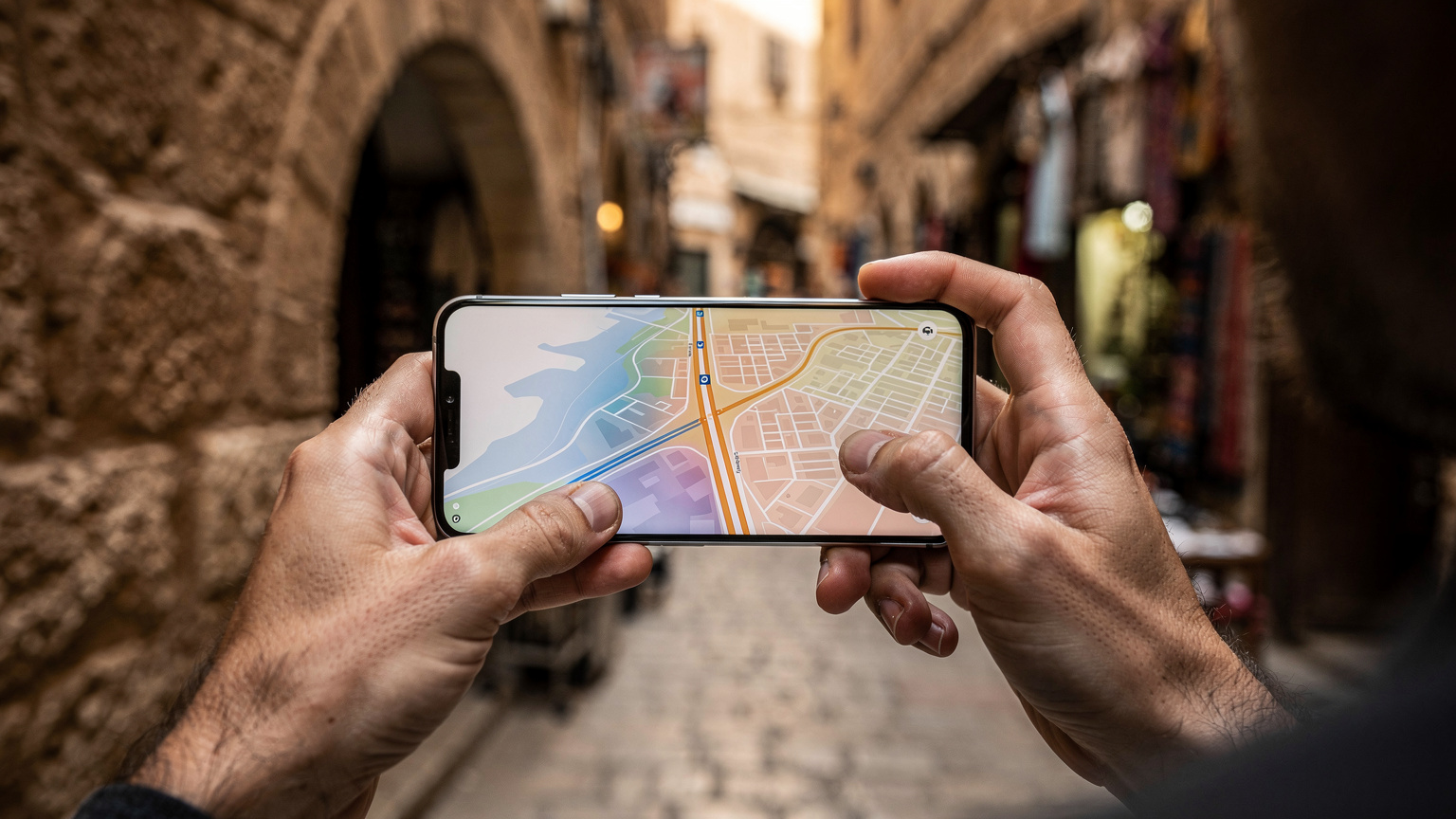
Mapping the Middle East: Which Countries Are Covered?
The term 'Middle East' can be a bit fluid, geographically speaking. For the purposes of a regional eSIM, we're typically talking about a core group of countries that offer robust connectivity and are popular travel destinations. These plans are designed to give you broad coverage, usually spanning at least 11 nations. This means if you're planning a grand tour, from the Pyramids of Giza in Egypt to the modern marvels of Abu Dhabi, UAE, you're covered.
The specific list can vary slightly between providers, but generally includes the major players in the Gulf, the Levant, and North Africa. It’s always worth double-checking the exact country list before you purchase, especially if your itinerary includes lesser-visited spots. But for the most part, the regional plans are impressively comprehensive.
Key Destinations and Their Network Partners
When you opt for a Middle East eSIM, Cellesim partners with the strongest local networks to ensure you get the best possible signal. This isn't some fly-by-night operation; these are established carriers with extensive infrastructure. For example:
- UAE: You'll likely connect to either Etisalat or Du. Both offer excellent 5G coverage throughout Dubai (especially in areas like Business Bay) and Abu Dhabi.
- Saudi Arabia: STC and Mobily are the dominant players, providing reliable service in cities like Riyadh and Jeddah, and along major pilgrimage routes.
- Jordan: Zain Jordan and Orange Jordan are the mainstays, with strong coverage from Amman's Downtown to the Dead Sea region.
- Egypt: Etisalat Misr, Orange Egypt, and Vodafone Egypt are the big three, ensuring connectivity whether you're by the Nile in Luxor or exploring the bustling streets of Khan el-Khalili in Cairo.
- Qatar: Ooredoo and Vodafone Qatar deliver strong performance, crucial for navigating Doha's West Bay or attending events.
- Bahrain: Batelco, Zain Bahrain, and STC Bahrain offer good network density across the island.
This kind of multi-carrier support within a single plan is a huge advantage. If one network is experiencing issues, your eSIM often has the intelligence to switch to another available partner network, keeping you online.
| Country | Primary Local Carrier(s) | Key Travel Hubs |
|---|---|---|
| United Arab Emirates | Etisalat, Du | Dubai (Downtown, Jumeirah), Abu Dhabi (Corniche) |
| Saudi Arabia | STC, Mobily | Riyadh (Olaya), Jeddah (Al-Balad) |
| Jordan | Zain Jordan, Orange Jordan | Amman (Jabal Lweibdeh), Petra |
| Egypt | Etisalat Misr, Vodafone Egypt, Orange Egypt | Cairo (Zamalek), Luxor, Sharm El Sheikh |
| Qatar | Ooredoo, Vodafone Qatar | Doha (West Bay, Souq Waqif) |
| Bahrain | Batelco, Zain Bahrain, STC Bahrain | Manama (Seef District) |
| Kuwait | Zain Kuwait, Ooredoo Kuwait, STC Kuwait | Kuwait City (Salmiya) |
| Oman | Omantel, Ooredoo Oman | Muscat (Mutrah), Salalah |
Navigating the Edges: Coverage in Lesser-Known Spots
While major cities will always have excellent 4G/5G coverage, what about those off-the-beaten-path destinations? I've driven through the Wadi Rum desert in Jordan and still managed to get a signal for basic messaging, thanks to Zain's surprisingly far-reaching towers. In the more remote areas of Oman's Jebel Shams, coverage might drop to 3G, but you'll rarely find yourself completely cut off.
This resilience is key. Your eSIM isn't just for checking emails in your hotel in Downtown Dubai. It's for when you're slightly lost trying to find that specific spice shop in the Souq Al-Mubarakiya in Kuwait City, or when you need to quickly translate a sign in a less touristy part of Alexandria, Egypt. It's for those moments when you really need data, not just when it's convenient.
Choosing Your eSIM Plan: Data Needs and Durations
Picking the right eSIM plan is like choosing the right backpack, it has to fit your trip. Are you a light traveler, just needing WhatsApp and a few maps? Or are you a digital nomad uploading videos from a café in Riyadh? Cellesim offers a range of options, from a few gigabytes for a short trip to larger, longer-term plans for extended stays. It's about matching your data consumption to your travel style, not overpaying for data you won't use.
Consider your daily habits. Do you stream music on your morning commute via the Dubai Metro? Do you make video calls back home? These activities consume data quickly. For a typical traveler relying on maps, social media, and messaging, 5-10GB for a two-week trip is usually a good starting point. For remote workers, you might want to look at 20GB or more, or even eSIM plans designed for remote working parents.
Data Allowances and Validity Periods
Cellesim's regional Middle East eSIM plans typically come with various data allowances and validity periods. You might find options like:
- Small packages (1-3GB): Ideal for short trips (3-7 days) or light users who primarily rely on Wi-Fi. Perfect for a quick city break in Doha.
- Medium packages (5-10GB): Good for a one to two-week trip, balancing regular usage with cost-effectiveness. This is what I'd recommend for a classic Jordan-Egypt itinerary.
- Large packages (20GB+): Best for extended stays (30+ days), heavy data users, or those who need to work remotely.
The validity period is just as important. A 30-day plan with 10GB is great for a month-long backpacking journey through the region, but overkill if you're only spending a weekend in Manama, Bahrain. Always check the activation date and expiration, as some plans activate immediately upon purchase, while others begin on connection to the network.
Unlimited Data: The Fine Print for Travelers
You'll sometimes see