Ethiopia Uses a Different Calendar
This isn't just some quirky fact, it's a real part of daily life you'll notice right away. Ethiopia uses its own calendar, the Ethiopian Calendar, which typically runs seven to eight years behind the Gregorian calendar we use. So, if you visit in what we call 2026, they might be marking 2018 or 2019. It's also got 13 months: 12 months with 30 days each, plus a 13th month of five or six days, depending on leap years. That's why their tourism slogan, "13 months of sunshine," really makes sense.
Why Does This Matter for Travelers?
Don't sweat your flight bookings, those will still be on the Gregorian system. But for local events, festival dates, or even just glancing at a newspaper, you'll see a different year. Always double-check important dates with locals, especially if you're planning around specific cultural celebrations. I once almost missed a big market day in Gondar because I totally misread a local date sign. Luckily, my hostel manager set me straight.
It Has Its Own Time System
As if a different calendar wasn't enough, Ethiopia also uses a unique 12-hour clock system that kicks off at dawn. What we call 7 AM, they might call 1 o'clock in the morning, meaning one hour after sunrise. Noon (our 12 PM) is their 6 o'clock. This can get seriously confusing, especially when you're trying to meet someone or catch a bus.
Navigating Ethiopian Time
Whenever someone tells you a time, always clarify if they mean 'local time' (Ethiopian time) or 'ferenji time' (foreigner's time, which is what we typically use). Most tourist businesses, like tour operators and nicer hotels, will use ferenji time, but local buses, market vendors, and smaller guesthouses often stick to Ethiopian time. It's best to ask, "7 o'clock, ferenji or local?" A quick question can save you hours of waiting or, even worse, missing your ride. I learned this the hard way trying to catch a predawn bus from Addis Ababa to Bahir Dar. That 11 o'clock departure I thought was late morning was actually 5 AM.
Coffee Originated Here
Ethiopia is the undisputed birthplace of coffee, specifically from the Kaffa region, which is where the bean gets its name. Legend says a goat herder named Kaldi noticed his goats getting super energetic after munching on berries from a particular tree. The coffee ceremony is a huge part of Ethiopian culture and hospitality, and it's something you absolutely have to experience. It's more than just a drink; it's about community and conversation.
The Coffee Ceremony: A Must-Do Experience
A full coffee ceremony can easily take an hour or more. It starts with roasting green coffee beans over hot coals, then grinding them, brewing them in a traditional clay pot called a jebena, and finally serving them in small cups (si'ni). You'll usually get sugar, and sometimes rue or salt. Often, you're offered three rounds, each one a little weaker than the last. Always accept an invitation to a ceremony; it's a sign of respect. This isn't just for tourists; it's a daily ritual in homes and cafes. Find a local spot, grab a stool, and just soak it all in. You'll find these ceremonies everywhere, from busy Piazza cafes in Addis to tiny roadside stalls in rural villages.
The Language is Amharic, But Many Others Exist
Amharic is Ethiopia's official working language, but don't be surprised to hear over 80 other languages spoken across the country. Oromo and Tigrinya are two of the big ones. English is taught in schools, and you'll find it spoken in tourist areas, especially by younger people and those working in hotels or with tour groups.
Basic Amharic Phrases Go a Long Way
Learning a few Amharic phrases will definitely get you smiles and make your interactions smoother. Here are some essentials:
- Salamno (or Selam): Hello
- Amesegenallo: Thank you
- Eshi: Okay / Yes
- Yellem: No / There isn't
- Waga sint new?: How much?
- Minim aydel: You're welcome / No problem
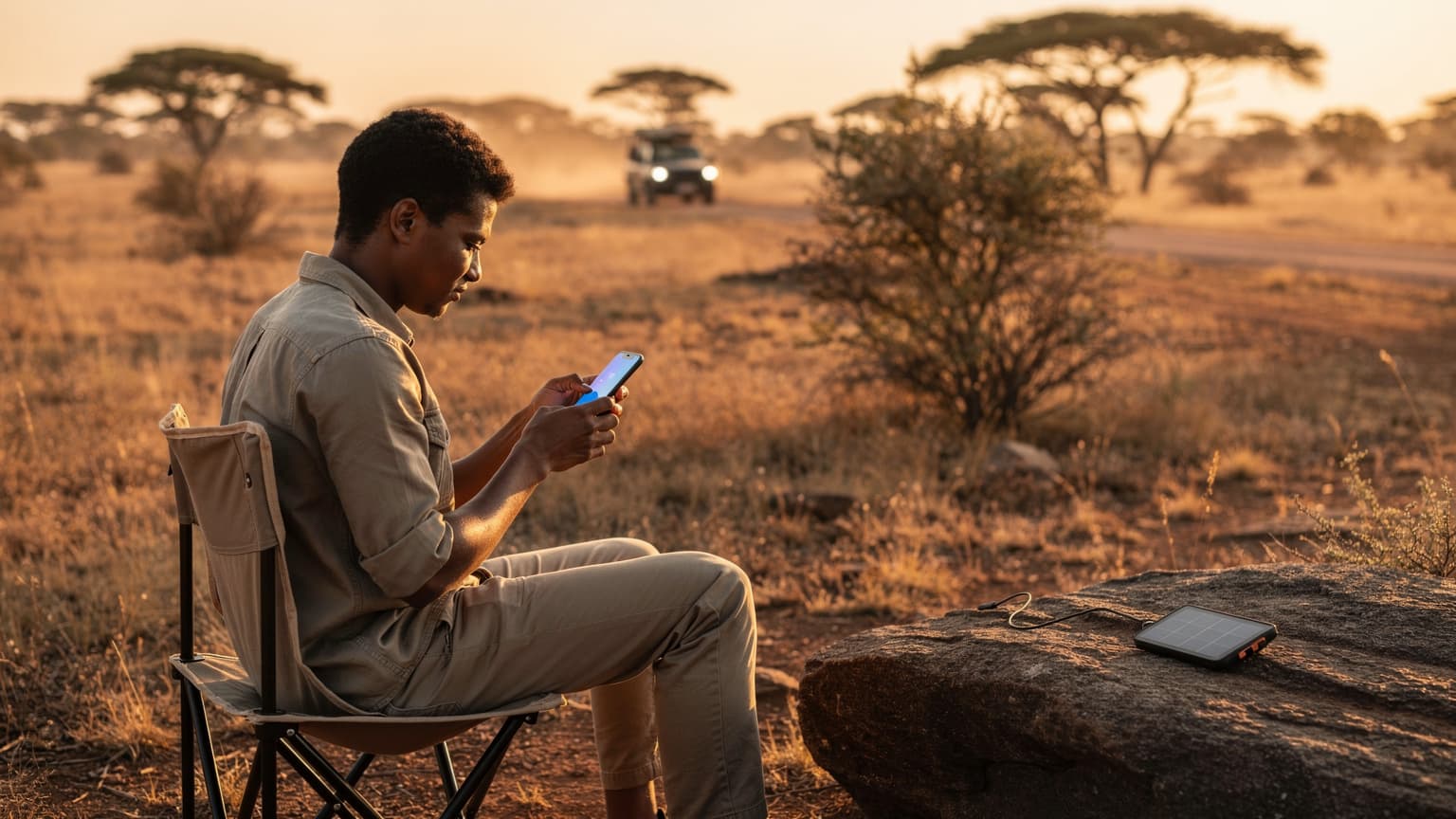
Even if your pronunciation is terrible, the effort is truly appreciated. In more remote spots, a phrasebook or a translation app on your eSIM-enabled smartphone will be a lifesaver, especially when you're trying to haggle for a shared taxi or buy snacks at a local market.
Injera is the Staple Food
Get ready for injera. This soft, spongy, sourdough flatbread, made from teff flour, is the centerpiece of almost every Ethiopian meal. It doubles as both your plate and your utensil, used to scoop up delicious wots (stews) of meat, vegetables, and lentils. Eating with your hands, specifically your right hand, is how it's done.
Mastering the Injera Scoop
Eating injera can be a bit messy at first, but you'll quickly get the hang of it. Just tear off a piece with your right hand, then use it to scoop up some stew. Don't be shy; dig in! Meals are often shared from one big platter, making it a truly communal experience. For vegetarians, Ethiopia is a dream, with tons of delicious fasting dishes (which are naturally vegan) available all year, especially on Wednesdays and Fridays. My personal favorite was shiro wot, a chickpea flour stew, served with a mountain of injera.
It Was Never Colonized
Ethiopia proudly stands as one of only two African nations (the other being Liberia) that was never formally colonized. While it did face a brief Italian occupation in the 1930s, it successfully fought to maintain its independence. This history is a huge source of national pride and shapes its culture, politics, and how Ethiopians see themselves.
A Sense of Unique Identity
Because Ethiopia was never colonized, its cultural and historical stories are truly its own, without the heavy influence of European colonial powers. You'll feel this in the distinctive art, music, food, and social customs. It's a country whose traditions have grown organically for thousands of years, offering an experience that feels incredibly authentic and stands out from many other African nations.
Rock-Hewn Churches of Lalibela
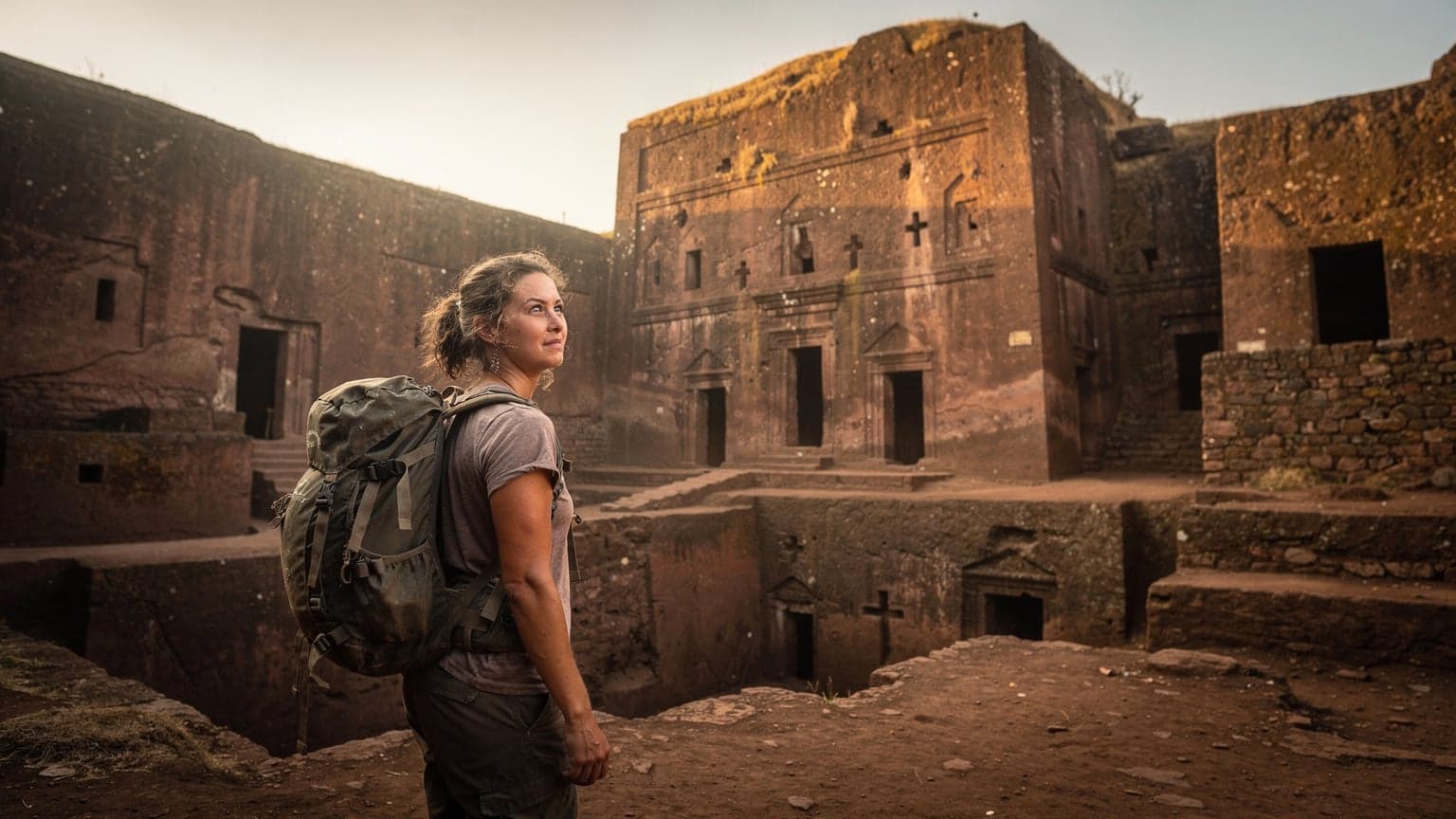
The 11 monolithic churches of Lalibela, carved directly out of solid rock in the 12th century, are an absolute wonder and a UNESCO World Heritage site. They were built to be a 'New Jerusalem' and are still active places of worship today. Seeing them up close, often with pilgrims deep in prayer, is an experience you won't forget.
Navigating the Sacred Site
You'll need a local guide to explore Lalibela, which you can arrange through your hostel or directly at the ticket office. They'll explain the history and meaning of each church and help you find your way through the underground tunnels and paths. Be prepared to take your shoes off often when entering the churches. The entrance fee is a bit steep (for backpackers) at $50 USD for a five-day pass, so budget for it. But honestly, it's worth every penny. You could consider an overnight bus from Addis to save on flights, but brace yourself for a bumpy ride and potential delays. I always keep my eSIM-enabled phone charged for any unexpected changes.
The Great Rift Valley Runs Through It
Ethiopia's landscape is dramatically defined by the Great Rift Valley, a massive geological trench that stretches thousands of kilometers across Africa. This has created an incredible range of scenery, from towering mountains to sprawling plains, fertile valleys, and numerous lakes.
Diverse Landscapes and Wildlife
Thanks to this geological marvel, Ethiopia offers an amazing variety of environments for travelers. You can trek in the Simien Mountains, explore the otherworldly Afar Depression, or visit the crater lakes of the Rift Valley. Each region has its own unique plants, animals, and cultural groups. Keep an eye out for gelada baboons in the Simiens, a species found only in the Ethiopian highlands.
Connectivity on a Budget: My Data Strategy
Let's get real about staying connected without emptying your wallet. For my 12-day trip through Ethiopia, I spent a grand total of $32 on data. That's about $2.67 a day, which for keeping up with hostel bookings, using maps, and a bit of social media, is a win in my book. I used a Cellesim eSIM, which I activated before even landing. This meant I had data the second I stepped off the plane at Bole International Airport in Addis Ababa, completely skipping the often chaotic queues at local SIM stalls.
Why I Chose an eSIM Over a Local SIM
While you can get local SIM cards from Ethio Telecom, the process can be a bureaucratic nightmare. You'll need your passport, often photocopies, and a lot of patience for the registration. The kiosks at the airport can be slow, and in smaller towns, finding a place to buy and register a SIM might eat up precious travel time. Plus, your phone needs to be unlocked. For me, the sheer convenience of an eSIM was worth the slightly higher upfront cost compared to the absolute cheapest local SIM (which might save you a dollar or two but cost you hours of hassle).
Here's how my data use typically breaks down:
| Activity | Daily Data Consumption (approx.) | Impact on Budget Backpacking |
|---|---|---|
| Maps & Navigation (Google Maps/Maps.me) | 50-100 MB | Essential for finding hostels, bus stops, local eateries. Low data use if maps are downloaded offline. |
| Messaging (WhatsApp/Telegram) | 20-50 MB | Coordinating with travel buddies, family. Crucial for safety and logistics. |
| Hostel Bookings & Research | 100-200 MB | Booking next-day accommodation, checking reviews, finding budget food spots. |
| Light Social Media / Emails | 150-300 MB | Keeping up with my Substack, quick photo uploads. Can be cut back if needed. |
| Emergency Calls (VoIP) | Minimal | Voice calls via WhatsApp are cheaper than traditional international calls. |
My Cellesim plan for Ethiopia started at $22.40 for a decent chunk of data, and they offer over 4 plans. For a typical 10-day trip, using about 500MB/day (a mix of maps, messaging, and light browsing) means I needed around 5GB. The Cellesim options fit that perfectly, without forcing me into a plan with data I'd never use. It's about finding that sweet spot between cost and convenience.
Setting Up Your Cellesim eSIM: A Quick How-To
The setup process is super simple, which is exactly what you want when you're tired from a flight.
- Buy your eSIM: Head to the Cellesim website and pick an Ethiopia eSIM plan that fits your data needs and how long you'll be traveling.
- Get your QR code: After buying, Cellesim emails you a QR code. Make sure you can access this email or have a printout.
- Scan the QR code: On your smartphone (iPhone or Android), go into your mobile settings and look for 'Add eSIM' or 'Add Cellular Plan'. Scan that QR code.
- Activate and connect: Just follow the prompts on your screen. Make sure data roaming is switched on for your eSIM profile. In minutes, you should be connected to the local network.
This whole method lets you skip dealing with local vendors, language barriers, and registration forms. It's a small extra cost for the peace of mind and instant connection, especially handy if you're arriving late or want to hit the ground running. If you're crossing land borders, an eSIM is even more crucial. I once had to rely on super sketchy bus station WiFi near the Somaliland border, which was a nightmare. An active eSIM would have saved me so much trouble. For more common questions, check out Cellesim's FAQ.
Currency and Cash Economy
The local money is the Ethiopian Birr (ETB). While some fancy hotels and restaurants in Addis Ababa might take credit cards, Ethiopia mostly runs on cash. For most of your expenses, especially outside the capital, you'll need Birr.
Where to Get Cash and How Much to Carry
ATMs are in major cities, but they can be unreliable or run out of cash. Your best bet is to pull out larger amounts when you find a working ATM or exchange foreign currency (USD or EUR are best) at banks or official exchange bureaus. I usually carried around 3,000-5,000 ETB (about $50-90 USD, depending on the exchange rate) for daily needs, especially for transport and food in smaller towns. Always keep a good chunk of your cash stashed in a separate, safe spot.
Important note on border crossings: If you're coming from a country like Kenya or Sudan, exchanging money at border towns can be risky because of unofficial rates and potential scams. Always try to exchange at an official bank in a major city. Also, officially, you're supposed to declare large amounts of foreign currency when you enter, so keep your receipts. You don't want to be the tourist who gets caught out.
Transportation: Local Buses and Minibuses
Getting around Ethiopia is an adventure in itself. Long-distance buses connect the main cities, while smaller minibuses (called 'blue donkeys' by locals) and shared taxis handle shorter trips. It's cheap, but rarely comfortable or fast.
Navigating Public Transport: Tips for Backpackers
For long-distance buses (like Selam Bus or Sky Bus), buy your ticket at the bus station a day ahead if you can, especially for popular routes like Addis Ababa to Lalibela or Gondar. For minibuses, just flag them down, tell the conductor where you're going, and pay when you get off. Fares are usually set, but you might need to haggle a bit if you clearly look foreign. Always confirm the price before you get in. I usually show them a Birr note and ask "Waga sint new?" to confirm. It's a smart move and saves you from paying a few extra Birr, which adds up.
- Long-distance buses: Usually leave early in the morning (remember to clarify ferenji vs. local time!). They'll stop for food and bathroom breaks.
- Minibuses/shared taxis: They cram in as many people as possible. Be ready for tight spaces. They only leave when they're full.
- Bajajs (tuk-tuks): Common for short distances in smaller towns. Negotiate the price before you start your ride.
The Danakil Depression: An Extreme Landscape
For the truly adventurous, the Danakil Depression is one of the hottest places on Earth. It's home to surreal geological formations, including vibrant sulfur springs, active volcanoes, and vast salt flats. It's an otherworldly experience, but definitely not for the faint of heart.
Planning a Trip to the Danakil
You absolutely need a guided tour to visit the Danakil Depression. You can't go independently because of the extreme conditions and remote location. Tours typically leave from Mekele and usually last 3-4 days. Expect basic accommodation (like sleeping on mats under the stars), intense heat, and a challenging environment. It's expensive, often upwards of $400-600 USD, so it's not for every budget backpacker. But if you have the funds, it's an unparalleled adventure. Make sure your travel insurance covers extreme activities, and that your eSIM has enough data to check in with people back home, as you'll be totally off the grid otherwise.