

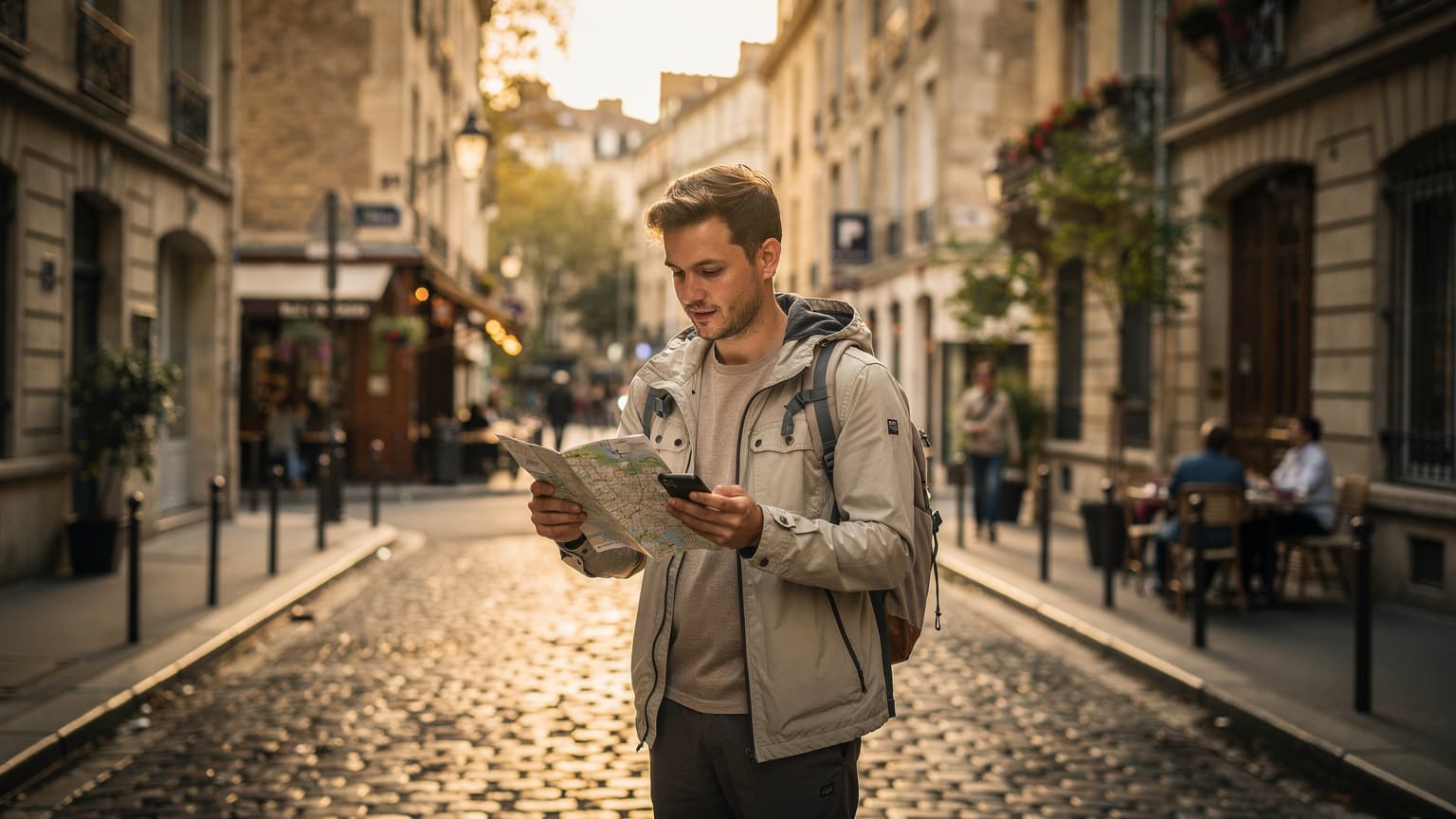
Traveling to France in 2026 is generally safe, though it requires a keen awareness of local nuances, particularly regarding petty crime in busy tourist areas and adherence to specific health and safety protocols, all of which can be managed with sensible precautions and good planning.
Entry Requirements for France in 2026
Before you even dream of a croissant in a Parisian café, it's crucial to get your entry documents in order. For many non-EU citizens, the European Travel Information and Authorisation System (ETIAS) will be a mandatory pre-travel authorization from mid-2025. This isn't a visa, but an electronic clearance, akin to the ESTA for the US.
Ensure your passport is valid for at least three months beyond your intended departure date from the Schengen Area and was issued within the last 10 years. I once showed up at Charles de Gaulle with a passport that was technically valid but expired within 90 days, and it led to a tense chat with border control. Always double-check those dates.
Visa Basics and ETIAS System
Most travelers from countries like the US, Canada, Australia, and the UK won't need a traditional Schengen visa for stays up to 90 days within any 180-day period. However, the ETIAS will become a requirement for these travelers. Apply online well in advance, as approval can take a few days. It's valid for three years or until your passport expires, whichever comes first.
Customs and Restricted Items
France, like all countries, has strict rules on what you can bring in. This includes limits on alcohol, tobacco, and certain food products. Always declare any large sums of currency exceeding 10,000 euros. Pro tip: don't even think about bringing undeclared artisanal cheeses or cured meats unless they're commercially sealed and clearly marked, as agricultural checks can be surprisingly thorough.
Navigating Health and Medical Considerations
France boasts an excellent healthcare system, but it's not free for non-EU visitors. Travel insurance is not just a suggestion, it's a necessity. Imagine a nasty fall cycling through Bordeaux's vineyards, or a sudden allergic reaction in a quaint restaurant in Saint-Germain-des-Prés, the medical bills can quickly add up.
Travel Insurance: Your Best Companion
Before you leave, secure comprehensive travel insurance that covers medical emergencies, repatriation, and any planned activities like skiing in the Alps or diving in the Calanques. Read the fine print; some policies have exclusions for adventure sports or pre-existing conditions. Always carry your policy details, including emergency contact numbers, separate from your phone.
Pharmacies and Prescriptions
French pharmacies, identifiable by their green cross signs, are widespread and well-stocked. Pharmacists are highly knowledgeable and can offer advice for minor ailments. If you're on prescription medication, bring enough for your entire trip and carry a doctor's note, especially for controlled substances. I learned this the hard way in Japan when a common allergy medicine caused a lengthy delay at customs; a simple doctor's letter would have saved me an hour of explaining. Keep medications in their original packaging.
Common Health Concerns
Beyond the usual travel bugs, be mindful of seasonal allergies, particularly in spring. Tap water in France is generally safe to drink, so carry a reusable bottle. For those with specific dietary needs, learn a few French phrases to communicate effectively in restaurants, as not all menus clearly mark allergens. For example, 'sans gluten' (gluten-free) or 'sans lactose' (lactose-free) are good to know.
Staying Safe from Petty Crime and Scams
France is largely safe, but like any popular tourist destination, it has its share of petty crime. Pickpocketing, especially around major attractions like the Eiffel Tower, the Louvre, or the bustling métro lines operated by RATP, is unfortunately common. Staying vigilant and not making yourself an obvious target is your best defense.
Pickpocketing Hotspots and Prevention
The areas around Sacré-Cœur in Montmartre, the Champs-Élysées, and the major train stations like Gare du Nord and Gare de l'Est are prime targets for pickpockets. My advice? Carry your valuables in a cross-body bag worn to the front, or a money belt under your clothes. Never put your phone or wallet in your back pocket. Be wary of distractions; a common trick involves someone asking for directions while an accomplice artfully dips into your bag.
| Location | Common Scam/Crime | Prevention Tip |
|---|---|---|
| Eiffel Tower Area | Pickpockets, 'gold ring' scam | Secure bags, ignore distractions, don't engage with strangers offering 'found' items. |
| Paris Métro (RATP) | Crowded train pickpockets | Keep valuables in front pockets, hold bags tightly, avoid flashing expensive items. |
| Montmartre/Sacré-Cœur | Bracelet scam, street artists demanding money | Firmly refuse unsolicited 'gifts', maintain personal space, walk away if pressured. |
| Cafes/Terraces | Bag snatching from chairs | Keep bags on your lap or between your feet, never on an adjacent chair or hanging off the back. |
| ATM Machines | Skimming devices, shoulder surfing | Use ATMs inside banks, shield your PIN, check for tampering before use. |
Frequently Asked Questions
Is France safe for solo female travelers in 2026?
France is generally safe for solo female travelers. Exercise normal precautions, especially at night in less crowded areas or on public transport. Using ride-sharing apps like Uber or Bolt for late-night journeys and being aware of your surroundings are good practices.
What are the common emergency numbers in France?
The main emergency number for all services in France is 112. For police, dial 17. For medical emergencies (SAMU), dial 15. For fire services (Sapeurs-Pompiers), dial 18. Having these saved in your phone is highly recommended.
Do I need travel insurance for France?
While not legally mandatory for all travelers, comprehensive travel insurance is strongly recommended. It covers medical emergencies, trip cancellations, and theft, which can save you significant financial burden in unexpected situations. The French healthcare system is excellent but costly for non-EU visitors.
Can I use my credit cards everywhere in France?
Credit cards are widely accepted in France, especially Visa and MasterCard. Smaller shops, markets, and some rural establishments might prefer cash, or have a minimum spend for card payments. Always carry a small amount of euros for these instances, particularly when visiting local boulangeries or street vendors.
What's the best way to get internet connectivity in France?
An eSIM is an excellent option for connectivity in France. Providers like Cellesim offer plans starting at $1.05 with over 34 options for France, allowing you to stay connected for navigation, communication, and emergencies without needing a physical SIM card. It also supports SMS for verification codes.
Are there any specific laws about photography in public spaces in France?
Generally, you can photograph in public spaces in France without issue. However, be respectful of people's privacy; avoid close-up shots of individuals without their permission. Certain government buildings or military sites may prohibit photography, look for signage. Night photography of illuminated landmarks like the Eiffel Tower can sometimes have copyright considerations, though this rarely affects casual tourists.
Scams to Watch Out For
Beyond pickpockets, France has a few classic scams. The 'gold ring' scam, where someone