Beer Gardens are for Everyone, Even the Kids
When you hear "beer garden," you might picture adults clinking steins, but in Germany, these outdoor spots are truly family affairs. Many traditional beer gardens, especially in Bavaria, have big, shady areas with playgrounds (Spielplätze) right next to the picnic tables. It's totally normal to see kids happily climbing and sliding while parents enjoy a relaxing meal and a local beer. My kids, bless their energy, found these unexpected play areas a lifesaver after a morning of museum visits. It's a wonderful way to soak up local culture without constantly telling the little ones to be quiet. You'll see families gathering for lunch and early dinner, making it a chill atmosphere for all ages. Just remember to check if they have a dedicated children's menu, as some smaller places might not.
Navigating Meal Times with Children
German dining customs can be a little different. Lunch is often the main hot meal of the day, usually served between 12 PM and 2 PM. Dinner tends to be lighter, sometimes just cold cuts, cheeses, and bread, which they call "Abendbrot." If your kids are used to a big evening meal, plan accordingly or look for restaurants that stay open later. Smaller towns might close their kitchens earlier than big cities.
The Autobahn Has No Speed Limit (Mostly)
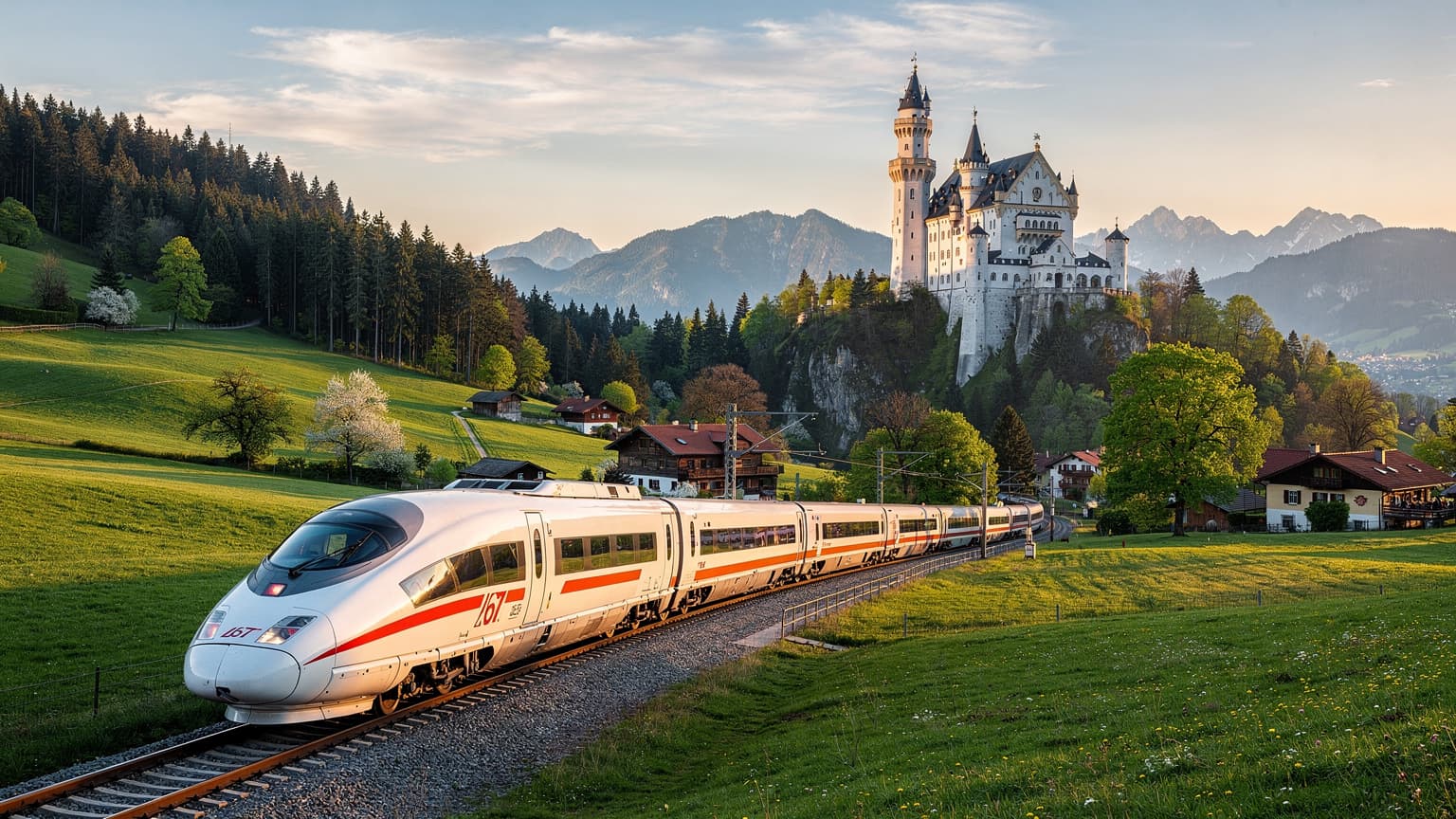
Yes, the stories are true, but with an important catch. While some parts of Germany's famous Autobahn don't have a legal speed limit, a good chunk of it does. And there's always an advisory speed limit of 130 km/h (about 80 mph). It's not a free-for-all, and safety is super important. When you're driving, remember the left lane is strictly for passing, and fast cars will come up quickly. For families with younger kids, a scenic train journey might be a more relaxing way to travel between cities. Everyone can enjoy the views without the stress of high-speed driving. We found the Deutsche Bahn (DB) trains incredibly efficient for our longer trips, giving the kids a chance to watch downloaded movies on their iPads or play their Nintendo Switch without draining our car's limited power outlets.
Train Travel with Kids
Germany's train network is fantastic. Consider booking a family compartment (Kleinkindabteil) on longer ICE train journeys. These often have more space and sometimes even a small play area. Booking tickets in advance is always a good idea, especially for popular routes or during busy seasons. Having a reliable eSIM for your iPhone activation can be incredibly helpful for managing digital tickets and checking for delays while you're out and about.
Bread is Serious Business
Forget everything you think you know about bread. Germany boasts over 3,200 officially recognized types of bread, from dense rye loaves to fluffy white rolls. Bakeries (Bäckereien) are everywhere and often open early, offering fresh rolls (Brötchen) and pastries. It's a daily ritual for many Germans to pick up fresh bread. Don't miss trying a Brezel (pretzel), which is often chewier and saltier than what you might be used to, or various Vollkornbrot (whole grain bread). My kids, surprisingly, became huge fans of the dark, hearty Pumpernickel, especially with some local cheese.
Culinary Adventures Beyond Bread
While bread is king, Germany's food scene offers much more. Expect hearty dishes like Schnitzel, Bratwurst, and Sauerbraten. Vegetarians and vegans will find options, especially in bigger cities like Berlin, but it helps to research restaurants beforehand. A great way to introduce kids to German food is through local markets, where they can try different sausages, cheeses, and fresh fruits.
Sundays Are Sacred, and Quiet
In Germany, Sunday is a day of rest (Sonntag ist Ruhetag). Most shops, supermarkets, and even some smaller restaurants are closed. It's a tradition deeply ingrained in the culture, and you'll notice a distinct quietness in towns and cities. This can be a lovely change of pace, encouraging family walks, park visits, or museum explorations. However, it requires a bit of planning, especially for groceries or last-minute essentials. Always stock up on Saturday. My first trip, I completely forgot, and we ended up with a very creative (read: limited) Sunday dinner from a petrol station. Never again.
Sunday Activities for Families
While shopping is off-limits, many attractions like museums, zoos, and public parks remain open. It's an ideal day for a leisurely stroll through a city park like Berlin's Tiergarten or Munich's Englischer Garten. Plan a picnic with items bought on Saturday, or look for museums that offer special family programs. Checking opening hours specifically for Sundays is vital for any activity.
Germany's Love Affair With Cash
Even though it's a highly developed nation, Germany is surprisingly fond of cash. While credit and debit cards are accepted in many larger places, especially in tourist areas, smaller shops, cafes, bakeries, and even some restaurants might be cash-only (nur Barzahlung). Always carry a decent amount of Euros, particularly when you venture outside major cities. It's a common mistake for first-time visitors, and nothing's more frustrating than having hungry kids and no way to pay for their pretzel.
Managing Finances on the Go
ATMs are widely available, but be aware of potential foreign transaction fees from your home bank. Inform your bank of your travel dates to avoid any card freezes. For those times when you absolutely need connectivity to check your banking app or transfer funds, a reliable Germany eSIM is a lifesaver. It makes sure you're not caught off guard by unexpected connection problems.
Recycling is a National Sport
Germany takes recycling (Mülltrennung) very seriously. You'll find separate bins for paper, plastic, glass (often color-sorted), organic waste, and general waste. It's a system that can seem complicated at first, but it's a big part of daily life. Even in hotels, you'll often see multiple bins. Explaining the system to kids can turn it into a fun game, teaching them about environmental responsibility while abroad. My daughter loved sorting bottles into the correct color-coded bins, making her feel like a helpful local.
Eco-Friendly Travel with Children
Embracing Germany's recycling culture is a great way to travel sustainably. Encourage kids to use reusable water bottles and minimize waste. Many public parks have water fountains, and most restaurants will happily refill your bottles. This also cuts down on buying bottled water, which saves money and plastic.
The Magic of Pfand
Related to recycling, the "Pfand" system is unique and brilliant. When you buy bottled drinks (plastic or glass) or cans, you pay a small deposit (Pfand), typically 0.08 to 0.25 Euro. You get this deposit back when you return the empty bottle or can to any supermarket or designated collection point. Even small kiosks and some train stations have machines. It's an incentive to recycle and a fantastic way for kids to earn a little pocket money on your trip. My son thought it was a treasure hunt, diligently collecting our empties and cashing them in, funding his souvenir collection.
How to Navigate the Pfand System
- Identify Pfand Bottles: Look for the Pfand symbol (often a recycling arrow with a bottle/can) on the label.
- Keep Them Separate: Designate a bag for your empty Pfand bottles and cans.
- Return to Supermarkets: Most supermarkets have automated machines near the entrance or a designated return counter.
- Get Your Voucher: The machine will issue a voucher for the total Pfand value, which you can redeem at the checkout counter for cash or apply towards your grocery bill.
- Enjoy the Savings: It's a small amount, but it adds up, especially with a family's worth of drinks.
Children's Playgrounds Are Everywhere, and Amazing
Germany takes its Spielplätze seriously. You'll find them in almost every park, square, and even tucked away in residential areas. These aren't just a swing and a slide, either. Many are elaborate, themed playgrounds with impressive climbing structures, sandpits, water features, and lots of space for kids to run wild. They are carefully maintained and often designed to spark imaginative play. We always made sure to factor in playground stops, especially when moving between cities or after a long day of sightseeing. It's a fantastic way to let the kids burn off energy, and often a great place for them to interact with local children (even if language is a barrier, play is universal).
Finding the Best Spielplätze
Local Maps: City maps often highlight playgrounds.Google Maps: A quick search for "Spielplatz" will reveal nearby options.Local Parent Blogs: Search for German parent blogs or forums for recommendations on unique or particularly good playgrounds in the area you're visiting.
Public Transport is Punctual (Mostly)
Germany's public transport system, including trains (S-Bahn, U-Bahn, regional trains), trams, and buses, is generally excellent, efficient, and punctual. This is a huge relief when traveling with kids, as delays can quickly lead to meltdowns. While occasional delays can happen, especially on long-distance trains, the system is reliable. Make sure to validate your tickets (stamp them in the small machines) before boarding, or you could face a hefty fine. We always download the local public transport apps for real-time schedules and route planning, which requires a steady internet connection.
Staying Connected on the Move
Navigating public transport apps, looking up directions, and keeping the kids busy with their favorite shows on a long train ride all require data. This is where Cellesim's Germany eSIM really shines. Starting at just $1.12 with over 33 plans available, you can choose a data package that suits your family's needs. For instance, my two kids (ages 9 and 11) can easily chew through 5-7GB of data each day if they're streaming Disney+ or playing Roblox multiplayer. A family multi-line eSIM plan or individual high-data plans ensures everyone stays connected without having to hunt for unreliable Wi-Fi. Plus, Cellesim supports SMS for OTP/verification, which is crucial for banking apps or logging into streaming services when away from home. I've been burned by free Wi-Fi in train stations that just couldn't handle two iPads streaming simultaneously, so having a dedicated eSIM with plenty of data is non-negotiable for my family.
The Fascinating World of German Words
German is famous for its long, compound words, and running into them can be both funny and a bit intimidating. Words like "Donaudampfschifffahrtsgesellschaftskapitän" (Danube steamship company captain) might make you chuckle. While most Germans in tourist areas speak excellent English, learning a few basic phrases like "Hallo" (hello), "Danke" (thank you), and "Bitte" (please/you're welcome) goes a long way. My kids enjoyed trying to pronounce some of the longer words, turning it into a fun language game. Plus, they were incredibly proud when they successfully ordered an "Apfelschorle" (apple spritzer) on their own.
Language Apps for Kids
Before you go, load up their devices with fun language-learning apps like Duolingo or Lingokids. Even a few days of practice can make a difference, giving them confidence to try out new words. Offline translation apps are also incredibly useful, especially for reading menus or signs in smaller towns.
avoid burnout or rushing. Check opening hours and consider booking tickets online in advance, especially for popular sites like Neuschwanstein, to save time and guarantee entry. Many castles also have beautiful grounds perfect for a family picnic or simply letting the kids run around and explore.Beer Gardens are for Everyone, Even the Kids
Forget any preconceptions you might have; German beer gardens are incredibly family-friendly. Far from being just places for adults to drink beer, they are vibrant community hubs, especially in Bavaria. You’ll find playgrounds, sandpits, and plenty of space for children to play safely while adults enjoy a traditional beer or a refreshing Apfelschorle. Many even allow you to bring your own food for a picnic, though you'll be expected to buy drinks there. It’s a wonderful way to experience local culture in a relaxed, open-air setting.
Bread Culture: A Staple and a Delight
Germany boasts an astonishing variety of bread, with over 300 types registered. From dense, dark rye breads (Roggenbrot) to crusty rolls (Brötchen) and pretzels (Brezeln), bread is a fundamental part of German cuisine. Don't miss the chance to visit a local bakery (Bäckerei) for fresh goods. A traditional German breakfast often features an assortment of breads, cheeses, and cold cuts, offering a hearty start to your day.
The Autobahn: Not Always Speed Limit-Free
Germany's Autobahn is famous for its sections without a general speed limit, but it's a common misconception that the entire network is limit-free. In reality, about half of the Autobahn has permanent or temporary speed restrictions, especially near cities, construction zones, or in areas prone to accidents. Always pay close attention to the blue and white speed limit signs. Even on unrestricted sections, a recommended speed of 130 km/h (approx. 80 mph) is advised, and the left lane is strictly for overtaking; always move back to the right after passing.
Tap Water: Safe and Delicious
You can safely drink tap water throughout Germany. It undergoes rigorous quality controls and is often of higher quality than bottled water. This is great news for families, as you can save money and reduce plastic waste by refilling reusable water bottles. When ordering water in restaurants, be aware that "Wasser" usually refers to bottled sparkling water. If you prefer still tap water, ask for "Leitungswasser."
Christmas Markets: A Winter Wonderland (Seasonal)
If your visit falls between late November and Christmas, experiencing a German Weihnachtsmarkt (Christmas Market) is an absolute must. These festive markets are a centuries-old tradition, transforming town squares into magical spectacles of twinkling lights, traditional crafts, and delicious seasonal treats. You'll find everything from Glühwein (mulled wine) and Lebkuchen (gingerbread) to roasted almonds and handmade ornaments. Many markets also feature carousels and activities designed for children, creating an enchanting atmosphere for the whole family.
Punctuality is Key: Don't Be Late!
Germans value punctuality highly. Whether it's a train departure, a dinner reservation, or meeting friends, being on time (or even a few minutes early) is expected and considered polite. If you anticipate a delay, it's courteous to inform the other party as soon as possible. This applies to everything from public transport schedules to museum tours, so plan your family's itinerary with a buffer to avoid any stress.
Bakeries are Your Sunday Saviours
While most shops in Germany are closed on Sundays due to the "Ladenschlussgesetz" (shop closing law), bakeries are a delightful exception. You can typically find fresh bread, pastries, and coffee available for a few hours in the morning. This is a perfect opportunity to grab a delicious breakfast or picnic items for a leisurely Sunday outing, as finding open supermarkets can be challenging.
Frequently Asked Questions
What's the best way to handle data for multiple devices?
For families with multiple devices, a Cellesim eSIM is an excellent solution. You can opt for a high-data individual plan for each device, or if available, a multi-line eSIM plan that allows data sharing. This ensures everyone stays connected for navigation, entertainment, and communication without relying on often unreliable public Wi-Fi. Cellesim also supports SMS for OTP/verification, which is vital for banking or streaming services.
Do I need to carry cash in Germany, or are cards widely accepted?
While card payments are becoming more prevalent, especially in larger cities and supermarkets, Germany remains a cash-friendly country. Many smaller shops, bakeries, some restaurants, and market stalls may prefer or even only accept cash (Euros). It's always a good idea to carry a reasonable amount of cash for daily expenses, especially when exploring smaller towns or local markets.
What should I know about Sunday closures in Germany?
Sundays are generally quiet in Germany, with most retail shops, supermarkets, and services closed. This is due to strict laws promoting a day of rest. Plan your grocery shopping and other errands for Saturday. Exceptions include train station shops, airport shops, some petrol stations, museums, restaurants, and tourist attractions, which typically remain open. As mentioned, bakeries are also usually open for a few hours in the morning.
How does the Pfand (deposit) system work for bottles and cans?
Germany has an excellent "Pfand" (deposit) system for most plastic and glass bottles, and aluminum cans. You'll pay a small deposit (usually €0.08, €0.15, or €0.25) when you buy a drink. Look for the "Pfand" symbol on the label. You can return these empty containers to automated machines in supermarkets (even if you didn't buy them there) to receive a voucher, which you can then redeem for cash or apply to your grocery bill. It's an easy way to recycle and get a little money back!
Are German playgrounds suitable for children of all ages?
Absolutely! German playgrounds are renowned for their quality, safety, and creativity. You'll often find imaginative and challenging equipment designed for a wide range of ages, from toddlers to older children. They are generally well-maintained, clean, and offer diverse play options, making them a fantastic way for kids to burn off energy and for families to take a break during sightseeing.
Is public transport reliable in Germany for families?
Yes, Germany's public transport system (trains, trams, buses, U-Bahn, S-Bahn) is highly reliable, efficient, and extensive, making it an excellent way for families to navigate the country. Schedules are generally adhered to, and connections are well-planned. Consider purchasing day passes or family tickets, which often offer significant savings compared to individual single-journey tickets. Apps like DB Navigator are indispensable for planning routes and checking real-time schedules.
Germany is a country rich in history, culture, and surprising quirks that make it a truly unique travel destination. By keeping these 15 fun facts in mind, you'll be better prepared to immerse your family in the German way of life and navigate your trip with confidence.
And remember, staying connected is key to a smooth journey. For reliable, affordable data throughout your German adventure, consider a Cellesim eSIM. Visit Cellesim.com/en/esim to find the perfect plan for your family today.