South Korean Age System: You're Older Than You Think
Here's a fun fact that always throws new visitors for a loop: when you land in South Korea, you immediately become one or even two years older. Seriously. Traditionally, South Koreans are considered one year old at birth, and everyone gains another year on January 1st, regardless of their actual birthday. This means if you're born in December, by January 1st you could technically be two years old. This system was the standard for centuries, but as of June 2023, the country officially adopted the international age system for most legal and administrative purposes. However, don't be surprised if older generations or casual conversations still refer to the traditional Korean age. It's a deeply ingrained cultural quirk that doesn't just vanish overnight. Keep this in mind when someone asks your age, especially if you're trying to figure out if you're old enough for certain activities or social groupings. It's less about your birth certificate and more about understanding the cultural context of a question.
Data Costs: Don't Get Ripped Off on Connectivity
Let's talk money, specifically how not to burn through your travel budget on mobile data. My last 8-day trip through Seoul and Busan cost me a total of €280, and data was a tiny fraction of that because I planned ahead. You do NOT want to rely on your home carrier's roaming plans like AT&T's International Day Pass; those charges add up fast. I've seen travelers blow €100+ on data for a short trip, which is just insane when there are better options.
For South Korea, Cellesim offers eSIMs starting at a ridiculous $1.05 with over 37 different plans. I usually budget about 1.5GB of data per day when I'm traveling, especially if I'm navigating with maps, checking bus schedules, and uploading a few photos. For an 8-day trip, that's 12GB. With Cellesim, I can grab a plan that covers this for maybe $20-30, depending on the current deals. Compare that to a €280 data budget for 8 days on an AT&T eSIM Abroad, and you can see why I always go with a local eSIM. That's a huge saving that can go towards another night in a decent hostel or a few more plates of street food.
| Option | Cost (estimated for 8 days) | Pros | Cons |
|---|---|---|---|
| Cellesim eSIM (South Korea) | From $1.05 (for basic plans), ~ $20-30 for 12GB | Affordable, easy digital activation, flexible plans, high-speed networks | Requires eSIM-compatible phone, no local number (usually not an issue) |
| Local Physical SIM (e.g., KT, SK Telecom) | ~$25-40 for similar data | Local number, good coverage, can be cheaper for very long stays | Requires finding a store, physical installation, potential language barrier, need to keep track of a tiny card |
| Home Carrier Roaming (e.g., AT&T, Verizon) | €80-120+ (e.g., AT&T's International Day Pass) | Convenient, uses your existing number | Extremely expensive, throttled speeds, drains travel budget fast |
Frequently Asked Questions
Do I need a visa to visit South Korea?
Visa requirements for South Korea vary greatly depending on your nationality and the length of your stay. Many countries have visa-free entry for short tourist visits, but it's crucial to check the latest regulations with the South Korean embassy or consulate in your home country well before your trip. Always confirm current entry rules.
What is the best way to get around South Korea?
The public transportation system in South Korea is excellent. The Seoul Metro is extensive and efficient, and high-speed KTX trains connect major cities. For localized travel, buses are reliable. Getting a T-Money card makes payments seamless across all modes of transport. For navigation, KakaoMap or Naver Map are more accurate than Google Maps.
Is English widely spoken in South Korea?
In major tourist areas, hotels, and international establishments, you'll find English speakers. However, outside of these zones, English proficiency can be limited. Learning a few basic Korean phrases like 'Annyeonghaseyo' (hello) and 'Gamsahamnida' (thank you) will go a long way in showing respect and making interactions smoother.
What's the deal with South Korean food, is it all spicy?
While many iconic Korean dishes, like kimchi and tteokbokki, are known for their spice, it's a misconception that all Korean food is fiery hot. There are plenty of mild and non-spicy options available, such as bulgogi (marinated beef), samgyetang (ginseng chicken soup), and bibimbap (mixed rice with vegetables). Don't be afraid to ask for less spicy versions if needed.
Can I drink tap water in South Korea?
Yes, tap water in South Korea is generally considered safe to drink. However, many locals still prefer to drink bottled or filtered water, and some travelers might find the taste different. If you're concerned, sticking to bottled water is always an option, but for brushing teeth or cooking, tap water is fine.
What is the electricity voltage and plug type in South Korea?
South Korea uses Type C and Type F electrical outlets, which are the two-round-pin plugs commonly found in Europe. The standard voltage is 220V with a frequency of 60Hz. Make sure to bring a universal adapter if your devices have different plug types, and check if your electronics are compatible with 220V to avoid damage.
Now, if you're absolutely set on a physical SIM, the cheapest alternative is usually grabbing one from KT or SK Telecom right at Incheon Airport. They'll have booths there, but expect to pay a bit more and deal with the activation process. For backpackers like me, who cross borders frequently, the convenience of an eSIM is worth every penny. You can activate it before you even land, no hunting for kiosks or dealing with dodgy currency exchanges. It's a game-changer, honestly. You can check out Cellesim South Korea eSIM plans for more details.
Activating Your eSIM for Seamless Connectivity
Activating your eSIM is usually a straightforward process. I always do it while I'm still at home or have reliable Wi-Fi, just to avoid any last-minute stress. Here's my typical workflow:
- Purchase Your Cellesim eSIM: Head to the Cellesim website, pick your South Korea plan, and complete the purchase. You'll get a QR code or activation details via email.
- Scan the QR Code: On your eSIM-compatible phone, go to your cellular settings and look for an option to 'Add Cellular Plan' or 'Add eSIM'. Use your camera to scan the QR code.
- Follow On-Screen Prompts: Your phone will guide you through the setup. Name your new plan (e.g., "Korea Travel"), decide if you want to use it for data only, and set it as your default for data while abroad.
- Disable Data Roaming on Your Primary Line: This is CRITICAL. Make sure your home SIM (Verizon, T-Mobile, AT&T) has data roaming turned OFF to avoid unexpected charges. You can still use it for calls or texts if you need to, but keep data on the Cellesim eSIM.
- Test Before You Fly: If possible, enable the eSIM briefly before you leave to ensure it's set up correctly. Some plans activate only upon landing in the destination, but it's good to know the settings are right.
This setup means no scrambling for Wi-Fi at the airport or trying to explain what you need in broken English to a local SIM vendor. It just works. If you ever need to find your eSIM number, Cellesim has a quick guide on how to find your eSIM number for all devices.
Cafes Are Life, And So is Their Coffee
You'll quickly notice that South Korea, particularly Seoul, has an absolutely insane number of cafes. We're not talking about just a Starbucks on every corner, though they have those too. Every street seems to boast a dozen unique, aesthetically driven cafes, each with its own vibe, specialty drinks, and often, incredible desserts. They're not just for grabbing a quick coffee; they're social hubs, workspaces, and places to relax for hours. You'll see students studying, friends chatting, and even business meetings taking place. Expect to pay anywhere from ₩4,000 to ₩7,000 for a specialty coffee, which is roughly $3-5 USD. It's a significant part of daily life and a great way to experience local culture, or simply find a clean bathroom and some free Wi-Fi if your eSIM is running low (though with Cellesim, that shouldn't be an issue). Many cafes, especially in trendy areas like Hongdae or Garosu-gil, are designed with Instagram in mind, so be prepared for some serious visual feasts.
Transport is Next-Level Efficient
Forget the chaos of some other major cities; South Korea's public transportation system is a marvel of efficiency, cleanliness, and punctuality. The Seoul Metro, in particular, is one of the best in the world. It's extensive, easy to navigate with English signs, and gets you pretty much anywhere you need to go. Buses are equally excellent, covering areas the subway doesn't. For any long-haul trips, the KTX high-speed rail will zip you across the country in record time, like Seoul to Busan in under 3 hours. I always recommend getting a T-Money card or a similar transit card as soon as you arrive. You can buy and top them up at most convenience stores (like GS25 or CU) and subway stations. It makes tapping on and off incredibly easy and avoids fumbling with cash or single-use tickets. Plus, some buses only accept card payments, so it's essential. Don't forget, having reliable data on your eSIM will make navigating with apps like KakaoMap or Naver Map a breeze, especially since Google Maps isn't always the most accurate for public transport in South Korea.
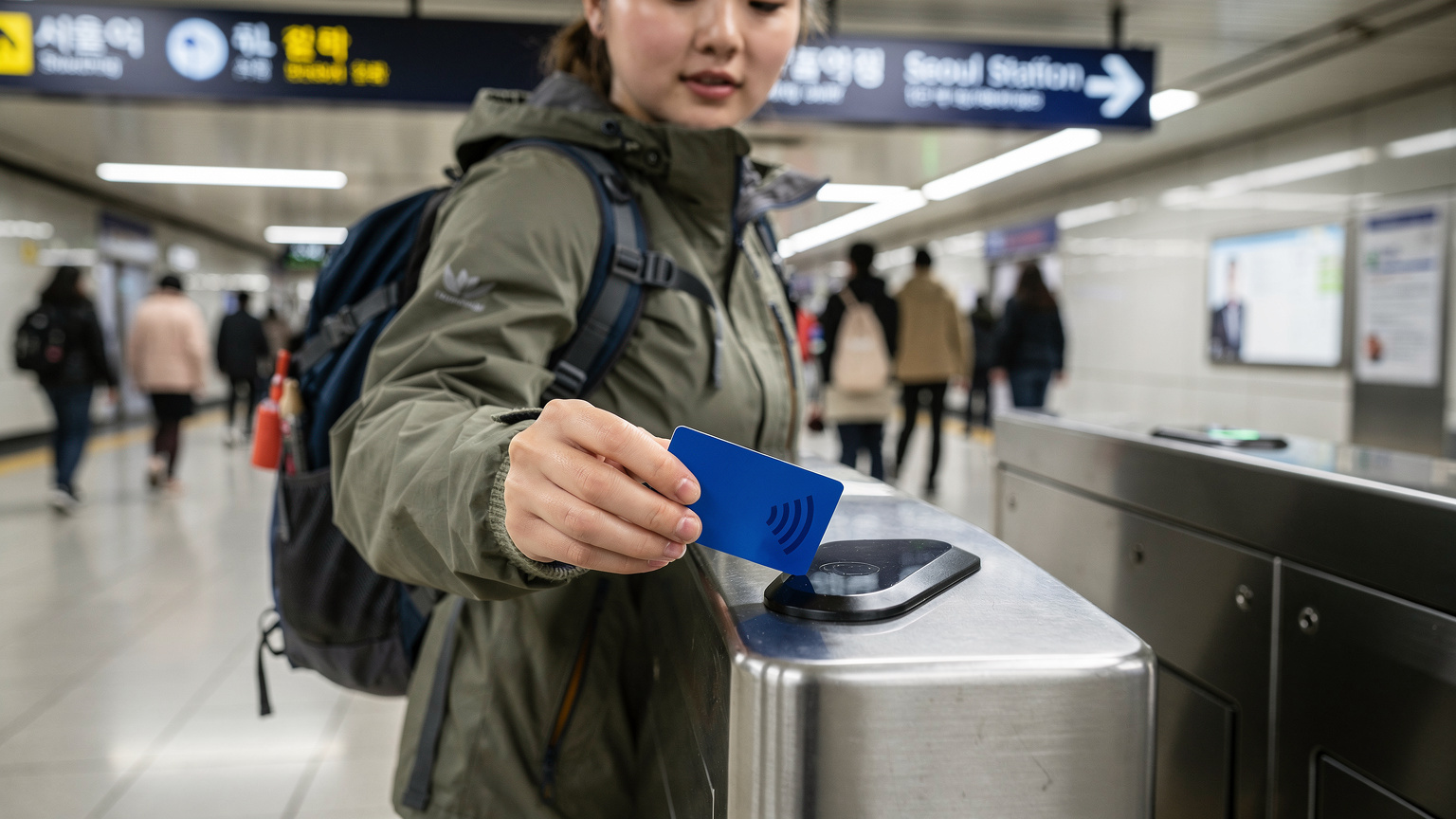
Using T-Money Card: A Quick Guide
- Purchase the Card: Buy a T-Money card at any subway station, convenience store (GS25, CU, 7-Eleven), or vending machine. The card itself costs around ₩2,500-₩3,000.
- Load Money: Top up your card with cash at subway station vending machines (they usually have an English option) or convenience stores. Start with ₩10,000-₩20,000, and you can always add more.
- Tap In and Out: Simply tap your card on the sensor at the turnstile when entering and exiting subway stations. For buses, tap when you board and again when you alight.
- Check Balance: The balance is displayed on the sensor when you tap, or you can check it at subway station machines and convenience stores.
- Refund Remaining Balance: Before you leave, you can get a refund for any unused balance (minus a small fee) at convenience stores or select subway service centers.
K-Pop and K-Dramas Are Everywhere
It's not just on Netflix or Spotify, K-Pop and K-Dramas are an inescapable part of the cultural fabric. From convenience store background music to giant billboards in Gangnam, you'll see idols and actors everywhere. It's a huge industry, and its influence is tangible, shaping fashion, beauty standards, and even slang. Don't be surprised to see fans queuing for hours outside broadcast stations or agency buildings, hoping to catch a glimpse of their favorite stars. Even if you're not a fan, understanding its omnipresence helps you grasp a significant part of modern Korean identity. You might even find yourself humming along to a catchy tune after a few days.
Respect for Elders: It's Non-Negotiable
In South Korea, respect for elders (hoobae-seonbae relationships) is a cornerstone of society. This isn't just a polite custom; it's a deeply ingrained cultural value that influences everything from how you speak to how you pour a drink. You'll see it in how younger people defer to older people in public, how they bow, and the formal language they use. For instance, when pouring drinks for an elder, you should hold the bottle with both hands, and when receiving a drink, accept it with both hands. It's a subtle but important gesture. If you're out to eat with locals, always let the eldest person sit first, begin eating first, and pour their drinks. A little observation goes a long way here; watching how locals interact will teach you more than any guidebook.
Tipping is Not a Thing
This is a major budget saver and something many Westerners struggle with. Tipping is simply not customary in South Korea. In fact, trying to tip might even cause confusion or be politely refused. Service charges are usually included in the price, or the concept just doesn't exist. This applies to restaurants, cafes, taxis, and even hotel staff. So, put that extra cash back in your wallet. Your travel funds are better spent on trying more street food or another round of coffee. This is one less thing to worry about when you're counting every won.
Public Toilets Are Spotless, And Free
A small but significant detail for any traveler, especially backpackers who spend a lot of time on the go: South Korea's public restrooms are generally incredibly clean, well-maintained, and free to use. This isn't always the case in other countries, where finding a decent, free toilet can be a desperate quest. From subway stations to parks and department stores, you can usually rely on finding a clean facility. Many even have amenities like heated seats and bidets. This means less stress, fewer unplanned cafe stops just to use the loo, and more time exploring. Just remember to carry a small pack of tissues, as sometimes they run out, though this is rare.
Drinking Culture Is Strong
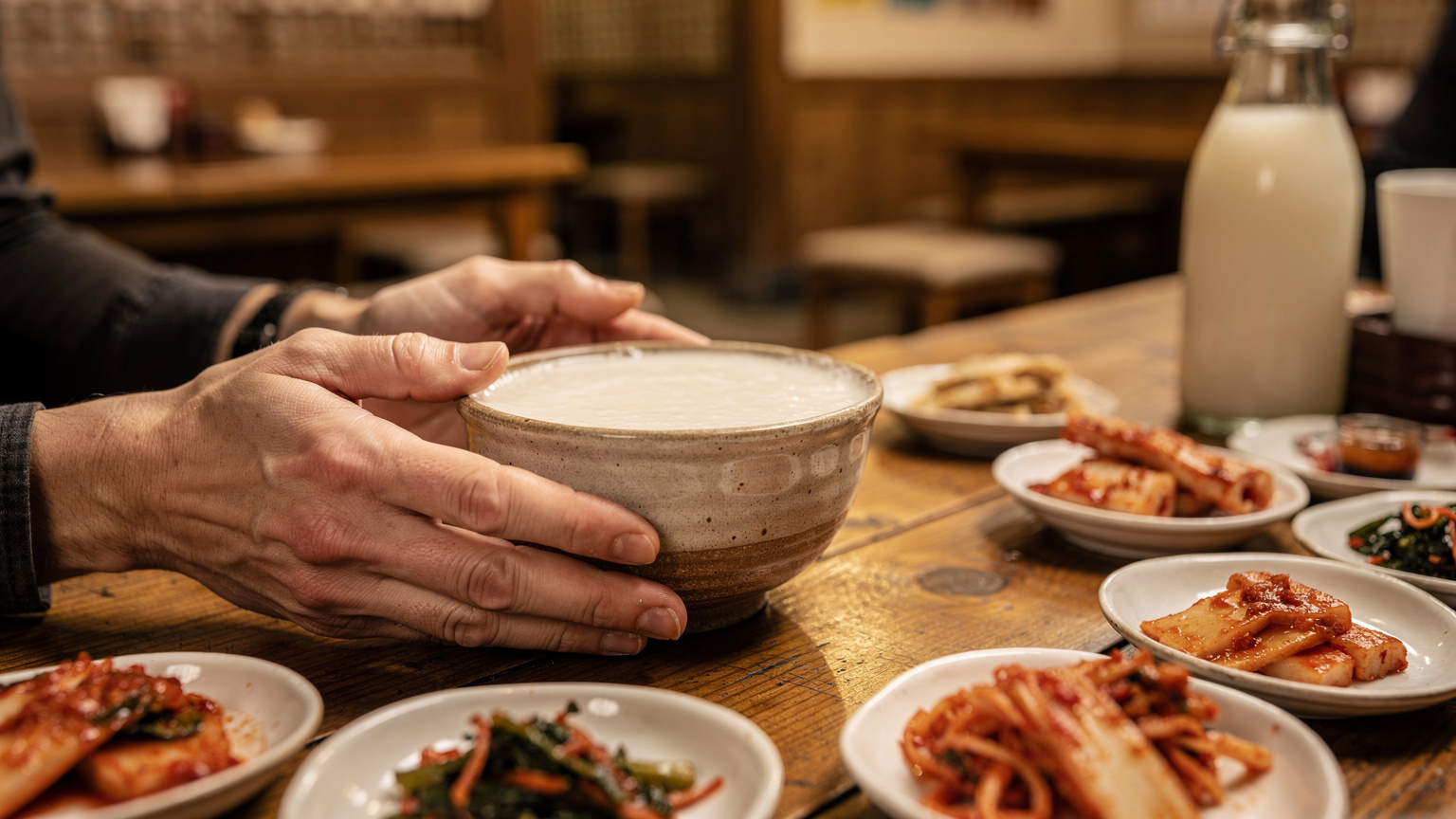
South Korea has a vibrant, intense drinking culture, especially around soju (a clear, distilled spirit) and makgeolli (a milky, fermented rice wine). It's very communal, often involving rounds of drinks, toasts, and games. You'll see groups of colleagues and friends enjoying themselves late into the night, particularly in districts like Gangnam or Hongdae. If you're invited out for drinks, it's considered good etiquette to participate, though you don't have to drink excessively. Remember the rules about pouring and receiving drinks with elders, and try to keep up (within reason). It's a fantastic way to bond with locals and experience a different side of the culture. Just be prepared for a potential hangover if you're not used to soju's potency!
Skin Care is Serious Business
Head into any Olive Young or LOHB's, and you'll quickly grasp the sheer scale of the K-beauty industry. Skin care is not a casual hobby; it's a national obsession, for men and women alike. There's an emphasis on multi-step routines, innovative ingredients, and achieving that 'glass skin' look. Prices for high-quality products can range from incredibly affordable sheet masks (₩1,000-₩3,000) to more premium serums. If you're into beauty products, South Korea is your Mecca. Even if you're not, it's worth observing the sheer variety and passion people have for their complexions. You might find yourself picking up a few products to try, especially with the favorable exchange rates. Just don't get sucked into buying too much, or your backpack will be bursting!
Hiking is a National Pastime
Despite being known for its bustling cities, South Korea is incredibly mountainous, and hiking is a hugely popular activity. On weekends, you'll see people of all ages, decked out in serious hiking gear, heading to the numerous national and provincial parks. Bukhansan National Park, just north of Seoul, is easily accessible by subway and offers stunning views, challenging trails, and a real escape from the urban sprawl. Jirisan, Seoraksan, and Hallasan (on Jeju Island) are other famous spots. If you're looking to stretch your legs and see some incredible scenery, definitely factor in a hike or two. It's a great way to see another side of the country and observe local life outside of the concrete jungle. Just make sure to wear appropriate footwear; those trails can be steep.
Left-Handed People, Beware (Kind Of)
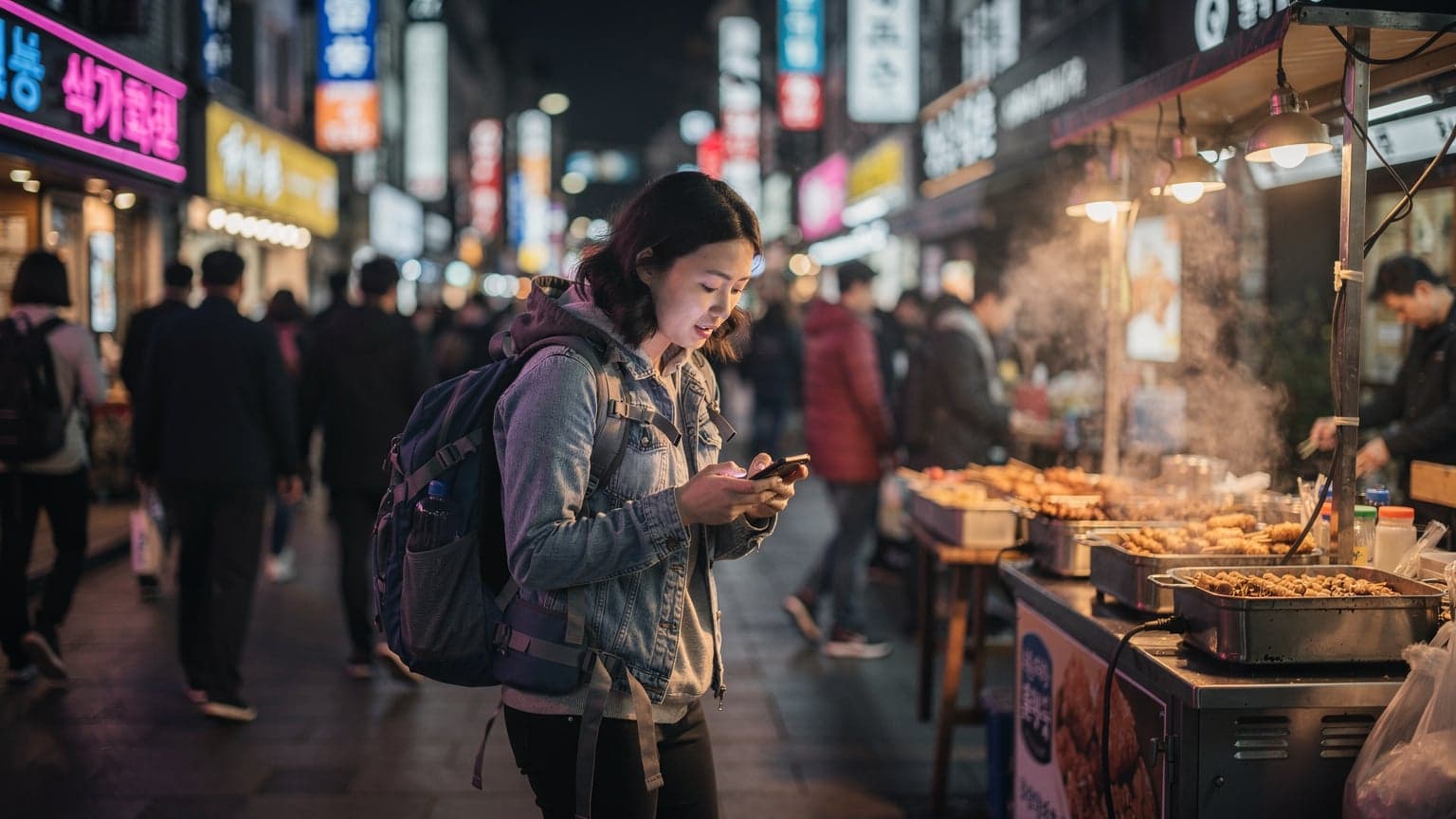
This is a quirky one, and it's less about actual prohibition and more about cultural norms. In South Korea, it's generally considered impolite to use your left hand when giving or receiving items, especially money, business cards, or food. This stems from historical beliefs where the left hand was considered 'unclean'. While modern Koreans are usually understanding of foreigners, especially if you're clearly making an effort, it's a good habit to try and use your right hand, or both hands, as a sign of respect. When I'm at a street food stall in Myeongdong and handing over a ₩5,000 note, I always make sure to use my right hand. It's a small gesture, but it shows you're aware of their customs, which goes a long way. This is particularly important in formal settings or when interacting with elders.
The Fastest Internet on Earth
It's not just hype, South Korea consistently ranks among the top countries for internet speed, both mobile and fixed-line. This means lightning-fast downloads, excellent streaming, and lag-free video calls, even in crowded areas. As someone who lives and breathes data speeds, I can tell you it's a dream. Whether you're trying to upload a huge video file from a hostel in Busan or just streaming K-dramas on the subway, you'll rarely encounter buffering. This high-speed infrastructure makes an eSIM even more valuable, as you can fully leverage the incredible networks of local carriers without breaking the bank on roaming. You won't be checking your phone constantly for a Wi-Fi signal, which is a huge relief when you're trying to navigate or find that next street food vendor. This is also why an eSIM for PCs & Laptops is a smart move if you're a digital nomad, ensuring your work stays connected.
Cash or Card: Know Your Payment Methods
South Korea is a highly card-friendly society. Credit and debit cards are accepted almost everywhere, from major department stores to small cafes and even many street food stalls. You can often get by with just your card, especially in cities. However, it's always smart to carry some cash (Korean Won, ₩) for smaller purchases, very traditional markets, or if a card machine happens to be down. ATMs are widely available, but look for global ATMs (often labeled