

Is Italy Safe for Travelers in 2026?
Look, Italy is, by and large, a safe bet for your next backpacking adventure. You're not going to be dodging car bombs or anything wild like that. The biggest threat to your wallet, and frankly, your sanity, will be petty theft. I'm talking about pickpockets working the tourist hotspots in Rome, Milan, Florence, and even Venice. Think Termini Station in Rome, the Duomo in Florence, or around St. Mark's Square. These aren't isolated incidents, they're a common nuisance, and you need to be prepared.
On my last trip through Italy, I spent 12 days, and my data costs were a respectable €35. That's about 1.5GB a day for navigation, hostel bookings, and quick checks on bus schedules. The key is knowing where the risks are and not being a flashing target. I’ve seen tourists with open backpacks and wallets sticking out of back pockets, practically inviting trouble. Don't be that person. General crime rates, like violent crime, are low, especially compared to major US cities. You're far more likely to get ripped off by a tourist trap restaurant near the Colosseum than to be a victim of serious crime.
Petty Crime Hotspots and How to Avoid Them
The usual suspects for pickpocketing include crowded public transport, particularly the Rome Metro (Line A, specifically the Spagna, Barberini, and Termini stops are notorious), bus lines that serve major attractions, and any major train station. Markets, festivals, and large queues for attractions are also prime hunting grounds. My rule of thumb is this: if it's packed, your guard should be up. I once saw a guy lose his phone on the 64 bus in Rome, the one that goes past the Vatican. It happened in literally 3 seconds. He was distracted by a street performer, and poof, phone gone.
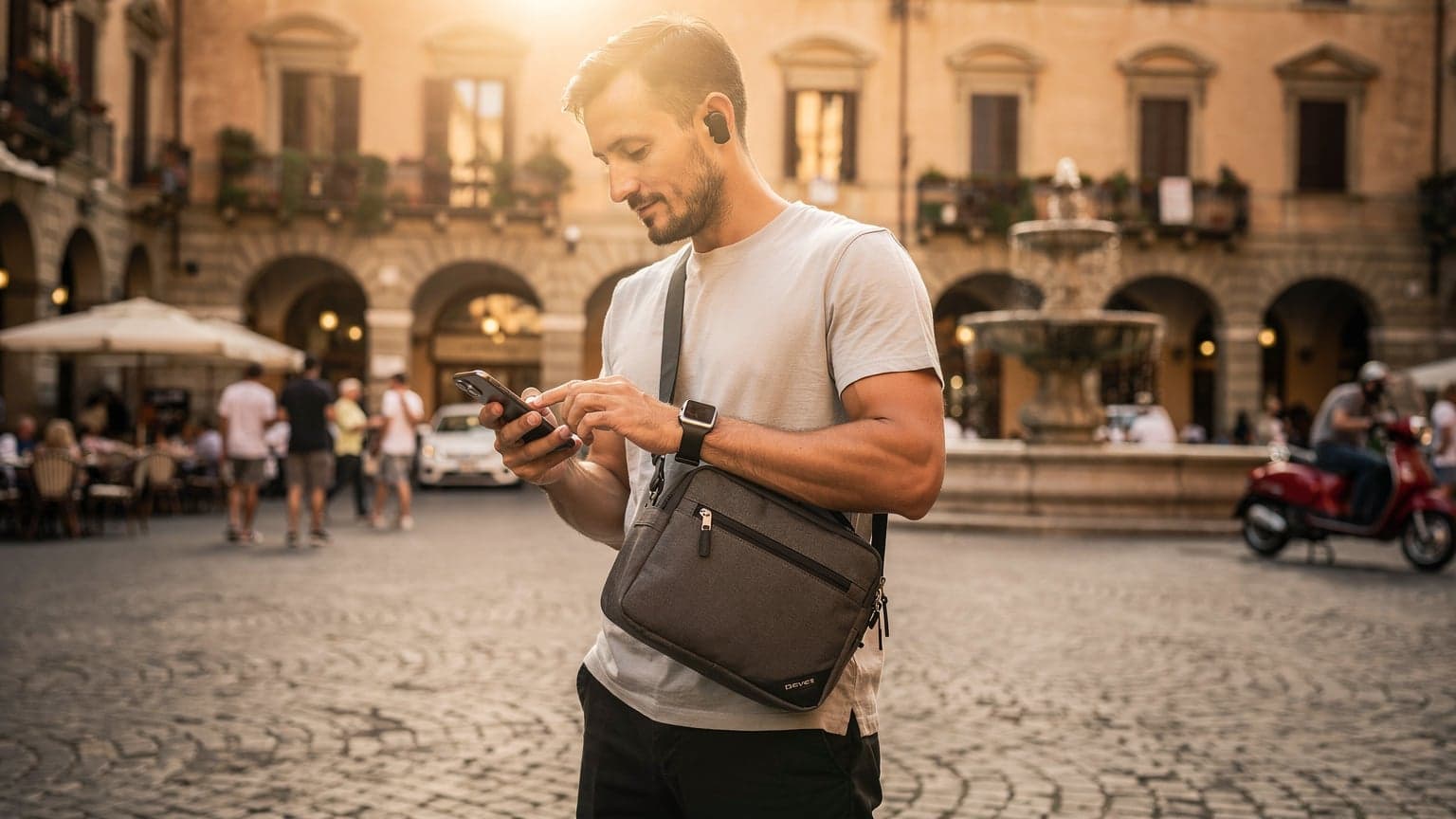
- Secure Your Valuables: Use a cross-body bag worn in front of you, or a money belt under your clothes. My go-to is a small, flat fanny pack worn under my shirt. It's not stylish, but neither is losing your passport.
- Stay Aware: Avoid getting engrossed in your phone or map in crowded areas. Look around, make eye contact. Pickpockets target the distracted.
- Beware of Distractions: Teams of thieves often work together. One might 'accidentally' bump into you, or 'drop' something, while another goes for your pockets.
- Minimize Cash: Only carry what you need for the day. Most places accept card, and even street vendors often have Square readers now.
- Photocopy Documents: Keep copies of your passport, visa, and flight details separate from the originals, and have digital copies on your phone and in the cloud.
Avoiding Tourist Scams
Beyond pickpockets, Italy has its share of classic tourist scams. These are less about physical danger and more about separating you from your euros, but they can be incredibly frustrating. One common one is the 'friendly' local who offers to help you with train tickets at a machine, then demands payment or 'accidentally' buys you the most expensive fare. Another is the 'rose seller' or 'bracelet giver' who forces an item into your hand and then aggressively demands payment. Just say a firm 'no, grazie' and keep walking. Don't engage.
My advice? Learn the basic train ticket machines yourself. They're usually multilingual. For anything more complex, go to the manned ticket counter, even if the queue is longer. It's worth the peace of mind. And if someone shoves something in your hand, just let it drop to the ground and walk away. Don't feel obligated.
Entry Requirements and Visas for Italy
For most travelers from the US, Canada, Australia, and New Zealand, Italy is part of the Schengen Area, meaning you can enter for up to 90 days within any 180-day period without a visa for tourism. Your passport must be valid for at least six months beyond your intended departure date from the Schengen Area, and it should have at least two blank pages for stamps.
Starting in mid-2025, the European Travel Information and Authorisation System (ETIAS) will be implemented. This means even visa-exempt travelers will need to apply online for an ETIAS authorization before their trip. It's a quick, inexpensive process, similar to the ESTA for the US. Don't get caught off guard at the border, thinking your passport alone is enough. Always check the official EU travel website closer to your departure date for the latest updates. I made the mistake of not checking for an obscure transit visa once, and almost missed a flight from Bangkok to Uzbekistan, so always double-check these things.
Schengen Area Rules and Border Crossings
The 90/180-day rule for the Schengen Area is critical for budget travelers who might be hopping between European countries. It's not 90 days per country, but 90 days total across all Schengen countries within a 180-day rolling period. Overstaying can lead to fines, deportation, and even a ban from the Schengen Area. Keep track of your days using an app or a simple spreadsheet. If you're planning a longer European trip, you might need to look into a long-stay visa for a specific country or consider spending time in non-Schengen countries like Albania or the UK to reset your clock.
Pro Tip: Crossing from Italy into neighboring Schengen countries like France, Switzerland, Austria, or Slovenia is often seamless, with no physical border checks. However, your entry and exit stamps from your initial Schengen entry point are what matter for tracking your 90 days. Don't assume an unchecked border means your clock isn't ticking. I've heard stories of backpackers caught out by this, especially when flying out of a different Schengen country than they entered.
Common Scams to Watch Out For in Italy
Beyond the pickpockets, there are a few other clever cons that operate in Italy, especially in the big cities. Knowing them is half the battle.
The Fake Petition Scam
This usually happens around major attractions like the Colosseum or the Spanish Steps. Someone, often dressed somewhat 'respectably', will approach you with a clipboard, asking you to sign a petition for a charity or a cause. While you're distracted reading or signing, an accomplice will pick your pocket or bag. They often target tourists who look lost or are admiring the sights. Just ignore them, make no eye contact, and keep walking. If they persist, a firm 'no' and walking into a crowded café or shop usually does the trick.
Restaurant and Taxi Overcharging
This is less of a scam and more of a rip-off, but it hurts the budget all the same. In tourist areas, some restaurants will have inflated prices, hidden cover charges (coperto), or bread charges (pane) that aren't clearly advertised. Always check the menu for these extra charges, and if in doubt, ask. For taxis, always confirm the fare or ensure the meter is running. Better yet, use ride-sharing apps like Free Now (which integrates with local taxis) or public transport. From Rome Fiumicino Airport, the Leonardo Express train to Termini is a fixed €14, a taxi will cost you €50-60. Do the math.
The Friendly Stranger Who Helps With Luggage
At busy train stations, particularly Rome Termini or Milan Centrale, you might encounter someone offering to