Understanding Mexico Safety 2026: The Real Deal
Let's be real. Mexico isn't just "safe" or "dangerous" across the board. It's a country with 32 distinct states, and each one has its own personality and its own set of challenges. My four years living on the road have taught me to ignore the sensational headlines and stick to practical advice. For 2026, the general safety guidelines haven't changed much: tourist hotspots, especially in Quintana Roo (think Cancun, Tulum, Playa del Carmen) and Baja California Sur (Cabo San Lucas), have a strong police presence and are generally secure. That said, don't drop your guard, as petty theft and opportunistic crimes still happen. Mexico City, Guadalajara, and Oaxaca City are buzzing, big cities, and just like any major city around the world, you need to be street smart.
My best advice? Always check the specific travel warnings for the region you're visiting. The U.S. State Department updates its Mexico travel page regularly, and while they can be a bit overcautious, it's a good place to start. What really messes up a trip isn't usually some big, violent crime aimed at tourists. It's the smaller stuff: a phone snatched, a debit card skimmed, or a taxi driver ripping you off. These are the things that truly ruin your travel plans, not some dramatic cartel shootout. (Still, it's always wise to be extra careful in less-traveled areas.)
Mapping Risk: Where the Concerns Are
Certain regions do come with higher risks. States that border the U.S. can see more activity related to organized crime, and it's generally best for tourists to avoid particular areas within states like Michoacán or Guerrero. Before you even book a flight, check your destination against current travel advisories. If you're planning a trip to, say, Puerto Escondido in Oaxaca, remember that while the beach towns themselves are laid-back, driving through certain parts of the state requires more vigilance. Don't assume that if one part of a state is safe, the entire state is.
For those of us who stay longer, we start to understand the local rhythm. In Mexico City, I've found that neighborhoods like Roma Norte and Condesa feel very safe, even late at night. But walking alone through areas like Doctores or Tepito after dark is just asking for trouble. It's mostly common sense, but you'd be surprised how many people forget that when they travel.
| Region Category | Common Concerns | Best Practices |
|---|---|---|
| Major Tourist Hubs (Cancun, Tulum, Cabo) | Petty theft, resort scams, overcharging, taxi disputes. | Stay aware, use official transport, verify prices, secure belongings. |
| Major Cities (Mexico City, Guadalajara, Oaxaca) | Pickpocketing, express kidnappings (rare for tourists), ATM scams, taxi issues. | Avoid isolated areas at night, use rideshare apps, be discreet with valuables, use bank ATMs inside branches. |
| Border Regions & Certain Interior States | Higher rates of organized crime, road closures, potential for unrest. | Avoid non-essential travel to advised areas, monitor local news, stick to major highways if traveling by car. |
Personal Security Practices That Actually Work
Beyond knowing the geography, your personal habits make a huge difference. I've seen too many travelers get careless. Here's what I actually do:
- Don't show off cash or expensive gadgets: This isn't just about preventing theft; it's about not making yourself an obvious target. Keep your phone put away unless you're actively using it.
- Watch your drink: This should be obvious, but never leave your drink unattended. Date rape drugs are a real issue everywhere, including Mexico.
- Trust your gut: If something or someone feels off, it probably is. Just remove yourself from the situation. Better to seem impolite than to regret it later.
- Learn some basic Spanish: Even just a few phrases can smooth things over or help you ask for directions without looking completely lost.
- Share your plans: Tell a trusted friend or family member your itinerary, especially if you're traveling alone or taking a long bus ride.
Entry Requirements and Visa Basics: No Surprises at Immigration
Getting into Mexico is usually pretty easy for many nationalities, but this is often where the bureaucratic headaches begin if you're not prepared. For U.S. and Canadian citizens, you typically receive an FMM (Forma Migratoria Múltiple) when you arrive, which serves as your tourist permit. This used to be a physical piece of paper, but more and more airports are switching to a digital stamp in your passport. If you do get the paper slip, guard it carefully; you need it to leave the country. Losing it means a trip to the immigration office and a hefty fine.
Tourist Visas and Long-Term Stays
For most tourists, the FMM allows a stay of up to 180 days. However, immigration officers often default to giving you only 30 or 60 days. If you plan to stay the full 180 days, you absolutely must tell the immigration officer this clearly when you arrive. Say "Quiero 180 días, por favor" (I want 180 days, please). Be ready to show proof of onward travel, though they rarely ask for it. For digital nomads like me, this 180-day limit is a critical factor. Overstaying is a big problem and can lead to fines and even future bans from entering the country. Understanding your data strategy for long-term travel is just as important as your visa situation.
Mexico does offer a Temporary Resident Visa for those wanting to stay longer than 180 days. This requires showing proof that you're financially stable or have specific connections to Mexico. You need to start this process at a Mexican consulate outside of Mexico, usually in your home country. Don't try to apply for this while you're already in Mexico on a tourist visa; it typically won't work.
Essential Documents Checklist
Keep both physical and digital copies of these documents handy:
- Valid Passport: Make sure it's valid for at least six months beyond when you plan to leave.
- FMM (if applicable): That paper slip you get when you arrive; keep it with your passport.
- Proof of Onward Travel: A flight ticket showing you'll leave Mexico before your permitted stay ends.
- Accommodation Reservations: For at least your first few nights.
- Emergency Contacts & Insurance: Digital copies you can access even without an internet connection.
Staying Connected Beyond Airport Wi-Fi: The eSIM Advantage
Reliable internet isn't just nice to have; it's essential, especially if you're trying to find your way in a new city or work remotely. Mexico's Wi-Fi can be hit or miss once you step outside the big city centers. That charming cafe in Oaxaca with great coffee? Its Wi-Fi will probably drop right when you're on an important video call. Trust me, I've been there too many times.
While many hostels and co-working spaces offer Wi-Fi, it's rarely strong enough for steady work or streaming. I use my phone's data about 80% of the time. Thankfully, the days of scrambling to find a local SIM card at an airport kiosk are mostly over. Now, I just activate an eSIM before my plane even lands.
Why eSIMs are a Game-Changer in Mexico
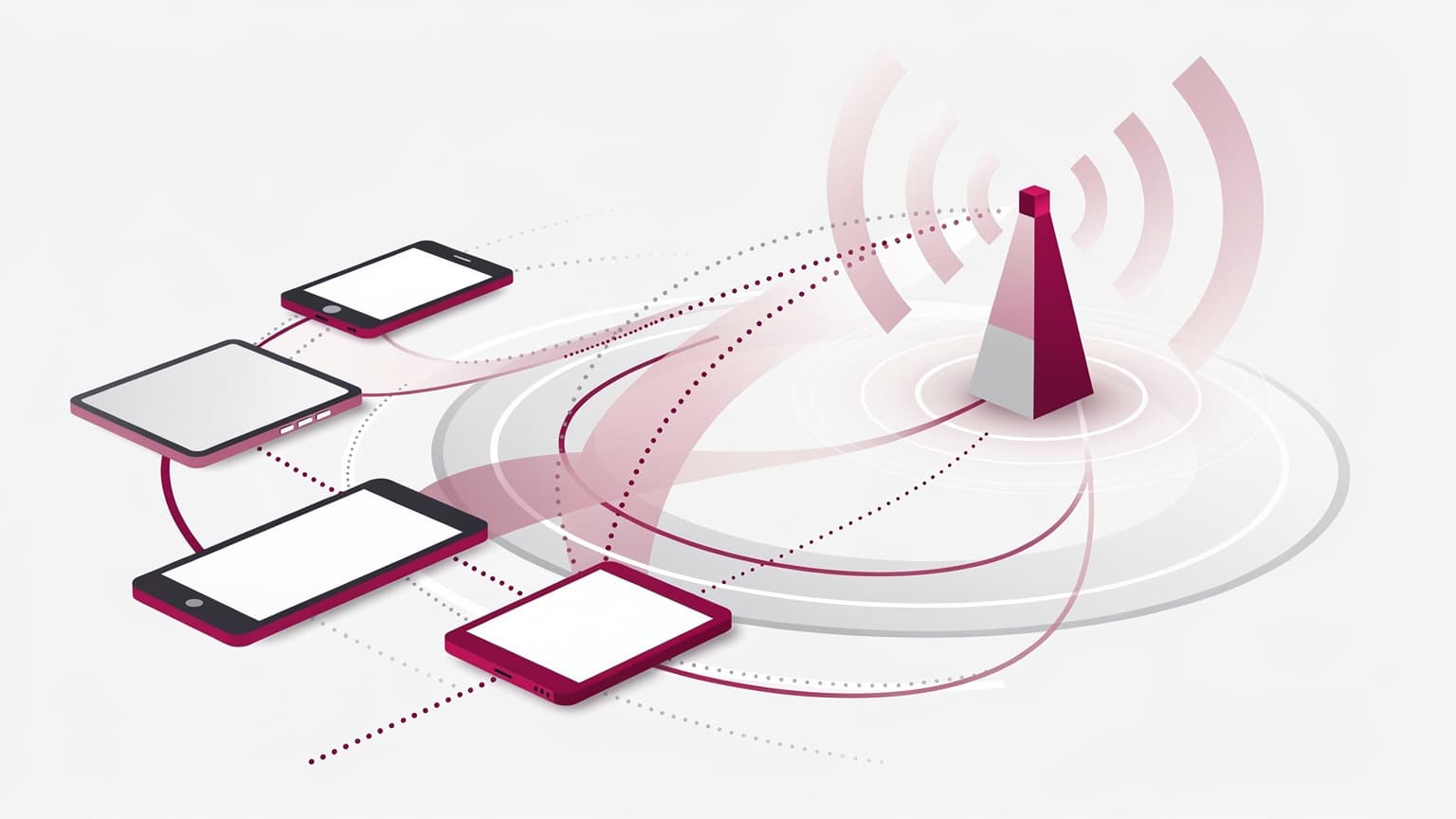
With traditional SIM cards, you have to find a store, show ID, and often deal with language barriers. An eSIM makes everything simpler. You buy it online, scan a QR code to activate it, and you're all set. For Mexico, Cellesim has competitive rates, starting at $1.05, with over 29 plans to choose from, depending on how much data you need. This means you can get connected the minute you land at Mexico City International Airport (MEX), without hunting for Wi-Fi or local cash.
One really important feature is SMS support for OTP (One-Time Password) and verification. This is a big deal. Many local Mexican apps, especially for banking or ride-sharing, need a local phone number to verify your account. While Cellesim's Mexico eSIM doesn't give you a local Mexican number, its SMS capability for OTP is incredibly useful for verifying your existing home number or other online services. I've found this particularly helpful for two-factor authentication on my banking apps back home. Otherwise, you're stuck trying to get those texts on public Wi-Fi, which isn't very secure.
Choosing Your Connectivity Strategy
If you're only in Mexico for a week, a small data package might be enough. If you're staying longer, you'll definitely want more. Comparing Nomad eSIM vs. Cellesim is a smart move for digital nomads looking to get the most out of their data.
| Connectivity Option | Pros | Cons | Best For |
|---|---|---|---|
| Cellesim Mexico eSIM | Instant activation, wide plan selection (29+), SMS for OTP, competitive pricing (starts $1.05). | No local Mexican phone number. | Most travelers, digital nomads, those needing reliable data and OTP. |
| Local Physical SIM (Telcel, AT&T Mexico) | Local phone number, often good rates for heavy local use. | Requires in-person purchase, ID registration, can be complex, often involves topping up credits. | Very long-term stays, those who absolutely need a local Mexican number. |
| Pocket Wi-Fi Device | Can connect multiple devices, dedicated hotspot. | Another device to charge, bulky, rental costs add up, limited coverage in remote areas. | Families with many devices, short business trips. |
| Public Wi-Fi | Free (sometimes). | Unreliable, slow, security risks, often requires local number for login. | Emergency checks, light browsing in trusted locations. |
Common Scams and How to Dodge Them, From a Veteran
I've seen plenty of scams, not just in Mexico but all over the world. The good news is that most are pretty easy to spot. The bad news is they often rely on you being distracted for a second or being too polite. Here's a quick guide to the ones that show up in Mexico:
The "Helpful" Stranger at the ATM
This is a classic. Someone walks up to you at an ATM, offers to "help" you with the machine, distracts you, and then either swaps your card or skims it. Sometimes they even look official. Never accept help from strangers at an ATM. Use ATMs located inside bank branches during business hours. Even better, use a debit card with very little money on it or a specific travel card. I always get cash from a bank ATM, usually a Bancomer or HSBC branch, because they're generally safer than freestanding machines.
Taxi Overcharging and "The Wrong Change"
This is really common in tourist areas. Always agree on a price before you get into a taxi if it doesn't have a meter. Or, even better, use a rideshare app like Uber or Didi, which are widely available in major cities. If you're paying with cash, have exact change or small bills. They'll often claim they don't have change for a large bill. Always double-check your change before you leave.
Fake Police or "Official" Scams
This one is more serious. Someone dressed as a police officer (sometimes fake, sometimes a real but dishonest officer) stops you, accuses you of a minor offense, and demands an on-the-spot "fine." They might even say they need to check your wallet for counterfeit money. Never hand over your wallet or passport. Ask for their ID and insist on going to the nearest police station. Corruption exists, but legitimate police officers won't demand cash on the street. Carry a photocopy of your passport, not the original, for daily outings.
Health Preparedness and Emergency Contacts
No one wants to get sick while traveling, but it happens. Traveler's diarrhea, for example, is almost a rite of passage. Beyond that, know what your travel insurance actually covers.
Staying Healthy on the Go
Mexico has good medical facilities in its major cities, but options can be limited in rural areas. Here's my personal checklist:
- Montezuma's Revenge Kit: Pack Imodium, rehydration salts, and Pepto-Bismol. Drink lots of water constantly.
- Water Safety: Only drink bottled or purified water. Avoid tap water, even for brushing your teeth, especially outside of big hotels.
- Food Hygiene: Eat at places that are busy, where the food is cooked fresh and served hot. Street food can be amazing, but pay attention to how they prepare it. Peel fruits and vegetables.
- Sun Protection: The Mexican sun is intense. Wear sunscreen, a hat, and sunglasses, even on cloudy days.
- Insect Repellent: Especially in humid coastal areas, mosquitoes can be annoying and can carry diseases like dengue.
Emergency Information at Your Fingertips
Before you leave, save these numbers in your phone. Also, write them down somewhere, just in case your phone dies:
- Local Emergency Number: 911 (for police, ambulance, fire).
- Your Country's Embassy/Consulate: For lost passports, legal issues, or emergencies.
- Travel Insurance Emergency Line: The 24/7 number for your policy.
- Local Friends/Hostel Manager: Someone in the area who can help.
Local Laws and Cultural Etiquette: What Not to Do
Understanding local laws and customs isn't just about avoiding trouble; it's about showing respect. Mexico is a country with rich traditions, and making a small effort really goes a long way.
Key Laws to Remember
- Drugs: Mexico has very strict drug laws. Having even small amounts of illegal drugs can lead to serious consequences, including long jail sentences. Don't risk it.
- Alcohol: Drinking alcohol in public is generally not allowed outside of places like restaurants, bars, or private property.
- Driving: If you rent a car, you absolutely must have Mexican auto insurance. Your U.S./Canadian policy won't cover you there.
- Photography: Be respectful when taking photos, especially of people. Always ask permission before photographing individuals, particularly indigenous people. Some religious sites or military areas completely forbid photography.
Navigating Social Norms
Mexicans are generally warm and welcoming. A few cultural tips:
- Greetings: A simple "Hola" or "Buenos días/tardes/noches" is always appreciated. Men often shake hands, while women might greet each other with a kiss on the cheek.
- Dress Code: While beach towns are casual, dressing modestly in cities and religious sites shows respect.
- Tipping: Tipping (propina) is customary for service workers, including waiters, taxi drivers, hotel staff, and even gas station attendants. 10-15% is standard at restaurants.
- Punctuality: Mexicans tend to operate on a more relaxed schedule than some other cultures. "Mexican time" is a real thing, so don't expect things to start exactly on time.
Navigating Transportation: Rideshares and Road Trips
Getting around Mexico can be an adventure in itself. From busy city metros to comfortable long-distance buses, there are options for every budget and preference.
City Transport: Metro, Metrobús, and Rideshares
In Mexico City, the Metro is incredibly efficient and super cheap (about 5 pesos per ride). It gets crowded, especially during rush hour, but it connects you everywhere. The Metrobús system is also excellent. For longer trips or late at night, Uber and Didi are reliable and much safer than trying to flag down a street taxi, especially in Mexico City, Guadalajara, and Monterrey. Always double-check the license plate and driver photo before getting into the car.
Long-Distance Buses: The Preferred Way to Travel
Forget internal flights for many routes. Mexico's first-class bus system (ADO, ETN, Primera Plus) is fantastic. They're comfortable, on time, and often safer than driving yourself. I've taken countless overnight buses across Mexico, from Mexico City to Oaxaca, and always felt safe. Some routes even have Wi-Fi, though it's usually slow and unreliable.
Renting a Car and Road Safety
Renting a car gives you freedom but comes with its own set of issues. Roads can be poorly maintained, signs might be scarce, and some areas have security concerns. I'd only suggest renting a car if you're comfortable driving in another country and plan to stick to popular routes, like exploring the Yucatán Peninsula or the Ruta Puuc. Always fill up your tank in larger towns and avoid driving at night, especially on rural roads.
Money Matters and Currency Exchange: Avoiding the Rip-Offs
Cash is still king in many parts of Mexico, especially for street vendors, small shops, and local markets. While bigger places take credit cards, always have pesos on hand.
Getting Cash: ATMs and Exchange Houses
My go-to is always an ATM inside a major bank (Bancomer, HSBC, Citibanamex). They usually offer the best exchange rates and are generally the most secure. Steer clear of standalone ATMs, especially in tourist spots, as they're more likely to be tampered with. Exchange houses (casas de cambio) are fine for changing small amounts of cash, but their rates are usually worse than a bank ATM. Never exchange money with random people on the street.
Paying with Cards and Dynamic Currency Conversion
When you pay with a credit card, they'll often ask if you want to pay in pesos (MXN) or your home currency (USD/CAD). Always pick pesos. This avoids Dynamic Currency Conversion (DCC), where the local merchant's bank converts the currency at a bad rate. Let your own bank handle the conversion; it will almost always be better.
Long-Stay Logistics for Digital Nomads in Mexico
Mexico City has become a huge magnet for digital nomads, and for good reason. The cost of living is reasonable, the culture is vibrant, and there's a bustling community.
Finding Your Footing: Neighborhoods and Accommodation
When I first moved to Mexico City, I rented a room in Roma Norte for about 12,000 MXN per month (around $700 USD). That's a good baseline price for a private room in a shared apartment. A whole apartment in Roma or Condesa could easily cost anywhere from 18,000-30,000 MXN ($1,000-$1,750 USD), depending on its size and amenities. Oaxaca City is generally cheaper, with a nice apartment in the Centro going for about 10,000-15,000 MXN ($580-$870 USD).
I recommend starting with a short-term Airbnb in a neighborhood you like, then looking for longer-term rentals once you're actually there. Facebook groups like "Digital Nomads Mexico City" are excellent for finding rooms and apartments.
Co-working Spaces and Reliable Wi-Fi
Forget trying to work from a noisy cafe with unreliable Wi-Fi. Co-working spaces are essential. In Mexico City, getting rid of laptop hotspots by using a dedicated space is a must. My favorite was Colmena in Roma Norte. It has reliable fiber optic internet, comfortable chairs, and actual meeting rooms. Expect to pay around 3,000-4,500 MXN ($175-$260 USD) for a monthly membership, depending on whether you need a dedicated desk. Other good choices include The Nomad in Condesa and Centraal in Roma Sur. In Oaxaca, Impact Hub Oaxaca is a solid option.
| City | Co-working Space | Monthly Fee (approx. MXN) | Connectivity Notes |
|---|---|---|---|
| Mexico City | Colmena (Roma Norte) | 3,500 - 4,500 | Fiber optic, very reliable, multiple backup lines. |
| Mexico City | The Nomad (Condesa) | 3,000 - 4,000 | Good speeds, comfortable atmosphere, popular. |
| Oaxaca City | Impact Hub Oaxaca | 2,500 - 3,500 | Decent speeds, strong community focus. |
Cost of Living Beyond Rent
Beyond rent and co-working, here's a rough idea for a comfortable, but not extravagant, lifestyle in Mexico City:
- Groceries: 3,000-5,000 MXN ($175-$290 USD) per month if you cook most of your meals.
- Eating Out: A casual meal at a local fonda is 80-150 MXN ($5-$9 USD). A nice dinner in Roma Norte could be 400-800 MXN ($23-$46 USD) per person.
- Transport: Metro/Metrobús is incredibly cheap. Uber/Didi rides are generally 50-150 MXN ($3-$9 USD) within the city.
- Entertainment/Coffee: Budget another 1,500-3,000 MXN ($87-$175 USD) for coffees (my Tuesday routine at Panadería Rosetta in Roma Norte was essential), occasional drinks, and activities.
For a comfortable digital nomad life in Mexico City, including rent, your total monthly cost could be around 25,000-35,000 MXN ($1,450-$2,000 USD), depending on your habits.
My Personal Takeaway on Mexico Travel
Mexico is an amazing country, bursting with culture, delicious food, and genuinely friendly people. But like any place, it requires your respect and awareness. Don't be naive, but don't let fear stop you either. Most problems come from not being prepared or lacking basic street smarts.
My biggest piece of advice, learned over years of living out of a backpack, is to control what you can. That means making sure you have reliable data from day one (seriously, get that Cellesim Mexico eSIM set up before you land). It means knowing your visa limits and not pushing your luck. It means researching your specific destination and not just relying on general travel blogs. And most importantly, it means trusting your gut instincts. Mexico is absolutely worth the effort, but it's not a place where you can completely switch off. Stay smart, stay connected, and enjoy the journey.