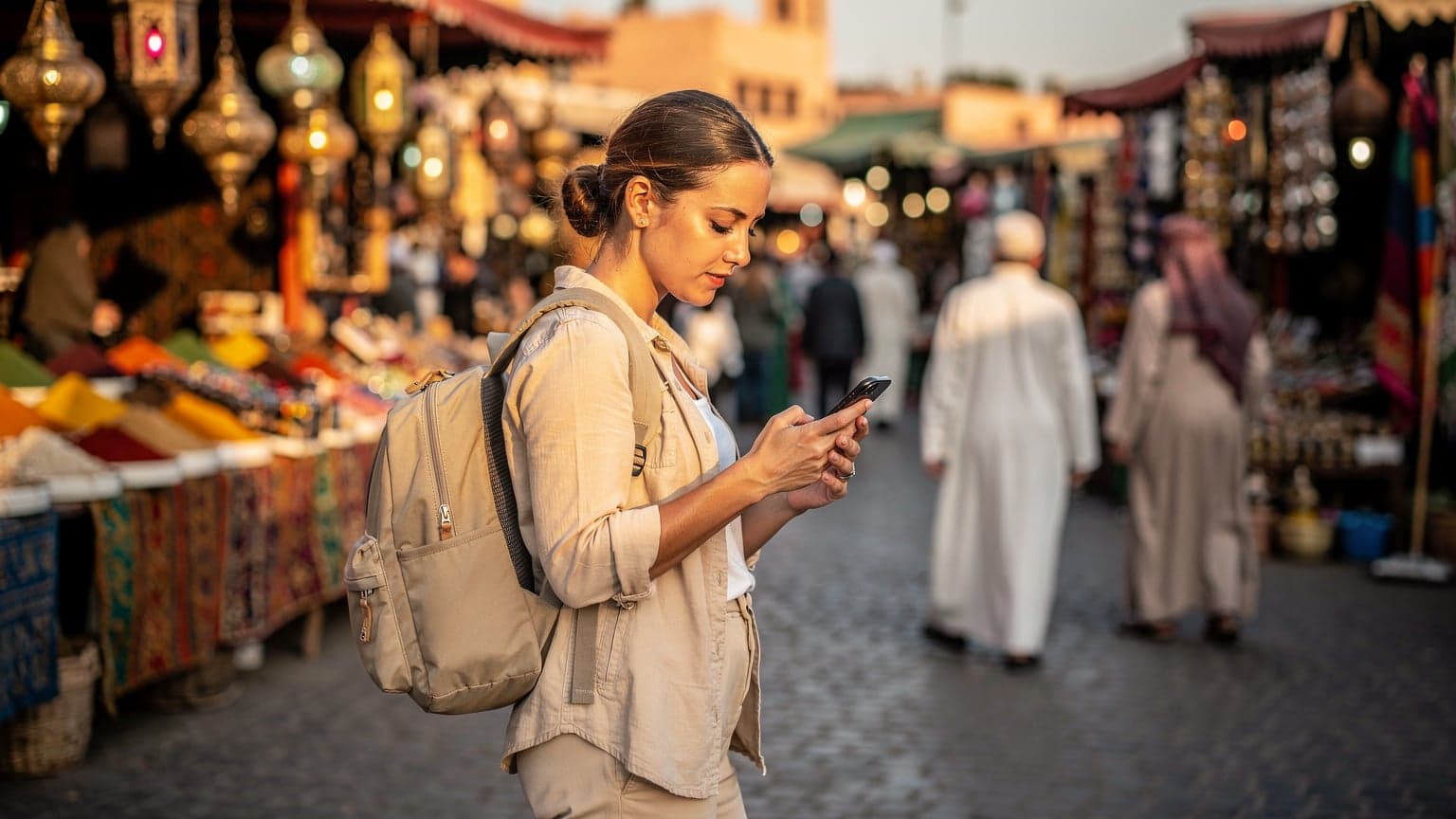
If you're heading to Morocco in 2026, an eSIM is your best bet for staying connected without the usual headaches. Forget those crazy roaming charges or wrestling with physical SIM cards. An eSIM means instant activation, flexible data plans, and solid coverage in all the big cities and popular spots. It's perfect whether you're navigating a bustling souk or trying to get some work done remotely.
Why Morocco Demands Reliable Data, Beyond Just Maps
I've been there. You land in a new country, exhausted, and then you're stuck trying to buy a SIM card at the airport. You haggle over prices, fill out paperwork, and then discover it barely works at your rental or the data plan is a total mystery. In Morocco, this isn't just annoying, it can really mess up your trip.
Picture this: you're trying to find your way through the maze-like Fes medina or get across the sprawling neighborhoods of Casablanca. A solid internet connection isn't just handy, it's essential. Sure, it helps you find the Bahia Palace or the nearest ATM, but it does so much more.
Need a ride? Apps like Careem or InDrive are huge in cities like Marrakech or Rabat, and they need data. Planning a desert trip or a hike in the mountains? You'll probably coordinate with your guide on WhatsApp. Even ordering dinner after a long day of sightseeing, using services like Glovo or Jumia Food, needs a stable connection. And if you're like me, trying to balance client calls and deadlines, a shaky connection is a recipe for disaster. I once got stuck in Tangier trying to upload a big file, and my local SIM just quit. Not fun. This is exactly where an eSIM for Morocco really saves the day, giving you peace of mind the minute you land.
Navigating Local Apps and Services
Many crucial services in Morocco, especially if you're staying for a while, rely on local phone numbers or a steady data connection. As a tourist, you probably won't need a local SIM for banking apps. But if you're planning a longer stay, say, more than a month in a spot like Gueliz in Marrakech, you'll want reliable data for everything. I've seen friends struggle to get deliveries from local shops because their international roaming was too slow to load the app's payment page. Even basic conversations with landlords or service providers often happen on WhatsApp, which means you need data.
The Cost of Getting It Wrong: Roaming Nightmares
Let's be real: carrier roaming fees are a total rip-off. I still cringe remembering a $200+ bill after a week in Mexico because I forgot to turn off data roaming on my old physical SIM. Never again! In Morocco, local carriers like Orange, Maroc Telecom, and Inwi offer decent prepaid options. But if you stick with your home carrier's roaming, you're looking at rates that can easily hit $10-15 per MB, or daily passes that aren't much better. An eSIM completely bypasses this, giving you clear prices and much lower costs per GB. It's the smart choice if you hate surprise bills.

eSIM vs. Local SIM Card: A Nomad's Dilemma
This is the debate that always pops up in nomad WhatsApp groups. For years, the local physical SIM was king: cheap data, a local number, easy top-ups. But things have changed. eSIMs are much better now. In Morocco, you can still get local SIMs from Maroc Telecom, Orange, or Inwi, and they're pretty cheap (a few hundred dirhams for 10-20GB). But an eSIM offers conveniences that often make it worth the slightly higher price, especially for shorter trips or if you really value instant connection.
The Hassle Factor: Physical vs. Digital
Imagine landing at Casablanca's Mohammed V International Airport, tired and just wanting to get to your Riad. The last thing you want to do is hunt for a SIM card vendor, deal with language barriers, and potentially register your passport details. With an eSIM, you land, turn on your phone, and boom, you're connected. No fumbling with tiny trays, no worrying about losing your home SIM. This smooth transition is incredibly valuable, especially after a long flight. It means you can immediately call your ride or check your booking without any stress.
Keeping Your Home Number: A Key Benefit
One of the best things about an eSIM is that it lets you keep your main physical SIM card active. This means your home number still works for calls and texts, which is super important for things like two-factor authentication for banking apps, or just staying in touch with family without extra steps. I can't tell you how many times I've been grateful for this, especially when a bank needs to send a verification code and I'm on the other side of the world. For anyone running a business or needing critical access, this feature is a must-have.
Multi-Country Travelers, Listen Up
If your Morocco trip is just one stop on a bigger adventure, say you're off to Spain or Portugal next, a multi-country eSIM makes even more sense. Instead of buying a new SIM for each country, you can get one eSIM plan that covers several destinations. This saves you time, money, and mental energy. It's why I've been telling more nomads in our WhatsApp groups to check out multi-carrier eSIMs for business travel. The flexibility is just too good to ignore. It's the difference between smooth sailing and constantly worrying about getting online. Just like using a multi-country eSIM for a trip through the Nordics, Morocco can fit right into a larger, easy data plan.
Choosing Your Morocco eSIM Provider
Not all eSIMs are the same, especially when you're looking at specific regions. Morocco has three main carriers: Maroc Telecom, Orange, and Inwi. Your eSIM provider will usually use one or more of these networks. When you're choosing, check their coverage maps, data allowances, and how long the plan lasts. Don't just go for the cheapest option. Spending a few extra dollars for a more reliable network can save you hours of frustration.
| Carrier | Network Technologies | Key Coverage Areas | Notes for Travelers |
|---|---|---|---|
| Maroc Telecom | 2G, 3G, 4G, limited 5G | Strongest in rural areas, good urban coverage | Often considered the most extensive network, especially outside major cities. Reliable for calls and basic data. |
| Orange Morocco | 2G, 3G, 4G | Excellent in major cities like Marrakech, Casablanca, Rabat | Good speeds in urban centers, competitive data plans. Popular with younger demographics. |
| Inwi | 2G, 3G, 4G | Solid urban coverage, improving in tourist routes | Often offers aggressive pricing, good secondary option if primary network struggles. |
Frequently Asked Questions
What is an eSIM and how does it work for Morocco?
An eSIM, or embedded SIM, is a digital SIM card that allows you to activate a cellular plan without needing a physical SIM. For Morocco, you purchase an eSIM plan online, scan a QR code with your phone, and your device connects to a local Moroccan network, giving you instant data access upon arrival. It's a convenient way to avoid roaming fees.
Which mobile carriers in Morocco support eSIM technology?
While local Moroccan carriers like Maroc Telecom, Orange, and Inwi primarily offer physical SIMs to tourists, most international eSIM providers leverage these existing networks. Your Cellesim eSIM, for instance, will connect you to the strongest available network, typically Maroc Telecom or Orange, ensuring wide coverage across the country.
Can I use my home number for calls and texts while using an eSIM in Morocco?
Yes, absolutely. One of the main benefits of an eSIM is that it allows you to keep your primary physical SIM active. This means you can continue to receive calls and texts on your home number, crucial for two-factor authentication or important contacts, while using the eSIM for all your data needs in Morocco.
How much data do I need for a trip to Morocco?
The data you need depends on your usage. For a week-long trip with light browsing and navigation, 3-5GB might suffice. If you're a heavy user, streaming, making video calls, or working remotely, you'll want 10-20GB per week or more. Always consider a plan with a bit of buffer, as public Wi-Fi can be unreliable outside major hotels or co-working spaces.
Is an eSIM better than buying a local SIM card in Morocco?
For most travelers, an eSIM is more convenient. It eliminates the need to find a local vendor, deal with registration, or swap physical cards. You're connected instantly upon arrival. While local physical SIMs can be slightly cheaper for very long stays, the ease, flexibility, and ability to keep your home number active often make an eSIM the superior choice.
What if my eSIM doesn't work in Morocco?
First, check your device settings to ensure the eSIM is activated and selected for mobile data. Confirm data roaming is enabled for the eSIM profile. If issues persist, try restarting your phone. Most eSIM providers offer 24/7 customer support via chat or email, which is often the quickest way to troubleshoot. Ensure you have screenshots or error messages handy.
Data Allowance and Validity Periods
Think about how you travel. Are you just going for a quick weekend or are you a long-term digital nomad? For a week-long trip, 3-5GB might be enough if you mostly use hotel Wi-Fi. But if you're staying for a month, especially if you're working remotely, you'll want at least 20-30GB, maybe more. Don't forget how quickly video calls or streaming can eat up data. Also, always check the validity period. Some eSIMs expire after 7 days, others after 30 or 60. Make sure it matches your trip length.
Regional vs. Global eSIMs
If Morocco is your only stop, a country-specific eSIM is usually the most affordable. But if you're hopping between islands or countries, a regional eSIM that covers North Africa or even a global eSIM can make things much simpler. I've found that for my longer trips, a regional eSIM might cost more upfront but saves me the headache of constantly managing new plans. It's a trade-off between getting the absolute lowest cost and just having things be easy. For nomad families with a Pixel 10 Pro, multi-country options are a no-brainer.
Getting Set Up: Your Morocco eSIM Activation Checklist
Okay, this is where you actually get connected. Activating an eSIM is usually pretty simple, but a few quick steps will make sure everything goes smoothly. Try to do this before you even get on your flight, so you land already connected.
Pre-Departure Steps
- Check Device Compatibility: Make sure your phone can actually use an eSIM. Most newer iPhones (XS and later), Google Pixels (3a and later), and Samsung Galaxy S20 series and newer should work. If you're not sure, check your phone's settings or the manufacturer's website.
- Purchase Your eSIM: Buy your eSIM for Morocco from Cellesim or another reliable provider. You'll get a QR code or manual activation details sent to your email.
- Download Provider App (Optional but Recommended): Some providers have their own apps that make managing your eSIM easier, like tracking data usage and topping up.
- Ensure Stable Internet: Before you activate, make sure you have a strong Wi-Fi connection. The QR code scan needs to download the eSIM profile.
On-Arrival Activation Guide
Once you've landed and have a moment, follow these general steps. (Menu names might be slightly different on iOS and Android, but the idea is the same.)
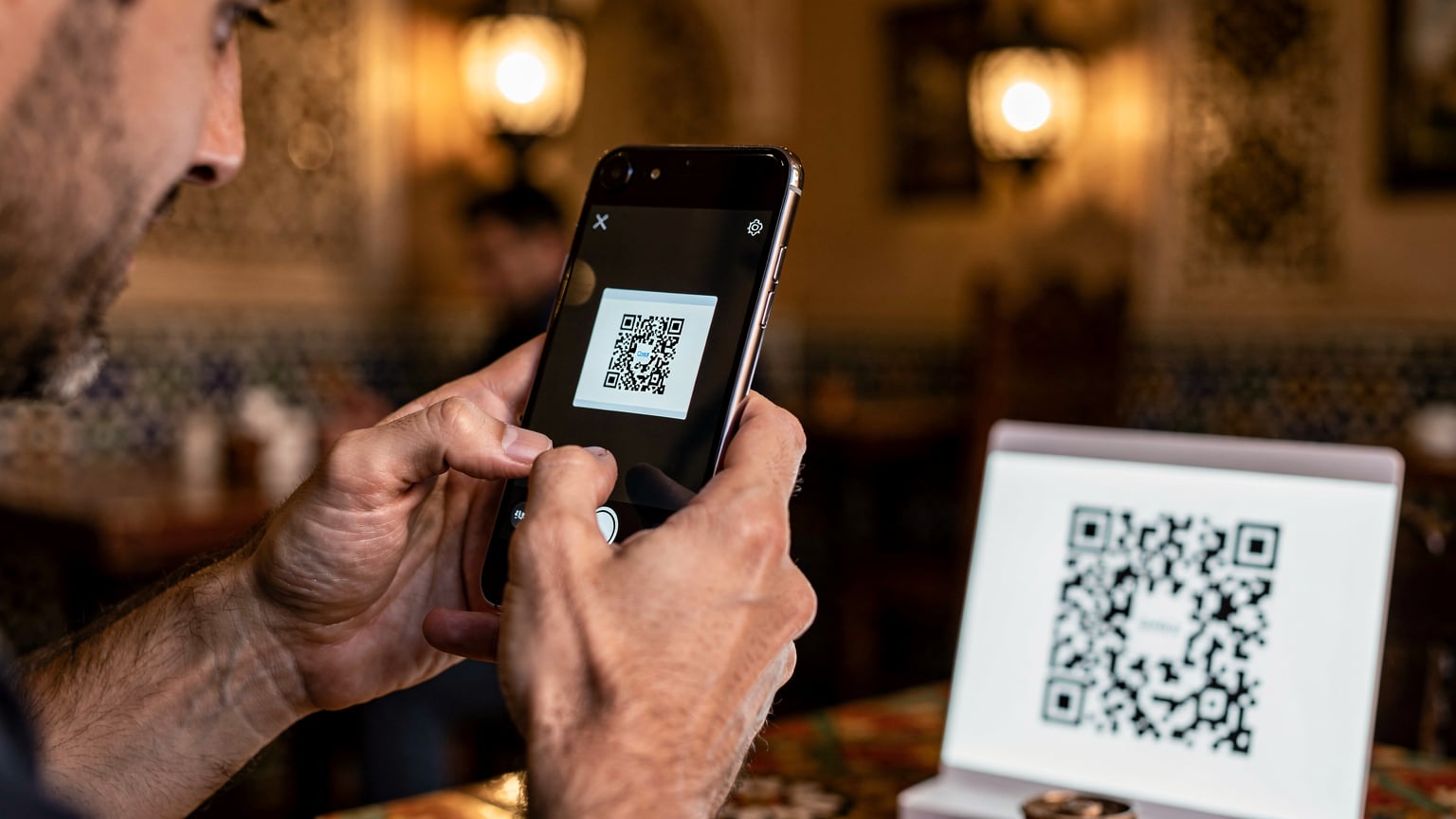
Scan QR Code: Choose the option to "Scan QR Code" or "Use QR code". Hold your phone camera over the QR code provided in your Cellesim email. If scanning isn't working or you prefer, there's usually an option for "Enter Details Manually" where you'll input the SM-DP+ Address and Activation Code.Add Cellular Plan: Your phone will detect the new eSIM profile. Confirm you want to add it.
Label Your eSIM: This step is really important for keeping your different SIMs straight. Label your new eSIM "Morocco" or "Cellesim Morocco" and your home SIM "Home" or "Primary".
Set Default Line for Data: When your phone asks, set your new Morocco eSIM as the main line for cellular data. This makes sure you're using the data plan you bought.
Turn On Data Roaming (for the eSIM): This might sound strange, but for an eSIM to connect to local networks, data roaming must be enabled for that specific eSIM profile. Don't worry, with a Cellesim eSIM, you won't get hit with traditional roaming charges; you're just using your purchased data plan. Just make sure data roaming is off for your home SIM to avoid any accidental charges.
Select Network (Optional): Sometimes, your phone might ask you to pick a preferred network. In Morocco, Maroc Telecom, Orange Maroc, and Inwi are the main carriers. Your eSIM will usually connect to the strongest available partner network automatically.
You should now be connected! Look for the network signal bars and maybe an "eSIM" or "secondary SIM" icon in your status bar.
eSIM Management & Troubleshooting in Morocco
Monitoring Your Data Usage
- Cellesim App/Portal: If Cellesim has an app or online portal, that's usually the most accurate place to see how much data you have left. Check it regularly to stay on top of things.
- Device Settings: On an iPhone, go to Settings > Cellular > Cellular Data. On Android, go to Settings > Network & internet > SIMs, then tap on your eSIM. While these show overall usage, they might not perfectly match your provider's billing cycle.
- Set Data Limits: Both iPhones and Androids let you set data limits and warnings. This is a great way to avoid using too much data or running out unexpectedly, especially if you have a smaller plan.
What if it Doesn't Work? Common Troubleshooting Steps
Even if you prepare perfectly, sometimes things still go wrong. Here are some quick fixes for common eSIM problems:
- Restart Your Phone: The classic solution. A simple reboot can often clear up connection issues.
- Check Data Roaming: As mentioned, make sure data roaming is ON for your Morocco eSIM profile and OFF for your home SIM.
- Verify APN Settings: Most eSIMs set up APN settings automatically, but if you're not getting data, check your eSIM provider's instructions for the correct APN (like "internet" or "data.be"). You can usually find this under your eSIM's settings.
- Manual Network Selection: Go to your phone's cellular settings, then "Network Selection" (or something similar). Turn off automatic selection and manually choose one of the Moroccan carriers (Maroc Telecom, Orange, Inwi). Try each one until you connect.
- Ensure eSIM is Enabled: In your phone's SIM settings, make sure the Morocco eSIM profile is switched "On" or "Enabled."
- Contact Support: If nothing else works, reach out to Cellesim's customer support. Have your order number and phone details ready.
Real-World Connectivity in Morocco: What to Expect
Morocco's mobile network has gotten much better, especially in recent years. Here's what you can realistically expect from your Cellesim eSIM, which uses local networks:
Coverage in Cities vs. Rural Areas
- Major Cities (Marrakech, Fes, Casablanca, Rabat, Tangier): You'll get excellent 4G LTE coverage here. Streaming, video calls, and navigation will be smooth. 5G is also expanding in these urban centers.
- Tourist Hubs (Chefchaouen, Essaouira, Ouarzazate): Generally good 4G coverage, though speeds might occasionally slow down during busy times or in very crowded areas.
- Rural & Mountainous Regions (Atlas Mountains, Sahara Desert): Coverage can be patchy or even non-existent. While main roads and towns might have 3G or weak 4G, if you go off the main path, be ready for offline maps and no communication. For a desert trek, think about bringing a satellite messenger as a backup.
- Coastal Areas: Good 4G coverage along most of the Atlantic and Mediterranean coasts.
Network Speeds and Reliability
"During my last trip through Morocco, my Cellesim eSIM consistently delivered 4G speeds averaging 25-40 Mbps in cities like Marrakech and Rabat. Even in smaller towns like Imlil in the Atlas foothills, I maintained a stable 10-15 Mbps, perfect for checking emails and light browsing. It truly made navigating and staying in touch effortless." - A Cellesim Customer
Generally, you can expect reliable speeds for most of your online activities. Video calls (WhatsApp, Zoom) are usually fine in cities. For important work or heavy streaming, always use Wi-Fi when you can, but your eSIM will handle your daily tasks without a hitch.
Your 2026 Morocco Adventure Awaits
From the lively markets of Marrakech to the peaceful blue streets of Chefchaouen and the vast sand dunes of the Sahara, Morocco promises an unforgettable trip. Don't let worries about huge roaming fees or dealing with physical SIM cards ruin your experience.
Why Cellesim is Your Go-To
Cellesim offers an easy, dependable, and affordable way to stay connected. With clear pricing, simple activation, and dedicated support, you can relax and focus on enjoying Morocco's rich culture and amazing landscapes. Ditch the roaming stress, keep your home number, and enjoy the freedom of being connected instantly.
Ready to get your digital lifeline for Morocco? Check out Cellesim's eSIM plans for Morocco today and make sure your 2026 adventure is connected from the moment you land until you take off.