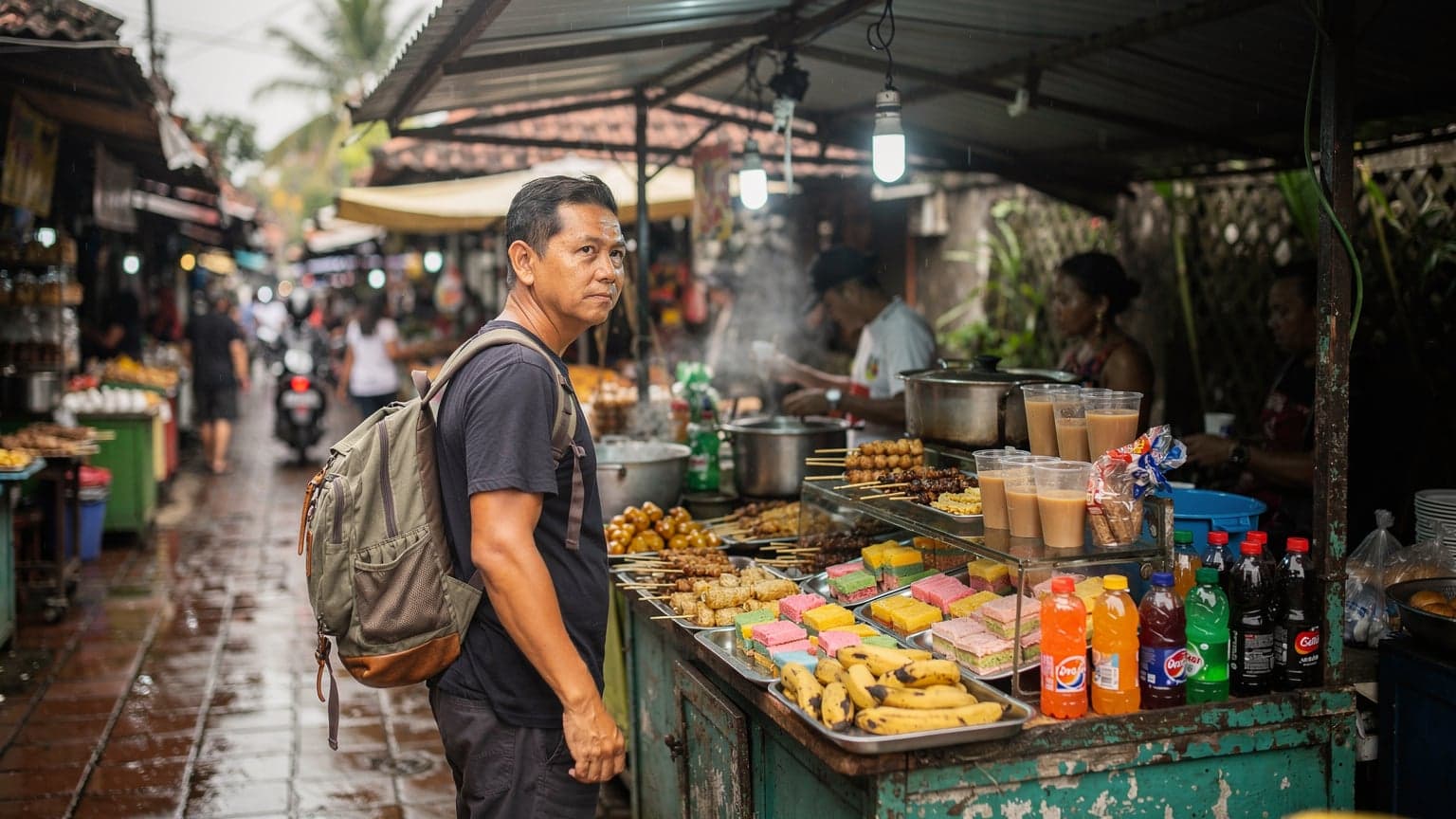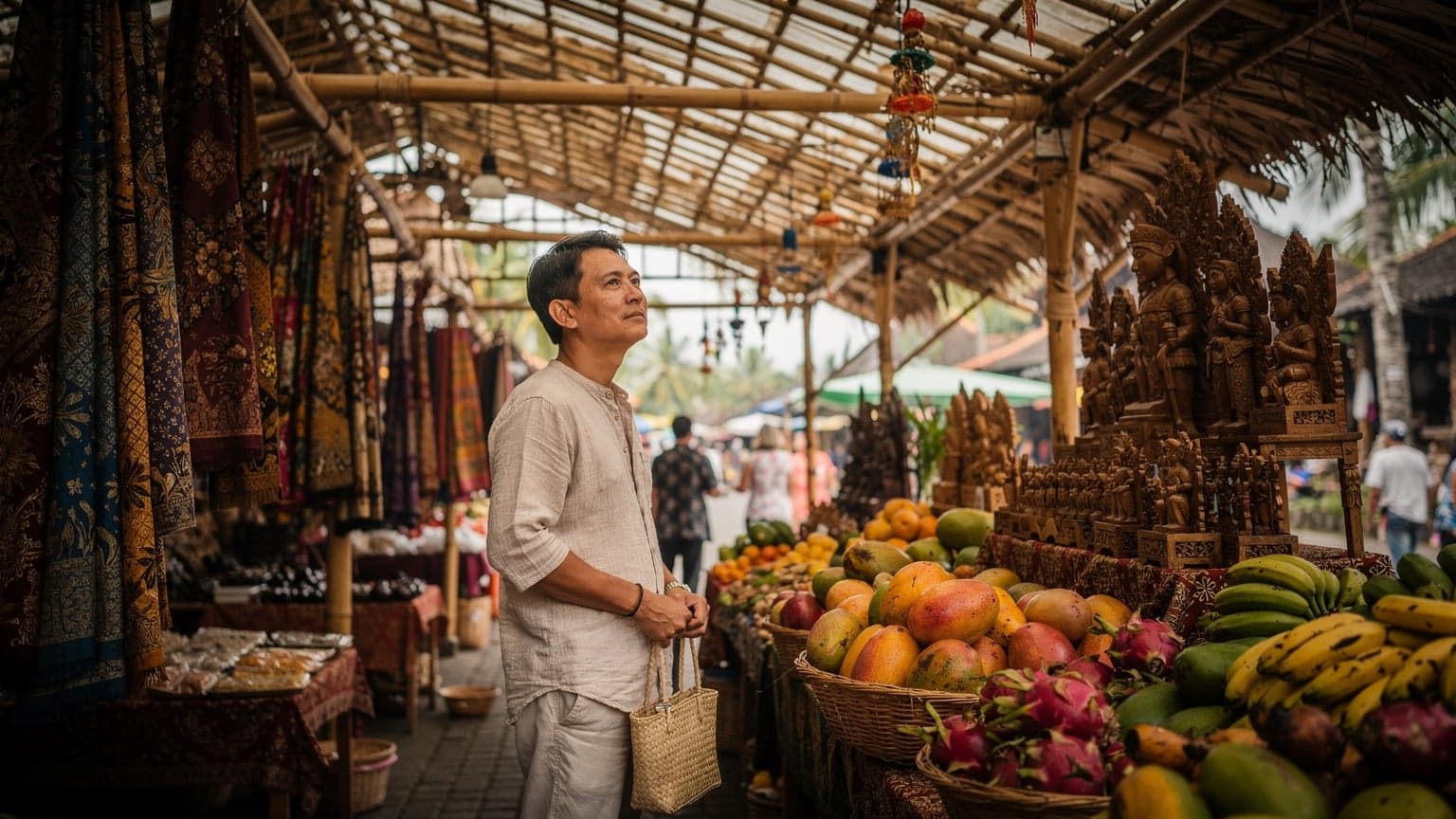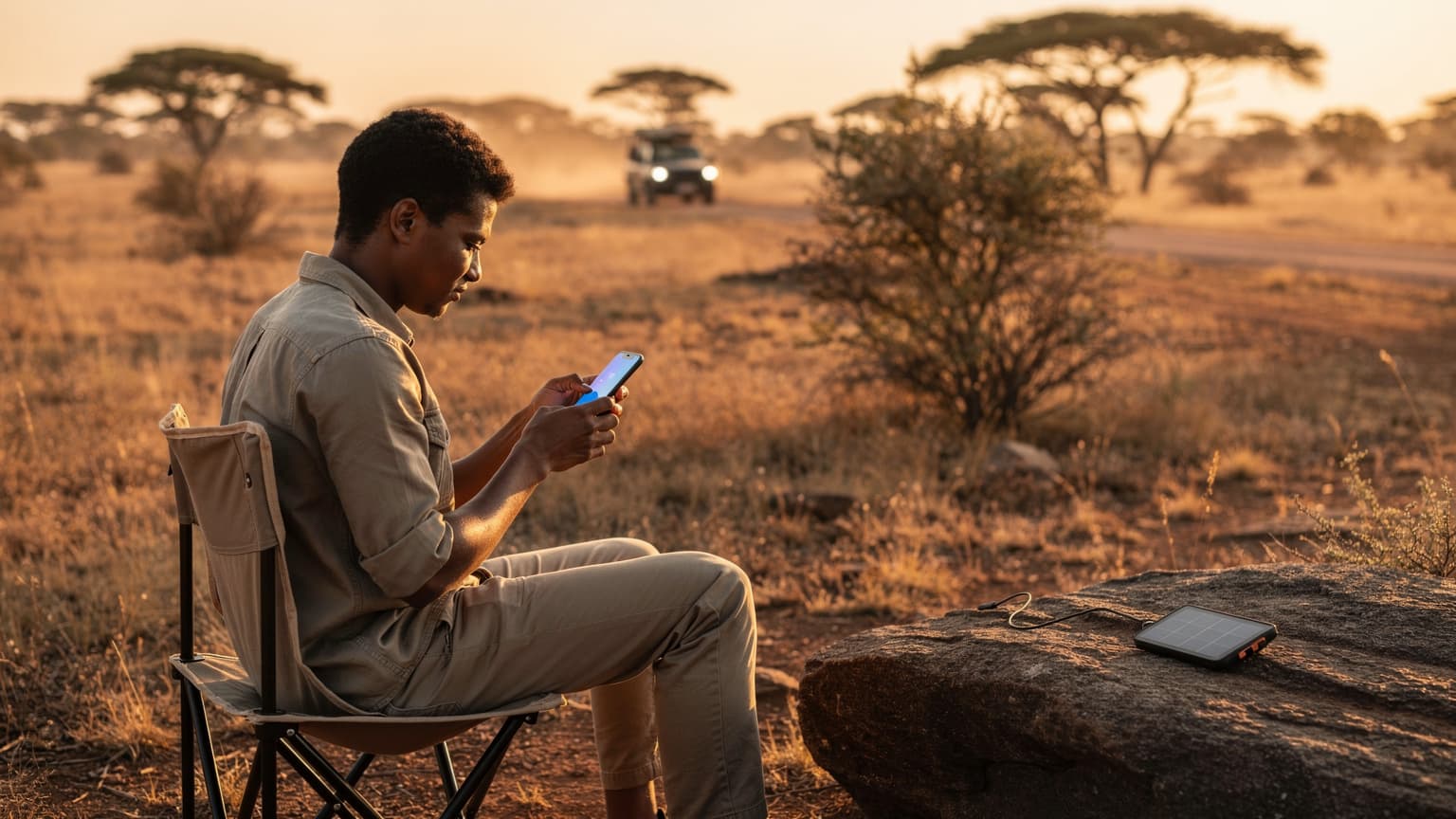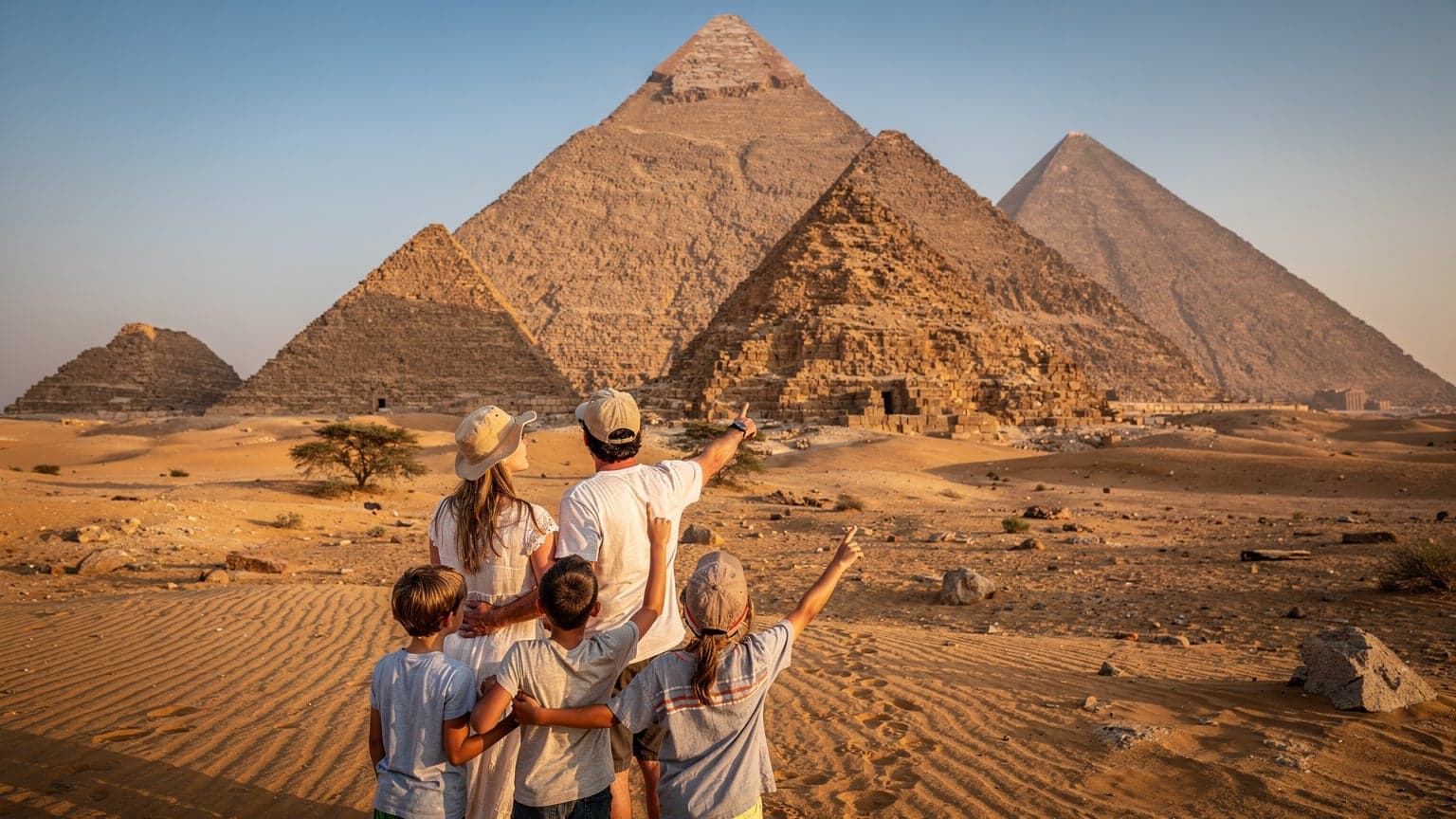
Sudan is a fantastic destination for families looking for something truly different. It's packed with ancient history, vibrant cultures, and absolutely stunning natural beauty. Think pyramids, incredible Nile River experiences, and traditions that will genuinely surprise you. It’s an adventure far beyond your typical tourist spots.
Sudan: Home to More Pyramids Than Egypt
When someone mentions pyramids, you probably picture Egypt. Right? Well, get ready for a cool surprise: Sudan actually has more pyramids than its famous neighbor. You'll find over 200 Nubian pyramids scattered across sites like Meroë, Nuri, and El Kurru. These aren't just old piles of stones; they're magnificent monuments from the Kingdom of Kush, often steeper and more numerous than the Egyptian ones. Visiting Meroë, a UNESCO World Heritage site, with your family feels like walking onto a movie set. Even my nine-year-old, who usually has the attention span of a goldfish, was totally absorbed by the sheer number and size, imagining ancient pharaohs and daring adventures.
We found that loading a map app onto their iPhones before we went was super helpful for getting around these huge sites. It was especially useful for keeping track of my pre-teen, who seems to have a built-in sensor for finding the most interesting (and often furthest) ruins. Let's be honest, those "educational" moments are much smoother when a quick Google search can instantly answer a burning question about a carving or a historical figure.
The Royal Cemeteries of Meroë
Meroë was the southern capital of the Kushite Kingdom for centuries, and its royal cemeteries are truly impressive. These pyramids were tombs for Kushite kings and queens, showing off a unique architectural style that's quite different from Egyptian pyramids. You'll notice their smaller bases and steeper sides, which create a wonderfully dramatic silhouette against the desert sky.
Pyramids at Nuri and El Kurru
Beyond Meroë, you'll find significant groups of Nubian pyramids at Nuri and El Kurru. Nuri is where many of the great Kushite pharaohs, including those who once ruled Egypt, were buried. El Kurru offers a special experience: you can go down into some of the decorated tombs. Inside, you'll see fascinating wall paintings that really bring ancient Sudanese history to life.
The Confluence of the Blue and White Nile
Khartoum, Sudan's capital, sits where the Blue Nile, coming from Ethiopia, dramatically meets the White Nile, flowing from Lake Victoria. This meeting point, called 'Al-Mogran,' is a powerful natural spectacle. The two rivers, with their distinct shades of water, merge to form the mighty Nile that continues its journey north. It's really something to see, especially if you take a boat trip around sunset.
We took the kids on a felucca ride, a traditional sailboat, right where the two Niles converge. It was the perfect way to unwind after a busy day of sightseeing, and it even managed to pull them away from their Nintendo Switches for a while. There's just something incredibly peaceful about watching the water, and it's a fantastic, low-key activity for families.
A Geographical Marvel
You can often clearly see the visual difference between the darker, silt-rich Blue Nile and the clearer White Nile. This natural phenomenon isn't just beautiful; it's also incredibly important geographically, as these two rivers are the main sources of the Nile, supporting life and farming throughout the region for thousands of years.
Nile River Activities
Besides felucca rides, the Nile offers other enjoyable activities. Families can relax in riverside parks, have picnics, or simply watch the busy river life. It’s a central part of Sudanese daily life and culture, always present in the capital city.
Ancient Kingdoms and Pharaohs
Sudan's history is incredibly rich, having been home to several powerful ancient kingdoms, most notably the Kingdom of Kush. This kingdom thrived for over a thousand years, even ruling parts of Egypt as the 25th Dynasty of pharaohs, often called the 'Black Pharaohs.' Their influence was vast, leaving behind a legacy of impressive architecture, art, and a unique culture.
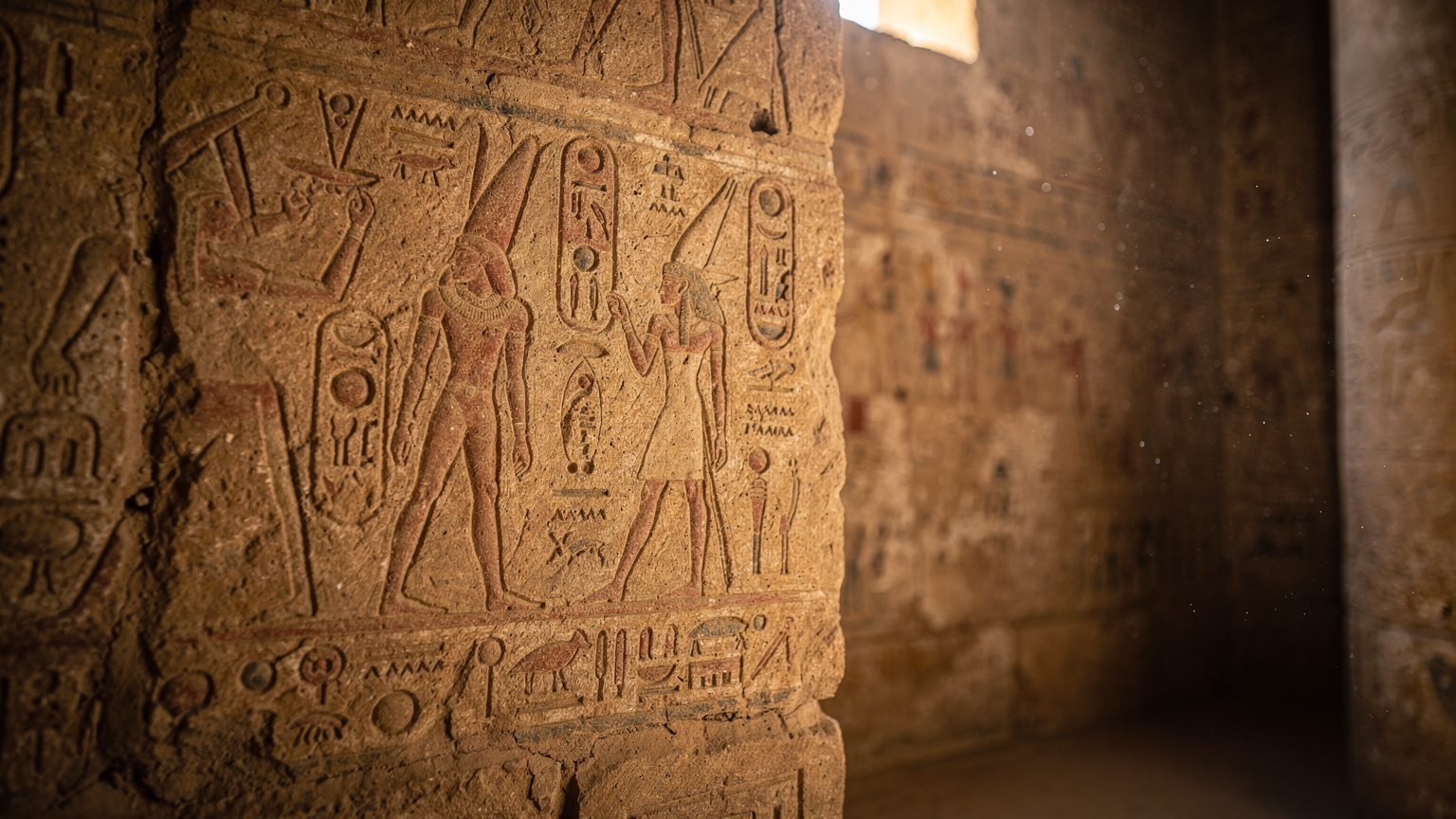
When we were planning our trip, I made sure to download some kid-friendly historical podcasts and documentaries about ancient Sudan and Egypt. It really helped them understand what they were seeing and kept them engaged during longer car rides between sites. Trust me, anything that minimizes the "Are we there yet?" chorus is a win for parents.
The Kingdom of Kush
The Kingdom of Kush was a dominant force in ancient Northeast Africa. Its capital moved over time, from Kerma to Napata, and finally to Meroë. Kushite rulers were not only powerful but also culturally sophisticated, developing their own script and artistic traditions.
The Black Pharaohs
The 25th Dynasty of Egypt originated in Kush, a period often celebrated for bringing back traditional Egyptian values and undertaking monumental building projects. These pharaohs, like Piye and Taharqa, left a lasting mark on both Sudanese and Egyptian history.
A Multilingual Melting Pot
Sudan is a country with incredible linguistic diversity, truly reflecting its rich cultural mix. While Arabic is the official language, many other native languages are spoken across the country. This variety means you'll encounter a fascinating blend of communication styles and traditions as you travel.
I always try to teach the kids a few basic phrases in the local language before we go. It's not just polite; it's also a fantastic way to connect with people. "Shukran" (thank you) and "Salam Alaikum" (hello) go a long way. And honestly, it's pretty adorable when my ten-year-old tries to order a juice in a new language, even if it comes out a bit garbled. It also helps them engage with the local community, instead of just being glued to their devices.
Arabic as the Official Language
Sudanese Arabic has its own distinct accent and some unique words, but it's generally understandable to speakers of other Arabic dialects. Learning a few common phrases will significantly improve your experience and interactions with locals.
Diverse Indigenous Languages
Beyond Arabic, languages like Nubian, Beja, Fur, and various Nilo-Saharan languages are spoken in different regions. This linguistic heritage is proof of the country's long and complex history, and the vibrant cultures that call Sudan home.
The Richness of Sudanese Cuisine
Sudanese food is a delicious mix of North African, Middle Eastern, and East African influences, resulting in flavorful and hearty dishes. Staples often include ful medames (stewed fava beans), kisra (a type of flatbread), and various stews made with meat or vegetables. It's comfort food at its best, often served for everyone to share.
One of our favorite parts of traveling is trying new foods, though with kids, it's always a bit of a gamble. I've learned to check out local markets and ask for recommendations for kid-friendly options. We discovered 'aseeda', a sweet porridge-like dish, which was a huge hit for breakfast, and my picky eater even enjoyed the simpler grilled meats. Always make sure you have enough data to look up local phrases for dietary restrictions, especially with allergies.
Popular Sudanese Dishes
Ful Medames: This is probably the national dish, a savory breakfast staple of slow-cooked fava beans, often seasoned with oil, salt, cumin, and sometimes served with eggs, cheese, or vegetables.
Kisra: A thin, fermented bread made from sorghum flour, often used to scoop up stews and sauces. It's similar to injera in Ethiopia but has its own unique texture.
Gourrassa: Another common flatbread, thicker and less sour than kisra, often served with main meals.
Sweet Treats and Drinks
Sudanese sweets often feature honey and nuts. Refreshing and popular drinks include Karkadeh (hibiscus tea) and various fruit juices, especially in the warm climate.
Hospitality is a Cornerstone of Culture
Sudanese people are famous for their amazing hospitality and warmth. Guests are often treated with immense respect and generosity, which is a deeply rooted cultural value. You might find yourself invited for tea, coffee, or even a meal by strangers, which really shows how welcoming they are.
This level of hospitality can be a little surprising at first, especially for kids who are used to keeping to themselves. But it’s such a wonderful chance for them to experience genuine human connection. I always remind them to be polite, accept offers gracefully, and express gratitude. It teaches them so much more about different cultures than any textbook ever could.
The Tradition of Guests
In Sudanese culture, welcoming guests is seen as a blessing and a duty. It’s common for hosts to go out of their way to make sure their guests are comfortable and well-fed, often offering the very best they have.
Simple Gestures of Respect
A simple handshake, a polite greeting, and expressing thanks can go a long way in creating positive interactions. Dressing modestly, especially for women, is also a sign of respect for local customs.
The Historical Red Sea Coastline
While Sudan is often known for its deserts and Nile treasures, it also has a significant stretch of Red Sea coastline. This area is home to vibrant coral reefs, untouched beaches, and historic port cities like Suakin. It offers a completely different kind of adventure, perfect for anyone who loves marine life and exploring the coast.
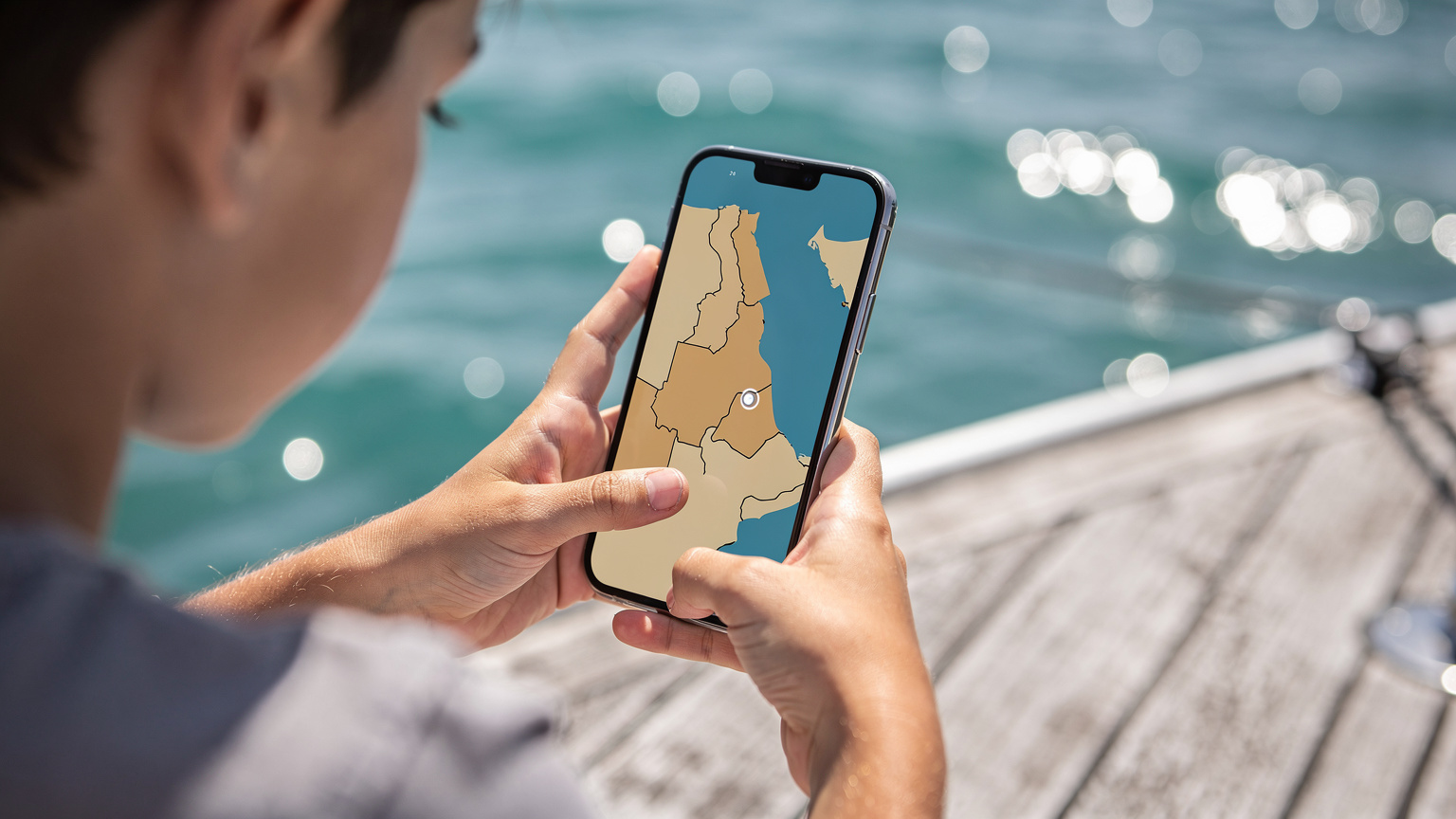
My eldest is a budding marine biologist (at least this week), so the Red Sea was a non-negotiable. We made sure to download some offline snorkeling guides and fish identification apps before we headed out, especially since connectivity can be a bit spotty right on the water. It’s a great way to keep them engaged, even without a constant internet connection, but having a Cellesim Sudan eSIM for SMS for OTP or urgent messages is still essential for parents.
Suakin: The Ghost City
Suakin is a fascinating historical port city that was once a busy trade hub. Today, its coral-built buildings are mostly in ruins, creating an ethereal 'ghost city' atmosphere. It's a powerful reminder of Sudan's maritime past and offers amazing photo opportunities.
Red Sea Marine Life
The Sudanese Red Sea is known for its relatively untouched coral reefs, offering excellent diving and snorkeling. Divers can explore vibrant ecosystems, shipwrecks, and a wide variety of marine species, often with fewer crowds than more famous Red Sea destinations.
Fascinating Wildlife and Desert Landscapes
Sudan's diverse geography includes vast deserts, fertile Nile valleys, and even some mountainous regions, leading to a surprising variety of wildlife. From animals adapted to the desert to various bird species along the Nile, nature lovers will find plenty to explore.
We talked a lot about respecting wildlife and being careful about our impact, which is always a good lesson for the kids. I found that having some nature documentaries downloaded on their iPads for the long drives through the desert kept them entertained and also helped them appreciate the landscapes we were driving through. It's all about finding that balance between screen time and actually "seeing the world," isn't it?
Desert Adaptations
The country's arid regions are home to resilient creatures like various types of gazelles, desert foxes, and numerous bird species. These animals have unique adaptations that allow them to survive in harsh desert conditions.
Nile River Biodiversity
Along the Nile, the ecosystem thrives with migratory birds, crocodiles, and various fish species. Birdwatching can be a rewarding activity, especially in the more lush areas along the riverbanks.
Traditional Music and Dance
Music and dance are essential to Sudanese culture, playing a big role in celebrations, social gatherings, and daily life. The country boasts a rich variety of musical styles and traditional dances, often performed with drums, lutes, and other native instruments.
"Music is the heartbeat of Sudan, echoing its history and its hopes."
We stumbled upon a small local gathering one evening, and the spontaneous music and dance were absolutely captivating. The kids, who were a bit shy at first, were soon tapping their feet. It's these unexpected cultural experiences that create the most vivid memories for them, far more than anything I could ever plan. It just goes to show, sometimes the best experiences are the ones you don't schedule, but having your phone ready to capture a quick video (and upload later with good data) is always a plus.
Diverse Musical Genres
Sudanese music ranges from traditional folk tunes to modern popular music, often blending elements from Arabic, African, and even Western styles. Instruments like the 'tambour' (a type of lyre) and various drums are central to many performances.
Celebratory Dances
Traditional dances are often performed during weddings, festivals, and other social events. These dances are vibrant, rhythmic, and tell stories about community, history, and daily life.
The Art of Sudanese Henna
Henna, known as 'mehndi,' is an ancient and cherished art form in Sudan, especially among women. Intricate patterns are applied to hands and feet, not just for beauty but also for cultural meaning during celebrations like weddings and Eid. It's a beautiful, temporary body art with deep historical roots.
My daughter was absolutely fascinated by the henna designs she saw. We even found a local artist who gave her a simple, child-friendly design on her hand. It was a lovely, calming experience, and a wonderful keepsake that lasted for weeks. It's a great example of how small cultural interactions can make a big impact on kids during travel.
Cultural Significance of Henna
Henna designs often carry symbolic meanings, representing blessings, good fortune, and celebration. The patterns can be incredibly elaborate, showcasing the skill and artistry of the women who apply them.
Henna for Special Occasions
While applied for everyday beauty, henna is especially prominent during weddings, where brides and their close female relatives undergo elaborate henna ceremonies, symbolizing joy and transition.
Coffee Culture, A Social Ritual
Coffee, or 'jabana' as it's known locally, holds a special place in Sudanese culture. The traditional coffee ceremony is a beloved social ritual, often performed with care and genuine hospitality. It's a slow, deliberate process of roasting, grinding, and brewing coffee, offering a perfect moment for connection and conversation.
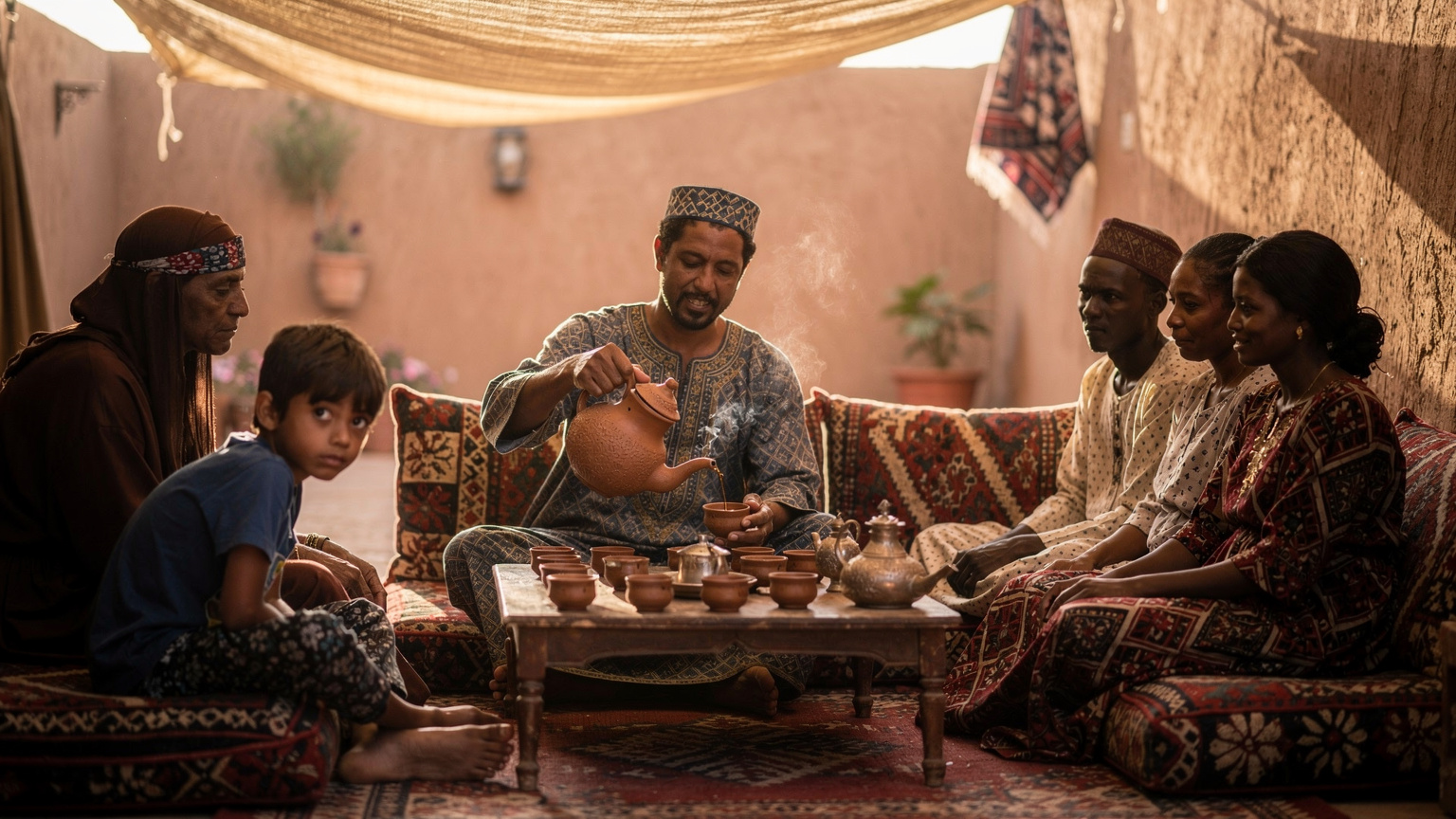
As a parent, I really appreciate any chance to slow down and connect, especially when we're traveling. The coffee ceremony was a perfect example. It's not just about the drink; it's about the shared experience. While the kids weren't exactly lining up for a strong shot of espresso, they loved watching the process and the little snacks that came with it. It’s a wonderful way to experience local life and just be present for a moment.
The Jabana Ceremony
The ceremony typically involves roasting green coffee beans over hot coals, grinding them with a pestle and mortar, and then brewing them in a special clay pot called a 'jabana.' The coffee is often served in small, handleless cups, sometimes spiced with ginger or other aromatics.
A Moment for Connection
The coffee ceremony is more than just drinking coffee; it's a significant social occasion, a chance for friends and family to gather, share stories, and relax. It truly embodies Sudanese hospitality and the value placed on human interaction.
Navigating Connectivity for the Whole Family
Traveling with kids means you'll need to handle their digital needs. This ranges from streaming Disney+ during a long journey to making sure their educational apps work offline. A reliable data plan isn't just nice to have; it's essential for keeping everyone happy (and sometimes, quiet). This is where eSIMs really shine, offering a flexibility that physical SIMs just can't match, especially when you need a plan big enough for two kids streaming their favorite shows.
Before we even leave, I make sure all their favorite games, shows, and audiobooks are downloaded. But let's be real, new content is always in demand. My typical travel data plan for the family needs to handle at least two iPads running simultaneous streams of, say, Bluey and some Roblox game updates, plus my navigation, banking, and emergency communications. And of course, having parental controls that work smoothly across all these connections is a must-have.
| Feature | Cellesim eSIM | Traditional SIM |
|---|---|---|
| Activation | Instant QR Code, digital | Physical card, store visit |
| Flexibility | Easy plan changes, multi-device management | Tied to physical card, less adaptable |
| Parental Controls | Can integrate with phone's native controls | Limited to individual device settings |
| Cost for Families | Often more cost-effective for multi-line data pooling | Can be more expensive for individual plans |
Why eSIMs Are a Game-Changer for Families
For parents like me, eSIMs make travel so much easier. No more fumbling with tiny SIM cards at the airport after a long flight with tired kids. You can activate your Cellesim Sudan eSIM right from home, before you even pack. This means you land with immediate connectivity, which is truly priceless when you need to call a taxi, check hotel directions, or, let's be honest, immediately give the kids their screen time fix while you deal with the luggage.
Cellesim offers flexible plans for Sudan, starting at $16.80 with several options to choose from, ensuring you find the right data allowance for your family's needs. Plus, the ability to receive SMS for one-time passwords (OTPs) and verification is crucial for banking and app access while abroad, a feature not all travel data solutions provide.
Pre-Loading Apps and Content
Before any trip, my golden rule is to pre-load everything. Think Disney+, Netflix, YouTube Kids, and educational games like Osmo or ABCmouse. Offline maps (Google Maps, Maps.me), language translation apps, and even some fun fact apps about Sudan (like this blog post!) should also be ready. This strategy minimizes reliance on immediate, high-bandwidth connections and helps manage data usage.
Even with an eSIM, there will be moments when you're in a remote area or a theme park with spotty Wi-Fi. Having content downloaded means happy kids and less stress for you. It's about being proactive, not reactive, to the inevitable 'I'm bored!' cries.
Managing Screen Time on the Go
Parental control features on modern smartphones and tablets, combined with eSIM flexibility, can be a lifesaver. You can set time limits, restrict app usage, and even monitor activity. The key is to explain these boundaries before the trip, so there are no surprises.
Here's how I approach it:
- Set Daily Limits: Use built-in device features like Apple's Screen Time or Android's Digital Wellbeing to establish daily usage caps for apps and overall screen time.
- Offline-Only Zones: Designate certain times or locations (like during meals or while exploring a historical site) as strictly offline. This encourages engagement with the environment.
- Data-Saving Mode: Teach older kids to enable data-saving modes on their devices to prevent excessive background data usage, especially when they're not actively streaming.
- Emergency Connection: Always ensure one device (yours!) has full, unrestricted access for emergencies, banking, and navigation. This is where the Cellesim eSIM truly shines, providing that constant, reliable link.
Connectivity in Challenging Environments
While Sudan offers incredible experiences, some areas might have less robust network coverage, similar to how certain remote parts of Norway's fjords might be. Always check coverage maps for specific regions you plan to visit, especially if you're venturing far from major cities like Khartoum or Port Sudan. Cruise ships, for instance, often rely on satellite internet for their main connection, so having a good eSIM for land-based excursions is still paramount.
We once found ourselves on a river cruise where the Wi-Fi was, let's just say, "intermittent at best." Having pre-loaded content and a reliable eSIM for when we docked was the only thing that saved us from a full-blown kid rebellion. It's about having backup plans for your backup plans.
| Scenario | Best Connectivity Strategy | Cellesim Benefit |
|---|---|---|
| Exploring historical sites | Offline maps, pre-downloaded info, occasional online checks | Reliable data for quick fact-checks, photo uploads, emergency comms |
| Long car/bus journeys | Pre-downloaded movies/games on kids' devices | Top-up data for new downloads, hotspot for multiple devices |
| Remote desert camps | Manage expectations, enjoy digital detox, use satellite phone if critical | Strongest possible local network access in available areas |
| Hotel/restaurant Wi-Fi | Use for heavy downloads, but have eSIM as backup | Seamless transition if Wi-Fi is slow or unavailable |
Frequently Asked Questions
Is Sudan safe for family travel?
Like any international destination, it's really important to research current travel advisories and be careful. Sticking to well-known tourist routes and major cities, and traveling with trusted guides, can make things safer for families. Always stay informed about the local situation.
What is the best time of year to visit Sudan with kids?
The cooler months from October to April are generally the best time to visit Sudan. This avoids the intense summer heat and offers more comfortable temperatures for exploring historical sites and enjoying outdoor activities with children.
What are the visa requirements for Sudan?
Visa requirements for Sudan vary quite a bit depending on your nationality. It's essential to check the very latest visa regulations well before your trip with the Sudanese embassy or consulate in your home country. Planning ahead is key for a smooth entry.
What kind of clothing should families wear in Sudan?
Modest clothing is recommended for both adults and children, respecting local customs and traditions. Lightweight, loose-fitting clothing made from breathable fabrics is ideal for the warm climate. Women should consider carrying a headscarf for visiting religious sites.
How can I keep my children entertained during long journeys in Sudan?
Pre-downloading movies, TV shows, audiobooks, and games on their devices is a lifesaver for long journeys. Also, pack travel-sized games, coloring books, and encourage them to look out the window and engage with the passing landscapes. A reliable eSIM like Cellesim can help with occasional top-ups for new content or quick updates.
Are there any specific health precautions for traveling to Sudan with a family?
Consult your family doctor or a travel clinic well before your trip to discuss recommended vaccinations and any necessary preventative medications, such as for malaria, depending on your itinerary. Always ensure your children's routine vaccinations are up-to-date. Practice good hygiene and drink bottled water.