Summer Festival Data 2026: eSIM Hacks Beyond Glastonbury’s Mud
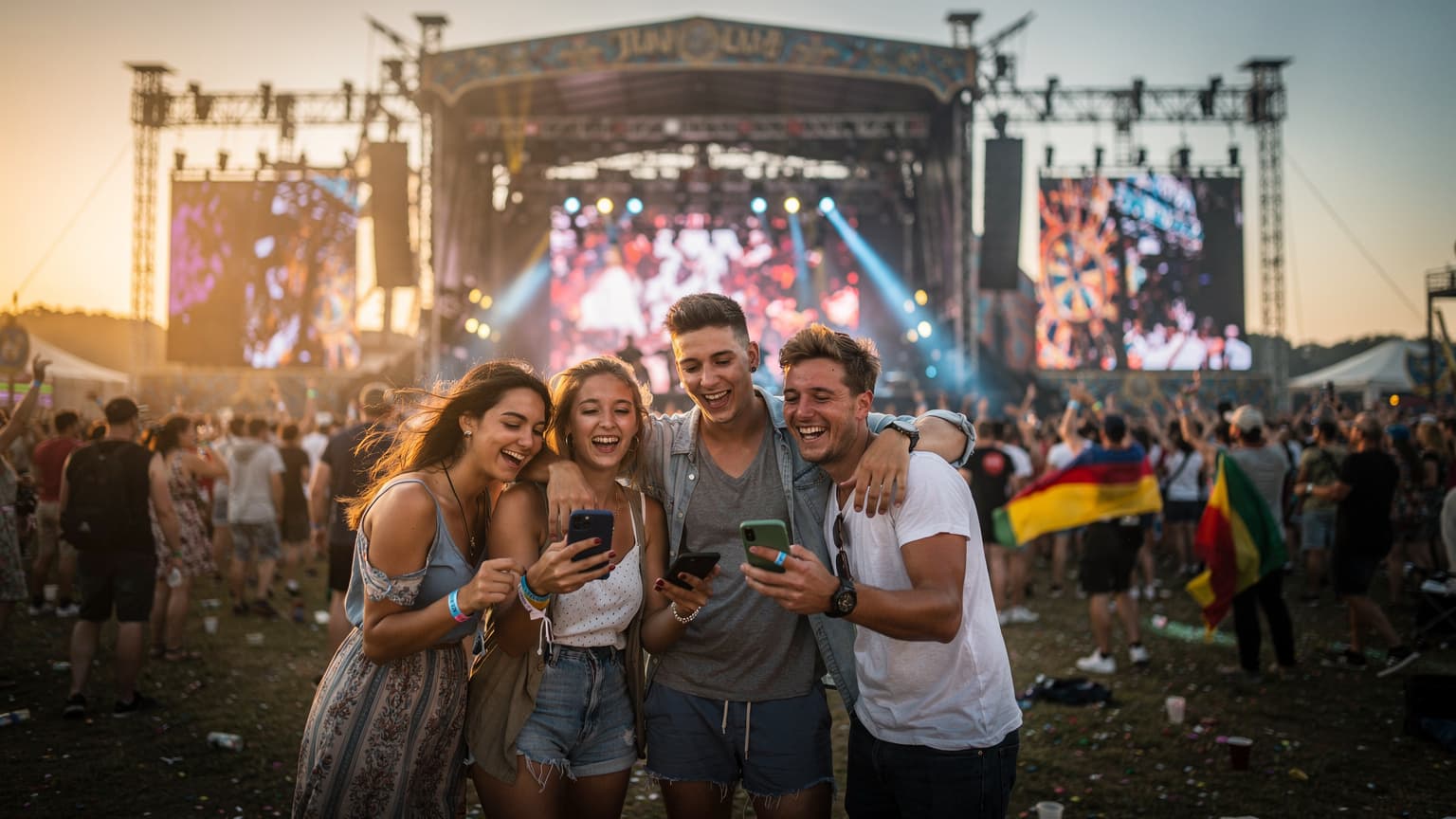
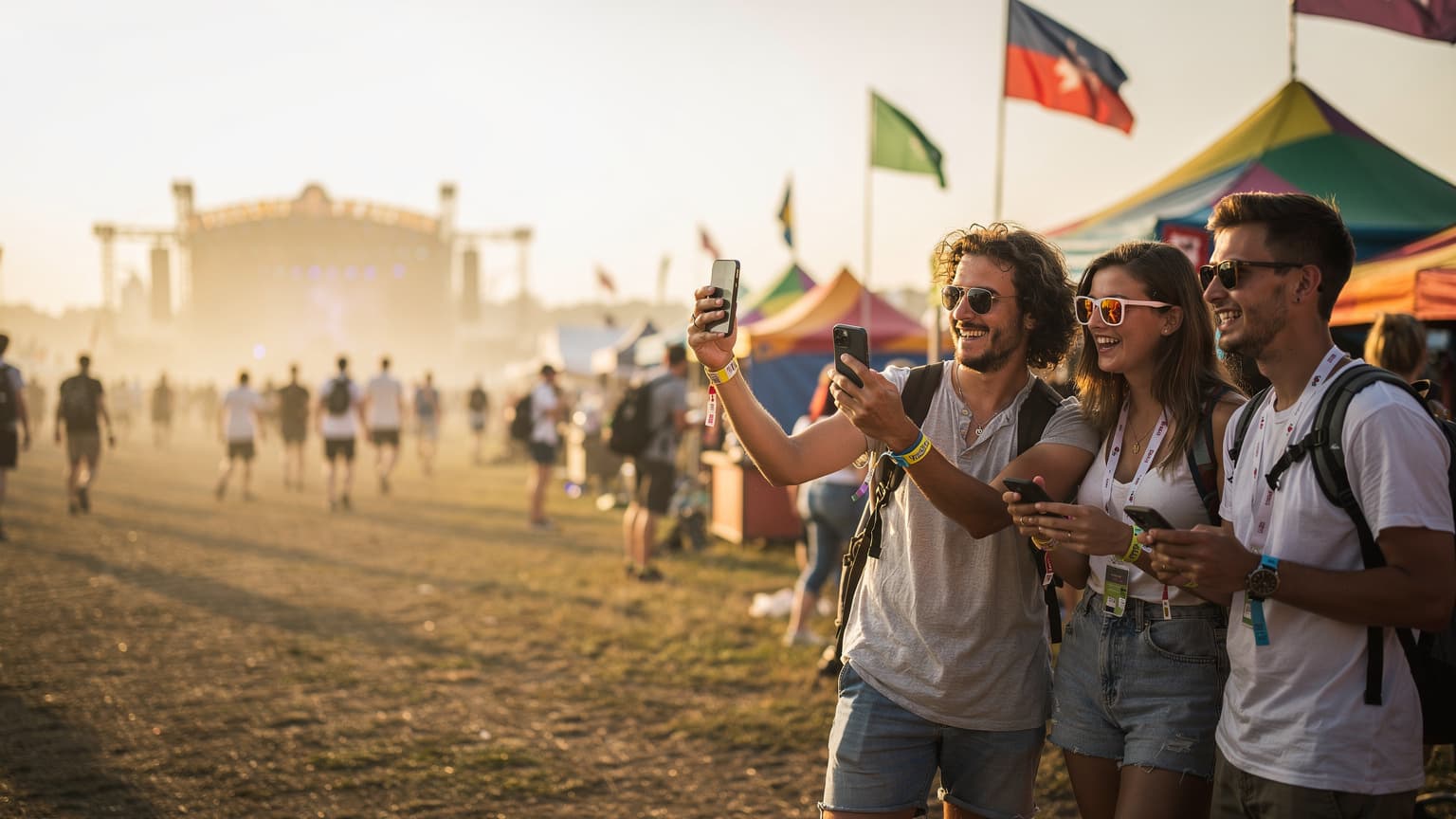
Ah, summer festivals. The music, the camaraderie, the questionable hygiene, and that eternal struggle to get a decent signal when you desperately need to find your friends or upload that epic selfie. Forget the mud-caked hunt for a physical SIM card; the future of festival connectivity is here, and it’s digital. Welcome to eSIMs, your secret weapon for staying connected at any festival, anywhere in the world, long after the Glastonbury gates have closed and the last tent peg is pulled. Let’s look at how to master your festival data in 2026, with practical eSIM hacks that will turn you into a connectivity guru.
Why eSIM is Your Festival MVP for 2026
By 2026, most modern smartphones will fully support eSIMs, and the technology will be more common than ever. This isn't just about making things easy; it’s about control, flexibility, and saving money. Traditional physical SIM cards feel like a relic when you’re hopping between countries or just trying to snag a better deal on data. eSIMs offer a smooth experience that’s perfect for the energetic, often unpredictable environment of a summer festival.
Instant Activation, No Physical Hassle
Imagine landing in a new country for a festival, or even just arriving at a remote festival site, and instantly having data. No need to find a local store, fight language barriers, or fuss with a tiny SIM tray tool. That’s the power of eSIM. You can buy and activate a data plan right from your phone, often before you even leave home. This means less stress when you arrive and more time to soak in the festival vibes.
Multiple Plans, Ultimate Flexibility
One of the biggest perks of eSIMs is being able to store multiple profiles on a single device. This changes the game for festival-goers. You can have your home plan, a specific regional festival plan, and even a backup plan all ready to go. If one network gets jammed (a common festival problem!), you can simply switch to another eSIM profile with a different provider, often in seconds. This flexibility blows physical SIMs out of the water.
Cost-Effective Global Connectivity
Roaming charges from your home network can quickly devour your festival budget. With eSIMs, you can skip these huge fees by buying local or regional data plans directly from providers like Cellesim. These plans are often much cheaper and give you more data, making sure you stay connected without emptying your wallet.
Pre-Festival eSIM Preparation: The Smart Way to Connect
The key to a smooth festival experience with eSIMs is preparation. Don't wait until you're struggling for signal in a field to figure things out. A little planning goes a long way.
Check Your Device Compatibility
First and most important, make sure your smartphone supports eSIM technology. Most top-tier devices from Apple (iPhone XR and newer), Samsung (Galaxy S20 and newer), Google (Pixel 3 and newer), and many other brands are compatible. A quick online search for your specific model will confirm this.
Research Your Destination and Providers
Whether you’re heading to a big electronic music festival in Belgium, Sziget in Hungary, or a smaller, local event, research the local network coverage in that area. Some eSIM providers focus on certain regions or have better deals with local carriers. For example, Cellesim offers a wide range of regional and global plans, making it easy to find coverage that fits your festival destination.
Download and Install Your eSIM Before You Go
This is crucial. Buy your eSIM data plan a few days before you leave. Most providers will send you a QR code or activation details via email. Scan the QR code with your phone's camera (usually through your settings menu under 'Cellular' or 'Mobile Data') and follow the on-screen prompts. This makes sure your eSIM is installed and ready to activate the moment you need it. You can often set it to activate only when you arrive at your destination, or simply keep it off until you need data.
Understand Data Allowances and Validity Periods
Festival data usage can be unpredictable. Think about social media uploads, streaming music (if you’re lucky enough to have the bandwidth), checking set times, and coordinating with friends. Buy a plan with plenty of data. Also, pay attention to how long it lasts - a 7-day plan might be perfect for a weekend festival, but if you’re staying longer or combining it with travel, you might need a 15 or 30-day option.
Festival Day eSIM Hacks: Staying Connected When It Counts
Once you're at the festival, these practical tips will help you get the most out of your eSIM and ensure you're always connected.
Designate Your Primary and Secondary eSIMs
If you have multiple eSIMs installed, set your festival data plan as your primary for mobile data. Keep your home SIM (if you're still using a physical one) active for calls and texts if you need to receive them, but disable its data roaming to avoid surprise charges. With Cellesim, you can easily switch between profiles in your phone’s settings.
Monitor Your Data Usage Religiously
Festival environments are famous for data black holes. Keep an eye on your data consumption through your phone's settings or the eSIM provider's app. This helps you avoid running out of data mid-festival and lets you top up if needed. Many eSIM providers send notifications when you’re getting close to your data limit.
Leverage Wi-Fi When Available (But Be Wary)
Some festivals offer limited Wi-Fi hotspots, often near main stages or vendor areas. Use these smartly for big data tasks like uploading videos or backing up photos. However, be careful with public Wi-Fi networks - avoid sensitive activities like online banking, as they can be less secure. Your eSIM provides a much more secure connection.
Optimize Your Phone Settings for Data Saving
- Disable background app refresh: Many apps use data even when you’re not actively using them. Turn this off for non-essential apps.
- Turn off automatic updates: Stop your phone from downloading large app updates over mobile data.
- Lower streaming quality: If you're streaming music or video, reduce the quality settings to save data.
- Download content beforehand: Download maps, festival schedules, and any offline entertainment before you arrive.
The Power of a Portable Charger (and Offline Maps)
While not strictly an eSIM hack, reliable power is crucial for a connected festival experience. Your phone working hard to find signal and power your eSIM will drain its battery faster. A high-capacity power bank is a must-have. Also, download offline maps of the festival site and surrounding areas. Even with an eSIM, signal can be spotty, and an offline map will be a lifesaver for navigation.
Troubleshooting Common eSIM Issues
Even with the best preparation, sometimes things go wrong. Here are quick fixes:
- No signal: Try toggling airplane mode on and off. If that doesn't work, manually select the network operator in your phone's settings (look for 'Network Selection').
- Data not working: Double-check that your eSIM is enabled for mobile data and that data roaming is turned on (if applicable for your Cellesim plan). Also, make sure your APN settings are correct - most eSIMs auto-configure this, but it’s worth checking if problems persist.
- Contact support: Don't hesitate to reach out to your eSIM provider’s customer support. Many offer 24/7 chat support, which can be invaluable when you’re in a tough spot.
Beyond the Main Stage: eSIM for Post-Festival Travel
Your eSIM's usefulness doesn't end when the final encore fades. If your festival journey includes more travel, your eSIM continues to be a powerful tool.
Seamless Border Crossings
If you're attending a festival in one country and then traveling to another, you can easily switch to a new regional or country-specific eSIM plan without needing to buy a new physical SIM. This is especially handy for multi-country European festival tours, letting you activate a Cellesim plan that covers several nations.
Stay Connected for Longer
Many eSIM plans offer longer validity periods, allowing you to keep using your data for sightseeing, navigating, and staying in touch with friends and family during your post-festival adventures. This means no need to hunt for new connectivity solutions as you move around.
The Summer Festival Data 2026 landscape is clearly shaped by eSIM technology. By using these hacks and preparing well, you’ll be able to handle the digital demands of any festival with ease, leaving you free to focus on the music, the atmosphere, and making unforgettable memories, all without worrying about connectivity. So, pack your bags, charge your phone, and get ready to experience the most connected festival season yet with your trusty eSIM.