

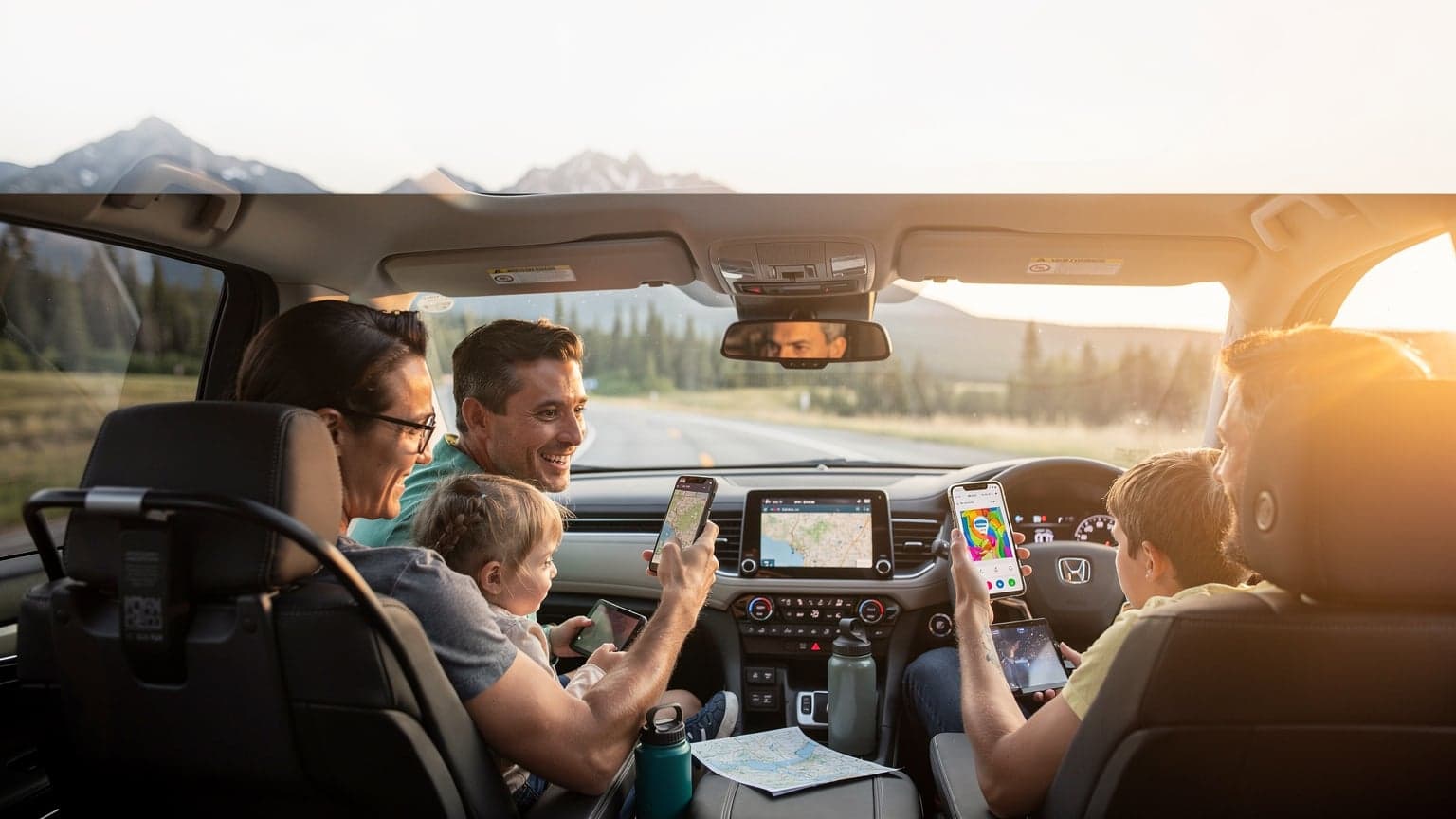
For US and Canadian summer road trips in 2026, Cellesim eSIMs are an excellent choice for seamless family connectivity, offering cost-effective data without the burden of international roaming fees from your home carrier, ensuring reliable navigation and entertainment across both countries.
Why Your Family Needs an eSIM for North American Road Trips
As a seasoned family travel planner, I've seen firsthand how a lack of reliable connectivity can turn a scenic drive into a chorus of "Are we there yet?" and a quick search for a kid-friendly diner into a frantic scramble. For our upcoming summer 2026 road trip across the US and Canada, the eSIM is no longer a 'nice-to-have' but a 'must-have' for my family. Forget about swapping physical SIM cards or paying those eye-watering daily roaming fees from your home carrier, which, let's be honest, add up faster than a stack of souvenir pennies.
An eSIM, or embedded SIM, is a digital SIM that allows you to activate a cellular plan from a carrier without needing a physical SIM card. For families crossing borders, particularly between the US and Canada, this means one seamless data plan for everyone, without the hassle of multi-country roaming packages that often come with hidden costs or throttled speeds. Think of it as your family's digital lifeline, keeping Google Maps running, Disney+ streaming, and those all-important Roblox servers accessible, all while you focus on the open road and making memories (and maybe a quick mental note to stop at the next gas station for a coffee).
The Roaming Fee Reality: Why Traditional Plans Just Don't Cut It
Remember that time I got hit with a $400 bill after a quick weekend trip to Vancouver because my eldest decided to livestream their entire visit to Stanley Park? Yeah, I do. Traditional roaming plans from major carriers like Verizon or AT&T, while convenient for some, often come with a hefty price tag or daily limits that are simply not sustainable for a family of four who needs constant connectivity. Their "International Day Pass" might sound appealing, but when you multiply that $10-20 daily fee by two weeks and four devices, you're looking at hundreds of dollars just for basic connectivity.
For us, planning means budgeting, and budgeting means no surprises. An eSIM allows you to purchase a dedicated data package for your trip, giving you a clear, upfront cost and the peace of mind that comes with knowing you won't be greeted by an exorbitant phone bill when you return home. It's a game-changer for parents who are already juggling hotel bookings, activity schedules, and ensuring everyone has enough snacks.
Sizing Your Data Plan for Two Kids and a Road Trip-Sized App Arsenal
This is where the rubber meets the road, or rather, where the data meets the devices. My kids, bless their hearts, have their digital lives meticulously planned. For a road trip, this translates to a demanding data appetite. We're talking two iPads, a Nintendo Switch with online capabilities, and sometimes even a parent's phone tethered for extra bandwidth. Estimating data usage for a family isn't just about checking emails, it's about anticipating demand for everything from navigation to endless rounds of Minecraft.
When planning for our North American adventures, I always factor in the 'Disney+ factor'. Two kids streaming their favourite shows in 720p resolution can easily chew through 1-2 GB per hour, per device. Add in YouTube Kids, Spotify playlists, and the occasional FaceTime call with grandparents, and you're looking at a significant data requirement. My general rule of thumb for two streaming kids, plus parent navigation and light browsing, is to budget at least 5-7 GB per day for a multi-week trip. Yes, it sounds like a lot, but trust me, a bored child in a car is a force to be reckoned with.
The Data Demands of Digital Natives: Apps and Usage
- Streaming Services: Disney+, Netflix, YouTube Kids, and Prime Video are major data hogs. If you can, encourage downloading content beforehand (more on that later), but assume some on-the-go streaming will happen.
- Gaming: Online games like Roblox, Minecraft, and anything on the Nintendo Switch Online service use data, especially during updates or multiplayer sessions.
- Social Media & Messaging: For older kids (and parents), Instagram, TikTok, Snapchat, and WhatsApp are constant companions, consuming data for media loading and calls.
- Navigation: Google Maps, Apple Maps, and Waze are essential for road trips. While they can be used offline, real-time traffic updates and point-of-interest searches require data.
- Educational Apps: Even educational games or interactive storybooks might have online components or require data for updates.
When selecting a Cellesim plan, consider options that offer a generous data allowance or even unlimited data for longer trips, especially if you're traveling through areas with limited Wi-Fi hotspots. For family hopping across North America, a plan that covers both countries seamlessly is paramount.
Pre-Trip Prep: Loading Up Before You Hit the Highway
This is my secret weapon against the dreaded "no signal" meltdown. Before we even pack the first suitcase, I'm ensuring every device is a self-sufficient entertainment hub. Pre-loading apps, movies, and audiobooks isn't just about saving data, it's about ensuring uninterrupted peace, especially during those long stretches of highway where cellular service can be spotty, even in well-covered areas. Trust me, nothing tests a parent's patience like a buffering screen when a child is fully invested in "Bluey."