The T-Mobile eSIM Free Trial: What You Really Get
Alright, let's cut straight to it. You're probably eyeing that T-Mobile eSIM free trial because, well, 'free' sounds like a good deal, especially when you're trying to stretch every Euro, Baht, or Lira. I've been there, thinking, "Can I make this work for my week in Lisbon?" The reality is a bit more nuanced than the marketing suggests.
Typically, the T-Mobile eSIM free trial is aimed at domestic users in the US. It's designed to give you a taste of their network before you port your number or commit to a long-term contract. For international travel, the "free" aspect often pertains to the trial itself, not necessarily robust, high-speed international data. You might get a taste of their standard international roaming, which, let me tell you, is often throttled to 2G speeds once you burn through a tiny allocation of high-speed data. We're talking painfully slow, barely enough for WhatsApp messages, definitely not for uploading those hostel stories to Instagram.
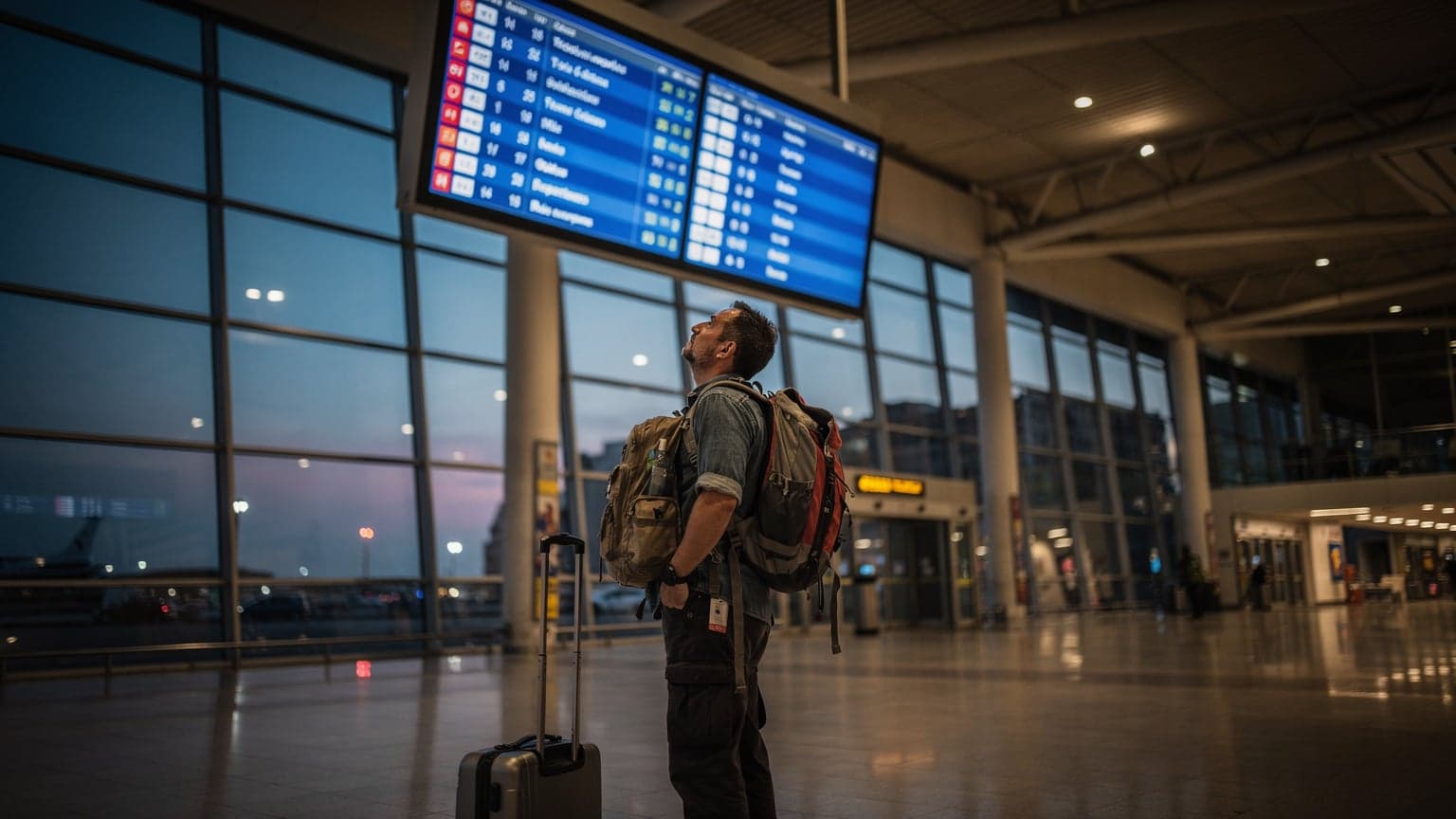
My last trip through Croatia, I saw a fellow traveler trying to rely on a similar "free roaming" feature from their home carrier. They spent more time hunting for café Wi-Fi in Split's Old Town than actually exploring. It was a disaster for navigation and keeping up with fellow travelers. Don't be that person. Always check the fine print for international data speeds and caps on these trials.
Understanding the Limitations
The biggest catch? These trials are usually geo-restricted or come with very specific data allowances for international use. You might get 30 days and 30GB of high-speed data within the US, but step onto a flight to Rome, and that allowance shrinks dramatically, or the speed drops to a crawl. I've seen trials offer as little as 500MB of "high-speed" international data before hitting the 2G wall. That's about an hour of Google Maps and a few quick messages, and then you're back to dial-up speeds from 1998.
Another limitation is the activation process. Some trials require you to be physically in the US to activate, which isn't ideal if you're already halfway across the world. Always confirm the activation requirements. You don't want to land in Bucharest only to find out you can't even get the trial started.
Who is it Really For?
Honestly, the T-Mobile eSIM free trial is best suited for US residents looking to switch carriers, or for a very short, very light-data usage trip just across the border, say, into Canada or Mexico, where T-Mobile often has better roaming agreements. If your itinerary involves anything more complex than checking a few emails and basic navigation for a day or two, you're going to hit a wall fast. For serious travelers, especially those relying on connectivity for planning, booking, or emergencies, it's simply not robust enough.

Crunching the Numbers: Is 'Free' Really Free Abroad?
Let's talk dollars and cents, because that's what truly matters on the road. When I say "free," I mean "free of unexpected charges for basic connectivity." The T-Mobile eSIM free trial often falls short on this front for international use because its limitations push you towards buying more data, either from them or another provider.
Consider a typical 8-day trip to Italy. If you're using about 500MB of data per day for maps, social media, and checking hostel bookings (which is pretty conservative), you're looking at 4GB total. If your T-Mobile trial gives you, say, 1GB of high-speed international data before throttling, you've got 7 days of painfully slow internet or the need to buy add-on packs. Those add-on packs? They can quickly add up to €20-€30 for a few GB, effectively negating the "free" aspect.
For comparison, a Cellesim Italy eSIM might cost you €15-€20 for 5GB over 10 days, offering consistent 4G/5G speeds from the get-go. No hidden throttles, no nasty surprises. You pay once, you're good. That's what I call truly free of worry.
The True Cost of Throttled Data
Beyond the direct financial cost, there's the cost of wasted time and frustration. Trying to load a Google Maps route on 2G in a new city? That's 5 minutes you could have spent exploring, or finding that cheap panini stand. Missing a crucial booking confirmation because your email wouldn't load? That could be a missed night at your hostel, costing you far more than a proper eSIM.
I once missed a bus from Kotor to Tirana because my "free roaming" data was so slow I couldn't confirm the bus station location on time. Ended up paying an extra €15 for a local mini-van, plus waiting 3 hours. That's the real cost of unreliable "free" data. Always factor in your time and peace of mind.
Comparing Data Packages: What to Look For
When you're comparing any data plan for international travel, here's what to scrutinize:
- Total Data Allowance: How many GB do you get?
- High-Speed Allowance: Is there a cap before speeds drop?
- Validity Period: How many days is the plan good for?
- Coverage: Which countries are included?
- Network Speed: Is it 4G/5G, or just 3G/2G?
- Price per GB: Do the math. Divide the total cost by the total GB.
For my last trip to Switzerland, I budgeted 7GB for 14 days, averaging 500MB/day. This covered maps, some light social media, and checking transport schedules on the SBB app. A Cellesim Switzerland eSIM for 10GB over 30 days cost me €25. That's €2.50 per GB, with reliable 5G. A T-Mobile trial, even if it had some international data, wouldn't touch that value for sustained usage.
Local SIM Card: The Budget Backpacker's Fallback
Before eSIMs became widely available, the local physical SIM card was always my go-to for budget travel. It's still a solid alternative, especially for longer stays in a single country, but it requires a bit more legwork.
For instance, if you're spending a month in Turkey, picking up a local Turkcell or Vodafone TR SIM at Istanbul Airport (though usually pricier than city stores) or a major shopping mall like Cevahir, can get you 20-30GB for around 300-400 TL (€10-€13). You'll need your passport for registration, and sometimes the process can be slow, especially in smaller towns. Always ask about activation times, because sometimes it can take a few hours.
The downsides? You have to find a store, often navigate a language barrier, deal with physical plastic, and your home number goes offline (unless you have a dual-SIM phone and reserve one slot for your primary SIM). For a quick hop across a few countries, it's a hassle. For a month-long deep dive into one nation, it's still a contender.
When to Choose a Local SIM Over eSIM
You might opt for a local physical SIM if:
- Long-term stay: You're in one country for more than 2-3 weeks.
- Heavy data user: You need truly unlimited data or massive GBs (50+ GB) for a very low price, which local carriers sometimes offer.
- Local number needed: You need a local phone number for specific services, like setting up a local bank account, local delivery apps, or verifying accounts for local ride-shares like Bolt.
- Older phone: Your phone doesn't support eSIM technology.
Remember, the cost of a local SIM can be incredibly low. In Vietnam, a Vinaphone SIM with 15GB for 30 days can be had for just 150,000 VND (about €6). That's tough to beat, even for the cheapest eSIMs. But it comes with the friction of finding a store, registering, and potentially dealing with expired credit or activation quirks.

Border Crossing and Connectivity Tricks
This is where multi-country eSIMs truly shine, and where relying on a domestic US trial (or even a single-country local SIM) can get messy. I've navigated my fair share of tricky border crossings, from the land border between Albania and Montenegro to the train from Vienna to Bratislava. The last thing you want is to lose signal when you need it most.
Imagine this: you're on a night bus from Split, Croatia, heading to Mostar, Bosnia and Herzegovina. The bus pulls over at the border at 3 AM. You need to pull up your hotel booking confirmation to show the border guard, or quickly message a friend who's meeting you. If your data drops the moment you cross, you're suddenly in the dark. This is a common scenario for budget backpackers hopping across Schengen borders or venturing into the Balkans.
With a regional eSIM covering multiple countries, like a Cellesim Europe eSIM, your data usually transitions seamlessly. No fuss, no frantic searching for Wi-Fi at a deserted border post. This continuity is worth its weight in gold, especially for safety and peace of mind.
Multi-Country eSIMs for Seamless Transitions
Multi-country eSIMs are designed for this exact purpose. Instead of buying a new local SIM or relying on limited roaming every time you cross a border, one eSIM covers an entire region. For example, a Cellesim Europe plan covers 30+ countries. This means your data works from Portugal to Poland without interruption. It's especially useful for those rapid-fire European itineraries where you might visit three countries in a week.
This convenience isn't just about saving time, it's about avoiding stress. On my last trip across the Baltic states, hopping between Estonia, Latvia, and Lithuania, my Cellesim regional eSIM meant I never once worried about connectivity. I could check bus schedules for Lux Express, navigate Vilnius' Old Town, and stream music on the train without a single hiccup.
The Airport Arrival Advantage
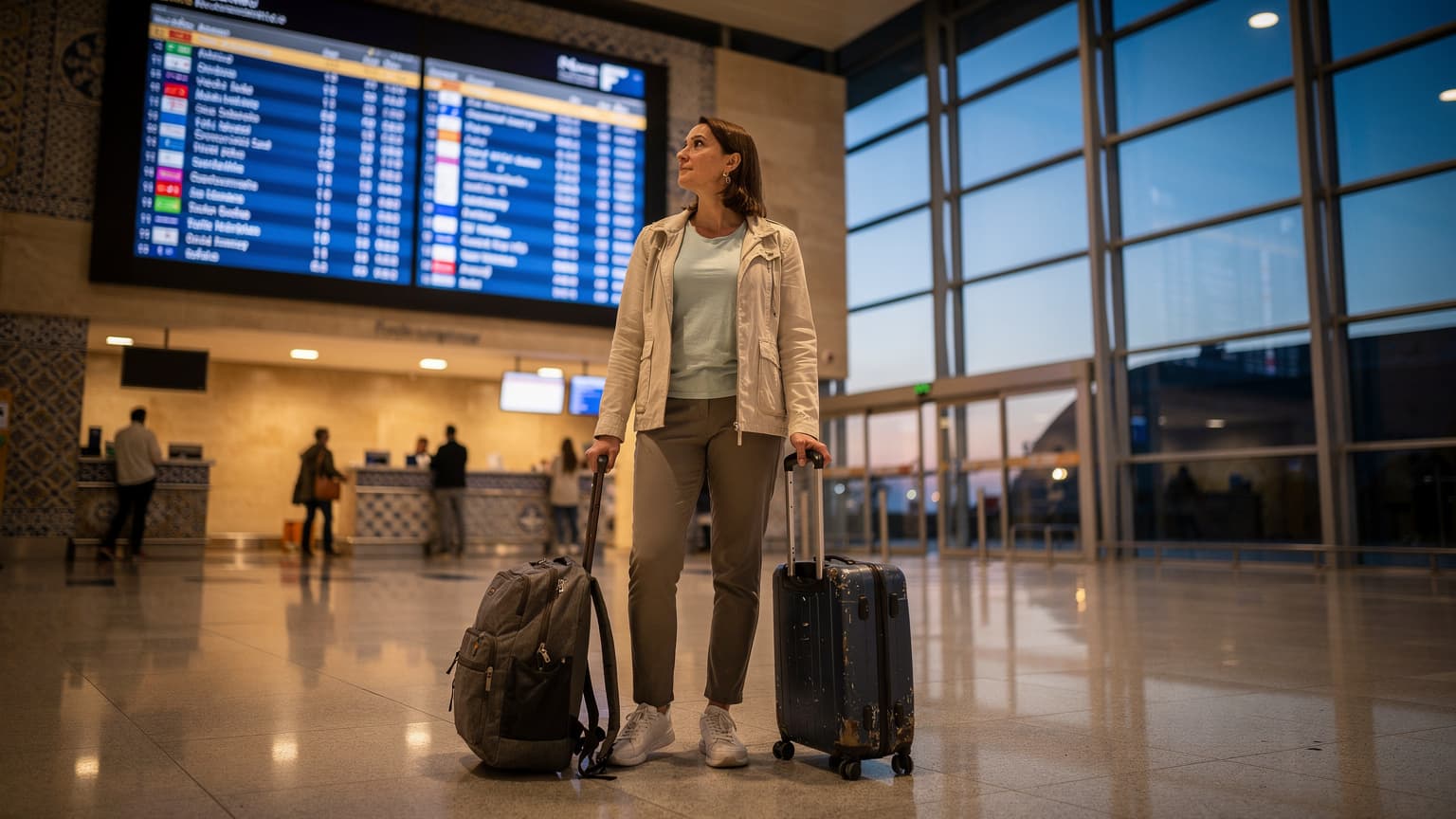
Another crucial point: airport arrival. After a long flight, the last thing you want is to be scrambling for Wi-Fi to order an Uber or find your hostel address. With an eSIM, you can activate it before you even leave home. The moment you land and turn off airplane mode, you're connected. No waiting in line at a SIM card shop, no fumbling with tiny plastic cards.
I always activate my eSIM while still at my departure airport, like LAX. By the time I land in Athens, for example, I'm already connected, ready to hail a taxi or check the metro lines. It's a small detail that makes a huge difference in those first few disorienting hours in a new country. It avoids the dreaded "no signal" panic that can kick off a trip on the wrong foot.
Cellesim vs. T-Mobile Free Trial: A Head-to-Head
Let's put these two options side-by-side, strictly from a budget traveler's perspective. The goal isn't just to get online, it's to get online reliably and affordably, without surprises.
| Feature | T-Mobile eSIM Free Trial | Cellesim Travel eSIM |
|---|---|---|
| Primary Purpose | US domestic network test for potential T-Mobile customers. | Dedicated international travel data for tourists. |
| International Data | Limited high-speed, often throttled to 2G after small cap (e.g., 500MB). Specific roaming agreements vary. | Dedicated high-speed 4G/5G data with clear allowances, no throttling within plan limits. |
| Cost Abroad | Initially 'free,' but often requires purchasing expensive international add-ons to get usable speeds/data. | Transparent, upfront pricing. Pay once for a specific data package and validity. |
| Reliability | Unreliable for extensive international use due to speed caps and variable roaming partners. | High reliability, uses local premium networks (e.g., TIM in Italy, Cosmote in Greece). |
| Activation | Can be complex, sometimes requires US presence to activate, tied to existing T-Mobile account or US identity. | Simple QR code scan, can be activated anywhere with Wi-Fi, often before departure. |
| Multi-Country Support | Generally poor or highly limited, designed for single-country domestic use. | Excellent, with regional and global plans covering many countries seamlessly. |
| Flexibility | Low, tied to T-Mobile's terms and potentially pushes you to a contract. | High, choose plans based on destination, data needs, and duration without commitment. |
As you can see, the "free" in T-Mobile's trial is very specific to its domestic US intent. For international travel, it's like getting a free sample of an expensive perfume. It smells nice for a second, but then you're left wanting more and have to pay for the full bottle (or switch to a more cost-effective alternative like Cellesim).
The Hidden Value of Dedicated Travel eSIMs
The true value of a dedicated travel eSIM lies in its predictability and cost-effectiveness. When I'm planning my €40/day budget for a country, I need to know exactly what my data costs are. With Cellesim, I pick a 5GB for 15 days plan, pay €17, and that's it. No surprise throttles, no hunting for Wi-Fi, no desperate attempts to buy more data from a foreign provider with a credit card that might get blocked.
This predictability is a huge stress reliever. It frees up mental space to focus on finding the cheapest hostel bed, negotiating souvenir prices at the bazaar, or figuring out the local bus routes, rather than worrying about whether my maps app will suddenly stop working. That's a return on investment you can't put a price on, but it certainly saves you money by preventing desperate overspending.
How to Activate Your T-Mobile eSIM Trial: The Nitty-Gritty
If, after all this, you still decide the T-Mobile free trial is for you (perhaps for a very short, low-data trip to a country with a strong T-Mobile roaming partner), here's the typical activation process. Remember, these steps are usually for US domestic use, so international functionality might be different or require additional steps.
Step-by-Step T-Mobile eSIM Trial Activation (US-based)
- Download the T-Mobile eSIM App: Search for "T-Mobile eSIM" in your device's app store (Apple App Store for iPhones, Google Play Store for Android).
- Check Eligibility: Open the app. It will guide you through a quick eligibility check, typically confirming you have an eSIM-compatible device and are a new T-Mobile customer.
- Initiate Trial: Follow the on-screen prompts to start your free trial. This usually involves entering some basic personal information.
- Install eSIM Profile: The app will automatically guide you to install the eSIM profile onto your phone. This is usually a one-click process within your phone's settings.
- Configure Settings: Once installed, you might need to go into your phone's Cellular/Mobile Data settings to ensure the T-Mobile eSIM is active and set as your preferred line for data.
- Test Connectivity: Once activated, test your connection. Try browsing a website or sending a message. If you're planning to use it internationally, confirm any specific roaming settings or data caps before you depart.
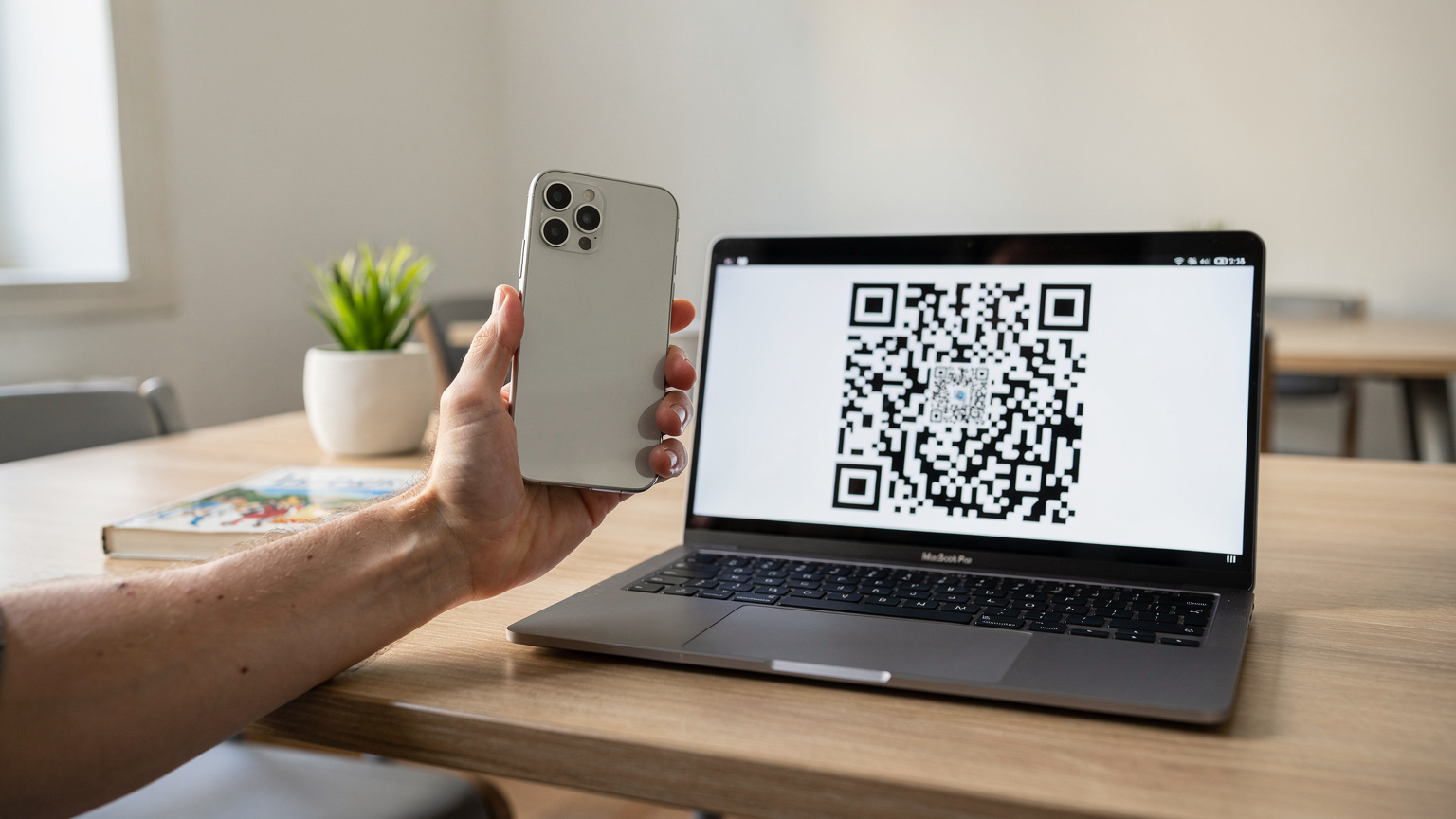
For Cellesim, the process is far simpler and designed for international activation: you purchase a plan, get a QR code via email, scan it in your phone's settings, and you're good to go. No app, no eligibility checks, just direct data.
Common Activation Hiccups
I've seen people run into all sorts of issues activating eSIMs, and free trials often add another layer of complexity. Here are a few common problems:
- Device Incompatibility: Not all phones support eSIM. Double-check your model. Older iPhones, for example, might not have it.
- Network Lock: If your phone is locked to another carrier, you won't be able to activate a T-Mobile eSIM. Make sure your device is unlocked.
- Wi-Fi Required: You generally need a stable Wi-Fi connection to download and install the eSIM profile. Don't wait until you're in the middle of nowhere.
- Regional Restrictions: As mentioned, the trial might be geographically limited. Trying to activate it outside the US could lead to errors.
- Previous Trials: If you've used a T-Mobile trial before, you might not be eligible for another.
Optimizing Data Usage: When Every Megabyte Counts
Whether you're on a limited free trial or a paid eSIM, managing your data is key to staying within budget. I've survived month-long trips on 10GB, and I've seen people blow through 5GB in a weekend. It's all about smart habits.
Tactical Data-Saving Tips
- Download Offline Maps: Before you leave your hostel's Wi-Fi, download entire cities or regions on Google Maps or Maps.me. This is non-negotiable.
- Download Entertainment: Movies, podcasts, music, and e-books should all be downloaded on Wi-Fi. Streaming eats data faster than a hungry bear.
- Disable Background App Refresh: Go into your phone settings and turn off background refresh for most apps. Only allow essential apps like messaging services.
- Limit Social Media Videos: Autoplay videos on Facebook, Instagram, and TikTok are data killers. Adjust settings to only play on Wi-Fi.
- Use Wi-Fi Whenever Possible: Hostels, cafes, libraries, even some city squares offer free Wi-Fi. Connect when you can for heavy tasks.
- Monitor Data Usage: Regularly check your phone's data usage settings. This will show you which apps are the biggest hogs.
- Turn Off Auto-Uploads: Cloud services like Google Photos or iCloud can chew through data by automatically uploading your photos and videos. Set them to Wi-Fi only.
I once saw a guy in a hostel in Krakow uploading hundreds of high-res photos to Google Photos over his mobile data. He burned through 5GB in an afternoon. Don't be that guy. Be strategic. Every MB saved is a cent earned, or rather, not spent.
Apps That Are Data Hogs
Certain apps are notorious for consuming vast amounts of data. Be mindful of these:
- Streaming Video Apps: Netflix, YouTube, TikTok, Instagram Reels.
- Video Calling Apps: FaceTime, WhatsApp Video Call, Zoom.
- Social Media with Autoplay: Facebook, Instagram, Twitter/X.
- Cloud Backup Services: Google Photos, iCloud, Dropbox.
- Online Gaming: Any game that requires a constant internet connection.
If you need to make a video call, try to do it over Wi-Fi. If you absolutely must stream something, set the quality to standard definition. These small changes add up. I even make sure to preload my podcasts on Wi-Fi before a long bus journey, saving me precious mobile data for navigation. It's all part of the budget backpacker playbook.
When to Use the T-Mobile Trial, and When to Skip It
So, when does the T-Mobile eSIM free trial actually make sense for someone like us, always looking for value?
It's a niche use-case, honestly.
Use the Trial If:
- You're a US resident considering T-Mobile as your primary carrier. This is its main purpose: to test their domestic network before you switch.
- You're traveling to Canada or Mexico for a very short period (1-2 days) with minimal data needs. T-Mobile often has better roaming agreements with these neighbors, and you might get slightly more usable data. Even then, I'd still be wary of hitting a throttle wall.
- You need a backup line for calls/texts in the US (if included in the trial) but have a separate data eSIM. Some trials focus on voice/text. This could be a "just in case" scenario for a US-based trip, but not for international data.
Skip the Trial If:
- You are traveling internationally for more than a few days. The data limits and speed throttles will frustrate you and likely lead to unexpected costs.
- You need reliable, high-speed data for navigation, communication, or work. Dedicated travel eSIMs are built for this.
- You're crossing multiple international borders. A regional eSIM offers seamless connectivity.
- You prefer transparent, upfront pricing without hidden caps or expensive add-ons.
- Your phone is locked to another US carrier.
For most budget travelers heading abroad, the T-Mobile eSIM free trial simply isn't designed for sustained, affordable, international connectivity. It's a domestic try-before-you-buy, not a global data solution.
The Final Verdict: Free Trial or Smart Investment?
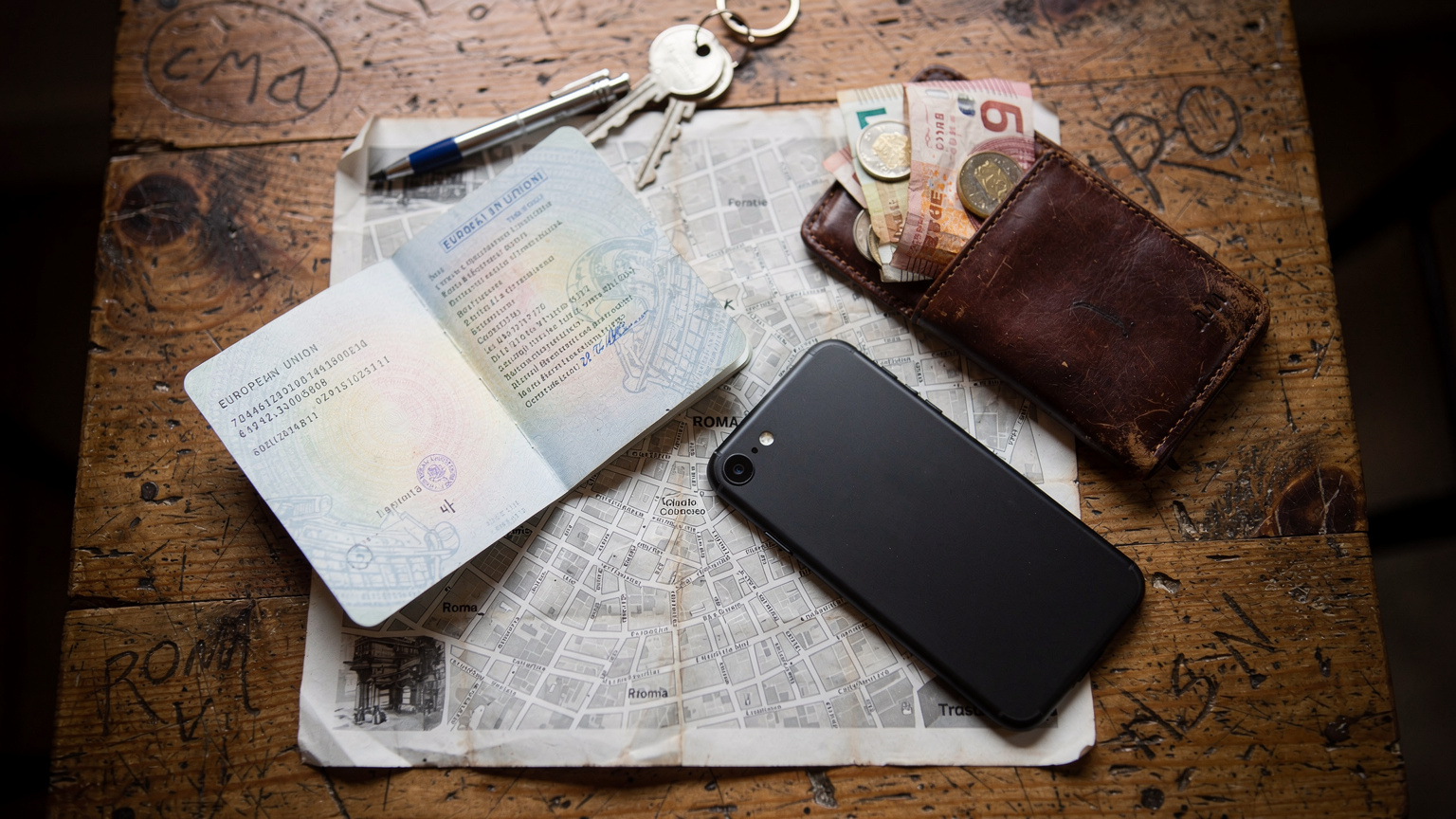
When it comes to international data, my advice is always to prioritize reliability and transparency over the illusion of "free." The T-Mobile eSIM free trial serves a purpose, but for the savvy budget traveler venturing outside the US, it's usually not the most cost-effective or practical solution.
I once spent 10 days in the USA, traveling from San Francisco down to San Diego. My total data expenditure was $20 for 10GB using a Cellesim USA eSIM. That's $2 per GB for consistent 5G speed across multiple states. Trying to replicate that with a T-Mobile trial that's primarily domestic and then buying expensive international add-ons would have cost me double, if not more, and with less reliable service. It's about getting the most bang for your buck, not just chasing the word "free."
For any significant international travel, investing in a dedicated travel eSIM from a provider like Cellesim offers clear benefits: upfront pricing, guaranteed high-speed data, multi-country coverage, and hassle-free activation. It's a small investment that pays dividends in peace of mind and prevents those costly data emergencies. Don't skimp on connectivity when it's your lifeline abroad. Count your euros, but spend them wisely on what truly matters.
Frequently Asked Questions
Can I use the T-Mobile eSIM free trial for international travel?
While the T-Mobile eSIM free trial is primarily designed for domestic US use to test their network, it may offer very limited international roaming data, often throttled to 2G speeds after a small high-speed cap. It is generally not suitable for extensive or reliable international connectivity for budget travelers.
How much high-speed data do you get with the T-Mobile free trial abroad?
The amount of high-speed international data with a T-Mobile free trial is typically very limited, often as low as 500MB to 1GB, before speeds are significantly throttled to 2G. This is usually insufficient for more than a day or two of light usage.
Is a local physical SIM card a cheaper alternative to a travel eSIM?
For very long stays (over 2-3 weeks) in a single country, a local physical SIM card can sometimes offer more data for a lower price than an eSIM. However, it requires finding a store, registration with a passport, and swapping your physical SIM, which can be inconvenient for multi-country trips.
What are the advantages of a dedicated travel eSIM like Cellesim over a T-Mobile trial?
Dedicated travel eSIMs like Cellesim offer transparent pricing, guaranteed high-speed data, multi-country coverage (e.g., Europe, Asia), and simple activation via QR code. They are specifically designed for international travelers, providing consistent and reliable connectivity without hidden throttles or expensive add-ons, unlike domestic trials.
How can I activate a Cellesim eSIM for international travel?
Activating a Cellesim eSIM is straightforward: you purchase a plan online, receive a QR code via email, and then scan that QR code using your phone's cellular settings. This can be done before your trip over Wi-Fi, allowing you to be connected the moment you land.
What should I look for when comparing international data plans?
When comparing data plans for international travel, always check the total data allowance, any high-speed data caps before throttling, the validity period, the specific countries included, and the advertised network speed (4G/5G). Crucially, calculate the price per GB for a true cost comparison.