Why Telkomsel Isn't Always The Cheapest Option
Telkomsel is Indonesia's largest network, no question. You'll find their towers even on remote islands. But 'biggest' doesn't always mean 'best value', particularly when you're looking at pre-paid tourist SIMs or their nascent eSIM offerings. My last trip, hitting Jakarta, Yogyakarta, and then Bali, revealed a clear pattern.
For a physical Telkomsel SIM, you're looking at around 100,000 IDR (about €6) for the SIM card itself, then top-ups. A typical 15GB package valid for 30 days costs about 70,000-90,000 IDR (€4-€5.50) in smaller shops or via the MyTelkomsel app. This brings your total for a basic 15GB plan to roughly €10-€11. Seems cheap, right? Not quite. This is often a 'local' SIM, meaning you're paying tourist prices that are higher than what locals get. Plus, these packages often come with split data: X GB for all networks, Y GB for specific apps, Z GB for night use. It's a pain to track.
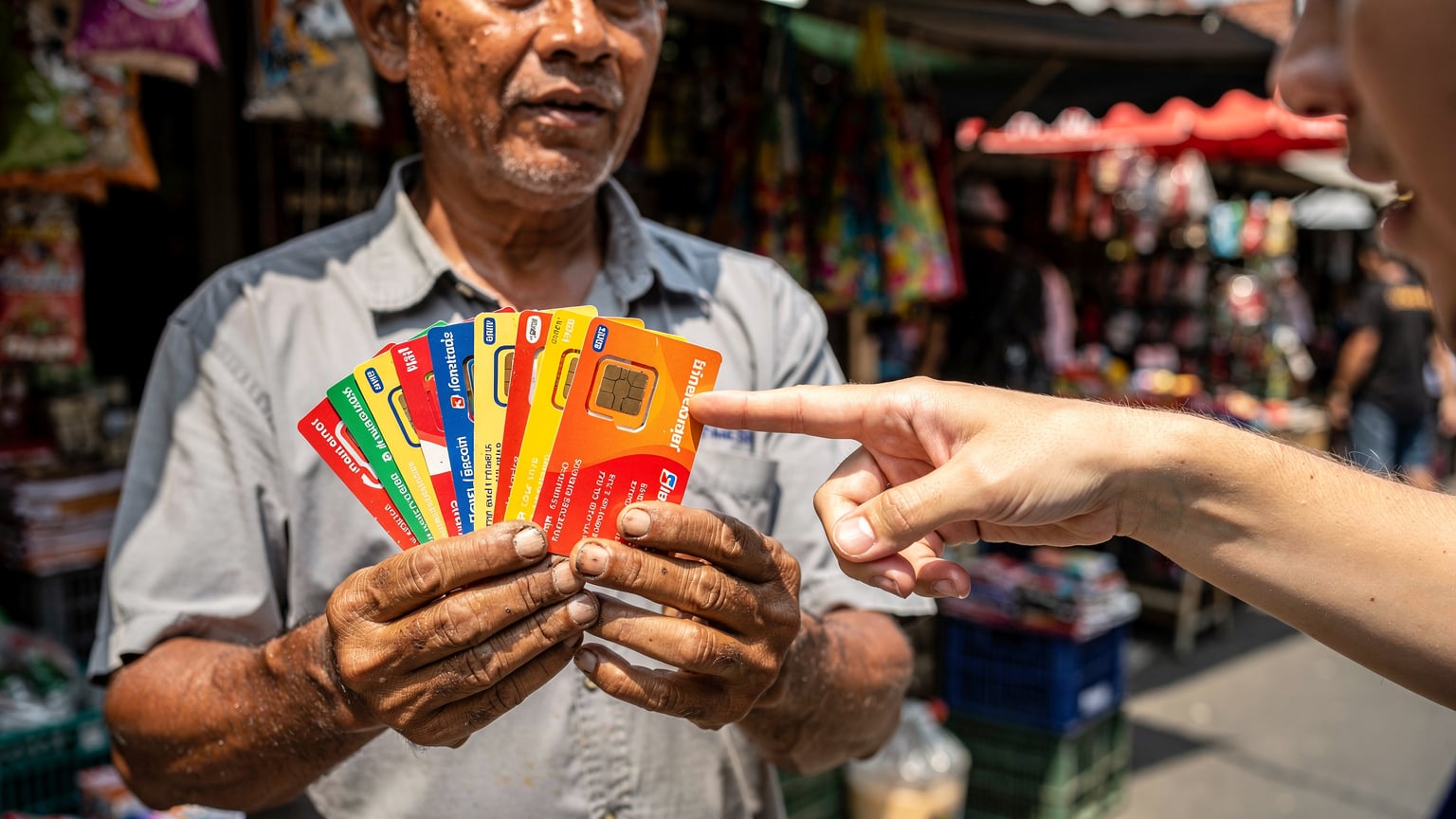
The cheapest physical alternative is usually Indosat Ooredoo Hutchison or XL Axiata. You can snag a 10GB physical SIM from a street vendor in Denpasar for around 50,000 IDR (€3.00), plus the initial SIM cost. This requires more legwork, haggling, and often a trip to a dedicated phone shop at Denpasar airport or in a city center like Kuta to get it properly registered with your passport (a requirement that can be a headache for travellers).
The Cellesim Advantage for Indonesia
Here's where Cellesim pulls ahead for me, especially when I'm hopping between islands and don't want to deal with finding a SIM shop. For eSIM for Indonesia, Cellesim offers a 10GB plan for 30 days for €22. That's a flat rate, no split data, no physical card hassle. On my 18-day trip, I averaged 0.8GB per day. 18 days * 0.8 GB/day = 14.4 GB. So, a 15GB Cellesim plan would have been perfect for my needs, costing me around €28. Compared to the €10-€11 for Telkomsel's physical SIM, plus the initial SIM card cost, and factoring in the time saved not finding a shop, the Cellesim price is competitive, often better for higher data needs, and significantly more convenient.
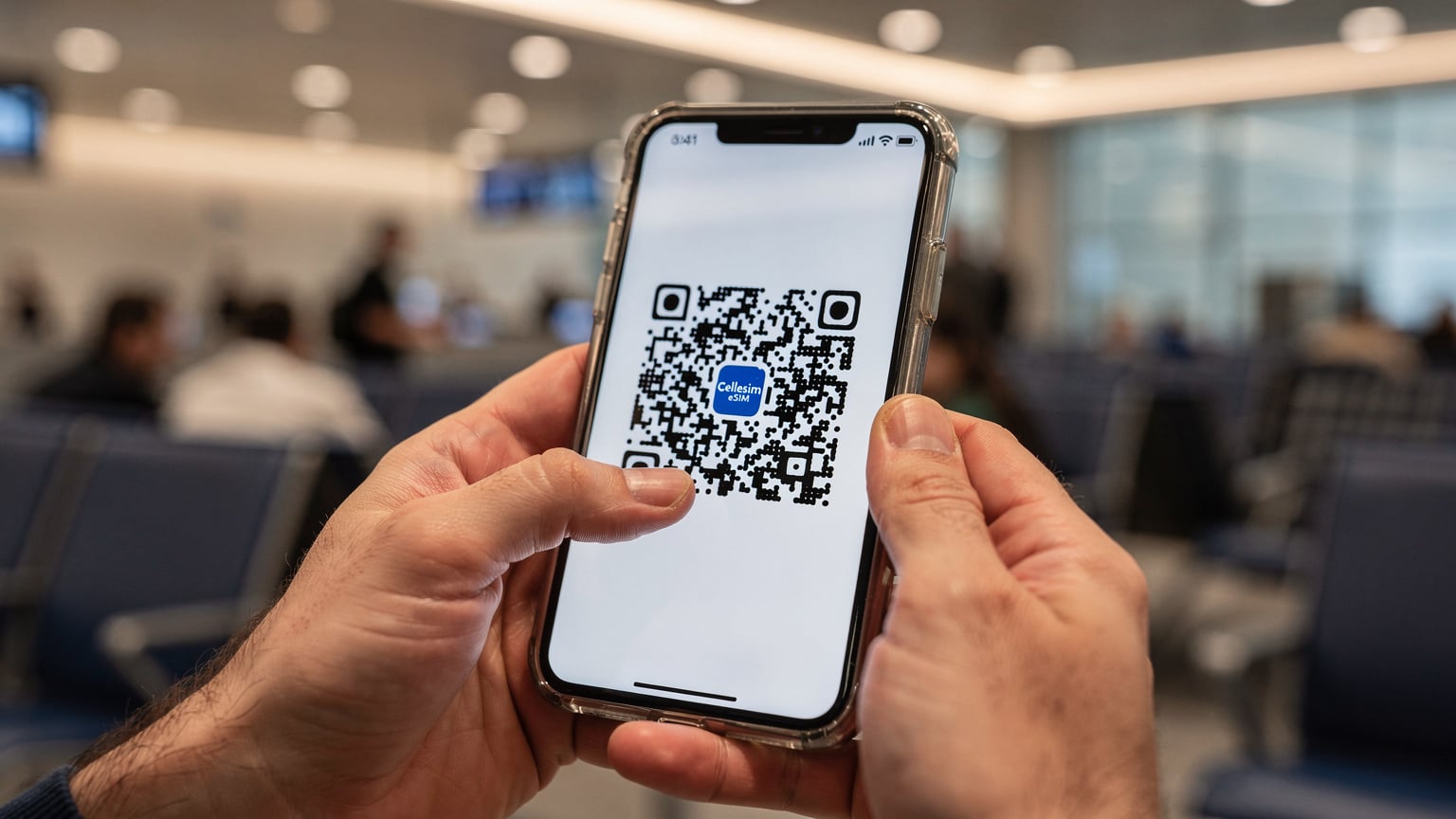
The real kicker is the setup. I activate Cellesim from my hostel bed in Canggu, sometimes even before I land at Ngurah Rai Airport. No queues at airport kiosks, no trying to explain 'data only' in broken Bahasa Indonesia, no passport registration drama. It's truly a 'set it and forget it' experience, which means more time for surfing or finding the next cheap hostel with a good common area.
| Provider | Data Plan (Example) | Cost (Approx. €) | Convenience Factor |
|---|---|---|---|
| Cellesim (eSIM) | 10GB / 30 days | €22 | High: Remote activation, no physical SIM, no registration |
| Telkomsel (Physical SIM) | 15GB / 30 days | €10-€11 (plus SIM card fee) | Medium: Airport kiosks, local shops, passport registration required |
| Indosat/XL Axiata (Physical SIM) | 10GB / 30 days | €3 (plus SIM card fee) | Low: Requires finding specific shops, haggling, passport registration |
Border Crossing and Connectivity Tricks
One tactical advantage of eSIMs, particularly when you're island-hopping or doing multi-country trips through Southeast Asia, is border crossing. I've been stuck at immigration counters in Malaysia and Thailand trying to sort out a local SIM after flying in from Indonesia, only to find the kiosks closed or out of stock. A pre-activated Cellesim Indonesia eSIM from France: Your Pre-Trip Data Checklist for 2026 eliminates this entirely. You land, your data is already working, and you can immediately call your Grab or check into your hostel without hunting for WiFi.
This also helps with those tricky overland border crossings, say from Singapore into Malaysia by bus, or even from Timor-Leste into Indonesian West Timor. When you're crossing by foot or bus, there aren't always immediate SIM card vendors, and you often need data for navigation or booking local transport (like the notorious night buses from Medan to Banda Aceh, which you absolutely need to book ahead). Having an eSIM means you're connected the moment you cross, not an hour later after a scramble.
How Much Data Do You Really Need in Indonesia?
This is where my data-nerd side comes out, and frankly, it's where most travellers overspend. My typical usage is around 0.8-1GB per day. That's for Google Maps, WhatsApp messages and calls, Instagram uploads (I'm a content creator after all, for my Substack), checking hostel reviews, and occasional Netflix streaming in the evenings when hostel WiFi is inevitably garbage. If you're staying for, say, 14 days, you're looking at 14 days * 0.8 GB/day = 11.2 GB. A 15GB Cellesim plan for €28 is a no-brainer.
If you're a heavy streamer or tethering multiple devices, you might push 2GB/day. Even then, 14 days * 2 GB/day = 28 GB. Cellesim offers larger plans, like a 30GB plan for 30 days for €45, which still beats many local physical SIMs when you factor in convenience and avoiding hidden costs. Always check Cellesim's FAQ for detailed plan specifics and activation steps.
A good trick to save data abroad, which I've written about extensively, is to download offline maps on Google Maps before you leave your hostel WiFi. Also, restrict background app refresh for apps you don't use constantly. For more tactical advice, check out my guide on How to Save Data Abroad: Your Guide to Using Google Maps & Uber. Every MB saved is a euro kept in your pocket, and that adds up for another plate of gado-gado.
Frequently Asked Questions
Is Telkomsel eSIM available for tourists in Indonesia?
Yes, Telkomsel has started offering eSIMs, but their availability for tourists can be inconsistent and often requires in-person registration at specific outlets, which can be time-consuming compared to global eSIM providers.
How much does a Telkomsel SIM card cost for tourists?
A physical Telkomsel SIM card for tourists typically costs around 100,000 IDR (about €6), plus the cost of your chosen data package, which can range from 70,000-200,000 IDR depending on data volume and validity.
Is Telkomsel the fastest network in Indonesia?
Telkomsel generally has the widest coverage and good speeds, especially in urban areas and popular tourist spots. However, speed can vary significantly based on location and network congestion. Cellesim often leverages Telkomsel's network for optimal performance.
Can I activate a Cellesim eSIM before arriving in Indonesia?
Absolutely. One of the main benefits of Cellesim eSIMs is the ability to purchase and activate your plan before you even depart, or while you're in transit. This ensures you have instant connectivity upon landing at Ngurah Rai Airport or any other entry point.
What's the data usage like for a typical backpacker in Indonesia?
Most backpackers use between 0.8GB to 1.5GB of data per day for navigation, social media, messaging, and light streaming. A 10GB plan for 10-12 days or a 15GB plan for up to 18 days is usually sufficient if you're mindful of WiFi usage at hostels.
Are there any hidden costs with Telkomsel tourist SIMs?
Beyond the initial SIM card and data package cost, some Telkomsel tourist plans have data split into 'all network' and 'app-specific' allocations, which can lead to unexpected charges if you exceed a specific bucket. Cellesim offers straightforward, single-pool data.