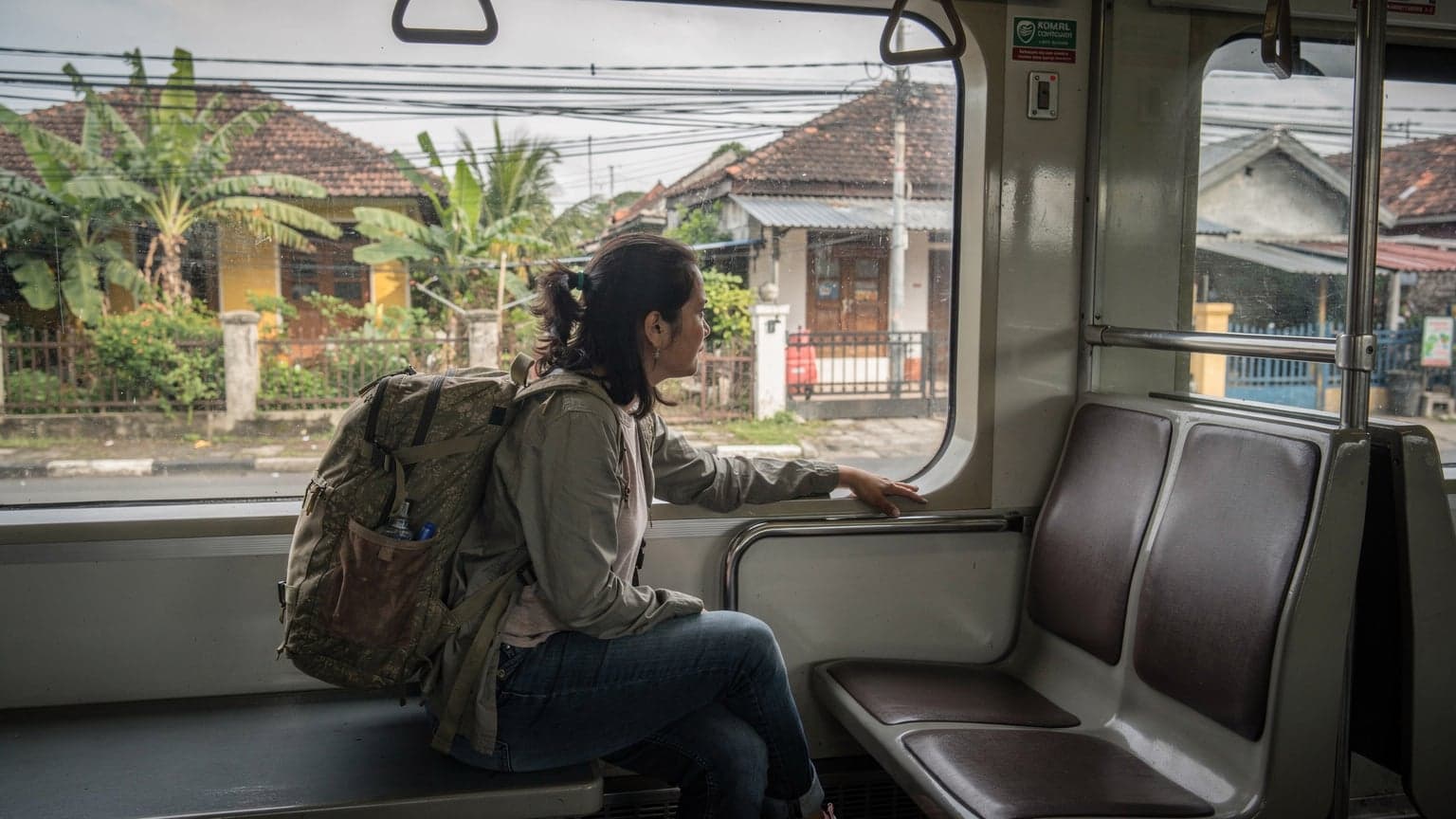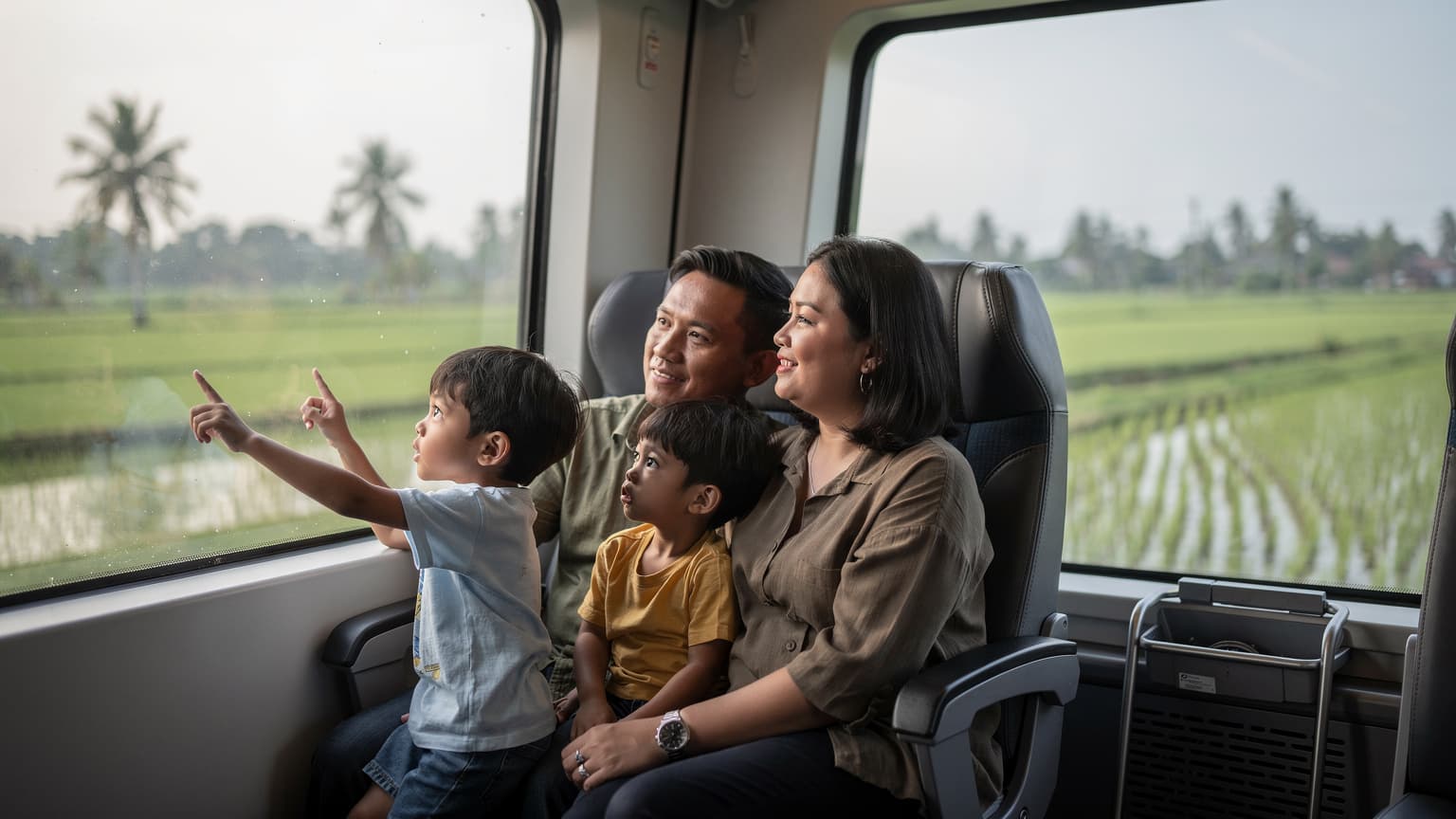
Neden Telkomsel Tourist eSIM Aileler İçin İdeal Değil?
As a seasoned family travel planner (I've navigated 30 countries with kids aged 4-12, bless their gadget-loving hearts), I've learned that the "tourist" designation often means "single traveler with minimal data needs." Telkomsel's Tourist eSIM, while a decent option for solo adventurers in Indonesia, falls short for a family like mine. The 25GB limit, while sounding generous on paper, quickly evaporates when you have two kids vying for bandwidth, whether it's for a Minecraft session or the latest Pixar movie on Disney+ during a long car ride from Ngurah Rai International to our villa in Ubud. Our AT&T plan back home spoils us with shared data pools, and switching to individual, limited plans for each device is a headache I simply don't need on vacation.
The lack of a true multi-line family plan with Telkomsel means juggling multiple eSIMs, each with its own data cap and expiry. Imagine the Thanksgiving travel rush at JFK, trying to manage four separate data accounts for Bali before we even board the flight. It's a recipe for confusion and unexpected data top-ups, which, let's be honest, always seem to happen at the least convenient moment, like when you're trying to find that specific Babi Guling spot in Denpasar using Google Maps. This fragmented approach also makes parental controls a nightmare, as managing screen time across disparate data lines is far from intuitive.
Aile Veri İhtiyaçlarını Anlamak: iPads ve Disney+
Let's talk real-world usage for a moment. My kids, bless their digital hearts, live on their iPads and Nintendo Switches. Before any long flight (especially a trans-Pacific one from JFK), I'm religiously pre-loading apps, games, and offline maps like Google Maps and Maps.me. But even with the best intentions, live streaming is often unavoidable. A quick calculation: an hour of standard-definition streaming on Disney+ can easily consume 1GB of data. Two kids, two hours a day, for ten days? That's 40GB gone, just like that. And that's before any TikTok, YouTube Kids, or even just video calls back home to grandma.
Then there's the connectivity challenge inside theme parks or on cruise ships. We've been to places where cell signals are notoriously spotty, making it impossible for my older one to coordinate with us via Messenger or for the younger one to look up ride wait times on the park app. While Telkomsel generally has strong coverage across Indonesia, specific areas like the deeper reaches of Bali's jungles or even certain zones within large resorts can be dead spots. Having a robust, flexible data plan that anticipates these scenarios, ideally one that allows for easy top-ups or shared data, is paramount. I've found that a family needs closer to 50-100GB of shared data for a two-week trip to avoid constant monitoring and those dreaded "Mom, my iPad has no internet!" pleas.
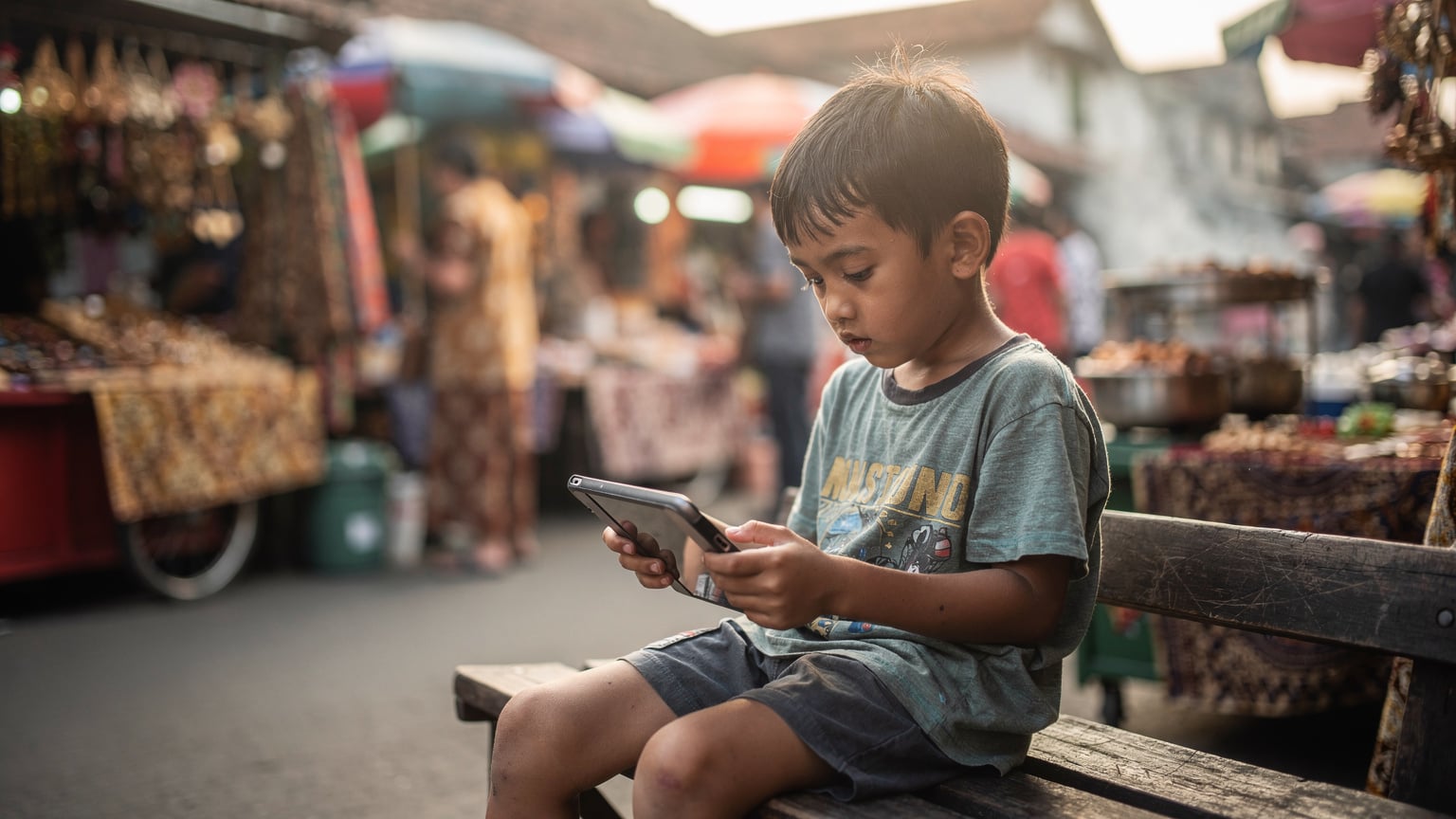
Endonezya İçin eSIM Nasıl Alınır: Adım Adım Kurulum
Getting an eSIM for Indonesia doesn't have to be complicated, even if you're doing it for the whole family. The process for Telkomsel's Tourist eSIM involves a few key steps, and it's similar for most global eSIM providers like Cellesim.
- Check Device Compatibility: First and foremost, ensure all your family's devices (your phone, your partner's phone, even the kids' iPads if they have cellular capability) support eSIM. Most newer iPhones (XS and later, including all iPhone 17 models), Google Pixels, and Samsung Galaxy phones do.
- Purchase Your eSIM: For Telkomsel, you'd typically purchase this upon arrival at a major Indonesian airport, like Jakarta's Soekarno-Hatta (CGK) or Bali's Ngurah Rai (DPS). You'll usually find dedicated kiosks or counters. For global providers, you can purchase online before you even leave JFK, which I highly recommend for peace of mind.
- Receive Your QR Code/Activation Details: Once purchased, you'll get a QR code or manual activation details. This is the "key" to your eSIM.
- Install the eSIM: On an iPhone, go to Settings > Cellular > Add eSIM. You can then scan the QR code or enter the details manually. For Android, it's usually Settings > Network & internet > SIMs > Add eSIM.
- Activate and Configure: Follow the on-screen prompts. You'll likely be asked to label your new eSIM line (e.g., "Indonesia Travel"). Make sure to set it as your primary line for data once you land in Indonesia. You'll want to keep your AT&T line active for calls and texts back home, but turn off data roaming on it to avoid those nasty carrier day-pass fees.
- Test Connectivity: Once installed, give it a minute or two to connect. Try opening a browser or an app like WhatsApp to confirm you have data. If you have any issues, the airport staff for Telkomsel can assist, or Cellesim's customer support is usually available 24/7.
The key here is doing as much as you can before you're exhausted from a long flight. Getting this sorted out pre-departure means one less thing to worry about when you're herding tired children through customs.
Geleneksel SIM Kartlar vs. eSIM: Aile Bakış Açısından
For years, the traditional local SIM card was the go-to for savvy travelers. You'd land, find a kiosk, swap out your home SIM, and be good to go. But for families in 2026, the eSIM has become a true game-changer, especially for those of us who dread losing tiny plastic cards.
| Feature | Traditional SIM Card | eSIM |
|---|---|---|
| Installation | Physical swap, often requires a SIM ejector tool | Digital installation via QR code, no physical card |
| Ease of Management (Multiple Lines) | Each device needs its own physical SIM, difficult to share data | Easier to manage multiple lines digitally, some providers offer shared data/hotspot features |
| Losing Home SIM | High risk of losing your home AT&T SIM during swap | Home SIM remains in phone, no risk of loss |
| Activation Time | Can involve paperwork and waiting at a kiosk | Often instant activation, even before arrival |
| Cost for Families | Can be costly if buying individual physical SIMs for each device | Often more cost-effective for multi-device plans, avoids carrier day-pass fees |
| Parental Controls | Limited, usually relies on device-level settings | Some global eSIM providers offer centralized management or better compatibility with device parental controls |
My biggest fear with traditional SIMs was always losing my precious AT&T card. I mean, where do you even put that tiny thing when you swap it out? In my wallet, it would inevitably fall out. In a tiny plastic baggie, it would get lost in the bottom of my carry-on. With eSIMs, your home carrier's line (like your AT&T service) stays safely enabled in the background, making it incredibly easy to switch between your travel data and your primary number for calls or texts. This dual-SIM functionality is a blessing for anyone who needs to stay connected for work or family back home without incurring exorbitant roaming charges.
For families, this means not having to hunt for a SIM ejector tool or worry about a child's phone suddenly having no service because their SIM card fell out at the airport. It's a small detail, but when you're already managing passports, tickets, snacks, and meltdowns, every little bit of friction removed helps.
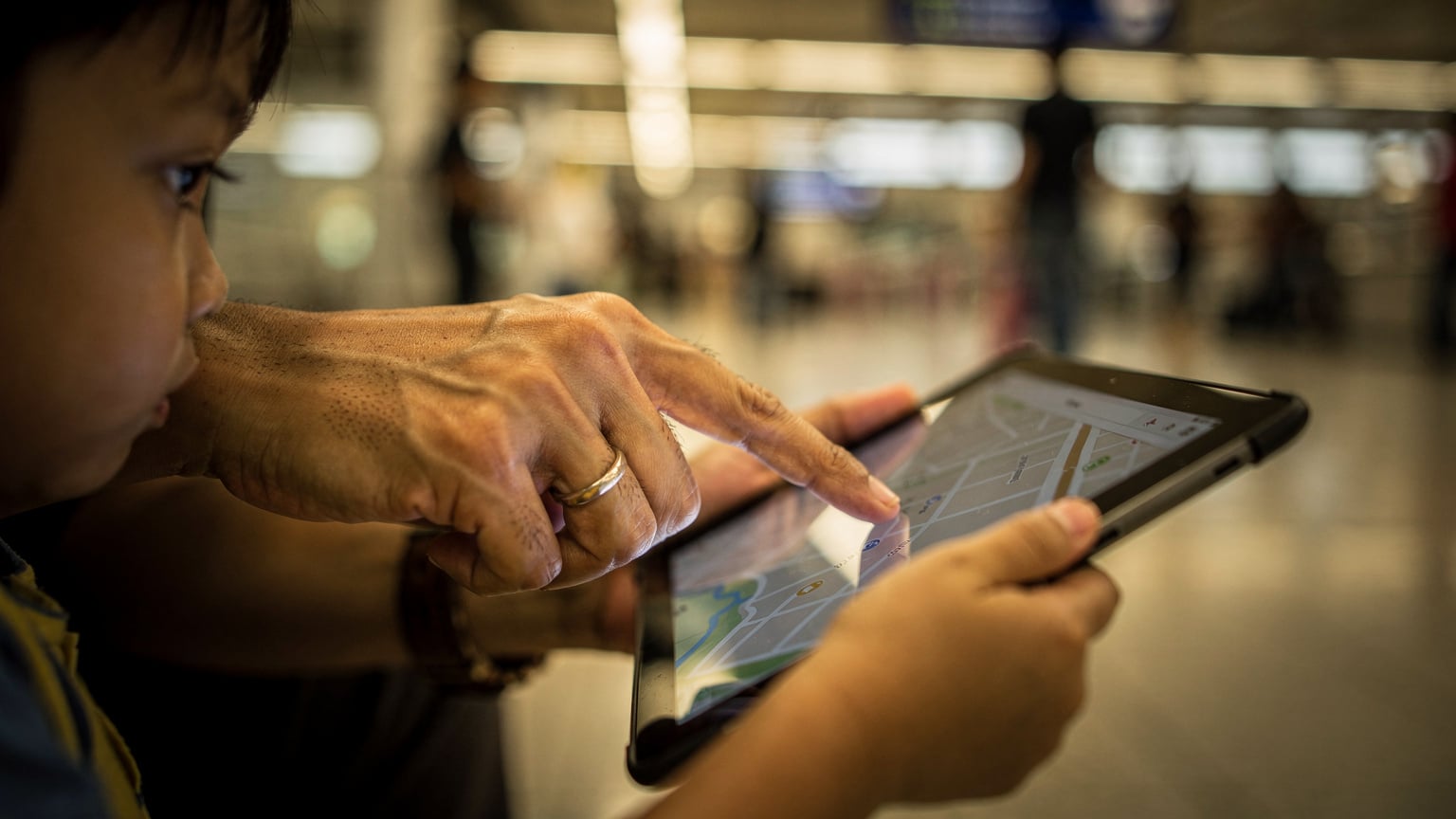
eSIM ile Ebeveyn Kontrolü ve Cihaz Yönetimi
This is where my "planning love language" truly shines. Managing kids' devices and screen time is a constant battle, and travel only intensifies it. When we're abroad, I rely heavily on parental-control features that work seamlessly across different networks. While the Telkomsel Tourist eSIM is a data-only plan, it integrates with your phone's existing operating system, meaning any parental controls you've set up on your children's devices (like Apple's Screen Time or Google's Family Link) will continue to function.
However, the real advantage comes with global eSIM providers that offer a more unified family approach. Some providers allow you to manage multiple eSIM profiles from a single account, making it easier to monitor data usage across all devices. This means I can quickly see if my 12-year-old has blown through their daily data allowance playing Roblox (and yes, they will try), or if the younger one is watching too many Peppa Pig episodes. It also means I can set data limits that work with my screen-time schedules, ensuring devices aren't just endless entertainment portals.
Consider this: if you're using a local Telkomsel eSIM on one device and a separate one on another, you're essentially managing two independent data streams. With a multi-device plan from a global provider like Cellesim, you can pool data, which is a lifesaver. If one child is using more data for their educational apps (or, let's be real, YouTube Kids) that day, it doesn't immediately trigger an expensive top-up. The data just draws from the shared family pool, offering far more flexibility and preventing those frantic "my iPad needs a top-up!" moments when you're in the middle of a temple tour.
Telkomsel vs. Cellesim: Endonezya İçin Aile Planları 2026
For choosing between a local carrier's tourist eSIM and a global provider like Cellesim for your family's trip to Indonesia, the details really matter. We're not just looking at price per GB, but the overall convenience, flexibility, and suitability for multiple users. Telkomsel eSIM for Tourists: Local SIM vs. Cellesim for Your Indonesia Trip explored some of these nuances, but let's put it into a family context for 2026.
Telkomsel's Tourist eSIM is undoubtedly a strong contender for individual travelers, especially those planning a shorter trip. Their 25GB for 30 days is a good value. However, the limitation of a single, non-shareable data plan per eSIM is its biggest drawback for families. If you have four devices that need data, you're looking at four separate eSIM purchases and four individual data buckets to monitor. This is a hassle, especially when you're trying to enjoy a family vacation and not become a data accountant.
Global eSIM providers like Cellesim, on the other hand, often excel in providing flexible, multi-country plans that can cater to varying family needs. While Telkomsel focuses solely on Indonesia, Cellesim might offer a regional Asia plan that covers Indonesia and potential layovers or side trips (like Singapore or Malaysia), simplifying connectivity across your whole journey. The ability to manage multiple eSIMs from a single Cellesim account and, crucially, to share data between devices via hotspot (which is often more reliable than hoping for free hotel WiFi), is a massive advantage.
| Feature | Telkomsel Tourist eSIM (2026) | Cellesim (Family Plans 2026) |
|---|---|---|
| Primary User | Individual tourists | Families, multi-device users |
| Data Sharing | Not explicitly designed for family sharing, individual data buckets | Often allows hotspot functionality, some plans support shared data pools across devices |
| Coverage in Indonesia | Excellent (Telkomsel is a leading local carrier) | Excellent (utilizes Telkomsel or other major local networks) |
| Purchase & Activation | On-arrival at airport kiosks or official stores | Online pre-departure, instant activation via email |
| Multi-Country Support | Indonesia only | Often offers regional or global plans, useful for layovers |
| Parental Control Integration | Relies on device OS controls | Relies on device OS controls, but centralized management for data usage is easier |
| Top-up Ease | Requires finding Telkomsel outlets or using local apps | Usually via app or website, accessible anywhere |
When you're contrasting Telkomsel's offerings with Cellesim, it's less about "which is cheaper per GB" and more about "which offers the best overall experience for my traveling circus." A slightly higher per-GB cost for the sheer convenience of a shared data pool and pre-trip setup is often worth its weight in gold for a family.
Bağlantıda Kalmanın Alt Çizgisi
The Telkomsel Tourist eSIM for 2026 is a solid, budget-friendly option for solo travelers or couples visiting Indonesia who have modest data needs. The 25GB for 30 days is genuinely good value. However, for families like mine, flying out of JFK for Thanksgiving with a caravan of iPads, Switches, and phones, it just doesn't cut it. The lack of family-centric data plans, the hassle of managing multiple individual eSIMs, and the inevitable data crunch from streaming kids' content make it a less-than-ideal choice.
My strategy, honed over years of international travel with children, leans heavily towards global eSIM providers such as Cellesim. They understand the need for more generous, flexible data plans that can accommodate multiple devices and diverse usage patterns. The ability to purchase and activate your eSIMs before you even leave home, manage all family lines from a single account, and benefit from shared data or easy hotspot functionality, provides an unparalleled level of peace of mind. This means less time stressing about connectivity and more time enjoying the beautiful beaches of Bali or the cultural richness of Yogyakarta (or figuring out how to get everyone fed for under $40).
Ultimately, for a family vacation to Indonesia in 2026, you're looking for reliability, ample data, and ease of management across multiple devices. While Telkomsel has a strong network, their Tourist eSIM is designed for a different kind of traveler. For families, the smarter play is a global eSIM provider that truly caters to the demands of modern family travel, allowing you to focus on making memories, not managing megabytes. For more insights into optimizing your family's data for Indonesia, you might find "Telkomsel Tourist eSIM vs. Cellesim for Families in Indonesia 2026" particularly useful.
Frequently Asked Questions
Is Telkomsel Tourist eSIM sufficient for a family of four in Indonesia?
While Telkomsel offers a 25GB plan for 30 days at about $10 USD in 2026, this amount of data is generally insufficient for a family of four, especially if children are streaming content or using data-heavy apps. You would likely need multiple eSIMs or frequent top-ups, which can be inconvenient.
Can I share data from a Telkomsel Tourist eSIM with other family members?
The Telkomsel Tourist eSIM is designed for individual use. While you can typically use your phone as a hotspot, it draws from your single data allowance. There are no built-in family sharing features or pooled data options, meaning each device requiring data would ideally need its own eSIM or local SIM, which can complicate management and parental controls.
How does Telkomsel's coverage compare to global eSIM providers in Indonesia?
Telkomsel is Indonesia's largest and most extensive mobile network operator, offering excellent coverage across most of the archipelago, including popular tourist destinations like Bali. Global eSIM providers like Cellesim often partner with local networks, including Telkomsel, to provide their service, so the underlying network quality is usually comparable. The difference lies in plan flexibility and management features.
Can I use parental controls with a Telkomsel Tourist eSIM?
Parental controls, such as Apple's Screen Time or Google's Family Link, operate at the device's operating system level, so they will function independently of your eSIM. However, managing data usage across multiple individual Telkomsel eSIMs for different family members can be more challenging than with a global provider that offers centralized account management and data pooling options.
Is it better to buy a Telkomsel Tourist eSIM upon arrival or purchase a global eSIM like Cellesim beforehand?
For families, purchasing a global eSIM like Cellesim before departure from JFK is generally recommended. It allows for pre-trip setup and activation, avoiding queues and potential communication barriers at Indonesian airports. This offers peace of mind and ensures immediate connectivity upon landing, which is invaluable when traveling with children.