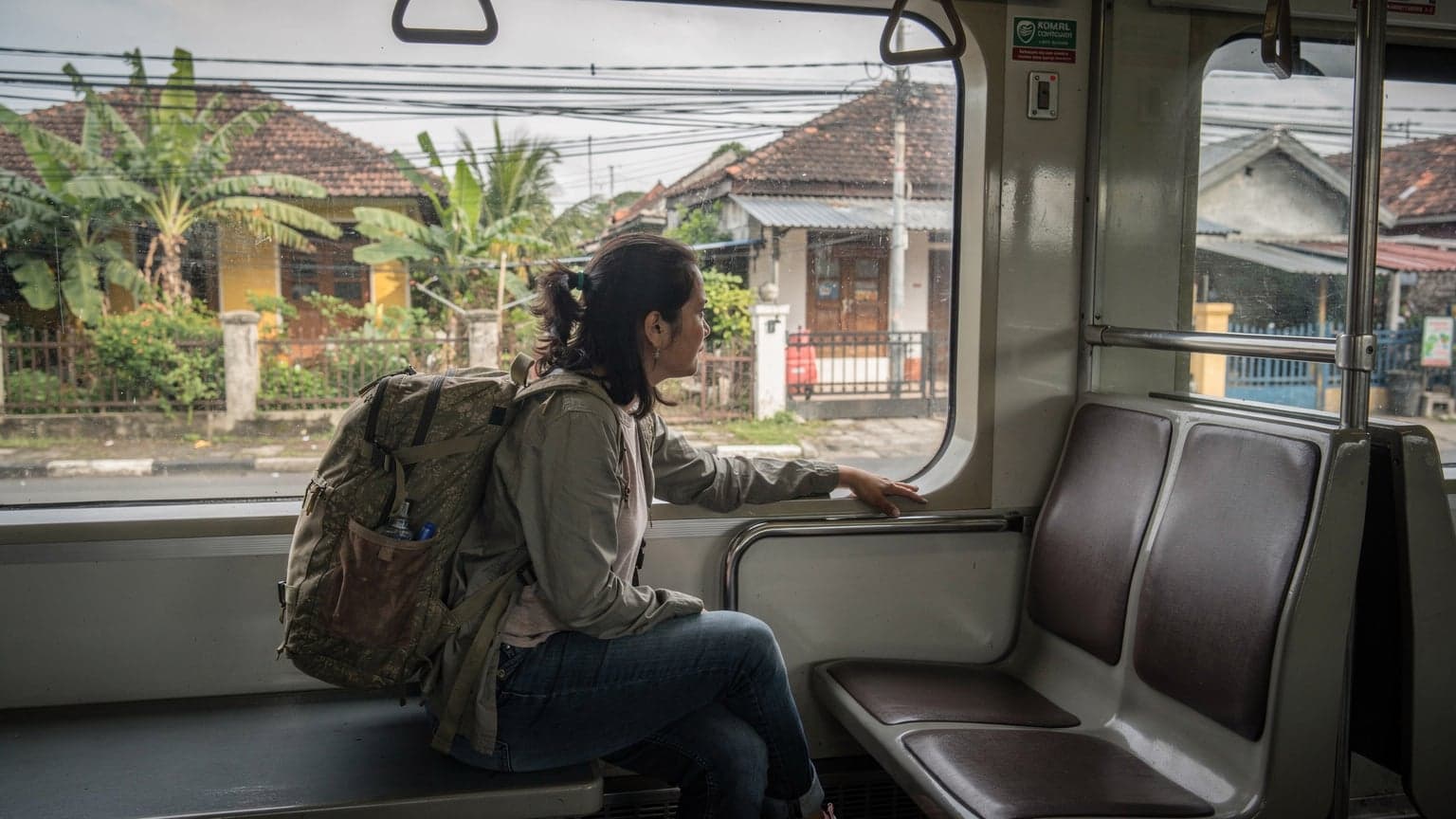
Ah, Indonesia. The allure of Bali's rice paddies, the adventure of Komodo dragons, or perhaps a city break in Jakarta for half-term. As a family travel planner, my mind immediately jumps to the logistics: flights from LAX, what to pack, and crucially, how to keep everyone connected without suffering AT&T's eye-watering roaming charges. The moment you land, those little screens start demanding data, don't they? Two main options usually pop up for travelers to Indonesia: Telkomsel Tourist eSIM and a more general travel eSIM from providers like Cellesim. This comparison will help you decide which is truly best for your family's 2026 trip, focusing on data needs for multiple devices, ease of setup, and cost effectiveness.
Telkomsel Tourist eSIM: What It Offers Families
Telkomsel is Indonesia's largest mobile network operator, so naturally, they're often the first choice for local connectivity. Their dedicated Telkomsel Tourist eSIM is designed specifically for visitors, offering various data packages. On paper, this sounds ideal: direct from the source, strong local coverage, and plans tailored for tourists. Many families appreciate the idea of a local provider, thinking it will automatically be the most reliable and affordable.
However, from a family planner's perspective, there are a few practicalities to consider. First, while Telkomsel's coverage is extensive, especially in popular spots like Bali or the major cities, connectivity can still be spotty in remote areas or even inside some of the larger theme parks on Java. Trying to stream Disney+ for two kids in the back of a Grab car while navigating traffic from Ngurah Rai International Airport can quickly become a parental stress test if the connection drops. The packages typically include a mix of local data, general data, and often specific app data. What they sometimes lack is the flexibility for multiple devices under a single, easily managed plan. You're usually buying one eSIM per phone, which means each parent (and older child) needs their own, complicating data sharing or unified parental controls.
The Activation Process and First Impressions
Activating a Telkomsel Tourist eSIM usually involves an online registration process, often requiring passport details and a selfie. While straightforward for a single traveler, coordinating this for a family of four, potentially with jet lag, can be a minor headache. Then there's the initial setup on each device. While I'm pretty tech-savvy after years of managing family devices, explaining eSIM activation to my parents or a tween can take patience. The process itself isn't difficult, but it's another thing to manage when you're already juggling luggage, snack requests, and directions.
I've heard stories in my parents-of-travellers Facebook group about trying to activate these right after landing, only to find slow airport Wi-Fi or a glitch in the verification process. It's those little moments of friction that can quickly escalate when you have tired kids. Preparing ahead, by loading essential apps like Google Maps (download offline maps!), Duolingo, and some Netflix downloads on all devices before you even leave LAX, can mitigate some of this initial stress. But for live data, you still need that connection. For more on navigating local SIM options, you might find Telkomsel eSIM for Tourists: Local SIM vs. Cellesim for Your Indonesia Trip useful.
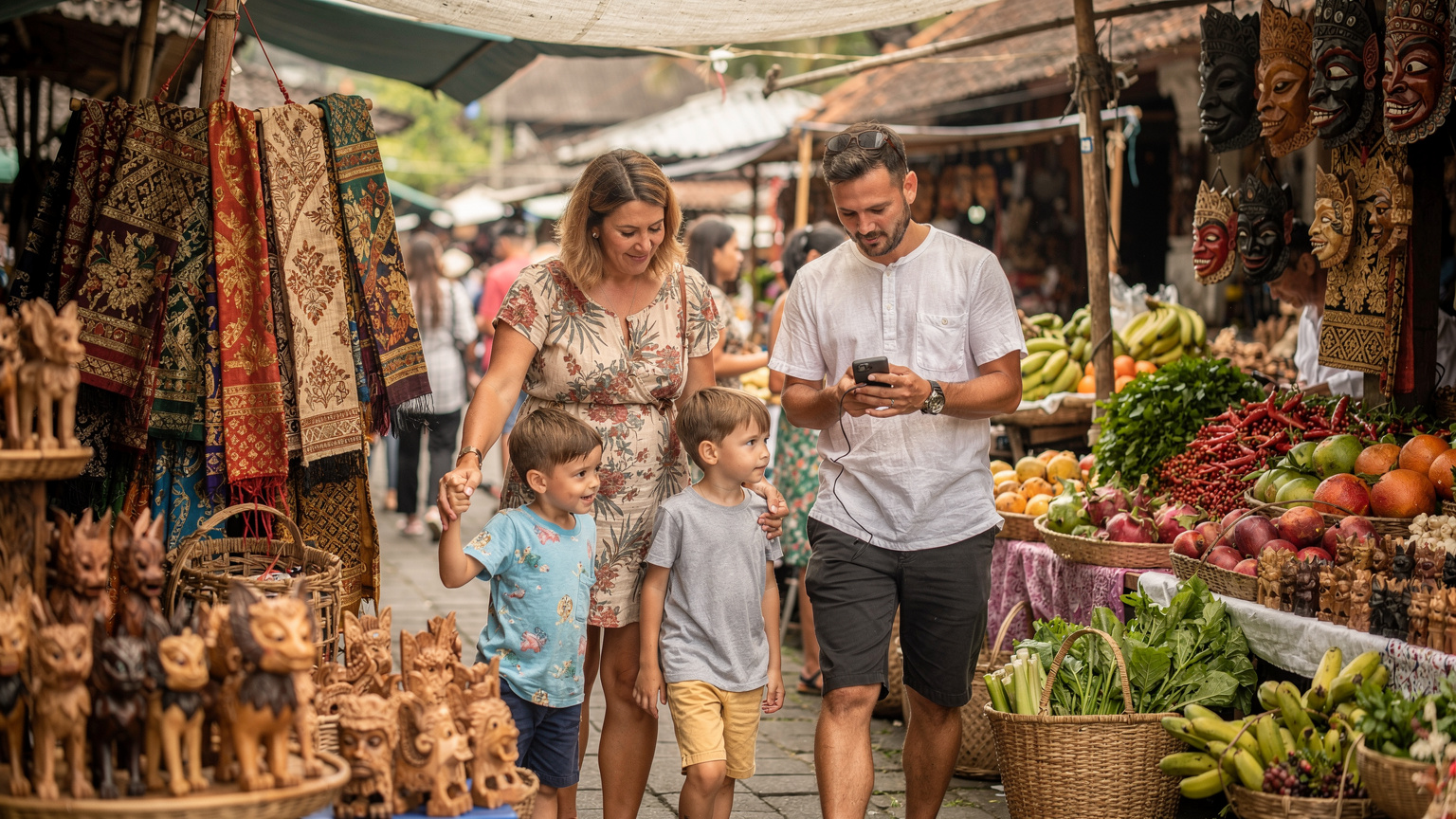
Cellesim as a Family-Friendly Alternative
Now, let's talk about Cellesim. As a multi-country eSIM provider, Cellesim doesn't own its own network in Indonesia. Instead, it partners with local providers, often Telkomsel itself or another major player, to offer data plans. The key difference here, for families, lies in the purchasing and management experience. You buy a data package for Indonesia directly from Cellesim before you travel, and the eSIM profile is usually delivered instantly via email. The setup is typically a simple QR code scan, or a few taps in an app.
For a family departing from LAX, Cellesim offers a distinct advantage: you can get everyone's devices set up before you even step on the plane. No airport queues, no language barriers, no fumbling with passports at a local counter. I've often found that pre-loading eSIMs for the whole family dramatically reduces arrival stress. My kids' iPads, my husband's phone, and my own, all ready to go the moment we land. This means my kids can immediately access their pre-downloaded games or their favourite shows on Disney+, and I can look up our pre-booked Grab to the hotel without any data anxiety.
Another benefit is the flexibility. Cellesim often offers regional plans that cover multiple countries, which is fantastic if your Indonesia trip includes a quick hop to Singapore or Malaysia. This simplifies connectivity across your itinerary, rather than managing a separate local eSIM for each country. This is particularly appealing for those longer half-term breaks when you might try to squeeze in a bit more adventure.
Data Needs for the Modern Traveling Family
Let's be brutally honest: two kids streaming Disney+ can devour data faster than I can pack a suitcase. My 8-year-old on Minecraft Realms and my 12-year-old trying to keep up with friends on Roblox means a lot of upstream and downstream data. Add in my husband's work emails, my constant map-checking, and the occasional video call home, and we're easily looking at 50-100GB for a two-week trip. Carrier day-passes from AT&T are a non-starter here, often costing $10-$15 per device per day. That's a minimum of $40 per day for our family of four, adding up to hundreds of dollars very quickly.
| Usage Type | Typical Data Consumption (per hour) | Family Impact |
|---|---|---|
| Streaming SD video (e.g., Disney+, Netflix) | 0.7 - 1.5 GB | Two kids on iPads can use 30GB+ in a week. |
| Online gaming (e.g., Roblox, Minecraft) | 50 - 150 MB | Low per hour, but consistent and adds up over days. |
| Video calls (WhatsApp, FaceTime) | 300 MB - 1 GB | Essential for checking in, but a data hog. |
| Mapping & Navigation (Google Maps) | 5 - 10 MB (live) | Low, especially with offline maps, but vital for getting around. |
| Social Media & Browsing | 100 - 300 MB | Constant background usage for everyone. |
When considering Telkomsel, you often buy specific bundles of data. Sometimes these have different allocations for 'general' data versus 'social media' data, or 'local' versus 'national' data. This can be confusing and restrictive for a family whose data usage is highly varied. Cellesim, on the other hand, typically offers straightforward blocks of data that can be used for anything. This simplicity is a godsend when you're trying to figure out if your kids have enough data for a final episode of 'Bluey' on the flight home.
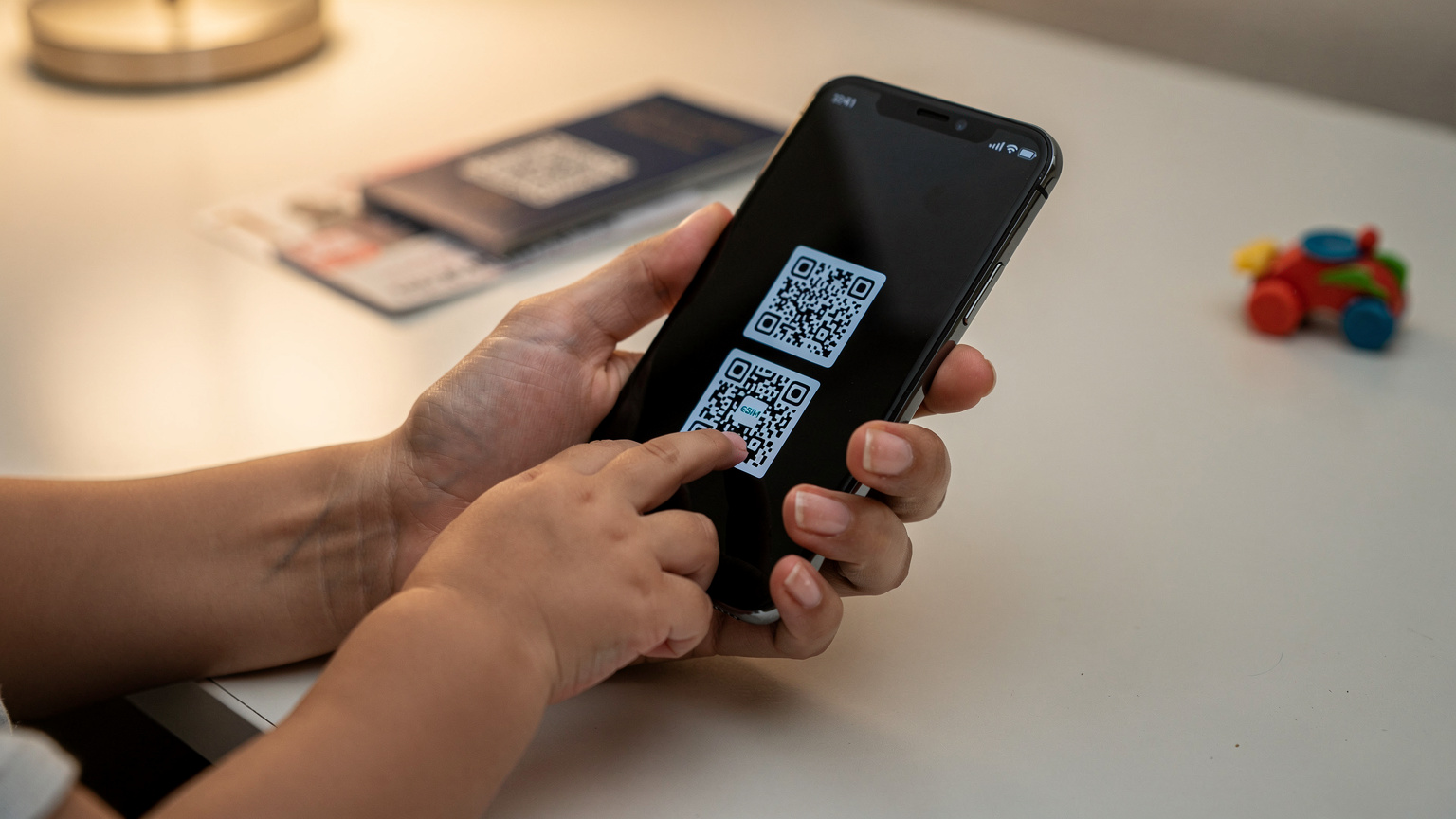
Parental Controls and Device Management
This is where things get interesting for me. My kids' devices, especially their iPads, are locked down with Screen Time controls. I manage app downloads, content restrictions, and daily limits. The beauty of an eSIM is that it handles the cellular connection. It doesn't interfere with the device's built-in parental controls. Whether I'm using an eSIM from Telkomsel or Cellesim, I can still enforce downtime, set app limits for YouTube or Roblox, and approve purchases.
However, the difference comes in how you manage the data itself. With individual Telkomsel Tourist eSIMs, each device is essentially an independent data entity. If my son burns through his data watching too many Minecraft tutorials, I can't easily top up his specific plan without going through the Telkomsel app or website, possibly needing his passport info again. With Cellesim, if you purchase a larger family data plan that you manage from one central Cellesim account, topping up can be much simpler. While I'd still have individual eSIMs on each device, the overall data pool could be managed more centrally, allowing me to allocate more data to a device that needs it, or cut off another that's been particularly egregious with their usage. Some Cellesim plans even allow for data sharing via hotspot, which can be a lifesaver if one device runs out but another still has plenty.
Think about those moments at a busy airport terminal, like Soekarno-Hatta (CGK), when one iPad suddenly goes dark because its data allowance is exhausted. Having a quick way to restore connectivity, or at least understand what happened, is crucial. It keeps the peace and allows me to quickly reactivate their data or tell them they'll have to play offline games until we get to the hotel Wi-Fi. It's about being proactive and having control, which is essential when managing multiple young travelers.
Connectivity in Theme Parks and Cruise Ships
This is a niche, but important, concern for families. Many international carriers, like AT&T, have notoriously poor or expensive roaming on cruise ships. And while theme parks in Indonesia might not be on the scale of Disneyland, places like Trans Studio Bandung or Bali Safari and Marine Park can still have their own connectivity quirks. Inside large concrete structures or dense jungle environments, even a strong local signal can struggle.
For theme parks, Telkomsel, being the dominant local player, generally offers good coverage. But sometimes, especially indoors, you might find dead spots. A Cellesim eSIM, by leveraging the same local network (often Telkomsel's), would perform similarly. The real differentiator here is how you manage those momentary drops. With offline maps pre-loaded on Google Maps and entertainment downloaded to devices, the impact of a temporary data loss is minimized. My personal rule: never rely solely on live data for critical navigation or entertainment. Always have a backup plan, whether it's a physical map or downloaded content.
Cruise ships are a different beast entirely. Neither Telkomsel nor Cellesim eSIMs will work on a cruise ship's satellite network. For that, you're looking at the ship's exorbitantly priced Wi-Fi packages. However, when you're docked in port, say in Benoa, Bali, or Surabaya, your eSIM will kick back in, and you'll have local data coverage. This is where a Cellesim regional eSIM shines, as it can cover multiple ports of call without you having to switch or buy new local SIMs. For specific tech advice on tracking your family while abroad, you might want to look at eSIM GPS in 2026: Why Dedicated Trackers Still Beat Your Phone.
Cost Comparison: Telkomsel vs. Cellesim
This is where the rubber meets the road. No one wants to overpay, especially when budgeting for a family trip. Comparing Telkomsel Tourist eSIM and Cellesim isn't always apples to apples, as package structures can differ. However, we can look at general pricing and value.
| Feature | Telkomsel Tourist eSIM | Cellesim (for Indonesia) |
|---|---|---|
| Purchase & Activation | On arrival at airport/store, online registration, passport required per eSIM. | Pre-purchase online, QR code activation, no passport required on arrival. |
| Data Packages | Varying bundles, often split data (local, general, app-specific). Limited validity. | Clear, consolidated data blocks (e.g., 10GB, 20GB). Flexible validity periods. |
| Price per GB (approx.) | Can be slightly cheaper for very large, short-term local-only data. | Competitive, especially for multi-country or longer duration plans. Simpler pricing. |
| Multi-device Management | Each eSIM is separate, requires individual top-ups. | Easier to manage multiple eSIMs from a single account, potential for data sharing via hotspot. |
| Local Number | Yes, included. | No local number, data-only (use WhatsApp for calls). |
| Customer Support | Local support in Bahasa Indonesia, some English support. | Multilingual, 24/7 online support. |
Telkomsel's plans can sometimes appear cheaper on a raw per-GB basis, especially for their larger, short-term data bundles. However, you need to factor in the potential for 'wasted' data if the split allocations don't match your family's actual usage. For example, if a plan gives you 10GB 'social media' data but your kids are only watching Disney+, that social media data might go unused.
Cellesim, while perhaps not always the absolute cheapest on a pure per-GB comparison for a single-use local plan, offers value in its simplicity, ease of management, and global coverage. For a family, the ability to manage all eSIMs from one account and avoid the hassle of local registration offsets a slight price difference. Plus, if your half-term trip involves hopping between islands or even nearby countries, a regional Indonesia eSIM from Cellesim can offer significant savings and convenience compared to buying multiple local SIMs. This unified approach can save you a fair bit of money and headaches, a point driven home by articles such as Indonesia eSIM from France: Bypass Hidden Fees & Stay Connected in 2026.
The Verdict: Who Should Choose What
After years of managing family connectivity on trips across 30 countries, my recommendation leans heavily towards the option that minimizes friction and maximizes control. For families traveling to Indonesia in 2026, especially those departing from LAX and used to AT&T's predictable (but expensive) roaming, Cellesim offers a compelling package.
If you're a solo traveler, highly budget-conscious, comfortable with local registration processes, and confident your data needs will align perfectly with Telkomsel's specific bundles, then a Telkomsel Tourist eSIM could be a good fit. It's also ideal if having a local Indonesian phone number is absolutely essential for your trip.
Families with multiple devices are Cellesim's prime audience. If you need to keep two kids streaming, manage parental controls, avoid airport queues for SIM cards, and prefer a straightforward, pre-purchased data plan that works the moment you land, Cellesim is the superior choice. The ability to manage multiple eSIMs from one account, the clear data allocations, and the 24/7 multilingual support are invaluable when you're traveling with children. While Cellesim won't give you a local Indonesian number, for most families, WhatsApp or similar apps cover all communication needs. This aligns well with the recommendations in Telkomsel Tourist eSIM: Family Data for Indonesia in 2026.
One potential downside of Cellesim is the lack of a local number, which some local services might occasionally require. However, for most tourist activities, and definitely for keeping your family connected, data is paramount. You can always use WhatsApp for local calls and messages, which leverages your data connection. The peace of mind that comes from knowing all your devices are connected before you even board the plane, and the ease of managing data for the whole family, usually outweighs this minor inconvenience. Ultimately, for a stress-free half-term trip to Indonesia, Cellesim provides the reliability and convenience that busy parents truly need.
Frequently Asked Questions
Can I use parental controls on my kids' devices with an eSIM?
Yes, absolutely. eSIMs provide the cellular data connection, but they do not interfere with your device's built-in parental controls like Apple's Screen Time or Android's Family Link. You can continue to manage app usage, content restrictions, and screen time limits just as you would at home.
What happens if my child runs out of data on their eSIM?
If your child's individual eSIM runs out of data, their device will lose internet connectivity. With Cellesim, you can usually top up their plan directly from your central account, or if you've purchased a larger shared plan, data can be reallocated. With a Telkomsel Tourist eSIM, you'd need to go through their specific top-up process for that individual line.
Will my AT&T plan work in Indonesia, and is it affordable?
Your AT&T plan will likely work in Indonesia via international roaming, but it will be very expensive. AT&T's day-pass options, while convenient, typically cost $10-15 per day per device. For a family of four over a week-long trip, this can quickly add up to hundreds of dollars, making it far less economical than a local eSIM or a global travel eSIM like Cellesim.
Can I use an eSIM on a cruise ship in Indonesia?
An eSIM will generally not work on a cruise ship's satellite network while at sea. However, when your ship is docked in an Indonesian port, your eSIM will connect to the local cellular network, allowing you to use data at local rates. For connectivity at sea, you'd typically need to purchase the cruise line's specific Wi-Fi package.
How much data does a family need for a two-week trip to Indonesia in 2026?
For a family with two children who stream videos, play online games, and use social media, plus parents using maps and checking emails, a conservative estimate would be 50-100GB for a two-week trip. This accounts for multiple devices and varied usage, ensuring everyone stays connected without constant data anxiety.