
Everyone uses their phone for navigation, myself included. It's convenient, it's always there, and with an eSIM for Turkey, for example, I can keep Google Maps running without thinking about it. But for anything beyond basic walking directions in a well-covered city, I've learned to be skeptical. My phone's GPS is a power hog, and its accuracy can waver in the real world.
We need to talk about what actually works when you're far from home and AT&T's daily international day-pass isn't cutting it. This isn't about romanticizing travel; it's about not getting stranded. For many, a phone is sufficient for casual navigation. But if you're tracking valuable equipment, a vehicle, or need reliable location data off-grid, a dedicated eSIM GPS tracker is often the smarter investment.
eSIM GPS vs. Telefon GPS: Temel Farklar 2026
Let's cut to the chase. Your phone's GPS is a secondary function, piggybacking on its primary role as a communication device. A dedicated eSIM GPS tracker, on the other hand, is built from the ground up for one job: pinpointing location and reporting it. That singular focus makes a world of difference in performance and reliability, especially when you're off the beaten path.
In 2026, both technologies leverage satellite data, but how they process and transmit that data varies significantly. Phones rely heavily on cellular networks for A-GPS (Assisted GPS) to speed up location fixes. Without a strong data signal, that 'assist' disappears, leaving you with slower, less accurate results. I've seen this play out repeatedly, trying to navigate narrow streets in Lisbon with a dying phone battery and spotty signal.
Dedicated trackers often incorporate more robust GNSS (Global Navigation Satellite System) receivers that can tap into multiple satellite constellations simultaneously, like GPS, GLONASS, Galileo, and BeiDou. This multi-constellation approach means faster fixes and better accuracy in challenging environments: dense urban canyons, deep forests, or even just inside a bustling airport like JFK.
| Feature | Dedicated eSIM GPS Tracker | Smartphone GPS |
|---|---|---|
| Primary Function | Location tracking & reporting | Communication, apps, secondary tracking |
| GNSS Support | Often multi-constellation (GPS, GLONASS, Galileo, BeiDou) | Typically GPS, supplemented by A-GPS |
| Reliance on Cellular Data | Primarily for data transmission via eSIM, less for initial fix | Heavily for A-GPS, real-time mapping, and reporting |
| Battery Life | Days to weeks, optimized for low power | Hours, drains quickly with continuous GPS use |
| Durability | Often rugged, waterproof, built for harsh environments | Consumer-grade, susceptible to damage |
The Telkomsel Tourist eSIM for Indonesia, for example, provides great data coverage in Bali's Seminyak, but venture out to a remote village, and that phone-based GPS starts to stutter. A dedicated tracker with its own eSIM and optimized antenna will keep chugging along. The difference really is noticeable.
Pil Ömrü ve Güvenilirlik: Kritik Bir Karşılaştırma
This is where dedicated trackers truly pull ahead, and it's not even close. Your smartphone is a marvel of engineering, but constant GPS use turns it into a battery vampire. I've had my iPhone 14 Pro Max go from 100% to 20% in three hours of continuous navigation while driving through rural France. That's not sustainable when you need reliable tracking for an entire day, let alone a week.
Dedicated eSIM GPS trackers are designed for extreme power efficiency. Many can last days, even weeks, on a single charge, often operating in low-power modes and only transmitting location data at set intervals. Think about tracking luggage, a rental scooter, or even your pet. You can't be plugging in a phone every few hours for that kind of persistent monitoring.
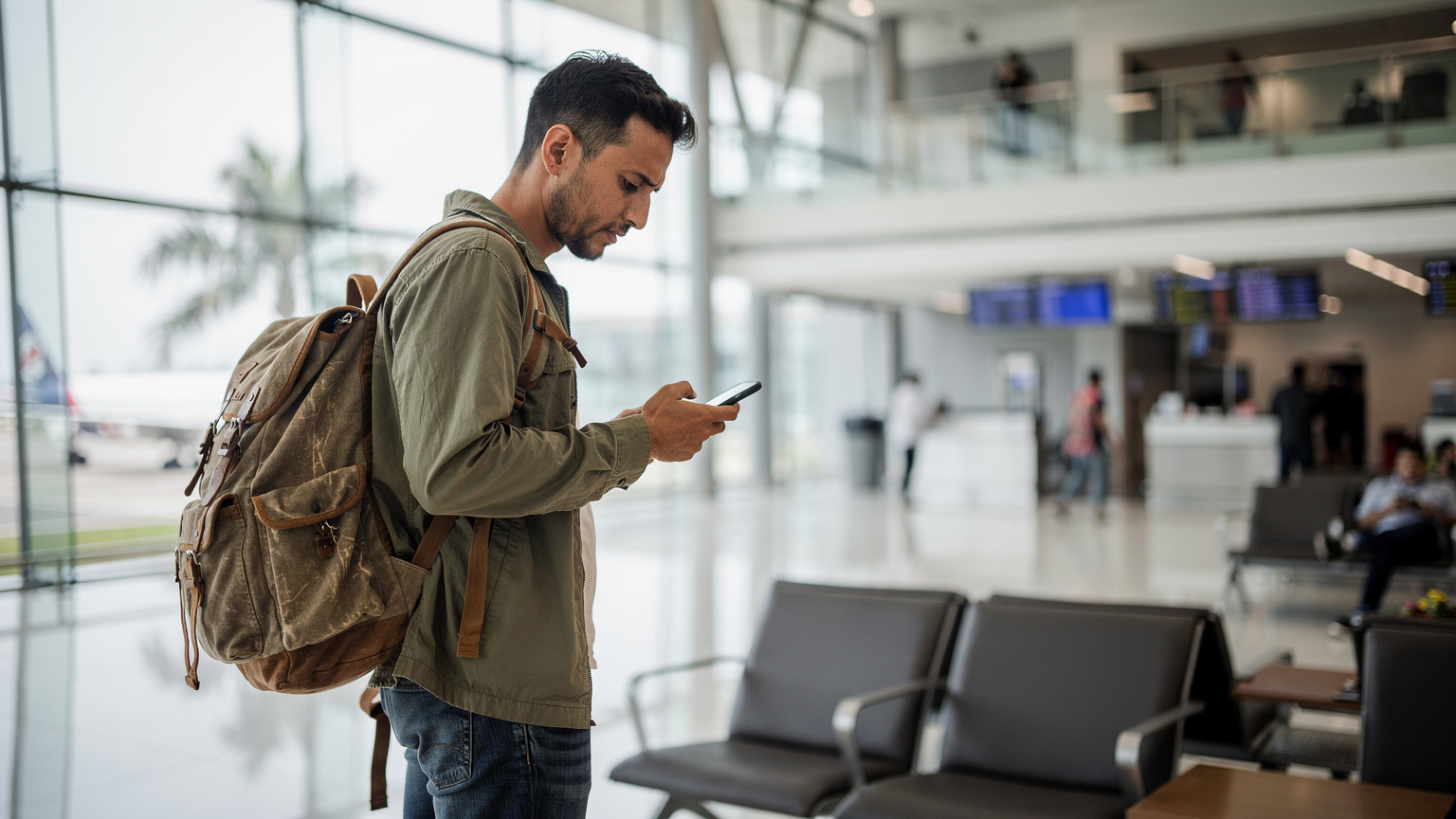
Reliability also extends to hardware. Most dedicated trackers are built to withstand abuse. They're often waterproof, dustproof, and shock-resistant. I've known nomads who've accidentally dropped their phones into canals in Amsterdam or off motorcycles in Vietnam. A good tracker can survive that. Your phone, probably not.
Consider a half-term family trip where you've given a child a tracker for safety. You need to know it will still be powered on and transmitting at the end of a long day exploring a new city. That peace of mind is invaluable, and something a phone struggles to deliver consistently without external battery packs.
Gerçek Dünya Senaryoları: Ne Zaman Özel Bir İzleyiciye İhtiyacınız Var?
My WhatsApp groups are full of stories about things going sideways, and unreliable GPS is a common thread. Here are a few scenarios where a dedicated eSIM GPS tracker isn't just nice to have, but essential:
- Asset Tracking: If you're shipping equipment, a vehicle, or high-value items across borders, an eSIM GPS tracker provides real-time oversight. This isn't about using your phone to watch a delivery truck; it's about embedding a device that reports its location independently.
- Child and Pet Safety: Parents often use these for younger children in crowded places, or for pets prone to wandering. The small form factor and long battery life make them ideal. Some even have an SOS button.
- Outdoor Adventures: Hiking, cycling, or off-road exploration. If you get lost or injured, a tracker can guide rescuers to your precise location, even if your phone has no signal or is out of battery. (I learned this the hard way hiking near Chiang Mai when my phone died on a steep trail).
- Vehicle Recovery: For rental cars or even your own vehicle, a hidden tracker can be invaluable in case of theft.
- Business Travel Equipment: For corporate teams carrying expensive laptops or presentation gear to a conference, a tracker provides an extra layer of security.
On my last trip to Bolivia, I seriously considered a tracker for my camera gear. I ended up getting a Bolivia eSIM and just being extra careful, but for long-term overland trips, a small tracker would have been a smart addition. The peace of mind alone is worth the investment.
Maliyet Analizi: eSIM Veri Planları ve Cihaz Donanımı
Let's talk money, because that's usually the sticking point. The upfront cost of a dedicated eSIM GPS tracker can range from $50 to $300, depending on features, durability, and battery life. Then there's the ongoing cost of the eSIM data plan.
For a phone, the 'cost' is often baked into your existing contract or daily roaming charges. AT&T's international day-pass can add up quickly over a week or two, often costing more than a dedicated eSIM plan for a tracker over several months. You can compare Cellesim's eSIM plans to your carrier's roaming rates; the savings can be substantial, especially for longer trips or frequent international travel.
| Cost Factor | Dedicated eSIM GPS Tracker | Smartphone GPS |
|---|---|---|
| Device Hardware | $50 - $300 (one-time purchase) | Already owned (phone cost) |
| Data Plan | Low-cost, data-specific eSIM plans ($3-10/month) | Standard phone eSIM/SIM plans, expensive roaming ($10-15/day from AT&T) |
| Battery Replacements | Infrequent (rechargeable, long life) | Frequent charging, potential power bank reliance |
| Maintenance | Minimal, firmware updates | Regular phone maintenance, OS updates |
When I was living in a co-working space called 'The Hub' in Lisbon, paying about €700/month for a small apartment in Alfama, every euro counted. I saw people burning through their data allowances just trying to keep their phone GPS alive. For tasks like tracking a delivery for my remote work, a dedicated eSIM on a tracker would have been a far more economical and reliable choice than relying on my phone's data plan. This is especially true when some local apps, like certain Brazilian banking apps, demand a local SIM for verification, further complicating phone-based data strategies.
İzinler ve Uygulama Bağımlılıkları: Gizli Engeller
This is a subtle but critical point. Your phone's GPS functionality is often tied to apps and their permissions. Google Maps, Apple Maps, or third-party navigation apps all require specific permissions to access your location. Sometimes, these apps can be finicky, demanding constant updates or experiencing glitches that halt your tracking. Moreover, certain countries have strict data regulations or app restrictions that can impact how effectively your phone's GPS functions with specific apps. I once struggled to get a delivery app to correctly pinpoint my location in Delhi because of local network issues and app permissions tied to my foreign SIM.
Dedicated eSIM GPS trackers operate with their own minimalist software, often controlled via a single, purpose-built app that focuses solely on location data. This reduces complexity and potential points of failure. They typically don't suffer from the same issues of background app refresh, conflicting permissions, or OS updates breaking functionality that plague smartphones.

Think about the hassle of troubleshooting a phone issue versus a dedicated device. When my phone's GPS acts up, it could be the app, the OS, the network, or the battery. With a tracker, the variables are far fewer, making diagnosis and resolution much simpler. When I worked out of Dojo Bali in Canggu (which was around 4 million IDR/month for a private office, and my rent in Berawa was about 8 million IDR/month for a studio), I saw countless people pulling their hair out over phone GPS issues because a ride-sharing app was refusing to pinpoint them. A simple, purpose-built tracker eliminates that layer of frustration.
Kimler Hangi Seçeneği Tercih Etmeli?
So, who should pick what in 2026? It boils down to your specific needs and travel style.
Choose Smartphone GPS If:
- You're a casual tourist: For standard city navigation, finding restaurants, or getting around with ride-sharing apps, your phone is perfectly adequate.
- You stay in well-covered areas: Big cities, established tourist routes. You're unlikely to lose signal or run out of battery unexpectedly.
- Your tracking needs are not critical: Losing GPS for a few minutes won't cause significant problems or safety concerns.
- You're conscious of upfront costs: You don't want to buy an additional device.
Choose a Dedicated eSIM GPS Tracker If:
- You need absolute reliability: For tracking valuable items, pets, or children, where continuous, accurate location data is paramount.
- You're venturing off-grid: Hiking, remote travel, or areas with spotty cellular coverage. The tracker's robust GNSS and long battery life shine here.
- Battery life is a primary concern: You need days or weeks of tracking without constant recharging.
- Durability matters: You need a device that can withstand harsh environments or accidental drops.
- You prioritize security for assets: For business equipment, vehicles, or high-value luggage.
For me, as someone who moves around constantly, often relies on a good eSIM for Indonesia, and has seen enough travel plans unravel due to tech failures, the choice is clear for critical tasks. My phone is for calls, emails, and social media. for reliable GPS tracking, especially when I'm carrying expensive photography gear or exploring new, remote areas, I'm reaching for a dedicated eSIM GPS tracker every single time. It's an extra piece of kit, yes, but the peace of mind and the sheer robustness of the solution make it a worthwhile addition to my travel bag.
Frequently Asked Questions
Do dedicated eSIM GPS trackers work without a phone?
Yes, dedicated eSIM GPS trackers operate independently of your smartphone. They contain their own eSIM for data connectivity, allowing them to transmit location data directly to a web portal or companion app on another device, even if your phone is off or out of range.
What is the typical battery life of a dedicated eSIM GPS tracker in 2026?
In 2026, most dedicated eSIM GPS trackers offer significantly longer battery life than smartphones. Depending on the model and reporting frequency, they can last from several days to several weeks on a single charge, making them ideal for long-term monitoring.
Are eSIM GPS trackers more accurate than smartphone GPS?
Often, yes. Dedicated trackers typically feature more advanced GNSS receivers that can utilize multiple satellite constellations (GPS, GLONASS, Galileo, BeiDou) simultaneously, leading to faster fixes and better accuracy, especially in challenging environments where phone A-GPS struggles.
Can I use an eSIM GPS tracker for international travel?
Absolutely. eSIM GPS trackers are designed for global connectivity. With a multi-country or regional eSIM plan, your tracker can report its location from virtually anywhere with cellular coverage, making it perfect for international asset or personal tracking.
What kind of data plan do eSIM GPS trackers need?
eSIM GPS trackers require low-data plans, as they only transmit small packets of location information. Many eSIM providers offer specialized, cost-effective data plans tailored for IoT devices and trackers, significantly cheaper than standard smartphone data packages.
Is it worth buying a dedicated eSIM GPS tracker if I already have a smartphone?
If you require highly reliable, long-lasting, and durable tracking for assets, children, pets, or outdoor adventures, then a dedicated eSIM GPS tracker is a worthwhile investment. It excels where smartphones fall short in battery life, ruggedness, and consistent performance.