eSIMs in Italy, Why They're a Family Travel Game Changer
Remember those days of hunting for local SIM card stores in a foreign country? You'd try to explain in broken Italian that you needed 'molto dati' for your teenager's streaming habit. Thank goodness for eSIMs. For a family travel planner like me, they've been nothing short of revolutionary. No more fumbling with tiny ejector tools. No more losing your home SIM in a hotel drawer (which I've absolutely done, twice).
Data plans and prices: Italy eSIM
Italy, with its charming piazzas and ancient ruins, is a fantastic destination for families. But even amidst such beauty, the kids, bless their hearts, still need their digital fix. Whether it's Disney+ during a long train ride from Rome to Florence, or keeping up with friends on Roblox back home, reliable data is a modern travel necessity. This is where an eSIM truly shines, offering seamless connectivity right from the moment your plane touches down at Fiumicino or Malpensa.
The Joy of Instant Connectivity: No More Airport Scrambles
My biggest travel stressor used to be that initial scramble for connectivity at the airport. With an eSIM, I can activate it before we even board the flight. This means as soon as we land, everyone's devices are ready. This is particularly crucial when you have kids who, let's be honest, will immediately ask for the Wi-Fi password.
Being able to access Apple Maps or Google Maps for directions to our Airbnb in Trastevere, or look up opening hours for the Vatican Museums, all while simultaneously booking a taxi, is priceless. It removes that layer of initial disorientation that can sometimes set a sour tone for the start of a family trip.
What Is an eSIM and How Does It Work?
For those still clinging to the physical SIM, an eSIM (embedded SIM) is a digital SIM card. It lets you activate a cellular plan from a carrier without needing a physical card. It's built into your phone (or tablet, or even some smartwatches). This means you can store multiple eSIM profiles on one device and switch between them with a few taps. It's like having a digital wallet for your phone plans.
For families, this is a godsend. My husband and I can each have our own local eSIM, while also keeping our home lines active for essential calls or texts. Plus, it makes managing data for the kids' devices so much simpler, especially if they have their own eSIM-compatible iPads. No more worrying about swapping cards or finding tiny paperclips.
Decoding TIM Italy eSIM Options for Tourists
TIM is one of Italy's major mobile network operators, offering extensive coverage across the country. Naturally, they have options for tourists, including eSIMs. However, navigating their plans can feel a bit like reading ancient Roman script if you're not fluent in Italian, or their specific data jargon. My rule of thumb: always dig beyond the headline offers.
TIM Tourist eSIM Plans: What to Expect
Typically, TIM offers specific tourist-friendly plans, often branded as 'TIM Tourist' or similar. These usually include a bundle of data, some international calling minutes, and SMS. The key is that these are often fixed-duration plans, typically 30 days. This might be overkill for a week-long trip, but just right for a longer family adventure exploring multiple regions.
In 2026, I'd anticipate TIM's tourist eSIM offerings to focus on data, perhaps 50-100GB, with some EU roaming included. However, always confirm the specifics for non-EU countries, as family members back home might need to be reached. Prices generally hover around €25-€35 for these packages, but they can fluctuate with promotions.
Where to Buy a TIM eSIM in Italy
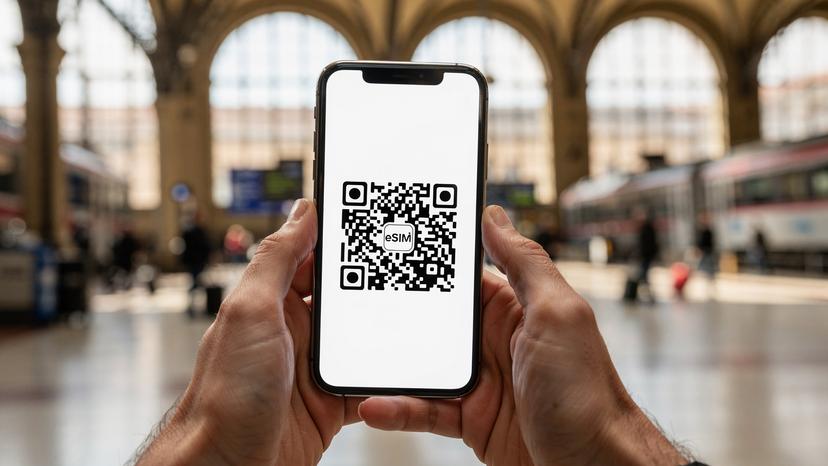
Unlike international eSIM providers like Cellesim, which you can purchase online from your couch, getting a TIM eSIM usually means an in-person visit. You'll typically find TIM stores in major airports, train stations (like Roma Termini or Milano Centrale), and city centers. Look for the blue TIM logo.
When purchasing, be prepared with your passport, as Italian law requires identity verification for all mobile activations. They'll scan your passport and register the eSIM to your name. This process can take a little time, so factor it into your arrival plans, especially after a long flight with tired kids. I always try to do this right after clearing customs but before grabbing our rental car, so we're connected for navigation.
The Real Cost of Connectivity: TIM vs. International eSIMs
This is where the rubber meets the road for a budget-conscious family planner. While a local TIM eSIM might seem appealing, it's essential to compare its total value against global or regional eSIMs like those offered by Cellesim. Often, the 'convenience' of a local SIM comes with hidden costs or less flexibility.
Data Needs for the Modern Traveling Family
My family's data consumption is, shall we say, significant. With two kids aged 9 and 12, their iPads are essential for long journeys. This isn't just about streaming. It's also about Minecraft multiplayer, YouTube Kids for educational content (and sometimes just cartoons), and even the occasional Nintendo Switch Online session if we're feeling generous and the connection allows. A modest 10GB plan for *each* child, plus my own usage for navigation, social media, and work, means we're easily looking at 50-80GB for a two-week trip. Often, TIM's tourist plans, while generous, might not cover this multi-device, multi-user scenario as efficiently as an international plan that allows for data sharing or multiple individual lines.
| Feature | TIM Tourist eSIM | International eSIM (e.g., Cellesim) |
|---|---|---|
| Purchase Method | In-person at TIM store in Italy | Online, pre-trip from anywhere |
| Activation | Requires passport, can be slow | Instant QR scan, no ID required |
| Flexibility | Fixed duration, specific data bundles | Various durations, flexible data top-ups |
| Multi-Country Use | Limited EU roaming, costly outside EU | Seamless across multiple countries/regions |
| Pricing | Often good for single-country use, but less flexible | Competitive, especially for families/multi-country |
Comparing TIM to Global eSIM Providers
When you factor in the time spent acquiring a TIM eSIM, the potential language barrier, and the fixed nature of their tourist plans, a global eSIM often comes out ahead. Providers like Cellesim allow you to purchase and activate plans for Italy, or even all of Europe, before you leave home. This means you land with active data on all family devices, ready for mapping, translation, and keeping the peace in the back of the taxi.
For instance, if you're planning a grand European tour that includes Italy, an eSIM for Europe from a provider like Cellesim (rather than juggling separate local SIMs for each country) is a no-brainer. This makes it easier to manage your Eurotrip data showdown across multiple borders.
Activation Headaches or Smooth Sailing with TIM eSIM?
The activation process for any new service can be daunting, even more so in a foreign country. While TIM has streamlined its processes over the years, there are still a few hoops to jump through that differ significantly from the instant activation of an international eSIM.
The In-Store Activation Experience
When you visit a TIM store, expect to spend anywhere from 15-30 minutes, depending on how busy they are and how familiar the staff are with processing tourist eSIMs. You'll need:
- Your Passport: This is mandatory for registration under Italian law.
- Your eSIM-Compatible Device: They'll likely scan a QR code onto your device. Make sure your phone is unlocked.
- Payment Method: Credit card or cash.
- Patience: Especially if there's a queue or a slight language barrier.
I always make sure to have my phone fully charged and all necessary documents easily accessible. Trying to juggle a toddler and a passport while fumbling for my wallet is not my idea of a relaxing start to a vacation.
Troubleshooting Common TIM eSIM Activation Issues
Even with the best preparation, things can go awry. Here are a few common issues and my go-to solutions:
- Activation Failed: Sometimes the QR code scan doesn't take immediately. Double-check your phone's Wi-Fi connection and ensure you're following the on-screen prompts carefully. If it persists, politely ask the store assistant to try again or manually input the activation code.
- No Service After Activation: This can happen. Try restarting your phone. Go into your mobile settings and ensure the TIM eSIM profile is selected as the primary for cellular data. Check APN settings if provided by TIM (though usually automatic for eSIMs).
- Language Barrier: If you're struggling to understand the instructions, use a translation app like Google Translate or DeepL. Many TIM staff in major tourist areas will speak some English, but it's not guaranteed.
- Expired QR Code: If you've received a QR code previously, ensure it hasn't expired. TIM eSIMs typically need to be activated within a certain timeframe after purchase.
Making It Work for the Kids: Data and Device Management
This is my specialty, folks. Keeping the kids happy and connected, without giving them free rein, is a delicate balance. The beauty of eSIMs, especially international ones, is the flexibility they offer in managing data across multiple devices.
Sizing Your Data Plan for Two Kids Streaming Disney+
Let's talk real numbers. An hour of standard definition streaming on Disney+ can consume around 1GB of data. High definition? Double that. If my two darlings are both streaming on their iPads for a couple of hours a day (say, during lunch, or a long drive), that's easily 4-8GB per day. Over a 10-day trip, we're looking at 40-80GB just for their entertainment. Add in their gaming, social media (for the older one), and my own usage, and a 100GB plan for the family is not extravagant, it's essential.
With Cellesim, I can often purchase a larger regional plan and then use my phone's hotspot feature to share data with their devices. Or, if their iPads are eSIM-compatible, I can activate individual data-only eSIMs for them. This flexibility is what allows me to prevent the dreaded 'data ran out' meltdown halfway through a train journey past the Tuscan hills.
"My best advice? Overestimate your data needs. It's far better to have too much than to be scrambling for a top-up when you're halfway up Mount Vesuvius with a child demanding to know why their Pokémon Go isn't working."
Pre-Loading Apps and Offline Maps: A Parental Pro Tip
Before we even leave home, my kids' iPads get a full digital overhaul. This includes:
- Downloaded Movies/Shows: Anything they want to watch on Disney+, Netflix, or Max gets downloaded for offline viewing. This saves *immense* amounts of data.
- Offline Games: Games that don't require constant internet access, like Apple Arcade titles or various puzzle games.
- Educational Apps: Language learning apps, historical apps about Italy, or drawing programs, all pre-loaded.
- Offline Maps: Crucial for navigating. I download the entire region we're visiting on Google Maps or MAPS.ME. This means even if my data temporarily drops (say, in a tunnel or a dense medieval alley), we're not lost.
This pre-trip prep minimizes the reliance on constant high-speed data for their entertainment, preserving our valuable eSIM data for actual navigation, emergencies, and those moments when a quick 'Baby Shark' video is the only thing standing between peace and chaos.

A family with two children walking through a lively Italian street market, looking at fresh produce, with a smartphone visible in a parent's hand checking a map. Coverage and Speed: What to Expect from TIM in Italy
TIM boasts one of the most extensive networks in Italy, alongside Vodafone and WindTre. Generally, you can expect excellent 4G LTE coverage in cities, towns, and along major transport routes. 5G is also expanding rapidly in major urban centers and popular tourist destinations.
TIM Network Performance in Urban vs. Rural Areas
In cities like Rome, Milan, Florence, and Naples, TIM's network is robust and fast. You'll likely experience speeds perfectly adequate for streaming, video calls, and all your family's data needs. However, as you venture into more rural areas, particularly mountainous regions or remote villages in places like Sicily or Sardinia, coverage can become spottier. This is true for all Italian carriers, not just TIM.
I’ve found that even in some of the more picturesque, ancient hill towns, TIM often still has decent 4G, which is a testament to their infrastructure. But always have those offline maps ready, just in case!
Connectivity Inside Theme Parks and Cruise Ships
Ah, the unique challenges of theme parks and cruise ships! Italy has some fantastic family attractions, from Gardaland near Lake Garda to various water parks along the coasts. Inside these parks, cellular connectivity can be tricky. Large crowds can overwhelm cell towers, leading to slower speeds or dropped connections. TIM generally performs well, but don't expect blazing fast speeds at peak times in the middle of a crowded amusement park.
Cruise ships are a different beast entirely. Once you're out at sea, you'll rely on satellite internet provided by the cruise line, which is notoriously expensive and often slow. Your TIM eSIM will only connect when the ship is near the Italian coast or docked in a port. So, if your Italian adventure includes a Mediterranean cruise, plan for digital detox periods or budget for the ship's Wi-Fi. It's a good time for those pre-downloaded movies!
Parental Controls and Security with Your eSIM
As a parent, my biggest concern with devices abroad isn't just data usage, but what my kids are accessing. An eSIM, whether from TIM or Cellesim, provides the underlying connectivity, but the parental controls are primarily device-based.
Leveraging Device-Level Parental Controls
This is where the real work happens. Before any trip, I ensure the following are set up on all kids' devices:
- Screen Time (iOS) / Digital Wellbeing (Android): These built-in features are fantastic for setting app limits, downtime, and content restrictions. I can allow specific apps like Google Maps or a translation tool, while limiting gaming time to an hour a day.
- Content Filters: Ensure age-appropriate content filters are active on browsers and app stores.
- App Approvals: Set up family sharing so new app downloads require my approval. No surprise in-app purchases or questionable game downloads!
- Find My / Google Find My Device: Essential for locating lost devices, especially in bustling Italian markets.
The beauty is that these controls work regardless of whether the device is using a TIM eSIM, a Cellesim eSIM, or Wi-Fi. The eSIM just provides the data pipe.
Data Monitoring and Usage Limits
Many eSIM apps, including Cellesim's, allow you to monitor data usage in real-time. This is incredibly helpful for keeping an eye on your family's consumption. While TIM might offer similar features through their app, a unified international eSIM platform often provides a clearer overview, especially if you have multiple eSIMs active.
Some international eSIMs even allow you to set data limits on individual lines if you've purchased multi-line family plans. This is a brilliant feature for preventing one child from inadvertently devouring the entire family's data allowance with an epic YouTube Kids marathon.
Parental Control Aspect TIM eSIM (Device-dependent) International eSIM (e.g., Cellesim, Device-dependent + App features) Content Filtering Primarily device-level (e.g., iOS Screen Time, Android Digital Wellbeing) Primarily device-level App Usage Limits Device-level Device-level Data Monitoring Via TIM app (if available for tourist plans) or phone settings Often via dedicated eSIM provider app, clearer overview Individual Line Data Limits Not common for tourist plans Available with some multi-line family plans Location Tracking Device-level (e.g., Find My iPhone, Google Find My Device) Device-level The Cellesim Advantage: Why International eSIMs Win for Families
After many trips and countless data plans, I've become a staunch advocate for international eSIM providers like Cellesim, especially for family travel. The convenience, flexibility, and often better value simply outweigh the perceived benefits of a local SIM.
Seamless Multi-Country Coverage, Beyond Italy
The biggest win? If your family trip extends beyond Italy's borders, say, a quick hop to Oktoberfest in Germany or exploring Taiwan's hidden gems on another trip, a regional or global eSIM covers you without needing new activations. This is invaluable for those complex itineraries that often define family adventures.
With Cellesim, you purchase a single eSIM for Europe, and it works across dozens of countries. No more switching providers or enduring activation processes in each new destination. It's truly a 'set it and forget it' solution, which is music to a planner's ears.
Easy Top-Ups and Cost Control
Running low on data? A few taps in the Cellesim app, and you can instantly top up your plan. No hunting for a TIM store, no language barriers, no unexpected charges. This level of control is essential for managing a family's data budget, especially when you have kids who might accidentally leave streaming apps running in the background.
Moreover, comparing Nomad eSIM vs. Cellesim for family travel often highlights Cellesim's competitive pricing and family-friendly bundles, making it easier to predict and control costs. No nasty bill shocks when you return home.
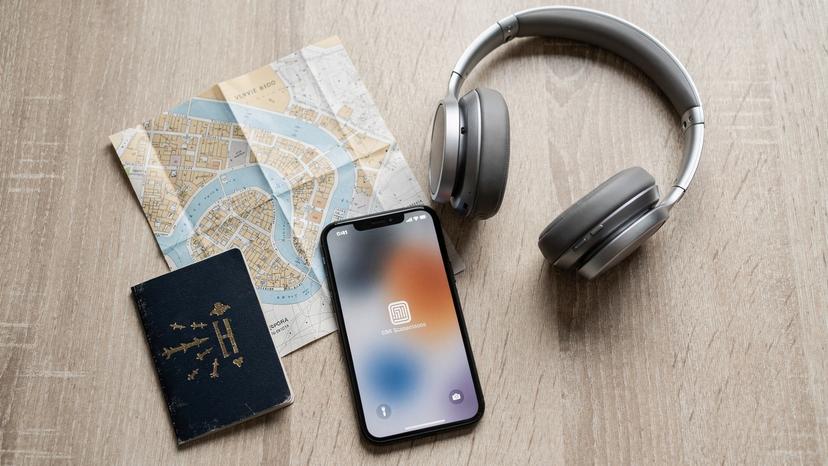
An overhead flat-lay shot of travel essentials, including a passport, a smartphone displaying an eSIM app, noise-canceling headphones, and a small map of Italy, on a clean, light-colored surface. Pre-Trip Checklist: Getting Your eSIMs Ready for Italy
To ensure a smooth, connected journey for your family, I recommend a comprehensive pre-trip eSIM checklist:
Verify Device Compatibility
First and foremost, confirm all devices that need an eSIM are compatible. Most newer iPhones (XS and later) and many Android flagships support eSIM. For tablets, check your specific model. You don't want to arrive in Italy only to find out your child's iPad Mini is too old for an eSIM.
If you're unsure how to check, a quick Google search for 'Is [your device model] eSIM compatible?' will usually give you the answer. Also, ensure your devices are unlocked by your home carrier. A locked phone won't accept a foreign eSIM.
Purchasing and Activating Your Cellesim for Italy
This is the easy part, and it's best done a few days before you depart:
- Download the Cellesim App: Get it from the App Store or Google Play.
- Browse Plans for Italy/Europe: Select a plan that matches your family's data needs and trip duration. Consider a higher data allowance if you have multiple streamers.
- Purchase Your Plan: Follow the prompts to buy the eSIM. You'll receive a QR code or manual activation details.
- Install the eSIM: Go to your phone's cellular settings, add a new cellular plan, and scan the QR code (or enter details manually). Label it clearly, like 'Italy Travel eSIM'.
- Test It (Optional but Recommended): If you activate it before leaving, you can briefly switch to it to ensure it's registered, though it won't connect to a foreign network until you arrive.
This pre-activation means no stress at the airport, and immediate connectivity. It's the kind of planning detail that makes all the difference when traveling with little ones.
Final Thoughts: Choosing the Best eSIM for Your Italian Adventure
Navigating Italy with a family is an adventure, a beautiful, chaotic, pasta-filled adventure. The last thing you need is connectivity woes. While TIM offers local eSIM options, the reality for a busy family often points towards the greater flexibility and ease of international eSIM providers like Cellesim.
From ensuring your kids can stream their favorite shows on a long train ride, to effortlessly navigating the winding streets of Venice with a reliable map, having a robust and easily managed data plan is paramount. Prioritize convenience, clear data management, and multi-device capabilities. That way, you can focus on the important things: gelato, ancient history, and making unforgettable family memories, all without worrying about your next data top-up.
Frequently Asked Questions
Can I use my TIM eSIM immediately upon arrival in Italy?
Yes, if you've already completed the in-store activation process with your passport and the eSIM profile has been installed on your device, it should connect to the TIM network as soon as you land. However, the activation process itself must be done in Italy at a TIM store.
Are TIM eSIM plans expensive for tourists compared to other options?
TIM's tourist-specific eSIM plans are generally competitively priced for single-country use within Italy. However, for travelers needing multi-country coverage or more flexible data management for a family, international eSIM providers like Cellesim often offer better value and convenience, especially when considering the time saved on activation.
Do I need my passport to get a TIM eSIM in Italy?
Yes, Italian law requires all mobile phone users, including tourists purchasing eSIMs, to register their service with valid identification. You will need to present your passport at a TIM store for verification during the activation process.
Can I share data from my TIM eSIM with my kids' devices?
Yes, once your TIM eSIM is active on your smartphone, you can typically use your phone's personal hotspot feature to share its data connection with other devices, such as your children's iPads or other phones. Be mindful that this can drain your phone's battery faster.
How can I check my data usage with a TIM eSIM?
You can usually monitor your data usage through the TIM official mobile app, if available for tourist plans, or by checking your phone's built-in cellular data usage settings. Some devices also allow you to set data warnings or limits.
What is the typical coverage quality for TIM in popular Italian tourist spots?
TIM offers excellent 4G LTE and growing 5G coverage in major Italian cities like Rome, Florence, Venice, and Milan, as well as popular tourist regions. Coverage may become spottier in very rural or mountainous areas, but overall, it's a reliable network for travelers.