Taiwan Is Not Just Taipei
Everyone talks about Taipei, and for good reason, it's a fantastic city. But thinking Taiwan is only Taipei is like saying the US is just New York City. You're missing out on so much. My first stint in Taiwan, I spent two months living in the Zhongzheng District, right by the Chiang Kai-shek Memorial Hall. Great for history buffs, less so for finding an affordable co-working space that wasn't a Starbucks. My monthly rent for a small studio was about 20,000 TWD, roughly 650 USD at the time, which was steep for the space.
However, once I ventured south, to places like Tainan or Kaohsiung, the vibe shifted. Tainan, for example, feels more traditional, with ancient temples and incredible street food that you just don't find as easily in the capital. Kaohsiung, a port city, has a more relaxed, almost Mediterranean feel with its vast harbor and Cijin Island. The cost of living is noticeably lower, too. A decent apartment in Tainan's West Central District could be found for around 12,000-15,000 TWD (390-490 USD), making longer stays much more feasible.
Don't be afraid to take the High-Speed Rail (HSR) and explore beyond the capital. Hualien, on the east coast, offers access to Taroko Gorge, which is stunning. Pingtung in the south has Kenting National Park with its beaches. Each region has its own distinct character, and dismissing them means missing a huge part of what makes Taiwan special.
The North-South Divide Is Real
Just like in many countries, there's a subtle but palpable difference between northern and southern Taiwan. Taipei, in the north, is fast-paced, very international, and undeniably urban. People move quicker, fashion is a bit more cutting-edge, and there's a constant hum of activity. Head south to cities like Tainan or Kaohsiung, and the pace slows down considerably. There's a stronger emphasis on local traditions, food is often considered more authentic and cheaper, and the general atmosphere is more laid-back. I once stayed at a co-working spot called The Hub in Tainan, and the whole vibe was just chiller, more community-focused than anything I found in Taipei. It really drove home how different the regions are, even on a relatively small island.
Recycling Is a Musical Event
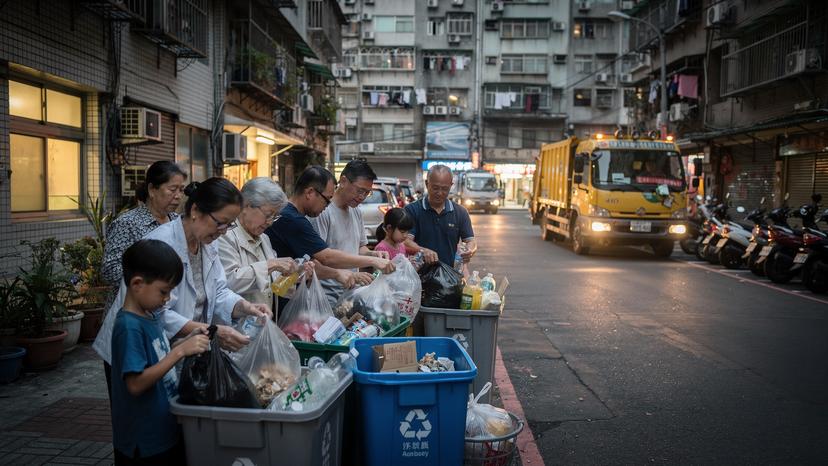
This was one of the first things that genuinely surprised me. In many Taiwanese cities, you don't just put your trash out on the curb. Instead, residents wait for the garbage trucks, which play classical music like Beethoven's 'Für Elise' or some Taiwanese folk tunes, to arrive at designated times. Everyone rushes out with their sorted trash. It's a communal event, almost like an ice cream truck for adults, but with garbage. They have separate trucks for general waste, recycling (plastics, paper, glass, metal), and food waste.
It's incredibly efficient, but it does require some planning on your part. If you miss the truck, you're stuck with your trash until the next scheduled time. This system is a huge part of why Taiwan is so clean. Locals are very serious about it, and you'll quickly learn the schedule for your neighborhood. Don't be that foreigner who just dumps everything in one bag, you'll get some serious side-eye.
Sorting Your Waste Like a Pro
When I first moved into an Airbnb in Da'an District, Taipei, the host left me a laminated sheet with the recycling schedule and a guide on what goes where. It looked like a science experiment. You'll need to separate: general waste, paper, plastics (separated by type sometimes), glass, metals, and food waste. The food waste itself often has two categories: raw scraps for animal feed and cooked scraps for composting. It sounds complex, but you get used to it quickly. My best advice: watch what your neighbors do, or ask at your guesthouse. They're usually happy to explain the nuances.
Convenience Stores Are Everything
Forget what you know about convenience stores. In Taiwan, 7-Eleven and FamilyMart are more like community hubs. They're everywhere, truly. There's probably one on every other block in Taipei, and they offer an astonishing array of services. You can pay utility bills, pick up packages (super handy for online shopping), print documents, buy train tickets, and even get hot meals. I've eaten countless decent microwaveable meals from 7-Eleven when I was too tired to cook or go out.
They also have ATMs, free Wi-Fi (though sometimes a bit slow), and often seating areas. For digital nomads, they're a lifesaver when you need to quickly top up your Taiwan eSIM or grab a cheap coffee. Many even have small cafeterias where you can get fresh coffee and simple breakfast items. Seriously, these aren't your sad corner stores back home, they're an integral part of daily life.
The Power of the iBon Kiosk
Inside every 7-Eleven, you'll find an iBon kiosk. This touchscreen marvel is your gateway to a ton of services. I used it constantly to buy tickets for concerts, reserve HSR tickets, and even pay for my water bill. It's usually in Mandarin, but staff are often helpful, or you can use Google Translate's camera function. It’s one of those things you don’t realize you need until you’re in Taiwan, and then you can’t live without it. Seriously, if you're planning a trip to Taiwan, get acquainted with the iBon.
Betel Nut Stands Are Everywhere
You'll quickly notice small, often brightly lit stands, especially outside of major city centers and along highways. These are betel nut stands. Betel nut chewing is a common practice, particularly among manual laborers, and it acts as a mild stimulant. The nuts are typically wrapped in a betel leaf with a bit of lime paste and other ingredients. You'll recognize users by their red-stained teeth and sometimes copious spitting (be mindful where you step).
While it's a significant part of the local culture and economy, especially in rural areas, it's something to observe rather than partake in. The health risks associated with long-term betel nut chewing are well-documented. Just be aware of their prevalence and the cultural context. It’s one of those unique aspects of Taiwan you won’t find just anywhere.
The "Betel Nut Beauties" Phenomenon
In some of the more rural or industrial areas, you might encounter what are colloquially known as "betel nut beauties." These are women, often dressed in revealing clothing, who work at the betel nut stands to attract customers. This practice has generated both fascination and controversy, as it highlights a specific, often debated, aspect of Taiwanese roadside culture. It's a stark contrast to the conservative elements of society, and it's something you'll likely only see when traveling outside of the main tourist zones.
Scooters Reign Supreme
The sheer number of scooters on the road is mind-boggling. In major cities, they form rivers of two-wheeled traffic, weaving expertly through cars and pedestrians. It's a defining image of Taiwanese urban life. While the MRT in Taipei is fantastic, for shorter distances or navigating smaller alleyways, a scooter is king. Many locals get around exclusively by scooter, rain or shine.
As a visitor, you might consider renting one, but be warned: Taiwanese traffic can be intense and chaotic for the uninitiated. Always wear a helmet, drive defensively, and be aware that scooters will come at you from all angles. For a long-term stay, I found that having a scooter was essential for exploring beyond the immediate reach of public transport, especially in places like Tainan or Hualien where the bus routes are less comprehensive. However, getting a local license can be a bit of a bureaucratic hurdle if you're not staying for months.
Parking Is an Art Form
With so many scooters, parking becomes a competitive sport. You'll see them lined up in impossibly tight formations on sidewalks, sometimes four or five deep. It's a testament to the local's spatial awareness and parking prowess. Just make sure you park in designated areas, or you might find your scooter ticketed or, worse, towed. The fines aren't huge, but the hassle of retrieving it is a pain. Always look for the painted white lines on the ground that indicate scooter parking zones.
The Food Is Phenomenal and Diverse
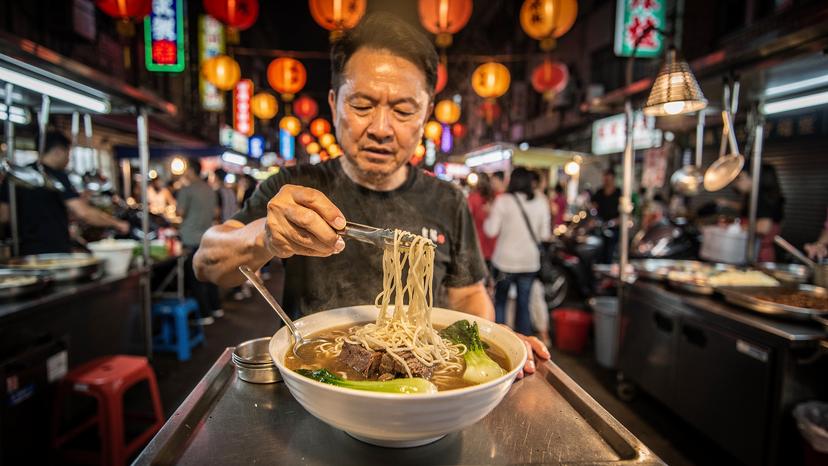
Taiwanese food is a destination in itself. From steaming bowls of beef noodle soup (niúròu miàn) to crispy fried chicken cutlets (jīpái) and delicate xiao long bao, the culinary scene is incredibly rich. It's a fusion of Hakka, aboriginal, and mainland Chinese influences, creating something truly unique. And it's incredibly affordable. You can eat like royalty on a budget.
I've lost count of how many times I've walked into a random local eatery, pointed at something that looked good, and been absolutely blown away. Don't stick to the well-known tourist spots; venture into local markets and smaller restaurants. Some of my favorite meals were had at unassuming stalls in the Gongguan Night Market, where a full dinner often cost less than 150 TWD (about 5 USD). The food is fresh, flavorful, and incredibly diverse, catering to all palates, even picky eaters (like me, sometimes).
Bubble Tea Originated Here
Yes, the global phenomenon that is bubble tea (boba) started in Taiwan. Specifically, it's often attributed to either Chun Shui Tang teahouse in Taichung or Hanlin Tea Room in Tainan, both claiming to be the original creator. Regardless of the exact origin, you'll find bubble tea shops on nearly every corner. And trust me, it tastes different here. Fresher, more variety, and often with more authentic tea bases. Don't leave without trying a classic black milk tea with tapioca pearls. I still miss the original taste from the little shop near my apartment in Yonghe District, New Taipei City. It was my daily ritual.
The National Palace Museum Houses a Treasure Trove
This isn't just any museum. The National Palace Museum in Taipei holds one of the world's largest and finest collections of Chinese imperial artifacts and artworks. Much of this collection was brought to Taiwan by Chiang Kai-shek's Kuomintang forces during the Chinese Civil War. It's so vast that only a fraction of it can be displayed at any one time, with exhibits rotating every few months.
Prepare to spend a good half-day, if not a full day, exploring. Iconic pieces like the Jadeite Cabbage and the Meat-shaped Stone are must-sees, but the sheer volume and quality of ceramics, calligraphy, bronzes, and paintings are incredible. It’s a profound dive into thousands of years of art and history. I always recommend going on a weekday morning to avoid the biggest crowds, especially if you want to get a good look at the more famous pieces.
The Southern Branch Is Worth the Trip
While the main museum is in Taipei, there's also a National Palace Museum Southern Branch in Chiayi. It's a modern, architecturally striking building that focuses more on Asian art and culture beyond the traditional Chinese imperial collection. If you find yourself in the south and have an interest in different regional arts, it's definitely worth the HSR ride. It offers a fresh perspective and a quieter experience compared to the bustling Taipei location.
Hot Springs Are a Way of Life
Taiwan is a volcanically active island, which means it's blessed with abundant hot springs. From luxurious resorts to public baths and even wild, undeveloped springs, there's a soaking experience for everyone. Beitou, easily accessible by MRT from Taipei, is the most famous hot spring district, offering a range of options from public baths (like the Millennium Hot Spring) to private rooms in hotels. Other popular spots include Wulai and Yangmingshan National Park.
It's not just a tourist activity, it's a deeply ingrained part of local culture for relaxation and wellness. The mineral-rich waters are believed to have various health benefits. Taking a dip after a long hike in the mountains or a stressful week of work (yes, even digital nomads get stressed) is incredibly rejuvenating. Just remember to follow local customs: shower thoroughly before entering the springs, and most public baths require you to be fully nude or in specific swimwear depending on the facility.
Understanding Hot Spring Etiquette
This isn't your average swimming pool. There are specific rules. Generally, public baths are segregated by gender. You're expected to wash your entire body thoroughly before entering the hot spring pools. No swimwear is typically allowed in traditional public nude baths. For mixed-gender or family-friendly options, you'll find private rooms or public pools where swimsuits are mandatory. Always check the specific rules of the establishment. Don't be shy, everyone else is doing it, and it's a fantastic cultural experience.
Taiwanese Mandarin Has Its Own Flavor
While Mandarin is the official language, the accent, vocabulary, and even some grammatical structures can differ from Mandarin spoken in mainland regions. It's often described as softer, with less emphasis on the rolling 'r' sound. You'll also hear a lot of loanwords from Japanese and Hokkien (Taiwanese Minnan), which is another widely spoken language, especially among older generations.
Don't worry, if you speak standard Mandarin, you'll be understood. But it's good to be aware of these nuances. Learning a few basic phrases in Taiwanese Mandarin, like "Xièxiè" (thank you) or "Nǐ hǎo" (hello), will be appreciated. Many younger Taiwanese also speak excellent English, especially in Taipei and other tourist areas, but venturing out into smaller towns will require more effort. I used Google Translate frequently, and it became my best friend for navigating menus and asking for directions. Some local apps, particularly for transit or food delivery, might require a local phone number, which is where a reliable eSIM comes in handy to receive verification codes.
The Influence of Hokkien
Hokkien, also known as Taiwanese Minnan, is a vibrant language, especially in the central and southern parts of the island. Many older Taiwanese speak Hokkien as their primary language, and it significantly influences daily speech, even for Mandarin speakers. You'll hear phrases like "Gám-siā" (thank you) or "Lí-hó" (hello) if you spend time in traditional markets or smaller towns. While not essential for travel, recognizing its presence provides a deeper appreciation for Taiwan's linguistic diversity. It's a reminder of the island's unique history and cultural blend.
Temples Are Active Community Hubs
Taiwanese temples are not just historical sites, they are vibrant, active centers of community life. You'll often see people praying, burning incense, making offerings, and even socializing. They're usually bustling with activity, especially during festivals. The architecture is stunning, with intricate carvings, colorful decorations, and often elaborate rooflines adorned with ceramic dragons and phoenixes.
When visiting, be respectful of local customs. Dress modestly, remove your hat, and don't take photos of people praying without permission. You might see locals using divination blocks (jiaobei) or drawing fortune sticks (qiān) to seek guidance. It's fascinating to observe and offers a glimpse into the spiritual life of the Taiwanese people. The Longshan Temple in Taipei, for example, is always full of worshippers and feels less like a museum and more like a living, breathing place of devotion.
The Role of Folk Religion
Taiwanese folk religion is a complex blend of Buddhism, Taoism, and indigenous beliefs. You'll encounter a pantheon of deities, from Guanyin (Goddess of Mercy) to Mazu (Goddess of the Sea), who is particularly revered on an island nation. These deities are often seen as protectors and benefactors. The temples are not just dedicated to one god but often house multiple altars to different deities, reflecting this syncretic nature. It’s a fascinating aspect of the culture that you’ll observe in daily life, from small roadside shrines to grand temples.
The High-Speed Rail Is a Game Changer
Taiwan's High-Speed Rail (HSR) connects Taipei in the north to Kaohsiung in the south, drastically cutting down travel times. What would be a long bus ride becomes a comfortable 1.5-hour journey. The trains are clean, efficient, and punctual, making inter-city travel a breeze. I used it frequently to get from Taipei to Tainan, and it made exploring the island incredibly convenient.
Booking tickets can be done online, at HSR stations, or via the iBon kiosks at 7-Eleven. It's worth booking in advance, especially during peak travel times or holidays, to secure your preferred seat. The HSR is a fantastic option for day trips or moving between different cities if you plan a multi-stop itinerary. For budget travelers, there are often early bird discounts or passes that can save you a significant amount, especially if you're planning multiple journeys.
EasyCard for Seamless Travel
While the HSR has its own ticketing system, for all other public transport, get an EasyCard. This contactless smart card is indispensable for navigating Taiwan's cities. You can use it on the MRT (subway), buses, some trains, and even for small purchases at convenience stores. It saves you the hassle of buying individual tickets and often offers discounts on fares. You can buy and top up an EasyCard at any MRT station or convenience store. It's one of those essential items, alongside a reliable eSIM for your iPhone, that makes travel frictionless.
| Transportation Mode | Coverage | Payment Method |
|---|---|---|
| Taipei MRT | Taipei & New Taipei City | EasyCard, Single-journey token |
| Kaohsiung MRT | Kaohsiung City | EasyCard, iPASS, Single-journey token |
| Taiwan Railways (TRA) | Island-wide (local trains) | EasyCard, iPASS, Ticket |
| High-Speed Rail (HSR) | West coast cities | HSR Ticket (online, station, iBon) |
| City Buses | All major cities | EasyCard, iPASS, Cash (exact change) |
Coffee Culture Is Surprisingly Strong
Before coming to Taiwan, I mostly associated it with tea. While tea culture is indeed robust and ancient, the coffee scene took me by surprise. Taipei, in particular, has a thriving independent coffee shop scene, with specialty roasters and skilled baristas. You'll find everything from minimalist cafes serving pour-overs to cozy spots perfect for an afternoon of laptop work. Starbucks is here, of course, but the local cafes are where it's at.
I spent countless hours working from Fika Fika Cafe in Taipei's Zhongshan District, which won a Nordic Roaster competition, or at Gabee. Cafe, known for its creative coffee concoctions. The average price for a good latte was around 120-150 TWD (4-5 USD), comparable to what you'd pay in a major US city. It's a great place to meet up with friends, get some work done, or just enjoy a quiet moment. If you're a coffee enthusiast, you won't be disappointed.
Local Brewers and Beans
Beyond the cafes, Taiwan also has a growing number of local coffee roasters and even some small-scale coffee farms, particularly in mountainous regions like Alishan. While not as famous as its tea, Taiwanese-grown coffee offers unique flavor profiles. Look for cafes that highlight local beans if you want a truly unique tasting experience. This commitment to quality and local sourcing is a hallmark of the Taiwanese coffee scene.
Arcades Are Still a Thing
In many parts of the world, arcades are a relic of the past. Not so in Taiwan. You'll find vibrant, multi-story arcades bustling with people of all ages, especially in major cities. These aren't just for kids, either. Adults gather to play rhythm games, racing simulators, crane games, and even competitive fighting games. It's a lively and sometimes loud experience, offering a glimpse into a different kind of entertainment culture.
I remember walking past a huge arcade in Ximending, Taipei, one evening and seeing rows of people intently playing Dance Dance Revolution or intricate rhythm games. It’s a blast from the past, but completely current. If you're looking for a fun, interactive way to spend an hour or two, especially on a rainy day, find a local arcade. It's a surprisingly popular pastime.
Claw Machine Mania
Within these arcades, and often in standalone shops, you'll discover a phenomenon: claw machine parlors. These shops are entirely dedicated to crane games, sometimes with hundreds of machines packed into one space, each offering different prizes, from plush toys to electronics and snacks. It's a national obsession, and people spend serious money trying to win. It's fascinating to watch the strategies and the sheer dedication. While I never mastered the art myself, it's definitely a unique slice of Taiwanese pop culture.
Night Markets Are a Culinary Institution
You can't talk about Taiwan without talking about night markets. These aren't just places to eat, they're social events, cultural experiences, and a sensory overload in the best possible way. From the famous Shilin Night Market in Taipei to the smaller, more local ones in Tainan or Kaohsiung, they offer an incredible array of street food, games, and inexpensive goods.
Come hungry and be prepared to graze. Try stinky tofu (a pungent but beloved snack), oyster omelets, pepper buns, glutinous rice sausage, and fresh fruit juices. Don't be afraid to try things you've never seen before. It’s also a great spot to practice your Mandarin, even if it's just pointing and saying "Zhè ge, xièxie" (This one, thank you). Some of the best discoveries I made were just by following my nose down a crowded alley. My go-to was always the fried chicken cutlet from a stall in Ningxia Night Market, always crispy, always satisfying.
Navigating the Night Market Crowds
Night markets can get incredibly crowded, especially on weekends. Here are a few tips to make the most of it:
- Go early: Arrive right when they open (usually around 5-6 PM) to beat the biggest rush.
- Cash is king: While some larger stalls might accept digital payments, many smaller vendors are cash-only. Have plenty of small bills.
- Follow the locals: If you see a long line, it's usually for a reason. Join it!
- Be adventurous: Don't stick to what you know. Try new things.
- Hold your ground: It's busy, but generally polite. Just be mindful of your surroundings.
The Internet Is Blazing Fast and Reliable
This is a big one for digital nomads and anyone who relies on connectivity. Taiwan consistently ranks among the top countries for internet speed and accessibility. Whether you're in a major city, a co-working space, or even many cafes, you'll find reliable and fast Wi-Fi. My experience at FutureWard Central in Taipei was always seamless, with speeds that put most places I've worked from to shame.
Even mobile data is excellent. With a Cellesim Taiwan eSIM, you can expect solid 4G LTE coverage across most of the island, and 5G is rapidly expanding. This means smooth video calls, quick uploads, and no frustrating buffering when you're trying to navigate or look up information on the go. Having an eSIM ensures you're connected from the moment you land, without the hassle of finding a local SIM card kiosk or dealing with expensive roaming charges from your home carrier like AT&T or T-Mobile (trust me, I've seen the bills). A Cellesim Taiwan eSIM offers flexibility for different data needs with 11+ plans.
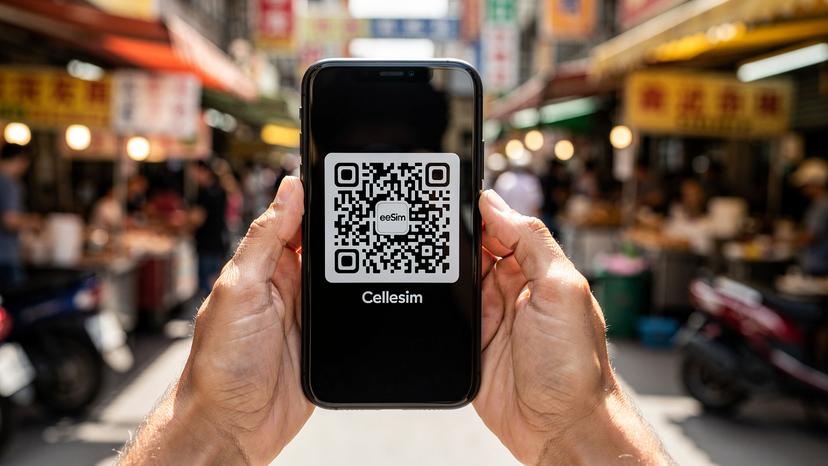
Getting Connected with an eSIM
For me, an eSIM is the go-to for Taiwan. No fumbling with tiny physical SIM cards at the airport, and you activate it before you even leave home. Here's how I typically set it up:
- Purchase your Cellesim Taiwan eSIM: Head to the Cellesim Taiwan page and choose a plan that fits your data needs and duration.
- Install the eSIM: You'll receive a QR code or manual details. Scan it with your phone's camera (usually in Settings > Cellular/Mobile Data > Add eSIM). Make sure you have a Wi-Fi connection for this step.
- Activate the eSIM: Follow the on-screen prompts. I usually enable data roaming for the eSIM line and label it "Taiwan Travel" so I don't accidentally use my home plan.
- Land and Connect: Once you land in Taiwan, your phone should automatically connect to a local network. Easy.
This method saves me airport time and ensures I have data for ride-sharing apps, maps, and translating right away. It's a small detail that makes a huge difference in those first few hours after a long flight.
| Feature | Cellesim eSIM | Traditional Physical SIM |
|---|---|---|
| Activation Speed | Instant (QR code) | Requires purchase, registration at store |
| Convenience | Purchase & install before travel | Airport kiosk, local store hunt |
| Price (Entry-level) | Starts at $9.45 | Varies, often higher for short terms |
| Dual SIM Use | Keep home number active | Requires dual SIM phone or swapping |
| Availability | Online, 24/7 | Store hours, stock availability |
Frequently Asked Questions
Do I need a visa to visit Taiwan?
Many nationalities, including US citizens, can enter Taiwan visa-free for up to 90 days. Always check the latest visa requirements for your specific nationality with the Taipei Economic and Cultural Representative Office (Taiwan's de facto embassy) in your country before travel. Visa policies can change, so verifying current regulations is crucial.
What is the local currency in Taiwan and how do I get it?
The local currency is the New Taiwan Dollar (TWD). You can get TWD from ATMs at airports, convenience stores, and banks. Most major establishments accept credit cards, but having cash for night markets, small eateries, and street food vendors is highly recommended. I usually withdraw a good amount from an ATM upon arrival.
Is English widely spoken in Taiwan?
In major cities like Taipei and in popular tourist areas, many younger people and those in the service industry speak good English. However, in smaller towns or local eateries, English proficiency might be limited. Learning a few basic Mandarin phrases and using translation apps will greatly enhance your experience.
What's the best way to get around Taiwan?
For inter-city travel, the High-Speed Rail (HSR) is fast and efficient on the west coast. For local city travel, the MRT (subway) in Taipei and Kaohsiung is excellent. Buses are comprehensive everywhere. I highly recommend getting an EasyCard for seamless travel on public transport and even some convenience store purchases. Scooters are common but require caution for foreigners.
What are some must-try foods in Taiwan?
Definitely try beef noodle soup, xiao long bao (soup dumplings), stinky tofu (if you're brave!), oyster omelets, pepper buns, and of course, bubble tea. Explore the night markets for an incredible variety of street food. Don't be afraid to try local specialties, as the food scene is a highlight of any trip to Taiwan.