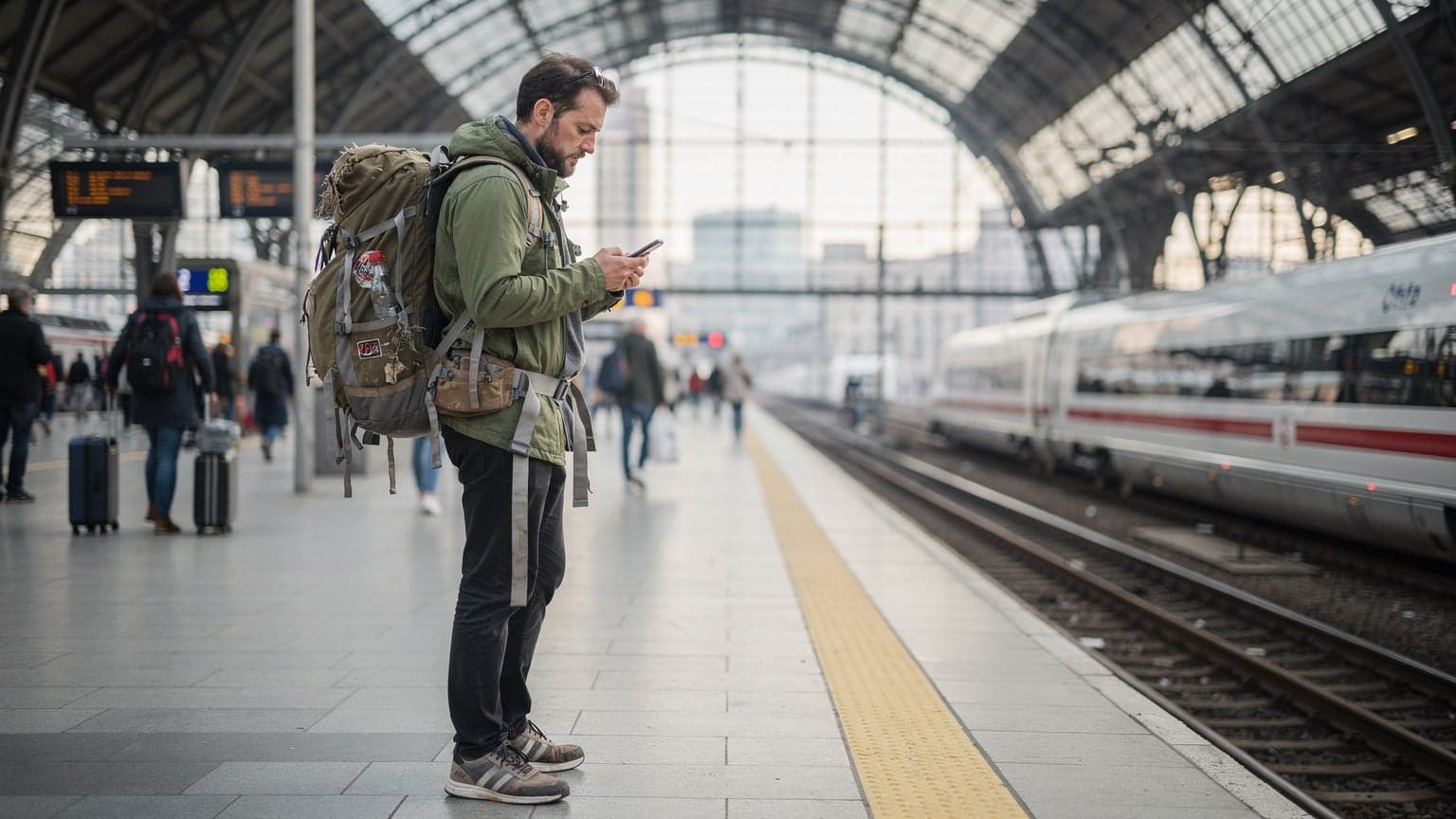
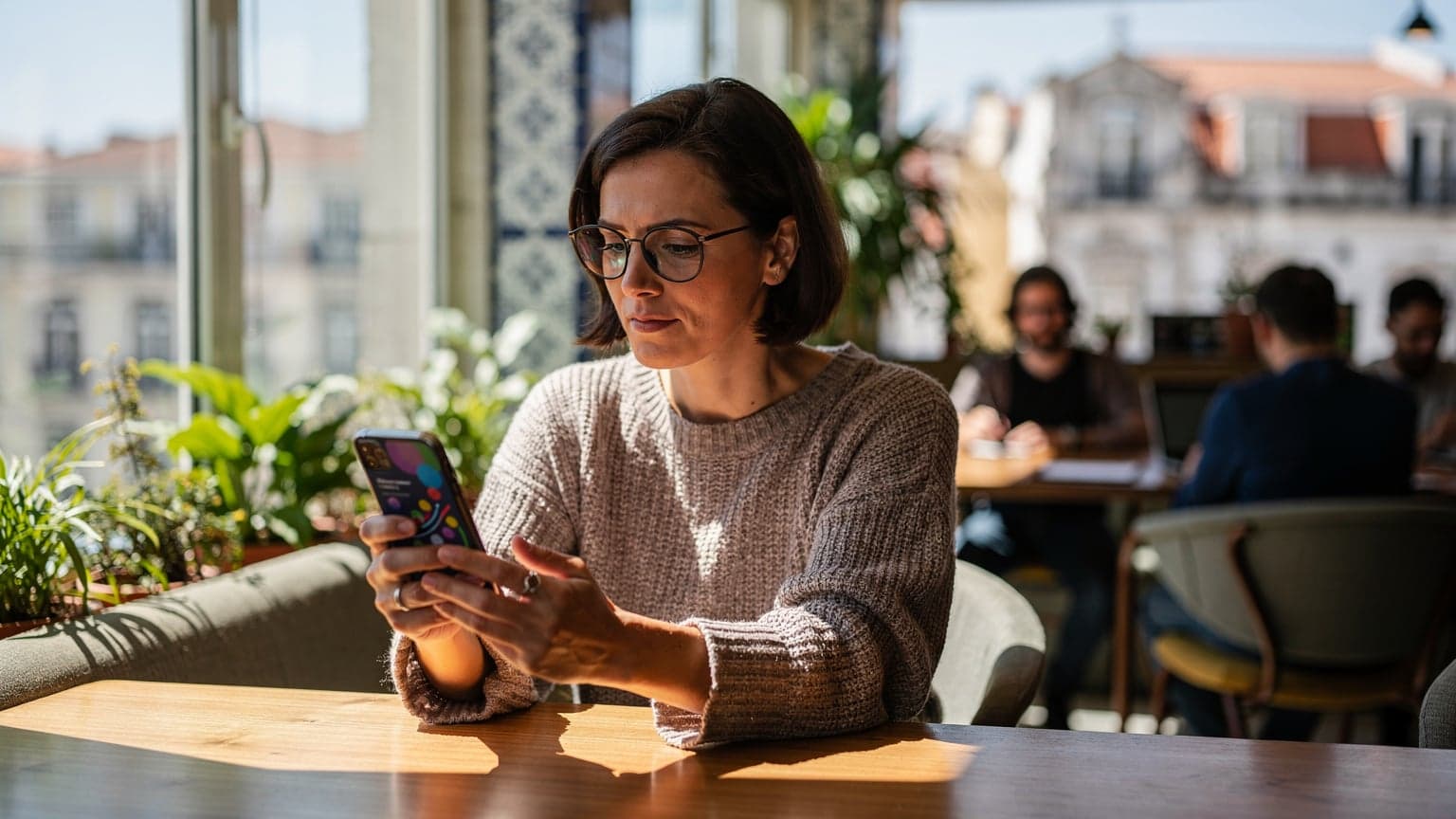
Picture this: you're at Namsan Tower, trying to upload that perfect panoramic shot of Seoul's sparkling cityscape. Suddenly, your phone buzzes. You've just racked up a $30 roaming charge for a few measly megabytes. For travelers hitting South Korea in 2026, this isn't just a bad dream; it's a very real problem if you don't plan your connectivity. Most tourists end up shelling out over $100 on sneaky roaming fees during a typical week-long trip. That's money you could have spent on amazing street food or catching a K-pop show.
- The Real Cost Problem: What Travelers Actually Pay in South Korea
- Option 1 Detailed Breakdown: Carrier Roaming in South Korea (2026)
- Option 2 Detailed Breakdown: Local Physical SIM Cards in South Korea (2026)
- Option 3 Detailed Breakdown: Portable WiFi (Pocket WiFi) in South Korea (2026)
- Option 4 Detailed Breakdown: eSIM with Cellesim in South Korea (2026)
- Head-to-Head Comparison: Connectivity Options for South Korea 2026
- Real-World Savings: 7-Day South Korea Trip Cost Comparison
- Hidden Costs Most People Miss When Traveling to South Korea
- Best Choice by Traveler Type for South Korea in 2026
- How to Switch and Save Right Now for Your South Korea Trip
- Frequently Asked Questions
The Real Cost Problem: What Travelers Actually Pay in South Korea
South Korea in 2026 promises amazing sights, from ancient palaces to the lively streets of Myeongdong. But keeping your phone connected can easily blow your travel budget, faster than a street vendor can hand you a plate of Tteokbokki. Many visitors assume their home phone plan's international roaming will be fine, only to come back to a bill much bigger than they expected.
For instance, if you're a T-Mobile "Essentials" user from the US, you might get slow data in South Korea. Need faster speeds? A "Speed Pass" could cost $5 for 500MB. Those charges add up fast. Or, if you're from the UK with Vodafone, a daily roaming bundle could set you back £6-8 (about $8-$11 USD). These small daily fees snowball. Suddenly, checking Instagram or finding your way with Google Maps becomes a major expense. Over a week, these costs can hit $70-$100, which is enough to cover entry to Gyeongbokgung Palace and a fantastic Korean BBQ meal.
The answer isn't to go completely offline, but to pick a smarter, more affordable way to get mobile data. Knowing what each option really costs is the first step to a budget-friendly trip. To learn more about avoiding these charges, check out our guide on how to avoid roaming charges and stay connected abroad.
Option 1 Detailed Breakdown: Carrier Roaming in South Korea (2026)
Using your home carrier's roaming is still a common choice for South Korea-bound travelers, but it's often the most expensive. It's easy because you just make sure international roaming is on, but the costs can quickly get out of hand. Big US carriers like AT&T, Verizon, and T-Mobile, along with UK providers like EE, Vodafone, and Three, offer various international plans. But in 2026, these usually come with big limits or high pay-per-use rates.
For example, Verizon's International TravelPass costs around $10-15 USD daily. It lets you use your domestic plan's data, talk, and text. But you get charged that fee every 24 hours you use your phone, even if it's just for one text. AT&T’s International Day Pass is similar, usually $10 USD per day. For T-Mobile users, some plans include international roaming at 256kbps. That's barely enough for messaging and often too slow for maps or streaming video. If you want high-speed data, you'll usually have to buy expensive data passes.
Beyond daily charges, many roaming plans cap your high-speed data or slow down your speeds after you've used a certain amount. This leaves you with painfully slow internet when you need it most. If you use more data than planned, you could face outrageous pay-as-you-go rates, sometimes over $10 per megabyte in extreme cases. This unpredictability makes carrier roaming a risky bet for travelers in South Korea who are watching their budget. Always double-check your specific carrier's 2026 international rates before your trip to avoid a nasty bill.
Option 2 Detailed Breakdown: Local Physical SIM Cards in South Korea (2026)
Once you land at Incheon International Airport (ICN) in 2026, many tourists think about buying a local physical SIM card. South Korea has three main mobile networks: SK Telecom, KT, and LG U+. They all offer various prepaid SIM card options designed for visitors, giving you solid 4G and growing 5G coverage across the country.
Usually, you'll line up at an airport kiosk, show your passport for ID, and then pop the physical SIM card into your phone. While this is generally cheaper than roaming, it still has its drawbacks. You might spend 30-60 minutes at the airport, dealing with potential language barriers and waiting in line, especially during busy travel times.
In 2026, typical tourist SIM cards in South Korea could cost around $25-$40 USD for 5-10GB of data, good for 7-10 days. You get a local Korean number and generally reliable speeds, but you have to physically swap out your home SIM. This means you risk losing it and temporarily losing access to your main number for calls and texts, unless your phone has dual SIM capabilities. This physical hassle and the "airport convenience tax" can make your arrival a bit more stressful than it needs to be. For more on this, check out why an airport SIM vs. eSIM will cost you more.
Option 3 Detailed Breakdown: Portable WiFi (Pocket WiFi) in South Korea (2026)
Portable WiFi devices, often called Pocket WiFi or a WiFi egg, are another popular choice for travelers in South Korea. These small, battery-powered gadgets create your own personal WiFi hotspot, letting several devices connect at once. Big providers like KT and LG U+ offer rental services right at Incheon Airport and other key spots, with daily rental fees.
In 2026, renting a Pocket WiFi usually costs about $5-$10 USD per day for unlimited or high-data plans. On top of that, you'll typically need to pay a refundable deposit of $100-$200 USD and possibly insurance fees. The big perks are sharing data with travel buddies and consistent internet. But there are downsides. It's another device to lug around, it needs daily charging, and you have to be careful not to lose or damage it.
Picking it up and dropping it off at the airport or other designated places can be a pain, especially with tight flight schedules. If you're traveling solo, the cost per person is higher than a personal phone solution. A dead battery or a lost device means you're completely cut off and could face hefty replacement charges. While it's great for sharing, the extra logistics and costs can often outweigh the benefits for many travelers. For a broader look, read our guide on eSIM vs Pocket Wi-Fi vs Roaming.
Option 4 Detailed Breakdown: eSIM with Cellesim in South Korea (2026)
For travelers looking for a truly modern, no-fuss way to stay connected in South Korea, a Cellesim eSIM for South Korea is quickly becoming the favorite in 2026. Cellesim offers digital SIM cards that activate instantly. This means no physical SIM swapping, no long airport lines, and no extra devices to carry. With Cellesim, you can buy and activate your data plan completely online, often even before you leave for your trip.
Cellesim gives you excellent coverage in South Korea by teaming up with local network partners. You'll get reliable 4G and 5G speeds in cities like Seoul and Busan, and even in more rural spots. Plans are flexible, from small data bundles for quick trips to bigger packages for longer stays. Prices are also much better than traditional roaming.
For example, a Cellesim eSIM plan for South Korea might give you 5GB of data for 10 days for around $10-$15 USD. That's fantastic value. You simply pick your plan on cellesim.com, pay using your credit/debit card, PayPal, or Alipay, and your eSIM QR code arrives in your email within minutes. This instant delivery, plus 24/7 multilingual email support at [email protected], ensures a smooth experience. Join the 50,000+ happy customers worldwide who rely on Cellesim for their travel connectivity in over 200 countries.
Instant Connectivity in South Korea
Don't waste time and money on slow airport WiFi or expensive roaming. Get instant, reliable data with a Cellesim eSIM for South Korea. Join 50,000+ satisfied travelers today.
Buy South Korea eSIMHead-to-Head Comparison: Connectivity Options for South Korea 2026
To help you pick the right option for your 2026 South Korea trip, here's a direct comparison of the four main ways to connect. We've highlighted Cellesim eSIM to show how it stands out, especially for cost and convenience for today's traveler.
As this table shows, Cellesim eSIM consistently offers the best balance of affordability, convenience, and fast local network access without the usual headaches of other options. That makes it an ideal pick for most travelers to South Korea in 2026.
Real-World Savings: 7-Day South Korea Trip Cost Comparison
To really see the cost differences, let's look at a common scenario: a 7-day trip to South Korea in 2026. Our traveler uses a moderate amount of data, about 10GB, for things like navigation, social media, messaging, and a few video calls. You'll see the savings are huge when you choose wisely.
As you can see, picking a Cellesim eSIM could save you anywhere from 50% to over 80% compared to typical roaming. Those savings mean more money for enjoying South Korea's rich culture and amazing sights. You can even visualize your potential savings using our Roaming Savings Calculator.
Hidden Costs Most People Miss When Traveling to South Korea
Beyond the advertised prices, there are a few hidden costs that can really drive up your mobile data expenses when you're in South Korea. Knowing about these in 2026 can help you avoid unwelcome surprises on your bill.
- Activation Fees for Local SIMs: Some local carriers might charge a small fee to activate your SIM, which isn't always clearly stated upfront.
- Overage Charges & Throttling: "Unlimited" roaming plans often only give you a small amount of high-speed data. After that, speeds drop dramatically (like to 256kbps), making your internet practically useless. If you go over specific limits on non-unlimited plans, you could face hefty per-MB charges.
- Currency Conversion Fees: When you buy local SIMs or pay for roaming in a foreign currency, your bank or credit card might hit you with bad exchange rates or foreign transaction fees.
- Portable WiFi Penalties: Returning a Pocket WiFi device late, damaging it, or losing it can lead to massive charges, often the full retail price of the device. Plus, your deposit is held until you return it, tying up your cash.
- Unreliable Public WiFi: Relying solely on free public WiFi in cafes or hotels can be spotty and insecure. This often forces you to switch back to more expensive mobile data when you really need to use maps or communicate.
These potential problems highlight why a clear, prepaid solution like Cellesim eSIM gives you much better control over your budget. Planning your data needs ahead of time is crucial. Consider our guide on how much data you really need for a 1-week trip.
Best Choice by Traveler Type for South Korea in 2026
The perfect way to stay connected in South Korea in 2026 often depends on how you travel and what you need. Here's a breakdown to help different kinds of travelers pick the best option:
- Business Travelers: If you're on a tight schedule and need constant, reliable internet for video calls and emails, a Cellesim eSIM is essential. It activates instantly, keeps your home number active for important calls, and provides strong 4G/5G speeds across South Korea. Smooth connectivity is key, and a Cellesim eSIM for business travelers delivers just that.
- Families & Groups: While a Pocket WiFi might seem good for sharing, dragging around and charging another device can be a pain. Instead, individual Cellesim eSIMs for each family member, or even a single Cellesim eSIM used with a personal hotspot, can be a more flexible and reliable choice, avoiding a single point of failure. Learn more about how to use your eSIM personal hotspot.
- Backpackers & Budget Travelers: Cost is usually the top concern. Cellesim eSIMs offer some of the best per-GB rates, letting budget travelers stay connected without draining their wallet. It means no airport lines for local SIMs and no daily rental fees for Pocket WiFi, freeing up time and money for more adventures.
- Digital Nomads & Long-Term Visitors: For longer stays, digital nomads need consistent high-speed data and the flexibility to manage their plans. Cellesim's various data packages and the ability to manage multiple eSIMs make it a fantastic choice. The dual SIM feature with an eSIM lets you keep your primary number active while using local data. Explore our guide on eSIMs for digital nomads and how to use dual SIM on iPhone.
Ultimately, Cellesim eSIMs are perfect for most tourists in South Korea. They offer the "best eSIM for tourists" by finding that sweet spot between cost, convenience, and performance.
How to Switch and Save Right Now for Your South Korea Trip (2026 Action Steps)
Switching to a Cellesim eSIM for your 2026 South Korea trip is super easy and only takes a few minutes. Here's how to get affordable, reliable data locked in before you even start packing:
- Check Device Compatibility: First, make sure your phone works with eSIMs. Most newer iPhones (XS and up) and many Android phones (Samsung Galaxy S20 series and up, Google Pixel 3 and up) are eSIM compatible. You can quickly check this with the Cellesim compatible devices checker.
- Choose Your Plan: Head over to cellesim.com and look at the South Korea eSIM plans. Pick a data package that fits how long you're traveling and how much data you think you'll use. Cellesim also has Asia regional eSIM plans if you're also visiting nearby countries like Japan or Taiwan.
- Purchase Securely: Add your chosen plan to your cart and go to checkout. Cellesim accepts various secure payment methods, including credit/debit cards, PayPal, and Alipay, with prices in local currencies.
- Receive Your eSIM: Within minutes of buying, a QR code and step-by-step installation instructions will land in your email inbox.
- Install Your eSIM: Just follow the simple guide. For iPhones, go to Settings → Cellular → Add Cellular Plan and scan the QR code. For Android, it's similar, usually under Settings → Network & internet → SIMs → Add more. Make sure you're connected to WiFi when you install it. Cellesim provides a full installation guide for both iPhone and Android.
- Activate Upon Arrival: Once installed, your eSIM plan will automatically kick in when you touch down in South Korea and connect to the local network. You can set up your phone to use the eSIM for mobile data and your physical SIM for calls and texts, so you keep your original number.
By getting your eSIM before you go to Korea, you ensure you're connected the moment you step off the plane. This skips expensive roaming and those annoying airport errands.
Picking the right mobile data for your South Korea trip in 2026 doesn't have to be hard or pricey. Once you understand the real costs and perks of each option, it's clear that Cellesim eSIMs offer a better, budget-friendly, and super convenient way to stay connected. Forget the roaming headaches, skip the airport lines, and enjoy instant connectivity so you can focus on making amazing memories.
Stay Connected in 200+ Countries Globally
Don't let connectivity woes limit your adventures. Cellesim offers reliable and affordable eSIM plans for 200+ countries, ensuring you're always connected, wherever you go.
Explore All eSIM PlansJoin 50,000+ satisfied travelers worldwide.
Frequently Asked Questions
Is an eSIM cheaper than roaming in South Korea?
Yes, absolutely. An eSIM is way cheaper than traditional carrier roaming in South Korea. While roaming day passes can cost $10-$15 USD per day for limited data, Cellesim eSIM plans give you competitive data packages, often several gigabytes for a fraction of that cost over many days. For instance, you could grab 10GB for 15 days for about $20, saving up to 80% compared to typical roaming charges.
Can I keep my original phone number with a South Korea eSIM?
You bet. Most modern smartphones have dual SIM features, meaning you can use both your physical SIM card (for your home number) and your Cellesim eSIM (for local data in South Korea) at the same time. This lets you keep getting calls and texts on your main number while using the eSIM for all your internet needs, avoiding expensive international data roaming charges.
How do I activate a Cellesim eSIM for South Korea?
Activating a Cellesim eSIM for South Korea is super fast and easy. After buying a plan on cellesim.com, you'll get a QR code in your email. Just go to your phone's Settings, find Cellular (or Network & internet on Android), choose Add Cellular Plan, and scan that QR code. Make sure you're on WiFi while installing it. Your eSIM will then be ready to activate the moment you arrive in South Korea.
What data speeds can I expect with an eSIM in South Korea?
With a Cellesim eSIM in South Korea, you can expect fantastic data speeds, usually 4G LTE and increasingly 5G. This is because Cellesim uses strong local networks like SK Telecom, KT, and LG U+. Cellesim partners with top local providers to give you reliable and fast internet access in big cities like Seoul and across the country, so you can browse, stream, and make video calls without a hitch.
When should I buy my South Korea eSIM?
We highly recommend buying and installing your Cellesim eSIM before you even travel to South Korea. This lets you set up your connectivity from the comfort of your home or hotel. That way, you avoid airport queues and ensure you have internet access the second your plane lands. This proactive approach saves time and removes any last-minute stress, allowing you to hit the ground running on your 2026 trip.
See also: eSIM for Taiwan
See also: eSIM for Seoul