A Nation of Two Official Languages
Timor-Leste is one of those places where language really shapes your experience. Unlike many former colonies that settle on one main language, Timor-Leste uses two official languages: Tetum and Portuguese. This isn’t just some historical footnote; you’ll hear both languages regularly, especially in government buildings and schools. Tetum is what people speak day to day, a Malayo-Polynesian language with some Portuguese influence. Portuguese, on the other hand, nods to the country's colonial past and is a source of pride for many.
If you're staying a while, learning a few Tetum phrases will make a big difference, especially outside of Dili. It’s not like needing a local SIM for banking apps, but knowing basics like 'Bondia' for good morning and 'Obrigado' for thank you really helps. While younger people, especially those in hospitality, often speak some English, don’t count on it everywhere.
Tetum and Portuguese in Daily Life
In Dili, you'll hear a blend of both languages. Street signs are often bilingual, and conversations can easily switch back and forth. When I was there, trying to get a ride from the airport, my taxi driver spoke a mix of Tetum and broken English, but he got 'Aeroporto' perfectly. It's a pragmatic way of communicating that frequent travelers get used to, learning to pick up context clues. The country's linguistic richness goes even further, with over a dozen other indigenous languages spoken in different districts, creating a fascinating, if sometimes tricky, linguistic landscape for visitors.
Connectivity Challenges and eSIM Solutions
Let's be honest, staying connected is essential for most of us, whether you’re working or just checking in with family. Timor-Leste has improved its internet infrastructure, but it's not a tech hub. Coverage can be spotty once you leave major towns like Dili. Relying on local SIM cards from Telkomcel or Timor Telecom means hunting down a vendor, dealing with activation, and often needing a local ID for registration. That can be a real headache if your visa has restrictions or your documents aren't instantly recognized. I've wasted too many hours trying to activate local SIMs in obscure places.
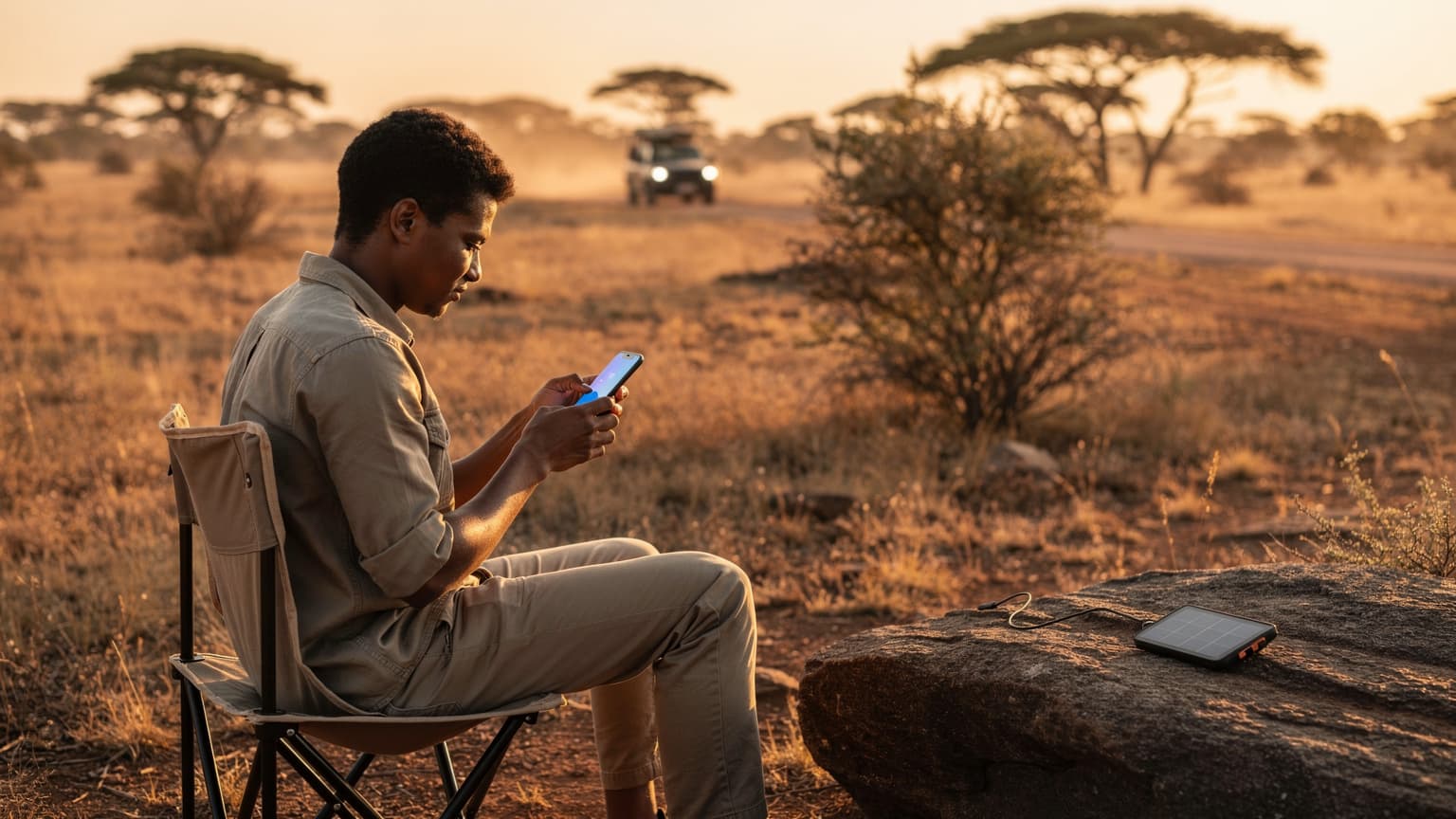
This is where an eSIM truly shines. For Timor-Leste, a Cellesim Timor-Leste eSIM starts at $18.20, with several plans available. You can activate it before you even arrive, ensuring you have data the moment you land. No more scrambling for Wi-Fi or wrestling with registration forms. For a digital nomad, this kind of smooth setup is a lifesaver. It lets you confirm a ride-share or quickly check maps without stress, especially when you're in a new city and just need to orient yourself. I’ve found having data ready is more critical here than in, say, Europe, where public Wi-Fi is more common. It frees you up to enjoy the actual travel experience.
Finding Reliable Wi-Fi in Dili
Even with an eSIM, you’ll still want good Wi-Fi for video calls or big uploads. In Dili, your best bet for consistent speed is usually larger hotels or dedicated co-working spaces. I found the Timor Plaza Hotel had decent speeds in their lobby cafe, enough for my daily syncs. For more focused work, Dili Co-working Space (a small but functional spot near the main government offices) usually offered reliable, though not super fast, internet. Expect speeds that are fine for email and light browsing, but don't plan on uploading 4K video files in a hurry. For serious content creators, I always suggest backing up with a robust eSIM plan, because even the best local Wi-Fi can fail. This is vital for anyone who depends on their connection, similar to how iPhone 15 eSIM Setup helps with seamless family data abroad.
| Provider Type | Reliability in Dili | Typical Use Case |
|---|---|---|
| Cellesim eSIM | High, immediate upon arrival | Initial navigation, messaging, light browsing, backup |
| Hotel Wi-Fi (e.g., Timor Plaza) | Moderate to High | Email, video calls, scheduled uploads |
| Co-working Space (e.g., Dili Co-working) | Moderate to High | Focused work, larger file transfers (with patience) |
| Local Cafe Wi-Fi | Low to Moderate, inconsistent | Quick checks, social media |
A Young Country with Ancient Roots
Timor-Leste officially became an independent nation in 2002, making it one of the world’s youngest countries. Yet, its history goes back thousands of years, marked by various colonial powers and a brutal fight for independence. Because of this recent history, you’ll see reminders of its past everywhere, from resistance museums to buildings scarred by bullets. It’s a country still finding its footing, and you can really feel that energy. The resilience of the Timorese people is obvious, showing their enduring spirit.
The Struggle for Independence
The road to independence was long and difficult, involving periods of Portuguese, Japanese, and Indonesian rule. The 24-year Indonesian occupation, in particular, left deep scars. Visiting places like the Chega! Exhibition (a former prison now a museum) in Dili offers a sobering, but crucial, look into this time. These aren't just historical facts; they’re living memories for many older residents. Understanding this background helps you appreciate the strong sense of national identity and peace that now exists.
Coffee Culture and Agricultural Heritage
Timor-Leste is renowned for its coffee, specifically Arabica beans. This isn't just everyday coffee; we're talking about organic, shade-grown coffee, often cultivated by small farmers in the mountains. The country’s unique microclimates give the coffee a distinct flavor that coffee lovers rave about. You’ll find local cafes in Dili proudly serving their own brews. If you venture into the hills around Maubisse or Ermera, you can often visit coffee plantations and see the whole process yourself.
Beyond Coffee: Other Agricultural Products
While coffee is the biggest star, Timor-Leste’s agriculture also includes crops like rice, maize, cassava, and various fruits. The fertile land and traditional farming methods support much of the rural population. You’ll see roadside stalls selling fresh produce, often harvested just hours before. This farming backbone is crucial to the local economy, though it also faces challenges from climate change and poor infrastructure. Supporting local markets and coffee producers is a direct way to contribute to the community. This kind of local engagement is a key part of the digital nomad lifestyle, much like exploring Nomad eSIM Alternatives for reliable connectivity.
The Tais, A Symbol of Identity
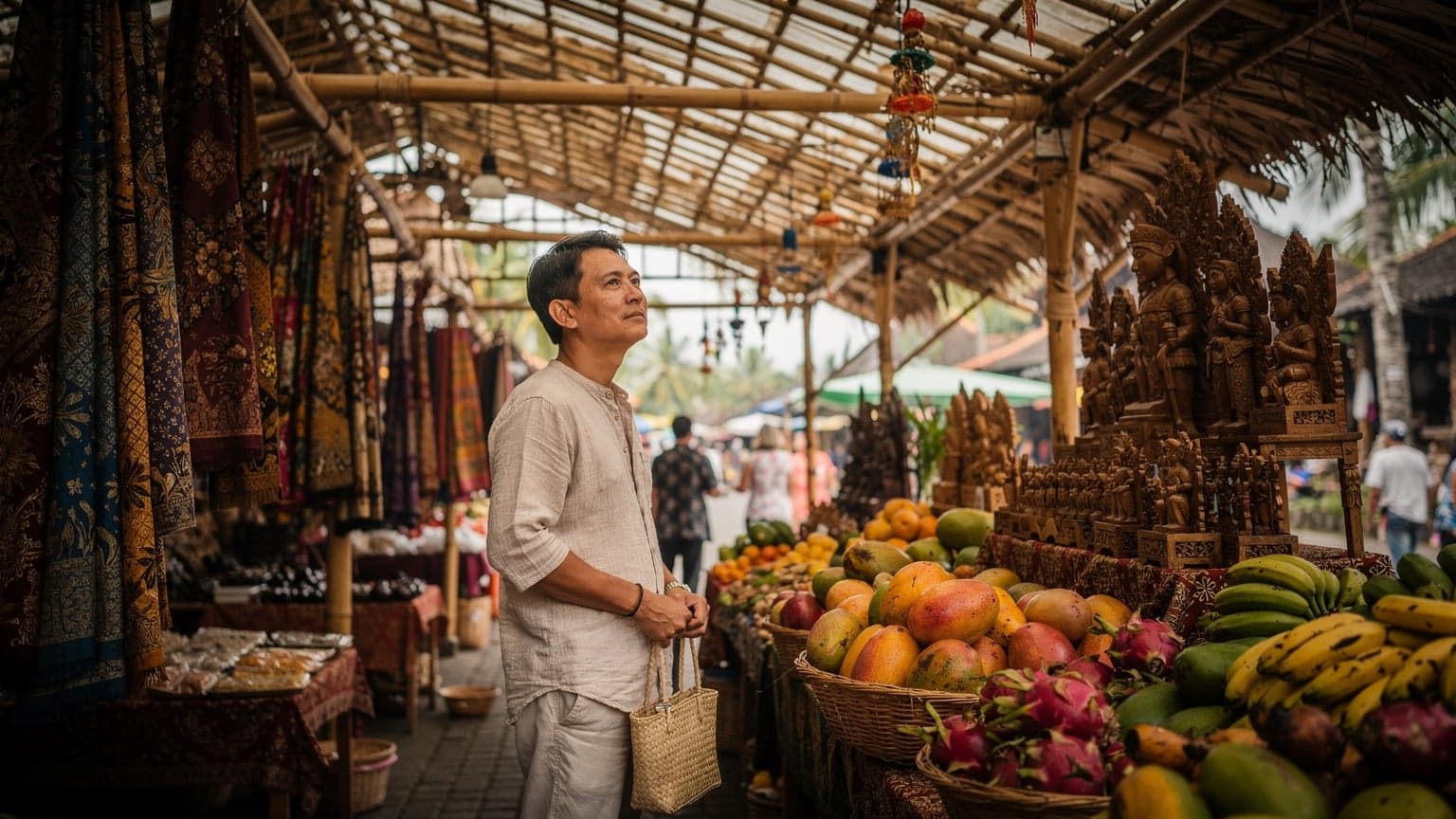
The Tais is a traditional woven textile unique to Timor-Leste. It’s far more than just a piece of fabric; it’s a powerful symbol of identity, culture, and social status. Each region, and even individual families, often have distinct patterns and colors, telling stories through intricate designs. You’ll see Tais worn during ceremonies, given as gifts, and even incorporated into modern fashion. Buying a Tais isn't just picking up a souvenir; it’s an investment in local craftsmanship and a piece of Timorese heritage. Head to the Tais Market in Dili for the best selection and to watch weavers at work.
The Craftsmanship of Tais Weaving
The weaving process is incredibly labor-intensive, often taking weeks or even months for a single piece, depending on how complex it is. Natural dyes are frequently used, adding to the authenticity and value. When you see the dedication that goes into each thread, you understand why it’s so revered. I’ve spent time watching the women at the market, their fingers moving with such practiced grace, it’s truly an art form. It's a connection to tradition that you don't see in many places anymore.
Navigating the Capital, Dili
Dili, the capital, is where most visitors will begin their journey. It's a sprawling coastal city, generally more laid-back than many other Southeast Asian capitals. Don't expect huge skyscrapers; instead, you'll find a mix of Portuguese colonial architecture, modern government buildings, and lively local markets. Major attractions, like the Cristo Rei statue or the Resistance Museum, are easy to reach by taxi or 'mikrolet' (shared mini-vans). While not as chaotic as Bangkok, traffic can get busy during peak hours, especially around the main market areas.
Transportation and Neighborhoods
Getting around Dili usually means taking taxis, which are plentiful and affordable, or mikrolet. Always agree on the fare before you get in, or insist on the meter. For longer stays, renting a scooter is an option, but only if you're an experienced rider with proper international permits, as local driving can be unpredictable. When I rented an apartment in the Lecidere neighborhood, the monthly rent was around $400-600 USD for a basic one-bedroom. It was a reasonable base, close enough to the city center but quiet enough for work. For some apps, especially local ride-sharing or food delivery if they pop up, a local SIM might be needed for verification, but for general navigation and communication, an eSIM works great.
Local Currency and Cost of Living
Timor-Leste uses the United States Dollar (USD) as its official currency. This makes things simpler for many international visitors, as there's no constant currency conversion. However, they also have their own centavo coins, which are pegged to the USD. You'll often receive these centavo coins as change. While the USD is used, the cost of living can be surprisingly high for certain imported goods, especially compared to neighboring Indonesia. Budgeting is essential here.
Budgeting for a Long Stay
For a digital nomad planning a long stay, a realistic monthly budget for Dili, not including rent, might be around $500-800 USD. This covers local food (eating at small warungs or local eateries), transportation, and basic necessities. Eating at international restaurants will quickly increase costs. A meal at a local eatery, like those near the Manatuto Market, can be as low as $3-5 USD. Utilities for an apartment can add another $50-100 USD. It's not a budget destination like some parts of Southeast Asia, so plan accordingly. Getting your connectivity sorted with an eSIM for PCs & Laptops can help manage data costs across all your devices.
| Expense Category | Estimated Monthly Cost (USD) | Notes |
|---|---|---|
| Rent (1-BR Apartment in Dili) | $400 - $600 | Varies by neighborhood and amenities |
| Food (Local Eateries) | $200 - $350 | Eating out locally, cooking some meals |
| Utilities (Electricity, Water) | $50 - $100 | Can be higher with heavy AC usage |
| Transportation (Local Taxis/Mikrolet) | $50 - $100 | Daily commutes within Dili |
| Internet (Cellesim eSIM + Co-working) | $30 - $60 | Tiered plans, co-working access fees |
Visa Requirements and Entry Protocols
Visa requirements for Timor-Leste can be a bit tricky, so it's absolutely crucial to check the latest information from the Timorese embassy or consulate in your country before you travel. Many nationalities can get a visa on arrival at Dili's Nicolau Lobato International Airport, but this isn't true for everyone. Some travelers need pre-arranged visas. If you’re eligible for a visa on arrival, you’ll typically pay a fee in USD and need to show proof of onward travel. I’ve seen people turned away because they didn't have a printout of their flight out, so don’t miss these small details.
Preparing Your Documents
Always have a printed copy of your flight itinerary, hotel booking, and proof of sufficient funds (usually around $100 USD per day) ready to show. While I’ve never personally had to show proof of funds, it's a standard requirement. Also, make sure your passport has at least six months of validity left from your planned entry date. These are the kinds of administrative hurdles that can completely ruin a trip if you're not prepared, far more frustrating than figuring out T-Mobile eSIM QR Code activation.
Diving Paradise at Atauro Island
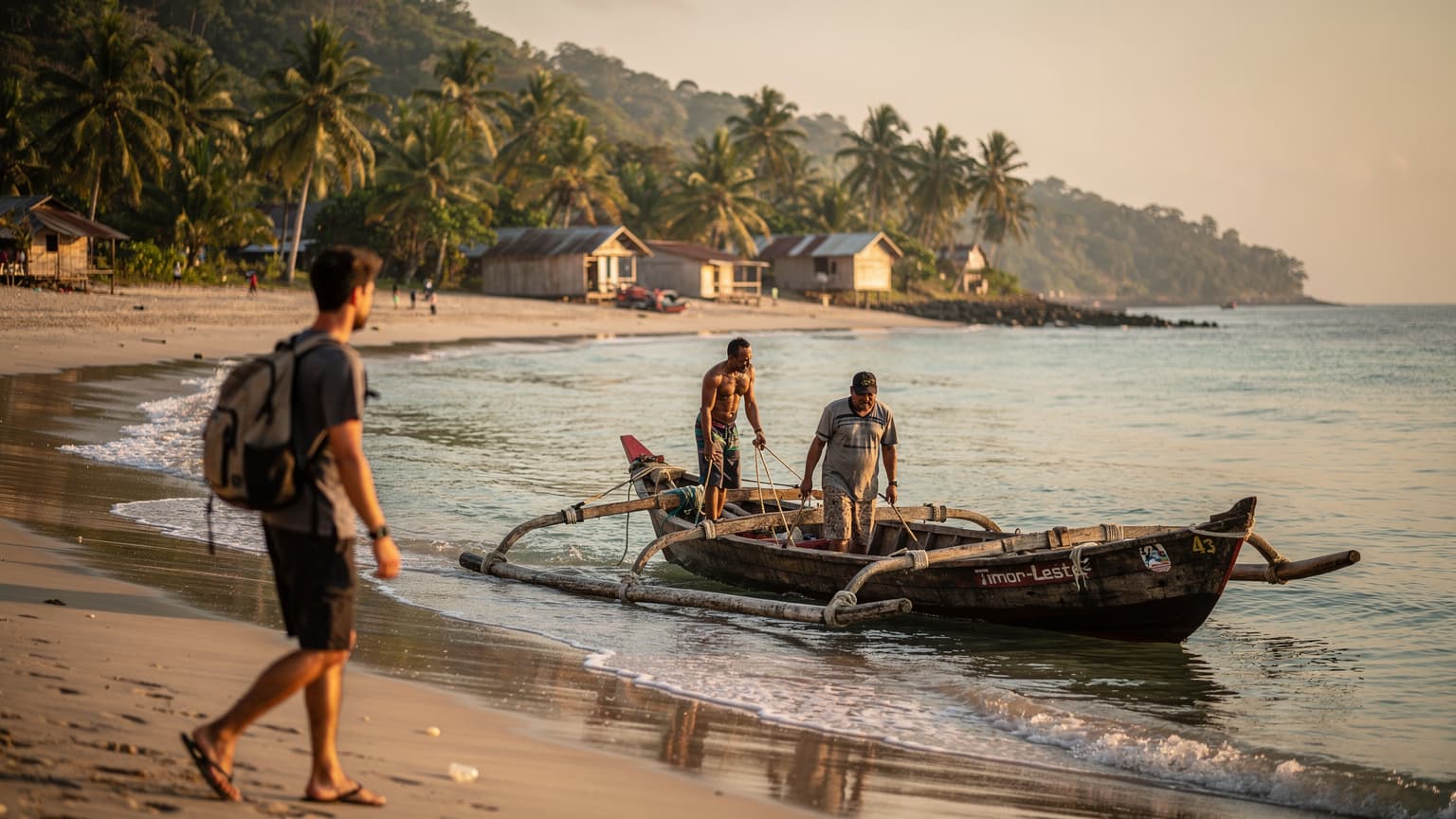
Just off the coast of Dili, Atauro Island is a real treasure, especially for divers and snorkelers. It boasts some of the most biodiverse coral reefs in the world, often called a global hotspot for marine life. The waters are incredibly clear, offering amazing visibility and tons of species, from colorful reef fish to dolphins and even whales during migration season. It's a world away from the busy city, offering a peaceful escape. You can get there by public ferry, a faster water taxi, or even a private boat.
Sustainable Tourism on Atauro
Atauro really focuses on sustainable tourism, with several eco-lodges and community-based projects. Many guesthouses are locally owned and operated, providing an authentic experience while supporting the islanders. When I stayed at a small guesthouse in Adara, the hosts arranged all my snorkeling trips, making sure I was supporting local guides. It’s a refreshing approach that prioritizes environmental protection and local empowerment over mass tourism. Remember to bring cash, as there are no ATMs on the island, and connectivity is even more limited than in Dili, making your pre-activated eSIM even more vital.
Transportation Modes and Road Conditions
Beyond Dili, getting around Timor-Leste can be quite an adventure. The country is mountainous, and many roads, especially outside the main routes, are unpaved and can be tough, particularly during the rainy season. Public transportation often means shared mini-buses (mikrolet) or slower, larger buses that connect major towns. These can be crowded but offer a real local experience. For more flexibility, hiring a private car and driver is common for longer journeys, though it’s more expensive.
Tips for Inter-District Travel
- Plan Ahead: Look up road conditions, especially if you're traveling during the wet season (November to April). Heavy rains can cause landslides and block some routes.
- Allow Extra Time: Journeys often take much longer than you'd expect due to road quality and frequent stops. A trip that looks short on a map might take half a day.
- Consider a 4x4: If you plan to explore remote areas, a 4x4 vehicle is almost a must. Self-driving generally isn't recommended unless you know local conditions very well.
- Keep Your eSIM Active: Connectivity can drop in mountainous regions. An active eSIM helps with navigation and emergency contact, as local SIMs can be unreliable in rural spots.
- Pack Essentials: Always carry water, snacks, and a power bank for your phone, especially on longer bus journeys where stops are few and far between.
Food Scene: Local Flavors and Influences
Timorese cuisine is a hearty mix of indigenous flavors with Portuguese and Indonesian influences. Staples include rice, maize, sweet potatoes, and various grilled meats and fish. You’ll find lots of fresh seafood, especially in coastal areas like Dili. One common dish is Ikan Saboko, grilled fish marinated in tamarind and chili. Don't expect a huge variety of international restaurants outside of Dili, but the local food is flavorful and often quite spicy.
Where to Eat in Dili
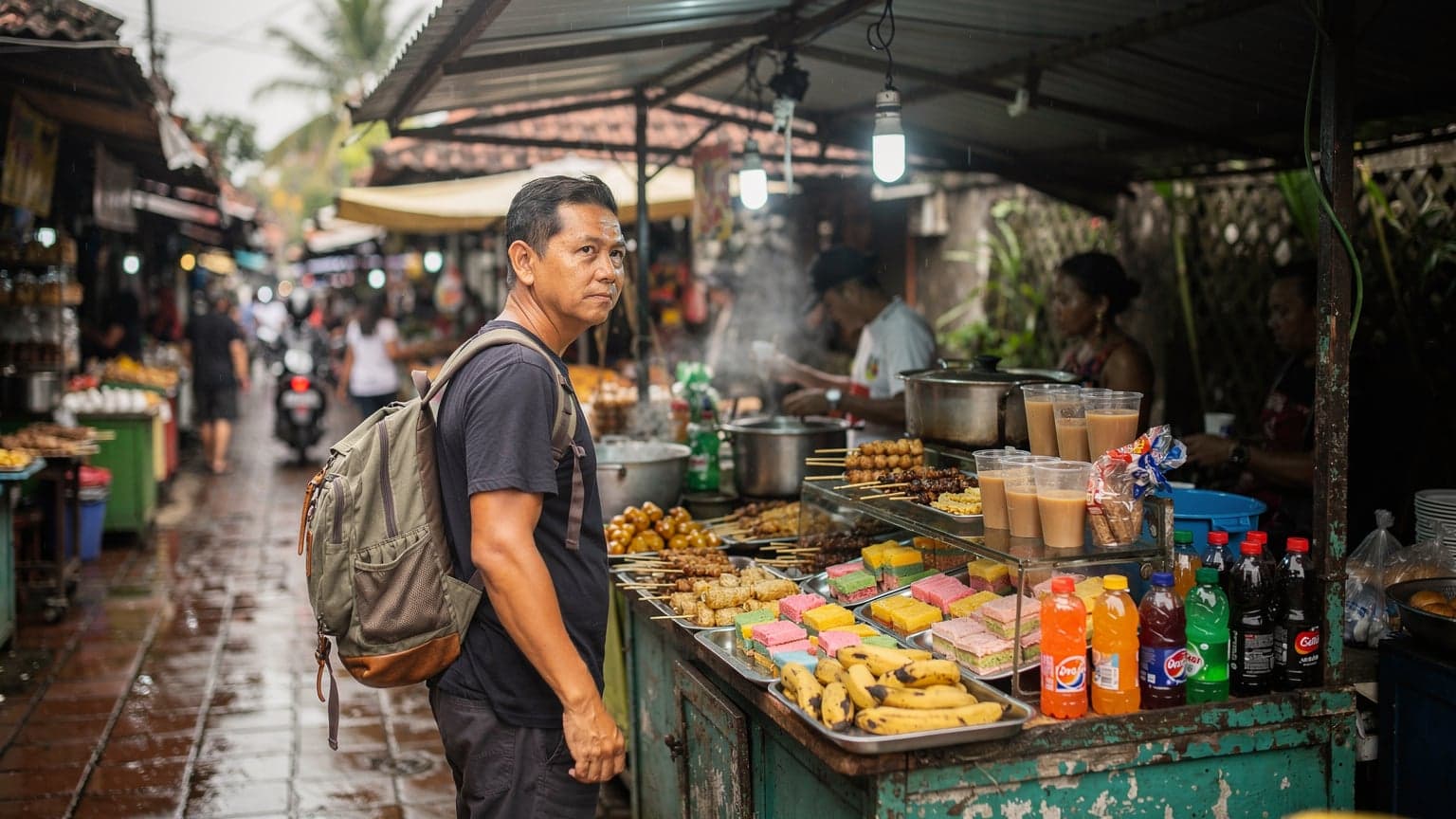
For authentic local food, check out the small eateries and warungs that line Dili’s streets. The Cristo Rei Beach area has several open-air stalls serving fresh grilled fish and other seafood in the evenings. For a more formal sit-down experience, places like Restaurante Lais offer a good range of local dishes. I used to grab lunch almost every Tuesday at a food court near the Palácio do Governo for consistent, cheap eats. If you’re craving something specific, Dili does have a few Chinese and Portuguese restaurants that cater to expats and locals alike.
The Cristo Rei Statue, A Landmark View
The iconic Cristo Rei statue, perched atop a globe on a peninsula just east of Dili, is one of Timor-Leste's most recognizable landmarks. Gifted by Indonesia, it offers sweeping views of Dili Bay and the surrounding coastline. It’s a bit of a hike to get to the top, involving several hundred steps, but the views are absolutely worth the effort, especially at sunrise or sunset. The statue itself is a powerful symbol, and the climb up is a good workout.
Visiting and Photography Tips
Go early in the morning to beat the heat and the crowds. Bring plenty of water. The area around the statue is also popular for swimming and picnicking on the small beaches below. When taking photos, be mindful of local customs. It’s a sacred site for many, so dress modestly. This spot is a must-visit for any trip to Dili, offering both historical significance and breathtaking natural beauty. For reliable navigation to and from the site, especially if you're trying to catch specific light for photography, a stable data connection from your Cellesim eSIM is essential, helping you avoid getting lost or missing prime shooting windows. It’s a similar reliability factor to what content creators need when using AT&T eSIM Activation for Global Travel for smooth uploads.
Frequently Asked Questions
What currency is used in Timor-Leste?
Timor-Leste uses the United States Dollar (USD) as its official currency. They also have their own centavo coins, which are equivalent to US cents and are primarily used for change in smaller denominations.
Do I need a visa to visit Timor-Leste?
Visa requirements vary by nationality. Many travelers can obtain a visa on arrival at Dili's Nicolau Lobato International Airport, typically for a fee in USD. Always check with the Timorese embassy or consulate in your home country before traveling for the most current requirements.
What are the official languages of Timor-Leste?
The two official languages of Timor-Leste are Tetum and Portuguese. Tetum is the most widely spoken language for daily communication, while Portuguese is also significant in government and education. English is spoken by some in tourist areas.
Is internet connectivity reliable in Timor-Leste?
Internet connectivity in Timor-Leste, especially outside of Dili, can be inconsistent. While Dili has some reliable Wi-Fi in hotels and co-working spaces, a Cellesim Timor-Leste eSIM provides more consistent data coverage across the country, starting at $18.20.
What is the Tais?
The Tais is a traditional hand-woven textile from Timor-Leste, rich in cultural significance. It features intricate patterns and colors that often represent specific regions or families, and it is used in ceremonies, as gifts, and in daily life. You can find them at the Tais Market in Dili.
What is the typical cost of living for a digital nomad in Dili?
For a digital nomad in Dili, excluding rent, a monthly budget might range from $500-800 USD, covering local food, transportation, and basic amenities. Rent for a basic one-bedroom apartment could be an additional $400-600 USD per month.