Understanding the Current Safety Landscape in Turkey
Turkey, which stretches across Western Asia and Southeastern Europe, continues to draw millions of visitors every year. For 2026, the overall security in popular tourist spots like Istanbul, Cappadocia, and the Mediterranean coast is pretty stable. That said, just like with any international trip, it's smart to be aware of your surroundings. Some specific border areas, especially those near Syria and Iraq, have higher travel warnings because of ongoing geopolitical issues. Government warnings can sometimes be broad, so understanding the local situation makes all the difference.
Regional Security Overview: What to Expect and Where to Be Cautious
Most of Turkey is very welcoming and safe for tourists, but a few areas do need extra caution. For example, the southeastern provinces can see more security presence and occasional unrest. These spots are usually far from the main tourist paths, but it's always wise to check your home country's official travel advisories before you go. Big cities like Istanbul and Ankara are generally safe, but like any large city, petty crime can happen. Crowds can attract opportunistic thieves. Just being aware of what's going on around you, especially in busy places like the Grand Bazaar or Taksim Square, can greatly reduce your risks.
Political Climate and Public Demonstrations
Turkey's political scene is active, and public demonstrations can pop up, especially in cities. These are usually peaceful but can sometimes escalate or cause traffic headaches. A golden rule of travel safety is to steer clear of all demonstrations and large public gatherings. If you accidentally find yourself near one, calmly and quietly leave the area. Keeping an eye on local news and listening to advice from your hotel or tour operator can give you real-time updates on any local issues.
Entry Requirements and Visa Protocols for Turkey 2026
To enter Turkey in 2026, you'll generally need a valid passport and, for many nationalities, an e-Visa or a traditional sticker visa obtained beforehand. The process is usually straightforward, but the details change a lot depending on where you're from. It's really important to check your specific requirements well before your trip. The most reliable places for current information are the Turkish Ministry of Foreign Affairs website or your country's embassy in Turkey.
Passport Validity and Visa Application Process
Your passport typically needs to be valid for at least six months past your planned stay in Turkey. This is a common international rule, and not meeting it could mean you're denied boarding or entry. The e-Visa system is handy for many travelers, letting you apply and pay online. Once approved, print your e-Visa or save a digital copy to show when you arrive. However, some nationalities might still need to apply for a visa at a Turkish embassy or consulate. Always double-check if 'visa on arrival' is an option, as policies can change.
| Document/Requirement | Description | Notes for Travelers |
|---|---|---|
| Passport Validity | Minimum 6 months beyond intended stay | Crucial for entry; check expiry date well in advance. |
| e-Visa | Required for many nationalities, applied online | Print a copy and save a digital version on your phone. |
| Traditional Visa | Required for some nationalities, applied at embassy/consulate | Plan sufficient time for processing, typically weeks. |
| Travel Insurance | Highly recommended | Covers medical emergencies, cancellations, and lost luggage. |
Customs Regulations and Prohibited Items
Turkish customs are strict about certain items. You absolutely cannot bring in narcotics, firearms, or some religious or political materials. There are also limits on how much alcohol, tobacco, and personal items you can bring in duty-free. It's smart to declare any expensive electronics if you plan to take them out again, just to avoid trouble when you leave. For any medications, always keep them in their original packaging with a doctor's prescription, especially for controlled substances, to prevent issues at border control.
Navigating Turkey's Mobile Networks and eSIM Solutions
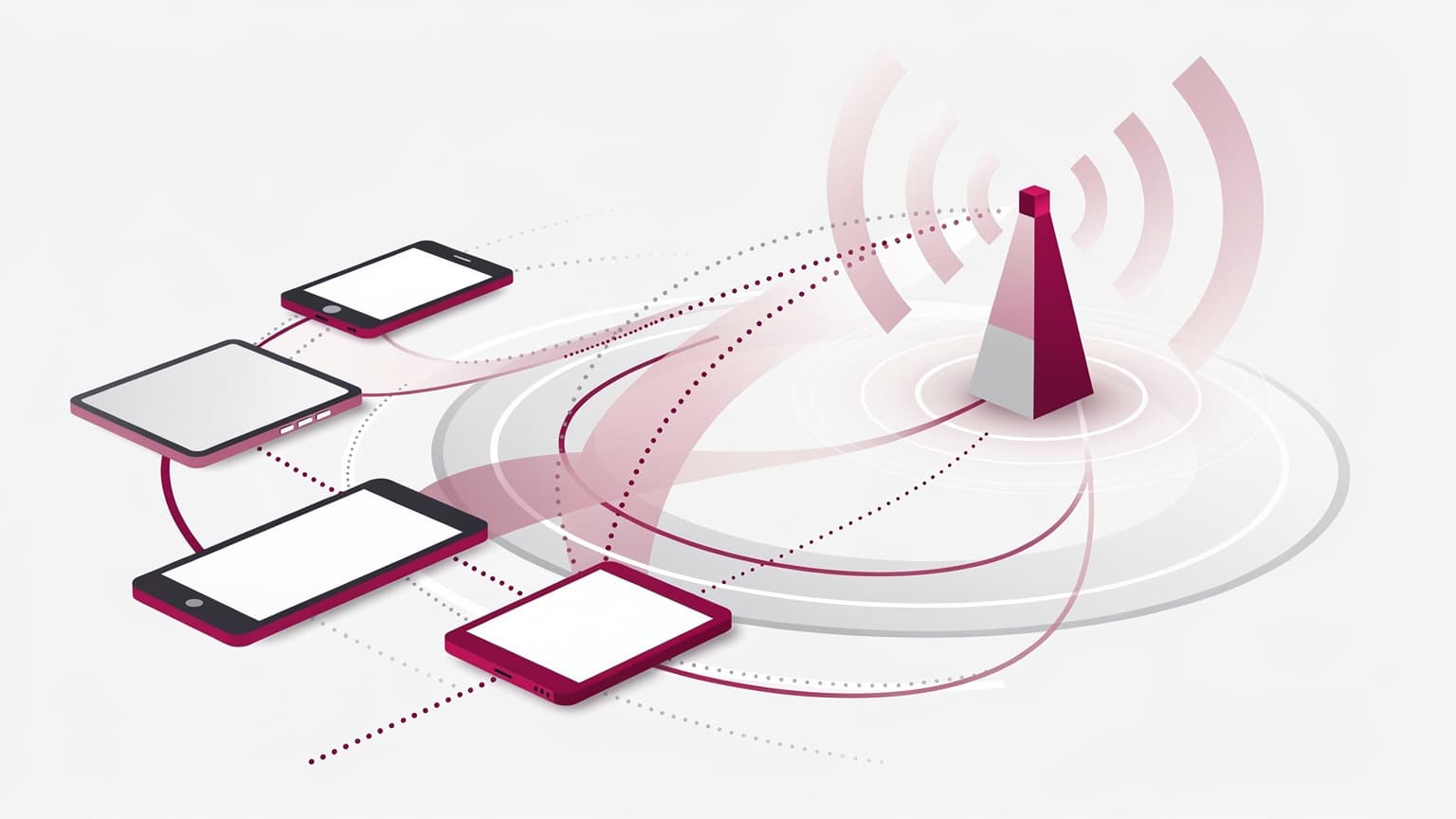
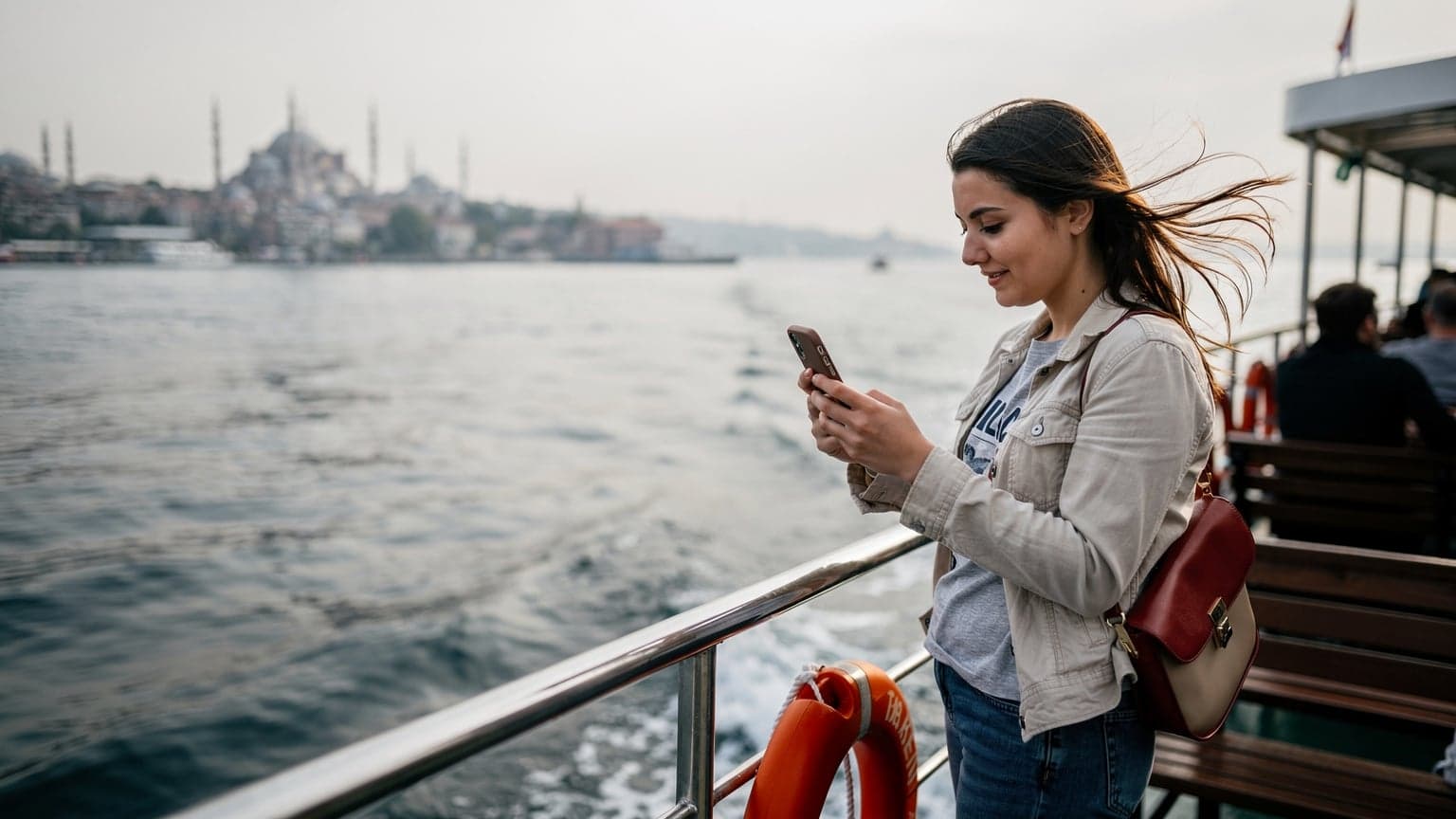
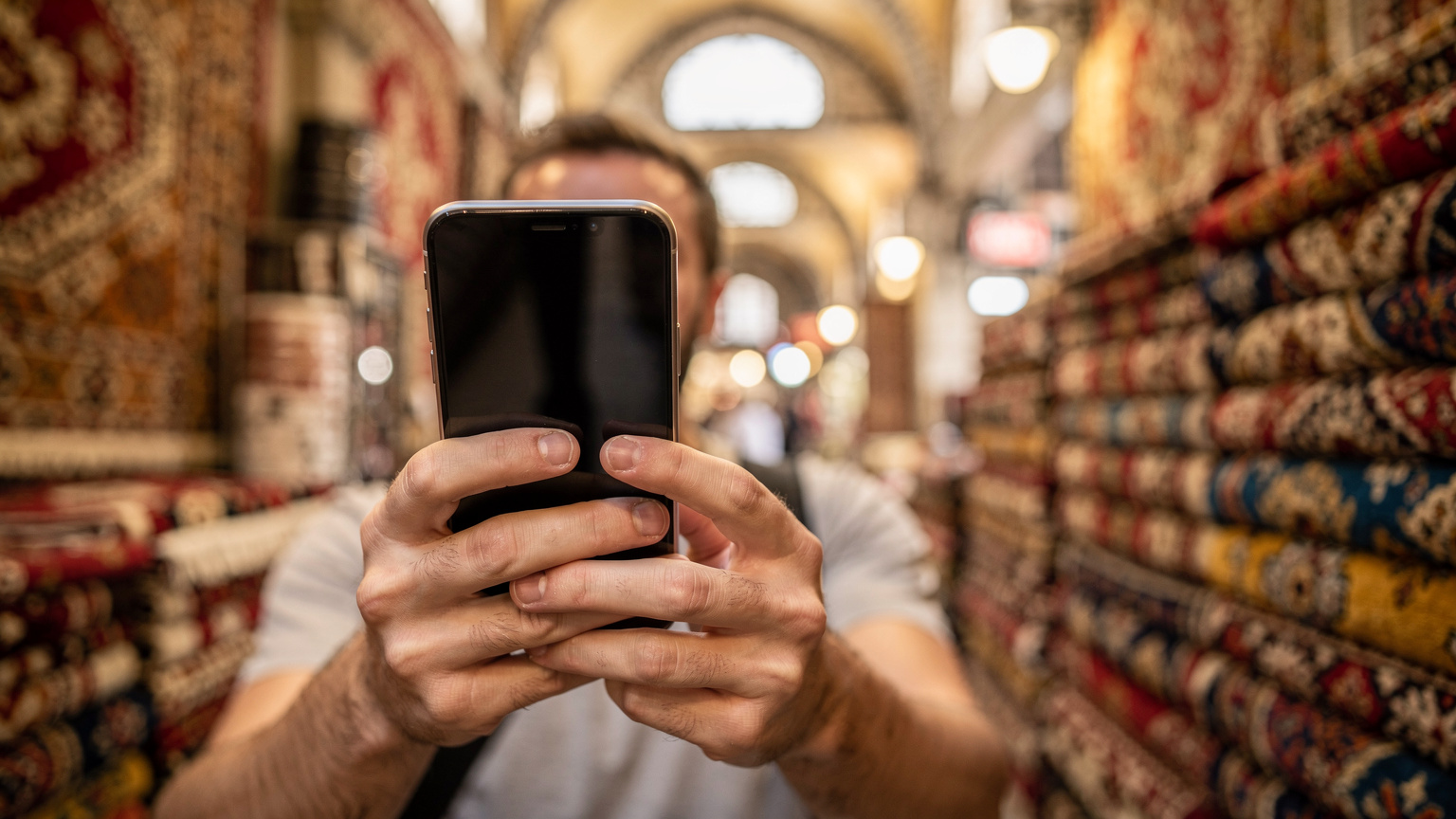
Staying connected in Turkey is essential, not just for sharing your travel photos, but for getting around, using ride-sharing apps, and finding emergency info. Turkey has a solid mobile network, mainly run by three big operators. For travelers, a Turkey eSIM is a convenient and affordable alternative to expensive roaming or hunting for a physical SIM card.
Understanding Turkish Mobile Network Infrastructure
Three main carriers dominate Turkey's mobile scene. Their networks generally have great coverage in cities and along major roads. In Istanbul, for example, you can expect strong 4G LTE service on bands B3 (1800MHz), B7 (2600MHz), and B20 (800MHz), with download speeds often hitting 50 Mbps to 150 Mbps in busy city areas. 5G, using n78 (3500MHz) and n28 (700MHz) bands, is also growing in key cities, promising even faster speeds of several hundred Mbps. However, actual speeds always depend on how busy the network is and what your phone can do. Rural parts, especially in the east and southeast, might have weaker coverage or drop back to 3G (UMTS on B1/2100MHz or B8/900MHz).
The Advantages of an eSIM for Turkey
An eSIM means no more fumbling with tiny physical SIM cards. This is super helpful if your phone only has one SIM slot or if you want to keep your home number active for calls over LTE or WiFi. Cellesim offers Turkey eSIMs starting at $1.05, with over 28 different plans to fit various data needs and trip lengths. A big plus for Cellesim's Turkey eSIMs is that they support SMS. This is key for getting one-time passwords (OTPs) for banking or other verification apps, a feature many data-only eSIMs from other providers often miss. That SMS support can really save you from getting locked out of important services during your trip.
Setting Up Your Cellesim eSIM for Turkey
Activating a Cellesim eSIM is designed to be simple, even if you've never used an eSIM before. You usually just scan a QR code, which is much easier than manually typing in APN settings. A few older Android phones, especially those with custom manufacturer software, might sometimes need you to set the APN manually if the profile doesn't pop up automatically. In Turkey, the APN is typically something simple like 'internet' or 'mgb' depending on the underlying carrier, but Cellesim provides clear instructions for these rare cases. For most newer iPhones and flagship Android phones, activation is almost instant.
VoLTE and VoWiFi Considerations
While an eSIM gives you data, Voice over LTE (VoLTE) and Voice over WiFi (VoWiFi) are important for making and taking calls on your home number without racking up huge roaming bills. Many travel eSIMs are data-only, meaning your home SIM (if you keep it active for calls) would fall back to old 2G/3G roaming for voice, which can be spotty or costly. The good news is that Cellesim's SMS support for OTPs suggests a stronger network integration, which often means VoLTE/VoWiFi works on compatible phones, assuming your home carrier also allows these features while roaming. Always test this out before you rely on it for important calls, maybe by calling a friend or family member briefly.
Health and Medical Considerations for Turkey Travelers
Being prepared for health concerns is a key part of smart travel. Turkey has a modern healthcare system, especially in its big cities, but knowing what to expect and how to get ready can make a big difference. From routine shots to emergency care, it's best to be proactive.
Recommended Vaccinations and Health Precautions
Before your trip to Turkey, talk to your doctor about what vaccinations they recommend. Make sure your routine shots like MMR, DTaP, and polio are current. Depending on your travel plans and what you'll be doing, you might also be advised to get vaccines for Hepatitis A, Hepatitis B, and Typhoid, especially if you're planning to visit rural areas or eat a lot of street food. Always wash your hands well, drink bottled water, and ensure all food, particularly meat, is fully cooked.
Accessing Medical Care and Travel Insurance
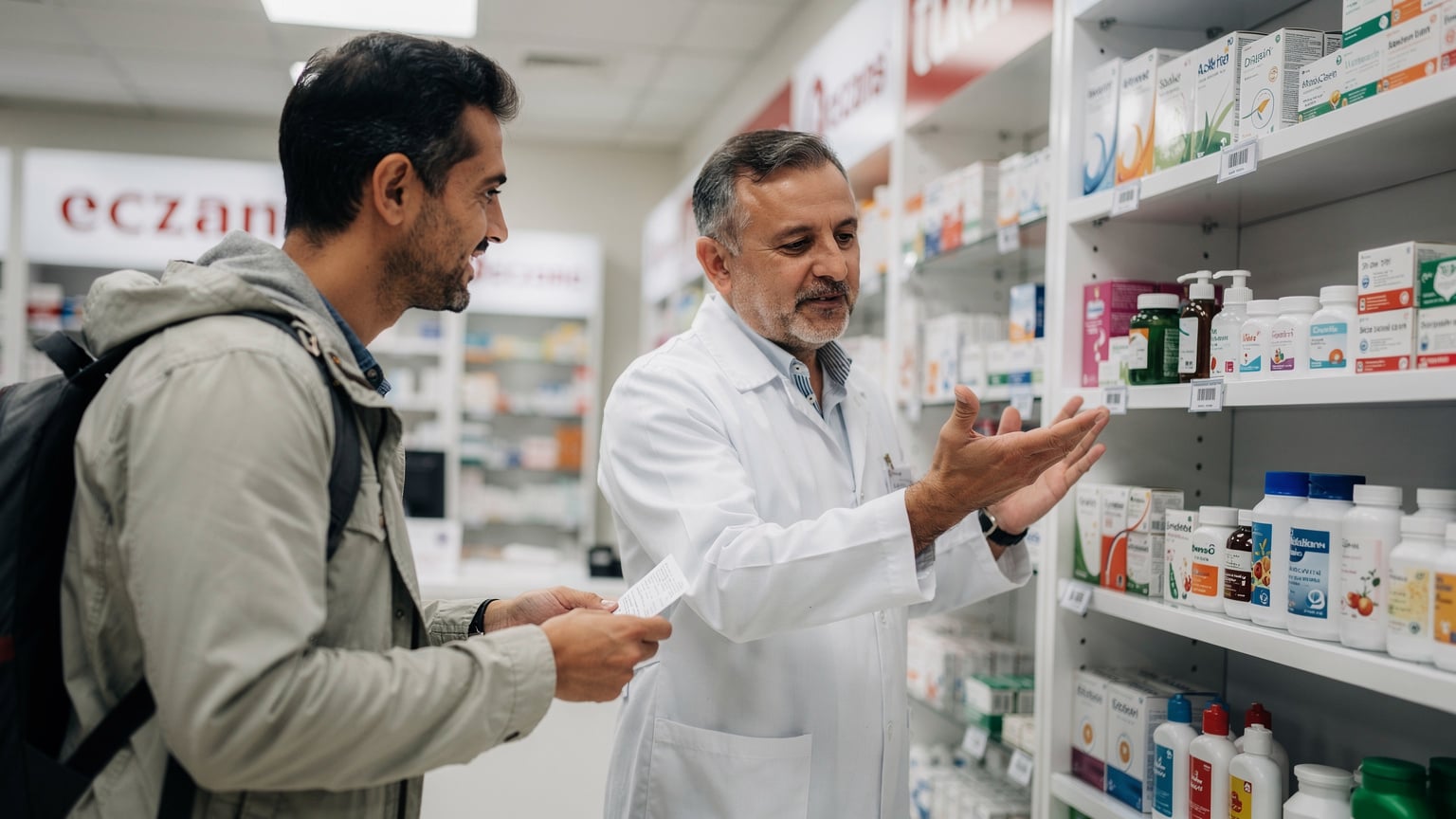
If you have a medical emergency, Turkey's private hospitals in cities like Istanbul, Ankara, and Izmir offer high-quality care, often with staff who speak English. However, these services can be pricey. Comprehensive travel insurance isn't just a good idea, it's a must-have. Make sure your policy covers medical emergencies, hospital stays, and emergency evacuation. Always carry a copy of your insurance policy, contact numbers, and any relevant medical history with you. For minor issues, many pharmacies (eczane) are well-stocked, and pharmacists can often give advice.
Dealing with Medications and Prescriptions
If you need prescription medication, bring enough for your whole trip, along with a doctor's note and the original prescription. Keep the medication in its original packaging. For controlled substances, check with the Turkish embassy or consulate in your home country beforehand to understand specific import rules. Some medications common elsewhere might be restricted in Turkey. This small step can save you a lot of trouble at customs.
Common Scams and How to Avoid Them in Turkey
Most interactions with locals in Turkey are friendly and genuine. But like any popular tourist spot, there are a few common scams aimed at unsuspecting visitors. Being aware is your best defense. These usually aren't dangerous, but they can definitely be costly or annoying.
Taxi Scams and Public Transport Tips
One of the most common complaints is being overcharged by taxis. Taxis at Istanbul Airport (IST) or Sabiha Gökçen Airport (SAW) might quote inflated fixed prices or take long, roundabout routes. Always insist on using the meter, or even better, use ride-hailing apps like BiTaksi or Uber (which works with local taxis in Istanbul). For public transport, an Istanbulkart is super useful for buses, trams, metros, and ferries. You can buy it at vending machines in major stations. Checking your route on Google Maps or a local transit app like Moovit beforehand can help you spot a dishonest driver. For example, a common scam near Sultanahmet involves taxis refusing short rides or demanding a flat fee instead of using the meter.
Restaurant and Bar Scams: The 'Friendly Stranger'
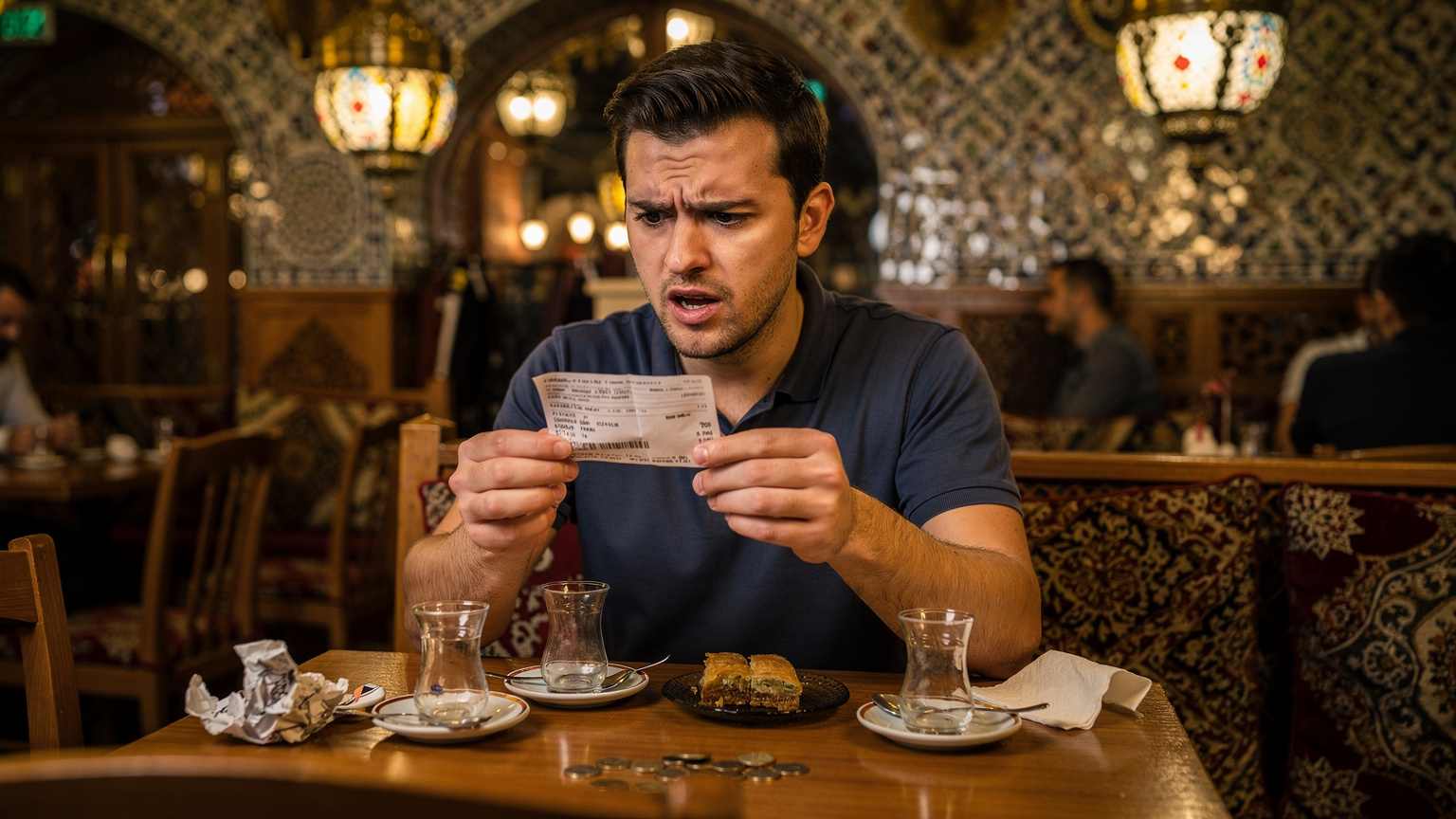
Be wary of overly friendly strangers who approach you in tourist areas, especially around İstiklal Avenue in Beyoğlu. They might offer to show you a 'special' bar or restaurant. These often lead to places that charge ridiculously high prices for drinks, sometimes with 'fixed-price' menus that you only see after you've ordered. Your bill could easily be hundreds of Turkish Lira for just a couple of drinks. Politely decline these invitations. If you do end up in such a situation, demand an itemized bill, pay only for what you actually ordered, and be ready to leave. Always check reviews for restaurants and bars on reputable sites before going in.
Bazaar Hustle and Fake Goods
The Grand Bazaar and Spice Bazaar are iconic, but they're also prime spots for vendors selling fake goods or pressuring tourists to buy. While haggling is part of the experience, be firm but polite. Don't fall for deals that seem too good to be true, especially for 'designer' items or 'ancient' artifacts. Remember that shipping large items home from a bazaar vendor can lead to problems, like unexpected high costs or items that never arrive. Only buy high-value items from reputable shops and keep your receipts.
Essential Local Laws and Cultural Sensitivities
Understanding and respecting local laws and cultural norms isn't just about being polite; it's vital for staying out of legal trouble and having a good trip. Turkey has a rich culture, and a little bit of awareness goes a long way.
Respecting Religious and Cultural Norms
Turkey is a secular country, but most of its people are Muslim. Dress modestly, especially when visiting mosques or religious sites. Women should carry a headscarf to cover their heads when going into a mosque, and both men and women should wear clothes that cover their knees and shoulders. Take off your shoes before entering mosques or private homes. Keep public displays of affection subtle. During the holy month of Ramadan, tourist areas usually operate as normal, but be mindful of those who are fasting during the day. A good rule of thumb: if you're unsure, watch what the locals are doing.
Laws Regarding Alcohol and Public Behavior
Drinking alcohol is legal in Turkey, but public intoxication isn't tolerated and can lead to fines or arrest. Be discreet if you're drinking alcohol in public places outside of bars or restaurants. Drinking in parks or on streets, especially in more conservative neighborhoods, is generally frowned upon. Driving under the influence carries harsh penalties. Having or using illegal drugs comes with extremely severe sentences, including long prison terms.
Photography Etiquette and Government Buildings
While generally okay to take photos, always ask for permission before photographing people, especially women or children. Avoid taking pictures of military bases, police stations, or other government buildings, as this can be seen as suspicious and might lead to questioning or your device being taken. When visiting archaeological sites, respect any signs that prohibit flash photography or entry into restricted areas. A quick, polite 'Fotoğraf çekebilir miyim?' (Can I take a photo?) can prevent misunderstandings.
Emergency Contacts and What to Do in a Crisis
Even with all your precautions, emergencies can still happen. Knowing how to react and who to call is essential. Keep a list of important numbers and addresses handy, both physically and on your phone.
Key Emergency Numbers in Turkey
Turkey has combined its emergency services into one number, just like 911 in the US or 112 in Europe. This makes it easier to get help. You should also have your home country's embassy or consulate contact details.
| Service | Number | Notes |
|---|---|---|
| General Emergency | 112 | Combines Police, Ambulance, Fire. |
| Police (alternative) | 155 | Direct line to police. |
| Gendarmerie (rural police) | 156 | For emergencies outside city limits. |
| Tourist Police (Istanbul) | +90 212 527 4503 | Specific assistance for tourists. |
Reporting Lost or Stolen Items
If your passport or valuables are lost or stolen, report it to the local police right away. Get a police report (zaptı), as you'll need this for insurance claims and to get an emergency travel document from your embassy or consulate. You'll have to visit your country's diplomatic mission for a temporary passport or emergency travel document, which will require proof of identity and often recent passport photos. Having digital copies of your passport and visa on your phone, separate from the physical documents, can really speed up this process.
Natural Disasters: Earthquakes
Turkey is in an active seismic zone, so earthquakes are a real possibility. While major ones are rare, smaller tremors happen pretty often. Learn earthquake safety procedures: 'Drop, Cover, and Hold On'. If you're in a modern building, they're generally built to withstand them. If you're outside, move to an open area away from buildings, utility poles, and overhead wires. Follow directions from local authorities and check news channels for updates. For current info on any travel questions or possible disruptions, the Cellesim FAQ page can be a helpful resource.
Currency, Customs, and Practical Tips
Handling the practicalities of daily life in Turkey, from money to tipping, can really improve your trip. A little preparation in these areas can save you time and avoid small annoyances.
Turkish Lira and Payment Methods
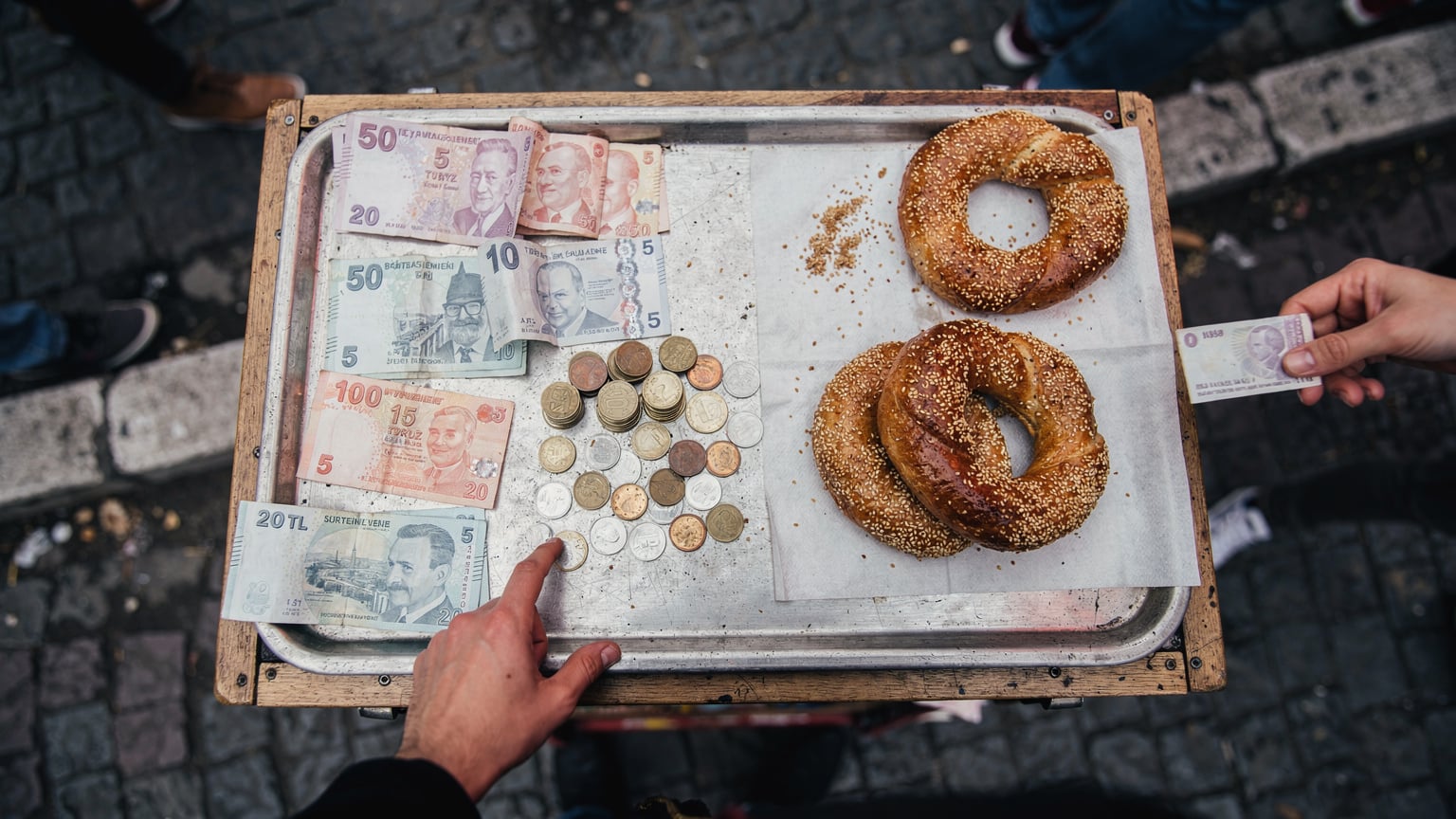
The official currency is the Turkish Lira (TRY). While big tourist spots might take Euros or US Dollars, it's always best to pay in Lira. ATMs are easy to find, especially in cities and towns. Tell your bank about your travel plans so your card doesn't get frozen. Credit and debit cards are accepted in most hotels, larger restaurants, and shops, but smaller places, local markets, and taxis (unless you're using an app) often prefer cash. Carrying small Lira denominations for everyday buys like bottled water or a simit (Turkish bagel) is practical.
Tipping Etiquette and Bargaining
Tipping is customary in Turkey. In restaurants, a 5-10% tip is appreciated if a service charge isn't already included. For taxi drivers, it's common to round up the fare. For hotel porters, a small amount like 10-20 Lira is appropriate. In bazaars, bargaining is expected and part of the cultural fun. Start with a much lower offer and negotiate respectfully. This practice is less common in modern retail stores, where prices are usually fixed. Remember, it's about friendly negotiation, not aggressive confrontation.
Transportation Beyond Taxis: Dolmuş and Buses
Beyond taxis and ride-hailing apps, Turkey has efficient public transport. In Istanbul, the metro, tram, and ferry system is extensive. For traveling between cities, buses are a popular, comfortable, and affordable choice, connecting almost every town and city. Look for major bus companies like Metro Turizm or Kamil Koç. In smaller towns, you might find dolmuş, which are shared minibuses that follow set routes, picking up and dropping off passengers. These are a cheap way to travel short distances, but you'll need to know a bit about the local routes. For more on mobile connectivity, including how eSIMs compare to traditional SIMs, you might find Nomad vs. Cellesim eSIM: Which is Best for Your 2026 Trip? a useful read.
If you're relying on mobile data for navigation or communication, especially in new cities, bring a portable power bank. While Istanbul's transport hubs are getting more charging points, a dead phone in a foreign city can quickly become a big problem. Also, remember that some public Wi-Fi networks, even in nice places, might not be totally secure; using a VPN is always a good idea for sensitive transactions.
Frequently Asked Questions
Is Turkey safe for solo female travelers in 2026?
Turkey is generally safe for solo female travelers, especially in popular tourist spots like Istanbul, Cappadocia, and the coastal resorts. The usual precautions apply, such as avoiding walking alone at night in poorly lit or unfamiliar areas and keeping an eye on your belongings. Dressing modestly, particularly outside tourist zones, can also be helpful.
What kind of power adapter do I need for Turkey?
Turkey uses Type F (Schuko) and Type C power outlets, which are common across continental Europe. The standard voltage is 220V at 50Hz. You'll need a universal travel adapter if your devices use different plug types, like Type A/B (North America) or Type G (UK).
Can I drink tap water in Turkey?
While tap water in major Turkish cities is generally considered safe for brushing teeth and showering, it's not recommended for drinking. The quality and mineral content can vary and might upset a traveler's stomach. Always choose bottled water, which is widely available and cheap.
What is the best way to get from Istanbul Airport (IST) to the city center?
The most efficient way to get from Istanbul Airport (IST) to the city center is by taking the M11 metro line. It connects directly to Gayrettepe station, where you can transfer to other metro lines. Alternatively, Havaist airport buses offer direct routes to various key areas like Taksim and Sultanahmet. Taxis are also available, but confirm the meter usage or use a ride-hailing app to estimate fares.
Are credit cards widely accepted in Turkey?
Yes, major credit and debit cards like Visa and Mastercard are widely accepted in Turkey, especially in hotels, larger restaurants, supermarkets, and shopping malls in urban areas. However, it's always smart to carry some Turkish Lira cash for smaller purchases, local markets, street vendors, and some taxis, as not all places accept cards.
What are the common phrases to know in Turkish for tourists?
Learning a few basic Turkish phrases can really make your trip better. Key phrases include: 'Merhaba' (Hello), 'Teşekkür ederim' (Thank you), 'Lütfen' (Please), 'Evet' (Yes), 'Hayır' (No), 'Affedersiniz' (Excuse me/Pardon me), 'Nasılsınız?' (How are you?), and 'Ne kadar?' (How much?). Locals appreciate the effort, even if your pronunciation isn't perfect.
See also: Iraq eSIM