Turkey Sits on Two Continents
Turkey truly is a land bridging worlds, with parts of it in both Asia and Europe. This isn't just a quirky fact, it's something that has shaped everything from its history to its culture and even the daily grind. Take Istanbul, for example. It's the only city in the world that literally straddles two continents, split right down the middle by the Bosphorus Strait.
When you hop on a ferry from the European side, maybe from a lively area like Beyoğlu, and head to the Asian side to check out the cool cafes in Kadıköy, you're not just moving between neighborhoods. You're actually crossing continents. The Şehir Hatları ferries are amazing for this, giving you incredible views and a refreshing breeze, especially around sunset. Millions of people make this commute across the Bosphorus every day, whether by ferry, the Marmaray underwater rail, or one of the three bridges. It's a constant reminder of Turkey's unique spot on the map.
The Bosphorus, a Natural Divide
This narrow strait connects the Black Sea to the Sea of Marmara, but it's more than just a waterway. It's been a vital historical artery for centuries, influencing trade, power, and migration. It's always bustling with tankers, fishing boats, and the occasional luxury yacht. You absolutely have to take a Bosphorus tour. It's the best way to see the grand Ottoman palaces, ancient fortresses, and modern villas that line both shores.
The Language is Surprisingly Logical
Turkish, or Türkçe, might sound a bit daunting at first, but it's actually pretty logical. It's what they call an agglutinative language, which means you build words by adding suffixes to a root. Think of it like linguistic Lego. You can create surprisingly complex sentences just by stacking these suffixes. For example, 'ev' means 'house,' 'evde' means 'in the house,' and 'evden' means 'from the house.' See? Logical!
Even just a few phrases like 'Merhaba' (hello), 'Teşekkür ederim' (thank you), and 'Güle güle' (goodbye, said by the person staying) will make a huge difference. Locals, even in touristy spots like Cihangir or Moda, really appreciate the effort. I remember trying to order a simit (a sesame-crusted bread ring) in a small bakery in Balat once. I fumbled with my limited Turkish, but the baker's big smile and patient help totally made my day. Those little interactions are what make a trip truly memorable.
The Alphabet, a Modern Shift
One of the biggest changes in modern Turkish history was when they switched to the Latin alphabet in 1928, replacing the Ottoman Turkish script (which was based on Arabic). Mustafa Kemal Atatürk pushed for this as part of a larger plan to modernize Turkey and connect it with Western countries. This means that if you can read the Latin alphabet, you can at least sound out Turkish words, even if you don't understand them. The letters are pronounced phonetically, which is a big help for anyone trying to learn.
Istanbul Was Once Constantinople and Byzantium
Before it became Istanbul, this incredible city was known as Constantinople, and even before that, Byzantium. It's worn many crowns, serving as the capital for the Roman, Byzantine, Latin, and Ottoman Empires. Every single era left its mark, creating a layered history you can literally walk through.
Wander through Sultanahmet, and you'll find yourself surrounded by monuments from different times, from the Roman Hippodrome to the Byzantine Hagia Sophia and the Ottoman Blue Mosque. It's like a living museum. Understanding these shifts really helps you grasp the sheer historical weight of the place. (Just try not to get lost in the winding streets near the Grand Bazaar. It's a maze even for seasoned travelers.)
The Legacy of Empires
The city's ancient roots go all the way back to around 660 BCE, when Greek colonists founded Byzantium. Emperor Constantine the Great then re-established it as Constantinople in 330 CE, making it the new capital of the Roman Empire. For over a thousand years, it was the heart of the Byzantine Empire, a shining beacon of culture and Christianity. Then, in 1453, the Ottoman Turks conquered it, and it became the capital of their vast empire for nearly five centuries. This unbroken line of imperial power truly makes Istanbul one of a kind.
Santa Claus is Originally From Patara
Believe it or not, Saint Nicholas, the guy who inspired Santa Claus, was born in Patara, a Hellenistic Roman city on Turkey's Mediterranean coast, around 270 CE. He later became the Bishop of Myra (which is modern-day Demre), also in Turkey. He was famous for being incredibly generous, especially to children and the poor. Legend says he'd leave coins in shoes left outside, which is where the tradition of stockings comes from.
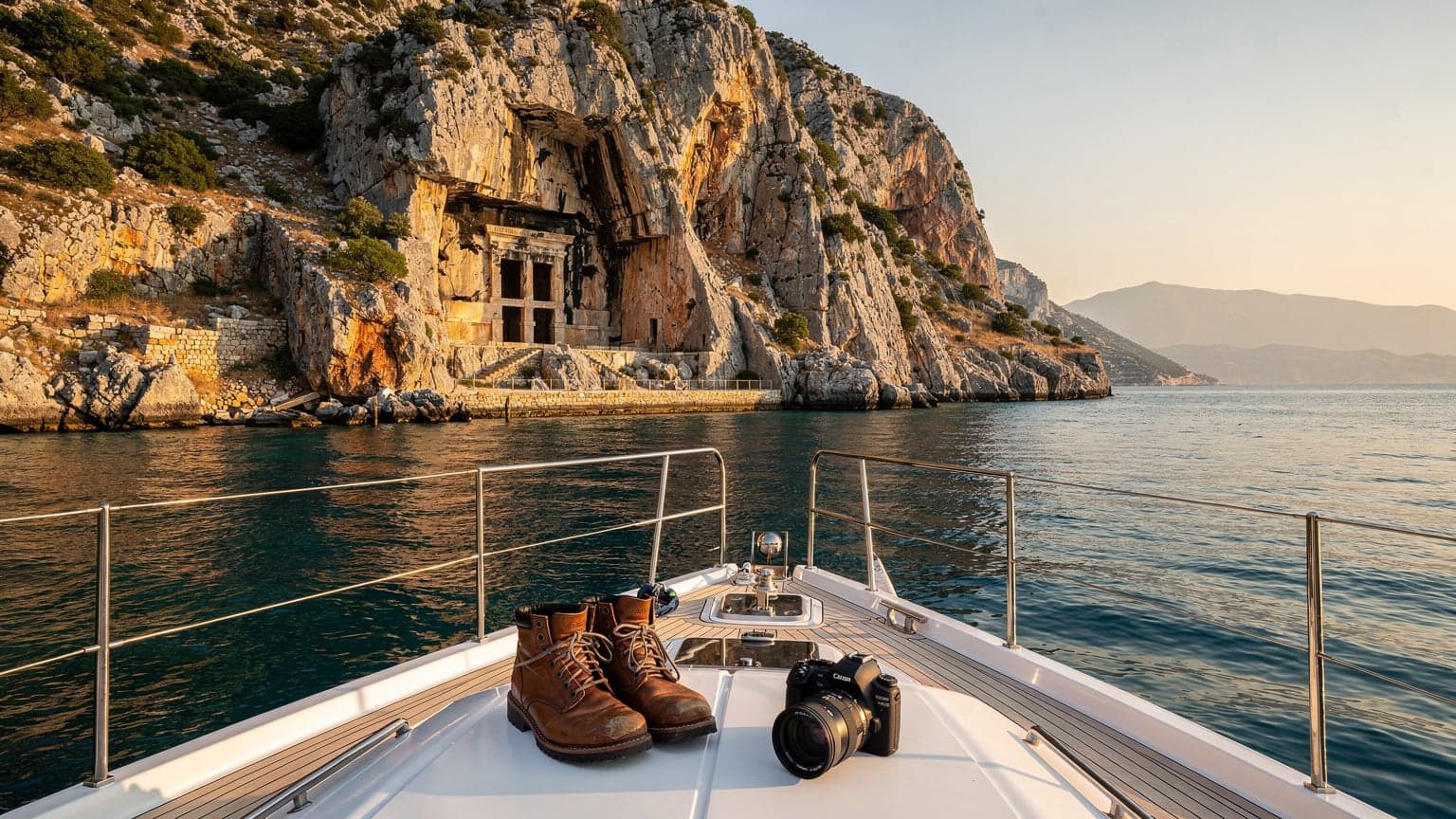
If you visit Demre, you can explore the Church of Saint Nicholas, which houses his tomb (though his relics were later moved to Bari, Italy). It's a fascinating bit of history, especially if you're traveling with kids who might get a kick out of knowing that the jolly man in red actually came from the sunny Mediterranean, not the North Pole. The archaeological site of Patara itself, with its ancient theater and parliament building, is also worth seeing, especially if you're hiking the Lycian Way.
Tulips Originated in Turkey
Those famous Dutch tulips? They actually came from Turkey, not Holland. Tulips were first grown in the Ottoman Empire and were highly prized, symbolizing wealth and status. They made their way to Europe in the 16th century, mainly through diplomatic gifts, with the first bulbs reportedly sent from the Ottoman court to Vienna.
The word 'tulip' itself comes from the Persian word 'tülbent,' meaning turban, because of the flower's shape. If you're in Istanbul in April, you're in for a treat: the annual Istanbul Tulip Festival. Millions of tulips bloom across the city's parks, especially vibrant in Emirgan Park and Gülhane Park, creating a stunning display of colors. It's easily as impressive as any spring show in the Netherlands.
Turkish Coffee Has a Unique Ritual
Turkish coffee is so much more than just a drink; it's a cultural staple and a deeply ingrained ritual. It's brewed in a 'cezve,' a small copper pot, and served in tiny cups, complete with the coffee grounds at the bottom. This rich, thick brew is meant to be sipped slowly, often with a glass of water and a piece of Turkish delight. After you finish, it's common for fortunes to be told from the patterns the grounds leave in the cup. It's a charming local superstition.
You'll find coffee houses, or 'kahvehane,' everywhere, from the busy streets of Eminönü to quiet spots in Karaköy. These are places for conversation, chess, and backgammon. My personal favorite place for an authentic cup is a tiny, unassuming spot hidden in a side alley near the Spice Bazaar, where the owner has been making coffee the same way for generations. It's a full sensory experience, from the smell of fresh beans to the soft clinking of tiny spoons.
How to Order and Drink Turkish Coffee
- Specify your sweetness: When you order, they'll ask how much sugar you want: 'sade' (plain, no sugar), 'az şekerli' (a little sugar), 'orta şekerli' (medium sugar), or 'çok şekerli' (very sweet). The sugar goes in during brewing, so you can't add it later.
- Wait for the foam: A properly made Turkish coffee will have a thick layer of foam on top. That foam is a sign it's been prepared correctly.
- Sip slowly: Don't chug it. Take small sips. The coffee is strong and rich.
- Don't drink the grounds: When you get to the bottom of the cup, you'll hit the coffee grounds. Leave them. They aren't meant to be consumed.
- Hydrate: Always drink the accompanying glass of water to clear your palate.
The Grand Bazaar is One of the Oldest and Largest
Stepping into Istanbul's Grand Bazaar, or Kapalıçarşı, feels like entering a different world. It's one of the oldest and biggest covered markets anywhere, dating back to 1455. With over 60 streets and thousands of shops, it's easy to get lost among the incredible array of carpets, ceramics, jewelry, spices, and leather goods. It's a wonderful sensory overload, a place where bargaining isn't just expected, it's part of the fun.
I once spent an entire afternoon just wandering around, not even planning to buy anything, and still left with great stories. The trick is to just embrace the maze-like quality, chat with the shopkeepers, and don't be afraid to get a little lost on purpose. The bazaar is usually open from 9:00 AM to 7:00 PM, Monday to Saturday, but it's always smart to double-check for public holidays, as it might close for religious festivals.
Navigating the Bazaar's Labyrinth
While it can feel overwhelming, the Grand Bazaar is somewhat organized by the types of goods sold. For instance, the main thoroughfares often have more general souvenir shops, while certain alleys might be dedicated specifically to gold, carpets, or spices. Don't feel pressured to buy, but do engage. A friendly chat over a glass of çay (tea) is often part of the negotiation. Remember to sharpen your bargaining skills; it's all part of the experience!
Connecting in Turkey with an eSIM
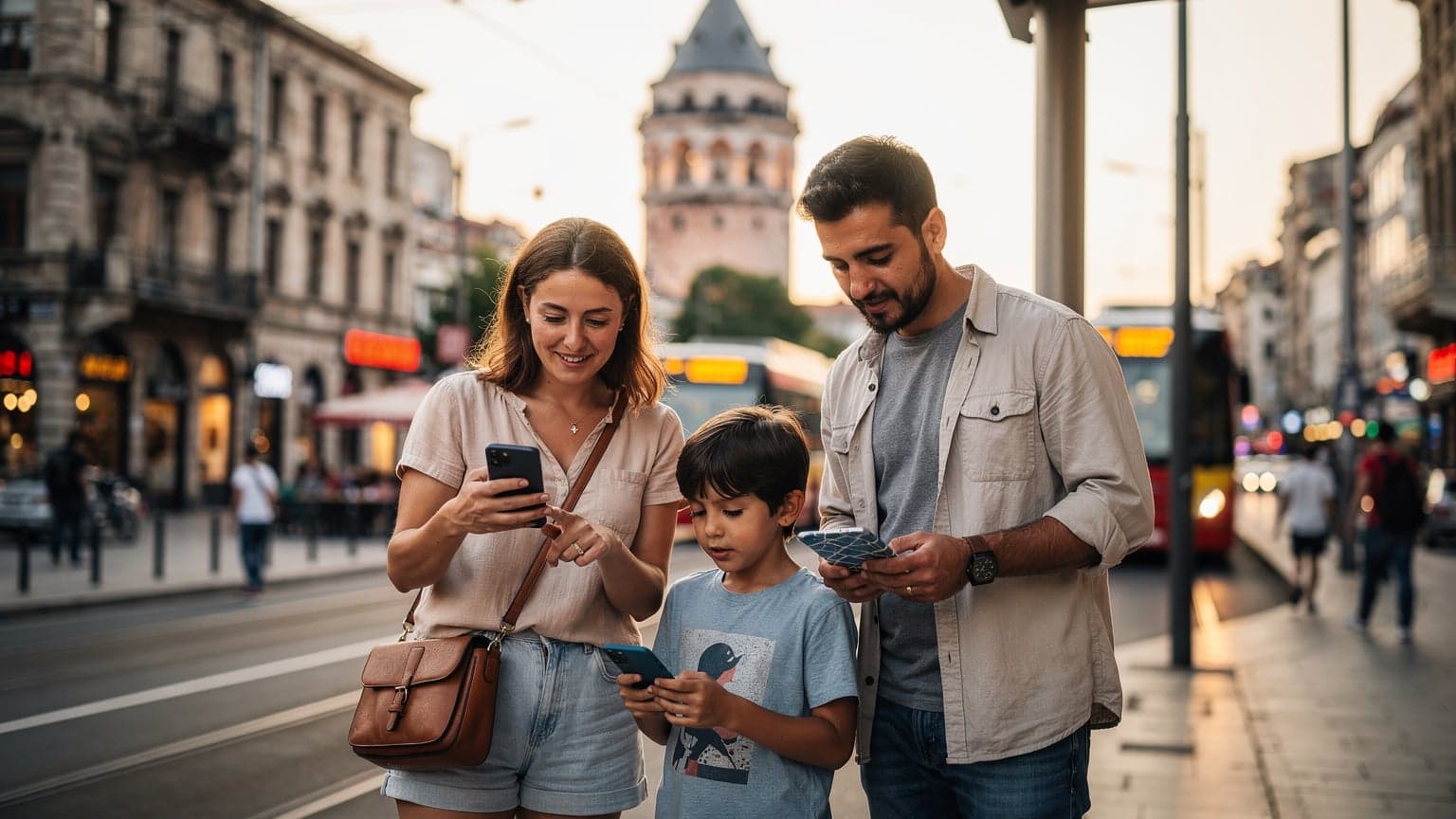
Staying connected while you're exploring the busy streets of Beyoğlu or hiking through the ancient ruins of Ephesus is essential. Not just for finding your way around, but for sharing all those unforgettable moments. Sure, local SIM cards are an option, but dealing with registration, especially if you're only in Turkey for a short trip, can be a real headache. I've definitely had my share of frustrating experiences trying to activate a local SIM at Istanbul Airport, which just eats into valuable travel time.
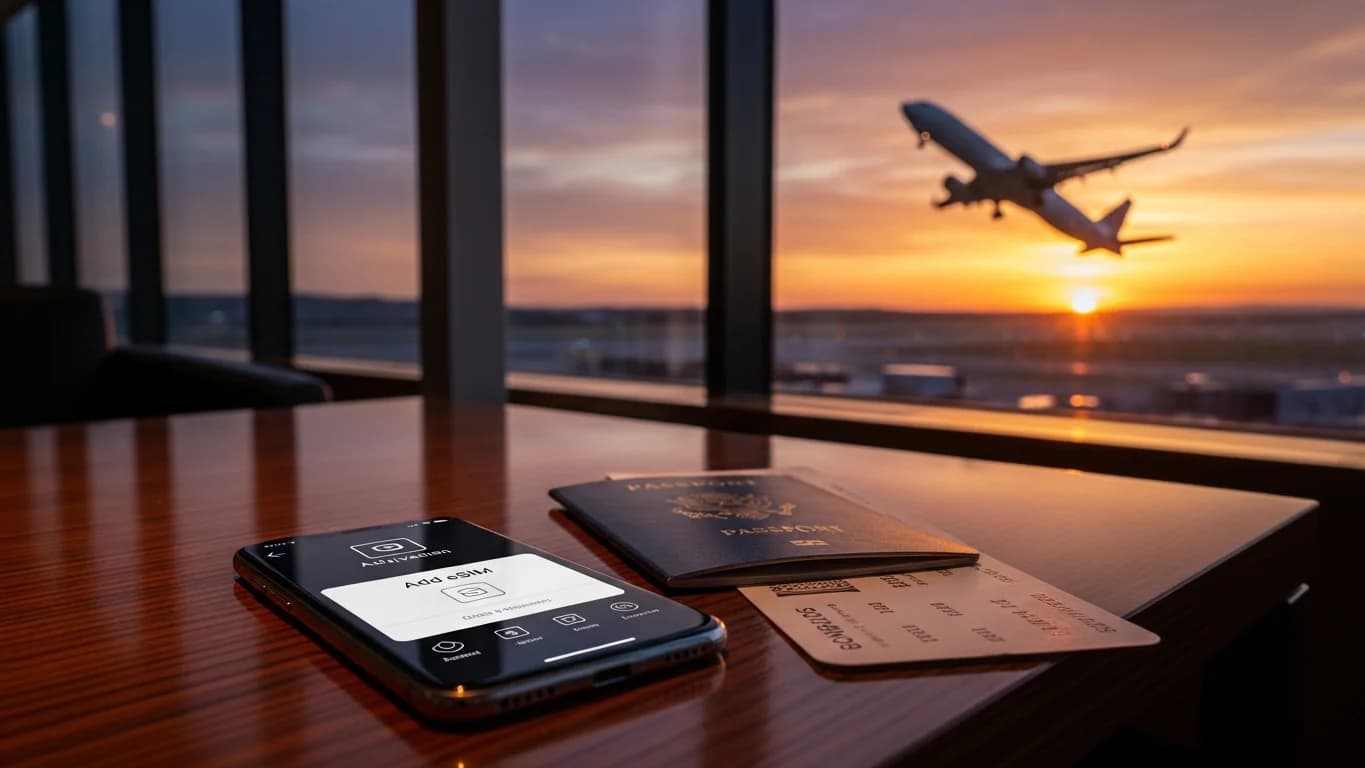
An eSIM makes things so much smoother. You can buy and activate your data plan even before your plane takes off, meaning you'll have internet access the second you land. Cellesim offers a Turkey eSIM with over 28 plans to pick from. This gives you tons of flexibility, no matter how long your trip or how much data you need. Plus, it supports SMS for OTP and verification, which is a lifesaver for banking apps or logging into social media accounts when you're abroad.
The Benefits of an eSIM for Turkish Travel
- Instant Activation: No need to hunt down a store or deal with language barriers. You can activate your plan right from home or your hotel.
- Dual SIM Functionality: Keep your home phone number active for calls and texts while using the eSIM for data. This is a game-changer for avoiding expensive roaming fees.
- Cost-Effective: Cellesim's rates are super competitive, often cheaper than international roaming or even some local physical prepaid SIMs.
- Flexible Plans: Pick a plan that perfectly matches your trip length and data usage, whether it's a few gigabytes for a quick city break or larger bundles for longer stays.
- SMS Support: Crucial for getting verification codes from banks or other services, a feature that's often overlooked but incredibly important for modern travel.
Comparing Connectivity Options in Turkey
| Feature | Cellesim Turkey eSIM | Local Physical SIM | International Roaming |
|---|---|---|---|
| Activation Ease | Online, instant | In-store, requires passport registration | Automatic, but often pricey |
| Cost (Data) | Starts at $1.05, varied plans | Varies by carrier (Turkcell, Vodafone TR, Türk Telekom) | Often very expensive per MB |
| SMS for OTP | Supported | Supported | Supported (using home number) |
| Keeping Home Number | Yes (dual SIM) | No (replaces home SIM) | Yes |
| Pre-arrival Setup | Yes | No | Yes |
Setting Up Your Turkey eSIM
Getting your Cellesim Turkey eSIM up and running is really easy. Here's a quick rundown:
- Purchase Your Plan: Head to the Cellesim website and choose the Turkey eSIM plan that suits you. Finish the purchase securely online.
- Receive QR Code: You'll usually get a QR code emailed to you right after buying. This code has all the network info you need.
- Scan and Activate: Go to your phone's Settings, then Cellular/Mobile Data, and tap 'Add eSIM' or 'Add Data Plan'. Scan the QR code. Just follow the instructions on your screen. (Make sure you have a good Wi-Fi connection for this part.)
- Enable Data Roaming (for eSIM only): Once it's installed, turn on data roaming for your eSIM line in your phone settings. Don't worry, with an eSIM, this just activates your purchased data plan; it won't trigger expensive roaming charges from your home carrier.
- Enjoy Connectivity: Boom! You're now connected to a local Turkish network, ready to navigate, share, and chat without any interruptions.
Turkish Baths Are a Historical Social Event
The 'hamam,' or Turkish bath, is much more than just a way to get clean. It's a centuries-old tradition that used to be a really important part of social life, a place for gossiping, celebrating, and community bonding. The ritual involves sweating in a hot room, getting a vigorous scrub from an attendant (the 'tellak' for men, 'natır' for women), a refreshing wash, and then some time to relax. It's a deeply cleansing and rejuvenating experience, both for your body and your mind.
While a lot of hamams today cater to tourists, you can still find authentic local ones, especially in historic neighborhoods like Fatih or Beyazıt. For a truly luxurious experience, check out the Kılıç Ali Paşa Hamamı in Tophane or the Ayasofya Hürrem Sultan Hamamı near the Hagia Sophia. Most hamams are open from morning until late evening, often closing around 10:00 PM or 11:00 PM, but it's always smart to check specific opening hours, especially since some have separate times for men and women, or specific days for women-only services.
Hamam Etiquette: What to Expect
If you've never been to a hamam before, a few tips can help you out:
- Modesty: You'll get a 'peştemal' (a thin, often striped cloth) to wear. While many tourists wear swimsuits underneath, locals often go au natural under the peştemal.
- Relax: The first hot room is for relaxing and opening your pores. Don't rush it.
- Trust the Attendant: The scrub is vigorous, but that's part of the tradition. Just let the attendant do their thing.
- Hydrate: Drink plenty of water before and after your bath to stay hydrated.
Evil Eye Charms Are Everywhere
The 'nazar boncuğu,' or evil eye bead, is absolutely everywhere in Turkey. These distinctive blue glass charms, which often look like an eye, are believed to protect against the 'evil eye', a malicious gaze thought to bring bad luck or misfortune. You'll spot them hanging from rearview mirrors in taxis, decorating storefronts in Nişantaşı, pinned to babies' clothes, and sold in every single souvenir shop. It's a deeply rooted belief that spans centuries and cultures.
It's not just a pretty trinket; it's a cultural artifact with significant meaning. When you buy one, you're not just getting a souvenir, you're participating in a tradition of protection and good wishes. I always pick up a few small ones to hang in my home, a little piece of Turkish tradition to ward off any stray bad vibes. They also make for thoughtful, inexpensive gifts.
Olive Oil is a Staple
Turkey is one of the world's top olive oil producers, and it's a massive part of Turkish cuisine, especially in the Aegean region. It's not just for cooking, either; it's a key ingredient in many cold dishes, salads, and appetizers ('mezes'). You'll find it generously drizzled over grilled fish, used in vegetable dishes like 'zeytinyağlı enginar' (artichokes in olive oil), and as a dip for fresh bread.
The quality of Turkish olive oil is outstanding, particularly extra virgin varieties from areas like Ayvalık and Gemlik. When you're at a restaurant in Bodrum or İzmir, don't be surprised if a bottle of local olive oil appears at your table with the bread. It's a point of pride and a testament to the country's rich agricultural heritage. Seriously, consider bringing a small bottle home; it's usually far superior to most supermarket options.
Straddling Time Zones
Turkey uses a single time zone, Turkey Time (TRT), which is UTC+3 all year round. While this sounds simple, it means that at certain times of the year, Turkey's clocks won't align with Europe in the same way, because many European countries observe Daylight Saving Time. This can sometimes cause confusion for travelers crossing borders or trying to coordinate flight schedules.
Always, always double-check your flight times and appointments, especially if you're traveling during spring or autumn when other countries are moving their clocks. My friend once missed a connecting flight out of Sabiha Gökçen Airport because she forgot to factor in the time difference, even with her phone's auto-sync. It's a tiny detail, but it can have huge consequences for travelers. Staying connected with an eSIM for a Euro trip can help minimize those time zone headaches, ensuring your phone always knows the local time, as long as it's set to update automatically.
Connectivity for Border Crossings
If your Turkish adventure takes you into neighboring countries, a regional eSIM can make life incredibly easy. Imagine going from Istanbul to, say, Thessaloniki by bus. As you cross into Greece, your connectivity can switch over without a hitch. A Cosmote eSIM Greece would keep you online without you having to mess with swapping physical SIM cards at the border. This kind of smooth transition is where eSIMs truly shine, especially for trips that span multiple countries.
Frequently Asked Questions
Do I need a visa to visit Turkey?
Visa requirements for Turkey really depend on where you're from. Many nationalities can get an e-Visa online before their trip, while some might not need a visa at all. Your best bet is always to check the official Republic of Turkey e-Visa website for the latest, most accurate information for your specific passport.
What is the currency used in Turkey?
The official currency in Turkey is the Turkish Lira (TL or TRY). While major cities and tourist areas will definitely accept credit cards, it's a good idea to have some local cash for smaller purchases, local markets, and public transport like the Istanbulkart.
Is bargaining common in Turkey?
Yes, bargaining is very common and definitely expected in places like the Grand Bazaar, Spice Bazaar, and smaller artisan shops. It's less common in modern shopping malls, supermarkets, or established restaurants with fixed prices. Just approach it with a friendly attitude, a smile, and enjoy the interaction.
What is the best way to get around in Istanbul?
Istanbul has a fantastic public transport system, including trams, metros, ferries, and buses, all super easy to use with an Istanbulkart. Taxis are also readily available, but make sure they use a meter. For travel between cities, buses are excellent and quite comfortable, or you can consider domestic flights for longer distances.
What's the etiquette for visiting mosques in Turkey?
When you visit mosques, both men and women should dress modestly, making sure their shoulders and knees are covered. Women should also cover their heads; headscarves are usually provided at the entrance of major mosques like the Blue Mosque. Remember to take off your shoes before you enter and always be respectful of people who are praying.
What kind of plug adapter do I need for Turkey?
Turkey uses Type F electrical outlets, which are the same as what you find in many European countries. The standard voltage is 230V and the frequency is 50Hz. So, if your devices use a different plug type, you'll need a two-round-pin plug adapter.