

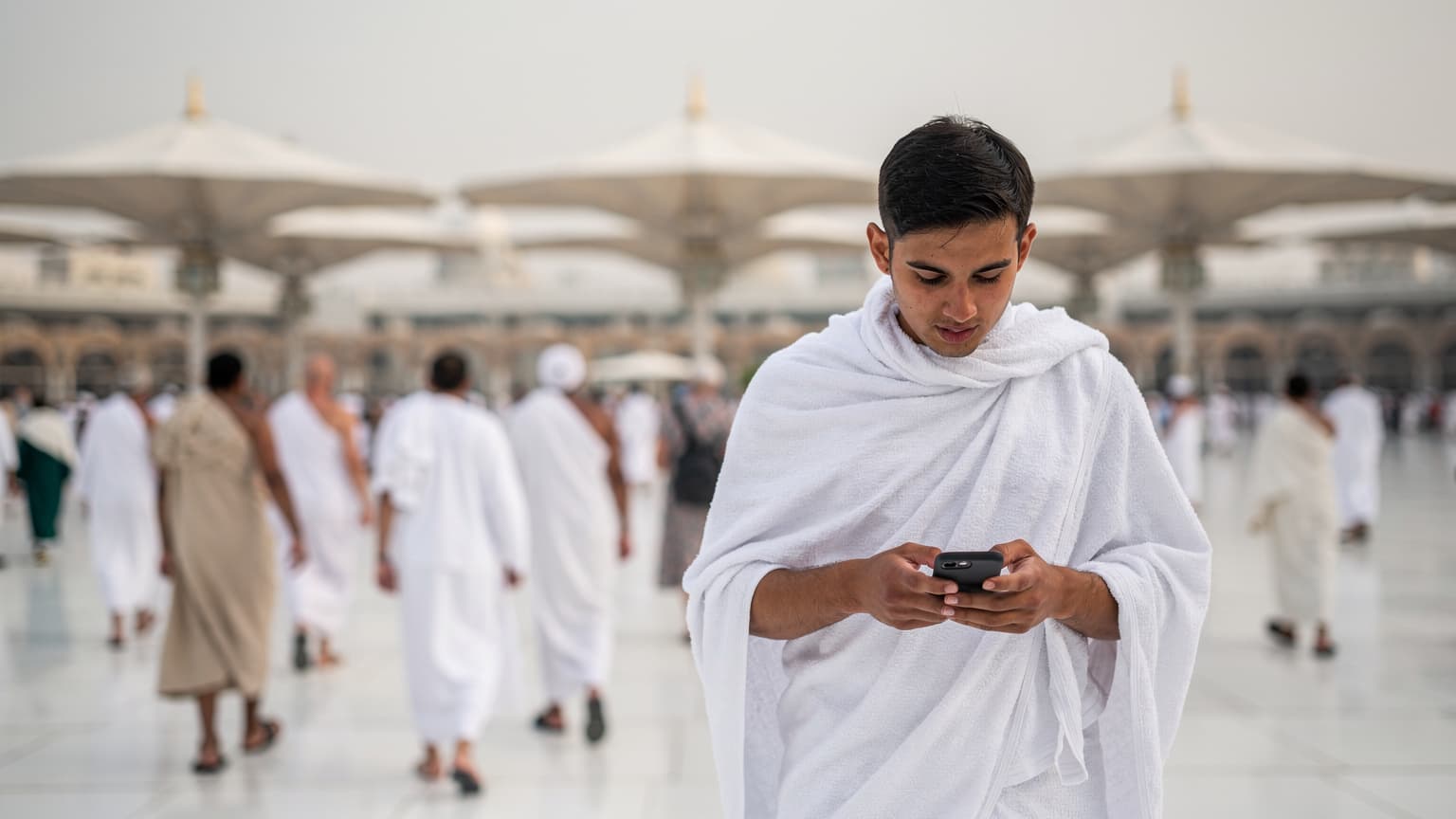
Ръководство за данни за Умра 2026: Избегнете огромните такси за роуминг в Саудитска Арабия
Планирате свещено пътуване до Саудитска Арабия за Умра през 2026 година? Това е едно от най-значимите преживявания в живота на всеки мюсюлманин - време за духовност, размисъл и молитви. Но освен да се подготвите духовно, е важно да помислите и за практичните неща, особено как ще останете свързани със света, без да плащате астрономически такси за роуминг. Днес достъпът до интернет не е просто удобство, а необходимост - за навигация, връзка със семейството, проверка на молитвени времена и друга важна информация. Тази статия ще ви преведе през най-добрите опции за данни в Саудитска Арабия, за да избегнете неприятни изненади и да се насладите на пътуването си пълноценно.
Защо стандартният роуминг е лоша идея за Умра?
Първото нещо, което много хора правят, е да разчитат на роуминга от техния роден оператор. Това обаче често е най-скъпият вариант и може да доведе до изключително високи сметки. Операторите имат споразумения с местни партньори, но цените за данни извън ЕС или други регламентирани зони обикновено са драстично по-високи. Ето защо:
- Непредвидими разходи: Един бърз преглед на социалните медии или няколко минути видео разговор могат да струват десетки, ако не и стотици левове.
- Липса на контрол: Трудно е да следите потреблението си в реално време, особено когато сте потопени в свещени ритуали.
- Бавна скорост: Дори и да плащате много, не е гарантирано, че ще получите добра скорост на връзката.
Целта на това ръководство е да ви предложи по-добри, по-икономични и по-надеждни алтернативи. Така ще можете да се съсредоточите върху духовния си път, вместо да се тревожите за сметката за телефон.
Вашите опции за данни в Саудитска Арабия
Когато става въпрос за интернет връзка в Саудитска Арабия, имате няколко основни възможности. Всяка от тях си има плюсове и минуси. Нека ги разгледаме подробно.
1. Местна SIM карта
Един от най-традиционните и надеждни начини да получите достъп до данни е да си купите местна SIM карта при пристигането си. Саудитска Арабия има няколко големи оператора, сред които STC, Mobily и Zain. Всички те предлагат предплатени планове с данни, които са значително по-евтини от роуминга.
Предимства:
- Икономичност: Цените за данни са много по-ниски в сравнение с роуминга.
- Надеждност: Ще имате достъп до местната мрежа, което обикновено означава добро покритие и скорост.
- Местен номер: Можете да получавате обаждания и съобщения от местни контакти, ако е необходимо.
Недостатъци:
- Неудобство при закупуване: Трябва да намерите магазин на оператор, да представите паспорт и да преминете през процес на регистрация. Това може да отнеме време и да бъде предизвикателство, особено след дълъг полет.
- Смяна на SIM карта: Ще трябва да извадите вашата домашна SIM карта и да поставите новата, което може да доведе до загуба на вашата оригинална карта.
- Проблеми с езиковата бариера: Ако не говорите арабски, комуникацията с персонала може да бъде затруднена.
- Зависимост от физически магазин: Нямате връзка веднага след пристигането си, докато не си купите карта.
2. Джобен Wi-Fi рутер (Pocket Wi-Fi)
Джобният Wi-Fi рутер е малко устройство, което създава собствен Wi-Fi хотспот, използвайки местна SIM карта. Можете да го наемете или закупите и да свържете няколко устройства към него.
Предимства:
- Споделяне на връзка: Идеален е, ако пътувате с група или семейство и искате да споделяте интернет.
- Удобство: Веднъж настроен, просто го включвате и имате интернет.
Недостатъци:
- Допълнително устройство: Трябва да носите още едно устройство и да се грижите за зареждането му.
- Разходи: Наемът или покупката на устройството може да е скъп.
- Зависимост от батерия: Животът на батерията може да бъде ограничен.
3. Безплатен Wi-Fi
В много хотели, кафенета и дори на някои обществени места в Саудитска Арабия ще намерите безплатен Wi-Fi. Това е чудесен начин да спестите пари, но не може да бъде единственото ви решение.
Предимства:
- Безплатно: Очевидното предимство.
- Удобно за бързи проверки: Добро за изпращане на съобщения или бързо търсене.
Недостатъци:
- Ограничена наличност: Няма да имате достъп до интернет навсякъде и по всяко време.
- Ниска скорост: Често публичните Wi-Fi мрежи са бавни, особено в пикови часове.
- Рискове за сигурността: Публичните мрежи не винаги са защитени и могат да изложат личните ви данни на риск. Не е препоръчително да извършвате банкови транзакции или да достъпвате чувствителна информация през тях.
4. eSIM - Модерното решение за данни за Умра
Ето къде идва революционното решение - eSIM. eSIM (embedded SIM) е цифрова SIM карта, която е вградена директно във вашия телефон. Тя ви позволява да активирате клетъчен план без нужда от физическа SIM карта. Това е особено удобно за пътешественици, които искат да избегнат високите роуминг такси и неудобството от смяна на физически SIM карти.
Компании като Cellesim предлагат туристически eSIM планове, специално създадени за пътуващи до дестинации като Саудитска Арабия. Тези планове ви позволяват да закупите пакет данни преди пътуването си и да го активирате веднага щом кацнете.
Предимства на eSIM (например Cellesim):
- Изключително удобство: Закупувате и активирате плана изцяло онлайн, без да се налага да посещавате магазин или да сменяте SIM карти.
- Незабавна връзка: Можете да имате интернет веднага след пристигането си, дори още на летището.
- Запазвате домашната си SIM карта: Вашата оригинална SIM карта остава в телефона ви, което ви позволява да получавате важни обаждания или SMS съобщения от вашия роден номер.
- Гъвкавост: Можете да избирате от различни планове данни според вашите нужди и продължителност на престоя.
- Икономичност: Цените на eSIM плановете са значително по-ниски от стандартния роуминг и често са конкурентни на местните SIM карти, но без неудобството.
- Прозрачност: Лесно следите потреблението си и знаете точно колко плащате.
- Поддръжка: Cellesim и други доставчици предлагат клиентска поддръжка, което е полезно, ако срещнете проблеми.
Недостатъци на eSIM:
- Съвместимост: Не всички телефони поддържат eSIM технология. Уверете се, че вашият телефон е съвместим, преди да закупите план. Повечето модерни смартфони (iPhone XR/XS и по-нови, Samsung Galaxy S20 и по-нови, Google Pixel 3 и по-нови) вече поддържат eSIM.
- Само данни: Повечето туристически eSIM планове предлагат само данни, без местен номер за обаждания. Можете да използвате приложения за VoIP (като WhatsApp, Viber, Messenger) за обаждания и съобщения.
Как да изберете най-добрия план за данни за Умра 2026?
Изборът на най-добрия план зависи от вашите индивидуални нужди и предпочитания. Ето няколко фактора, които да вземете предвид:
- Продължителност на престоя: Колко дълго ще останете в Саудитска Арабия?
- Обем на данни: Колко данни очаквате да използвате? Ако сте активен потребител на социални медии, стрийминг или видео разговори, ще ви трябва повече данни. За основни нужди като навигация, съобщения и проверка на имейли, по-малък пакет може да е достатъчен.
- Бюджет: Колко сте готови да похарчите?
- Удобство: Колко важно е за вас да имате интернет веднага след пристигане и да избегнете физическите процедури?
- Съвместимост на устройството: Поддържа ли вашият телефон eSIM?
За пътуване до Саудитска Арабия за Умра 2026, нашият силен съвет е да разгледате опцията за eSIM от доставчици като Cellesim. Тя предлага баланс между удобство, цена и надеждност, което е от съществено значение за едно такова важно пътуване. Можете да закупите пакет още преди да тръгнете, да го активирате лесно и да сте сигурни, че ще имате връзка, без да се налага да се тревожите за високи сметки.
Съвети за оптимизиране на потреблението на данни
Независимо кой вариант изберете, ето няколко съвета, които ще ви помогнат да оптимизирате потреблението на данни и да избегнете излишни разходи:
- Използвайте Wi-Fi, когато е налично: Въпреки че не трябва да разчитате само на него, използвайте безплатен Wi-Fi в хотелите и кафенетата за изтегляне на големи файлове или за по-дълги видео разговори.
- Изтеглете офлайн карти: Използвайте Google Maps или други приложения, за да изтеглите карти на Мека и Медина предварително. Така ще можете да навигирате без да използвате мобилни данни.
- Ограничете фоновите данни: Много приложения продължават да използват данни във фонов режим. Изключете тази опция за приложения, които не са ви необходими постоянно.
- Избягвайте автоматичното възпроизвеждане: Настройте социалните медии и други приложения да не възпроизвеждат видеоклипове автоматично.
- Използвайте приложения за съобщения с компресия: Приложения като WhatsApp компресират снимки и видеоклипове, което намалява потреблението на данни.
- Следете потреблението си: Редовно проверявайте колко данни сте използвали чрез настройките на телефона си или чрез приложението на eSIM доставчика (ако има такова).
Заключение
Пътуването за Умра е преживяване, което променя живота. Не позволявайте притесненията за високи сметки за телефон или липсата на връзка да помрачат духовния ви път. Като планирате предварително и изберете правилната опция за данни, като например eSIM от Cellesim, можете да останете свързани по удобен, надежден и икономичен начин. Така ще можете да се съсредоточите изцяло върху вашата Умра през 2026 г., да споделяте моменти с близките си и да имате достъп до важна информация, когато ви е необходима. Нека вашето пътуване бъде благословено и безпроблемно във всяко едно отношение!
Вижте също: Саудитска Арабия eSIM