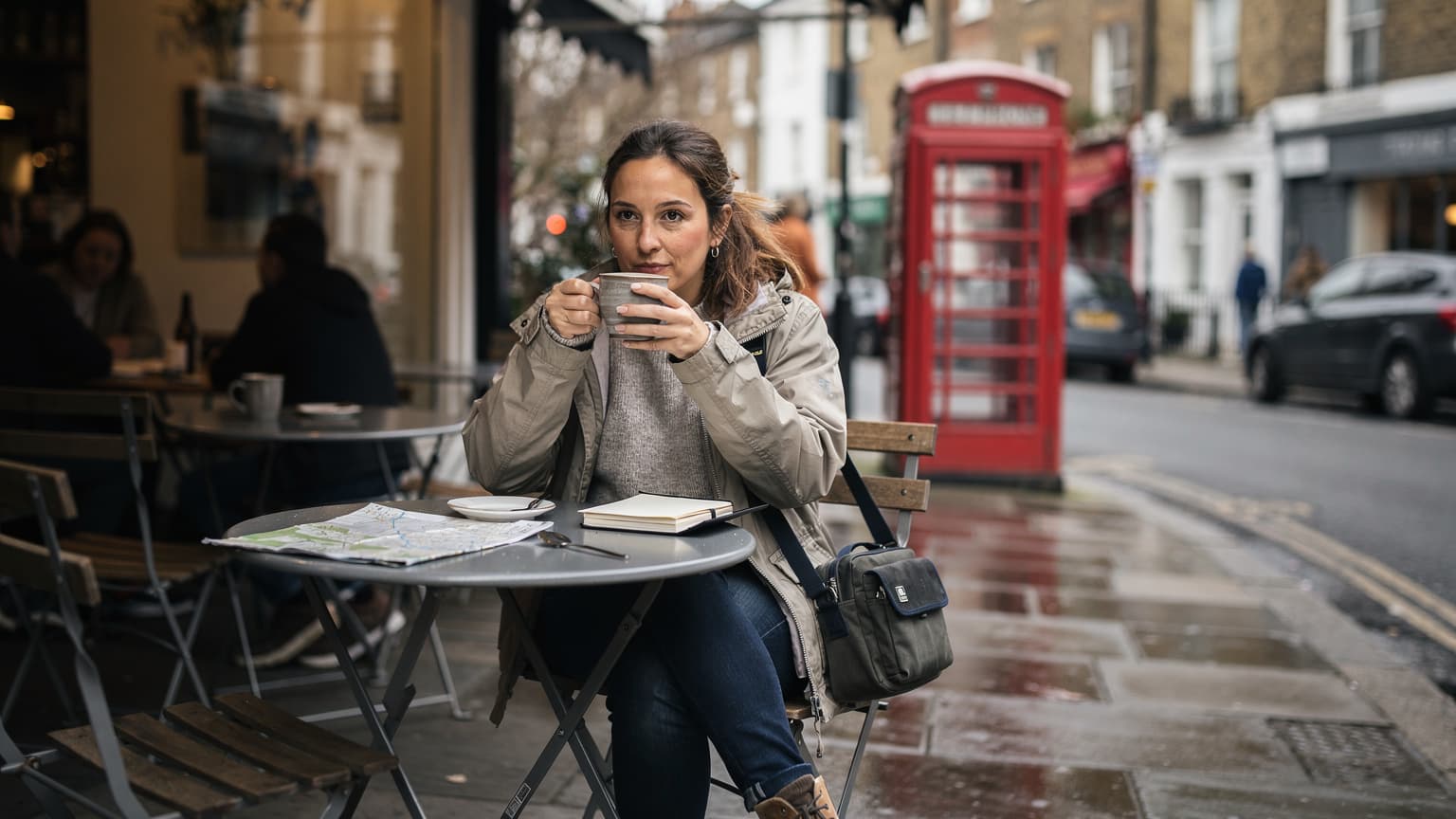
The UK's Layered Identity, Not Just England
When people say 'UK,' they often just mean England, especially London. But the United Kingdom is actually a sovereign state made up of four distinct countries: England, Scotland, Wales, and Northern Ireland. Each has its own capital, its own unique cultural heritage, and often, even its own legal system and administrative structures. If you're planning to visit Edinburgh, Cardiff, or Belfast, remember you're stepping into a country within a country, each with its own vibe, history, and even some regional languages still spoken, like Welsh.
Understanding the Constituent Countries
I've seen too many travelers assume they can just hop from London to Glasgow and expect the same experience. Trust me, it's not. Scotland has its own Parliament, its own banknotes (which are legal tender across the UK, though some smaller shops outside Scotland might do a double-take), and a fiercely independent spirit. Wales is bilingual, with Welsh spoken alongside English, particularly in the north and west. Northern Ireland, of course, has its own complex history and political landscape, distinct from both the Republic of Ireland and Great Britain.
This isn't just trivia; it impacts everything from public holidays to local customs, so doing a bit of homework on your specific destination within the UK really helps. For instance, renting an apartment in Edinburgh's Old Town for a month can be around £900-£1200, while a similar spot in Manchester's Northern Quarter might be £800-£1100. The cost of a pint of local ale also varies quite a bit between regions, and if you're hitting up a co-working spot like CodeBase in Edinburgh, you'll find a different tech scene than at Campus London.
Connectivity: A Nomad's Lifeline, and Why SMS Matters
For anyone spending more than a few days in the UK, reliable data isn't just nice to have, it's essential. From navigating the Tube to checking bank balances, your phone is truly your lifeline. While Wi-Fi is generally good in major cities, relying solely on public hotspots is a rookie mistake. You'll definitely want your own data connection, especially if you plan to use ride-sharing apps, translate menus, or just keep up with emails outside a cafe.
eSIMs: The Smart Choice for UK Travel
Forget messing with physical SIM cards. Seriously, who has time for that these days? An eSIM is the way to go. Cellesim offers United Kingdom eSIMs starting at $1.05 with over 28 plans, which is a pretty solid range. The real kicker for me, as someone who constantly deals with online banking and app verifications, is that they support SMS for OTP/verification. This is huge. I've been in countries where a local eSIM only gives you data, and then you're stuck when your bank needs to send a code. (Some Brazilian banks, for instance, are notorious for requiring local SIMs for their banking apps; while not a UK issue, it highlights why SMS is crucial.)
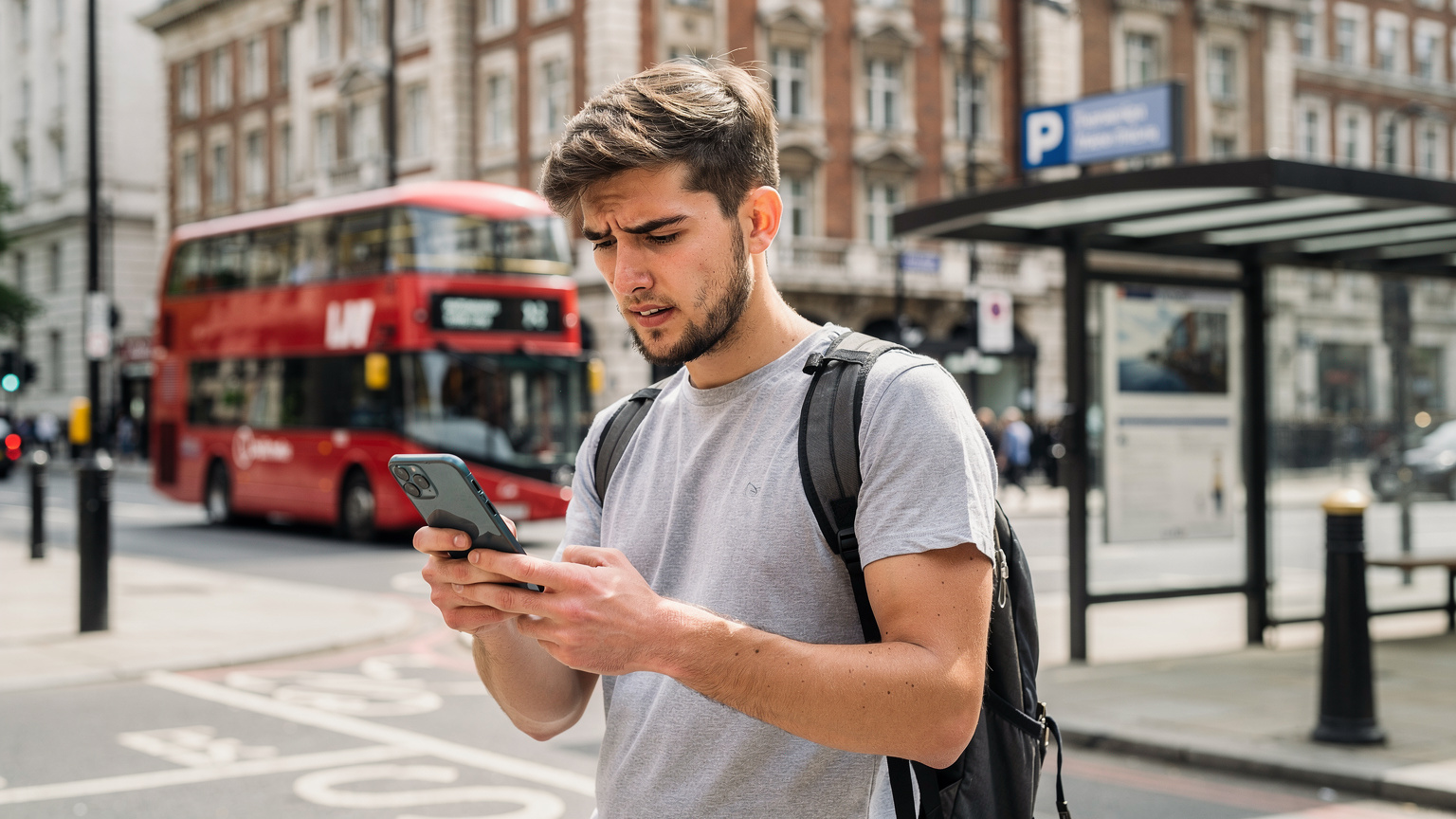
Setting Up Your Cellesim UK eSIM
The process is usually straightforward, assuming your phone is unlocked. You buy the plan online, get a QR code, scan it, and you're good to go. If you hit a snag, that's where someone like me comes in. Make sure your device is eSIM compatible and unlocked before you even leave home. It saves a lot of headaches later. For those rare instances where the QR code doesn't work, don't panic. There's usually a manual activation code you can punch in. Just follow the guide for T-Mobile eSIM activation with QR code, and the steps are broadly similar for other carriers and eSIM providers.
| Feature | Cellesim UK eSIM | Traditional Physical SIM |
|---|---|---|
| Activation Method | Instant, via QR code or manual entry | Physical purchase, insertion, potential registration |
| SMS for OTP/Verification | Supported | Supported |
| Plan Flexibility | 28+ plans, easy switching | Limited options, often tied to contract |
| Cost (Starter) | From $1.05 | Varies, often higher initial outlay |
Cashless Comfort and the Contactless Revolution
The UK is a largely cashless society. Seriously, I've had more trouble trying to pay with physical cash than with a card or phone in some places. From grabbing a coffee at Pret A Manger to paying for a bus ticket, contactless is king.
Your Wallet in Your Hand
Apple Pay, Google Pay, and simply tapping your credit or debit card are universally accepted. I've gone weeks without touching a banknote. Even small independent shops, market stalls, and most pubs will have a card reader. Make sure your cards are set up for contactless payments and that you've enabled them for international use with your bank before you travel. It's not just convenient, it's often the only option.
The Art of Queuing: A National Pastime
You might think it's just standing in line, but queuing in the UK is a sacred ritual. Cutting in line is considered a grievous social sin, a transgression against the very fabric of British politeness. Whether it's for a bus, a coffee, or even just waiting to speak to someone, expect an orderly line and join it without question.
Unwritten Rules of the Line
This applies everywhere from the Post Office to the checkout at Tesco. If there's no obvious line, look for where people are loosely gathered and ask, "Is this the back of the queue?" You'll get a polite nod and earn some respect. It's a small thing, but it sets the tone for your interactions.
Power Plugs and Voltage: Don't Fry Your Gear
This is a classic rookie mistake that can ruin your trip. The UK uses Type G power sockets, which have three rectangular pins. The voltage is 230V at 50Hz. If you're coming from North America (120V) or parts of Asia, you absolutely need a travel adapter and possibly a voltage converter for any non-dual-voltage appliances.
What to Bring, What to Leave
Most modern phone chargers, laptop chargers, and camera chargers are dual voltage (check the fine print on the adapter, it'll say something like 'Input: 100-240V'). For these, you'll just need a Type G adapter. But if you're bringing a hair dryer, straightener, or shaver from a 120V country, you risk frying it without a step-down converter. I always carry a multi-country adapter that has USB-C and USB-A ports built in, so I only need one plug for all my small electronics.
Driving on the Left: A Mental Reset
If you plan on renting a car, prepare for a significant adjustment: driving on the left side of the road. This also means the steering wheel is on the right side of the car. It takes more than a few hours to get used to, especially roundabouts.
Navigating UK Roads
My first time driving in the UK, I nearly took out a hedge on a quiet country lane. Roundabouts are everywhere and require particular attention to give way rules. If you're not confident, stick to public transport. UK roads can be narrow, winding, and often have speed cameras. Remember, speed limits are in miles per hour, not kilometers per hour. A Cellesim eSIM for Morocco won't help you here, but keeping your data active will ensure your GPS is always working, which is essential for navigation.
The Weather: It's a Thing
Everyone jokes about British weather, but it's not just a stereotype. It can be famously unpredictable, with all four seasons sometimes making an appearance in a single day. Sunny mornings can give way to sudden downpours, even in summer.
Packing for All Contingencies
Layers are your best friend. Always carry a waterproof jacket or umbrella, even if the sun is shining. Don't let a sudden shower catch you off guard, especially if you're exploring the Scottish Highlands or hiking in the Lake District. This isn't about romanticizing rain; it's about staying dry and comfortable when the weather turns.
Pub Culture and Ordering Etiquette
The pub is a cornerstone of British social life, but it has its own unwritten rules. Most importantly, you order at the bar, not from your table. Find a spot, decide what you want, and then head up to the bar to place your order and pay. Tipping isn't usually expected for drinks at the bar.
A Glimpse into Local Life
This isn't just about drinking. Pubs are community hubs, places for conversation, casual meals, and sometimes live music or quiz nights. Don't be afraid to strike up a conversation with locals, especially if you're sitting at the bar. Just remember to buy your own round, and if you're with a group, keep track of whose turn it is to get the drinks.
Navigating Public Transport: Oyster and Beyond
The UK has an extensive public transport network, but it varies significantly by region. London's Tube is iconic, but outside the capital, you'll rely more on buses and regional trains. Contactless payment is your best friend here, too.
London's Oyster Card vs. Contactless
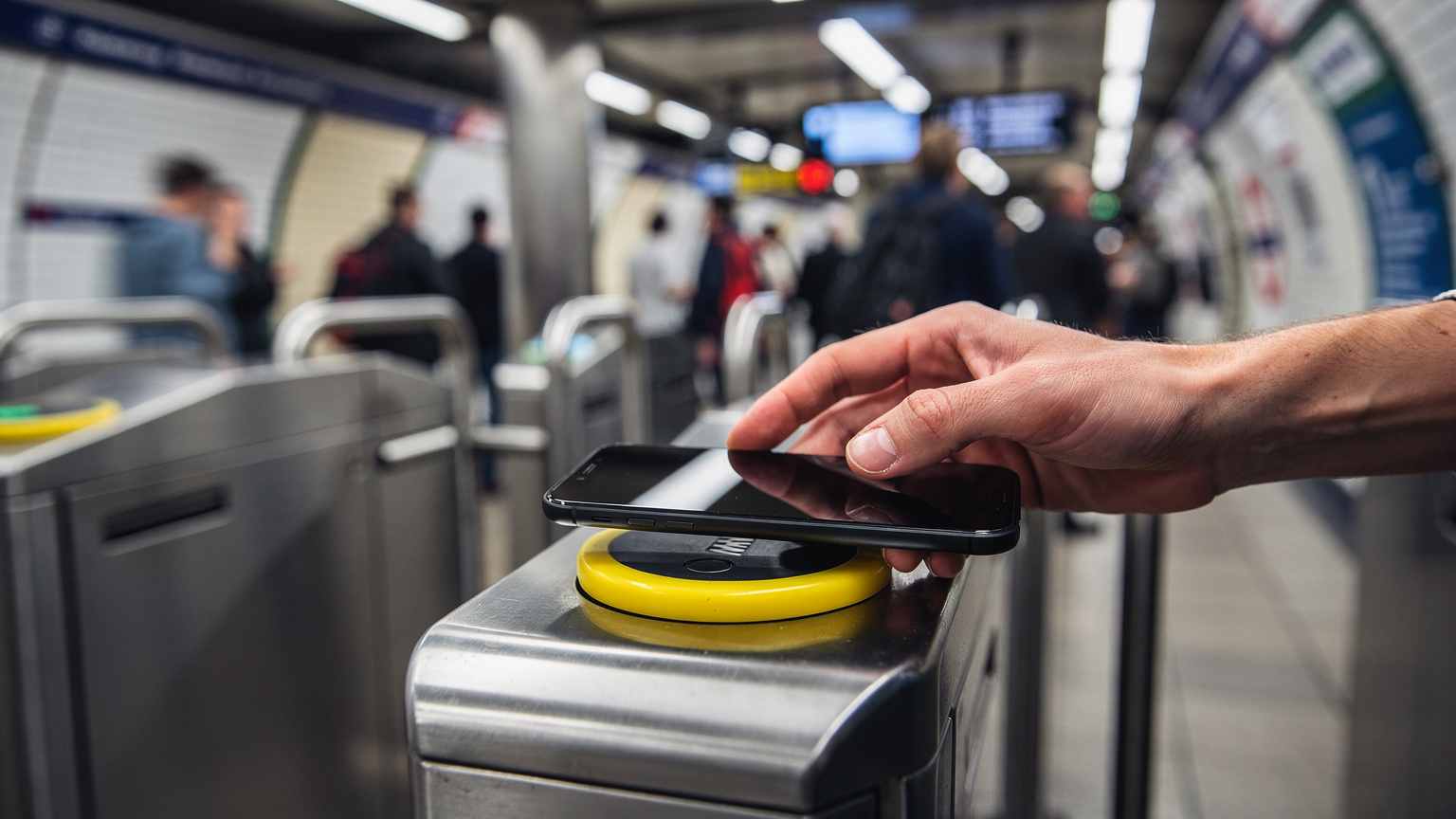
In London, you can use a physical Oyster card or simply tap your contactless bank card (or phone with Apple Pay/Google Pay) at the yellow readers for journeys on the Tube, buses, trams, DLR, London Overground, Elizabeth line, and most National Rail services within the London fare zones. Your contactless payment will automatically cap at the daily maximum, which is a lifesaver. Outside London, check local transport websites for their specific systems. For example, in Manchester, you can use contactless for trams, but buses might require exact change or an app. I found myself using the Citymapper app daily to figure out routes and timings while I was based in Shoreditch.
| Transport Type | Payment Method (London) | Payment Method (Outside London, e.g., Manchester) |
|---|---|---|
| Tube (Underground) | Contactless bank card, Oyster card | N/A (London-specific) |
| Buses | Contactless bank card, Oyster card | Contactless, app, or exact cash |
| Trams (e.g., Manchester Metrolink) | N/A | Contactless, app, paper ticket |
| National Rail | Contactless (within fare zones), paper ticket | Paper ticket, app (e.g., Trainline) |
Diverse Food Scene: Beyond Fish and Chips
The UK's culinary landscape is far more varied than you might expect. While fish and chips are a national treasure, you'll find an incredible array of international cuisines, especially in larger cities. Indian, Pakistani, and Bangladeshi food, in particular, has been a staple for decades and is often exceptional.
Exploring Global Flavours
Don't limit yourself to traditional British fare. Head to Brick Lane in East London for some incredible curries, or explore the street food markets in places like Borough Market. You can find everything from authentic Vietnamese pho to artisan sourdough pizzas. My go-to for a quick, reliable meal when I was living near Angel in London was the food court at Angel Central, which always had solid options.
Tipping Expectations: What's Polite
Tipping culture in the UK is different from what you might be used to in North America. It's generally less expected and for smaller amounts.
When and How Much to Tip
- Restaurants: A 10-15% tip is customary if service isn't already included in the bill. Always check, as many restaurants will add a 'service charge,' especially for larger groups.
- Taxis: Round up to the nearest pound, or add 10% for exceptional service.
- Pubs: Not generally expected for drinks at the bar. If you're having a meal, refer to restaurant guidelines.
- Hairdressers/Barbers: Around 10-15% is common.
It's always appreciated, but not mandatory to the same extent as in some other countries. No need to feel guilty if you don't, especially for quick service.
NHS and Healthcare for Visitors
The National Health Service (NHS) provides free healthcare for UK residents, but for visitors, it's a different story. While emergency treatment is generally free, you will likely be charged for non-emergency care or ongoing treatment.
Travel Insurance is a Must
This is where travel insurance becomes non-negotiable. Always make sure you have comprehensive travel insurance that covers medical emergencies and any pre-existing conditions. A broken arm or an unexpected illness can quickly rack up substantial bills without it. Don't skimp here; it's not worth the risk.
Visa Limitations: Always Check the Fine Print
Depending on your nationality, you might be able to enter the UK as a tourist without a visa for up to six months. However, this is strictly for tourism. You cannot work, study, or live in the UK on a standard visitor visa. If your plans involve anything beyond tourism, you need to apply for the appropriate visa.
Understanding Your Status
This isn't just a formality. Overstaying your visa, even by a day, or engaging in activities not permitted by your visa type, can lead to serious consequences, including future travel bans. For digital nomads, this means you can't officially 'work' for a UK company, but working remotely for a company outside the UK while on a tourist visa is generally accepted, provided your primary purpose for being there is tourism. Just don't make it obvious you're setting up a full-blown office. I recall a friend having issues when trying to get a local bank account without a proper residency visa, as some institutions require proof of long-term stay. Always double-check the latest UK government immigration rules before your trip.

'Mind the Gap' and Other Local Phrases
You'll hear the iconic 'Mind the Gap' announcement on the London Underground, warning you about the space between the train and the platform. But there are plenty of other phrases and colloquialisms that might initially confuse you.
Decoding British English
- "Alright, mate?": A common, informal greeting meaning "Hello, how are you?"
- "Fancy a cuppa?": "Would you like a cup of tea?" (or any hot drink).
- "Cheers!": Can mean "Thank you," "Goodbye," or be a toast.
- "Hoover": Often used to mean "vacuum cleaner," regardless of brand.
- "Jumper": A sweater.
- "Trousers": Pants.
- "Fag": A cigarette (be careful with this one, it has a very different meaning in North America).
- "Quid": Slang for a pound sterling.
Don't be afraid to ask if you don't understand something. Most people will be happy to explain.
Frequently Asked Questions
What type of power adapter do I need for the UK?
You'll need a Type G power adapter for the UK, which features three rectangular pins. The voltage is 230V at 50Hz. Most modern electronics are dual voltage, but check your device's charger for 'Input: 100-240V' to ensure compatibility.
Is it customary to tip in UK restaurants?
In UK restaurants, a 10-15% tip is customary if a service charge hasn't already been added to your bill. Always check the bill first. For drinks at a bar, tipping is not generally expected.
Can I use my phone for contactless payments on London public transport?
Yes, you can use your contactless bank card or your phone (via Apple Pay or Google Pay) to pay for journeys on the London Underground, buses, and other Transport for London services. Your payment will automatically cap at the daily maximum fare.
Are physical SIM cards necessary for travel in the UK?
Physical SIM cards are not necessary. An eSIM, like those offered by Cellesim, provides instant connectivity without needing to swap physical cards. Cellesim UK eSIMs also support SMS for OTP/verification, which is crucial for banking and app access.
What are the common visa limitations for visitors to the UK?
Most visitors can enter the UK for up to six months without a visa, but this is strictly for tourism. You cannot work, study, or officially live in the UK on a standard visitor visa. Engaging in prohibited activities can lead to serious immigration consequences.
See also: Bangladesh eSIM
See also: Pakistan eSIM