Understanding Vatican City's Unique Security Landscape
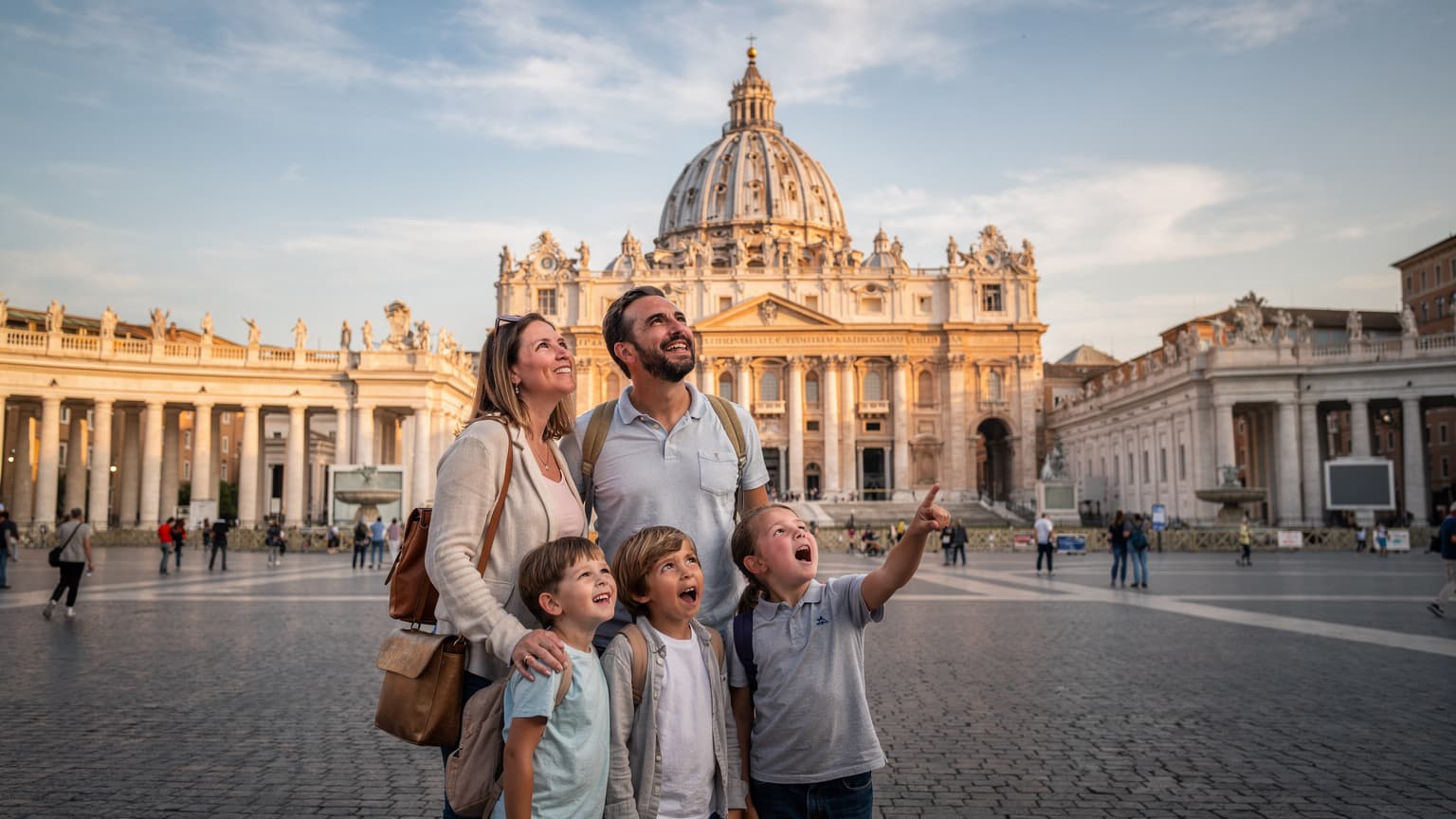
As a mom who's wrangled two kids through countless international airports and historical sites, I can tell you that peace of mind is priceless. Vatican City, while a tiny sovereign state, operates with a robust and visible security presence. The Vatican Gendarmerie Corps and the Pontifical Swiss Guard maintain order, particularly in St. Peter's Square and Basilica, and around the Vatican Museums. Their presence is reassuring, not intimidating, and they're generally helpful if you have questions, though their primary role is security.The security protocols are well-established, focusing on crowd management and access control, especially during major events like Papal Audiences or significant religious holidays. Expect airport-style security checks at entrances to the Basilica and Museums, including metal detectors and bag screenings. This means planning extra time, especially with strollers or diaper bags. My advice? Pack light and strategically.
What to Expect at Security Checkpoints
Security checkpoints are mandatory for entry into St. Peter's Basilica and the Vatican Museums. This is where those pre-loaded shows on the iPad come in handy for keeping little ones distracted while you wait. (Trust me, a few minutes of 'Bluey' can save your sanity.)
- Bag Scans: All bags, including purses and backpacks, will go through an X-ray scanner.
- Metal Detectors: Visitors will walk through metal detectors. Be prepared to remove items like belts, watches, and phones.
- Prohibited Items: Large backpacks, sharp objects, glass bottles, and any items deemed dangerous are not allowed. There are locker services available near the Vatican Museums entrance, but they can fill up quickly and add another layer to your already tight schedule.
- Dress Code: While not a security measure, strictly enforced dress codes are a critical aspect of visiting religious sites. Shoulders and knees must be covered for everyone, including children.
Entry and Exit: What Parents Need to Know
Vatican City is an open border with Italy, meaning there are no formal passport controls when you walk from Rome into Vatican City. However, this doesn't mean you can just waltz in anywhere. Specific entry points are designated for tourist attractions like St. Peter's Basilica and the Vatican Museums.Access to the Vatican Gardens or specific offices often requires prior arrangements or guided tours. For families, the seamless transition from Rome is a huge plus, as it avoids the hassle of additional border checks, which can be a nightmare with impatient kids. Just remember, while you're technically in a different country, local laws and customs are still very much in play.
Visa and Passport Requirements
Since Vatican City has an open border with Italy, your entry requirements are essentially those for Italy and the Schengen Area. Ensure all family members, including infants, have valid passports with at least six months of validity beyond your intended departure date. For many nationalities, a visa is not required for short tourist stays (up to 90 days within a 180-day period).
| Visitor Type | Passport Requirement | Visa Requirement |
|---|---|---|
| US Citizens | Valid Passport (6+ months validity) | No visa for stays under 90 days |
| Canadian Citizens | Valid Passport (6+ months validity) | No visa for stays under 90 days |
| UK Citizens | Valid Passport (6+ months validity) | No visa for stays under 90 days |
| Australian Citizens | Valid Passport (6+ months validity) | No visa for stays under 90 days |
| Other Schengen Area Citizens | National ID or Passport | No visa required |
Frequently Asked Questions
Is Vatican City safe for solo female travelers?
Yes, Vatican City is generally very safe for solo female travelers, particularly during daylight hours and within designated tourist areas. The strong security presence by the Vatican Gendarmerie and Swiss Guard contributes to a secure environment. As with any popular tourist destination, it's wise to be aware of your surroundings in crowds to prevent petty theft.
What is the emergency number in Vatican City?
While Vatican City has its own internal emergency services, visitors in distress would typically contact the emergency numbers for Italy, given the open border. The unified European emergency number is 112, which connects you to police, ambulance, or fire services. Ensure your Cellesim eSIM supports SMS for verification codes or emergency texts.
Are there any specific cultural sensitivities to be aware of in Vatican City?
Absolutely. Vatican City is a religious state, and respectful conduct is paramount. Adhere strictly to the dress code (covered shoulders and knees for all genders), maintain a quiet demeanor inside sacred spaces, and avoid eating or drinking in the Basilica. Photography is often restricted in certain areas, particularly the Sistine Chapel.
Can I use my regular phone plan in Vatican City?
You can, but it's often very expensive. Your regular phone plan will typically roam on Italian networks, incurring high daily charges or per-megabyte fees. For example, some US carriers charge €40/day for international roaming. A Cellesim Vatican City eSIM, starting at $2.00 with 31+ plans, offers a more cost-effective and predictable way to stay connected, avoiding bill shock.
What's the best way to keep track of my kids in crowded areas?
Beyond holding hands, technology can be a huge help. My family uses GPS tracking apps like 'Find My' on iPhones or 'Life360' on Android, which work seamlessly with a robust data connection from an eSIM. For younger children, consider child locator devices or even a brightly colored, easily identifiable hat or backpack. Designate a 'meeting spot' in case you get separated, and ensure everyone knows it.
Health and Wellness for Little Explorers
Keeping everyone healthy on a family trip is always top of mind, especially with young ones. While Vatican City is small, it's part of the greater Rome metropolitan area, so general health precautions for European travel apply. The biggest challenges for kids here are often related to heat, crowds, and endless walking.Always carry a small first-aid kit with essentials like band-aids, antiseptic wipes, pain relievers (children's paracetamol or ibuprofen), and any prescription medications your family needs. Dehydration is a real risk during warmer months, so keeping water bottles filled is non-negotiable, particularly when exploring St. Peter's Square in direct sunlight (there's not much shade). Remember, those long lines are tough on little legs, and sometimes a simple snack and a quick break can prevent a full-blown meltdown.
Staying Hydrated and Sun-Safe
The Roman sun can be intense, especially from May to September. Protecting your family from sun exposure is crucial.
- Water Bottles: Bring reusable water bottles. While there are fountains in Vatican City, they are fewer than in Rome. Make sure to stock up before entering major attractions.
- Sun Protection: Hats, sunglasses, and high-SPF sunscreen are essential.
- Shade Breaks: Plan your visit to include regular breaks in shaded areas or air-conditioned spaces. The Vatican Museums, while crowded, offer some respite from the sun.
Accessing Medical Care
Should a medical need arise, the Vatican City State operates its own health and hygiene directorate for its residents and employees. For visitors, however, you would typically access medical services available in Rome. Ensure you have comprehensive travel insurance that covers medical emergencies and evacuation. Keep a digital copy of your insurance details on your phone.
Navigating Crowds and Common Scams
Vatican City attracts millions of visitors annually, leading to significant crowds, especially during peak seasons (Easter, summer, Christmas) and on Wednesdays for the Papal Audience. These crowds, while a testament to its draw, also create opportunities for petty theft, a common issue in any popular tourist destination. It's not about being paranoid, but prepared.I've learned that keeping a tight leash on bags and kids (sometimes literally, with those anti-lost leashes for toddlers) is key. We use AirTags for backpacks and even attached one to my youngest's shoe once, just for an extra layer of peace of mind in bustling areas. Remember, those moments of distraction, like when you're trying to figure out which way to the Sistine Chapel, are exactly when thieves strike.
Tips for Avoiding Pickpockets
- Secure Your Belongings: Use cross-body bags or money belts worn under clothing. Avoid keeping wallets in back pockets or open backpacks.
- Be Aware in Crowds: Maintain situational awareness, especially in St. Peter's Square, around souvenir vendors, and on public transport connecting to Vatican City.
- Distraction Tactics: Be wary of anyone trying to distract you, such as dropping something, asking for directions with a map, or attempting to sell you something aggressively.
- Keep Valuables Hidden: Try not to flash large amounts of cash or expensive electronics.
Common Scams to Watch Out For
While the scams are typically not violent, they can certainly dampen your spirits and lighten your wallet.