Visiting Turkey During Ramadan 2026: A Tourist's Connectivity Guide
Turkey, where East truly meets West, offers an enchanting experience any time of year. But visiting during Ramadan 2026? That's a unique chance to see its rich cultural and religious traditions come alive. You might be wondering about the practical stuff, especially how to stay connected. Don't worry! This guide will tell you everything you need to know to keep your digital life buzzing during your Turkish Ramadan adventure.
Ramadan, the ninth month of the Islamic calendar, is a time of fasting, prayer, reflection, and community for Muslims worldwide. In 2026, Ramadan is expected to kick off around February 17th and wrap up around March 19th. As a visitor, you'll notice daily routines shift, but the warmth and hospitality of the Turkish people remain as strong as ever. And with the right plan to stay online, you can navigate your journey easily, sharing your experiences and keeping in touch with loved ones back home.
Understanding Connectivity Needs During Ramadan
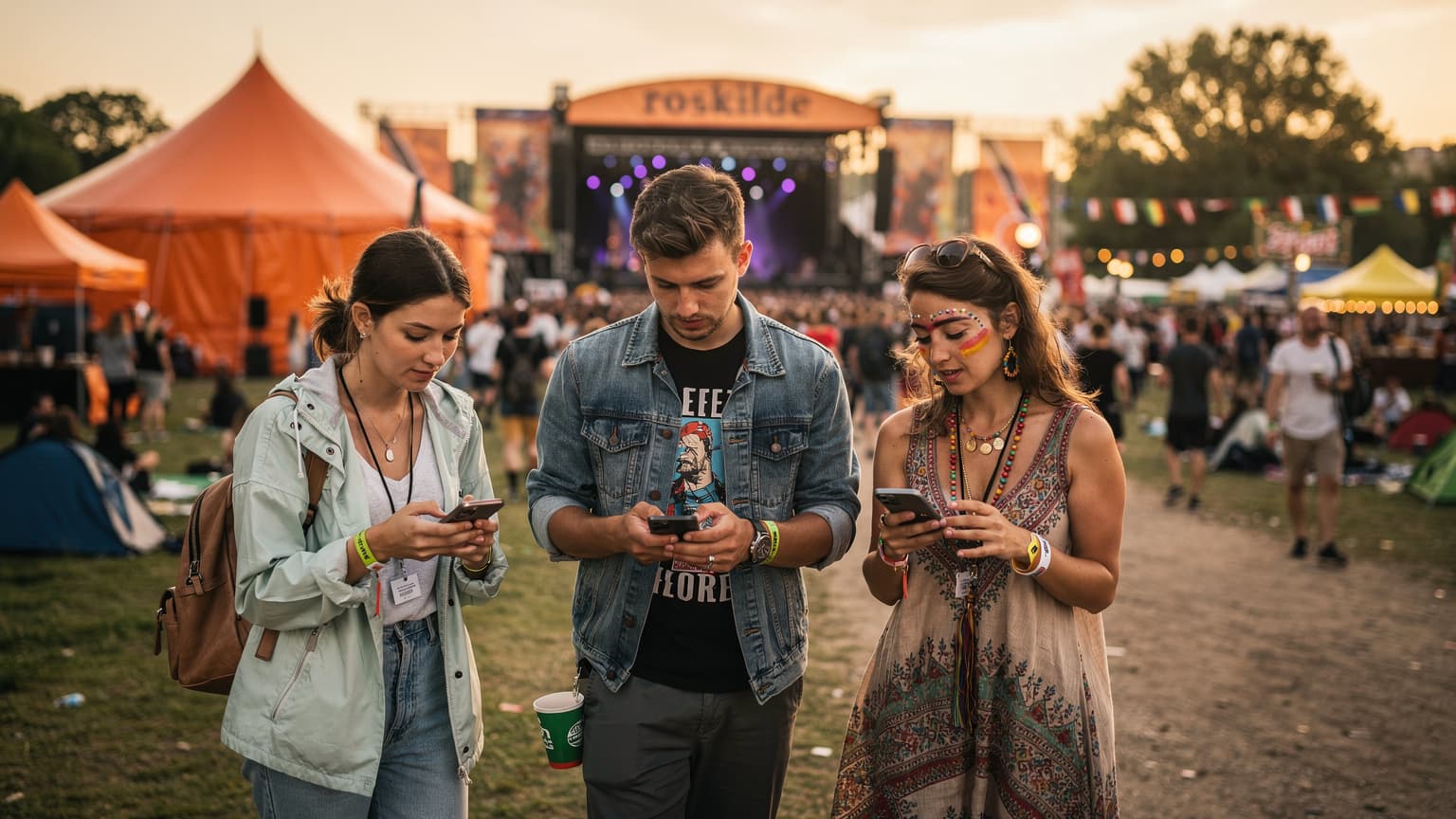
Your need to be connected during Ramadan won't be hugely different from any other trip, but some things might feel more important. You'll probably lean on your phone for directions, translations, checking prayer times (if you're participating or just curious), finding open restaurants for Iftar (the evening meal that breaks the fast), and, of course, sharing those incredible photos and videos. Reliable internet access is super important.
Why Staying Connected Matters
- Navigation: Google Maps or similar apps are essential for exploring cities like Istanbul, Cappadocia, or Ephesus.
- Communication: WhatsApp, FaceTime, or other messaging apps to stay in touch with family and friends.
- Information: Quick searches for local customs, opening hours, or emergency contacts.
- Emergency Services: Direct access to local emergency numbers if you need them.
- Social Media: Sharing your unique experiences and keeping your online presence active.
- Booking and Reservations: Especially important during Ramadan since some places might have different hours.
Your Connectivity Options in Turkey
When it comes to getting online in Turkey, you have several good choices. Each has its ups and downs, and understanding them will help you pick the best one for your trip.
1. Local SIM Cards
Buying a local SIM card when you arrive is a popular choice for many travelers. Turkey has three main mobile network operators: Turkcell, Vodafone Turkey, and Türk Telekom. All offer good coverage, especially in cities and popular tourist spots.
- Where to Buy: You can buy SIM cards at the airport, official operator stores in cities, or even some larger supermarkets and kiosks.
- Requirements: You'll need your passport to register the SIM. The process is generally pretty straightforward.
- Cost: Packages vary but usually include a certain amount of data, calls, and SMS. Expect to pay anywhere from 200-500 Turkish Lira (about $6-$15 USD, though prices change) for a tourist package valid for 15-30 days.
- Pros: Generally good value for your money, and you get a local number which can be handy.
- Cons: You have to swap out your home SIM card, there might be a language barrier when buying, and it's a bit of a hunt to find a store.
2. Roaming with Your Home Provider
Using your current mobile plan to roam internationally is the easiest option to set up, but often the most expensive. Make sure to check with your home provider before you travel to understand their international roaming rates and packages.
- Pros: No setup needed, you're instantly connected when you arrive.
- Cons: Can be incredibly expensive, leading to a nasty bill surprise. Data speeds might also be slower than local options.
3. Portable Wi-Fi Hotspots (MiFi)
Renting a portable Wi-Fi device can be a good idea if you're traveling with a group or have several devices that need internet access. These devices create a personal Wi-Fi network you can carry with you.
- Where to Rent: Available at airports, through online rental services, or some hotels.
- Cost: Rental fees vary but typically range from $5-$15 USD per day, plus a deposit.
- Pros: Connects multiple devices, provides a dedicated internet source.
- Cons: It's another device to carry and charge, daily rental fees can add up, and you lose service if the device runs out of battery.
4. Public Wi-Fi
You'll find free Wi-Fi in many hotels, cafes, restaurants, and some public areas. While it's convenient for quick checks, it shouldn't be your only way to get online.
- Pros: Free, and widely available in tourist areas.
- Cons: Can be slow, unreliable, and often unsecured (be careful when accessing sensitive information). You also have to be within range of a hotspot.
5. Travel eSIMs (Highly Recommended!)
For modern travelers, especially those visiting Turkey during Ramadan, a travel eSIM like Cellesim offers an unbeatable mix of convenience, flexibility, and good value. An eSIM is a digital SIM card built right into your phone, so you don't need to mess with physical SIM swaps.
- How it Works: You buy an eSIM plan online before you travel. You'll then get a QR code or activation details to download the profile to your phone. It usually takes just a few minutes.
- Cellesim Advantages:
- Instant Activation: Buy and activate your data plan from anywhere, even before you land in Turkey. No need to hunt for a store or deal with language barriers.
- Keep Your Home Number: Your physical SIM stays in your phone, meaning you can still get calls and texts to your main number while using Cellesim for data. This is super helpful for two-factor authentication or staying in touch with your bank.
- Flexible Plans: Cellesim offers various data packages for different trip lengths and usage needs. You can pick a plan that perfectly fits your Ramadan trip.
- Cost-Effective: Often more affordable than international roaming and similar in price to local SIM cards, but without the hassle.
- No Physical Hassle: No tiny cards to lose, no ejector tools needed.
- Reliable Network: Cellesim partners with top local networks in Turkey, making sure you get strong and consistent coverage.
- Customer Support: Access to dedicated customer support for any questions or problems you might have.
- Pros: Extremely convenient, flexible, good value, you keep your home number, quick setup.
- Cons: You need an eSIM-compatible device (most newer smartphones support eSIM).
Practical Tips for Staying Connected During Ramadan 2026
No matter how you choose to connect, a few smart habits will make your experience even better.
- Download Offline Maps: Before you head out each day, download offline maps for the areas you plan to explore. This is a great backup if your signal drops or you want to save data.
- Use Wi-Fi When Available: Take advantage of free, secure Wi-Fi in your hotel or trusted establishments for heavy data use like video calls or large downloads.
- Battery Life: Using data drains your battery quickly. Carry a portable power bank, especially if you'll be out exploring all day and relying on your phone for directions and communication.
- WhatsApp is Key: WhatsApp is the most popular messaging app in Turkey. Make sure it’s installed and set up on your phone for talking with locals or making reservations.
- Be Mindful of Data Consumption: If you're on a limited data plan, keep an eye on your usage. Streaming videos and downloading big files use up data fast.
- Consider a VPN: For extra security, especially when using public Wi-Fi, think about using a Virtual Private Network (VPN).
- Emergency Numbers: Know the local emergency numbers: 112 for general emergencies, 155 for police, 110 for fire. Your phone with data will be crucial for calling these if needed.
Embracing Ramadan as a Connected Tourist
Visiting Turkey during Ramadan is truly a special experience. While you might notice some businesses have different hours, especially around Iftar, the atmosphere is often one of heightened community spirit. As a tourist, you're not expected to fast, but respecting local customs like not eating, drinking, or smoking in public during fasting hours (particularly in more conservative areas) is a thoughtful gesture. Many restaurants will open specifically for Iftar, offering special menus and a lively atmosphere. Your reliable internet connection, maybe powered by Cellesim, will help you easily find these unique dining experiences and really immerse yourself in the local culture.
With a solid plan for staying connected, your trip to Turkey during Ramadan 2026 will be smooth, letting you focus on the breathtaking sights, rich history, and the unique cultural nuances of this beautiful time of year. Enjoy your connected journey!
Heading there? Compare data plans on our Turkey eSIM page and install before you fly.