For decades, the small plastic SIM card has been the beating heart of mobile communication. In 2025, that landscape is rapidly evolving, with the eSIM emerging as the dominant standard. This transformation raises a crucial question for many: will physical SIM cards truly disappear?
- Understanding eSIM: What It Is and How It Works
- The Irreversible Decline of Physical SIM Cards by 2025
- Key Advantages of eSIM Over Traditional SIMs for Travelers
- eSIM Device Compatibility and Global Adoption Trends in 2025
- Choosing Your eSIM: Data Plans, Coverage, and Cellesim's Role
- Activating Your eSIM: A Step-by-Step Guide for Seamless Connectivity
- eSIM vs. Traditional Roaming: A Cost and Convenience Comparison
- Addressing Common Concerns: Security and Future-Proofing Your Connectivity
- The Future of Mobile: What to Expect Beyond 2025
- Frequently Asked Questions
Connect Instantly with Cellesim eSIM
Travel to over 200 countries with instant activation. No physical cards, no airport queues. Join 50,000+ happy travelers who've already made the switch to Cellesim.
Browse eSIM PlansUnderstanding eSIM: What It Is and How It Works
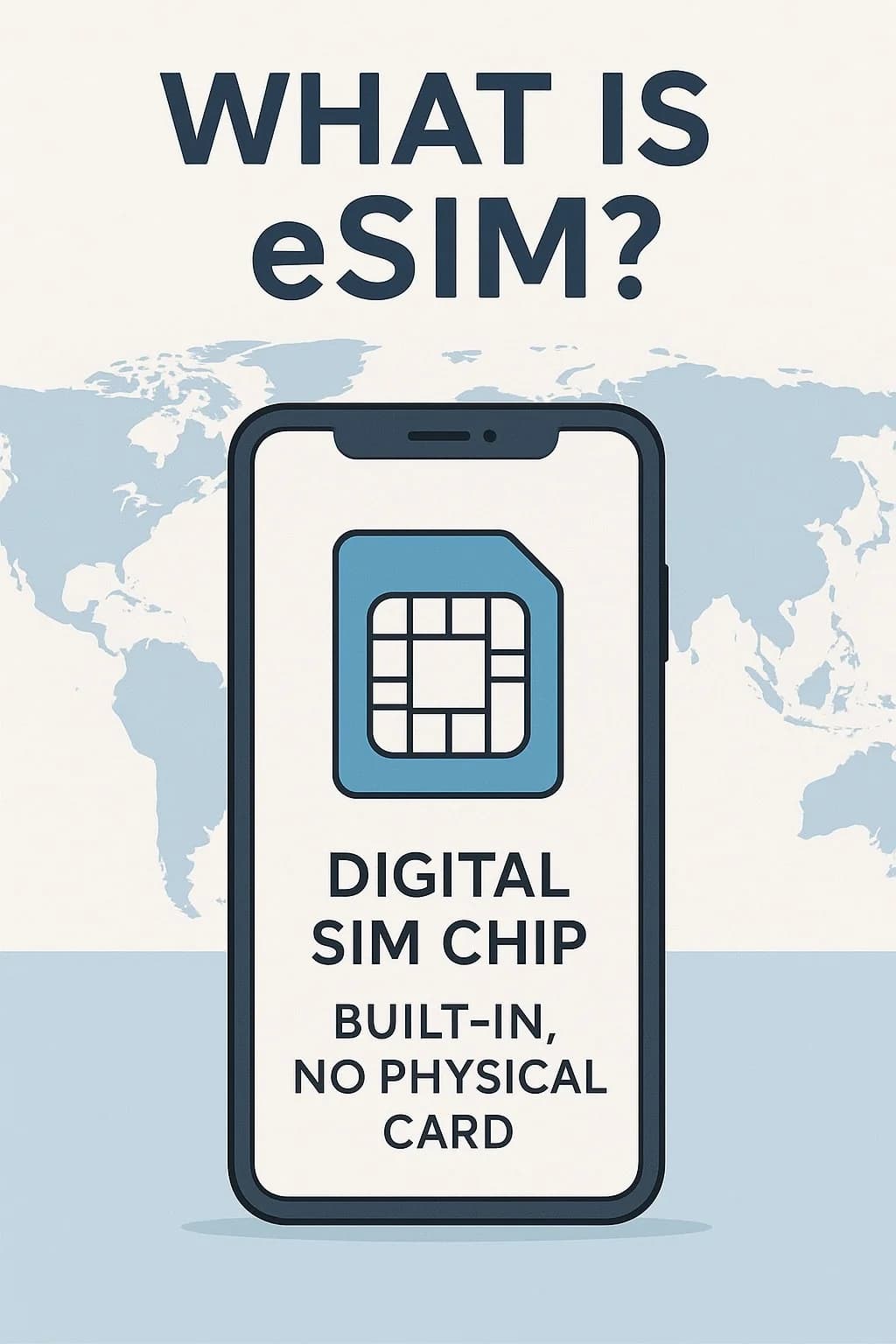
The term eSIM, short for embedded SIM, refers to a digital subscriber identity module directly built into a smartphone, tablet, smartwatch, or other connected device. Unlike its physical predecessor, an eSIM is a small chip permanently soldered onto the device's motherboard. This means there is no physical card to insert or swap.
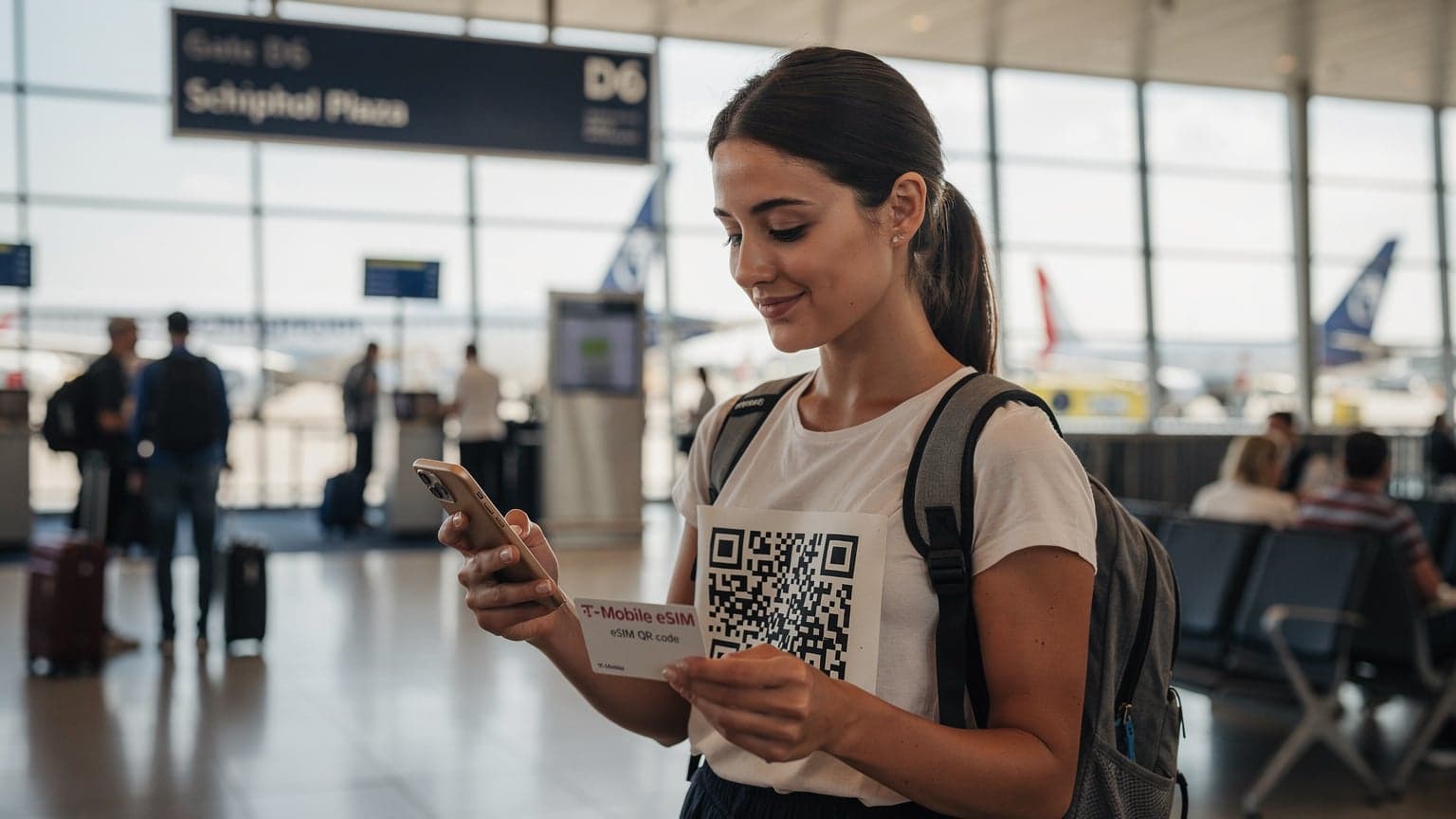
Instead, mobile network plans are downloaded and activated digitally. This process typically involves scanning a QR code or entering a manual activation code provided by your eSIM provider. The eSIM stores multiple network profiles, allowing users to switch between different carriers and data plans with ease, directly from their device settings.
Core Functionality and Advantages
- Digital Activation: Plans are provisioned remotely. Users can purchase an eSIM online and activate it within minutes, bypassing traditional retail stores or waiting for physical delivery.
- Multi-Profile Support: A single eSIM can store several different profiles from various carriers, although only one can be active at a time. This is particularly beneficial for frequent travelers or those who manage separate personal and business lines.
- Enhanced Security: Being embedded in the hardware, eSIMs are more difficult to tamper with, clone, or physically remove, offering a higher level of security compared to physical SIM cards.
- Space Saving: The absence of a physical SIM slot frees up valuable internal space in devices, which manufacturers can use for larger batteries, additional components, or sleeker designs.
This shift toward eSIM is not merely a technological upgrade but a fundamental change in how we access mobile networks, paving the way for more flexible and integrated connectivity solutions.
The Irreversible Decline of Physical SIM Cards by 2025
The traditional plastic SIM card has been a staple of mobile communication for decades, evolving from credit card-sized to the nano-SIM. However, its reign is drawing to a close. The industry is rapidly moving towards digital-only activation, with 2025 marked as a pivotal year in this transition.
The most significant catalyst for this shift was Apple's decision to remove the SIM tray from U.S. iPhone models, starting with the iPhone 14 line. This bold move signaled to the entire mobile ecosystem that the future is eSIM-only. Other major manufacturers, including Samsung and Google, have also embraced eSIM technology in their flagship devices, ensuring broad compatibility across the Android landscape.
By 2025, industry analysts predict that over 90% of new smartphones shipped globally will feature eSIM compatibility as standard. While physical SIM cards may not completely vanish overnight, especially in developing markets or for legacy devices, their presence will be significantly diminished. New device generations will increasingly offer eSIM as the primary, or even sole, method of connectivity.
This trend is driven by several factors: consumer convenience, environmental benefits, and the increasing demand for seamless, global connectivity. The infrastructure for eSIM support by mobile network operators is also expanding rapidly, making digital activation a mainstream option worldwide. The decline of the physical SIM is not a prediction; it is an ongoing reality, accelerated by technological advancements and market demands.
"The transition to eSIM is not just about technology; it's about simplifying global connectivity and reducing environmental impact."
Key Advantages of eSIM Over Traditional SIMs for Travelers
For international travelers, eSIM technology offers a compelling suite of benefits that far outweigh the traditional physical SIM card experience. These advantages translate into convenience, cost savings, and enhanced control over mobile connectivity while abroad.
Instant Connectivity on Arrival
With an eSIM, you can purchase and activate a local or regional data plan before you even depart. Upon landing in your destination, your phone connects to the network automatically, eliminating the need to search for a local SIM card vendor, navigate language barriers, or deal with activation processes at the airport. This means instant access to maps, ride-sharing apps, and communication with loved ones.
Seamless Plan Management
eSIMs allow for easy switching between multiple plans. A traveler can have their home country's plan active for calls and texts, while simultaneously using a Cellesim Europe eSIM for data. Managing these profiles is done directly through your phone's settings, providing unparalleled flexibility compared to physically swapping cards.
Cost-Effectiveness
Purchasing an eSIM plan from a provider like Cellesim often proves significantly more affordable than relying on international roaming charges from your home carrier. It also avoids the inflated prices often found at airport SIM kiosks. For example, a data plan for a week in France through Cellesim can cost a fraction of what a traditional roaming package would.
Enhanced Security for Devices
Unlike physical SIMs that can be lost, stolen, or damaged, an eSIM is integrated into your device's hardware. This adds a layer of security, as your network access cannot be compromised by the physical removal of a card. In the event of device loss, the eSIM profile can often be remotely managed or deactivated.
Environmental Impact Reduction
Every eSIM activated means one less piece of plastic produced, packaged, and shipped. This contributes to reducing plastic waste and the carbon footprint associated with the manufacturing and distribution of billions of physical SIM cards annually.
eSIM Device Compatibility and Global Adoption Trends in 2025
The widespread adoption of eSIM technology is accelerating, making device compatibility a less significant hurdle than in previous years. By 2025, the vast majority of new smartphones and many other connected devices will support eSIM, solidifying its position as the standard for mobile connectivity.
Key Compatible Devices (as of 2025)
Major manufacturers have integrated eSIM capabilities into their recent models. This includes:
- Apple: iPhone 14 series and newer (U.S. models are eSIM-only), as well as many older models from iPhone XS/XR onwards. iPads with cellular data also support eSIM.
- Samsung: Galaxy S23, S24 series, Z Fold, and Z Flip models, along with various A-series phones.
- Google Pixel: Pixel 4 and all subsequent models.
- Other Brands: Huawei, Motorola, Sony, Xiaomi, and other Android manufacturers are increasingly incorporating eSIM into their mid-to-high-range devices.
- Wearables & IoT: Smartwatches (Apple Watch, Samsung Galaxy Watch), laptops with cellular connectivity, and numerous Internet of Things (IoT) devices are also leveraging eSIM for seamless connection.
To verify if your specific device is compatible, Cellesim provides a convenient eSIM checker tool on their website, ensuring you have the information you need before purchasing a plan.
Global Adoption Landscape
The global rollout of eSIM support by mobile network operators has expanded significantly. While some regions might have a higher concentration of eSIM-enabled devices and services, the technology is now supported by hundreds of carriers worldwide. This widespread adoption is crucial for travelers, as it ensures reliable connectivity across Africa, Asia, Europe, North America, and beyond.
Governments and regulatory bodies are also playing a role, with some pushing for eSIM as a means to foster competition and reduce consumer reliance on single carriers. This trend suggests that by 2025 and beyond, eSIM will not just be an alternative but the expected mode of cellular connectivity for new devices.
Find Your Next eSIM Plan
Choosing Your eSIM: Data Plans, Coverage, and Cellesim's Role
Selecting the right eSIM plan is crucial for a smooth and connected travel experience. With Cellesim, the process is streamlined to ensure you find a plan that fits your specific needs, whether you are a business traveler, a tourist, or exploring for an extended period.
Understanding Data Needs
The amount of data you require depends heavily on your usage patterns. A typical traveler might use 1-3 GB per week for light browsing, maps, and messaging, while heavy streamers or those reliant on video calls could need 5-10 GB or more. Cellesim offers a range of data packages, from small daily allowances to larger bundles valid for longer durations.
Global and Regional Coverage
Cellesim provides extensive coverage in over 200 countries, ensuring you stay connected almost anywhere your travels take you. Options include country-specific eSIMs (e.g., Switzerland eSIM) or regional plans (e.g., Europe eSIM, Asia eSIM), which are ideal for multi-country trips. This flexibility allows you to choose a plan that matches your itinerary without the hassle of multiple local SIMs.
Cellesim partners with top local networks in each country to provide reliable 4G and 5G connectivity, ensuring fast speeds for all your online activities. Detailed network information and coverage maps are available for each destination on the Cellesim website, giving you transparency before you commit.
Cellesim's Commitment to Connectivity
Cellesim simplifies international connectivity by offering:
- Transparent Pricing: Clear, upfront costs with no hidden fees.
- Instant Delivery: eSIMs are delivered instantly via email, ready for activation.
- 24/7 Support: Dedicated customer support via [email protected] is available to assist with any queries or issues.
- Multilingual Support: The Cellesim platform is available in 24 languages, catering to a diverse global customer base.
By focusing on user-friendly solutions and extensive network reach, Cellesim helps travelers embrace the future of mobile connectivity, making physical SIM cards a relic of the past for international trips.
Activating Your eSIM: A Step-by-Step Guide for Seamless Connectivity
One of the primary benefits of eSIM technology is its straightforward activation process. Unlike physical SIM cards that require careful handling and insertion, an eSIM can be set up in a few simple steps, often before you even leave home. Cellesim streamlines this process to ensure instant connectivity.
1. Purchase Your eSIM Plan
Visit cellesim.com and select your desired destination or regional plan. Choose the data allowance and validity period that suits your travel needs. Complete your purchase securely online.
2. Receive Your Activation Details
Immediately after purchase, Cellesim sends an email containing your eSIM activation details. This usually includes a QR code and manual installation instructions. Ensure you have a stable internet connection (Wi-Fi is recommended) to download the eSIM profile.
3. Install the eSIM on Your Device
- For iPhone Users: Go to Settings > Cellular (or Mobile Data) > Add eSIM. You can then choose to "Use QR Code" and scan the code provided by Cellesim. Follow the on-screen prompts.
- For Android Users (Samsung, Google Pixel, etc.): Navigate to Settings > Network & internet > SIMs > Add more (or +). Select "Download a SIM instead" (or similar wording) and scan the QR code.
Alternatively, you can manually enter the SM-DP+ Address and Activation Code provided in your Cellesim email.
4. Configure Your eSIM Settings
Once installed, your device will prompt you to label your new eSIM (e.g., "Travel eSIM," "Cellesim"). You can also choose which line to use for data, voice, and messages. For data-only eSIMs, ensure your new eSIM is selected for mobile data usage, and turn on data roaming if prompted (this will only apply to your eSIM, not your primary SIM).
5. Connect and Enjoy
Your eSIM will now connect to the local network. You are ready to use data for navigation, communication, social media, and more. This entire process typically takes less than 5 minutes, providing a truly seamless transition to international connectivity. For a detailed visual guide, refer to the Cellesim Interactive Setup Guide.
eSIM vs. Traditional Roaming: A Cost and Convenience Comparison
When traveling internationally, the choice between using an eSIM, buying a local physical SIM, or relying on your home provider's roaming plan significantly impacts both cost and convenience. By 2025, eSIMs stand out as the superior option in most scenarios.
| Option | Cost (per 7 days, est.) | Setup/Activation | Flexibility | Device Impact |
|---|---|---|---|---|
| Cellesim eSIM | From $4.50 (e.g., for 1GB) | Instant (Online) | High (Multiple plans) | Dual-SIM (no tray) |
| Local Physical SIM | $15 - $30 (e.g., for 5GB) | Store visit, physical swap | Medium (single plan) | Occupies SIM tray |
| Home Provider Roaming | $10 - $15 per day | Automatic | Low (tied to home plan) | Uses home SIM/eSIM |
Cost-Effectiveness
Traditional roaming charges from home providers are notoriously expensive, often costing $10-$15 per day for limited data, leading to bill shock. Local physical SIM cards can be cheaper, but still involve an upfront purchase and often require a trip to a store, plus potential language barriers. Cellesim eSIM plans offer competitive rates, often starting from just a few dollars for a data package, providing significant savings over roaming.
Convenience and Flexibility
- eSIM: Purchase and activate online from anywhere, anytime. No physical handling. Easy to switch plans or add new destinations.
- Local SIM: Requires finding a physical store, dealing with sales associates, possibly passport registration, and physically swapping SIMs. You lose access to your home number for calls/texts unless your phone is dual-SIM.
- Roaming: Automatic, but comes at a premium price. Often includes throttled speeds or limited data bundles before extra charges apply.
The ability to manage multiple eSIM profiles on a single device further enhances convenience. Travelers can keep their primary number active while using an eSIM for data, effectively having two active lines on one phone. This dual-SIM functionality is a game-changer for staying connected without compromise.
For a detailed comparison between an eSIM and a physical SIM, consider reading our article on eSIM vs Physical SIM: The Airport Decision Every Traveler Faces.
Addressing Common Concerns: Security and Future-Proofing Your Connectivity
As eSIM technology becomes the standard by 2025, it is natural for users to have questions regarding security and the longevity of their connectivity solutions. eSIMs offer distinct advantages in these areas, ensuring a more robust and future-proof mobile experience.
Enhanced Security
The embedded nature of eSIMs inherently makes them more secure than physical SIM cards. Here's why:
- No Physical Removal: A physical SIM card can be easily removed and potentially swapped into another device, allowing unauthorized access to your number and associated services. An eSIM cannot be physically extracted from your device.
- Tamper Resistance: The digital provisioning of eSIM profiles uses strong encryption protocols, making it extremely difficult for malicious actors to clone or tamper with your network credentials.
- Remote Management: In case your device is lost or stolen, your eSIM profile can be remotely deactivated or transferred to a new device through your carrier or eSIM provider's portal, protecting your identity and data. This reduces the risk of SIM-swapping fraud.
Official bodies like the GSMA, which defines the global standards for eSIM, continuously work to ensure the security and interoperability of the technology across devices and networks.
Future-Proofing Your Connectivity
The move to eSIM is not a temporary trend but a long-term industry shift. By investing in eSIM-compatible devices and adopting eSIM services, you are aligning with the future of mobile connectivity.
- Industry Standard: With Apple leading the charge and other major manufacturers following suit, eSIM is rapidly becoming the default for new devices.
- Innovation Platform: eSIM enables new possibilities for device manufacturers, such as smaller form factors for wearables and enhanced integration with IoT ecosystems, without the constraints of a physical slot.
- Global Reach: As more carriers globally embrace eSIM, it will simplify international travel and global connectivity even further, making cross-border mobile access truly seamless.
By 2025, devices without eSIM capability may begin to feel outdated, especially for frequent travelers or those who value convenience and flexibility. Adopting eSIM now ensures you are prepared for the evolving demands of mobile communication.
The Future of Mobile: What to Expect Beyond 2025
While 2025 marks a significant milestone in eSIM adoption, the evolution of mobile connectivity will not stop there. The full integration of eSIM technology sets the stage for even more advanced and seamless experiences in the years to come.
Further Device Integration and Miniaturization
The elimination of the SIM tray allows for more robust, water-resistant devices and opens up design possibilities for even smaller gadgets. Expect eSIM to be standard in almost all connected devices, from smart rings and glasses to advanced medical wearables and smart home systems, all communicating seamlessly without physical card limitations.
Enhanced IoT Connectivity
The Internet of Things (IoT) will be a major beneficiary. eSIMs simplify provisioning and management for fleets of IoT devices, enabling them to connect globally with minimal human intervention. This is critical for smart cities, connected vehicles, and industrial automation where millions of devices need reliable, remote-managed connectivity.
Dynamic and Personalized Plans
As eSIM becomes ubiquitous, carriers and providers like Cellesim will likely offer even more dynamic and personalized data plans. Imagine a plan that automatically adjusts your data allowance based on your real-time travel needs or offers micro-subscriptions for specific services, like a temporary streaming pass while on a long flight.
The ability to instantly switch carriers will also foster greater competition among providers, potentially leading to better prices and more innovative services for consumers globally.
Security Advancements
Future eSIM iterations will likely integrate with advanced biometric security and blockchain technologies, making mobile identities even more secure and resilient against fraud. This evolution will be crucial as our digital lives become increasingly intertwined with our mobile devices.
The future beyond 2025 promises a world where connectivity is truly invisible and effortlessly integrated into every aspect of our lives, all powered by the digital freedom of eSIM.
Ready for Seamless Connectivity in 2025?
Join 50,000+ travelers in 200+ countries connecting instantly with Cellesim. Set up your global connectivity in minutes.
Start Your Connected JourneyTrusted by travelers worldwide. 24/7 Support.
Frequently Asked Questions
What is an eSIM and how does it work?
An eSIM (embedded SIM) is a digital chip built into your smartphone that replaces physical SIM cards. Instead of inserting a plastic card, you activate mobile plans by scanning a QR code. The eSIM is soldered directly into your device's motherboard and stores network credentials securely, allowing you to switch carriers in seconds without visiting a store.
Will physical SIM cards completely disappear by 2025?
While physical SIM cards won't vanish overnight, the industry is rapidly moving toward digital-only activation. Apple has already removed SIM trays from U.S. iPhone models, and most major carriers now support eSIM. By 2025, eSIM will be the dominant standard, though physical SIMs may remain available in some regions during the transition period.
Which devices support eSIM in 2025?
By 2025, over 90% of new smartphones are expected to support eSIM. This includes recent models from Apple (iPhone 14 and newer), Samsung (Galaxy S23 and newer), Google Pixel, and many other manufacturers. You can check if your device is compatible using Cellesim's eSIM Checker tool.
Is eSIM more secure than a physical SIM card?
Yes. Because the eSIM is embedded in your device's hardware, it cannot be physically removed, cloned, or stolen like a traditional SIM card. Your network credentials are stored securely, and you can deactivate or transfer your eSIM remotely if your device is lost or stolen, offering an enhanced layer of security.
Can I use eSIM and physical SIM at the same time?
Yes. Many modern smartphones support dual-SIM functionality, allowing you to use both an eSIM and a physical SIM simultaneously. This is ideal for travelers who want to keep their home number active for calls/texts while using a local or international data plan from providers like Cellesim.
How do I activate an eSIM with Cellesim?
Activating an eSIM with Cellesim takes just minutes. Visit cellesim.com, choose your destination or regional plan, complete your purchase, and you'll receive a QR code via email. Simply scan the QR code in your device settings, and your eSIM will activate automatically. No store visits or physical cards required.