

 จุดหมายปลายทาง eSIM
eSIM สำหรับ อียิปต์
อียิปต์: เปรียบเทียบแพ็กเกจ eSIM สำหรับเดินทาง เพื่อใช้แผนที่ แอปแชต และอินเทอร์เน็ตบนมือถือ
อียิปต์: เครือข่ายมือถือ
3 ผู้ให้บริการเครือข่ายที่รองรับ
- Etisalat5G
- Orange5G
- Vodafone5G
แสดงรุ่นสูงสุดต่อผู้ให้บริการ; แผนบริการบางแผนอาจใช้แถบสำรองตามเงื่อนไขในท้องถิ่น
ฟรี VPN เมื่อซื้อ eSIM
Every active Cellesim eSIM comes with a free VPN. browse securely on public Wi-Fi and reach your favourite apps from anywhere. No extra cost, no separate signup.
อียิปต์: เลือก eSIM ที่ใช่สำหรับทริปของคุณ
เลือกปริมาณอินเทอร์เน็ตและระยะเวลาใช้งานให้เหมาะกับทริปของคุณ ตรวจสอบว่าโทรศัพท์ของคุณรองรับหรือไม่และดูพื้นที่ครอบคลุมของแพ็กเกจก่อนซื้อ อียิปต์: แพ็กเกจเริ่มต้นที่ ฿185 4.4/5 · อ้างอิงจาก 290 รีวิว เปรียบเทียบแพ็กเกจต่างๆ ด้านล่าง รวมถึงเงื่อนไขการเปิดใช้งาน การแชร์อินเทอร์เน็ต และการเติมเงิน
- เปรียบเทียบราคารวมและปริมาณอินเทอร์เน็ต
- ตรวจสอบเครือข่ายและพื้นที่ครอบคลุม
- ติดต่อฝ่ายบริการลูกค้าหากต้องการความช่วยเหลือ
คำถามที่พบบ่อย
Egypt eSIM ช่วยให้เข้าถึงอินเทอร์เน็ตได้ทันทีทั่วเมืองใหญ่ๆ เช่น Cairo, Alexandria, Hurghada และ Sharm El Sheikh โดยไม่ต้องใช้ซิมการ์ด
เมื่อคุณสแกน QR code แล้ว eSIM ของคุณจะเชื่อมต่อกับเครือข่ายชั้นนำอย่าง Vodafone Egypt, Orange Egypt และ Etisalat ทำให้คุณได้รับอินเทอร์เน็ต 4G/LTE ที่รวดเร็วและปลอดภัยไม่ว่าคุณจะอยู่ที่ไหน
ได้! คุณสามารถดาวน์โหลดและตั้งค่า Egypt eSIM ของคุณก่อนเดินทาง
แผนของคุณจะเปิดใช้งานเมื่อคุณเชื่อมต่อกับเครือข่ายอียิปต์เท่านั้น ซึ่งหมายความว่าโทรศัพท์ของคุณจะพร้อมใช้งานทันทีที่คุณลงจอดที่ Cairo International Airport (CAI)
ดี ความครอบคลุมของ eSIM ในอียิปต์แข็งแกร่งในเมืองใหญ่และพื้นที่ท่องเที่ยว เช่น Luxor, Aswan, Dahab และ Sharm El Sheikh
แม้ในภูมิภาคทะเลทราย คุณก็ยังคงมี 4G ที่เสถียรในพื้นที่ที่มีประชากรส่วนใหญ่
สมาร์ทโฟนรุ่นใหม่เกือบทั้งหมดรองรับ eSIM รวมถึง iPhone XS และรุ่นใหม่กว่า, Samsung Galaxy S20+, Google Pixel 4+ และ Huawei P40 series
ตรวจสอบให้แน่ใจว่าโทรศัพท์ของคุณ ปลดล็อก ก่อนการติดตั้ง
คุณสามารถซื้อแพ็กเกจอินเทอร์เน็ตเพิ่มเติมได้อย่างง่ายดายผ่านบัญชี Cellesim โดยไม่ต้องติดตั้งใหม่
เมื่อคุณเติมเงิน eSIM ของคุณจะยังคงใช้งานได้ด้วย QR code เดิม ไม่มีสะดุด ไม่มีปัญหา
สิ่งสำคัญที่ต้องรู้: ใช่ อียิปต์มีข้อบังคับที่เข้มงวดเกี่ยวกับบริการ VoIP (Voice over IP) แม้ว่าคุณจะสามารถส่งข้อความ รูปภาพ และข้อความเสียงบน WhatsApp, Messenger หรือ Telegram ได้โดยไม่มีปัญหา แต่ การโทรด้วยเสียงและวิดีโอ ผ่านแอปเหล่านี้มักถูกบล็อกโดยผู้ให้บริการท้องถิ่น หากการโทรผ่านแอปเป็นสิ่งจำเป็นสำหรับคุณ เราขอแนะนำให้ใช้ VPN ที่ปลอดภัยหรือยึดติดกับการสื่อสารแบบข้อความในขณะที่ใช้ข้อมูลมือถือ
ได้ นี่เป็นหนึ่งในเหตุผลที่ใหญ่ที่สุดในการซื้อ eSIM Wi-Fi บนเรือสำราญแม่น้ำไนล์มีราคาแพงมาก ช้า และมักจะใช้งานได้เฉพาะในล็อบบี้เท่านั้น eSIM ของเราเชื่อมต่อกับเครือข่ายท้องถิ่นที่เชื่อถือได้ (โดยทั่วไปคือ Vodafone Egypt หรือ Orange) ซึ่งครอบคลุมริมฝั่งแม่น้ำไนล์ คุณจะมีการเชื่อมต่อ 4G/LTE เพื่ออัปโหลดรูปภาพวิหารของคุณในขณะที่ล่องเรือระหว่าง ลักซอร์ และ อัสวาน โดยไม่ขึ้นกับ Wi-Fi ที่ไม่ดีของเรือ
เพื่อให้แน่ใจว่ามีการครอบคลุมที่ดีที่สุดจาก พีระมิดแห่งกิซ่า ไปจนถึงรีสอร์ทดำน้ำในทะเลแดง eSIM ของเราเชื่อมต่อกับผู้ให้บริการชั้นนำของอียิปต์ โดยทั่วไปคือ Vodafone Egypt, Etisalat หรือ Orange ซึ่งรับประกันอินเทอร์เน็ตความเร็วสูงที่เชื่อถือได้ไม่ว่าคุณจะอยู่ในถนนที่พลุกพล่านของ ไคโร, พักผ่อนใน ชาร์มเอลชีค หรือดำน้ำใน ฮูร์กาดา
ไม่ การซื้อซิมการ์ดจริงที่สนามบินนานาชาติไคโรต้องแสดงหนังสือเดินทาง วีซ่า และรอคิวที่วุ่นวายในขณะที่ตัวแทนลงทะเบียนรายละเอียดของคุณ Cellesim eSIMs ไม่ยุ่งยากและ ไม่ต้องการการลงทะเบียน ID สำหรับแผนการเดินทางแบบข้อมูลเท่านั้น คุณสามารถซื้อออนไลน์และเปิดใช้งานได้ทันที โดยข้ามขั้นตอนราชการที่สนามบินไปได้เลย
แน่นอน ไคโรเป็นเมืองใหญ่ และการใช้แอปเรียกรถอย่าง Uber หรือ Careem เป็นวิธีที่ปลอดภัยที่สุดในการเดินทาง eSIM ของเราให้ความเร็ว 4G/LTE ที่รวดเร็ว ทำให้มั่นใจว่าตำแหน่ง GPS ของคุณแม่นยำสำหรับการรับส่ง และคุณสามารถติดตามการเดินทางของคุณได้แบบเรียลไทม์โดยไม่มีความล่าช้า นอกจากนี้ยังจำเป็นสำหรับการใช้ Google Maps เพื่อนำทางบนถนนที่ซับซ้อน
เกี่ยวกับ eSIM อียิปต์
อียิปต์ eSIM — แพ็กเกจอินเทอร์เน็ต
฿185. เปรียบเทียบปริมาณข้อมูล อายุการใช้งาน และราคารวมในรายการแพ็กเกจ ก่อนซื้อให้ตรวจสอบพื้นที่ครอบคลุม ฮอตสปอต และเงื่อนไขการใช้งานอย่างเป็นธรรม
ติดตั้ง eSIM ผ่าน Wi-Fi ก่อนออกเดินทาง ตรวจสอบว่าแพ็กเกจเริ่มนับเวลาเมื่อใด การติดตั้งและการเปิดใช้งานอาจไม่เกิดขึ้นพร้อมกัน ความเร็วขึ้นอยู่กับสถานที่ อุปกรณ์ และแพ็กเกจ
eSIM อียิปต์: 5G เสถียรสำหรับไคโร, ลักซอร์ & ชาร์มเอลชีค
พร้อมเดินท่ามกลางฟาโรห์แล้วหรือยัง? ไม่ว่าคุณจะยืนอยู่หน้ามหาพีระมิดแห่งกิซ่า, ล่องเรือในแม่น้ำไนล์, หรือดำน้ำในทะเลแดงที่ฮูร์กาดา, การเชื่อมต่อเป็นสิ่งสำคัญ. อย่าพึ่งพา Wi-Fi โรงแรมที่ช้า. แผน eSIM อียิปต์ของ Cellesim ให้การเชื่อมต่อ 5G ทันใจเริ่มต้นเพียง ฿185. เลือกจาก 6 หรือ 9 ที่ปรับแต่งมาเพื่อการผจญภัยในอียิปต์ของคุณ.
🧭 ปลายทาง eSIM ที่เกี่ยวข้อง: eSIM เซเนกัล · eSIM แซมเบีย · eSIM ไนเจอร์ · eSIM แอฟริกา
หลีกเลี่ยงค่าบริการโรมมิ่งระหว่างประเทศ
การโรมมิ่งในแอฟริกาเหนืออาจมีราคาแพงอย่างไม่น่าเชื่อ. ผู้ให้บริการมักคิดค่าบริการรายวันสูง. ด้วย Cellesim คุณจะได้รับอัตราท้องถิ่นที่โปร่งใสแบบดิจิทัล. ไม่มีบิลช็อก ไม่มีค่าธรรมเนียมแอบแฝง.
ทำไม Cellesim eSIM จึงจำเป็นสำหรับการเดินทางไปอียิปต์ของคุณ
- เชื่อมต่อสนามบินทันที: ออนไลน์ทันทีที่คุณลงจอดที่สนามบินนานาชาติไคโร (CAI). สั่ง Uber หรือ Careem ได้ทันที.
- คุ้มค่าที่สุด: แผนเริ่มต้นที่ ฿185 ถูกกว่ากระดาษปาปิรุสของที่ระลึก.
- เก็บเบอร์บ้านของคุณไว้: ซิมจริงของคุณยังคงใช้งานได้สำหรับรหัสธนาคาร 2FA และการโทรฉุกเฉิน, ในขณะที่คุณใช้ eSIM สำหรับข้อมูล. WhatsApp ยังคงเชื่อมต่ออยู่.
- ครอบคลุมที่เชื่อถือได้: เข้าถึงเครือข่าย 5G อียิปต์ความเร็วสูงสำหรับการนำทางและการสตรีมที่รวดเร็ว.
เชื่อมต่อทั่วเมืองสำคัญของอียิปต์
- ไคโร: ใช้ Google Maps เพื่อนำทางตลาด Khan el-Khalili ที่คึกคัก.
- ลักซอร์: แชร์วิดีโอหุบเขากษัตริย์ได้ทันที.
- ชาร์มเอลชีค: เชื่อมต่อขณะพักผ่อนที่ชายหาดรีสอร์ท.
เชื่อมต่อที่สถานที่ท่องเที่ยวชั้นนำของอียิปต์
- พีระมิดแห่งกิซ่า: อัปโหลดเซลฟี่กับสฟิงซ์ไป Instagram ได้แบบเรียลไทม์.
- วิหารคาร์นัก: ดาวน์โหลดคู่มือเสียงเพื่อทำความเข้าใจอักษรอียิปต์โบราณ.
- แม่น้ำไนล์: แชร์การล่องเรือเฟลุกก้าชมพระอาทิตย์ตกของคุณแบบสดๆ.
รีวิว eSIM อียิปต์ จากนักเดินทางจริง
อ้างอิงจาก 290 รีวิว
- Somchai·8 ก.ค. 2569
ใช้งานได้ดีเยี่ยม.
- Somchai·30 ม.ค. 2569
ยอดเยี่ยม.
ดีมาก WiFi
Somchai94·9 ธ.ค. 2568ดีมาก WiFi
- Porn21·27 ส.ค. 2568
แนะนำเลย eSIM
- Somsri V.·15 มิ.ย. 2568
ดีมาก. ใช้งานได้ดีเยี่ยม ...
- Marie T.·29 มิ.ย. 2569·fr
Top. Rapide. ok
I set up
Anonymous·24 มิ.ย. 2569·enI set up without any issues. Used in EG, nice experience. Setup was excellent
추천합니다 Cellesim
사용자 E.·15 มิ.ย. 2569·ko추천합니다 Cellesim
Je recommande. Top
Pierre A.·13 มิ.ย. 2569·frJe recommande. Top. Rapide. Aucun problème. (EG)
Rápido. Todo bien
Luis973·2 มิ.ย. 2569·esRápido. Todo bien.
- Marco D.·31 พ.ค. 2569·it
Molto bene. Perfetto. Veloce.
- Ken·28 พ.ค. 2569·ja
問題なし。 とても良いです。 完璧です。
คู่มือ eSIM อียิปต์: สิ่งที่นักเดินทางถามก่อนออกเดินทาง
พื้นที่ครอบคลุม ขั้นตอนติดตั้ง ความเร็วจริง และรายละเอียดเล็กๆ ที่อาจทำให้ทริปสะดุดถ้าข้ามไป คัดมาเพื่อ อียิปต์
 Oszczędności i porównania
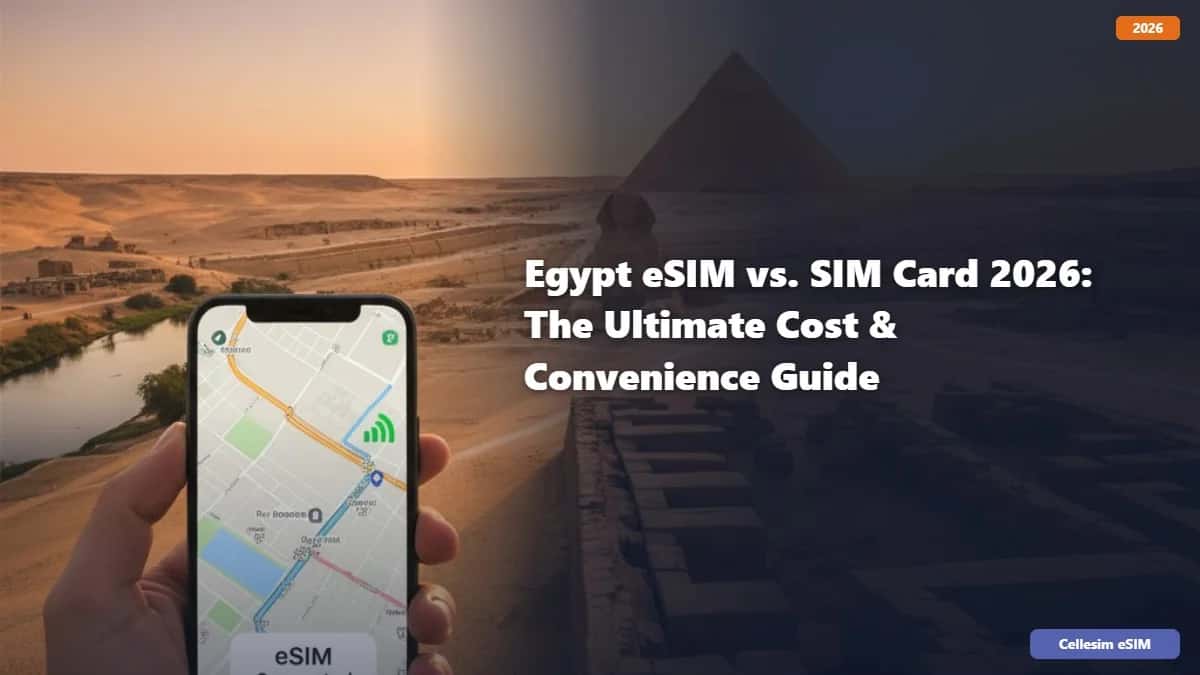
eSIM อียิปต์ vs. ซิมการ์ด 2026: คู่มือฉบับสมบูรณ์เรื่องค่าใช้จ่ายและความสะดวกสบาย
เดินทางไปอียิปต์ปี 2026? เปรียบเทียบ eSIM, ซิมท้องถิ่น, และ Roaming สำหรับดาต้า ค้นพบค่าใช้จ่ายแฝงและวิธีเชื่อมต่อที่ถูกที่สุด รับ eSIM อียิปต์ของคุณวันนี้!
อ่านคู่มือ Poradnik eSIM
พร้อมลุยซาฟารี: คู่มือ eSIM ฉบับสมบูรณ์เพื่อการผจญภัยในแอฟริกาปี 2026
กำลังจะไปซาฟารีในแอฟริกาปี 2026 ใช่ไหม? ค่าบริการโรมมิ่งอาจสูงถึง $15/วัน แต่ eSIM เริ่มต้นเพียง $3 เรียนรู้วิธีรับดาต้าที่เชื่อถือได้ หลีกเลี่ยงข้อผิดพลาด และประหยัดกว่า 80%
อ่านคู่มือ Przewodniki docelowe
Morocco eSIM Coverage 2026: จากตลาดที่คึกคักสู่เนินทรายในทะเลทราย
การโรมมิ่งในโมร็อกโกมักมีค่าใช้จ่าย $15/วัน คู่มือปี 2026 ของเราแสดงให้เห็นว่า Cellesim eSIM ให้บริการครอบคลุมทั่วถึงตั้งแต่ Marrakech ถึง Sahara ในราคาที่ถูกกว่า ช่วยคุณประหยัดกว่า 80%
อ่านคู่มือ Przewodniki docelowe
T-Mobile International Data Pass vs. Cellesim eSIM: ประหยัดกว่าเมื่อเดินทางต่างประเทศในปี 2026
เปรียบเทียบ International Data Pass ของ T-Mobile กับ Cellesim eSIM ในปี 2026 ค้นพบวิธีรับดาต้าที่เชื่อถือได้ หลีกเลี่ยงค่าบริการโรมมิ่ง และประหยัดเงินในการเดินทางต่างประเทศครั้งต่อไปของคุณ
อ่านคู่มือ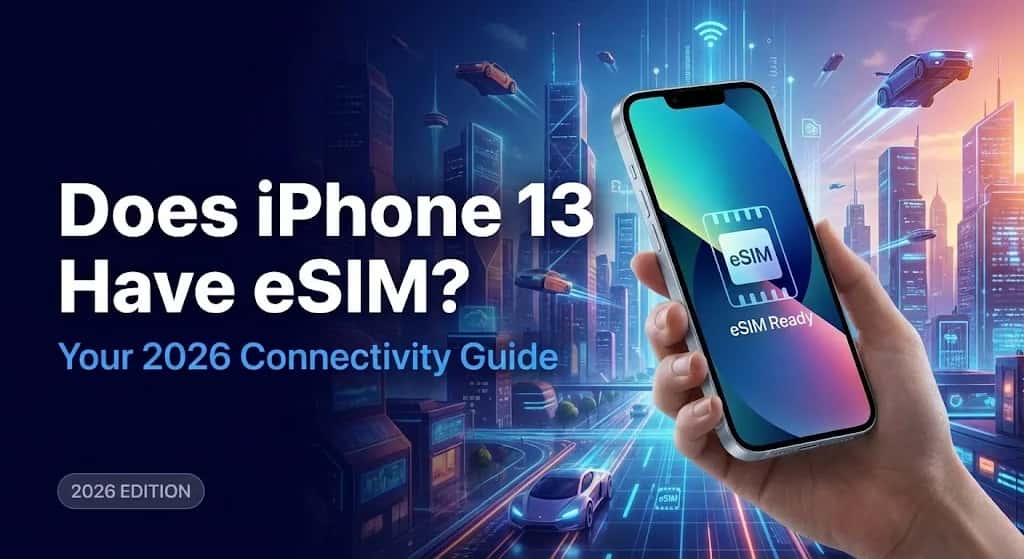 Poradnik eSIM
iPhone 13 มี eSIM ไหม? คู่มือการเชื่อมต่อปี 2026
ค้นหาว่า iPhone 13 ของคุณรองรับ eSIM หรือไม่ และวิธีเปิดใช้งานเพื่อการเดินทางระหว่างประเทศที่ราบรื่นในปี 2026 เชื่อมต่อได้ทันที
อ่านคู่มือ Poradniki
วิธีใช้ eSIM ระหว่างประเทศในปี 2026: คู่มือฉบับสมบูรณ์
เรียนรู้วิธีใช้ eSIM ระหว่างประเทศในปี 2026 เพื่อการเชื่อมต่อทั่วโลกที่ราบรื่น หลีกเลี่ยงค่าบริการโรมมิ่งกับ Cellesim สำรวจแพ็กเกจวันนี้!
อ่านคู่มือ
ประเทศใกล้เคียง
ตรวจสอบพื้นที่ให้บริการสำหรับทุกจุดหมายในทริปของคุณ


