Belgium General Safety Overview 2026
Stepping off the train at Brussels-Midi, the sheer buzz of international travelers always reminds me that Belgium, despite its small size, is a significant crossroads. For 2026, the overall safety profile remains strong, similar to many Western European nations. The main concerns for visitors typically revolve around petty crime, particularly in crowded tourist areas and major transport hubs, rather than violent incidents.
Understanding Crime Hotspots in Major Cities
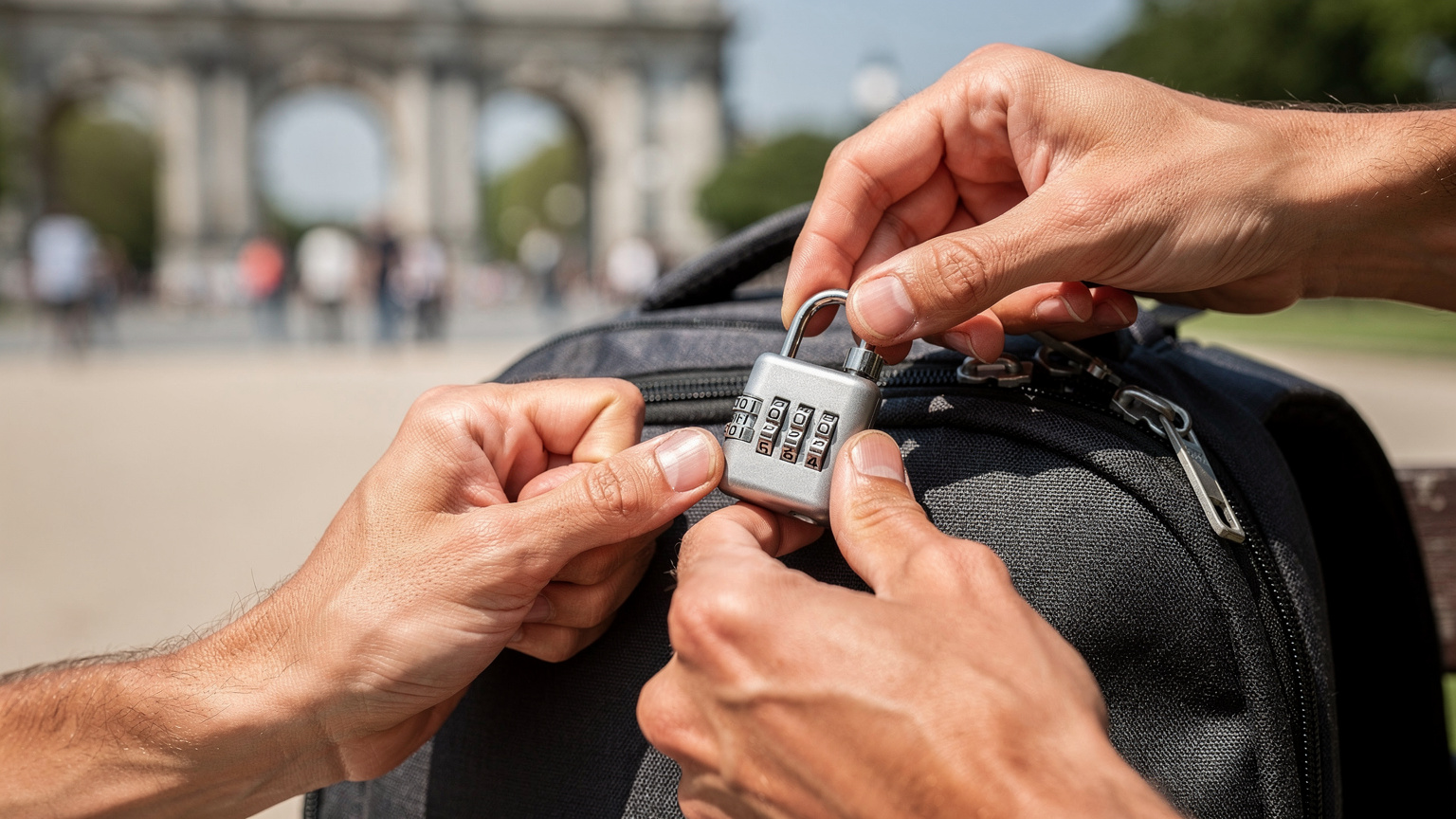
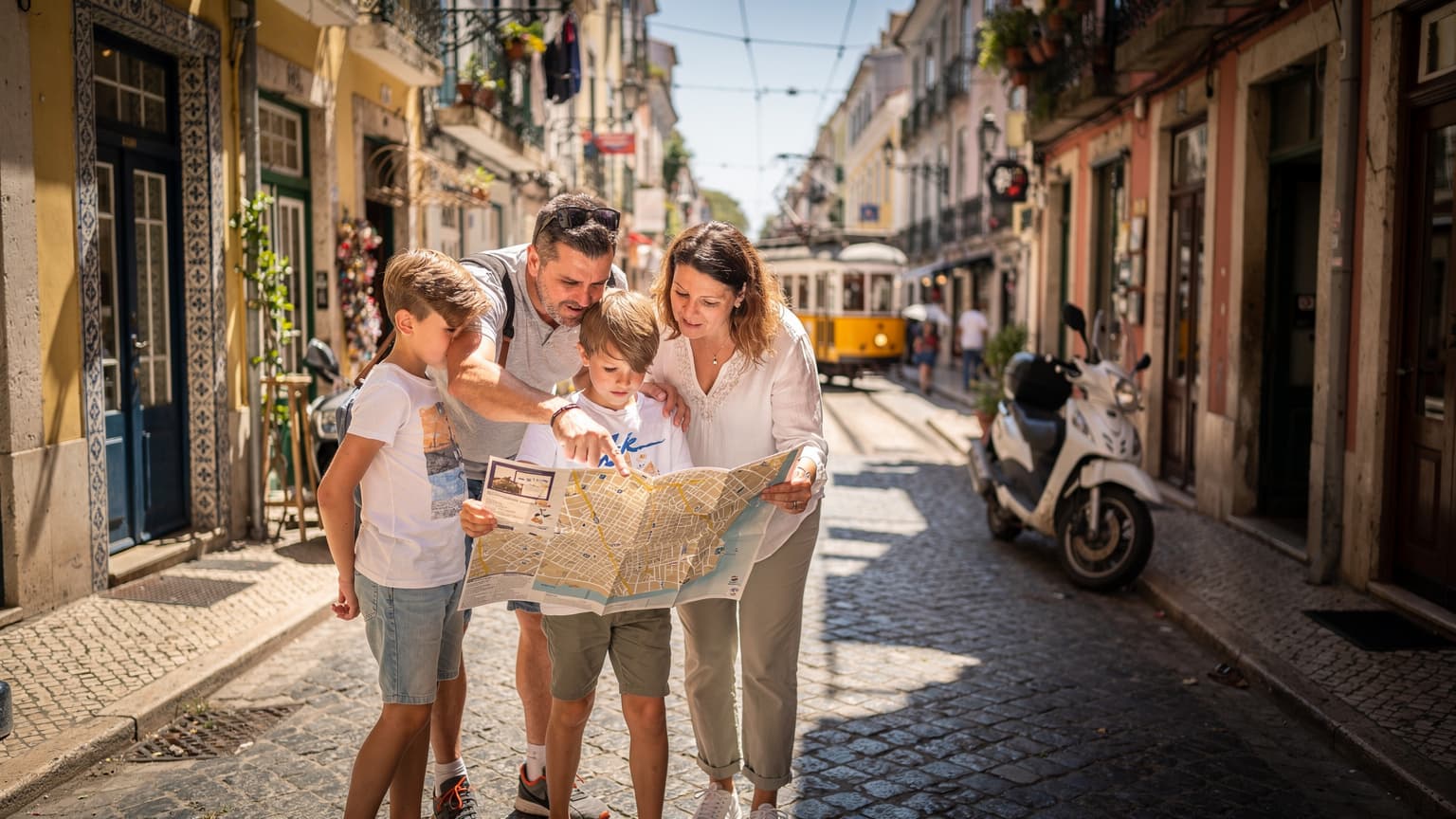
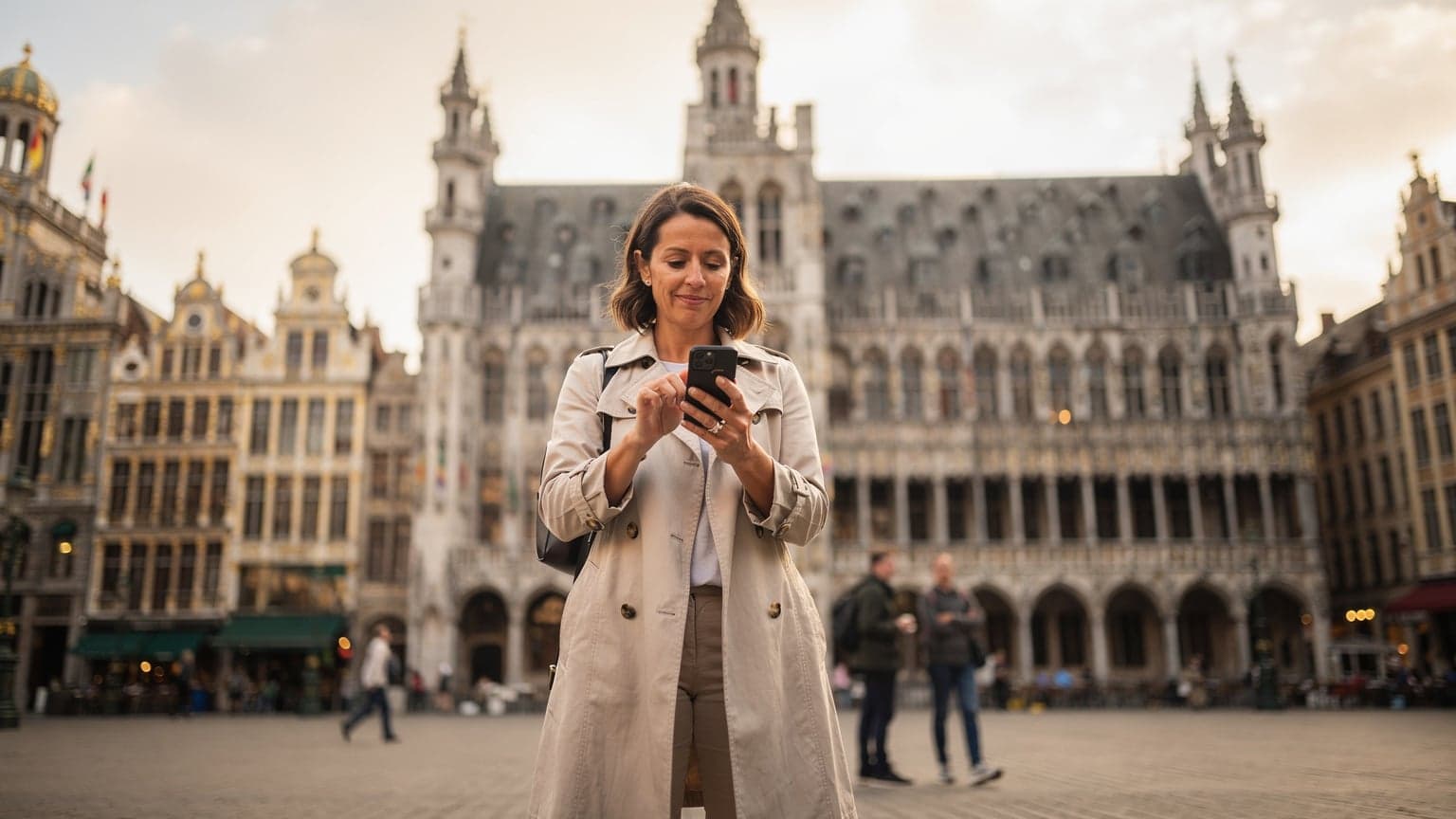
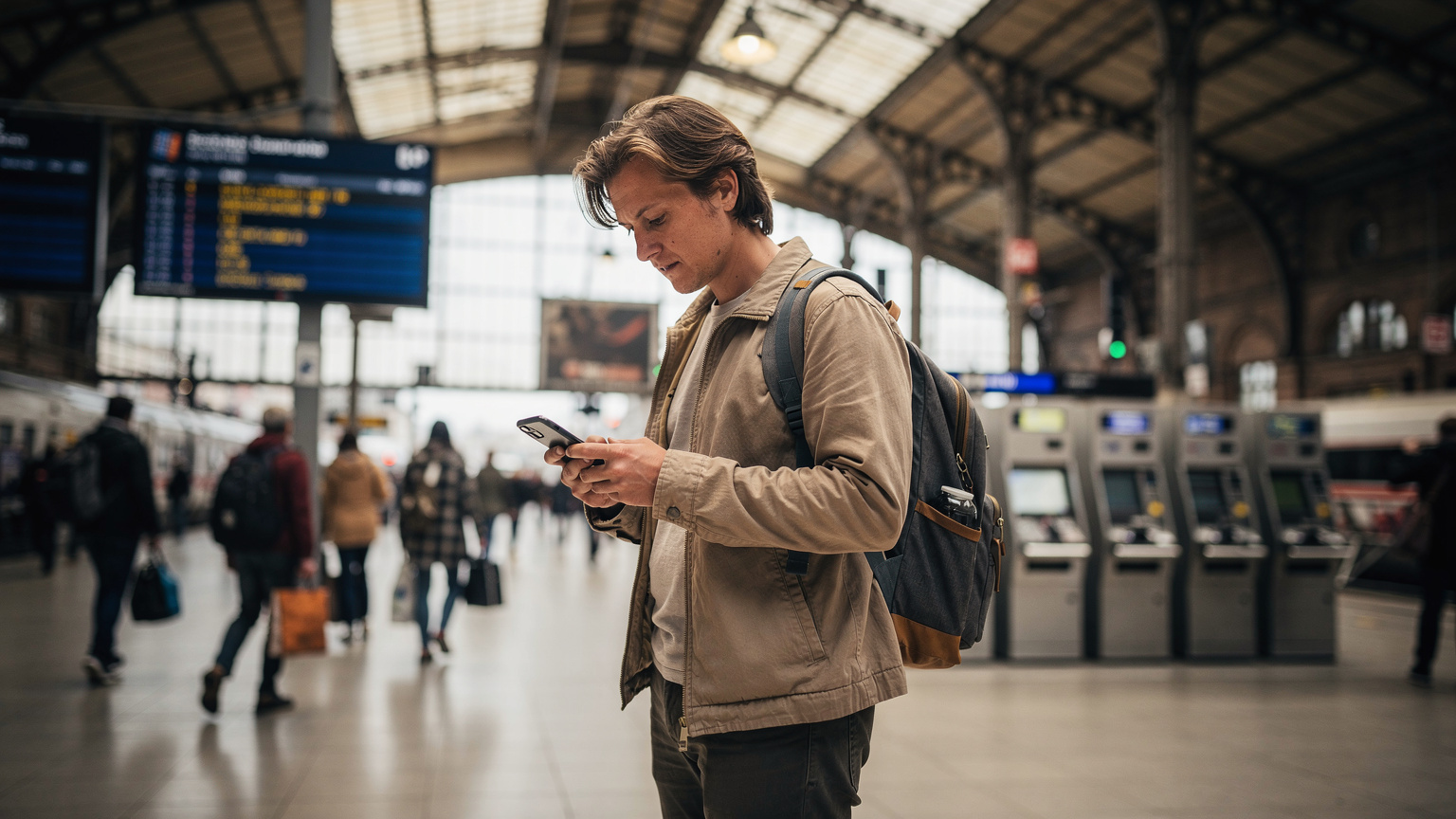
Like any major European capital, Brussels has areas where a bit more vigilance is smart. I've found that the area around the Grand Place, while stunning, is a prime target for pickpockets, especially during busy market days or evening events. The same goes for the Gare du Nord and Gare du Midi train stations, where crowds provide cover. In Antwerp, the Centraal Station area, despite its architectural beauty, can also be a bit notorious for opportunistic theft. My rule of thumb, honed over decades on the road, is to keep my phone and wallet out of easy reach in any crowd, particularly when navigating busy platforms or trying to decipher the De Lijn tram map.
Staying Aware in Bruges and Ghent
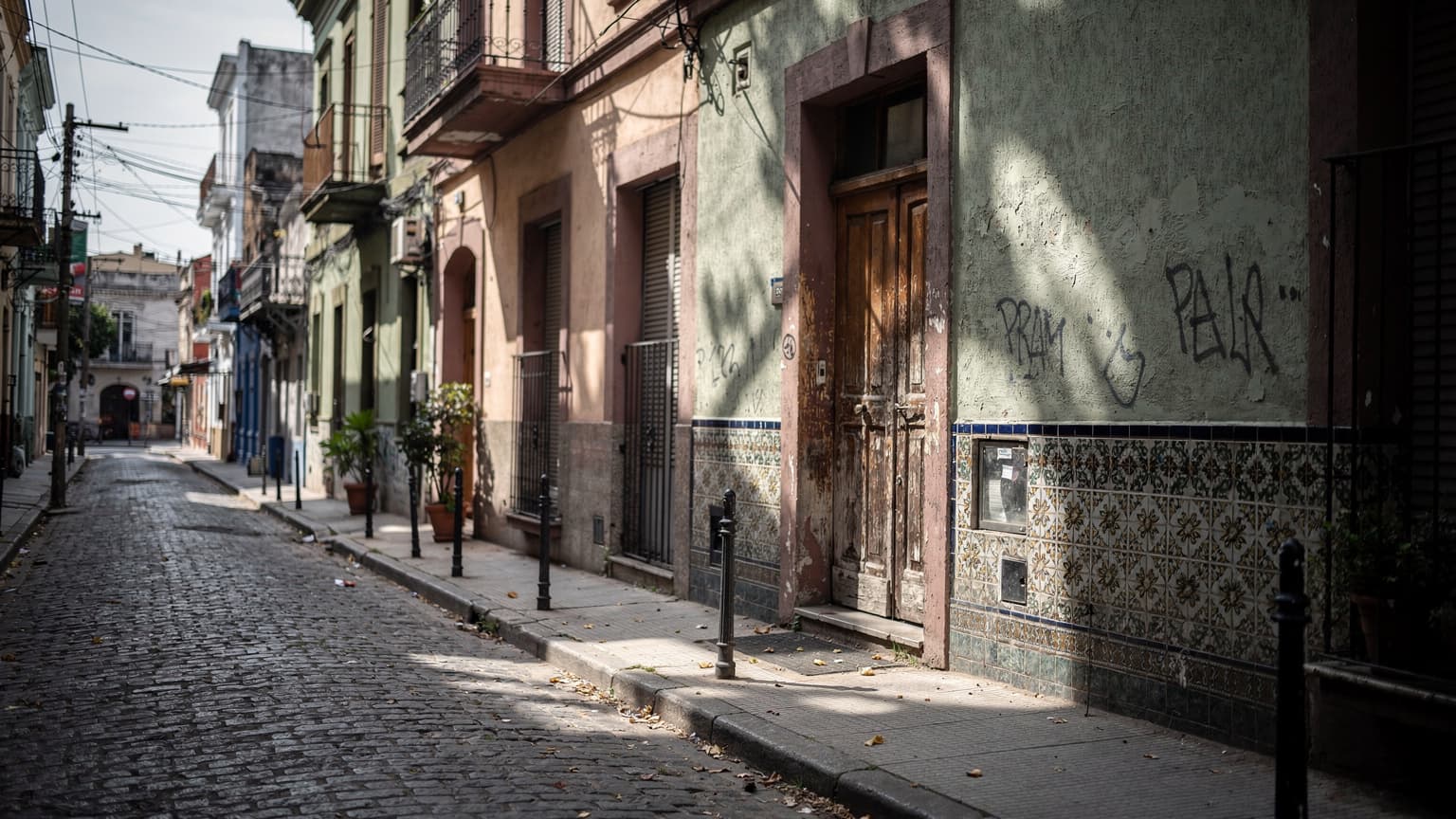
Smaller, picturesque cities like Bruges and Ghent generally have a more relaxed atmosphere. The biggest 'threat' here might be getting lost in the winding medieval streets after a few too many Belgian beers. Still, common sense prevails. Don't leave your phone unattended on an outdoor cafe table in the Vrijdagmarkt in Ghent, for instance. Even in tranquil spots, opportunists exist. Most of the 'incidents' I've heard about from other travelers in these cities are minor, easily preventable lapses of attention.
Entry Requirements and Visas for Belgium
Belgium, as a member of the Schengen Area, follows standard European entry rules. For most UK citizens, thanks to post-Brexit arrangements, you can enter Belgium for short stays (up to 90 days in any 180-day period) without a visa. This covers tourism, visiting family, or short business trips.
Passport Validity and ETIAS Considerations
Your passport needs to be valid for at least three months beyond your intended departure date from the Schengen area and must have been issued within the last 10 years. This isn't just a Belgian rule, it's a Schengen-wide standard that has caught a few of my colleagues out over the years, leading to last-minute passport renewals. It's an easy detail to overlook amidst flight bookings and hotel reservations.
Looking ahead to 2025, the European Travel Information and Authorisation System (ETIAS) is expected to be fully operational. If you're a visa-exempt non-EU citizen (including UK nationals), you'll need to apply for an ETIAS authorization before you travel. It's an online application, typically quick, and valid for three years or until your passport expires, whichever comes first. Keep an eye on official EU channels for the precise launch date and application portal. This isn't a visa, but a pre-travel screening that streamlines entry.
Customs and Restricted Items
Belgian customs regulations are fairly standard for the EU. You're generally allowed to bring personal items, but there are restrictions on certain goods like tobacco, alcohol, and cash amounts (over €10,000 must be declared). Pay particular attention to rules around medications, especially if you require prescription drugs. Always carry them in their original packaging with a copy of your prescription or a doctor's note. I once had a minor delay at Brussels Airport because a routine medication wasn't clearly labelled, a minor inconvenience but a reminder that details matter.
Staying Healthy: Travel Insurance and Local Medical Care
Belgium boasts an excellent healthcare system, but access and cost can vary for visitors. Travel insurance isn't just a good idea, it's absolutely essential. I've seen too many business trips derailed by unexpected medical bills that dwarf the cost of the entire trip.
The EHIC/GHIC and Private Insurance
For UK citizens, your Global Health Insurance Card (GHIC) or European Health Insurance Card (EHIC) provides access to medically necessary state-provided healthcare in Belgium at the same cost as a local resident. This often means free or reduced cost. However, it's crucial to understand that it doesn't cover all eventualities, like private medical treatment, medical repatriation back to the UK, or emergency dental work. This is where comprehensive travel insurance steps in. Always ensure your policy covers medical emergencies, trip cancellation, and personal liability. Double-check the small print, particularly regarding pre-existing conditions.
Accessing Medical Care in Belgium
If you need medical attention, pharmacists are often the first point of contact for minor ailments, and they can advise on local doctors or specialists. For emergencies, dial 112. Hospitals are modern and well-equipped. In Brussels, hospitals like Cliniques Universitaires Saint-Luc or UZ Brussel are highly regarded. Remember, if you need to visit a doctor (médecin in French, dokter in Dutch), it's common to pay upfront and then claim reimbursement later, either via your GHIC/EHIC or private insurance. Keep all receipts and medical reports.
Common Scams and How to Avoid Them
Belgium is generally free of aggressive street scams, but some clever cons do exist, especially targeting tourists. Being aware is your best defence.
Pickpocketing and Distraction Thefts
This is the most prevalent issue. In Brussels, around the Rue Neuve shopping street, or on the crowded platforms of the De Lijn trams in Antwerp, pickpockets work quickly. A common tactic involves one person distracting you (e.g., asking for directions, dropping something) while another dips into your bag or pocket.