Bhutan: Current Safety Overview for 2026
Bhutan has always been known as one of the safest countries in the world, and that hasn't changed for 2026. Serious crimes are incredibly rare, and even petty theft isn't something you'll worry about much, especially where tourists hang out. This isn't just a claim from the tourism board; it's what you experience there. The last time I was in Thimphu, I walked Norzin Lam after dark without a second thought, which I wouldn't do in many other capital cities. It's a peaceful, orderly place, thanks to strong cultural values and a tight-knit community.
Understanding the Low Crime Rate
Bhutan's low crime rate comes from its deep-seated Buddhist culture, which really values harmony and respect. Add to that a strong community spirit and effective law enforcement, and you'll find visitors feel very safe. You won't deal with pushy touts or pickpockets that are common in some other popular travel spots. Still, don't get completely careless. Always keep an eye on your valuables, especially in busy places like Thimphu's Centenary Farmers Market or the Paro Weekend Market.
Political Stability and Regional Security
Bhutan is politically stable. Its constitutional monarchy is deeply respected by the people. The country stays neutral in regional issues, which helps keep things peaceful. There aren't any major internal conflicts or outside threats that would affect tourists. Honestly, the biggest security concern you might have is a barking dog on a morning stroll near your guesthouse in Bumthang, not anything serious.
Entry & Visa Requirements, Bhutan 2026
Entering Bhutan isn't like popping into Europe; it takes a bit more planning, but the system is easy to follow once you get it. Most international travelers need a visa, and you have to arrange it beforehand through a licensed Bhutanese tour operator. This process ensures you have a guided tour, which is part of their 'High Value, Low Volume' tourism strategy. This isn't the spot for spontaneous backpacking, and that's exactly why it keeps its unique charm (and helps keep it safe, too).
The Sustainable Development Fee (SDF) Explained
Bhutan brought back its Sustainable Development Fee (SDF) in 2022. For most international tourists, it's USD 200 per person, per night. This fee is really important: it directly pays for free healthcare and education for Bhutanese citizens, infrastructure projects, and environmental conservation. It's not just a tax; it's an investment in the country's future. While it adds to your trip cost, it also means you're supporting a sustainable way of tourism. Kids under five don't pay, and those between five and twelve years old pay 50% of the SDF.
Visa Application Process
Your Bhutanese tour operator handles the visa application, submitting it to the Department of Immigration. You'll need a scanned copy of your passport (make sure it's valid for at least six months past your departure), a recent passport-sized photo, and confirmed flight and hotel bookings. Once approved, you'll get an e-visa clearance letter to show when you arrive. This structured approach means fewer rogue elements and a smoother entry for everyone.
| Requirement Category | Details for 2026 | Notes |
|---|---|---|
| Visa | Mandatory for most nationalities, pre-arranged through tour operator. | No visa on arrival option. |
| Sustainable Development Fee (SDF) | USD 200 per person, per night. | Funds development, healthcare, education. Excludes Indian nationals. |
| Passport Validity | Minimum 6 months beyond intended departure. | Check expiry date carefully to avoid issues. |
| Flight & Accommodation | Pre-booked and confirmed. | Part of the guided tour requirement. |
| Travel Insurance | Highly recommended. | Should cover medical emergencies and evacuations. |
Health & Wellness for Bhutan Travel
Bhutan is generally a healthy place to visit, but the altitude can surprise some people. Most main tourist spots, like Thimphu and Paro, are over 2,200 meters (7,200 feet), and some treks, such as the one to Tiger's Nest, go even higher. Staying hydrated and taking it easy when you first arrive is crucial. I've seen many travelers get a headache on their first day, thinking it was just jet lag. Often, it was the altitude.
Altitude Sickness Prevention
The best way to avoid altitude sickness is to go up slowly and let your body get used to it. Many itineraries are planned this way, starting in lower valleys before heading higher. Drink lots of water, skip alcohol and big meals on your first day, and if you feel symptoms like a headache, nausea, or dizziness, tell your guide right away. They know how to spot and manage these problems.
Vaccinations and Medical Facilities
Bhutan doesn't legally require specific vaccinations for entry, but it's always smart to be current on your routine shots: tetanus, diphtheria, measles, mumps, rubella (MMR), and polio. Hepatitis A and typhoid are also recommended. Talk to your doctor well before your trip. Medical facilities are basic, especially outside Thimphu. For serious emergencies, you might need to be evacuated to a hospital in Bangkok or Delhi, which really highlights why comprehensive travel insurance that covers medical emergencies and evacuations is so important.
Food and Water Safety
Don't drink tap water in Bhutan. Stick to bottled water, which you can find everywhere, or use a water purification system. Bhutanese food is tasty but can be spicy. Be careful with street food, though it's less common than in other South Asian countries. Most restaurants and hotels catering to tourists have good hygiene. I've never had a problem eating at the Folk Heritage Museum Restaurant in Thimphu, for example; it's a consistently good spot for local dishes.
Staying Connected: Bhutan eSIM & Data
Phone and internet service in Bhutan has gotten a lot better over the years, but it's not always perfect, especially outside the main towns. Relying on guesthouse Wi-Fi can be a gamble, with speeds all over the place. For reliable access, especially if you need to check bookings, find directions, or just talk to family, an eSIM is your best bet. I always recommend having a solid data connection, particularly if you need to meet your guide at Paro International Airport or look up a bus schedule.
Why an eSIM is Essential
You can get local SIM cards, but they require passport registration, which takes time. An eSIM, however, can be bought and activated before you even land, giving you instant connectivity. This saves you the trouble of finding a local vendor, often with limited English, and then waiting for activation. For instance, a Cellesim Bhutan eSIM offers you flexibility with 7+ plans. Given Bhutan's mountains, you'll be glad to have data wherever possible, even if it's just for WhatsApp messages.
Reliable Data in Urban Centers vs. Rural Areas
In Thimphu and Paro, you'll generally find good 4G coverage. Popular cafes like Ambient Cafe in Thimphu offer Wi-Fi, but it can be slow if everyone's using it. Outside these areas, especially in remote valleys or during treks, your connection might drop to 3G or disappear entirely. This is where an eSIM from a provider like Cellesim, which combines local networks, really helps by boosting your chances of getting a signal. Think about whether 256kbps eSIM speed is truly enough for your travel data needs if you plan to do more than just basic messaging.
Using Local Apps and Digital Services
While many essential travel apps are international, some local services, like booking taxis from stands, don't need data. But for chatting with your guide or hotel staff via WhatsApp, a stable data connection is key. There aren't many local apps that absolutely require a Bhutanese SIM, like some Brazilian bank apps or Indian Aadhaar apps, but having data keeps you ready for any unexpected needs.
Local Laws & Customs in Bhutan
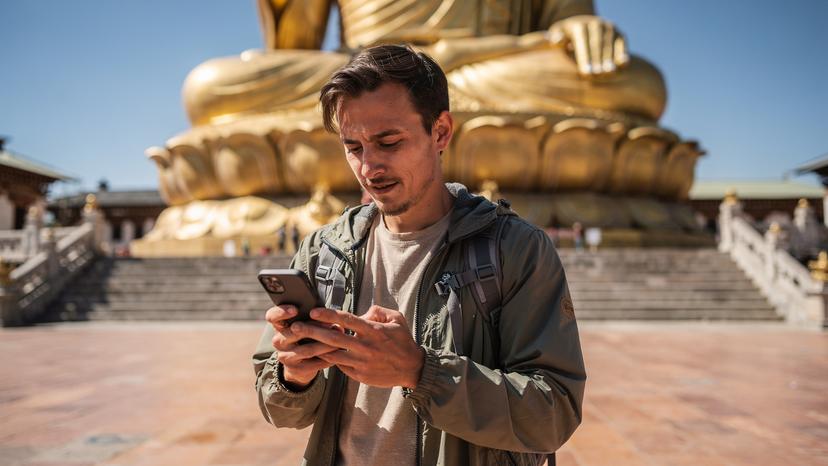
Bhutan is a conservative country with strong cultural and religious traditions. Respecting these is vital for a smooth trip. It's not about being overly cautious, but about being thoughtful and polite. Remember, you're a guest in their home, and they are incredibly welcoming if you show respect.
Dress Code and Public Decorum
When visiting monasteries, temples, and dzongs (fortress-monasteries), you need to dress modestly. Shoulders and knees must be covered for both men and women. It's also respectful to take off your shoes before entering temples. Public displays of affection are generally frowned upon, and loud, noisy behavior is considered rude. Bhutanese people are usually soft-spoken, and matching that demeanor goes a long way. I always keep a light scarf in my daypack for those unexpected temple visits.
Smoking and Alcohol Laws
Bhutan is mostly a non-smoking country. While not completely banned, smoking in public places is against the law, and tobacco products are heavily taxed and tough to buy. It's best to just avoid smoking in public. You can drink alcohol, but public intoxication isn't tolerated. You'll find local breweries and bars in Thimphu, but keep your drinking discreet.
Photography Etiquette
Always ask for permission before taking photos of people, especially monks. Inside monasteries and temples, photography is often limited or forbidden. Look for signs, or just ask your guide. When snapping scenic shots, be mindful of any religious structures or prayer flags, and try not to disturb them. Following these rules ensures a positive interaction.
Cultural Sensitivity
When you talk to locals, a polite 'Kuzuzangpo la' (hello) and 'Kadrinche la' (thank you) make a big difference. Don't point with your finger; instead, use an open hand. Don't step over people's legs, and always try to pass prayer wheels or stupas on your left. These small gestures show you respect their deep traditions.
Transportation Safety in Bhutan
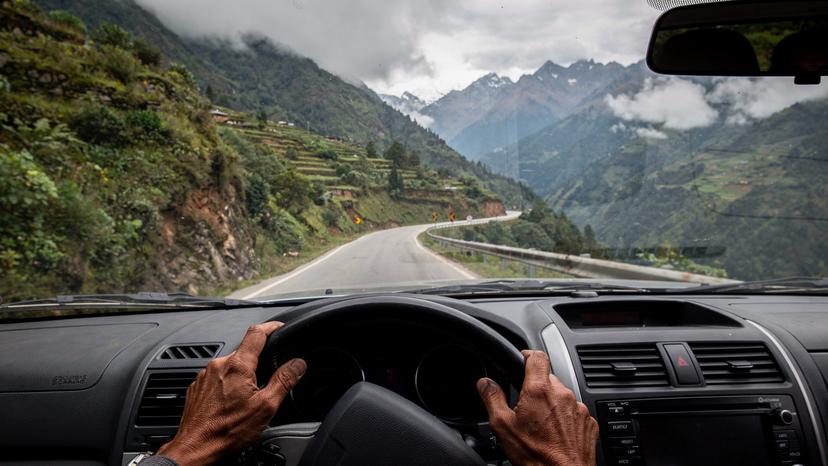
Getting around Bhutan mostly means road travel, as there are no domestic flights or trains. Roads are generally well-kept in major areas, but they are often winding and mountainous, which means journeys take longer. Patience is definitely a virtue here.
Road Conditions and Driving
Bhutan's roads are often narrow with sharp turns, especially on routes like the drive from Paro to Thimphu or Punakha. Landslides can happen during monsoon season (June to September), which can close roads temporarily. Always travel with experienced local drivers who know the terrain. Speed limits are strictly enforced, and drivers are generally careful. I've found that even though trips can be long, the views are stunning enough to make up for it.
Taxis and Local Transport
In towns like Thimphu and Paro, taxis are easy to find. They are generally safe and metered, though it's always good to confirm the fare before you start your ride. For longer distances, your tour operator will arrange private vehicles. Public bus services exist but are mainly for locals and can be slow and less comfortable for tourists. It's best to stick to the transportation your tour operator provides.
Money: Managing Finances in Bhutan
Bhutan's currency is the Ngultrum (BTN), which is fixed to the Indian Rupee (INR). Indian Rupees are widely accepted, especially 100 Rupee notes. However, 500 and 2000 Rupee notes can sometimes be an issue due to concerns about fake currency, so stick to smaller denominations if you're using INR. ATMs are available in major towns like Thimphu, Paro, and Phobjikha Valley, but they can be unreliable.
Currency Exchange and ATMs
It's smart to carry a mix of USD or EUR cash to exchange when you arrive at Paro International Airport or at authorized banks in Thimphu. ATMs give out Ngultrum, but connectivity issues or running out of cash can sometimes be a problem. Don't rely only on ATMs. I always make sure to have at least a few hundred US dollars in smaller bills as a backup. While major hotels might take cards, many smaller shops and restaurants only accept cash.
Credit Card Usage
Credit cards (Visa, MasterCard) are accepted at bigger hotels, some higher-end craft shops, and a few restaurants in Thimphu and Paro. But outside these places, cash is king. Always carry enough local currency for your daily expenses, especially if you plan to buy souvenirs from local vendors at the Thimphu Handicrafts Market or grab a traditional meal at a smaller eatery. It's also wise to tell your bank your travel dates to prevent your card from being frozen.
| Payment Method | Acceptance in Bhutan (2026) | Recommendations |
|---|---|---|
| Bhutanese Ngultrum (BTN) | Universal, preferred for all transactions. | Essential. Exchange cash or withdraw from ATM. |
| Indian Rupees (INR) | Widely accepted, especially 100 Rupee notes. | Carry smaller denominations, avoid 500/2000 INR notes. |
| USD/EUR Cash | For exchange at banks or airport. | Good for emergencies or initial exchange. |
| Credit/Debit Cards | Limited to large hotels, some shops in major towns. | Do not rely solely on cards; notify your bank. |
| Mobile Payment Apps | Not widely used for tourists. | Stick to cash or cards for now. |
Common Travel Scams in Bhutan
Honestly, scams are almost non-existent in Bhutan. The country's strong moral code and low crime rate extend to its tourism sector. Unlike many other destinations where you constantly have to be on guard, Bhutan offers a refreshing break from that stress. This is one of the few places where a 'friendly local' usually just means a genuinely friendly local, not someone trying to sell you something shady.
Overcharging & Price Gouging
Since most tourists travel with pre-arranged packages, you'll rarely encounter overcharging. Your tour operator handles most logistics, including transport and accommodation costs. Any shopping you do at local markets or craft shops will generally be at fair prices, though a little polite bargaining for souvenirs is fine, especially at the Saturday Market in Thimphu. Vendors here usually won't aggressively pester you; they tend to wait for you to approach them.
Fake Goods and Misleading Information
The Bhutanese government is very proud of its authentic products, especially handicrafts. While you might find some imported items, anything sold as Bhutanese-made is usually the real deal. Misleading information is also rare, particularly from official sources or tour guides. Your guide is typically a trustworthy source, as they are trained and certified.
Emergency Contacts in Bhutan
Even in a safe country like Bhutan, knowing who to call in an emergency is essential. Keep these numbers handy, perhaps written down in your wallet and saved on your phone. Having a charged phone with a working eSIM like Cellesim for seamless global data could be a lifesaver in a pinch.
Key Emergency Numbers
- Police: 113
- Fire Services: 112
- Ambulance/Medical Emergency: 110
- Traffic Police (for road accidents): 111
Your Tour Operator and Embassy
Your first contact should almost always be your tour operator or guide. They are best equipped to handle local situations and talk to authorities. Also, make sure you have the contact details for your country's embassy or consulate, usually in New Delhi, India, since many countries don't have a direct diplomatic presence in Thimphu. Registering your trip with your embassy before you leave is a smart move.
Environmental Considerations in Bhutan
Bhutan is famous for its dedication to environmental conservation, being the only carbon-negative country in the world. As a visitor, you play a part in keeping this environment pristine. It's more than just a policy; it's a way of life, and you'll see it everywhere, from clean streets to protected forests.
Waste Management and Plastic Use
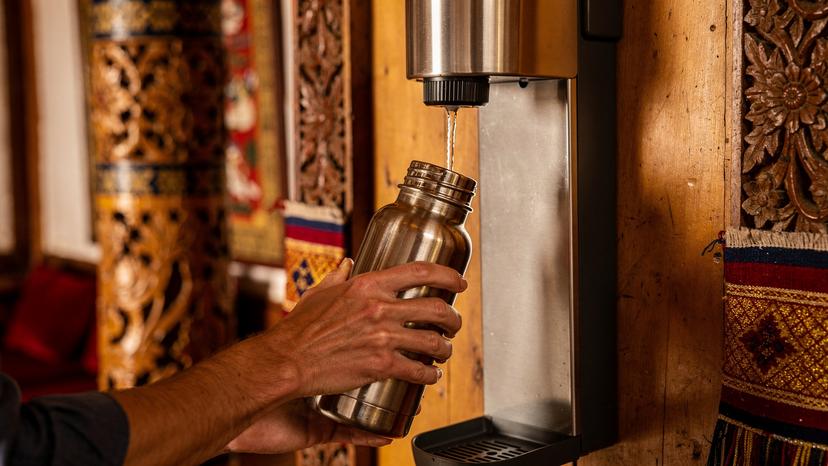
The government has strict rules against littering. Always dispose of your waste properly using designated bins. Plastic bags are officially banned, so consider bringing reusable bags for any shopping. Try to minimize your use of single-use plastics, including plastic water bottles, by refilling a reusable bottle whenever possible. Many hotels and cafes offer filtered water for refills.
Protecting Wildlife and Natural Habitats
Bhutan is a hotspot for biodiversity, home to various rare species. When trekking, stay on marked trails and avoid bothering wildlife. Do not pick flowers or collect plants. Your tour guide will stress these points, as they are fundamental to Bhutanese identity and tourism.
What to Do if Things Go Wrong
Even in the safest places, unexpected things can happen. Knowing what to do can make a big difference, whether it’s a lost passport or a small medical issue. The main thing is to stay calm and follow the usual steps.
- Contact Your Guide/Tour Operator Immediately: They are your best resource for almost any problem. They have local knowledge, contacts, and can talk effectively with local authorities or medical staff.
- Report to Local Police: For theft or any serious incident, your guide will help you file a police report. This is essential for insurance claims. The main police station in Thimphu is near the Clock Tower Square.
- Contact Your Embassy/Consulate: For lost passports, legal troubles, or serious medical emergencies, reach out to your embassy or consulate (often located in New Delhi, India). They can offer help and advice.
- Inform Your Travel Insurance Provider: As soon as you can, tell your travel insurance company about any incidents that might lead to a claim. Keep all documents, like police reports or medical records.
- Stay Connected: Make sure your phone is charged and has an active eSIM for emergency calls or data usage. A dead phone in a remote area is a problem you don't need.
Frequently Asked Questions
Is Bhutan safe for solo female travelers in 2026?
Yes, Bhutan is extremely safe for solo female travelers in 2026. The country has a very low crime rate, and women are highly respected culturally. However, always take standard travel precautions, such as being aware of your surroundings and avoiding isolated areas at night.
What are the visa requirements for Bhutan in 2026?
For most international travelers in 2026, a visa for Bhutan is mandatory and must be pre-arranged through a licensed Bhutanese tour operator. This usually includes a Sustainable Development Fee (SDF) of USD 200 per person per night, which supports the country's development and conservation efforts.
What health precautions should I take before traveling to Bhutan?
It's a good idea to be up-to-date on routine vaccinations and consider Hepatitis A and Typhoid shots. Altitude sickness is a common concern because Bhutan is so high up, so plan to acclimatize gradually and stay hydrated. Talk to your doctor for specific advice well before your trip.
Can I use my mobile phone and get internet in Bhutan?
Yes, mobile network coverage is available in Bhutan, especially in cities like Thimphu and Paro, but it can be patchy in remote areas. Using an eSIM, like a Cellesim Bhutan eSIM, gives you convenient and reliable data connectivity, which you can activate before you even arrive.
Are there any specific cultural customs or laws to be aware of in Bhutan?
Bhutan is a deeply traditional Buddhist country. You'll need to dress modestly when visiting religious sites, and public displays of affection are not appropriate. Photography inside temples is often restricted. Always ask permission before taking pictures of people and respect local customs, such as walking around stupas on your left.
How do I deal with money and currency in Bhutan?
The local currency is the Ngultrum (BTN), which is pegged to the Indian Rupee (INR). Indian Rupees are also widely accepted (especially 100 Rupee notes). ATMs are available in major towns but can be unreliable. It's smart to carry a mix of USD/EUR cash to exchange and only use credit cards at larger hotels or shops, as cash is preferred almost everywhere else.